
Nutrition comparison
Shawarma vs Doner Kebab: Which Street Food Is Healthier?
Compare Shawarma and Doner Kebab on calories, sodium, protein, and health impact. Find out which street food is better for weight loss, muscle gain, and daily eating.
Overall winner · Shawarma
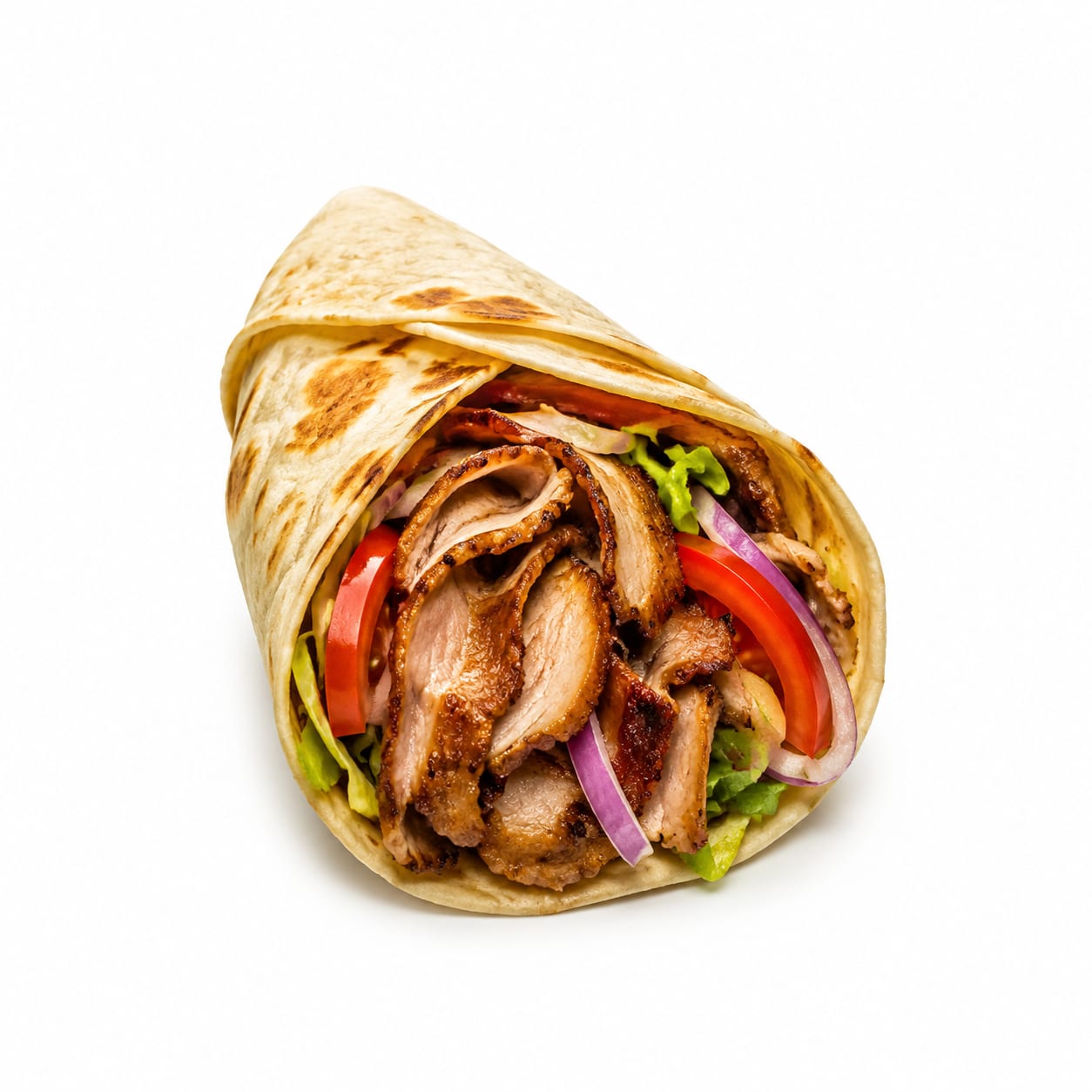
Shawarma
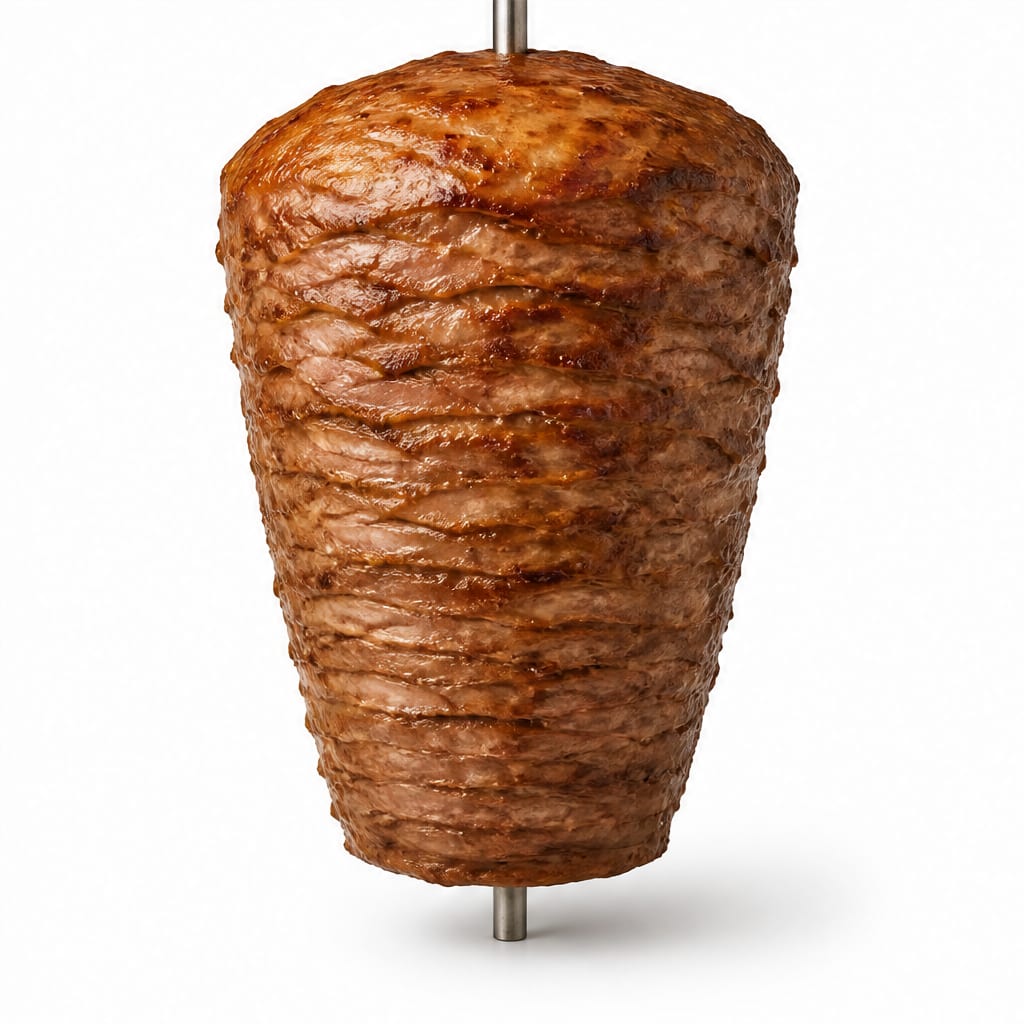
Doner Kebab
Shawarma edges ahead thanks to lighter condiments, more vegetable fillings, and a culinary tradition that favors smaller portions with pickled sides. Doner Kebab tends to be heavier, saucier, and more prone to oversized portions.
Shawarma scores moderately higher due to typically better vegetable integration, lighter sauce profiles, and cultural portion norms that discourage overeating. Doner Kebab loses ground on portion control, heavier sauces, and its association with late-night overconsumption. Both lose points for high sodium and variable meat quality.
Shawarma offers a slightly cleaner nutritional profile with tahini and pickled vegetables, while Doner Kebab delivers bigger, more filling portions that are easier to overeat.
At a glance
Executive summary
Overall
Shawarma
Healthier
Shawarma
More practical
Doner Kebab
Daily use
Shawarma
Key comparison lenses
calorie density and weight impact
Both are street foods with variable portions and sauces that can silently double calorie intake
sodium load and heart health
Marinades and condiments in both dishes pack significant sodium, relevant for blood pressure concerns
meat quality and processing level
Both can range from freshly carved whole meat to reformed processed logs, drastically changing health impact
sauce and condiment differences
Tahini-based vs yogurt-based sauces create different fat and calorie profiles
late-night eating and overeating risk
Both are popular late-night foods where portion control collapses
food safety from vertical spit cooking
Shared cooking method creates similar contamination risks from temperature control issues
Best choice for
Shawarma
- Lighter lunch that won't cause afternoon energy crashes
- Middle Eastern flavor preference with tahini and pickles
- Smaller appetite or calorie-conscious eating
- More vegetable-forward street food experience
Doner Kebab
- Post-drinking or late-night hunger that demands volume
- Maximum fullness per dollar spent
- Bigger appetite or after-workout calorie needs
- Hearty, comforting cold-weather meal
Least suitable for
Shawarma
- Anyone needing maximum calories on a budget
- Those who find tahini-heavy flavors unappealing
- People wanting the most filling option available
Doner Kebab
- Sodium-sensitive individuals watching blood pressure closely
- Late-night eaters prone to acid reflux
- Anyone tracking calories carefully — portions are notoriously oversized
Deep comparison
Dimension by dimension
Each lens scores both foods and breaks down who each option suits.
- Dimension 1 · Priority 92Shawarma
calorie density and portion control
Shawarma · 58Doner Kebab · 42Shawarma wraps tend to be smaller and lighter, while Doner Kebab portions — especially in Europe — are famously enormous.
Tradeoff
A lighter Shawarma wrap may leave you hungry sooner, but a Doner Kebab box can easily exceed 1000 calories before you notice.
Why it matters
Street food portions are rarely standardized. The default serving size you receive has a bigger impact on your waistline than the food itself.
Real-world impact
A typical Shawarma wrap runs 500-700 calories. A loaded Doner Kebab box can hit 800-1200 calories, mostly from meat volume and sauce.
Shawarma
- Controlling calories without counting
- Avoiding that overstuffed, sluggish feeling after eating
Better for
- Very active people who need substantial calories
Worse for
Doner Kebab
- Refueling after intense physical work or training
- Getting maximum food for your money
Better for
- Anyone eating late and going to bed soon after
- Consistent daily lunch that slowly drives weight gain
Worse for
- Dimension 2 · Priority 88Shawarma
sodium load
Shawarma · 45Doner Kebab · 35Both are high-sodium foods, but Doner Kebab typically packs more due to heavier seasoning, salt-based marinades, and generous sauce portions.
Tradeoff
Neither is a low-sodium choice. Shawarma is slightly less aggressive on salt, but the difference is marginal — both can deliver 1500-2500mg sodium per serving.
Why it matters
A single serving of either can approach or exceed your daily sodium limit. This matters enormously for blood pressure and bloating.
Real-world impact
You may notice thirst, bloating, or puffy fingers after either meal. With Doner Kebab, the effect is usually more pronounced the next morning.
Shawarma
- Slightly less post-meal bloating
- Marginally easier on blood pressure over time
Better for
- Hypertension patients who need strict sodium control
Worse for
Doner Kebab
- After heavy sweating when sodium replenishment is actually useful
Better for
- Anyone already exceeding daily sodium limits regularly
- People prone to water retention and morning puffiness
Worse for
- Dimension 3 · Priority 80Shawarma
sauce and condiment health impact
Shawarma · 60Doner Kebab · 48Shawarma's tahini and hummus offer healthy fats and some protein. Doner Kebab's garlic yogurt and chili sauces add calories with less nutritional payoff.
Tradeoff
Tahini is calorie-dense but nutrient-rich. Garlic yogurt is lighter per spoon but often used more generously, and some shops add mayonnaise-based sauces that quietly multiply fat content.
Why it matters
Sauces can account for 200-400 calories in either dish. The type and amount of sauce often determines whether your meal is reasonable or excessive.
Real-world impact
Asking for sauce on the side can save 150-300 calories regardless of which you choose. With Doner Kebab, the default sauce pour is usually heavier.
Shawarma
- Getting heart-healthy fats from tahini and olive oil
- More protein from hummus-based condiments
Better for
- Tahini is very calorie-dense — easy to overdo
- Sesame allergy risk
Worse for
Doner Kebab
- Garlic yogurt provides probiotics if live-culture yogurt is used
- Lower fat per spoonful if sauces are portion-controlled
Better for
- Mayonnaise-based sauces in many shops add empty calories
- Hidden sugar in commercial chili sauces
Worse for
- Dimension 4 · Priority 82Shawarma
vegetable and fiber content
Shawarma · 62Doner Kebab · 48Shawarma traditionally includes more pickled vegetables, fresh herbs, and salad variety. Doner Kebab often relies on minimal shredded lettuce and onion.
Tradeoff
More vegetables means better fiber, more satiety, and steadier blood sugar — but also means the meal feels less indulgent and meat-heavy.
Why it matters
Fiber slows digestion and softens the blood sugar spike from the bread. It also helps you feel full on fewer calories.
Real-world impact
A Shawarma wrap with pickled turnips, tabbouleh, and fresh tomatoes delivers noticeably more fiber than a Doner Kebab with shredded iceberg lettuce.
Shawarma
- Better blood sugar stability after the meal
- More digestive regularity from fiber
Better for
- Pickled vegetables add extra sodium
Worse for
Doner Kebab
- Less fuss if you just want meat and bread without vegetable textures
Better for
- Low fiber means faster hunger return
- Less digestive bulk for gut health
Worse for
- Dimension 5 · Priority 78Doner Kebab
protein quality and satiety
Shawarma · 55Doner Kebab · 62Doner Kebab typically delivers more protein per serving simply due to larger meat portions. Both use similar meat cuts when freshly prepared.
Tradeoff
More protein means better satiety and muscle support, but the extra meat in Doner Kebab also brings more saturated fat and calories.
Why it matters
Protein is the most satiating macronutrient. Getting enough in a single meal reduces snacking later, but the source and amount both matter.
Real-world impact
A Doner Kebab box might deliver 40-60g protein versus 25-40g in a Shawarma wrap. Useful after training, excessive if you are sedentary.
Shawarma
- Adequate protein without excessive calories
- Leaner chicken Shawarma options are widely available
Better for
- May not provide enough protein for larger or very active people
Worse for
Doner Kebab
- Post-workout recovery when protein quantity matters most
- Staying full for 5-6 hours without snacking
Better for
- Excessive protein is not inherently better and comes with more fat
- Sedentary eaters get no extra benefit from the surplus
Worse for
- Dimension 6 · Priority 75It depends
food safety and contamination risk
Shawarma · 48Doner Kebab · 48Both share the same fundamental risk: meat on a vertical spit that may not reach safe temperatures throughout. Quality varies enormously by vendor.
Tradeoff
Neither is inherently safer. The real risk factor is the specific shop's hygiene, turnover rate, and how long the spit has been spinning.
Why it matters
Vertical spit cooking means the outer layer is hot but inner layers may sit in the danger zone. Low-turnover shops are riskier for both.
Real-world impact
Choose busy shops with high meat turnover. A quiet Doner Kebab shop at 3 PM is riskier than a packed Shawarma stand at lunch rush — and vice versa.
Shawarma
- No specific safety advantage
Better for
- Same spit-cooking risks as Doner Kebab
Worse for
Doner Kebab
- No specific safety advantage
Better for
- Late-night Doner Kebab shops may have lower hygiene standards
- Reformed meat logs in cheaper shops are higher risk than whole-meat spits
Worse for
- Dimension 7 · Priority 72Shawarma
digestive comfort
Shawarma · 58Doner Kebab · 45Shawarma's pickled vegetables and lighter sauces are generally easier on digestion. Doner Kebab's heavier grease and sauce volume can trigger reflux.
Tradeoff
The lighter, more acidic profile of Shawarma digests faster but may cause heartburn in sensitive people. Doner Kebab sits heavier and longer.
Why it matters
If you are eating either as a late meal, digestive comfort directly affects sleep quality and next-morning wellbeing.
Real-world impact
After a Shawarma wrap, you might feel satisfied but mobile. After a loaded Doner Kebab box, you may want to lie down — and regret it when acid reflux hits.
Shawarma
- Less post-meal heaviness
- Pickled foods may support gut flora
Better for
- Acidic pickles can trigger heartburn in susceptible people
Worse for
Doner Kebab
- No real digestive advantage
Better for
- High fat content slows gastric emptying — bloating and reflux risk
- Garlic and onion-heavy sauces are common IBS triggers
Worse for
Timeline
Health impact over time
Short-term
Hours to days
Shawarma
- Moderate energy from balanced macros without extreme fullness
- Possible thirst from sodium in marinades and pickles
- Generally comfortable digestion if portions are reasonable
Doner Kebab
- Heavy fullness that can cause sluggishness within an hour
- Strong thirst from higher sodium content
- Risk of acid reflux if eaten late or in large portions
- Bloating from high fat and sauce volume
Long-term
Months to years
Shawarma
- Regular consumption may contribute to gradual sodium-related blood pressure increases
- Tahini provides recurring healthy fats that support heart health
- More manageable portion norms reduce risk of gradual weight gain
Doner Kebab
- Frequent large portions increase risk of steady weight gain
- Higher saturated fat intake from bigger meat portions and sauces
- Chronic sodium excess is more likely due to larger default servings
- Association with late-night eating patterns compounds metabolic risk
Risk profile
Safety & processing
Both foods sit in similar processing territory. Freshly marinated whole-meat versions are moderately processed. Cheaper shops may use reformed meat products with binders, preservatives, and flavor enhancers. The gap between a high-quality Shawarma and a low-end Doner Kebab is wider than the gap between average versions of each. Always ask if the meat is whole-cut or reformed — this single question reveals more about quality than anything else.
Shawarma
Inadequate spit temperature
mediumInner layers of the meat stack may not reach safe temperatures, especially during slow periods. Bacteria can multiply in the danger zone between cuts.
Cross-contamination from shared utensils
mediumBusy Shawarma shops may use the same tongs for raw and cooked meat handling, especially during rush hours.
Reformed meat in budget shops
lowCheaper operations may use processed meat logs with binders and preservatives rather than whole marinated cuts.
Doner Kebab
Inadequate spit temperature
highDoner Kebab spits are often larger and spin longer, meaning deeper layers may stay in the danger zone for extended periods, especially in late-night shops with low turnover.
Late-night hygiene standards
highMany Doner Kebab shops operate primarily during late hours when staff fatigue and reduced oversight increase food handling errors.
Reformed meat products
mediumBudget Doner Kebab shops frequently use reformed meat logs containing mechanically separated meat, binders, and additives rather than whole cuts.
Who wins for whom
Audience fit
Same foods, different winners depending on your goal.
children
ShawarmaSmaller portions suit smaller appetites, and the milder flavor profile with tahini is often more kid-friendly than intense garlic sauces. Less grease also means fewer stomach aches.
daily consumption
ShawarmaNeither should be eaten daily, but Shawarma's lighter profile and better vegetable content make it less damaging as an occasional regular. Doner Kebab's sodium and calorie load accumulates faster.
diabetes
ShawarmaMore fiber from vegetables and slightly smaller bread portions help moderate blood sugar spikes. Neither is ideal, but Shawarma creates a gentler glycemic response.
elderly
ShawarmaLighter, easier-to-digest portions with more vegetables suit aging digestive systems. Lower fat content reduces gallbladder and reflux issues common in older adults.
muscle gain
Doner KebabLarger meat portions deliver more protein per serving. For someone actively building muscle and needing surplus calories, Doner Kebab provides more raw material.
weight loss
ShawarmaSmaller default portions, more vegetables, and lighter sauces make Shawarma easier to fit into a calorie deficit. You can eat a reasonable Shawarma wrap without blowing your daily budget.
Your move
Decision guide
Choose Shawarma
- You want a satisfying street food without the food coma afterward
- Sodium and calorie awareness matter for your health goals
- You prefer tahini, pickled vegetables, and Middle Eastern flavors
- You are eating during the day and want to stay productive
- You want more vegetables and fiber built into the meal
Choose Doner Kebab
- You are genuinely hungry and need maximum fullness
- You just finished intense physical activity or training
- It is late at night and only Doner Kebab shops are open
- You want the most food per dollar spent
- Hearty, heavy comfort food is exactly what you are craving
Either works if
- You are traveling and both are available from reputable vendors
- Your main concern is convenience and proximity
- You plan to ask for sauce on the side and control portions yourself
Avoid both if
- You have severe sodium restrictions or uncontrolled hypertension
- You are prone to gout attacks from purine-rich meats
- You have a sensitive stomach and are eating late before bed
- You are strictly limiting processed meat intake for cancer risk reduction
Final recommendation
For most everyday situations, Shawarma is the smarter choice — lighter, more vegetable-rich, and easier to eat without regret. Save Doner Kebab for when you genuinely need the extra fuel or are embracing the late-night street food experience mindfully. With either option, ask for extra vegetables, go easy on the sauce, and choose busy shops with high meat turnover for better safety and quality.
Practical
Consumer tips
- 1
Ask whether the meat is whole-cut or reformed — whole-cut is consistently higher quality and safer
- 2
Request sauce on the side to control 150-300 hidden calories per serving
- 3
Choose chicken over mixed or lamb versions for less saturated fat in both Shawarma and Doner Kebab
- 4
Eat at busy shops with high turnover — fresher meat and better temperature control reduce food safety risks
- 5
Avoid the oversized box option for Doner Kebab — the wrap version is usually plenty
- 6
Add extra salad or pickled vegetables to either dish for more fiber and satiety with minimal calories
- 7
If eating late, finish at least 2 hours before lying down to reduce reflux risk
- 8
Drink extra water after either meal to help flush excess sodium and reduce next-day bloating