
Nutrition comparison
Shawarma vs Burger: Which is Healthier?
Comparing shawarma and burger for calories, fat, and health. Find out which fast food favorite is the better choice for your diet.
Overall winner · Shawarma
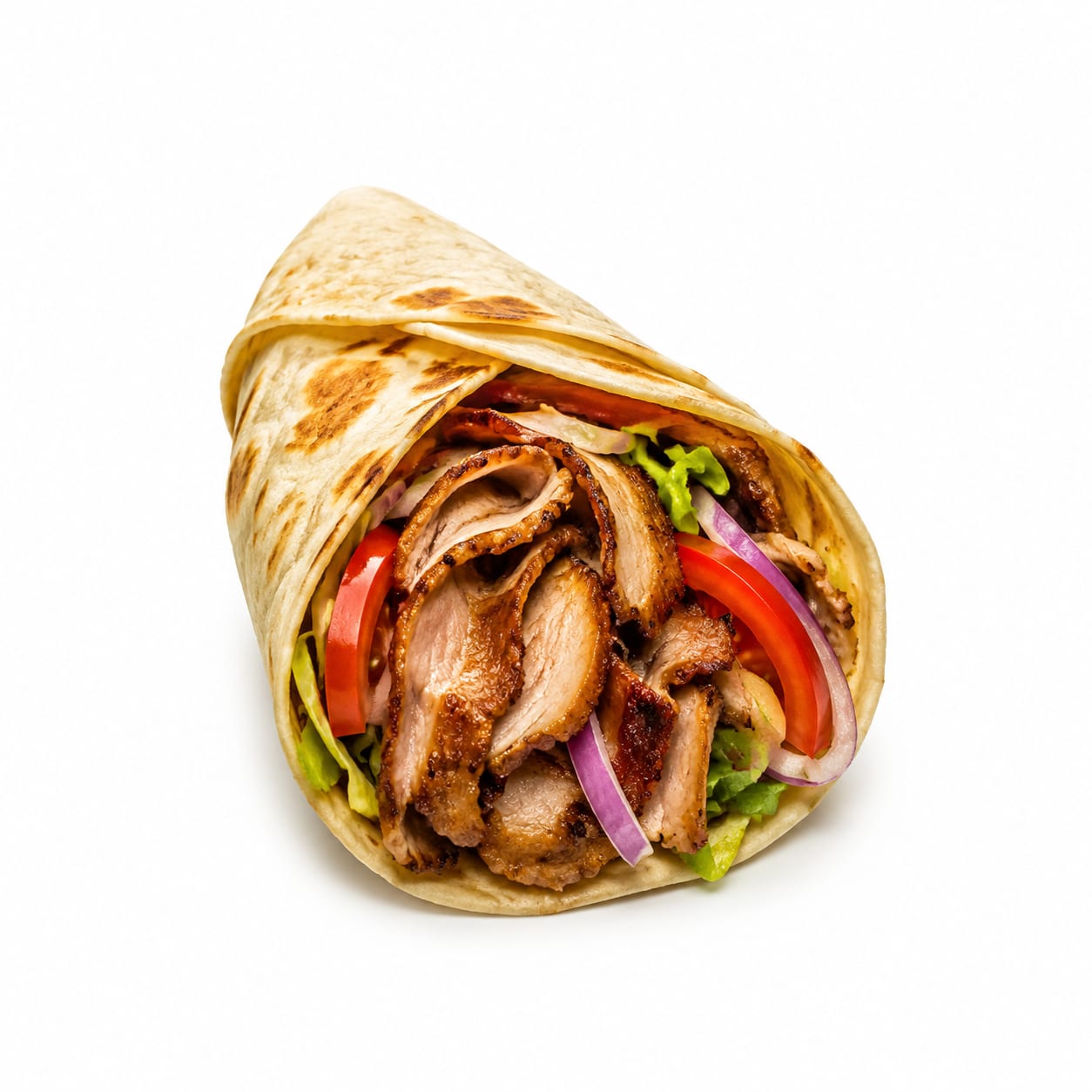
Shawarma
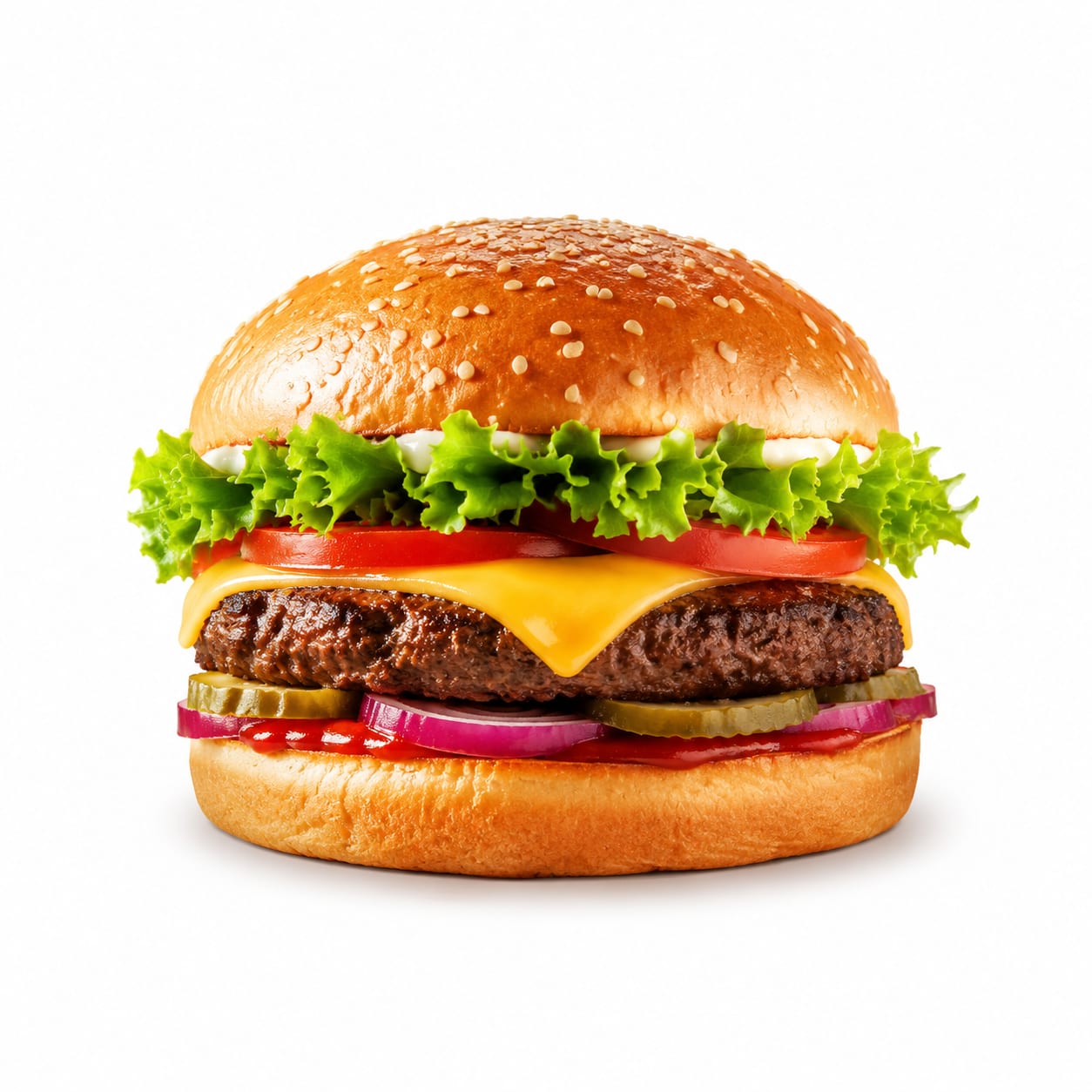
Burger
Shawarma edges out the burger thanks to more vegetables, better spice profiles, and leaner meat options, though both are heavy fast-food choices.
Shawarma scores higher due to the inclusion of fresh vegetables, potential for lean meats, and healthier fat sources like tahini, whereas the burger's reliance on saturated fat and refined buns drags its score down.
Shawarma offers more fiber and micronutrients from its veggie toppings, while a burger delivers a denser hit of saturated fat and refined carbs but with undeniable comfort appeal.
At a glance
Executive summary
Overall
Shawarma
Healthier
Shawarma
More practical
It depends
Daily use
Shawarma
Key comparison lenses
Fast food health tradeoffs
Both are popular street or fast foods, so users want to know which does less damage to their diet.
Protein quality and fat profile
Shawarma often uses leaner meats with spice marinades, while burgers rely on fatty ground beef and cheese.
Nutrient density from toppings
Shawarma includes veggies and tahini, whereas burgers typically offer minimal produce.
Best choice for
Shawarma
- People seeking flavor with more micronutrients
- Those wanting leaner protein like chicken
- Diners looking for extra fiber from veggies and hummus
Burger
- Those craving classic comfort food
- People needing a high-calorie meal quickly
- Individuals wanting a simple, familiar ingredient list
Least suitable for
Shawarma
- People watching sodium closely
- Those sensitive to garlic or dairy-based sauces
- Individuals avoiding high-calorie dressings
Burger
- People managing heart disease or high cholesterol
- Those avoiding refined carbohydrates
- Individuals on a strict calorie deficit
Deep comparison
Dimension by dimension
Each lens scores both foods and breaks down who each option suits.
- Dimension 1 · Priority 95Shawarma
Calorie & Satiety Balance
Shawarma · 65Burger · 50Shawarma provides steadier energy and better satiety per calorie compared to a burger.
Tradeoff
A burger might feel more immediately filling from sheer fat density, but Shawarma keeps you satisfied longer without the heavy slump.
Why it matters
Avoiding the post-lunch energy crash makes a huge difference in your afternoon productivity.
Real-world impact
Choosing Shawarma means you are less likely to crave a snack at 3 PM compared to eating a heavy burger.
Shawarma
- Sustained afternoon energy
- Avoiding the meat coma effect
Better for
- Very light eaters who find it too heavy
Worse for
Burger
- Extreme hunger needing dense calories
- Post-moving day replenishment
Better for
- People prone to post-meal fatigue
Worse for
- Dimension 2 · Priority 90Shawarma
Nutrient Density & Fiber
Shawarma · 75Burger · 30Shawarma is packed with vegetables, pickles, and fiber-rich sides like hummus, while a burger is mostly refined carbs and meat.
Tradeoff
You sacrifice the burger's comforting simplicity but gain actual vitamins and digestive benefits from the Shawarma wrap.
Why it matters
Fiber regulates digestion and blood sugar, making the meal work for you rather than against you.
Real-world impact
A Shawarma meal easily covers a serving or two of vegetables, whereas a burger barely contributes to your daily produce needs.
Shawarma
- Improving daily vegetable intake
- Better digestion and gut health
Better for
- Those who dislike mixed textures
Worse for
Burger
- Picky eaters who avoid vegetables
Better for
- Anyone needing more dietary fiber
Worse for
- Dimension 3 · Priority 85Shawarma
Heart Health & Fat Profile
Shawarma · 60Burger · 35Shawarma often uses leaner meats and healthier fats like tahini or olive oil, whereas burgers are loaded with saturated fat from beef and cheese.
Tradeoff
Shawarma sauces can still be calorie-dense, but the fat quality is generally better for your cardiovascular system than burger grease.
Why it matters
Swapping saturated fat for healthier fats reduces long-term heart disease risk without sacrificing flavor.
Real-world impact
Choosing chicken Shawarma over a cheeseburger is a heart-smart swap you will barely notice in taste but your arteries will thank you for.
Shawarma
- Managing cholesterol levels
- Getting healthier unsaturated fats
Better for
- People strictly limiting all fats
Worse for
Burger
- Keto dieters seeking high saturated fat
Better for
- Those with a family history of heart disease
Worse for
- Dimension 4 · Priority 80It depends
Sodium & Bloat Risk
Shawarma · 40Burger · 40Both are sodium bombs, but from different sources: Shawarma from marinades and pickles, burgers from processed cheese and seasoned patties.
Tradeoff
Neither is a winner here; both will leave you reaching for water and potentially feeling puffy the next day.
Why it matters
High sodium meals trigger thirst, bloating, and can raise blood pressure over time.
Real-world impact
Expect some water retention after eating either option, making both poor choices right before a big event or beach day.
Shawarma
- Those who prefer salt from natural spice blends
Better for
- Salt-sensitive individuals reacting to marinades
Worse for
Burger
- Those who prefer salt from savory umami flavors
Better for
- Those reacting to processed cheese and condiments
Worse for
- Dimension 5 · Priority 75Shawarma
Customizability for Health
Shawarma · 80Burger · 55Shawarma bowls or wraps are incredibly easy to modify for health, whereas burgers are harder to strip down without losing their appeal.
Tradeoff
Ordering a Shawarma bowl with extra veggies and light sauce feels like a complete, healthy meal; a burger without the bun or sauce is just a sad patty.
Why it matters
Being able to customize your meal means you can eat fast food without completely abandoning your goals.
Real-world impact
You can realistically eat Shawarma twice a week by adjusting the carbs and sauces, whereas a burger is a rare treat at best.
Shawarma
- Flexible dieters tracking macros
- Low-carb eaters wanting a bowl
Better for
- Traditionalists who want the full-fat experience
Worse for
Burger
- Those who prefer their food as-is
Better for
- Anyone trying to lower their carb intake
Worse for
Timeline
Health impact over time
Short-term
Hours to days
Shawarma
- Quick satiety from protein and fat
- Potential bloating from rich sauces and garlic
- Steadier energy if wrapped in whole wheat or served as a bowl
Burger
- Rapid fullness followed by a potential energy crash
- Heavy feeling due to high saturated fat
- Quick blood sugar spike from the refined bun
Long-term
Months to years
Shawarma
- Better cardiovascular profile if lean meats are chosen
- Risk of hypertension from high sodium marinades
- Improved micronutrient intake from veggie toppings
Burger
- Increased risk of elevated cholesterol from regular beef and cheese consumption
- Higher likelihood of weight gain from calorie density
- Potential for chronic inflammation from processed ingredients
Risk profile
Safety & processing
Both are processed restaurant foods. Shawarma relies on natural spice marinades but can have preservatives in commercial sauces. Burgers often feature processed cheese, commercial condiments, and binders in the patty.
Shawarma
Spit meat temperature abuse
mediumMeat spinning on a vertical spit can sometimes sit at unsafe temperatures if not managed properly, risking bacterial growth.
Raw garlic sauce (Toum)
lowTraditional garlic sauce made with raw eggs or oil can be a breeding ground for bacteria if left unrefrigerated.
Burger
Undercooked ground beef
highGround beef carries a higher risk of E. coli and Salmonella, making it crucial to ensure the patty is cooked thoroughly.
Processed cheese and condiments
lowCommercial sauces and processed cheese contain emulsifiers and preservatives that can irritate sensitive stomachs.
Who wins for whom
Audience fit
Same foods, different winners depending on your goal.
children
BurgerBurgers are familiar, mild in flavor, and lack the intense spices or garlic that kids often reject in Shawarma.
daily consumption
ShawarmaWhile neither is ideal for daily consumption, a modified Shawarma bowl is far easier to fit into a daily healthy diet than a burger.
diabetes
ShawarmaShawarma can be ordered as a bowl to eliminate the refined carb bun, and the higher fiber content stabilizes blood sugar better.
elderly
ShawarmaShawarma is easier to chew and offers softer textures with more vegetables, supporting better digestion and nutrient intake.
muscle gain
ShawarmaChicken Shawarma provides lean, high-quality protein necessary for muscle repair without the excessive saturated fat of a cheeseburger.
weight loss
ShawarmaA chicken Shawarma bowl with light sauce offers high protein and volume with fewer calories and refined carbs than a burger.
Your move
Decision guide
Choose Shawarma
- You want a meal with built-in vegetables
- You prefer chicken or lamb over beef
- You want more interesting spice profiles than just salt and fat
Choose Burger
- You are craving a classic comfort meal
- You need a massive protein and calorie hit
- You prefer simple, predictable flavors
Either works if
- You need a quick, satisfying fast-food meal
- You are okay with a high-sodium lunch
Avoid both if
- You are on a strict low-sodium diet
- You are trying to minimize saturated fat and processed foods
Final recommendation
Go for Shawarma if you want a more balanced, nutrient-dense meal that still feels indulgent. Opt for a burger only when comfort food is the absolute priority and you are willing to deal with the subsequent energy crash.
Practical
Consumer tips
- 1
Ask for Shawarma with extra veggies and light sauce to cut calories and boost fiber.
- 2
Opt for a lettuce wrap with your burger to avoid the refined carb crash.
- 3
Choose chicken Shawarma over beef or lamb for a leaner protein source.
- 4
Skip the cheese and mayo on a burger to significantly reduce saturated fat.