
Nutrition comparison
Shawarma vs Carnitas: Nutrition, Calories, and Health Comparison
Compare shawarma and carnitas to see which is healthier. Discover the differences in fat, calories, sodium, and spices to make the best choice for your diet.
Overall winner · Shawarma
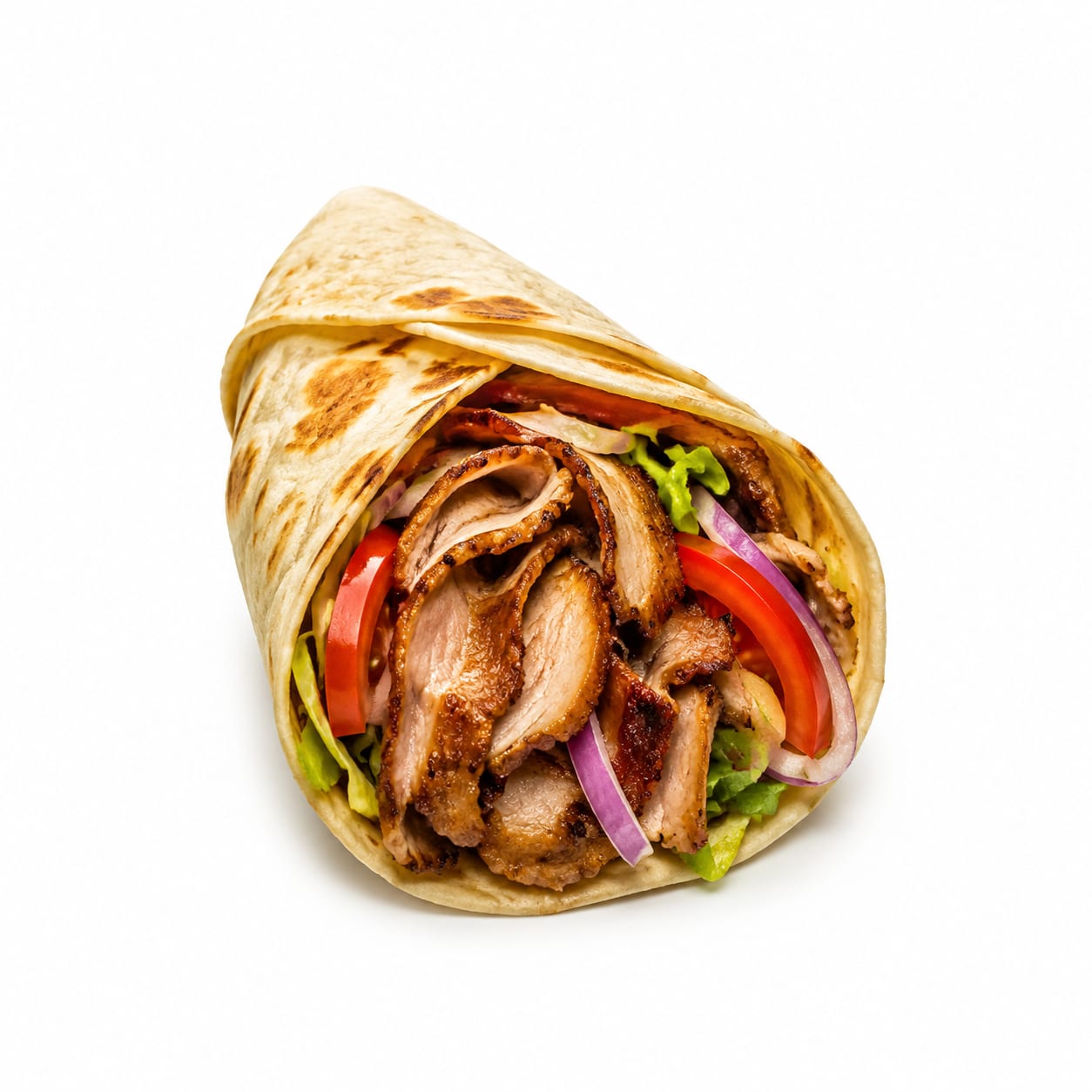
Shawarma
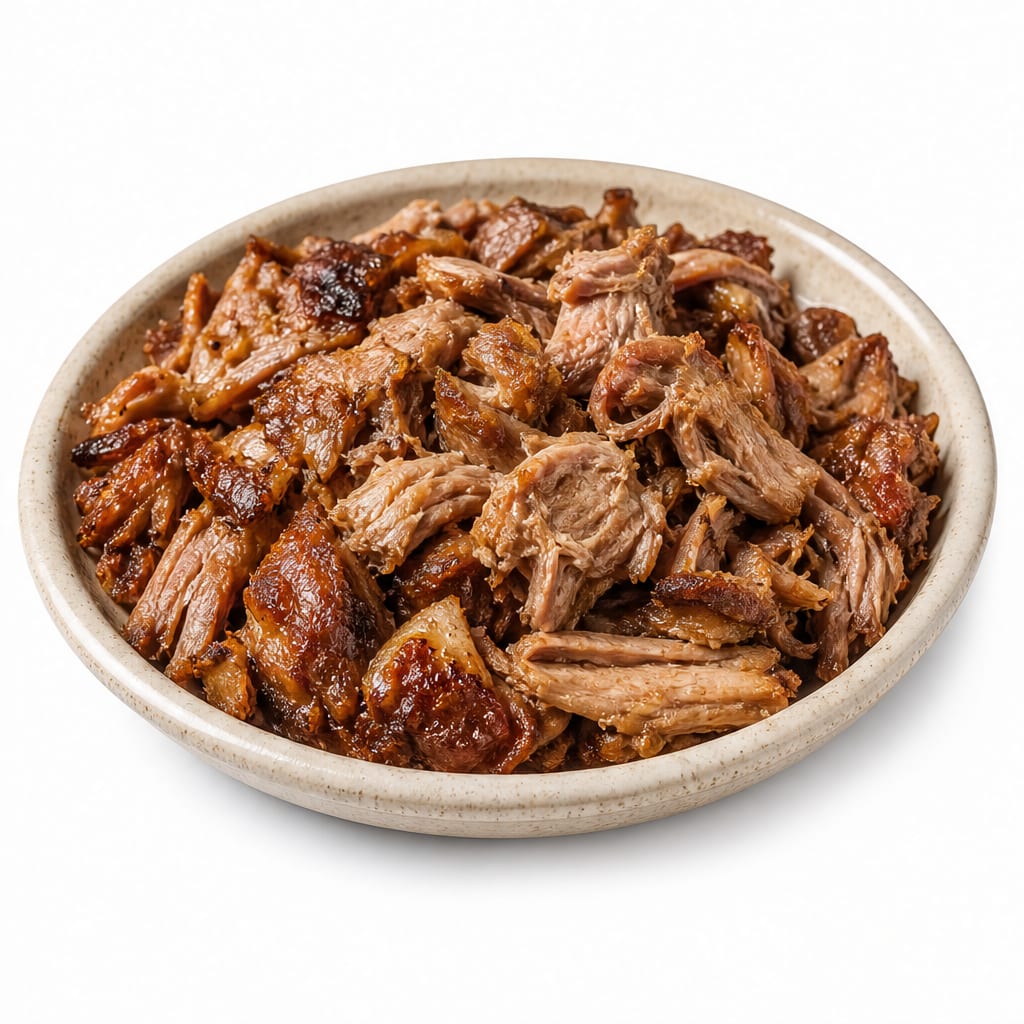
Carnitas
Shawarma is generally leaner and packs more anti-inflammatory spices, while carnitas is significantly richer and higher in fat.
Shawarma scores higher due to its leaner cooking method and beneficial spice profile. Carnitas loses points for high saturated fat and calorie density, though it remains a strong choice for specific low-carb diets.
You trade the lighter, spice-driven profile of shawarma for the deeply satisfying, high-fat indulgence of carnitas.
At a glance
Executive summary
Overall
Shawarma
Healthier
Shawarma
More practical
It depends
Daily use
Shawarma
Key comparison lenses
Fat content and calorie density
Carnitas is braised and fried in pork fat, while shawarma is typically roasted on a vertical spit where fat drips off, creating a massive calorie disparity.
Sodium and marinade impact
Shawarma relies on heavily salted spice marinades, whereas carnitas seasoning is often simpler, making sodium a key differentiator.
Anti-inflammatory spice profiles
Shawarma features turmeric, cumin, and cardamom which offer antioxidant benefits, while carnitas lacks these therapeutic spices.
Dietary fat suitability (Keto/Low-carb)
Carnitas is naturally high in fat, making it a staple for ketogenic diets, while shawarma varies wildly by meat choice.
Best choice for
Shawarma
- People tracking calories or body weight
- Those seeking anti-inflammatory meal options
- Anyone wanting a high-protein but lighter meal
Carnitas
- Strict ketogenic or low-carb dieters
- Those needing highly satiating, high-fat meals
- People looking for maximum flavor from simple ingredients
Least suitable for
Shawarma
- Those on strict ketogenic diets (if using chicken or turkey)
- People avoiding complex spice blends or nightshades
Carnitas
- Anyone monitoring saturated fat or cholesterol
- People trying to lose weight or reduce calorie intake
Deep comparison
Dimension by dimension
Each lens scores both foods and breaks down who each option suits.
- Dimension 1 · Priority 95Shawarma
Fat and Calorie Density
Shawarma · 75Carnitas · 40Shawarma is significantly lighter because the fat drips away during vertical roasting, whereas carnitas cooks in its own fat.
Tradeoff
Choosing shawarma means less caloric load and saturated fat, but you miss out on the rich mouthfeel that makes carnitas so satisfying.
Why it matters
High saturated fat intake impacts heart health over time, making shawarma a safer everyday protein.
Real-world impact
A shawarma bowl will leave you comfortably full, while a carnitas bowl might cause a heavy, sluggish feeling an hour later.
Shawarma
- Weight management
- Heart health
- Lighter lunches
Better for
- Those needing high caloric surplus
Worse for
Carnitas
- Ketogenic macros
- Extended satiety without carbs
Better for
- Daily consumption
- Cardiovascular health
Worse for
- Dimension 2 · Priority 80Shawarma
Spice and Inflammation Profile
Shawarma · 90Carnitas · 50Shawarma uses turmeric, cumin, and cardamom, which actively fight inflammation. Carnitas relies on salt, citrus, and minimal spices.
Tradeoff
Shawarma provides functional health benefits through its marinade, while carnitas offers a purer, unadulterated pork flavor.
Why it matters
Chronic inflammation drives disease; regularly eating anti-inflammatory spices offers a subtle but meaningful long-term health advantage.
Real-world impact
Shawarma feels energizing and digestively comforting, while carnitas is more likely to leave you feeling heavy.
Shawarma
- Joint health
- Digestive comfort
- Long-term disease prevention
Better for
- People with nightshade or specific spice sensitivities
Worse for
Carnitas
- Sensitive stomachs irritated by complex spices
Better for
- Anti-inflammatory diets
Worse for
- Dimension 3 · Priority 75Carnitas
Sodium Load
Shawarma · 45Carnitas · 60Shawarma marinades require heavy salting to penetrate thick meat cuts, often resulting in higher sodium than the simpler carnitas preparation.
Tradeoff
Carnitas might be lower in sodium, but shawarma's salt is paired with potassium-rich spices that slightly mitigate the impact.
Why it matters
Excess sodium drives up blood pressure and causes bloating, making sodium content a daily concern for many.
Real-world impact
Eating shawarma might mean waking up thirstier the next day or noticing mild water retention.
Shawarma
- Post-workout rehydration (if sodium is needed)
Better for
- Sodium-sensitive individuals
Worse for
Carnitas
- Blood pressure management
- Reducing morning bloating
Better for
- Those who salt their food heavily at the table
Worse for
- Dimension 4 · Priority 85It depends
Protein Quality and Satiety
Shawarma · 80Carnitas · 85Both offer excellent complete protein, but carnitas keeps you full much longer due to its massive fat content.
Tradeoff
Shawarma provides leaner protein for muscle repair, while carnitas delivers prolonged fullness that stops snacking.
Why it matters
Satiety dictates how much you eat later in the day; high-fat proteins are incredibly effective at curbing cravings.
Real-world impact
Carnitas at lunch means you likely will not want an afternoon snack; shawarma might leave you hungry again by 4 PM.
Shawarma
- Lean muscle gain
- Lighter pre-workout meals
Better for
- Crash dieting where extreme fullness is desired
Worse for
Carnitas
- Appetite control
- Intermittent fasting breaks
Better for
- Sedentary days with low caloric needs
Worse for
Timeline
Health impact over time
Short-term
Hours to days
Shawarma
- Quick, steady energy from lean protein
- Possible thirst from sodium-heavy marinades
- Comfortable, light digestion
Carnitas
- Deep, heavy satiety lasting hours
- Potential sluggishness after a large portion
- Slower digestion due to high fat content
Long-term
Months to years
Shawarma
- Better cardiovascular markers from lean protein and spices
- Potential blood pressure concerns if sodium is not managed
- Anti-inflammatory benefits from regular spice intake
Carnitas
- Increased LDL cholesterol if consumed frequently
- Higher risk of weight gain due to calorie density
- Easy maintenance of ketosis for low-carb dieters
Risk profile
Safety & processing
Both are cooked whole-meat dishes, but commercial shawarma often contains stabilizers or artificial flavor enhancers in the marinade, whereas carnitas is typically just pork, salt, and citrus.
Shawarma
Pathogen growth from vertical spit
mediumIf the spit rotates too slowly, the outer layer can stay in the temperature danger zone, allowing bacteria to multiply before the meat is fully reheated.
Cross-contamination
mediumCommercial shawarma is often shaved and the remaining meat reused, increasing the risk of contamination from handling.
Carnitas
Parasitic infection (Trichinella)
lowModern farming practices have virtually eliminated this, but undercooked pork always carries a slightly higher baseline risk than other meats.
Fat oxidation
mediumSlow-cooking pork in its own fat for hours can oxidize the lipids, which may promote inflammation if consumed frequently.
Who wins for whom
Audience fit
Same foods, different winners depending on your goal.
children
ShawarmaShawarma is easier for smaller appetites to digest and offers a more balanced fat-to-protein ratio for growing bodies.
daily consumption
ShawarmaThe lighter macronutrient profile and functional spices make shawarma a much safer everyday staple than heavy, fat-dense carnitas.
diabetes
CarnitasThe high fat and zero carb profile of carnitas stabilizes blood sugar perfectly, while shawarma marinades sometimes include small amounts of sugar.
elderly
ShawarmaLower saturated fat and anti-inflammatory spices support heart and joint health, which are critical concerns for older adults.
muscle gain
ShawarmaLeaner protein supports muscle synthesis without adding excess calories from fat that could obscure muscle definition.
weight loss
ShawarmaShawarma offers significantly fewer calories and less fat, making it easier to fit into a calorie deficit without feeling deprived.
Your move
Decision guide
Choose Shawarma
- You want a high-protein meal without the heavy, greasy aftermath
- You are watching your calorie intake or trying to lose weight
- You want the anti-inflammatory benefits of turmeric and cumin
Choose Carnitas
- You are on a strict ketogenic or low-carb diet
- You need a meal that will keep you full for 6 to 8 hours
- You are doing heavy physical labor and need dense caloric fuel
Either works if
- You need a zero-carb, high-protein filling for a wrap or bowl
- You are meal-prepping protein for the week ahead
Avoid both if
- You have severe sodium restrictions or uncontrolled hypertension
- You are vegetarian or avoiding red meat entirely
Final recommendation
Make shawarma your default choice for a balanced, everyday meal that supports long-term health, and save carnitas for intense training days or when you are specifically seeking a rich, high-fat indulgence.
Practical
Consumer tips
- 1
Ask for chicken or turkey shawarma to maximize the lean protein advantage over the pork in carnitas.
- 2
Request extra garlic sauce or tahini with shawarma instead of mayo-based sauces to keep it healthier.
- 3
If ordering carnitas, ask the server to drain the excess fat or scoop from the top of the pan to reduce the calorie load.
- 4
Pair shawarma with a side of pickled vegetables to help cut through the sodium and aid digestion.
- 5
Skip the rice and wrap with either option; serve over greens to maintain the low-carb benefits.