
Nutrition comparison
Shawarma vs Gyro: Which Mediterranean Wrap is Healthier?
Comparing Shawarma vs Gyro? Discover the nutritional differences, protein quality, and which street food wrap is the healthier choice for your diet.
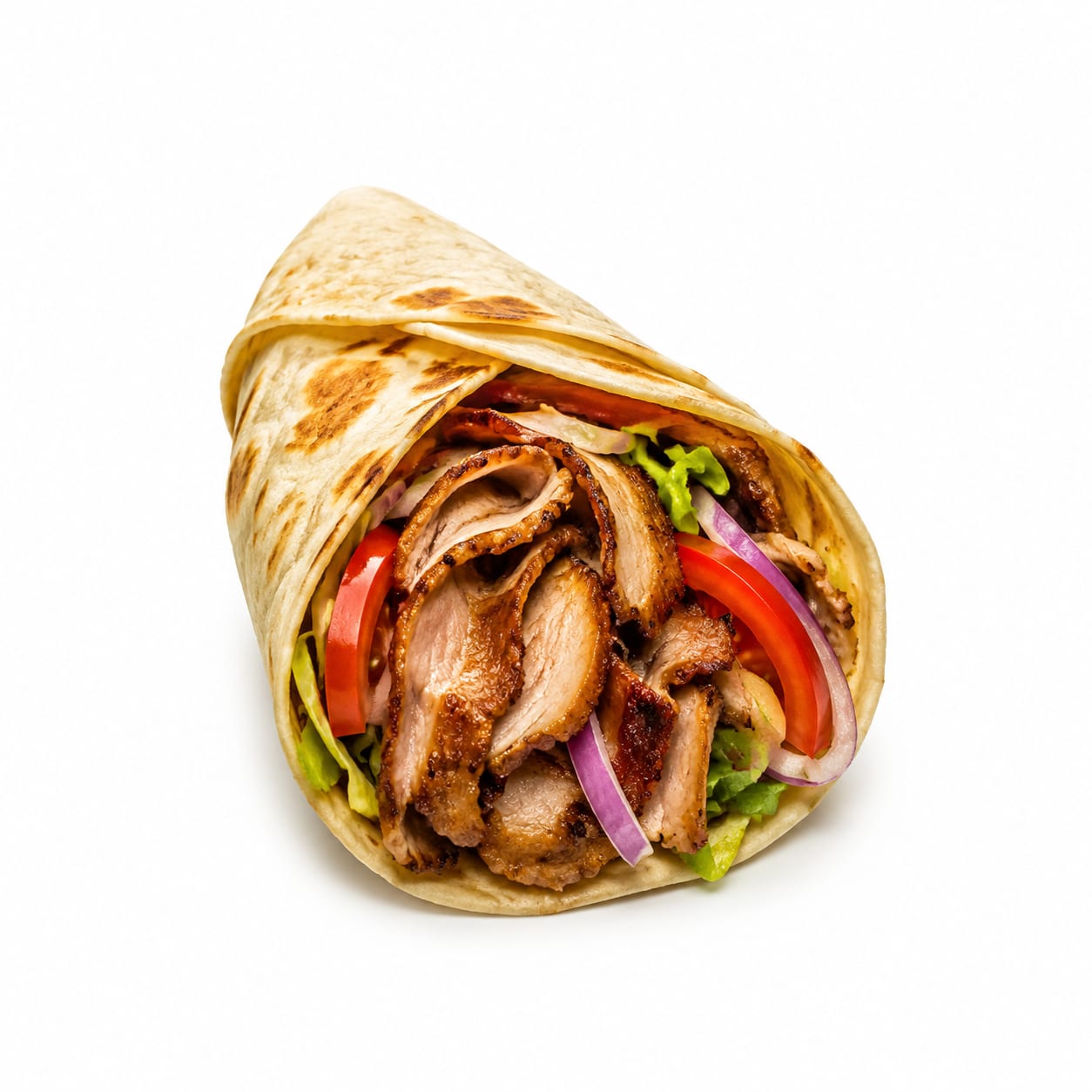
Shawarma
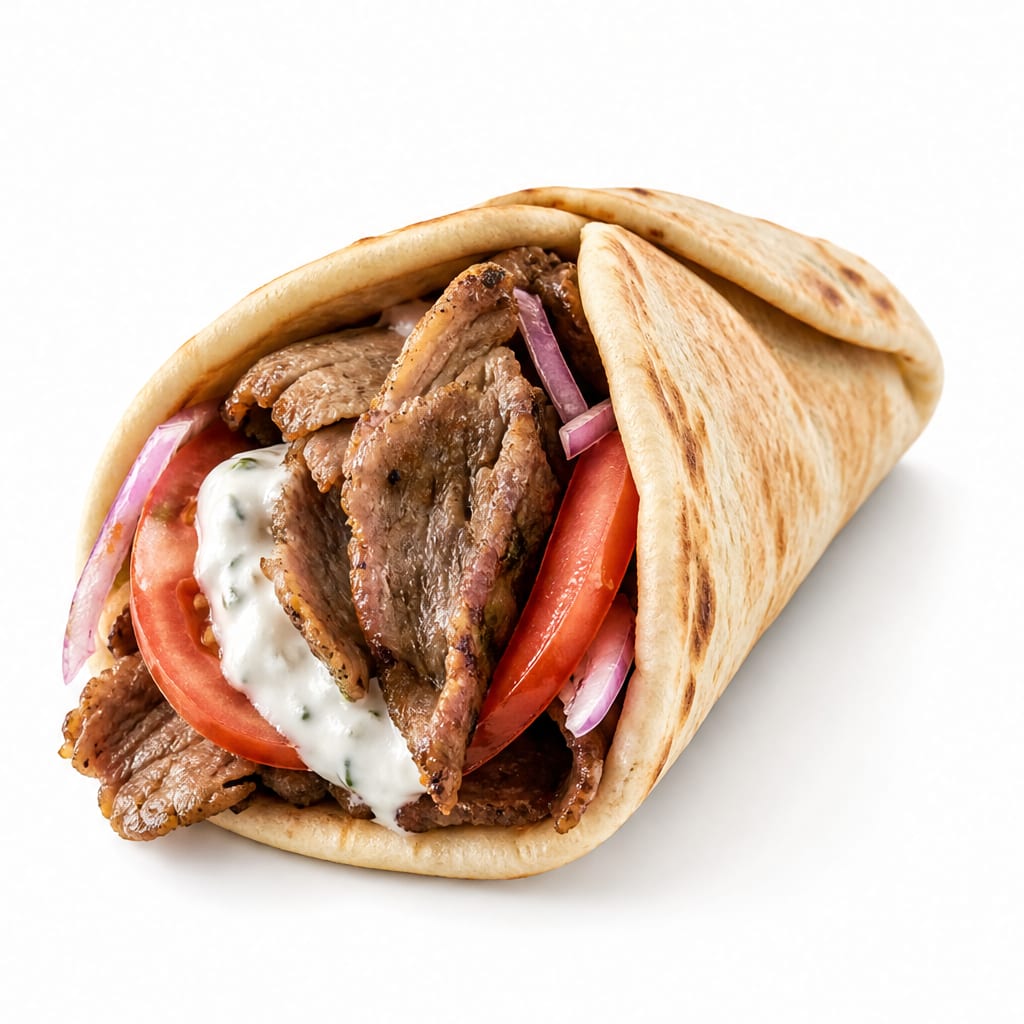
Gyro
Shawarma usually offers leaner, less processed meat options, while Gyro provides a lighter sauce but relies on more heavily processed meat and hidden carbs.
Shawarma scores higher primarily due to better meat quality and lower carbohydrate density, but both lose points for high sodium and calorie density.
Whole-muscle meat quality in Shawarma versus the lighter, yogurt-based sauce and softer texture of a Gyro.
At a glance
Executive summary
Overall
It depends
Healthier
Shawarma
More practical
It depends
Daily use
Shawarma
Key comparison lenses
Meat processing and quality
Shawarma often uses whole-muscle chicken or lamb, while Gyro is typically made from a compressed ground meat loaf with binders.
Sodium and marinade load
Both rely heavily on salt-heavy marinades and brines, making sodium a major health differentiator.
Sauce impact on calories and digestion
Shawarma pairs with tahini or garlic sauce (high fat), whereas Gyro uses tzatziki (lighter, probiotic), changing the fat and calorie profile significantly.
Carb density and hidden starches
Gyro wraps often include french fries inside the sandwich, adding unexpected refined carbs and calories compared to Shawarma's pickled veggie fillings.
Best choice for
Shawarma
- People avoiding ultra-processed meats
- High-protein dieters seeking whole muscle meat
- Those watching carbohydrate intake
- Fans of warm, spice-forward flavors
Gyro
- People wanting a lower-fat sauce option
- Those who prefer softer, easier-to-chew textures
- Fans of cool, tangy yogurt-based flavors
- Individuals seeking smaller portion sizes
Least suitable for
Shawarma
- People strictly limiting sodium intake
- Those with sesame allergies (tahini)
- Individuals sensitive to heavy garlic
Gyro
- People avoiding processed or ground meats
- Those on a low-carb diet (due to fries in the wrap)
- Individuals sensitive to dairy (tzatziki)
Deep comparison
Dimension by dimension
Each lens scores both foods and breaks down who each option suits.
- Dimension 1 · Priority 92Shawarma
Protein Quality & Processing
Shawarma · 82Gyro · 55Shawarma frequently uses whole-muscle chicken or beef, whereas Gyro is traditionally made from ground meat mixed with binders and preservatives.
Tradeoff
You get a more natural, whole-food protein source with Shawarma, but Gyro's ground meat offers a softer, more uniform bite.
Why it matters
Whole-muscle meats are less inflammatory and lack the emulsifiers and fillers found in compressed meat cones.
Real-world impact
Eating Shawarma feels more like eating a real chicken breast or steak, while Gyro meat is closer to a high-end hot dog in texture and composition.
Shawarma
- Clean-eating goals
- Whole-food diets
- Reducing emulsifier intake
Better for
- Can be drier if overcooked
Worse for
Gyro
- Easier chewing and digestion
- Uniform flavor in every bite
Better for
- Hidden fillers and binders
- Ultra-processed meat classification
Worse for
- Dimension 2 · Priority 85Gyro
Sauce & Fat Profile
Shawarma · 58Gyro · 78Shawarma's tahini and garlic sauces are calorie-dense and high in fat, while Gyro's tzatziki is yogurt-based, lighter, and offers probiotics.
Tradeoff
Tahini provides satisfying healthy fats and a rich mouthfeel, but tzatziki keeps the meal lighter and easier on the stomach.
Why it matters
Sauces can add hundreds of hidden calories; choosing a yogurt base over an oil/seed base dramatically changes the meal's fat content.
Real-world impact
A Shawarma wrap can feel heavy and induce a food coma due to the rich sauces, while a Gyro feels slightly more refreshing.
Shawarma
- Keto and low-carb diets
- High-satiety meals
- Plant-based fat sources
Better for
- Higher calorie creep
- Potential sesame allergies
Worse for
Gyro
- Calorie-conscious eating
- Gut health from fermented yogurt
- Lighter summer meals
Better for
- Dairy intolerance or sensitivity
Worse for
- Dimension 3 · Priority 78Shawarma
Carbohydrate Density & Hidden Starches
Shawarma · 72Gyro · 55Gyro wraps often include a handful of french fries inside the pita, adding refined carbs, whereas Shawarma relies on pickled veggies for crunch and fiber.
Tradeoff
Shawarma keeps carbs lower with acidic, fiber-rich fillings, but Gyro's fries make the sandwich more comforting and filling in the moment.
Why it matters
Hidden starches spike blood sugar faster and add empty calories without the fiber needed to stabilize digestion.
Real-world impact
The fries in a Gyro can cause a quicker afternoon energy crash compared to the steadier energy from Shawarma's fiber-rich toppings.
Shawarma
- Blood sugar management
- Low-carb eating
- Increasing vegetable intake
Better for
- May feel less filling for big eaters
Worse for
Gyro
- Post-workout carb replenishment
- Hearty, comforting cravings
Better for
- Unexpected blood sugar spike
- Empty calorie addition
Worse for
- Dimension 4 · Priority 88It depends
Sodium Load
Shawarma · 45Gyro · 45Both foods are heavily marinated and salted, making them equally problematic for sodium-sensitive individuals.
Tradeoff
Neither is a low-sodium option; the salt is essential to both flavor profiles and meat preservation.
Why it matters
High sodium intake from restaurant street food can easily push daily limits, causing bloating and raising blood pressure.
Real-world impact
You will likely feel thirsty and slightly bloated after eating either option, making both occasional treats rather than daily staples.
Shawarma
- Risk of post-meal bloating
- Not suitable for hypertension diets
Worse for
Gyro
- Risk of post-meal bloating
- Not suitable for hypertension diets
Worse for
Timeline
Health impact over time
Short-term
Hours to days
Shawarma
- High satiety from protein and fat, but potential indigestion from rich sauces and garlic
- Likely thirst from heavy salt marinades
Gyro
- Quick energy from the pita and fries, but risk of a carb crash
- Cooling effect from tzatziki, easier on the stomach initially
Long-term
Months to years
Shawarma
- Better cholesterol profile if choosing chicken shawarma with tahini's healthy fats
- Risk of elevated blood pressure if consumed frequently due to sodium
Gyro
- Higher risk from processed meat consumption if eaten regularly
- Better calcium and probiotic intake from tzatziki
Risk profile
Safety & processing
Chicken Shawarma is generally a whole-muscle meat with natural spice marinades. Gyro meat is typically a ground and reformed product containing binders, emulsifiers, and preservatives to hold its shape on the spit.
Shawarma
Undercooking on the spit
mediumThe inner layers of a thick Shawarma cone can sometimes stay at unsafe temperatures if the rotisserie rotates too quickly or the cone is too large.
Cross-contamination
mediumSlicing the meat and handling the pita with the same gloves can spread contaminants in busy street-food settings.
Gyro
Processed meat preservatives
mediumCommercial Gyro meat often contains sodium phosphates and nitrates to preserve color and moisture, which are linked to cardiovascular concerns.
Dairy spoilage
lowTzatziki can spoil quickly if left unrefrigerated, though the garlic and acidity offer some protection.
Who wins for whom
Audience fit
Same foods, different winners depending on your goal.
children
GyroGyro's softer texture, milder herb flavors, and familiar fries make it more appealing and easier for kids to chew.
daily consumption
It dependsNeither is ideal for daily consumption due to high sodium, but a homemade chicken Shawarma bowl skipping the bread and heavy sauce is the closest to a daily-healthy option.
diabetes
ShawarmaShawarma's lack of fries and lower refined-carb load makes it a steadier choice for blood sugar management.
elderly
GyroThe ground meat in Gyro is much easier to chew for those with dental issues, and the yogurt sauce aids digestion.
muscle gain
ShawarmaWhole-muscle chicken or beef Shawarma provides higher quality, more bioavailable protein without the binders found in Gyro meat.
weight loss
ShawarmaA chicken Shawarma without extra sauce and no fries is lower in carbs and processed ingredients, making it easier to fit into a calorie deficit.
Your move
Decision guide
Choose Shawarma
- You want whole-muscle protein without fillers or binders
- You are watching your carbohydrate or processed food intake
- You crave warm, complex spice blends like turmeric and cardamom
- You want a meal that won't cause a heavy carb crash
Choose Gyro
- You prefer a softer, easier-to-chew texture
- You love the refreshing tang of tzatziki over rich tahini
- You want a slightly lighter fat profile from the sauce
- You are craving a comforting, classic Greek flavor profile
Either works if
- You are looking for a high-protein, on-the-go street food
- You are not strictly monitoring your sodium intake
- You want a satisfying, warm wrap for lunch
Avoid both if
- You have severe hypertension or are on a strict low-sodium diet
- You are avoiding gluten or refined carbohydrates (due to the pita)
- You are following a whole-food, plant-based diet
Final recommendation
Choose Shawarma if meat quality and avoiding processed fillers is your priority. Opt for Gyro if you prefer a lighter sauce and softer bite, but be mindful of the hidden fries and processed meat. For the healthiest outcome, ask for either wrap dressed lightly with sauce and extra veggies.
Practical
Consumer tips
- 1
Ask for your Shawarma sauce on the side to control the calorie and fat load from tahini or garlic mayo.
- 2
Request no fries in your Gyro to cut down on empty refined carbs and make the meal much more blood-sugar friendly.
- 3
Opt for chicken Shawarma over mixed meat versions, as it is almost always whole-muscle breast or thigh, avoiding the processed ground meat found in Gyro.
- 4
Drink plenty of water after eating either wrap to help flush the high sodium content and reduce next-day bloating.
- 5
Consider turning either into a salad bowl to skip the pita bread entirely, saving hundreds of calories and boosting your vegetable intake.