
Nutrition comparison
Shawarma vs Souvlaki: Which Mediterranean Street Food Is Healthier?
Compare Shawarma and Souvlaki nutrition including calories, fat, protein, and sodium. Find out which is better for weight loss, muscle gain, and everyday eating.
Overall winner · Souvlaki
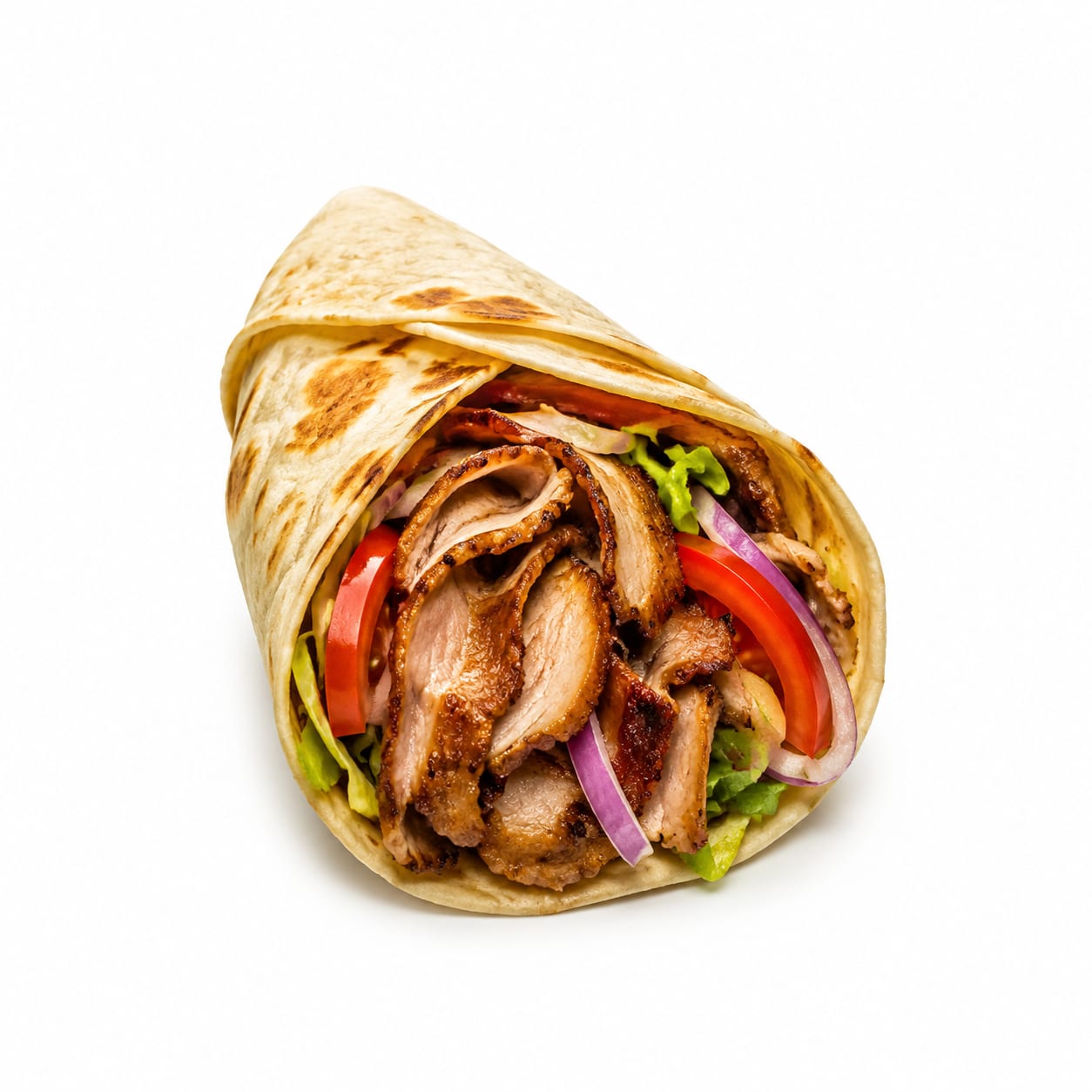
Shawarma
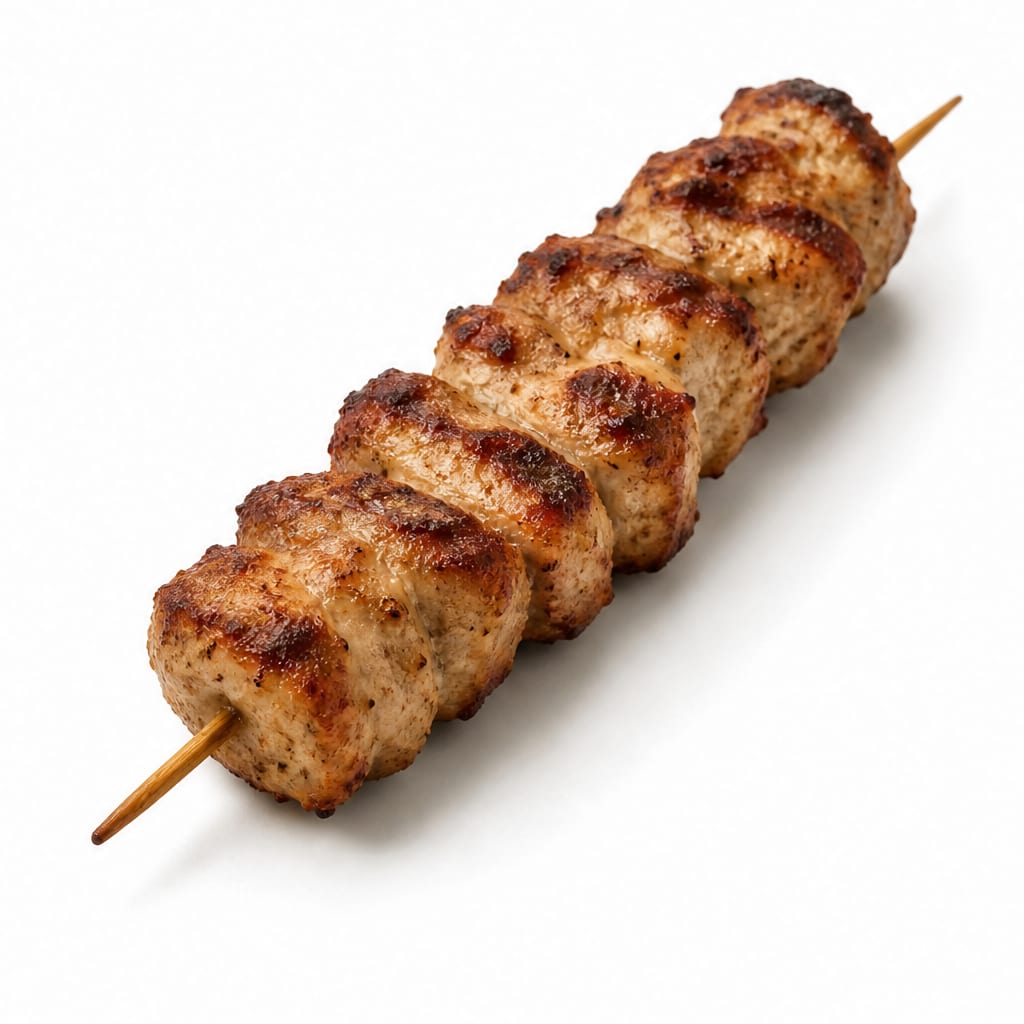
Souvlaki
Souvlaki wins for leaner protein and easier portion control, while Shawarma delivers bolder flavor at the cost of more fat and calories.
Souvlaki scores notably higher due to leaner preparation, better portion control, and lower calorie density. Shawarma remains competitive on taste and satisfaction but loses ground on health dimensions that matter for regular consumption.
Shawarma offers richer taste and more satisfying mouthfeel but packs significantly more fat and sodium. Souvlaki sacrifices some flavor intensity for cleaner nutrition.
At a glance
Executive summary
Overall
Souvlaki
Healthier
Souvlaki
More practical
It depends
Daily use
Souvlaki
Key comparison lenses
fat and calorie comparison
Shawarma's vertical spit cooking with fat basting creates significantly higher calorie density than grilled Souvlaki
processing and preparation method
The slow-roasted stacked meat method versus direct grilling creates meaningful differences in fat absorption and carcinogen exposure
sodium and sauce impact
Shawarma marinades and sauces tend to be saltier and higher calorie than Souvlaki's simpler tzatziki
portion control and satiety
Souvlaki skewers make portion awareness easier while Shawarma wraps can hide large amounts of meat and sauce
everyday meal viability
Both are popular street foods but differ significantly in how they fit into regular eating patterns
Best choice for
Shawarma
- Indulgent weekend meals when flavor is the priority
- High-calorie needs for bulking or active individuals
- Comfort food cravings that nothing else will satisfy
Souvlaki
- Lean protein goals without sacrificing taste
- Lunch meals where you need energy without the food coma
- Consistent weekly eating without calorie creep
Least suitable for
Shawarma
- Daily lunch if watching waistline
- Sodium-sensitive individuals managing blood pressure
- Anyone tracking calories closely
Souvlaki
- Those wanting maximum flavor impact per bite
- Very active people needing high calorie intake
- Situations where richer food feels more satisfying
Deep comparison
Dimension by dimension
Each lens scores both foods and breaks down who each option suits.
- Dimension 1 · Priority 95Souvlaki
fat_content_and_quality
Shawarma · 35Souvlaki · 72Shawarma's vertical spit method means fat continuously bastes the meat as it cooks, resulting in much higher fat absorption than Souvlaki's direct grilling.
Tradeoff
That fat is what makes Shawarma taste incredible, but it roughly doubles the calorie density compared to grilled Souvlaki.
Why it matters
Fat calories add up fast. A single Shawarma wrap can easily hit 700-900 calories while a Souvlaki plate stays around 400-500.
Real-world impact
Eating Shawarma twice a week instead of Souvlaki could mean an extra pound of weight gain per month without changing anything else.
Shawarma
- Keto and low-carb eaters who want higher fat
- Anyone needing calorie density for weight gain
Better for
- Weight management goals
- Blood lipid concerns
Worse for
Souvlaki
- Heart health conscious eaters
- Anyone managing cholesterol or triglycerides
- Steady energy without the heavy feeling after eating
Better for
- Very active people who need more calories
- Low-carb dieters wanting higher fat intake
Worse for
- Dimension 2 · Priority 85Souvlaki
sodium_load
Shawarma · 30Souvlaki · 60Shawarma marinades are sodium-heavy, and the wrapped format encourages extra sauce. Souvlaki uses simpler seasoning and tzatziki adds less salt.
Tradeoff
Shawarma's complex spice blend needs salt to shine, while Souvlaki's lemon-herb approach delivers flavor with less sodium.
Why it matters
A single Shawarma wrap can contain 1200-1800mg sodium, approaching or exceeding daily limits for sensitive individuals.
Real-world impact
After a Shawarma meal you might notice thirst and bloating. Souvlaki is less likely to leave you reaching for water all afternoon.
Shawarma
- Post-heavy-workout rehydration needs
Better for
- Hypertension management
- Sodium-restricted diets
Worse for
Souvlaki
- Blood pressure management
- Reducing water retention
- Less next-day puffiness
Better for
- Endurance athletes needing sodium replenishment
Worse for
- Dimension 3 · Priority 80Souvlaki
protein_quality_and_amount
Shawarma · 65Souvlaki · 78Both deliver solid protein from similar meats, but Souvlaki provides more protein per calorie since it carries less fat alongside it.
Tradeoff
Shawarma gives you plenty of protein too, but you pay a higher calorie price for it due to the fat content.
Why it matters
For muscle maintenance and satiety, protein efficiency matters. Getting 30g of protein for 400 calories beats getting 30g for 800 calories.
Real-world impact
A Souvlaki plate fuels muscle recovery without putting you in a calorie surplus. Shawarma requires more planning to fit into macro targets.
Shawarma
- Higher total calorie-protein combo for bulking
Better for
- Calorie-controlled protein targeting
Worse for
Souvlaki
- Lean muscle gain phases
- Protein-per-calorie optimization
- Cutting while maintaining protein intake
Better for
- Hard gainers needing calorie surplus
Worse for
- Dimension 4 · Priority 80Souvlaki
portion_awareness
Shawarma · 35Souvlaki · 75Souvlaki skewers are naturally portioned. You know exactly how much you ate. Shawarma wraps hide quantity inside sauce and bread.
Tradeoff
The wrapped format makes Shawarma convenient and portable but makes it remarkably easy to overeat without realizing it.
Why it matters
Visual portion cues help people stop eating at the right time. Wrapped foods bypass this natural feedback loop.
Real-world impact
You can easily eat a Shawarma wrap and consume two servings of meat without any visual signal that you have overeaten.
Shawarma
- On-the-go eating convenience
- One-handed portable meals
Better for
- Intuitive eating and portion control
- Calorie counting accuracy
Worse for
Souvlaki
- Mindful eating practices
- Calorie tracking accuracy
- Controlling portions without measuring
Better for
- Eating while walking or commuting
Worse for
- Dimension 5 · Priority 75Souvlaki
cooking_method_safety
Shawarma · 40Souvlaki · 68Shawarma's slow vertical spit keeps outer layers warm for hours, creating bacterial risk. Souvlaki is cooked quickly to order on a grill.
Tradeoff
That slow rotation builds incredible flavor but means the outer meat layer sits in the danger zone longer before serving.
Why it matters
Food safety matters more than most people think. Repeated warming and cooling cycles on a spit increase contamination risk.
Real-world impact
Street food Shawarma from questionable vendors is one of the more common sources of foodborne illness in regions where it is popular.
Shawarma
- High-volume restaurants with fast meat turnover
Better for
- Late-night food stalls with slow turnover
- Immunocompromised individuals
Worse for
Souvlaki
- Street food and market eating
- Travel meals in unfamiliar places
- Anyone with a sensitive digestive system
Better for
- Situations where charring is a concern
Worse for
- Dimension 6 · Priority 70Shawarma
satiety_and_satisfaction
Shawarma · 85Souvlaki · 68Shawarma's combination of fat, protein, and carb-heavy wrap creates powerful satiety. Souvlaki satisfies but feels lighter.
Tradeoff
Feeling stuffed is not always the goal. Shawarma can leave you uncomfortably full while Souvlaki hits the sweet spot of satisfied but not sluggish.
Why it matters
Satiety prevents snacking later, but excessive fullness kills afternoon productivity and can lead to food coma.
Real-world impact
A Shawarma lunch might prevent the 3pm snack but also prevent the 3pm meeting from going well. Souvlaki lets you stay sharp.
Shawarma
- Long gaps between meals
- Physically demanding work days
- Preventing late-night overeating
Better for
- Post-lunch productivity needs
- Light eating preferences
Worse for
Souvlaki
- Office lunches where alertness matters
- Active evenings after dinner
- Avoiding the afternoon slump
Better for
- Going long hours without next meal
- High-calorie expenditure days
Worse for
- Dimension 7 · Priority 70Souvlaki
sauce_and_condiment_impact
Shawarma · 35Souvlaki · 70Shawarma sauces like tahini and garlic mayo add significant calories and fat. Tzatziki is yogurt-based and much lighter per tablespoon.
Tradeoff
Those rich sauces are a huge part of what makes Shawarma irresistible, but they can add 200-300 hidden calories to your meal.
Why it matters
Condiments are the stealth calorie source most people forget to count. Sauce choice can make or break a meal's nutrition profile.
Real-world impact
Asking for extra tahini sauce on Shawarma can add more calories than an entire Souvlaki skewer.
Shawarma
- Maximum flavor experience
- Making plain rice or salad into a full meal
Better for
- Hidden calorie accumulation
- Heartburn susceptibility from garlic sauces
Worse for
Souvlaki
- Calorie-conscious flavor enhancement
- Probiotic benefits from yogurt-based tzatziki
Better for
- Dairy-sensitive individuals avoiding yogurt
Worse for
Timeline
Health impact over time
Short-term
Hours to days
Shawarma
- Heavy fullness that can last 3-4 hours
- Possible thirst from high sodium intake
- Food coma risk due to high fat and carb combination
- Potential heartburn from rich sauces and spices
Souvlaki
- Comfortable satisfaction without heaviness
- Steady energy for 2-3 hours post-meal
- Less bloating and water retention
- Easier digestion with simpler preparation
Long-term
Months to years
Shawarma
- Regular consumption increases calorie and sodium load significantly
- Higher saturated fat intake may impact cardiovascular markers over time
- Convenient format may encourage larger portion habits
- Rich flavor profile can raise expectations for all meals, making lighter food feel less satisfying
Souvlaki
- Easier to maintain healthy weight with regular consumption
- Leaner protein supports muscle maintenance long-term
- Tzatziki provides probiotic benefits if consumed regularly
- Simpler preparation means fewer hidden ingredients accumulating over time
Risk profile
Safety & processing
Shawarma involves more processing: extended marination, fat layering, slow mechanical rotation, and richer sauces. Souvlaki is essentially seasoned meat grilled on a stick, keeping it closer to whole food status.
Shawarma
Bacterial growth from extended holding temperatures
mediumThe outer meat layer on a vertical spit can sit at suboptimal temperatures for hours, especially at low-volume vendors.
Cross-contamination from stacked layers
lowMultiple meat layers pressed together increase surface contact, though cooking temperatures usually mitigate this.
Heterocyclic amines from prolonged heat exposure
lowExtended cooking at moderate heat produces some HCAs, though less than direct high-heat grilling.
Souvlaki
Charring and HCAs from direct grilling
lowDirect flame contact can create HCAs and PAHs on charred edges, though quick cooking limits exposure.
Undercooked poultry for chicken Souvlaki
mediumQuick grilling means chicken skewers need careful attention to ensure thorough cooking throughout.
Who wins for whom
Audience fit
Same foods, different winners depending on your goal.
children
SouvlakiSimpler flavors and leaner preparation are gentler on developing digestive systems, and skewers are naturally appealing to kids.
daily consumption
SouvlakiSouvlaki's lighter profile makes it sustainable as a regular meal without calorie or sodium accumulation concerns.
diabetes
SouvlakiLess fat means better insulin sensitivity, and Souvlaki's simpler composition makes blood sugar easier to predict and manage.
elderly
SouvlakiLower sodium and easier digestion make Souvlaki more appropriate for aging bodies managing blood pressure and GI comfort.
muscle gain
SouvlakiHigher protein-per-calorie ratio supports muscle growth without unnecessary fat gain, though Shawarma works for dirty bulking.
weight loss
SouvlakiSouvlaki delivers satisfying protein with roughly half the calories of Shawarma, making it far easier to maintain a deficit.
Your move
Decision guide
Choose Shawarma
- You are bulking and need calorie-dense protein sources
- Flavor experience is the priority and this is an occasional treat
- You are very active and burn through high-calorie meals easily
- Comfort food is important for your mental relationship with eating
Choose Souvlaki
- You want lean protein without the calorie overhead
- You eat Mediterranean-style food regularly and need sustainable options
- Afternoon energy and alertness matter after lunch
- You are managing weight, blood pressure, or cholesterol
Either works if
- You are ordering from a high-quality restaurant with fresh preparation
- You plan to load up on vegetables alongside either choice
- Neither is a regular meal and you just want what sounds good today
Avoid both if
- You have severe sodium restrictions and cannot control sauce portions
- You need a low-protein diet for kidney management
- You are looking for a plant-based meal option
Final recommendation
Make Souvlaki your default and Shawarma your celebration. Souvlaki gives you the Mediterranean protein hit without the calorie hangover, making it sustainable for weekly eating. Save Shawarma for when the craving hits hard and you can enjoy it fully without guilt. If you do choose Shawarma, ask for light sauce and extra vegetables to balance the richness.
Practical
Consumer tips
- 1
For Shawarma: ask for sauce on the side and use half the normal amount to save 100-200 calories
- 2
For Souvlaki: choose chicken or pork over lamb for the leanest option
- 3
For either: skip the fries side and double the salad to dramatically improve the meal's nutrition profile
- 4
For Shawarma: consider a plate instead of a wrap to skip the refined carb and better see your portions
- 5
For Souvlaki: tzatziki is your friend, it adds probiotics and flavor for minimal calories compared to any Shawarma sauce
- 6
At street vendors: watch for Shawarma spits that look depleted or have been sitting all day, fresh turnover is safer