
Egg Dish
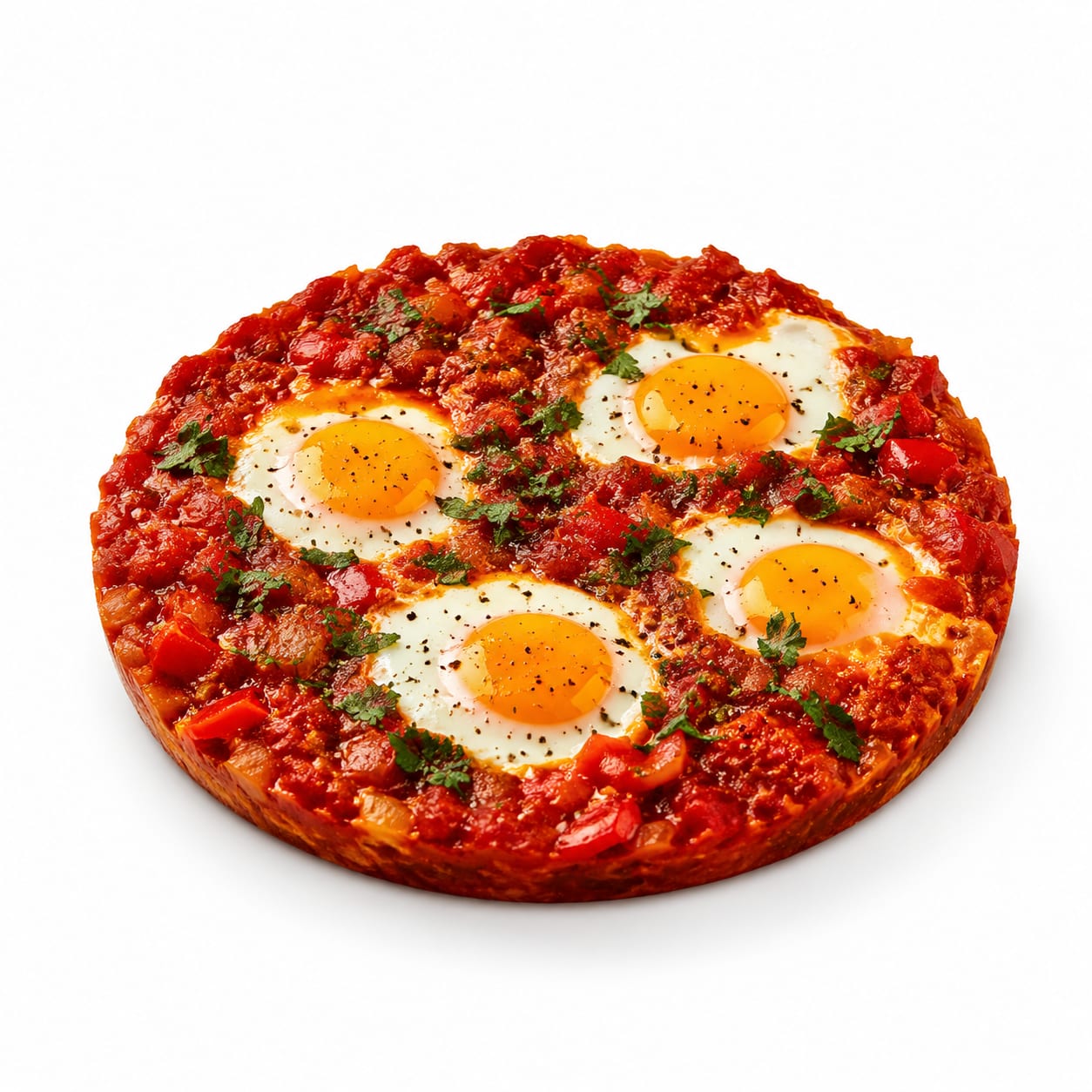
Shakshuka
A nutrient-dense dish of eggs poached in a spiced tomato and pepper sauce.
A Mediterranean and Middle Eastern dish consisting of eggs poached in a spiced tomato, bell pepper, and onion sauce, often seasoned with cumin and paprika.
protein and fiber-rich vegetable egg dish
Typical serving · 250g
Common varieties · traditional tomato, green shakshuka, shakshuka with feta, shakshuka with merguez sausage, shakshuka with chickpeas
Overall context score across nutrition, safety, and diet fit
At a glance
Quick facts
Simple indicators based on nutrition, processing, and diet fit.
The story
What makes it unique
Shakshuka combines high-quality protein and fats from eggs with fiber, vitamins, and antioxidants from tomatoes and peppers. The fat content slows gastric emptying, while the egg protein induces high satiety. Lycopene in cooked tomatoes becomes significantly more bioavailable due to the presence of olive oil and heat processing.
Varieties: traditional tomato · green shakshuka · shakshuka with feta · shakshuka with merguez sausage · shakshuka with chickpeas
Per 100g
Nutrition breakdown
Macro balance and key metrics at a glance.
Energy
Density 0.85 kcal/g
Protein
Carbs
Fat
Fiber
Sugar
2.5 g
Sodium
220 mg
Potassium
210 mg
Glycemic index
15
Glycemic load
1
Water content
82%
Standout compounds
Nutrient highlights
Lycopene
highPowerful antioxidant that supports heart health and reduces oxidative stress
Choline
moderateEssential for brain health, memory, and cell membrane integrity
Vitamin A
moderateSupports vision, immune function, and skin health
Vitamin C
moderateBoosts immune system and aids in iron absorption
Wellness map
Health scores & processing
NOVA processing scale
minimally processed · Whole food
Made from whole, unprocessed foods (eggs, tomatoes, peppers) combined with culinary ingredients like olive oil and spices.
Diet compatibility
- Weight loss
- Muscle gain
- Diabetes
- Gut health
- Low carb
- High protein
- Heart health
Relative standing
Food rankings
Qualitative ranks compared to similar whole foods.
- Satietyexcellent
- Blood sugarexcellent
- Nutrient densitygood
- Fitness fuelgood
- Processing qualityexcellent
Eat with confidence
Food safety profile
Shakshuka is a thoroughly cooked dish, minimizing microbial risks. Primary concerns are pesticide residues on conventional tomatoes and BPA exposure if using canned tomatoes.
Evidence confidence 85%
- Pesticidesmoderate
- Antibioticslow
- Heavy metalslow
- Contaminationlow
Watch for
- salmonella from raw eggs prior to cooking
- pesticide residue on conventional tomatoes
Safer choices
Organic fresh tomatoes or BPA-free canned tomatoes, pasture-raised eggs
Prep tips
Wash fresh produce thoroughly under running water. If using canned tomatoes, opt for BPA-free linings or glass jars.
Canned tomatoes may contain BPA in can linings; conventional tomatoes often have high pesticide residues.
Deep dive
Health analysis
How this food may fit different goals and preparation choices.
Weight loss
High protein and fat from eggs combined with fiber from tomatoes creates strong satiety, reducing overall calorie intake.
Blood sugar
Very low glycemic impact due to minimal carbohydrates, high fiber, and fat slowing digestion.
Fitness & energy
Provides sustained energy from fats and protein, suitable for a post-workout meal, though lacking fast carbs for immediate glycogen replenishment.
Gut health
Fiber from tomatoes and peppers supports healthy digestion, while olive oil provides anti-inflammatory benefits.
Processing quality
Typically made from whole, unprocessed ingredients, making it a highly nutritious, whole-food meal.
Food safety
Cooking eliminates most microbial risks; choosing organic tomatoes and pasture-raised eggs minimizes chemical and antibiotic exposure.
Common mistakes
Overcooking the eggs until rubbery, or adding excessive bread for dipping which drastically increases caloric and carbohydrate intake.
Best preparation
Simmering the tomato sauce thoroughly before adding eggs, then poaching eggs gently over medium-low heat until whites are set but yolks remain runny.
Practical guide
Best use cases
When and how this food fits real eating patterns.
low-carb breakfast
A filling, savory morning meal that keeps blood sugar stable and prevents mid-morning crashes.
meatless dinner
Provides high-quality protein and robust flavor without relying on meat.
post-workout meal
Delivers protein for muscle repair and healthy fats for sustained recovery.
Balance sheet
Pros & cons
Upsides
- High satiety from protein and fat combination
- Very low glycemic impact
- Rich in bioavailable lycopene due to cooking with oil
- Naturally gluten-free and low-carb
- Made from whole, unprocessed ingredients
Trade-offs
- Can be high in sodium if using canned tomatoes or added salt
- Often served with high-calorie bread for dipping
- Egg cholesterol may concern some individuals
- Requires careful temperature control to avoid overcooking eggs
Fit check
Who is it for?
Great match
- low-carb diets
- blood sugar management
- high-volume low-calorie eating
- Mediterranean diet followers
Consider alternatives
- strict low-fat diets
- egg or nightshade allergies
- very low sodium diets
Side by side
How it compares
Open the full head-to-head analysis for nutrition, safety, and practical tradeoffs.
This food
Shakshuka
VS85% alike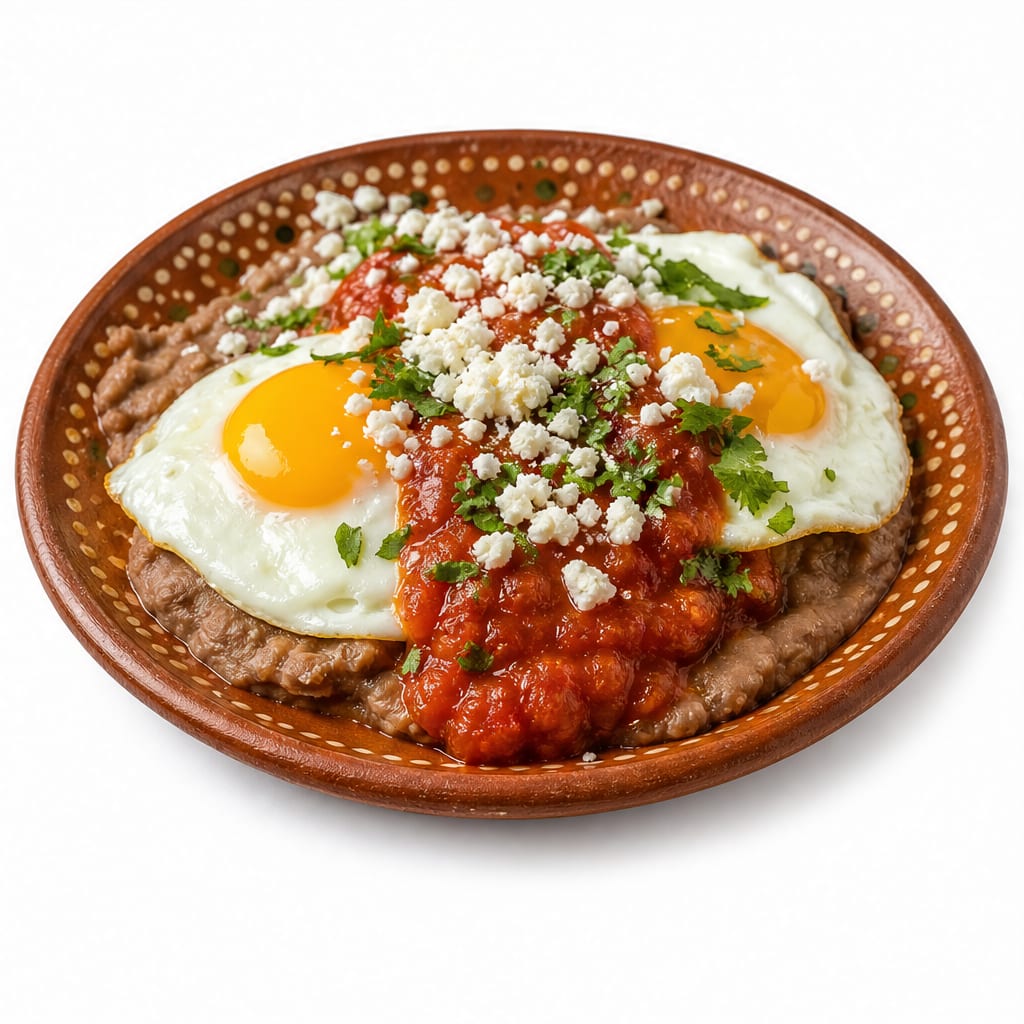
Compare with
Huevos Rancheros
Shakshuka is typically lower in calories and fat than huevos rancheros, which often includes fried eggs, cheese, and fried tortillas.
Shakshuka is lower in carbs and calories than huevos rancheros, making it better for weight loss, while huevos rancheros offers more fiber if beans are included.
This food
Shakshuka
VS90% alike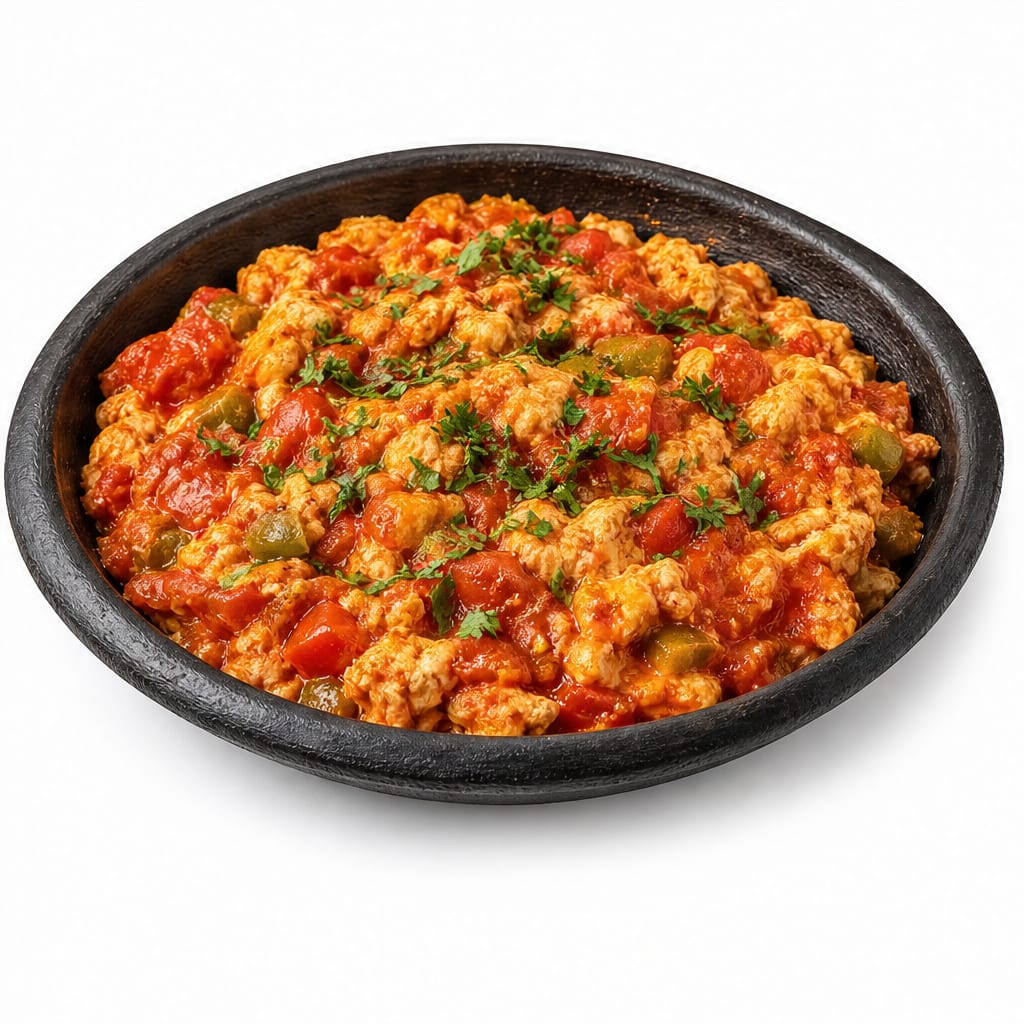
Compare with
Turkish Menemen
Menemen is scrambled while shakshuka is poached; nutritionally they are nearly identical.
Shakshuka and menemen are nutritionally equivalent, differing mainly in egg preparation method and spice blends.
This food
Shakshuka
VS75% alike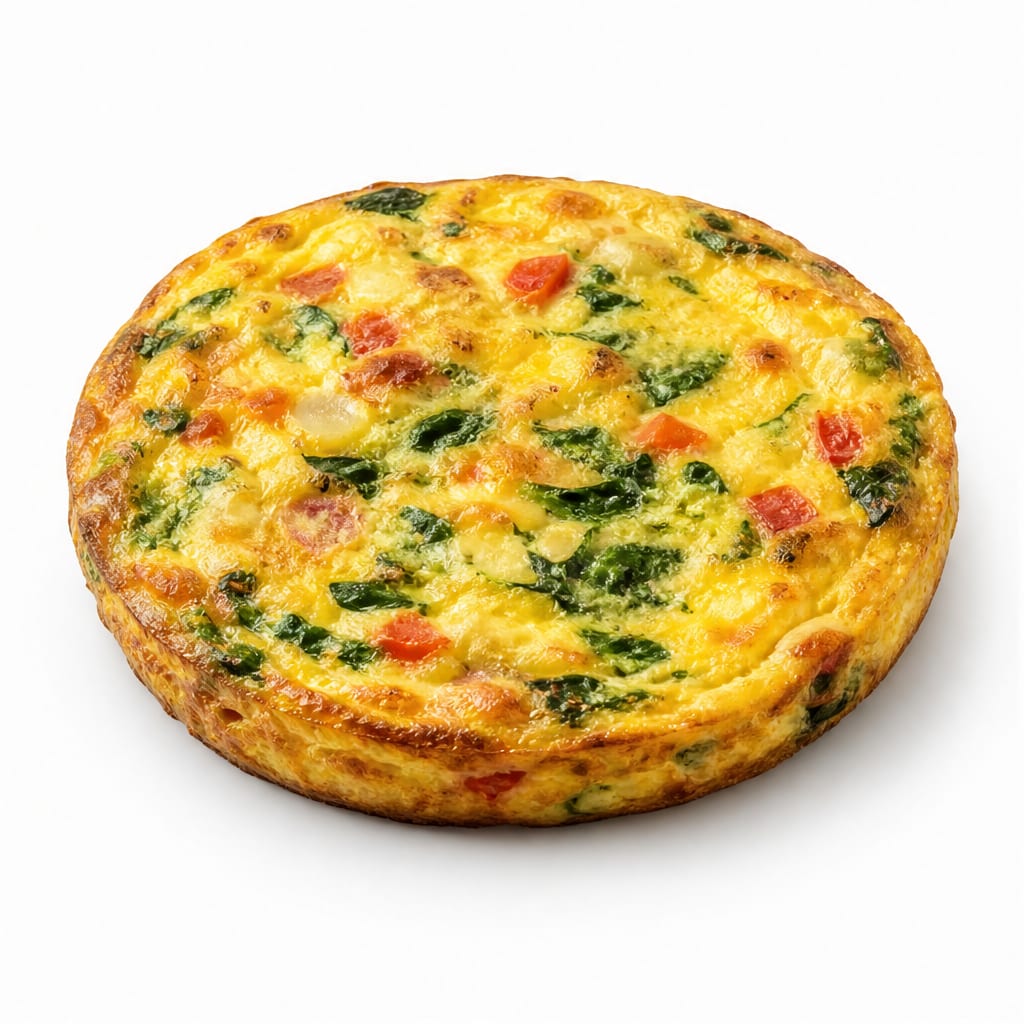
Compare with
Frittata
Frittata is baked and often includes cheese and cream, making it higher in fat and calories than shakshuka.
Shakshuka is lighter and lower in fat than a cheese-heavy frittata, making it better for weight loss and blood sugar control.
This food
Shakshuka
VS70% alike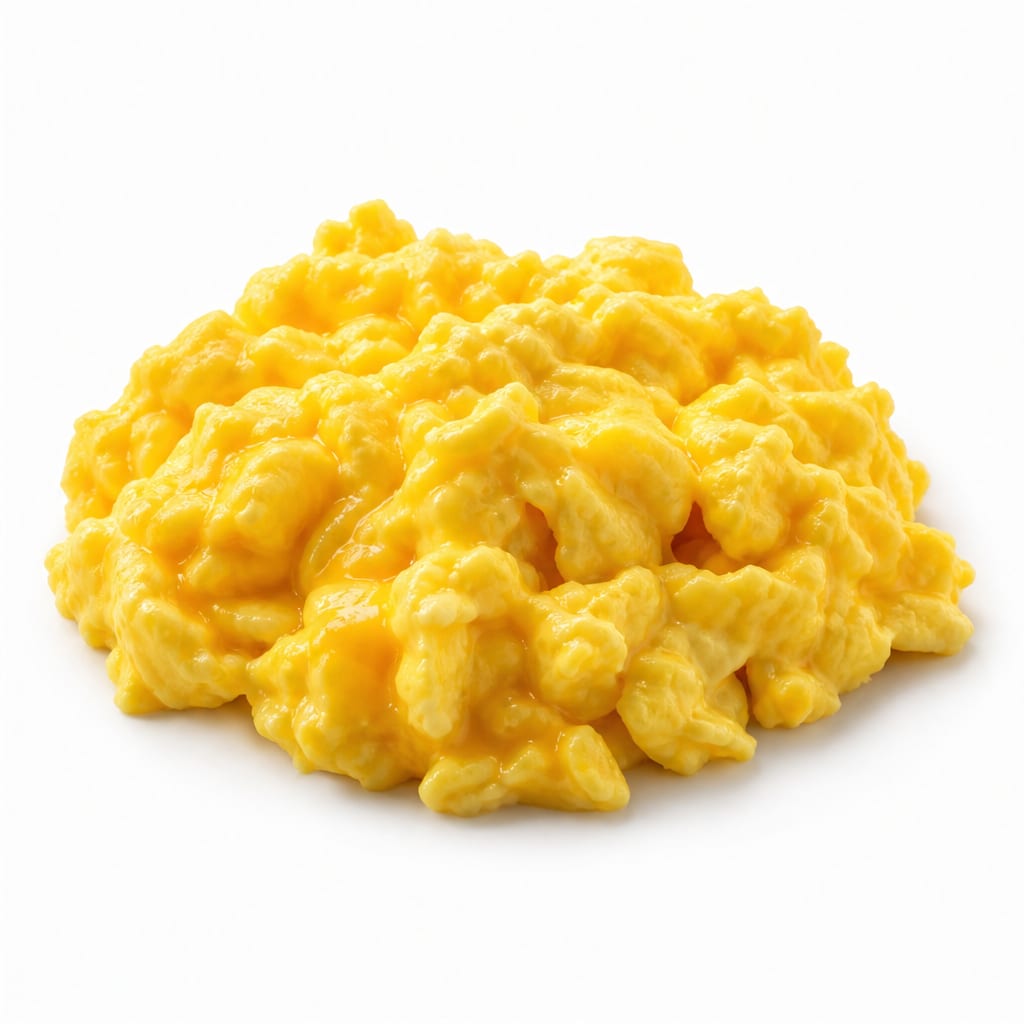
Compare with
Scrambled Eggs
Shakshuka adds vegetables and fiber, whereas scrambled eggs are just eggs and fat.
Shakshuka provides more volume, fiber, and micronutrients than plain scrambled eggs for similar calories.
This food
Shakshuka
VS40% alike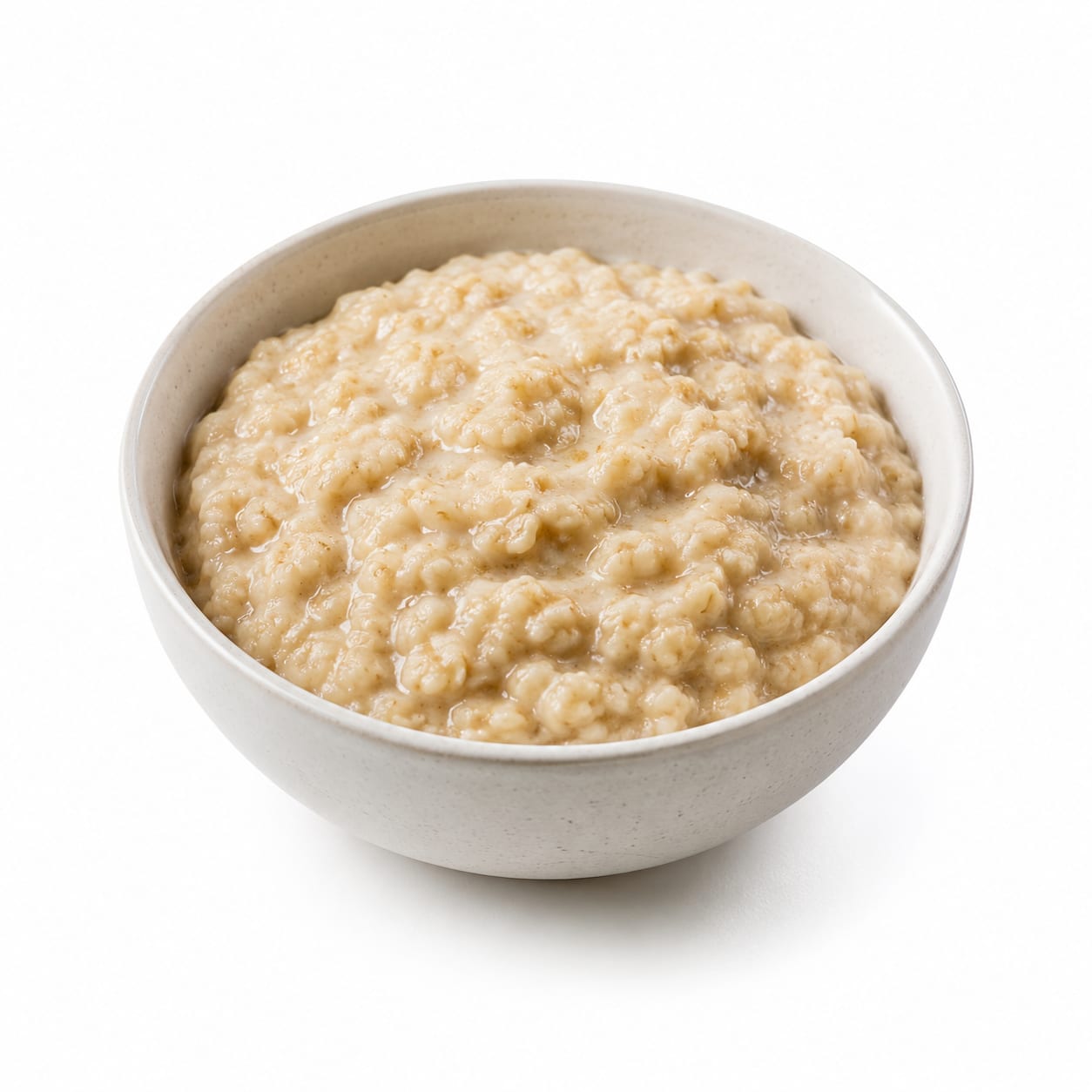
Compare with
Oatmeal
Oatmeal is carb-heavy with fiber, shakshuka is protein and fat-heavy with low carbs.
Shakshuka provides far more protein and fewer carbs than oatmeal, offering better blood sugar control and satiety.
This food
Shakshuka
VS50% alike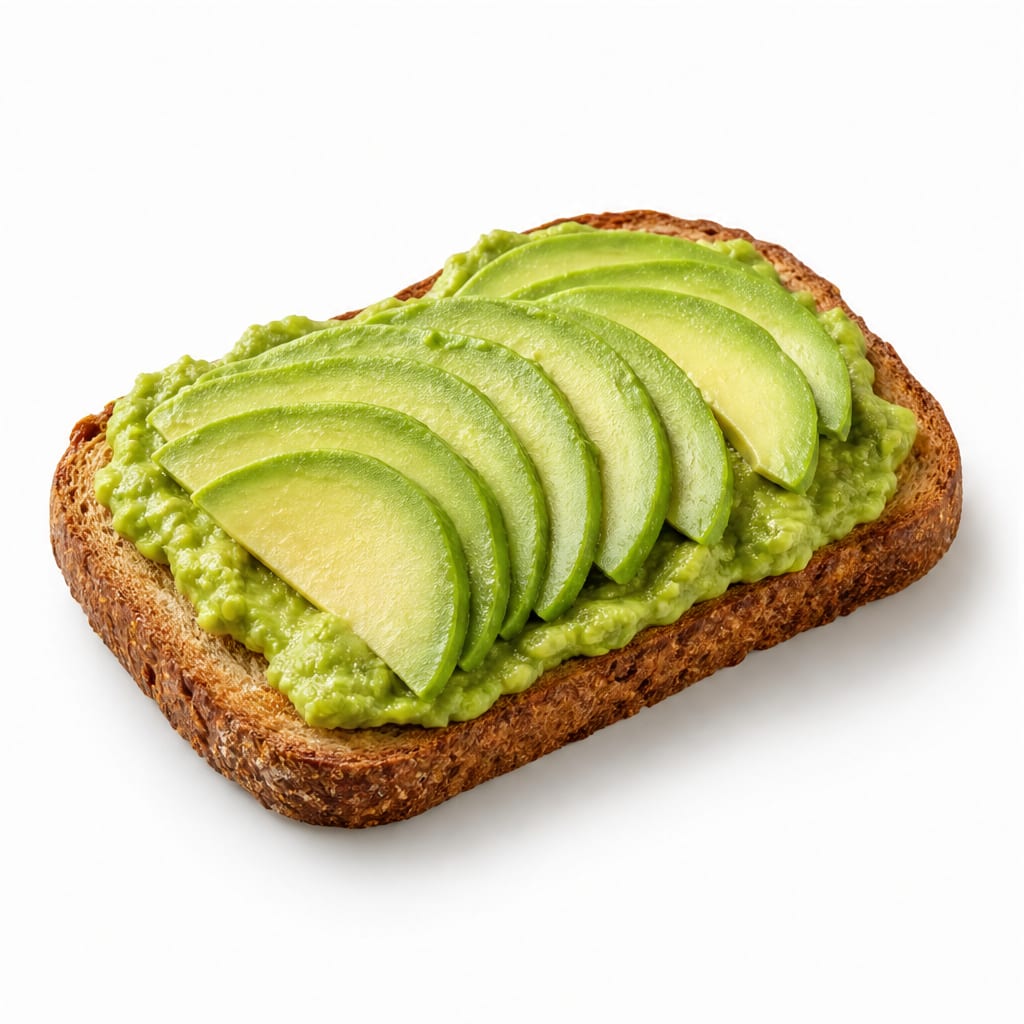
Compare with
Avocado Toast
Avocado toast is high in healthy fats and carbs, shakshuka is high in protein and low in carbs.
Shakshuka offers significantly more protein and fewer carbs than avocado toast, making it superior for blood sugar management.
This food
Shakshuka
VS60% alike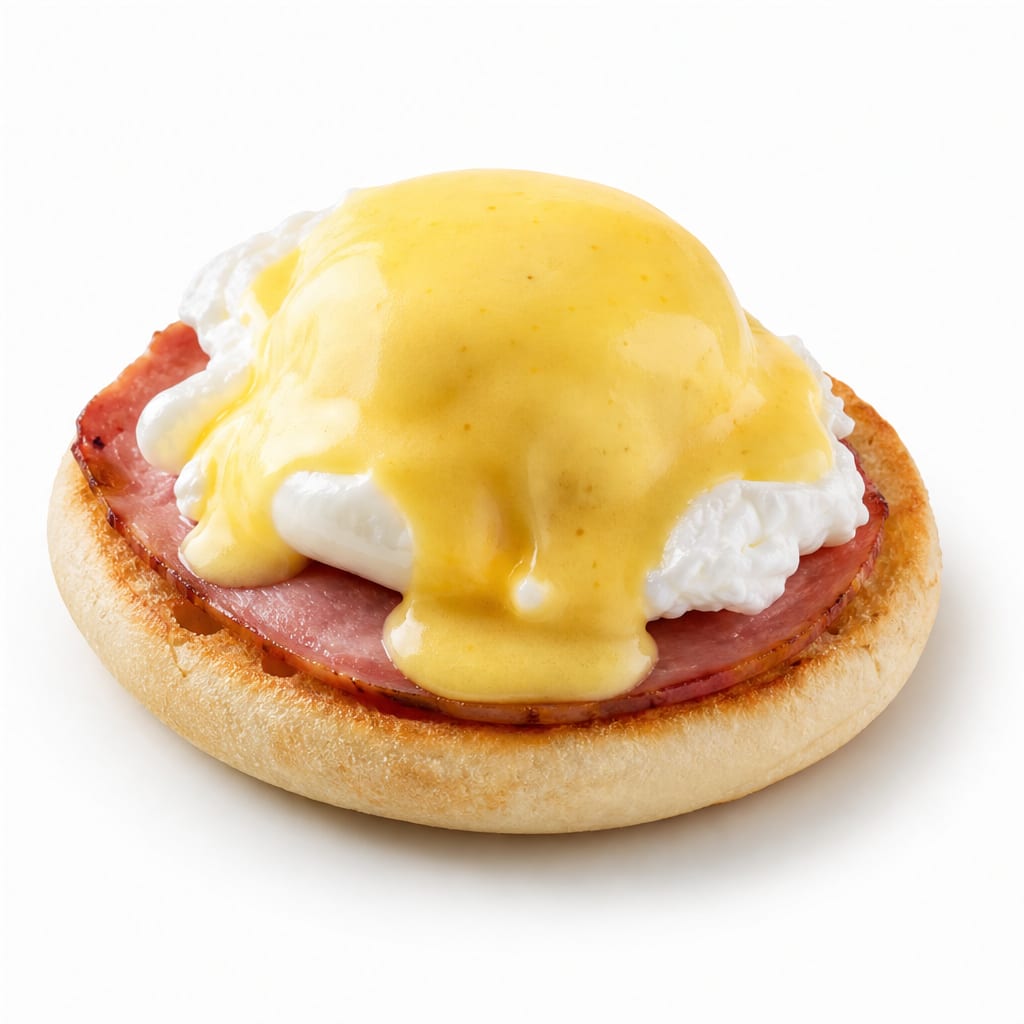
Compare with
Eggs Benedict
Eggs Benedict uses hollandaise and English muffins, making it much higher in saturated fat and refined carbs.
Shakshuka is a much lighter, lower-carb alternative to the heavy, refined-carb dense Eggs Benedict.
This food
Shakshuka
VS65% alike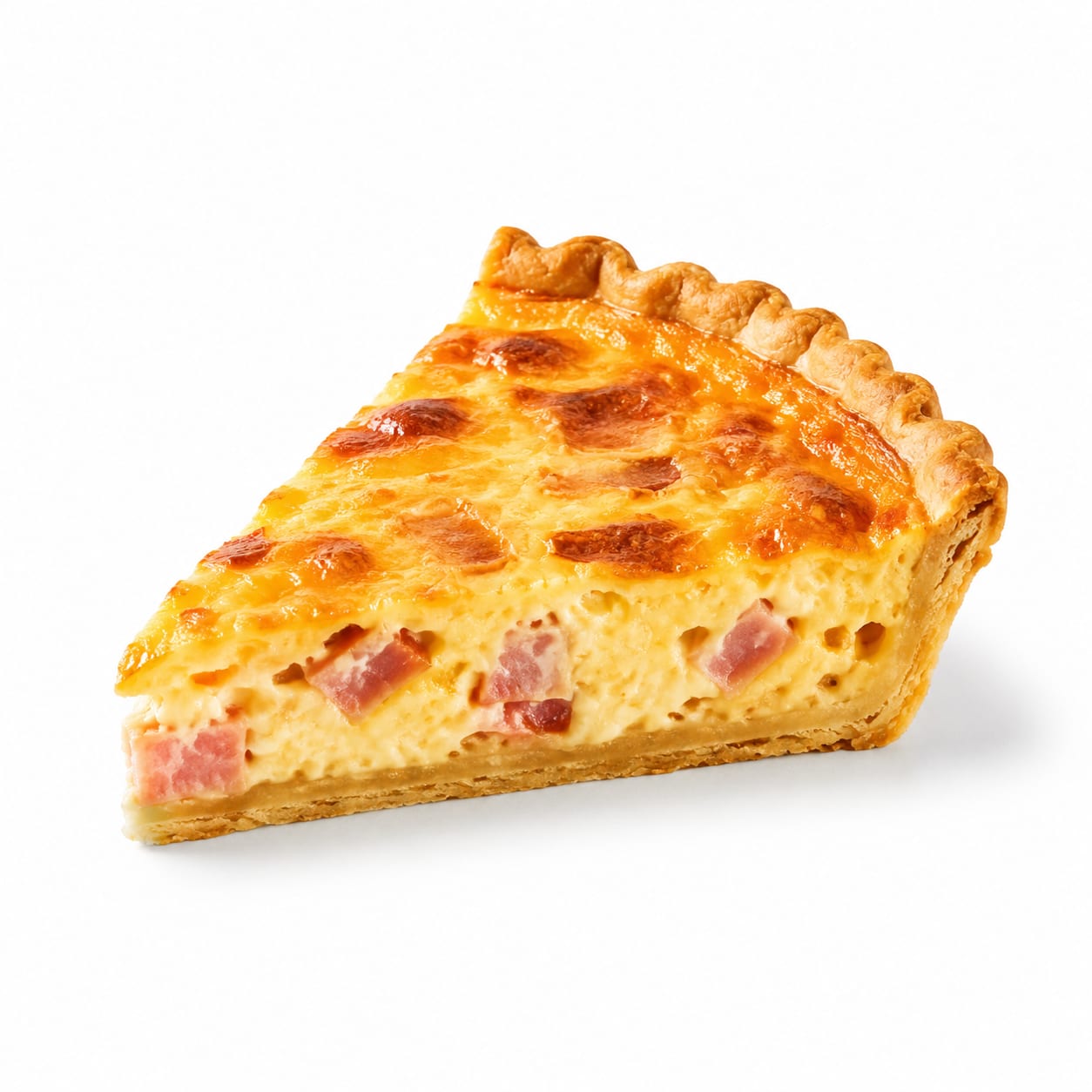
Compare with
Quiche
Quiche has a pastry crust and cream, making it significantly higher in calories, fat, and carbs.
Shakshuka skips the high-calorie pastry crust of quiche, offering a lower-carb, lower-calorie meal.
This food
Shakshuka
VS55% alike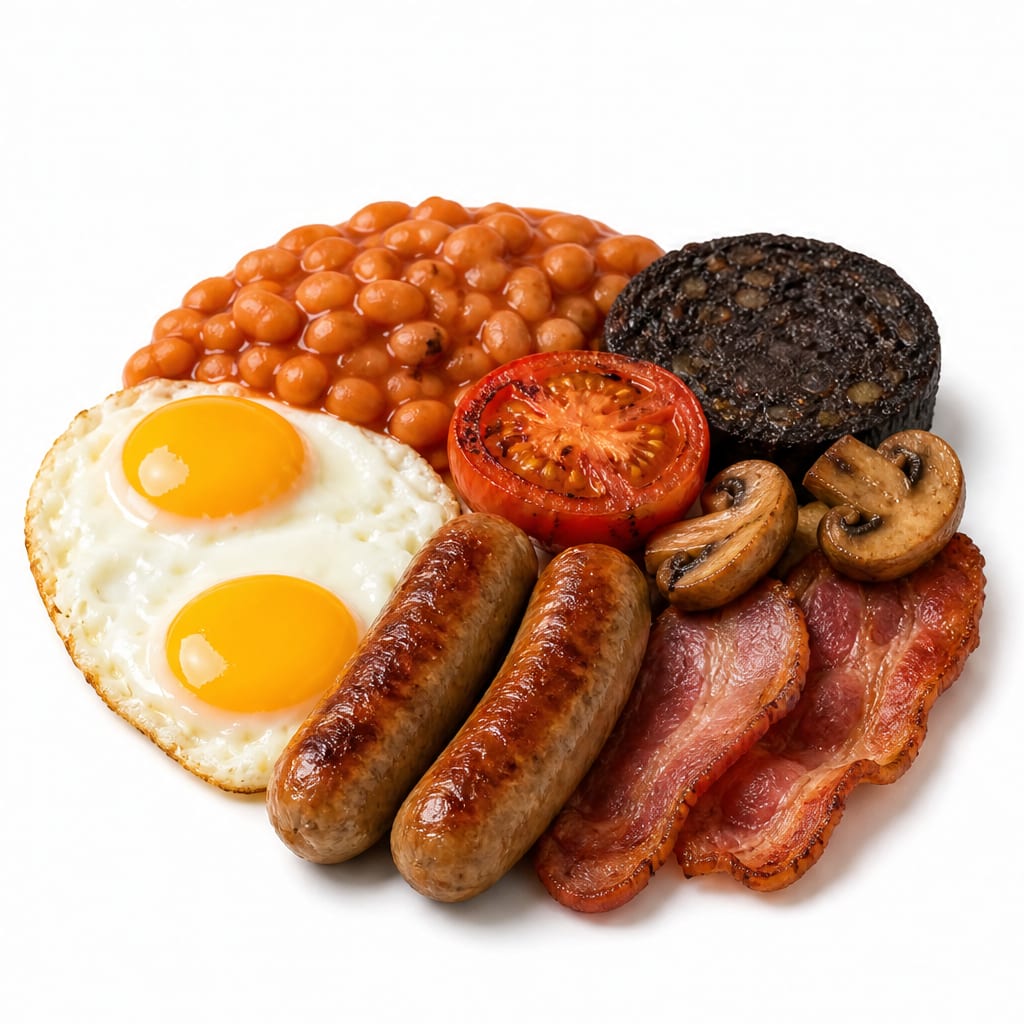
Compare with
Full English Breakfast
Full English is much higher in calories, saturated fat, and processed meats.
Shakshuka provides a filling breakfast without the excessive calories and processed meats of a Full English.
This food
Shakshuka
VS45% alike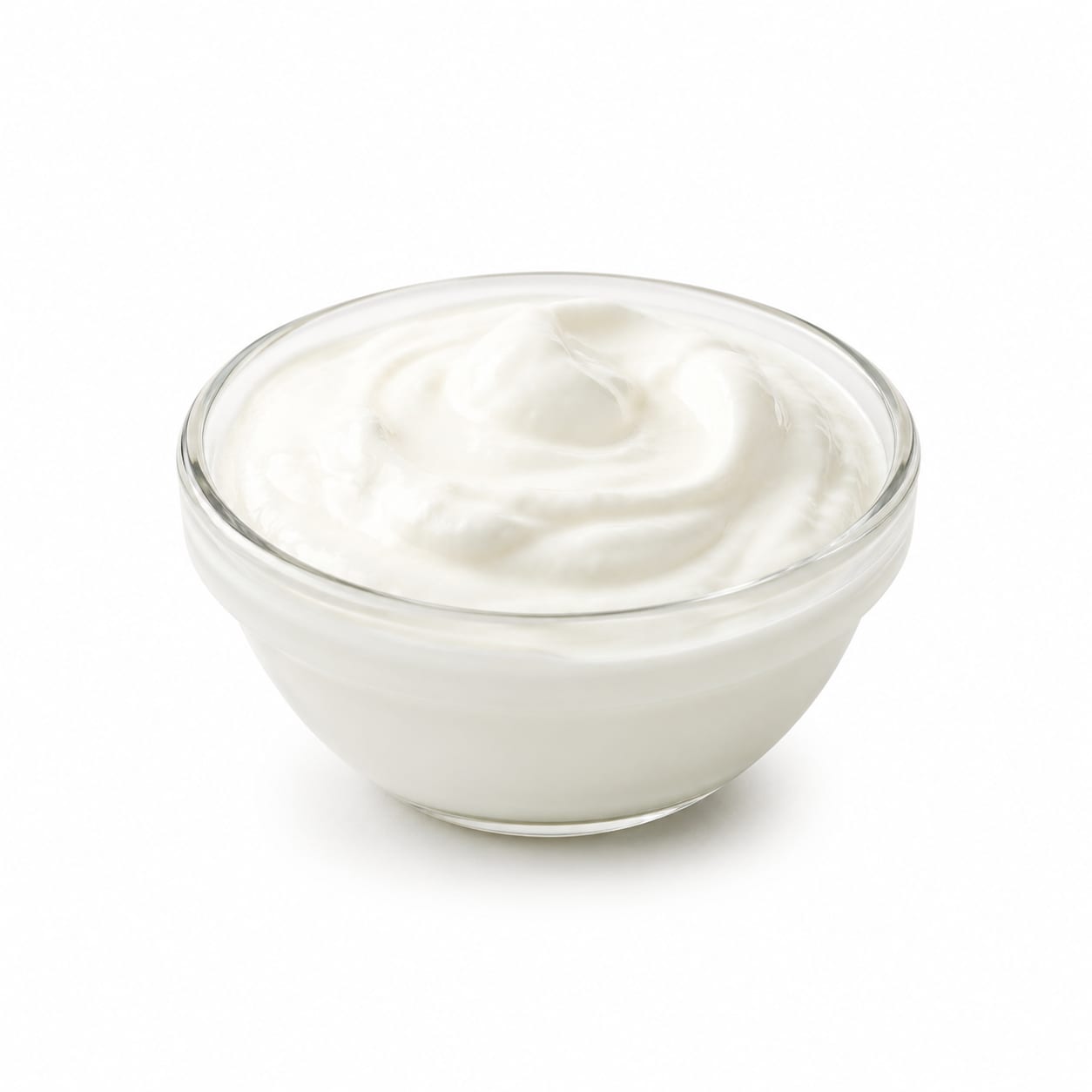
Compare with
Greek Yogurt
Greek yogurt is high protein and carb-based from lactose, shakshuka is moderate protein and fat-based.
Greek yogurt offers faster-digesting protein for fitness, while shakshuka provides longer-lasting satiety from fats and fiber.
Common questions
FAQ
Answers aligned with how people search for this food.
Is shakshuka good for weight loss?
Yes, shakshuka is excellent for weight loss due to its high protein and fat content which promotes satiety, while remaining relatively low in calories.
Can diabetics eat shakshuka?
Yes, shakshuka has a very low glycemic index and load, making it a blood sugar-friendly meal that prevents glucose spikes.
Is shakshuka keto friendly?
Yes, traditional shakshuka is low in carbohydrates and high in fat, making it suitable for ketogenic diets, especially when eaten without bread.
How many calories are in shakshuka?
A typical 100-gram serving of shakshuka contains about 85 calories, while a full one-cup serving (around 250 grams) has roughly 210 calories.
Is shakshuka high in protein?
Shakshuka provides a moderate amount of high-quality protein from the eggs, offering about 13 grams per standard serving.
What are the health benefits of shakshuka?
Shakshuka provides lycopene from cooked tomatoes for antioxidant support, choline from eggs for brain health, and anti-inflammatory benefits from olive oil and spices.
Can you eat shakshuka on a Mediterranean diet?
Absolutely, shakshuka is a staple Mediterranean dish rich in vegetables, olive oil, and eggs, aligning perfectly with the diet's principles.
Transparency
Data confidence
Estimated confidence for nutrition data, interpretation, safety notes, and comparisons.
Nutrition data
Health analysis
Food safety
Comparisons