
Nutrition comparison
Shakshuka vs Scrambled Eggs: Which Breakfast Is Healthier?
Compare shakshuka and scrambled eggs on nutrition, convenience, satiety, and health benefits. Find out which egg breakfast is better for your goals.
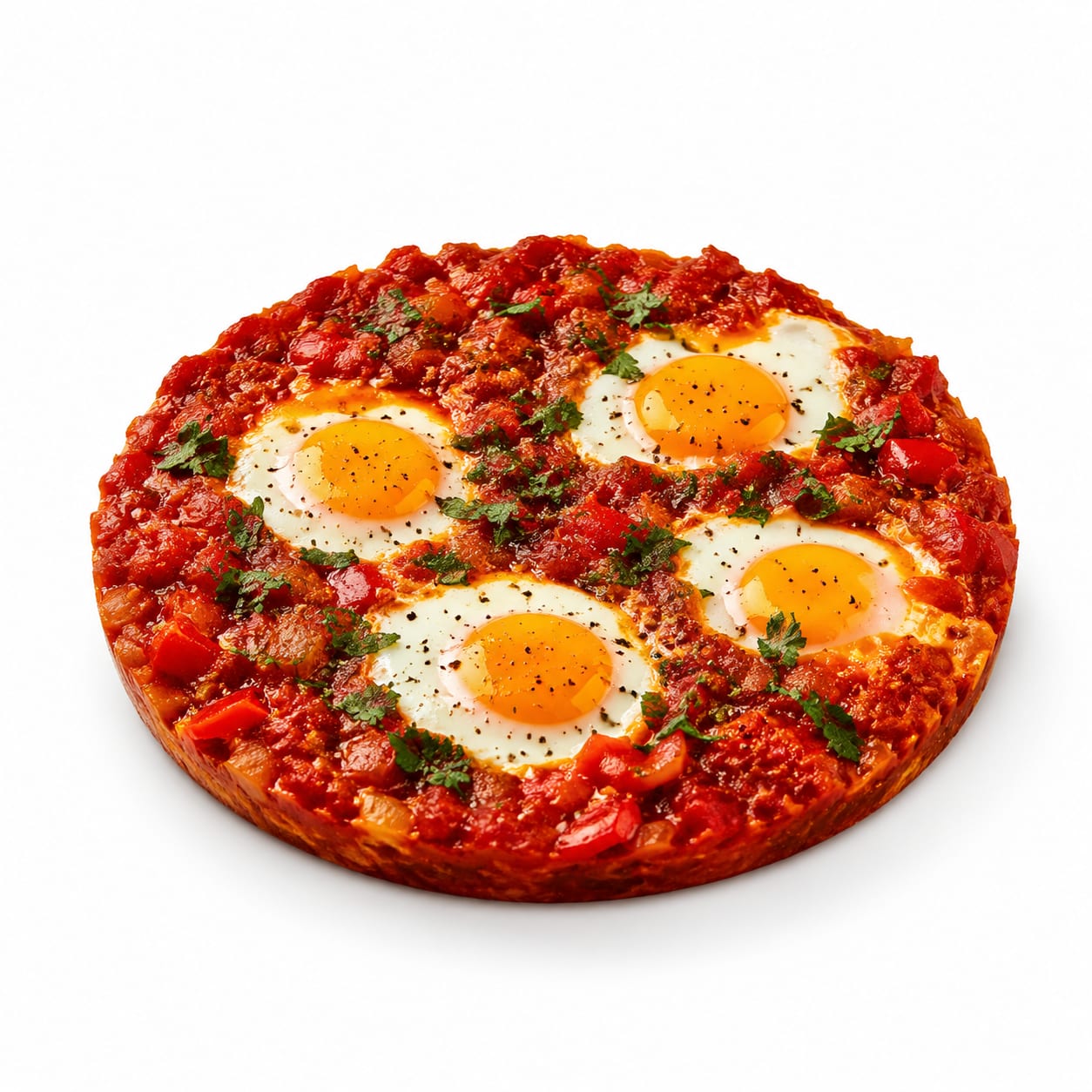
Shakshuka
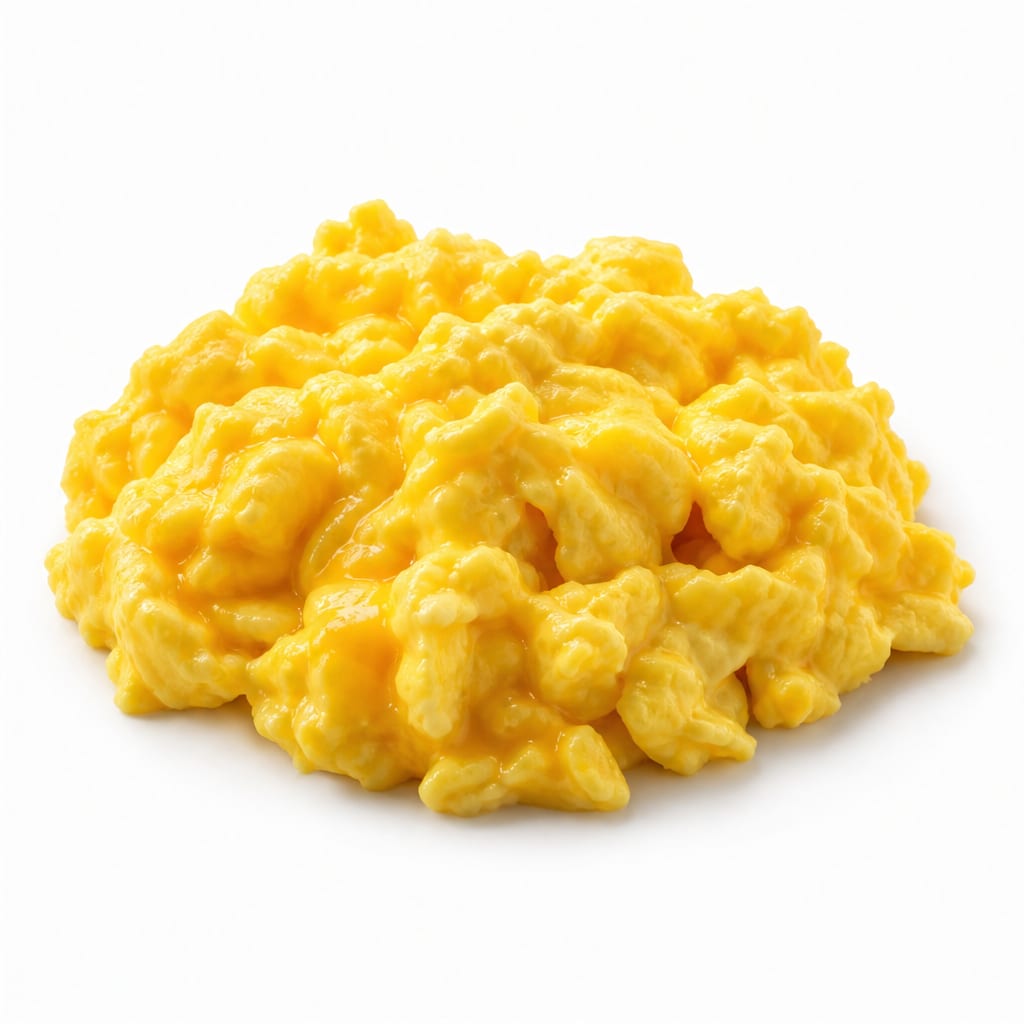
Scrambled Eggs
Shakshuka is the more nutritionally complete meal, but scrambled eggs win on speed and simplicity. Your choice depends on whether you have 20 minutes or 5.
Shakshuka scores higher for nutritional depth and satiety, but scrambled eggs remain competitive due to unmatched convenience and simplicity. The gap reflects shakshuka's vegetable content and antioxidant advantage, not a fundamental quality difference in the eggs themselves.
Vegetable-rich satisfaction versus quick convenience — shakshuka nourishes more deeply, scrambled eggs fit tighter schedules.
At a glance
Executive summary
Overall
It depends
Healthier
Shakshuka
More practical
Scrambled Eggs
Daily use
Scrambled Eggs
Key comparison lenses
nutritional completeness and vegetable intake
Shakshuka delivers vegetables and micronutrients that scrambled eggs simply lack, making this the most impactful difference
breakfast convenience and time investment
Scrambled eggs are a 5-minute meal while shakshuka requires sauce preparation, a critical weekday decision factor
satiety and staying power
The tomato sauce and fiber in shakshuka create longer-lasting fullness compared to eggs alone
sodium and seasoning load
Shakshuka's spice blend and sauce can carry significant sodium, relevant for blood pressure management
antioxidant and anti-inflammatory benefits
Lycopene from cooked tomatoes and anti-inflammatory spices give shakshuka a meaningful edge
Best choice for
Shakshuka
- Weekend brunch when you have time to cook
- Anyone needing more vegetables in their morning routine
- People who find plain eggs unsatisfying and snack soon after
- Those seeking anti-inflammatory and antioxidant benefits
- Meal prep enthusiasts who can make a large batch of sauce ahead
Scrambled Eggs
- Busy weekday mornings with limited time
- Minimalists who prefer simple, clean flavors
- People watching sodium intake closely
- Anyone needing a quick protein hit before or after a workout
- Households with picky eaters who resist mixed dishes
Least suitable for
Shakshuka
- Rushed mornings with no prep time
- Very low-sodium diets requiring strict control
- People with nightshade sensitivities or tomato allergies
- Those who dislike spiced or saucy breakfasts
Scrambled Eggs
- Anyone relying on breakfast as a primary vegetable opportunity
- People who find eggs alone leave them hungry an hour later
- Those seeking more diverse micronutrient intake at breakfast
- Anyone bored with plain eggs and struggling to eat breakfast at all
Deep comparison
Dimension by dimension
Each lens scores both foods and breaks down who each option suits.
- Dimension 1 · Priority 92Shakshuka
Nutritional Completeness
Shakshuka · 88Scrambled Eggs · 55Shakshuka delivers protein, fiber, vitamins A and C, lycopene, and potassium from the tomato-pepper sauce. Scrambled eggs provide protein and fat but almost no fiber or micronutrients beyond what eggs contain.
Tradeoff
You gain significant micronutrient breadth with shakshuka but invest more cooking time to get it.
Why it matters
Breakfast is often vegetable-free. Shakshuka solves this effortlessly; scrambled eggs do not.
Real-world impact
A shakshuka breakfast covers protein and vegetable servings in one pan. Scrambled eggs almost always need a side to feel nutritionally complete.
Shakshuka
- Meeting vegetable quotas early in the day
- Getting lycopene and vitamin C alongside protein
- One-pan nutritional completeness without sides
Better for
- Harder to calculate exact macros due to sauce variability
Worse for
Scrambled Eggs
- Simpler macro tracking with fewer variables
- Cleaner eating approaches that minimize ingredients
Better for
- Missing fiber and key micronutrients at breakfast
- Likely needing additional food to feel complete
Worse for
- Dimension 2 · Priority 85Scrambled Eggs
Convenience and Speed
Shakshuka · 40Scrambled Eggs · 92Scrambled eggs are ready in under 5 minutes with one pan and minimal cleanup. Shakshuka typically takes 20-30 minutes from scratch.
Tradeoff
Speed versus substance. Scrambled eggs get food on the plate fast; shakshuka rewards patience with a richer meal.
Why it matters
On busy mornings, the 15-25 minute difference determines whether you actually cook or grab something processed.
Real-world impact
Monday at 7am: scrambled eggs are realistic. Shakshuka is a weekend project unless you pre-make the sauce.
Shakshuka
- Lazy weekend mornings when cooking feels enjoyable
- Batch cooking the sauce for quick reheats throughout the week
Better for
- Spontaneous cooking when time is short
- Situations with limited stovetop access or cookware
Worse for
Scrambled Eggs
- Every rushed weekday morning
- Minimal cleanup situations like office kitchens or travel
- When you need protein fast after an early workout
Better for
- Nothing significant — this is scrambled eggs' strongest dimension
Worse for
- Dimension 3 · Priority 80Shakshuka
Satiety and Fullness Duration
Shakshuka · 85Scrambled Eggs · 62The fiber from tomatoes and peppers, combined with the volume of sauce, makes shakshuka significantly more filling for longer. Scrambled eggs digest faster and can leave you hungry within 2 hours.
Tradeoff
Longer-lasting fullness comes with longer cooking time. You invest time to earn hours of satisfaction.
Why it matters
If you snack excessively mid-morning, shakshuka may solve the problem scrambled eggs cannot.
Real-world impact
After shakshuka, most people stay full until lunch. After scrambled eggs alone, the 10am snack craving is common.
Shakshuka
- Long mornings without snack access
- Anyone trying to reduce between-meal snacking
- Physically active people who need sustained energy
Better for
- Those who prefer a light start to the day
Worse for
Scrambled Eggs
- Light eaters who prefer smaller breakfasts
- Anyone who dislikes feeling full for extended periods
Better for
- People prone to mid-morning energy crashes and snack attacks
Worse for
- Dimension 4 · Priority 70Scrambled Eggs
Sodium Load
Shakshuka · 45Scrambled Eggs · 78Shakshuka's spice blends, canned tomatoes, and added salt can push sodium to 600-1000mg per serving. Scrambled eggs with minimal seasoning stay around 150-300mg.
Tradeoff
Flavor intensity comes with sodium. Shakshuka tastes bolder but costs more in salt intake.
Why it matters
For anyone managing blood pressure or on a sodium-restricted diet, this difference is clinically meaningful.
Real-world impact
A single shakshuka serving can deliver a third of your daily sodium limit. Scrambled eggs leave room for saltier meals later.
Shakshuka
- Flavor-seeking eaters who find plain eggs boring
- Active individuals who sweat heavily and need more sodium
Better for
- Blood pressure concerns requiring strict sodium control
- People already consuming high-sodium lunches and dinners
Worse for
Scrambled Eggs
- Low-sodium diets and hypertension management
- Anyone who salts food heavily at the table and needs a low-sodium base
Better for
- Endurance athletes who actually need morning sodium
Worse for
- Dimension 5 · Priority 68Shakshuka
Antioxidant and Anti-Inflammatory Value
Shakshuka · 90Scrambled Eggs · 35Cooked tomatoes are the best dietary source of lycopene, and shakshuka's cumin, paprika, and garlic add proven anti-inflammatory compounds. Scrambled eggs offer minimal antioxidant content.
Tradeoff
Shakshuka functions as both a meal and a source of therapeutic plant compounds. Scrambled eggs are nutritionally functional but not therapeutic.
Why it matters
Chronic inflammation drives most lifestyle diseases. Regular lycopene intake from cooked tomatoes is strongly linked to lower disease risk.
Real-world impact
Eating shakshuka a few times per week meaningfully increases your lycopene intake. Scrambled eggs contribute almost nothing on this front.
Shakshuka
- Long-term disease prevention strategies
- Anti-inflammatory eating patterns
- Anyone not getting enough cooked tomatoes elsewhere
Better for
- Nothing significant — this is a clear shakshuka advantage
Worse for
Scrambled Eggs
- Situations where simplicity outweighs functional food benefits
Better for
- Missing a major opportunity for antioxidant intake at breakfast
Worse for
- Dimension 6 · Priority 60It depends
Versatility and Customization
Shakshuka · 72Scrambled Eggs · 75Scrambled eggs adapt to any cuisine or add-in. Shakshuka has a defined flavor profile that is less flexible but still allows variations like feta, herbs, or different peppers.
Tradeoff
Scrambled eggs are a blank canvas. Shakshuka is a more complete dish with less room for reinvention.
Why it matters
If you eat the same breakfast daily, scrambled eggs may bore you less because you can change them more easily.
Real-world impact
Scrambled eggs can be Mexican, French, Japanese, or plain. Shakshuka is always recognizably shakshuka — comforting but less chameleon-like.
Shakshuka
- People who love having a signature dish they can perfect
- Fans of Middle Eastern and North African flavors
Better for
- Those who crave dramatically different flavors each morning
Worse for
Scrambled Eggs
- Anyone who needs variety and gets bored easily
- Cooks who enjoy improvising with whatever is in the fridge
Better for
- People who default to the same preparation and need built-in variety
Worse for
Timeline
Health impact over time
Short-term
Hours to days
Shakshuka
- Higher satiety reduces mid-morning snacking within 2-4 hours
- Spices like cumin and paprika may mildly boost digestion and metabolism
- The warm, saucy texture feels comforting and satisfying immediately
- Sodium load may cause mild bloating in salt-sensitive individuals
Scrambled Eggs
- Quick protein absorption supports immediate muscle needs
- Lower volume may leave you hungry again within 2 hours
- Very gentle on the stomach, easy to digest
- Minimal sodium means no bloating or thirst after eating
Long-term
Months to years
Shakshuka
- Regular lycopene intake supports prostate and cardiovascular health
- Dietary fiber from the sauce contributes to gut health over time
- Anti-inflammatory spices may reduce chronic disease markers
- Higher sodium intake could become a concern if eaten very frequently
Scrambled Eggs
- Consistent high-quality protein supports muscle maintenance and satiety signaling
- Lack of fiber at breakfast may contribute to lower overall daily vegetable intake
- Choline from eggs supports brain health long-term
- Risk of breakfast monotony leading to less nutritious convenience choices
Risk profile
Safety & processing
Both are whole-food dishes made from scratch. Shakshuka's sauce may use canned tomatoes, which are minimally processed but can contain trace BPA from can linings. Scrambled eggs are as close to unprocessed as cooking gets. Neither raises significant additive concerns.
Shakshuka
BPA exposure from canned tomatoes
lowMost canned tomatoes contain trace BPA from can linings. Choosing jarred or carton-packed tomatoes eliminates this concern.
Undercooked eggs in the yolk
mediumShakshuka features runny yolks by design. Use fresh, properly refrigerated eggs and avoid if pregnant or immunocompromised.
Scrambled Eggs
Undercooked eggs
mediumSoft scrambled eggs may not reach fully safe temperatures. Cook until no liquid egg remains for maximum safety, especially for vulnerable groups.
Dairy cross-contamination if milk or cream is added
lowAdding dairy to scrambled eggs introduces a spoilage risk if leftovers sit at room temperature. Not relevant for dairy-free preparations.
Who wins for whom
Audience fit
Same foods, different winners depending on your goal.
children
Scrambled EggsMilder flavor and softer texture make scrambled eggs more kid-friendly. Shakshuka's spices and tomato acidity can be off-putting for young palates.
daily consumption
Scrambled EggsSimplicity, speed, and lower sodium make scrambled eggs easier to eat every day without fatigue or cumulative salt concerns. Shakshuka is better as a few-times-per-week dish.
diabetes
ShakshukaThe fiber in shakshuka slows carbohydrate absorption from the tomatoes, creating steadier blood sugar. Scrambled eggs alone are fine but lack fiber to buffer any accompanying carbs.
elderly
ShakshukaThe nutrient density and softer texture of shakshuka support aging bodies that need more micronutrients per bite. Lycopene is particularly beneficial for prostate health in older men.
muscle gain
Scrambled EggsScrambled eggs deliver protein more quickly and with less filling volume, making it easier to eat alongside other protein sources in a muscle-building meal plan.
weight loss
ShakshukaHigher volume and fiber from the tomato sauce create more fullness per calorie, making overeating less likely compared to calorie-dense scrambled eggs with butter.
Your move
Decision guide
Choose Shakshuka
- You have 20+ minutes to cook or have pre-made sauce ready
- Getting more vegetables into your breakfast is a genuine priority
- You find plain eggs unsatisfying and end up snacking before lunch
- You enjoy bold, spiced flavors and find them more satisfying
- Anti-inflammatory eating matters to your health goals
Choose Scrambled Eggs
- You need breakfast on the table in under 5 minutes
- You are watching sodium closely for blood pressure management
- You prefer simple, clean flavors without complexity
- You eat eggs daily and want a low-effort base that never gets old
- You are cooking for kids or picky eaters
Either works if
- You are primarily seeking high-quality morning protein
- Both fit your calorie and macro targets with slight adjustments
- You enjoy variety and can rotate between them across the week
Avoid both if
- You have an egg allergy or severe egg intolerance
- You are on a strict vegan diet
- You have acute salmonella concerns and cannot source safe eggs
Final recommendation
Make shakshuka your weekend breakfast and scrambled eggs your weekday staple. Batch-cook shakshuka sauce and freeze portions to get weekday speed with weekend nutrition. This combo gives you the best of both: vegetable-rich satisfaction when you can enjoy it, and quick protein when you cannot.
Practical
Consumer tips
- 1
Make a large batch of shakshuka sauce on Sunday and refrigerate or freeze portions — weekday shakshuka becomes nearly as fast as scrambled eggs
- 2
Use jarred or carton-packed tomatoes instead of canned to avoid BPA exposure
- 3
Reduce sodium in shakshuka by using low-sodium tomatoes and going easy on added salt — the spices carry plenty of flavor on their own
- 4
Add spinach or kale to shakshuka in the last minute of cooking for an even bigger nutrient boost without extra effort
- 5
Upgrade scrambled eggs nutritionally by serving them alongside a quick side of sautéed tomatoes or avocado — this narrows the nutritional gap significantly
- 6
If you have high blood pressure, limit shakshuka to 2-3 times per week and track the sodium in your sauce brand