
Nutrition comparison
Shakshuka vs Greek Yogurt: Which Breakfast Is Better for You?
Compare Shakshuka and Greek Yogurt for protein, satiety, weight loss, and daily convenience. Find out which breakfast fits your lifestyle and health goals.

Shakshuka
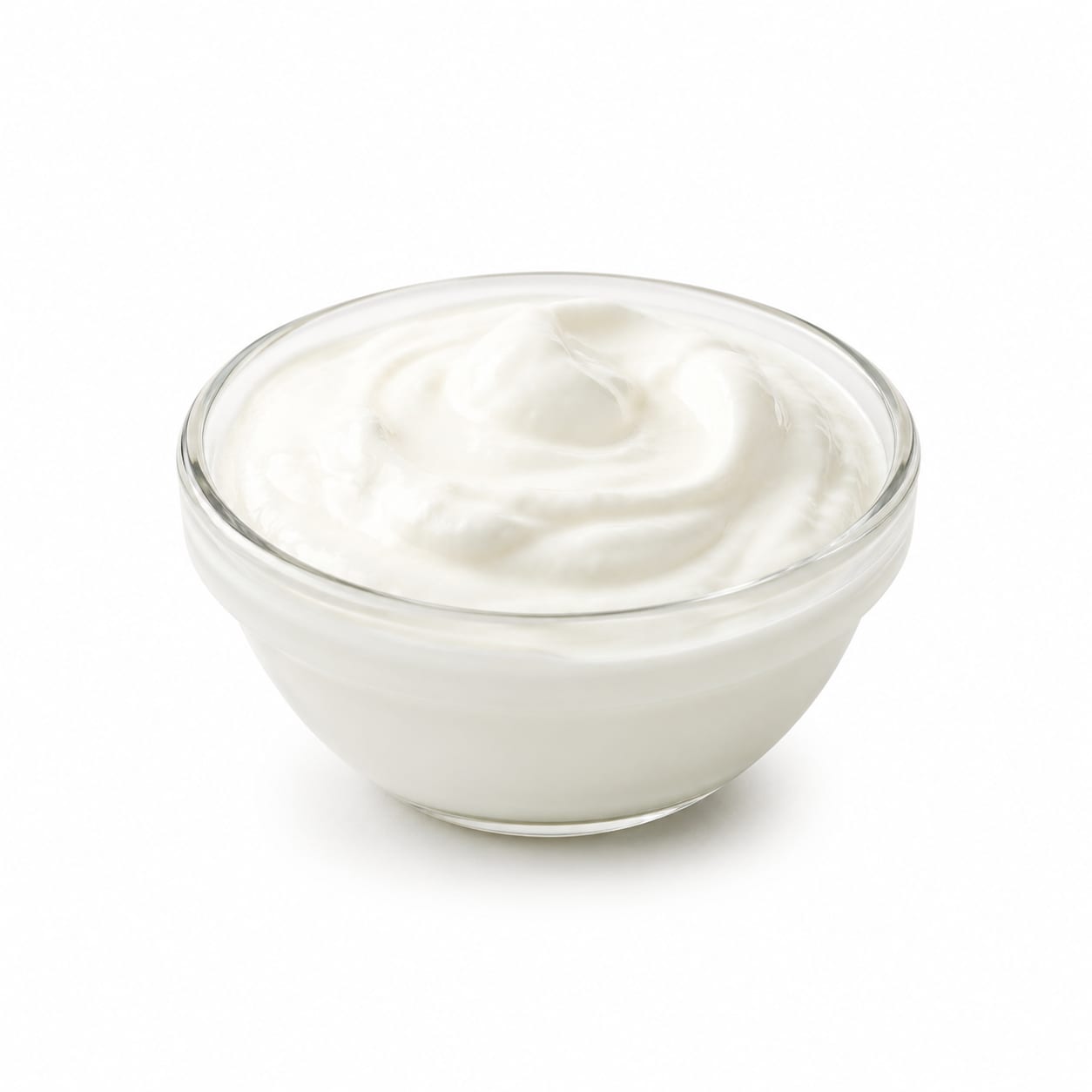
Greek Yogurt
Greek Yogurt wins for daily convenience and lean protein; Shakshuka wins for satisfying, nutrient-dense weekend meals
Greek Yogurt scores higher overall due to convenience, protein efficiency, and daily sustainability. Shakshuka remains excellent nutritionally but loses points on prep time and calorie variability depending on oil usage.
Speed and simplicity versus warmth and satiety — Greek Yogurt is instant and light, Shakshuka is slow and deeply filling
At a glance
Executive summary
Overall
It depends
Healthier
It depends
More practical
Greek Yogurt
Daily use
Greek Yogurt
Key comparison lenses
breakfast protein quality and satiety
Both are popular protein-rich breakfast options, but deliver protein very differently — eggs vs dairy
convenience and meal prep practicality
Greek Yogurt is grab-and-go; Shakshuka requires stovetop cooking, which shapes daily usability
weight management and calorie control
Calorie density differs significantly — Greek Yogurt is lighter, Shakshuka is more filling but denser
gut health and digestion
Greek Yogurt offers probiotics; Shakshuka provides fiber from tomatoes and peppers
blood sugar stability
Both are low-glycemic but Shakshuka's tomato sauce adds natural sugars that Greek Yogurt (plain) avoids
Best choice for
Shakshuka
- Weekend brunch when you have time to cook
- People who need a hearty, warm meal to feel satisfied
- Anyone craving savory breakfasts over sweet ones
- Vegetarians wanting diverse micronutrients from vegetables
Greek Yogurt
- Busy weekday mornings needing zero prep
- Post-workout protein with minimal calories
- People tracking macros who want easy portion control
- Anyone prioritizing gut health with daily probiotics
Least suitable for
Shakshuka
- Rushed mornings with no time to cook
- Dairy-avoidant eaters who already lack calcium sources — Shakshuka adds no dairy calcium
- People strictly counting calories who find oil-heavy versions too dense
- Anyone who needs portable, on-the-go breakfasts
Greek Yogurt
- Lactose-intolerant individuals without enzyme support
- People who find cold breakfasts unsatisfying in winter
- Anyone sensitive to dairy proteins or following dairy-free protocols
- Those who find plain Greek Yogurt too bland and add sugary toppings
Deep comparison
Dimension by dimension
Each lens scores both foods and breaks down who each option suits.
- Dimension 1 · Priority 93Greek Yogurt
protein quality and content
Shakshuka · 72Greek Yogurt · 90Greek Yogurt delivers more protein per calorie with excellent bioavailability. Shakshuka's eggs are a complete protein too, but the total protein per serving is typically lower.
Tradeoff
Eggs offer leucine and choline that dairy lacks, but Greek Yogurt gives you roughly 15-20g protein in a lighter package
Why it matters
Higher protein per calorie means easier muscle maintenance and satiety without overeating
Real-world impact
A bowl of Greek Yogurt after a morning workout fuels recovery without feeling heavy; Shakshuka works but takes longer and carries more calories per gram of protein
Shakshuka
- Choline intake for brain health
- Leucine for muscle signaling alongside healthy fats for hormone support
Better for
- Lower total protein per typical serving compared to Greek Yogurt
Worse for
Greek Yogurt
- Lean protein with fewer calories
- Casein and whey blend for sustained amino acid delivery
Better for
- No choline, less dietary fat for hormone production
Worse for
- Dimension 2 · Priority 90Shakshuka
satiety and fullness
Shakshuka · 88Greek Yogurt · 75Shakshuka keeps you full longer thanks to eggs, healthy fats, and fiber from tomatoes. Greek Yogurt is filling but less so without additions.
Tradeoff
That extra fullness from Shakshuka comes with more calories — you feel fuller but also consume more energy
Why it matters
If you struggle with mid-morning snacking, a more satiating breakfast prevents the 10 AM energy crash
Real-world impact
After Shakshuka, you likely skip the mid-morning snack. After Greek Yogurt alone, you may reach for something by 10:30
Shakshuka
- Long-lasting fullness from combined fat, protein, and fiber
- Warm meals feel more psychologically satisfying
Better for
- Heaviness can feel sluggish if you need to move quickly after eating
Worse for
Greek Yogurt
- Light satiety without heaviness — good before activity
Better for
- Plain Greek Yogurt alone may not suppress hunger beyond 2-3 hours
Worse for
- Dimension 3 · Priority 88Greek Yogurt
convenience and practicality
Shakshuka · 35Greek Yogurt · 95Greek Yogurt is instant — open and eat. Shakshuka requires chopping, simmering, and pan cleanup.
Tradeoff
The effort of Shakshuka rewards you with a proper meal experience; Greek Yogurt trades experience for efficiency
Why it matters
The breakfast you actually make daily beats the one you skip because it takes too long
Real-world impact
On a Tuesday at 7 AM, Greek Yogurt wins. On a Sunday at 10 AM, Shakshuka feels worth the effort
Shakshuka
- Batch cooking possible — make a large pot for several meals
- Feels like a real meal, not just a snack
Better for
- 15-30 minutes of active cooking
- Pan cleanup is unavoidable
Worse for
Greek Yogurt
- Zero prep, zero cleanup
- Portable — eat at your desk, in the car, or at the gym
Better for
- Can feel like a lazy meal emotionally
Worse for
- Dimension 4 · Priority 82Shakshuka
micronutrient diversity
Shakshuka · 86Greek Yogurt · 70Shakshuka delivers lycopene from tomatoes, vitamin C from peppers, choline from eggs, and iron. Greek Yogurt excels at calcium and B12 but has less variety.
Tradeoff
Greek Yogurt is a calcium powerhouse but narrow in scope; Shakshuka covers more micronutrient ground through its vegetable base
Why it matters
Long-term health depends on nutrient diversity, not just hitting protein targets
Real-world impact
Regular Shakshuka eaters get more antioxidants and trace minerals; Greek Yogurt eaters get exceptional calcium but need other foods to fill gaps
Shakshuka
- Lycopene from cooked tomatoes — powerful antioxidant
- Vitamin A, vitamin C, and potassium from peppers and tomatoes
- Choline and selenium from eggs
Better for
- Calcium content is minimal without added cheese
Worse for
Greek Yogurt
- Superior calcium — roughly 20% of daily needs per serving
- B12 and phosphorus for bone health
Better for
- Minimal antioxidant content in plain varieties
Worse for
- Dimension 5 · Priority 78Greek Yogurt
gut health
Shakshuka · 62Greek Yogurt · 85Greek Yogurt provides live probiotics that directly support gut flora. Shakshuka offers prebiotic fiber from tomatoes but no beneficial bacteria.
Tradeoff
Probiotics in Greek Yogurt are active and immediate; Shakshuka's fiber feeds existing gut bacteria but doesn't add new strains
Why it matters
Daily probiotic intake from food correlates with better digestion and immune function over time
Real-world impact
Eating Greek Yogurt daily can reduce bloating and improve regularity; Shakshuka supports gut health indirectly through fiber
Shakshuka
- Fiber from tomatoes and peppers feeds beneficial gut bacteria
- Garlic and onions (if used) offer prebiotic compounds
Better for
- No probiotic content — relies on fiber alone for gut benefits
Worse for
Greek Yogurt
- Live active cultures directly populate the gut
- Lactic acid bacteria improve digestion and nutrient absorption
Better for
- Probiotic benefits vanish if the yogurt was heat-treated or is heavily sweetened
Worse for
- Dimension 6 · Priority 80Greek Yogurt
calorie efficiency
Shakshuka · 58Greek Yogurt · 88Plain Greek Yogurt delivers high protein at roughly 100 calories per serving. Shakshuka typically runs 250-400 calories depending on oil and bread pairing.
Tradeoff
Shakshuka's calories come with more nutrients and satisfaction; Greek Yogurt's calories are lean but may leave you wanting more
Why it matters
For weight management, calorie density determines whether a food helps or hinders your goals
Real-world impact
You can eat Greek Yogurt daily without thinking about calories. Shakshuka requires portion awareness, especially with added bread or feta
Shakshuka
- More nutrient-dense per calorie than many cooked breakfasts
- Healthy fats support hormone production and absorption of fat-soluble vitamins
Better for
- Olive oil and bread additions can push calories high quickly
- Restaurant versions are often much heavier than homemade
Worse for
Greek Yogurt
- Excellent protein-to-calorie ratio
- Easy to control portions precisely
Better for
- Very low calorie can mean insufficient energy for active mornings
Worse for
- Dimension 7 · Priority 75It depends
blood sugar stability
Shakshuka · 74Greek Yogurt · 78Both are low-glycemic choices. Plain Greek Yogurt has minimal carbs; Shakshuka has some natural sugars from tomatoes but enough protein and fat to buffer them.
Tradeoff
Greek Yogurt is safer for strict blood sugar control; Shakshuka is still fine but tomato sugars and bread pairing can add carbs
Why it matters
Stable blood sugar means no energy crashes and better focus through the morning
Real-world impact
Diabetics can safely eat both, but Greek Yogurt requires less planning. Shakshuka needs attention to bread portions
Shakshuka
- Fat and protein slow sugar absorption from tomatoes
- No refined carbs in the dish itself
Better for
- Tomatoes contribute natural sugars that add up in large portions
- Commonly served with bread, which spikes blood sugar
Worse for
Greek Yogurt
- Nearly zero carbohydrates in plain varieties
- Protein slows gastric emptying for steady energy
Better for
- Flavored varieties can contain 15-20g added sugar per serving
Worse for
Timeline
Health impact over time
Short-term
Hours to days
Shakshuka
- Warm, satisfying meal that prevents mid-morning hunger
- Possible slight sluggishness from higher fat content if overportioned
- Immediate choline boost supports focus and alertness
Greek Yogurt
- Quick protein hit that stabilizes energy within 30 minutes
- Light feeling that may not satisfy those accustomed to large breakfasts
- Probiotics begin supporting digestion within hours
Long-term
Months to years
Shakshuka
- Regular lycopene intake supports heart and prostate health
- Diverse micronutrients from vegetables reduce nutritional gaps
- Risk of excess calorie intake if oil portions are not managed
Greek Yogurt
- Consistent calcium intake strengthens bones and may reduce fracture risk
- Daily probiotics improve gut microbiome diversity and immune resilience
- Risk of insufficient variety if relied on as sole breakfast protein
Risk profile
Safety & processing
Both are whole-food based. Shakshuka is made from scratch with raw ingredients. Plain Greek Yogurt is simply strained milk with cultures. Flavored Greek Yogurt variants can contain thickeners and added sugars, so always check labels.
Shakshuka
Undercooked eggs
mediumShakshuka uses poached eggs that may have runny yolks. Pregnant women and immunocompromised individuals should ensure yolks are fully set.
Nightshade sensitivity
lowTomatoes and peppers are nightshades that can trigger inflammation or joint pain in sensitive individuals.
Greek Yogurt
Lactose intolerance reactions
mediumGreek Yogurt has less lactose than regular yogurt but can still cause bloating or discomfort in sensitive individuals.
Dairy allergy
highTrue milk protein allergy causes hives, swelling, or anaphylaxis. This is distinct from lactose intolerance and requires complete avoidance.
Added sugars in flavored varieties
mediumMany commercial Greek Yogurts contain 12-20g added sugar per serving, negating many health benefits.
Who wins for whom
Audience fit
Same foods, different winners depending on your goal.
children
ShakshukaShakshuka is a fun, colorful dish that introduces kids to vegetables and spices. Greek Yogurt is safe but less exciting and children often prefer sweetened versions.
daily consumption
Greek YogurtGreek Yogurt's convenience, consistent nutrition profile, and low calorie burden make it sustainable every day. Shakshuka is better as a 2-3 times per week option.
diabetes
Greek YogurtPlain Greek Yogurt has minimal carbohydrates and will not spike blood sugar. Shakshuka is acceptable but tomato sugars and bread pairing add variables.
elderly
Greek YogurtGreek Yogurt is easy to chew, digest, and provides critical calcium for bone health. Shakshuka is fine but requires more effort to prepare and digest.
muscle gain
Greek YogurtGreek Yogurt delivers more protein per serving with a complete amino acid profile from whey and casein, ideal for muscle repair
weight loss
Greek YogurtPlain Greek Yogurt provides high protein at roughly 100 calories, making it easier to maintain a calorie deficit without hunger
Your move
Decision guide
Choose Shakshuka
- You have time to cook and want a warm, satisfying breakfast
- You feel hungry again quickly after lighter meals
- You want more vegetable diversity in your diet
- Savory breakfasts keep you more satisfied than sweet ones
- It's a weekend or leisurely morning
Choose Greek Yogurt
- You need breakfast in under 60 seconds
- You are tracking calories or macros precisely
- Gut health and probiotics are a daily priority
- You want a post-workout protein source that is light on the stomach
- You eat breakfast at your desk or on the go
Either works if
- You want a high-protein breakfast and have no time constraints
- Both fit your calorie budget comfortably
- You rotate breakfasts for variety and both sound good today
Avoid both if
- You have egg and dairy allergies simultaneously
- You need a high-carb breakfast for intense endurance training
- You cannot tolerate either nightshades or lactose
Final recommendation
Keep both in your rotation. Greek Yogurt is your weekday workhorse — fast, lean, and probiotic-rich. Shakshuka is your weekend reward — warm, deeply satisfying, and packed with micronutrients. The best breakfast is the one you actually look forward to eating.
Practical
Consumer tips
- 1
Make Shakshuka in batches — it reheats well and saves weekday cooking time
- 2
Always choose plain Greek Yogurt and add your own fruit or honey to control sugar
- 3
Use less olive oil in Shakshuka to keep calories in check without sacrificing flavor
- 4
Pair Greek Yogurt with berries and nuts to match Shakshuka's satiety level
- 5
Skip the bread with Shakshuka if watching blood sugar — use a spoon and eat it like a stew
- 6
Check Greek Yogurt labels for live active cultures — not all brands contain real probiotics
- 7
Add crumbled feta to Shakshuka for extra calcium if you tolerate dairy