
Nutrition comparison
Shakshuka vs Eggs Benedict: Nutritional & Health Comparison
Compare Shakshuka vs Eggs Benedict for health, calories, and nutrients. Discover which brunch favorite is better for weight loss, heart health, and daily eating.
Overall winner · Shakshuka
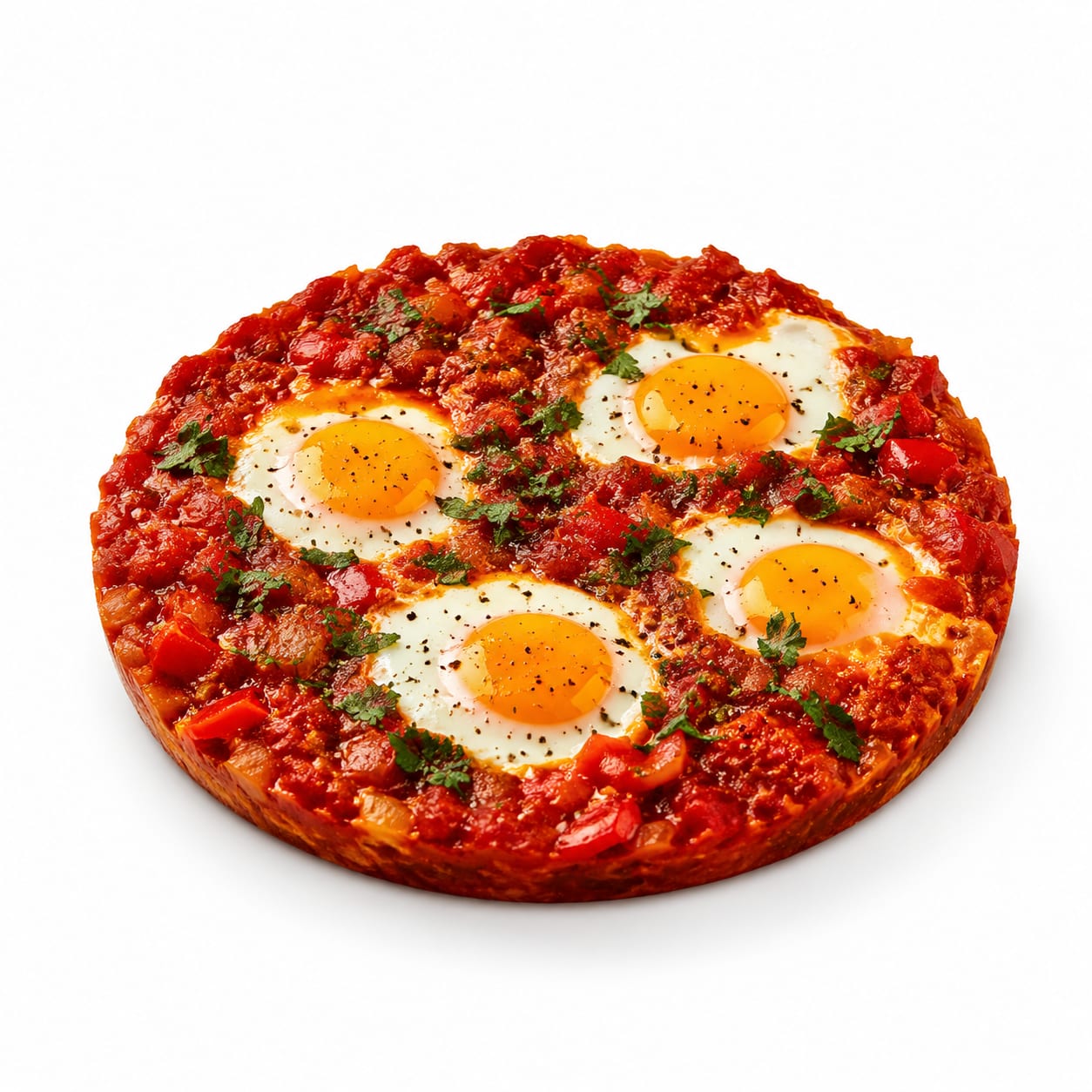
Shakshuka
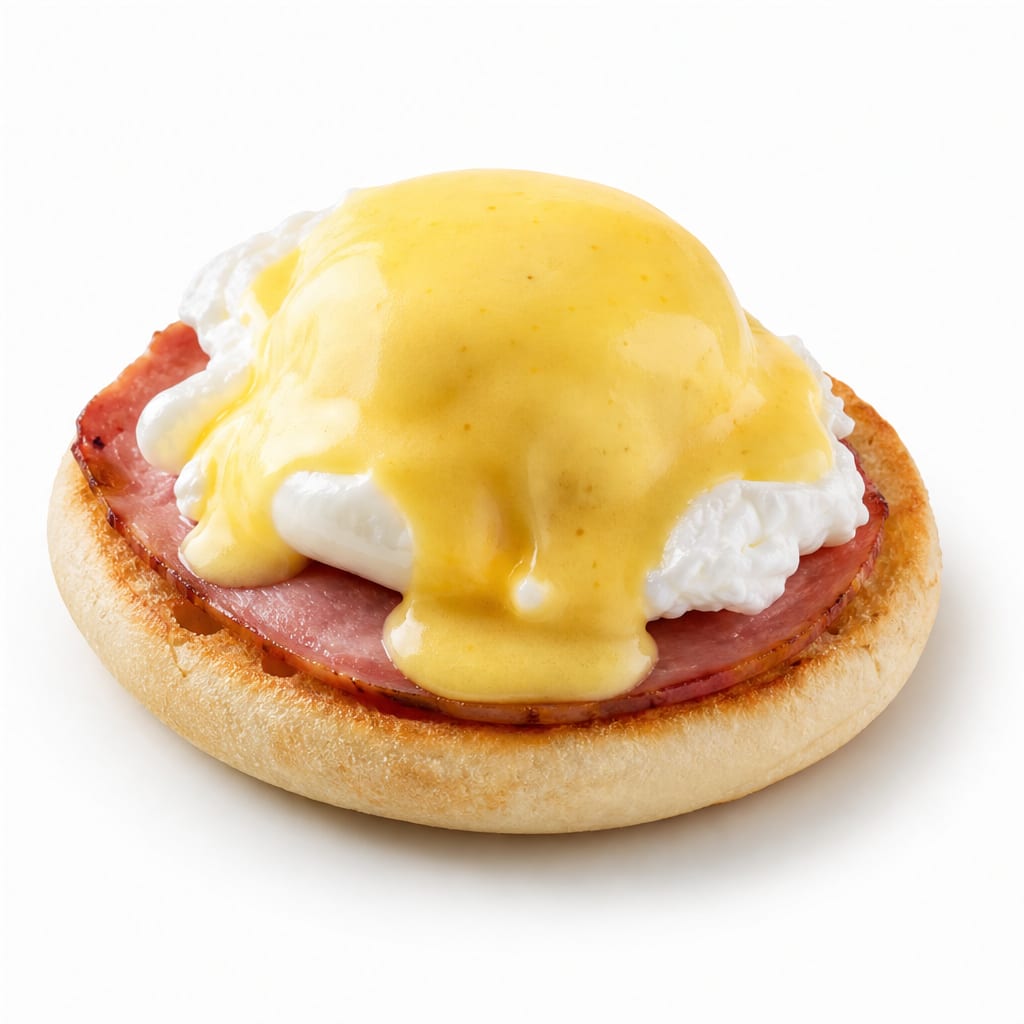
Eggs Benedict
Shakshuka delivers vibrant nutrients and lighter energy, while Eggs Benedict is a heavier, saturated-fat-rich indulgence.
Shakshuka scores significantly higher due to its vegetable base, lower saturated fat, and superior micronutrient profile. Eggs Benedict is penalized for its heavy saturated fat content, refined carbs, and processed meat.
You trade the rich, buttery comfort of Eggs Benedict for the vegetable-packed, heart-friendlier profile of Shakshuka.
At a glance
Executive summary
Overall
Shakshuka
Healthier
Shakshuka
More practical
Shakshuka
Daily use
Shakshuka
Key comparison lenses
Heart health and fat profile
Eggs Benedict is loaded with saturated fat from hollandaise, while Shakshuka uses heart-friendlier olive oil and tomatoes.
Nutrient density from whole foods
Shakshuka provides vitamins and fiber from vegetables, whereas Eggs Benedict relies on refined carbs and processed meat.
Calorie density and weight management
Shakshuka offers high volume for fewer calories, while Eggs Benedict is a calorie-dense indulgence.
Sodium and processed ingredients
Canadian bacon and English muffins add significant sodium and preservatives to Eggs Benedict.
Best choice for
Shakshuka
- Heart-healthy diets
- Increasing daily vegetable intake
- Lighter, energizing brunches
Eggs Benedict
- Special occasion indulgences
- High-calorie bulking diets
- Decadent comfort food cravings
Least suitable for
Shakshuka
- People avoiding nightshades or spicy food
- Those who dislike tomatoes
Eggs Benedict
- People managing high cholesterol
- Daily or frequent breakfast consumption
- Those watching their weight
Deep comparison
Dimension by dimension
Each lens scores both foods and breaks down who each option suits.
- Dimension 1 · Priority 95Shakshuka
Heart Health & Fat Profile
Shakshuka · 88Eggs Benedict · 30Shakshuka relies on olive oil and tomatoes, actively supporting heart health, whereas Eggs Benedict's hollandaise and Canadian bacon load you with saturated fat and cholesterol.
Tradeoff
You miss out on the buttery richness of hollandaise but protect your cardiovascular system in the long run.
Why it matters
High saturated fat intake from butter and processed meat raises LDL cholesterol and increases heart disease risk over time.
Real-world impact
Choosing Shakshuka leaves you feeling lighter and less sluggish after brunch, avoiding the heavy chest feeling that can follow a rich meal.
Shakshuka
- People with high cholesterol
- Those prioritizing cardiovascular health
Better for
- Those on a strict low-fat diet who add excessive olive oil
Worse for
Eggs Benedict
- Those needing extra calories from fat
- People on a keto diet seeking high fat intake
Better for
- Anyone with heart disease risk factors
- People watching their saturated fat intake
Worse for
- Dimension 2 · Priority 90Shakshuka
Nutrient Density & Micronutrients
Shakshuka · 92Eggs Benedict · 35Tomatoes and peppers in Shakshuka provide lycopene, vitamin C, and fiber. Eggs Benedict offers refined carbs and processed meat with minimal micronutrients.
Tradeoff
Flavor derived from whole-food antioxidants versus flavor derived from butter and salt.
Why it matters
Lycopene and antioxidants reduce inflammation, while refined carbs and processed meats offer empty calories that lack protective benefits.
Real-world impact
Shakshuka supports skin health and immunity, while Eggs Benedict mostly just satisfies a craving without adding nutritional value.
Shakshuka
- People needing more vitamin C and lycopene
- Those wanting to increase vegetable intake
Better for
- People with tomato or nightshade allergies
Worse for
Eggs Benedict
- Those who struggle to eat enough and prefer calorie-dense foods
Better for
- Anyone lacking essential vitamins from their overall diet
Worse for
- Dimension 3 · Priority 85Shakshuka
Calorie Density & Weight Management
Shakshuka · 80Eggs Benedict · 40Shakshuka is high in volume but lower in calories thanks to its water-rich tomato base. Eggs Benedict is extremely calorie-dense for a small portion.
Tradeoff
A filling, waistline-friendly meal versus a small, calorie-heavy indulgence.
Why it matters
Calorie density dictates how much you can eat before feeling stuffed, directly impacting weight management.
Real-world impact
You can eat a large bowl of Shakshuka without blowing your daily calorie budget, unlike the tiny Eggs Benedict portion that packs a massive caloric punch.
Shakshuka
- People trying to lose weight
- Those who prefer large portion sizes
Better for
- Athletes needing high-calorie meals for recovery
Worse for
Eggs Benedict
- People trying to gain weight
- Those who prefer smaller, richer portions
Better for
- People counting calories
- Those prone to overeating rich foods
Worse for
- Dimension 4 · Priority 80Shakshuka
Sodium & Processed Ingredients
Shakshuka · 65Eggs Benedict · 35Canadian bacon and English muffins add significant sodium and preservatives to Eggs Benedict. Shakshuka uses fresh vegetables, though added salt can vary by recipe.
Tradeoff
The convenience of pre-made breakfast components versus full control over sodium in a from-scratch sauce.
Why it matters
Processed meats are linked to increased cancer risk and blood pressure spikes, making them a risky daily choice.
Real-world impact
Eggs Benedict can leave you bloated and thirsty for hours, while Shakshuka feels more balanced and hydrating.
Shakshuka
- People avoiding processed meats
- Those cooking from scratch to control salt
Better for
- People highly sensitive to any added salt
Worse for
Eggs Benedict
- Those eating out where Shakshuka might be made with high-sodium canned sauces
Better for
- People with hypertension
- Those avoiding nitrates and preservatives
Worse for
- Dimension 5 · Priority 75It depends
Satiety & Energy Stability
Shakshuka · 78Eggs Benedict · 72Both feature eggs for high-quality protein, but Shakshuka offers steadier energy from fiber, while Eggs Benedict provides heavy, short-term fullness from dense fat.
Tradeoff
Light, sustained energy versus a heavy, food-coma-inducing meal.
Why it matters
Fat and fiber both delay gastric emptying, but fiber prevents blood sugar spikes and crashes better than refined carbs.
Real-world impact
Shakshuka keeps you moving through your day, while Eggs Benedict might send you straight to the couch for a nap.
Shakshuka
- People wanting sustained energy without a crash
- Those with active mornings
Better for
- Those who feel hungry without dense carbs like English muffins
Worse for
Eggs Benedict
- People wanting a heavy meal to sleep after
- Those doing intermittent fasting and eating one heavy meal
Better for
- People prone to post-meal food comas
- Those needing alertness after eating
Worse for
Timeline
Health impact over time
Short-term
Hours to days
Shakshuka
- Sustained, clean energy
- Comforting warmth from spices
- Comfortable fullness without heaviness
Eggs Benedict
- Quick feeling of extreme fullness
- Potential sluggishness or food coma
- Thirst from high sodium and rich fats
Long-term
Months to years
Shakshuka
- Better heart health markers from antioxidants
- Higher anti-inflammatory nutrient intake
- Lower risk of issues associated with processed meats
Eggs Benedict
- Increased LDL cholesterol if eaten frequently
- Higher cardiovascular risk from saturated fat
- Potential weight gain from extreme calorie density
Risk profile
Safety & processing
Shakshuka is made from whole vegetables, spices, and eggs. Eggs Benedict relies on processed meat (Canadian bacon) and refined carbohydrates (English muffins), introducing nitrates and preservatives.
Shakshuka
Salmonella from undercooked eggs
mediumPoached eggs can carry salmonella if not cooked to a safe internal temperature, though the simmering sauce reduces this risk.
Eggs Benedict
Salmonella from hollandaise
highHollandaise is made with raw egg yolks and butter, creating a prime environment for bacterial growth if not heated or stored properly.
Nitrate exposure from processed pork
mediumCanadian bacon often contains nitrates, which can form nitrosamines linked to increased cancer risk.
Who wins for whom
Audience fit
Same foods, different winners depending on your goal.
children
ShakshukaShakshuka provides vegetables in a kid-friendly format, whereas Eggs Benedict introduces processed meat and heavy sauces early on.
daily consumption
ShakshukaShakshuka is a balanced, whole-food meal that can be eaten daily without negative health impacts, unlike the heavy saturated fat in Eggs Benedict.
diabetes
ShakshukaShakshuka is lower in refined carbohydrates and higher in fiber, preventing the blood sugar spikes caused by English muffins.
elderly
ShakshukaShakshuka is easier on the cardiovascular system and provides anti-inflammatory antioxidants, which are crucial for aging bodies.
muscle gain
It dependsBoth provide high-quality egg protein, but Shakshuka offers a cleaner bulk, while Eggs Benedict adds easy calories from fat if needed.
weight loss
ShakshukaShakshuka provides high volume and fiber for far fewer calories, making it much easier to stay within a calorie deficit.
Your move
Decision guide
Choose Shakshuka
- You want a nutrient-dense, vegetable-packed meal
- You are watching your cholesterol or heart health
- You prefer feeling energized rather than sluggish after eating
Choose Eggs Benedict
- You are celebrating a special occasion
- You need a high-calorie meal and crave rich flavors
- You are less concerned about saturated fat intake today
Either works if
- You simply want a high-protein egg breakfast
- You are dining out and both are fresh options
Avoid both if
- You have a severe egg allergy
- You need a grab-and-go breakfast
Final recommendation
Shakshuka is the clear winner for everyday eating, offering a vibrant, vegetable-rich meal that supports long-term health. Save Eggs Benedict for rare occasions when the craving for rich, buttery comfort outweighs the nutritional tradeoffs.
Practical
Consumer tips
- 1
Ask for whole wheat English muffins to add fiber to Eggs Benedict if you order it.
- 2
Use low-sodium canned tomatoes or fresh tomatoes when making Shakshuka to control salt levels.
- 3
If making Eggs Benedict at home, consider swapping Canadian bacon for fresh spinach or smoked salmon to reduce nitrates.
- 4
Dip whole grain bread in Shakshuka instead of buttering it to keep calories down while enjoying the sauce.