
Nutrition comparison
Shakshuka vs Frittata: Which Egg Dish Is Healthier?
Compare shakshuka and frittata on nutrition, protein, calories, convenience, and health benefits. Find out which egg dish is better for weight loss, meal prep, and daily breakfast.
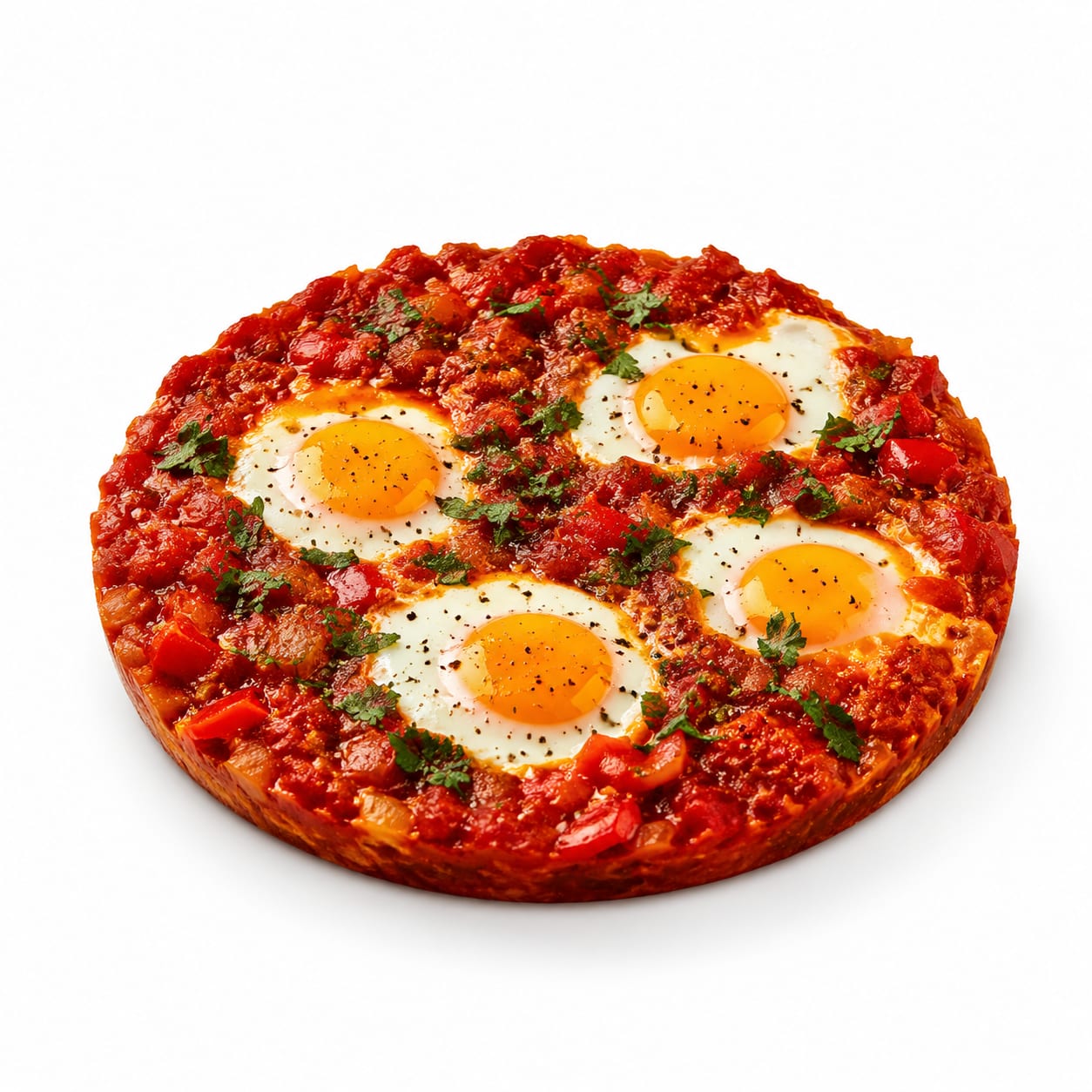
Shakshuka
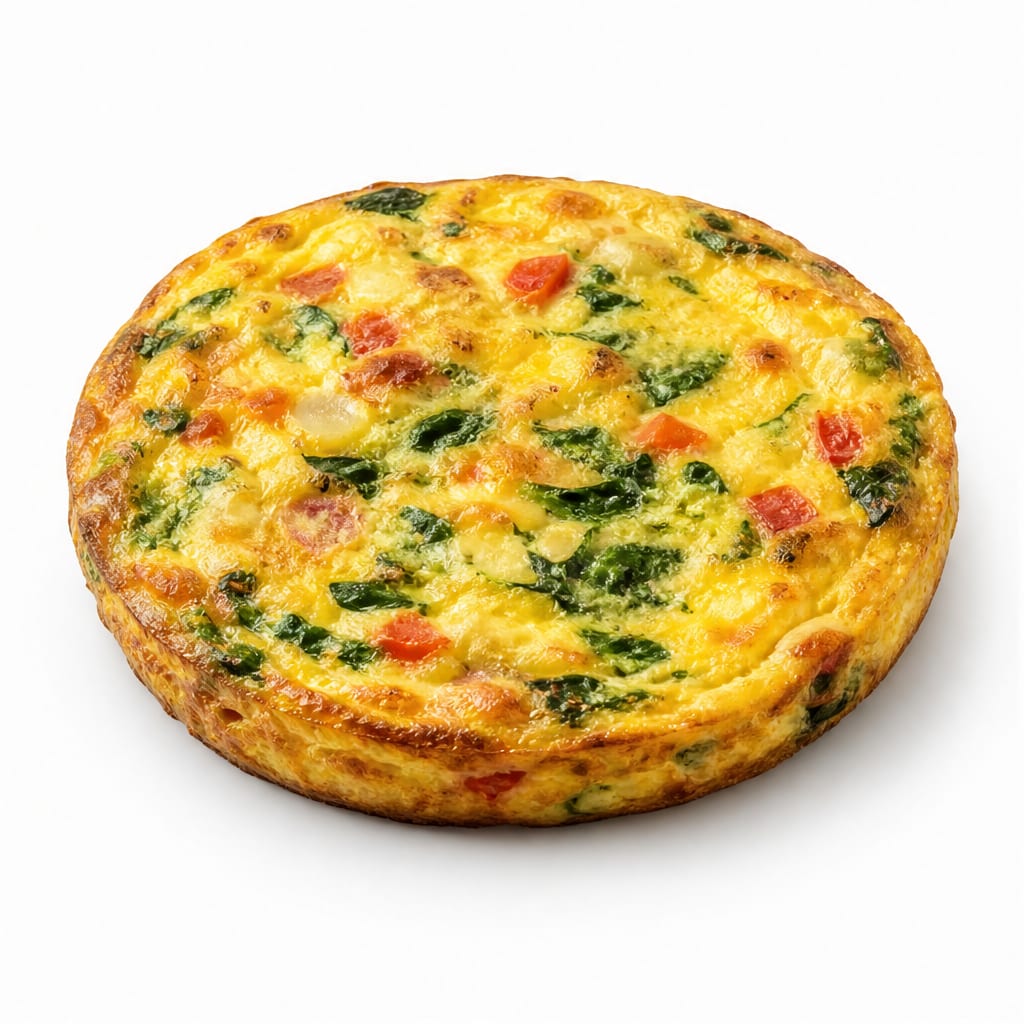
Frittata
Shakshuka wins on vegetable intake and antioxidant power, while frittata wins on protein density and convenience. Your choice depends on whether you prioritize nutrient diversity or practical meal prep.
Shakshuka edges ahead due to its built-in vegetable content and antioxidant-rich tomato base, but frittata remains competitive thanks to superior protein density and meal prep flexibility. The narrow gap reflects that both are genuinely healthy choices with different strengths.
Shakshuka gives you more veggies and lycopene but requires fresh cooking and carries more sodium. Frittata gives you portable, protein-packed meals but can easily become calorie-dense with cheese and meat additions.
At a glance
Executive summary
Overall
It depends
Healthier
Shakshuka
More practical
Frittata
Daily use
It depends
Key comparison lenses
Which egg dish is healthier for everyday breakfast?
Both are popular egg-based meals but differ significantly in vegetable content, calorie density, and sodium load
Which is better for weight management?
Shakshuka's tomato base creates more volume for fewer calories, while frittata can be denser depending on additions
Which fits better into a busy lifestyle?
Frittata excels at meal prep and portability, while shakshuka is best fresh and requires more active cooking
Which provides better nutrient diversity?
Shakshuka delivers more antioxidants and vitamins from tomatoes and spices, frittata depends heavily on what you add
Which is more satisfying and filling?
Volume and fiber from shakshuka versus protein density from frittata create different satiety profiles
Best choice for
Shakshuka
- People wanting more vegetables at breakfast
- Those seeking anti-inflammatory spice benefits
- Anyone tracking calorie density who wants larger portions
- Mediterranean diet followers
- People who enjoy communal, slow-paced meals
Frittata
- Meal preppers who cook once for the whole week
- Anyone needing portable breakfast on the go
- Those prioritizing high protein intake per serving
- People who want to use up leftover vegetables and meats
- Busy professionals who reheat and eat quickly
Least suitable for
Shakshuka
- People on strict low-sodium diets
- Anyone who needs grab-and-go breakfasts
- Those who dislike tomatoes or spicy food
- People cooking for one who want minimal cleanup
Frittata
- People watching cholesterol closely who add lots of cheese
- Anyone seeking high-volume low-calorie meals
- Those wanting consistent vegetable servings without effort
- People sensitive to heavy egg dishes in the morning
Deep comparison
Dimension by dimension
Each lens scores both foods and breaks down who each option suits.
- Dimension 1 · Priority 95Shakshuka
Vegetable and Micronutrient Content
Shakshuka · 88Frittata · 55Shakshuka delivers a guaranteed serving of tomatoes, peppers, and onions with every bite. Frittata's vegetable content is entirely optional and often minimal.
Tradeoff
You get consistent lycopene, vitamin C, and beta-carotene from shakshuka without trying. With frittata, you must consciously add vegetables to get similar benefits.
Why it matters
Cooked tomatoes are one of the best dietary sources of lycopene, a powerful antioxidant linked to heart health and cancer protection. Shakshuka makes this automatic.
Real-world impact
A standard shakshuka serving provides roughly one full cup of cooked vegetables. A typical frittata might contain a few tablespoons of veggies unless you deliberately load it.
Shakshuka
- Meeting daily vegetable targets effortlessly
- Getting consistent antioxidant intake
- Following Mediterranean diet principles
Better for
- People who dislike cooked tomatoes
Worse for
Frittata
- Customizing vegetable types to your preference
- Avoiding nightshades if sensitive
Better for
- Risk of veggie-poor versions if you're lazy with prep
Worse for
- Dimension 2 · Priority 90Frittata
Protein Density and Quality
Shakshuka · 68Frittata · 85Frittata packs more protein per bite because eggs dominate the dish. Shakshuka dilutes protein across a large volume of sauce.
Tradeoff
Frittata gives you concentrated high-quality protein for muscle maintenance and satiety. Shakshuka provides adequate protein but in a more diluted form.
Why it matters
Protein density matters for staying full longer and preserving muscle. Each egg delivers about 6 grams of complete protein with all essential amino acids.
Real-world impact
A two-egg shakshuka serving might give you 12g protein across a large bowl. A two-egg frittata slice delivers the same 12g in a smaller, more concentrated portion that feels more substantial.
Shakshuka
- Those who prefer lighter protein loads
Better for
- May feel hungry sooner if you rely on it post-workout
Worse for
Frittata
- Athletes and active people needing more protein
- Anyone trying to stay full until lunch
- Older adults preserving muscle mass
Better for
- Easy to overconsume protein if you add meat and cheese
Worse for
- Dimension 3 · Priority 88Shakshuka
Calorie Density and Portion Control
Shakshuka · 82Frittata · 62Shakshuka's tomato base creates large, satisfying portions for fewer calories. Frittata can become calorie-dense quickly with cheese and oil additions.
Tradeoff
Shakshuka lets you eat a big, visually filling meal without overconsuming calories. Frittata is more compact, making it easier to accidentally eat more calories than intended.
Why it matters
Volume-based eating helps with weight management because your stomach registers fullness partly through physical stretching.
Real-world impact
A generous bowl of shakshuka with two eggs might run 300-350 calories. A frittata slice with cheese and vegetables can easily hit 400-500 calories per serving while looking deceptively small.
Shakshuka
- Weight loss seekers wanting bigger portions
- Volume eaters who need to see a full plate
- Anyone tracking calories who wants more food for their budget
Better for
- May feel too light if you're used to heavy breakfasts
Worse for
Frittata
- People who prefer smaller, denser meals
- Those who naturally stop eating when satisfied rather than full
Better for
- Cheese and meat additions can silently double the calories
Worse for
- Dimension 4 · Priority 82Frittata
Sodium Load
Shakshuka · 45Frittata · 72Shakshuka typically contains significantly more sodium from canned tomatoes, added salt, and spice blends. Frittata starts with just eggs and whatever you add.
Tradeoff
The same salt that makes shakshuka delicious also makes it a concern for sodium-sensitive individuals. Frittata gives you full control over salt content.
Why it matters
Excess sodium raises blood pressure and contributes to bloating. Most people already exceed daily recommendations without realizing it.
Real-world impact
A typical shakshuka serving can contain 600-900mg sodium before you even add bread for dipping. A basic frittata might have 200-400mg unless you load it with cheese and cured meats.
Shakshuka
- Those who sweat heavily and need more sodium
- Active individuals replenishing after intense exercise
Better for
- Can push daily sodium intake over recommended limits easily
Worse for
Frittata
- People with hypertension or sodium sensitivity
- Anyone already consuming high-sodium foods throughout the day
- Those trying to reduce bloating and water retention
Better for
- Adding feta, bacon, or sausage negates the sodium advantage
Worse for
- Dimension 5 · Priority 78Shakshuka
Anti-Inflammatory Properties
Shakshuka · 86Frittata · 52Shakshuka's spice profile including cumin, paprika, and turmeric provides consistent anti-inflammatory compounds. Frittata offers none unless you deliberately add them.
Tradeoff
The warming spices in shakshuka do double duty as flavor enhancers and inflammation fighters. Frittata relies on you to incorporate anti-inflammatory ingredients separately.
Why it matters
Chronic inflammation underlies most modern diseases. Getting anti-inflammatory compounds through everyday meals is more sustainable than supplementing.
Real-world impact
Regular consumption of cumin and paprika has been linked to reduced inflammatory markers. Shakshuka makes these spices a daily habit rather than an afterthought.
Shakshuka
- People managing chronic inflammation
- Those following anti-inflammatory diet protocols
- Anyone wanting therapeutic benefits from everyday cooking
Better for
- Spice sensitivity could cause digestive discomfort
Worse for
Frittata
- Those who prefer milder, less spiced food
Better for
- Missing out on easy daily anti-inflammatory intake
Worse for
- Dimension 6 · Priority 85Frittata
Convenience and Meal Prep
Shakshuka · 48Frittata · 88Frittata is a meal prep champion that stores and reheats beautifully. Shakshuka is best fresh and degrades quickly in the fridge.
Tradeoff
Frittata saves you time across the whole week. Shakshuka demands fresh cooking each time but rewards you with better texture and flavor in the moment.
Why it matters
The healthiest meal is the one you actually make consistently. Convenience often determines whether a healthy habit sticks.
Real-world impact
You can make a frittata on Sunday and eat it through Wednesday with no quality loss. Shakshuka leftovers get watery and the eggs overcook when reheated, making it a cook-and-eat-immediately dish.
Shakshuka
- Weekend cooking when you have time to enjoy the process
- Special breakfast occasions worth the effort
Better for
- Leftovers are disappointing
- Not practical for busy weekday mornings
Worse for
Frittata
- Sunday meal prep for the entire workweek
- Anyone who needs breakfast ready in 60 seconds
- People who cook in batches to save time
- Students and professionals with limited morning time
Better for
- Can become boring eating the same thing multiple days
Worse for
- Dimension 7 · Priority 80It depends
Blood Sugar Stability
Shakshuka · 70Frittata · 75Both are egg-based and naturally low-carb, but shakshuka is often served with bread for dipping, which can spike blood sugar. Plain frittata is virtually carb-free.
Tradeoff
Shakshuka's tomato sauce contains some natural sugars, and the traditional bread pairing adds significant carbs. Frittata starts at near-zero carbs but depends on what you add.
Why it matters
Stable blood sugar prevents energy crashes, cravings, and mood swings throughout the morning.
Real-world impact
Skip the bread with shakshuka and both dishes perform similarly for blood sugar. But in real life, most people eat shakshuka with crusty bread, which can add 20-30g of refined carbs.
Shakshuka
- Those who enjoy dipping but can control bread portions
- People who pair it with whole grain bread instead of white
Better for
- Traditional bread pairing can undermine blood sugar benefits
Worse for
Frittata
- Diabetics needing predictable carb counts
- Keto and low-carb dieters
- Anyone who wants zero decision fatigue about carb intake
Better for
- Adding potatoes or crust makes it equally problematic
Worse for
- Dimension 8 · Priority 72It depends
Digestive Comfort
Shakshuka · 65Frittata · 70Shakshuka's acidity from tomatoes and spice heat can irritate sensitive stomachs. Frittata is gentler unless loaded with heavy cheese or fatty meats.
Tradeoff
The same spices that make shakshuka anti-inflammatory can also trigger heartburn in susceptible people. Frittata is more neutral and easier on the digestive system.
Why it matters
Morning digestive comfort sets the tone for your entire day. Starting with heartburn or bloating affects productivity and mood.
Real-world impact
If you have GERD or acid reflux, shakshuka's tomato acidity and chili heat can trigger symptoms. A simple frittata with vegetables is usually better tolerated first thing in the morning.
Shakshuka
- Those with robust digestion who enjoy bold flavors
- People who find warming spices soothing
Better for
- Can trigger heartburn in prone individuals
Worse for
Frittata
- Anyone with acid reflux or GERD
- People with sensitive morning stomachs
- Those who prefer milder breakfast flavors
Better for
- Heavy cheese versions can cause bloating and sluggishness
Worse for
Timeline
Health impact over time
Short-term
Hours to days
Shakshuka
- Immediate satisfaction from warm, spiced comfort food
- Potential heartburn if prone to acid reflux
- Higher sodium may cause mild bloating
- Steady energy if you skip or limit the bread
Frittata
- Quick feeling of fullness from concentrated protein
- Easy digestion with simple ingredient versions
- Portable energy that travels well
- Risk of heaviness if overloaded with cheese
Long-term
Months to years
Shakshuka
- Consistent lycopene intake supports heart health
- Anti-inflammatory spice compounds may reduce chronic disease risk
- Higher sodium intake could impact blood pressure over time
- Built-in vegetable habit improves overall diet quality
Frittata
- Reliable protein intake supports muscle maintenance
- Meal prep consistency may improve overall diet adherence
- Vegetable-poor versions could miss key micronutrients long-term
- Cheese-heavy versions may increase saturated fat intake
Risk profile
Safety & processing
Both dishes are made from whole, recognizable ingredients. The main concern for shakshuka is canned tomatoes, which may have some BPA exposure from can linings. Frittata is as clean as the ingredients you choose to include.
Shakshuka
Undercooked eggs
mediumShakshuka eggs are often served with runny yolks, which carries a small salmonella risk. Use fresh, properly refrigerated eggs and cook until whites are fully set.
Canned tomato BPA exposure
lowSome canned tomatoes contain trace BPA from can linings. Choose tetra pack or glass-jarred tomatoes to avoid this entirely.
Frittata
Undercooked center
mediumThick frittatas can brown on the outside while remaining undercooked inside. Ensure the center reaches 160°F, especially when adding meat.
Leftover storage
lowFrittata is often stored and reheated over several days. Keep refrigerated below 40°F and consume within 3-4 days to prevent bacterial growth.
Who wins for whom
Audience fit
Same foods, different winners depending on your goal.
children
FrittataFrittata is milder, easier to customize for picky eaters, and can be cut into finger-friendly squares. Shakshuka's spice level and runny eggs can be a tough sell for kids.
daily consumption
It dependsFrittata wins on weekdays for convenience and meal prep. Shakshuka wins on weekends when you have time to cook fresh and want more vegetable intake.
diabetes
FrittataA plain frittata has virtually zero carbs and no sugar. Shakshuka's tomato sauce contains natural sugars and is traditionally paired with bread, making blood sugar management harder.
elderly
ShakshukaShakshuka's softer texture and higher vegetable content support the nutritional needs of older adults. The lycopene and anti-inflammatory spices are particularly beneficial for this group.
muscle gain
FrittataFrittata delivers more concentrated protein per serving and can easily be enhanced with additional eggs, cheese, or meat to hit higher protein targets.
weight loss
ShakshukaShakshuka's high water volume from tomato sauce creates larger portions for fewer calories, making it easier to feel satisfied while maintaining a calorie deficit.
Your move
Decision guide
Choose Shakshuka
- You want to eat more vegetables without thinking about it
- You enjoy cooking and have time for fresh preparation
- You follow a Mediterranean or anti-inflammatory eating pattern
- You prefer larger portions that feel indulgent without excess calories
- You find warming, spiced foods comforting and satisfying
Choose Frittata
- You meal prep on Sundays and need breakfast ready all week
- You prioritize high protein intake for fitness or satiety
- You need portable food you can eat during your commute
- You want complete control over sodium and carb content
- You cook for picky eaters who prefer milder flavors
Either works if
- You just want a solid egg-based meal with quality protein
- You're tired of sweet breakfasts and want something savory
- You have fresh eggs and vegetables to use up
- You're cooking for one and want something simple
Avoid both if
- You have an egg allergy or severe cholesterol concerns
- You're strictly vegan or avoiding all animal products
- You need a no-cook breakfast option
Final recommendation
Eat both on rotation. Make shakshuka on lazy weekends when you can enjoy it fresh with good bread. Prep frittata on Sunday evenings for grab-and-go weekday breakfasts. This gives you the antioxidant benefits of shakshuka and the convenience of frittata, keeping your breakfast routine both healthy and sustainable.
Practical
Consumer tips
- 1
Use glass-jarred or tetra pack tomatoes for shakshuka to avoid BPA from cans
- 2
Swap white bread for whole grain or sourdough when eating shakshuka to improve blood sugar response
- 3
Load your frittata with spinach, mushrooms, and bell peppers to close the vegetable gap with shakshuka
- 4
Go easy on cheese in frittata to keep calories and saturated fat reasonable
- 5
Make shakshuka sauce in bulk and freeze portions for faster weekday cooking
- 6
Use a food thermometer for thick frittatas to ensure the center reaches 160°F
- 7
Add a side of greens to either dish for an easy nutritional upgrade
- 8
Reduce salt in shakshuka by using fresh tomatoes instead of canned when in season