
Nutrition comparison
Shakshuka vs Oatmeal: Which Breakfast Is Healthier for You?
Compare shakshuka and oatmeal for protein, fiber, blood sugar impact, and weight loss. Discover which breakfast fits your health goals and daily routine better.
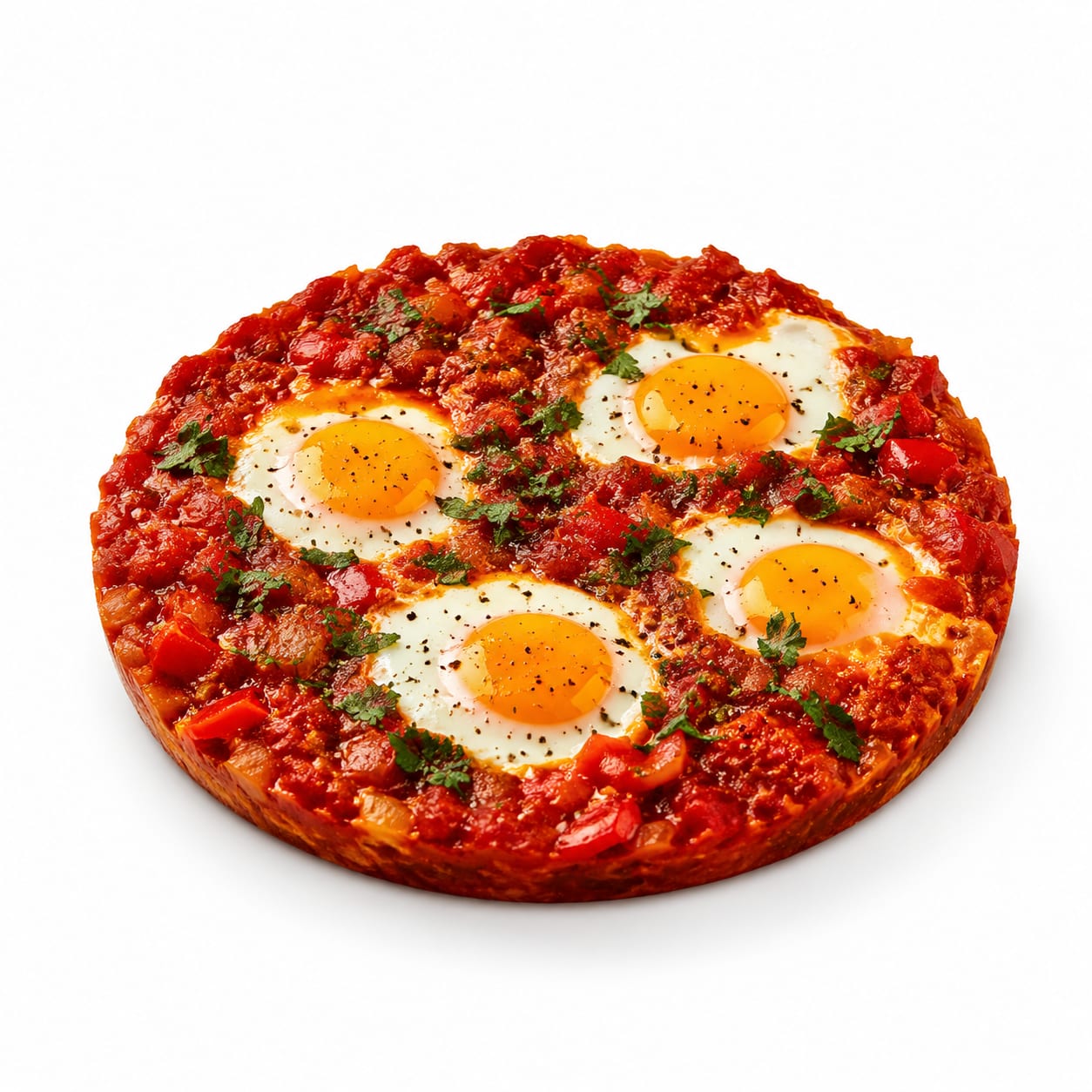
Shakshuka
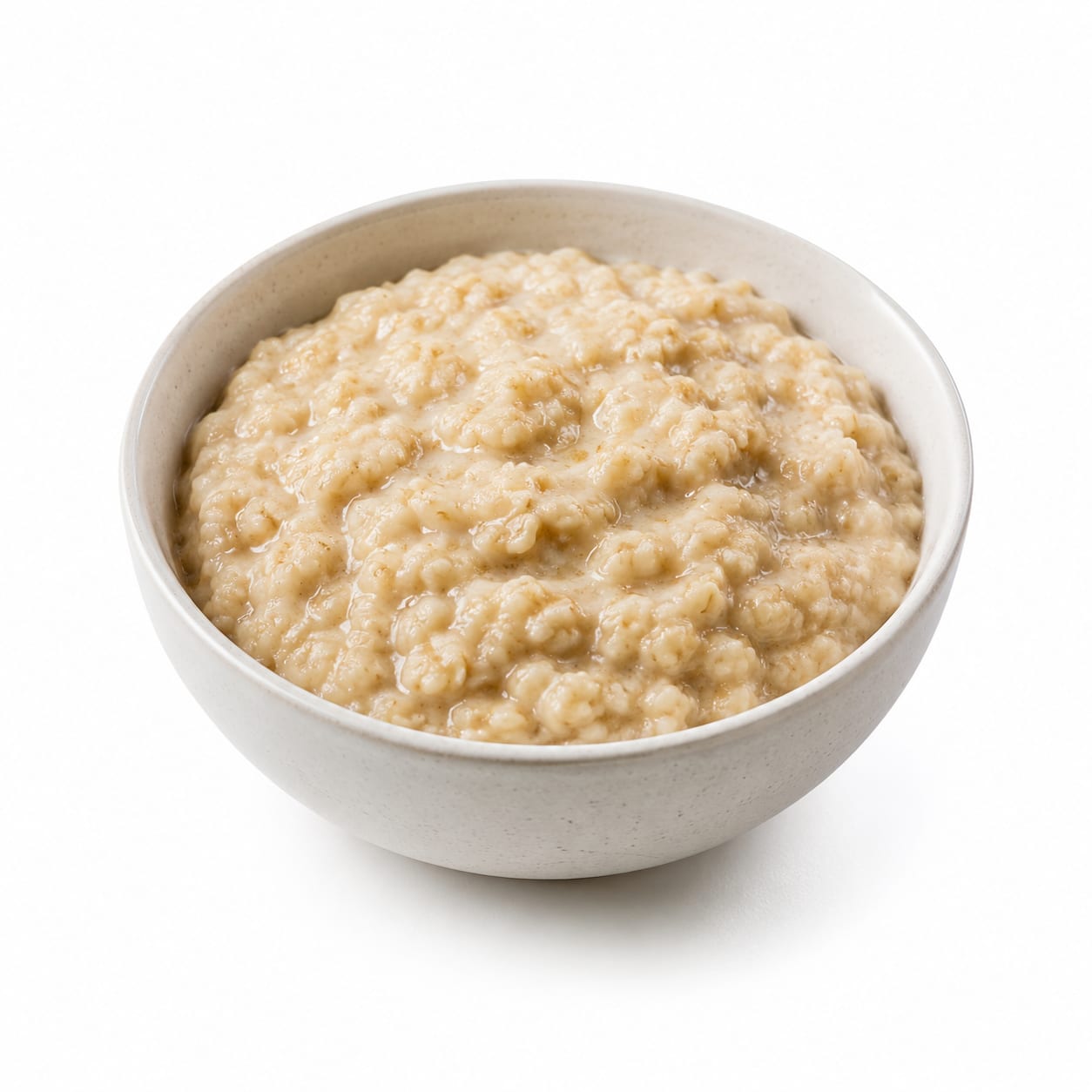
Oatmeal
Shakshuka delivers high protein and steady energy with minimal carbs, while oatmeal provides heart-healthy fiber and unmatched convenience. Your best pick depends on whether you prioritize protein and blood sugar control or fiber and speed.
Oatmeal edges ahead slightly due to superior convenience, fiber content, and daily sustainability, but shakshuka wins decisively for protein and blood sugar stability. The close scores reflect that neither is universally better.
Protein-rich low-carb satisfaction versus fiber-rich heart-friendly convenience
At a glance
Executive summary
Overall
It depends
Healthier
It depends
More practical
Oatmeal
Daily use
Oatmeal
Key comparison lenses
Breakfast optimization for sustained energy and satiety
Both are iconic breakfast choices with dramatically different macronutrient profiles affecting morning energy and fullness
Blood sugar management and diabetes-friendly eating
Shakshuka is naturally low-carb while oatmeal is carb-dominant, creating a critical tradeoff for glucose-sensitive individuals
Protein intake and muscle maintenance
Shakshuka delivers complete protein from eggs whereas oatmeal relies on incomplete plant protein
Heart health and cholesterol management
Oatmeal's beta-glucan fiber actively lowers cholesterol while shakshuka's eggs have historically raised cholesterol concerns
Convenience and weekday practicality
Oatmeal can be ready in minutes while shakshuka requires more active cooking, impacting daily adherence
Best choice for
Shakshuka
- People managing blood sugar or following low-carb diets
- Those needing high-quality protein at breakfast to stay full longer
- Anyone seeking a savory, nutrient-dense morning meal
- Individuals trying to reduce carb cravings before noon
Oatmeal
- People focused on lowering cholesterol or improving heart health
- Anyone needing a quick, affordable breakfast on busy mornings
- Those wanting gentle, fiber-rich digestion support
- Endurance athletes who need carb fuel for morning training
Least suitable for
Shakshuka
- People with egg allergies or sensitivities
- Anyone extremely short on morning prep time
- Those watching sodium intake if using canned tomatoes or added salt
Oatmeal
- People with gluten sensitivity or celiac disease unless using certified gluten-free oats
- Those on strict low-carb or ketogenic diets
- Anyone who finds sweet breakfasts trigger sugar cravings
Deep comparison
Dimension by dimension
Each lens scores both foods and breaks down who each option suits.
- Dimension 1 · Priority 95Shakshuka
Satiety and Fullness
Shakshuka · 88Oatmeal · 75Shakshuka keeps you fuller for longer thanks to its egg protein and fat content, which slow digestion more effectively than oatmeal's carbs alone.
Tradeoff
Oatmeal fills you up quickly with fiber bulk but that fullness fades faster than shakshuka's protein-driven satisfaction
Why it matters
Staying full until lunch prevents mid-morning snacking and energy crashes that derail healthy eating
Real-world impact
After shakshuka, you are less likely to raid the office snack drawer at 10:30 AM. After oatmeal alone, you may feel hungry again within 2-3 hours unless you add protein.
Shakshuka
- Skipping mid-morning snacks
- Long gaps between meals
- Reducing overall daily calorie intake naturally
Better for
- May feel too heavy before intense morning exercise
Worse for
Oatmeal
- Immediate post-meal fullness from fiber bulk
- Gentle digestive satisfaction without heaviness
Better for
- Hunger returns sooner without added protein or fat
Worse for
- Dimension 2 · Priority 90Shakshuka
Blood Sugar Stability
Shakshuka · 90Oatmeal · 65Shakshuka's minimal carbohydrate content makes it inherently blood sugar friendly, while oatmeal's carbs can cause glucose spikes depending on type and toppings.
Tradeoff
Oatmeal provides slow-release energy from beta-glucan but still delivers a significant carb load that shakshuka avoids entirely
Why it matters
Stable blood sugar means steadier focus, fewer cravings, and better metabolic health over time
Real-world impact
With shakshuka, you avoid the 10 AM energy dip that can follow even a bowl of oatmeal, especially if it is sweetened or made from instant oats.
Shakshuka
- Prediabetes or diabetes management
- Ketogenic and low-carb diets
- Avoiding sugar cravings triggered by carb spikes
Better for
- Not ideal if you need carb energy before a long run or workout
Worse for
Oatmeal
- Endurance athletes needing sustained carb energy
- People with normal glucose tolerance seeking morning fuel
Better for
- Instant or sweetened varieties can spike blood sugar significantly
- Adding honey or syrup makes glucose control much harder
Worse for
- Dimension 3 · Priority 85Oatmeal
Heart Health
Shakshuka · 65Oatmeal · 88Oatmeal's beta-glucan fiber is clinically proven to lower LDL cholesterol, giving it a clear heart health advantage over shakshuka's eggs.
Tradeoff
Shakshuka provides heart-healthy olive oil and lycopene from tomatoes, but the cholesterol in eggs tempers its cardiovascular benefits for some people
Why it matters
Heart disease remains the leading cause of death globally, and breakfast choices compound over decades
Real-world impact
Eating oatmeal daily can lower LDL cholesterol by 5-10 percent over several weeks. Shakshuka offers antioxidants but does not actively reduce cholesterol.
Shakshuka
- Lycopene from tomatoes supports vascular health
- Olive oil provides cardioprotective monounsaturated fats
Better for
- Egg yolk cholesterol may concern those with existing lipid issues
Worse for
Oatmeal
- Actively lowering LDL cholesterol with beta-glucan
- Reducing heart disease risk with daily soluble fiber intake
Better for
- Adding heavy cream or sugar negates heart benefits
Worse for
- Dimension 4 · Priority 85Shakshuka
Protein Quality
Shakshuka · 92Oatmeal · 50Shakshuka delivers complete, highly bioavailable protein from eggs with all essential amino acids, while oatmeal provides only moderate incomplete plant protein.
Tradeoff
You would need to add protein powder or Greek yogurt to oatmeal to match shakshuka's protein quality and quantity
Why it matters
Adequate protein at breakfast preserves muscle, supports metabolism, and prevents overeating later in the day
Real-world impact
Two eggs in shakshuka provide about 12 grams of complete protein. A bowl of oatmeal provides only 5-6 grams of lower-quality protein unless supplemented.
Shakshuka
- Muscle maintenance and repair
- Complete amino acid profile for all body functions
- Higher protein without needing supplements
Better for
- Not enough protein for serious athletes without adding more eggs
Worse for
Oatmeal
- Lighter protein load suitable for gentle digestion mornings
Better for
- Insufficient protein alone for most adults at breakfast
Worse for
- Dimension 5 · Priority 80Oatmeal
Fiber Content
Shakshuka · 40Oatmeal · 90Oatmeal is a fiber powerhouse with beta-glucan and resistant starch, while shakshuka provides minimal fiber unless served with bread.
Tradeoff
Shakshuka's tomato sauce offers some fiber but cannot compete with oatmeal's concentrated soluble fiber benefits
Why it matters
Fiber supports digestion, feeds gut bacteria, lowers cholesterol, and helps control appetite
Real-world impact
A bowl of oatmeal can provide 4-8 grams of fiber, covering a significant portion of daily needs. Shakshuka alone provides only 2-3 grams from tomatoes and peppers.
Shakshuka
- Tomato fiber feeds beneficial gut bacteria
- Less fiber means easier digestion for sensitive stomachs
Better for
- Low fiber contributes to inadequate daily intake without other sources
Worse for
Oatmeal
- Meeting daily fiber goals more easily
- Supporting healthy gut microbiome diversity
- Promoting regular bowel movements
Better for
- Too much fiber at once can cause bloating in unaccustomed individuals
Worse for
- Dimension 6 · Priority 75Oatmeal
Convenience and Speed
Shakshuka · 35Oatmeal · 90Oatmeal can be prepared in 2-5 minutes with minimal cleanup, while shakshuka requires 15-25 minutes of active cooking and multiple ingredients.
Tradeoff
Shakshuka's richer flavor and nutrient density come at the cost of significantly more time and effort
Why it matters
The breakfast you can actually make consistently matters more than the theoretically perfect one you skip because it takes too long
Real-world impact
On a rushed Tuesday morning, oatmeal is realistic and shakshuka is not. This practical difference determines what you actually eat day to day.
Shakshuka
- Weekend or leisurely breakfasts worth savoring
- Meal prep potential for batch cooking
Better for
- Impractical for most people on busy mornings
- More dishes and cleanup required
Worse for
Oatmeal
- Busy weekday mornings with minimal time
- Office or travel breakfast preparation
- Consistent daily habit formation
Better for
- Can feel monotonous and routine over time
Worse for
- Dimension 7 · Priority 70Shakshuka
Micronutrient Density
Shakshuka · 85Oatmeal · 70Shakshuka provides a broader spectrum of micronutrients including choline, vitamin A, iron, and lycopene, while oatmeal excels mainly in B vitamins and minerals.
Tradeoff
Oatmeal's micronutrients are more consistent per serving, while shakshuka's vary more based on recipe but tend to be more diverse
Why it matters
Micronutrient gaps accumulate over time and affect energy, immunity, and cognitive function
Real-world impact
Shakshuka's eggs deliver choline for brain health and vitamin D, while its tomatoes provide lycopene for cellular protection. Oatmeal offers manganese and B vitamins but a narrower range.
Shakshuka
- Choline for brain and liver function
- Lycopene for antioxidant protection
- Vitamin A and iron from eggs and tomatoes
Better for
- Micronutrient content varies significantly by recipe
Worse for
Oatmeal
- Manganese and phosphorus for bone health
- B vitamins for energy metabolism
- Consistent mineral content per serving
Better for
- Fewer fat-soluble vitamins due to low fat content
Worse for
- Dimension 8 · Priority 65Oatmeal
Cost and Accessibility
Shakshuka · 55Oatmeal · 90Oatmeal is one of the most affordable breakfast foods available globally, while shakshuka requires multiple fresh ingredients that cost more and spoil faster.
Tradeoff
Shakshuka's superior nutrition per meal comes with higher grocery bills and more food waste risk
Why it matters
Budget constraints often determine what people actually eat daily, making affordability a real health factor
Real-world impact
A week of oatmeal breakfasts costs roughly 3-5 dollars. A week of shakshuka ingredients costs 15-25 dollars depending on egg prices and produce quality.
Shakshuka
- More nutrients per meal despite higher cost
- Uses affordable staple ingredients like eggs and canned tomatoes
Better for
- Fresh ingredients spoil if not used promptly
- Higher weekly grocery cost
Worse for
Oatmeal
- Extremely low cost per serving
- Long shelf life reduces food waste
- Available in nearly every grocery store globally
Better for
- Cheaper instant varieties are less nutritious
Worse for
Timeline
Health impact over time
Short-term
Hours to days
Shakshuka
- Steady energy without blood sugar spikes for 3-4 hours
- High satiety reducing mid-morning hunger and snacking
- Potential digestive comfort from cooked tomatoes and gentle spices
Oatmeal
- Quick fullness from fiber expansion in the stomach
- Warmth and comfort that can feel soothing on cold mornings
- Possible bloating if eating large portions without adequate hydration
Long-term
Months to years
Shakshuka
- Consistent blood sugar control supporting metabolic health
- Choline intake supporting brain function and liver health over decades
- Potential cholesterol concerns if consuming multiple eggs daily without monitoring
Oatmeal
- Reduced LDL cholesterol and improved cardiovascular markers with daily consumption
- Better digestive regularity and gut microbiome diversity from consistent fiber
- Possible nutrient gaps if oatmeal replaces more protein-rich breakfasts consistently
Risk profile
Safety & processing
Both shakshuka and oatmeal are whole-food based meals with minimal processing when prepared from scratch. The main concern is flavored instant oatmeal packets, which contain added sugars and artificial flavors, unlike plain rolled or steel-cut oats.
Shakshuka
Salmonella from undercooked eggs
mediumEggs must be cooked until whites are fully set and yolks reach safe temperature. Pasteurized eggs eliminate this risk.
Canned tomato BPA exposure
lowIf using canned tomatoes, BPA linings may leach. Choose BPA-free cans or use fresh tomatoes to avoid this entirely.
Oatmeal
Gluten cross-contamination
mediumOats are naturally gluten-free but frequently contaminated during processing. Certified gluten-free oats are necessary for those with celiac disease.
Mycotoxin contamination
lowOats can occasionally contain ochratoxin A from mold. Reputable brands test for this, and proper storage minimizes risk.
Who wins for whom
Audience fit
Same foods, different winners depending on your goal.
children
It dependsOatmeal is easier for kids to eat and customize with fruit, but shakshuka provides essential protein and nutrients for growing bodies if children enjoy savory flavors
daily consumption
OatmealOatmeal's speed, affordability, and consistent health benefits make it more sustainable as a daily habit for most people
diabetes
ShakshukaMinimal carbohydrate content avoids glucose spikes entirely, while oatmeal's carbs require careful portion control and type selection to manage blood sugar
elderly
OatmealOatmeal is gentle on aging digestive systems, easy to chew, and its fiber helps with common constipation issues in older adults
muscle gain
ShakshukaComplete egg protein supports muscle protein synthesis better than oatmeal's incomplete plant protein, especially important at breakfast after overnight fasting
weight loss
ShakshukaShakshuka's high protein and low carb content naturally suppresses appetite and reduces overall calorie intake throughout the day more effectively than oatmeal's carb-dominant profile
Your move
Decision guide
Choose Shakshuka
- You want to stay full until lunch without snacking
- You are managing blood sugar or following a low-carb approach
- You have 15-20 minutes to cook on weekends or leisurely mornings
- You crave savory breakfasts and find sweet meals unsatisfying
- You need high-quality protein to support an active lifestyle
Choose Oatmeal
- You need a 5-minute breakfast on busy weekdays
- Heart health and cholesterol management are top priorities
- You want affordable, shelf-stable nutrition that never spoils
- You prefer comforting, warm, slightly sweet morning meals
- You are focused on digestive health and regularity
Either works if
- You want a warm, satisfying breakfast instead of cold options
- You are mixing up your breakfast rotation for nutritional diversity
- Both fit your calorie and macro goals with appropriate portions
Avoid both if
- You have egg allergies and gluten sensitivity simultaneously
- You need a portable, eat-on-the-go breakfast option
- You prefer light, cold breakfasts like smoothies or yogurt
Final recommendation
Eat oatmeal on busy weekdays for its speed and fiber, and enjoy shakshuka on weekends when you have time to cook. This rotation gives you the best of both worlds: daily heart-healthy fiber and regular protein-rich, low-carb mornings that stabilize blood sugar. Neither is perfect alone, but together they cover nearly every nutritional base.
Practical
Consumer tips
- 1
Add a handful of nuts or seeds to oatmeal to boost its protein and healthy fat content closer to shakshuka's satiety level
- 2
Use steel-cut or rolled oats instead of instant packets to maximize fiber and minimize blood sugar spikes
- 3
Make shakshuka in larger batches and refrigerate portions for quick reheating on busy mornings
- 4
Serve shakshuka with whole grain bread instead of white bread to add fiber that the dish naturally lacks
- 5
Choose pasteurized eggs for shakshuka to eliminate salmonella risk, especially if cooking for vulnerable individuals
- 6
Add spinach or kale to shakshuka to boost fiber and micronutrients without changing the flavor profile significantly
- 7
Avoid pre-sweetened oatmeal packets which can contain 3-4 teaspoons of added sugar per serving
- 8
Top oatmeal with berries and cinnamon instead of honey or maple syrup for natural sweetness and antioxidants