
Nutrition comparison
Shakshuka vs Turkish Menemen: Which Mediterranean Egg Breakfast Is Healthier?
Compare Shakshuka and Menemen nutrition, sodium, protein quality, and health effects. Learn which Turkish and North African egg dish is better for weight loss, heart health, and daily eating.
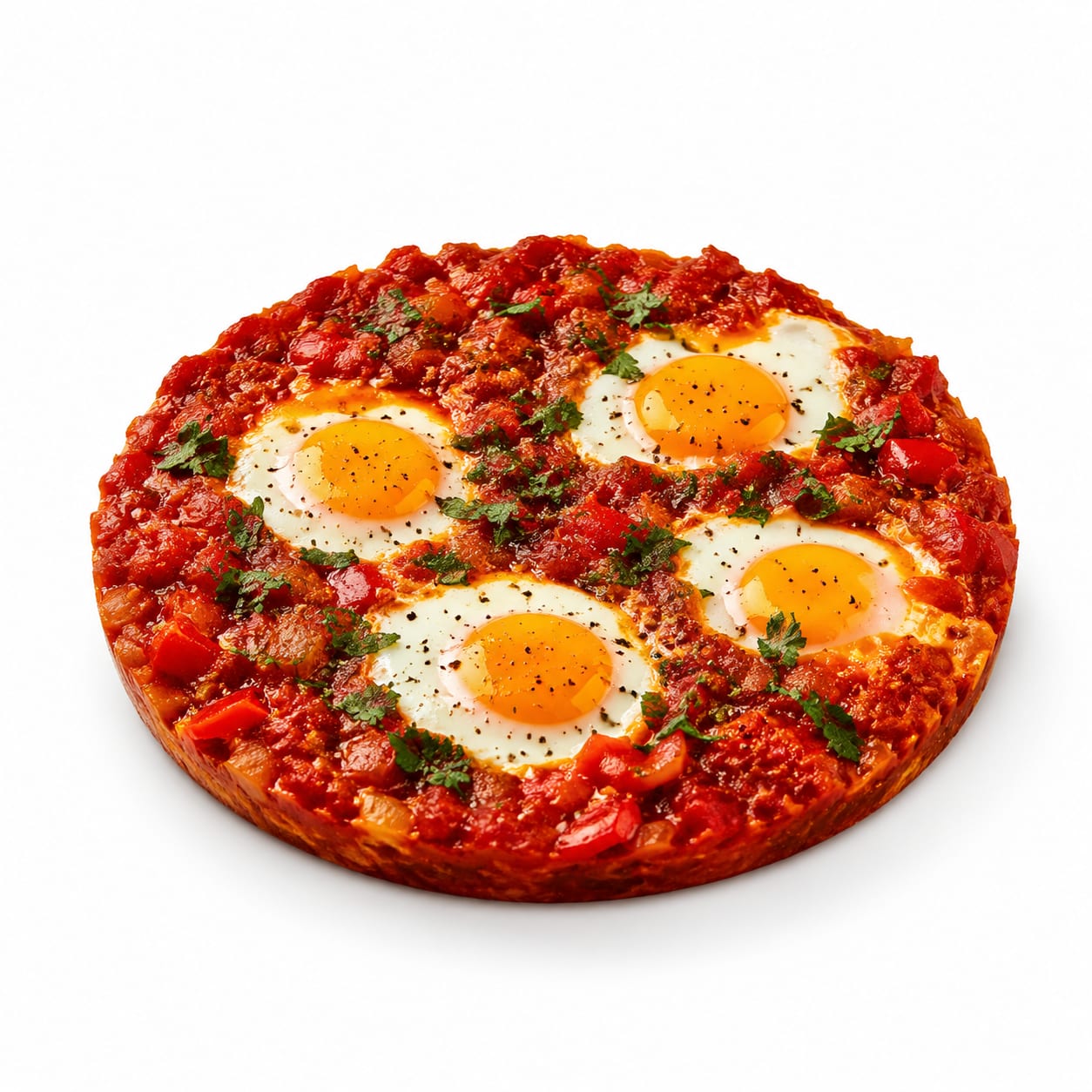
Shakshuka
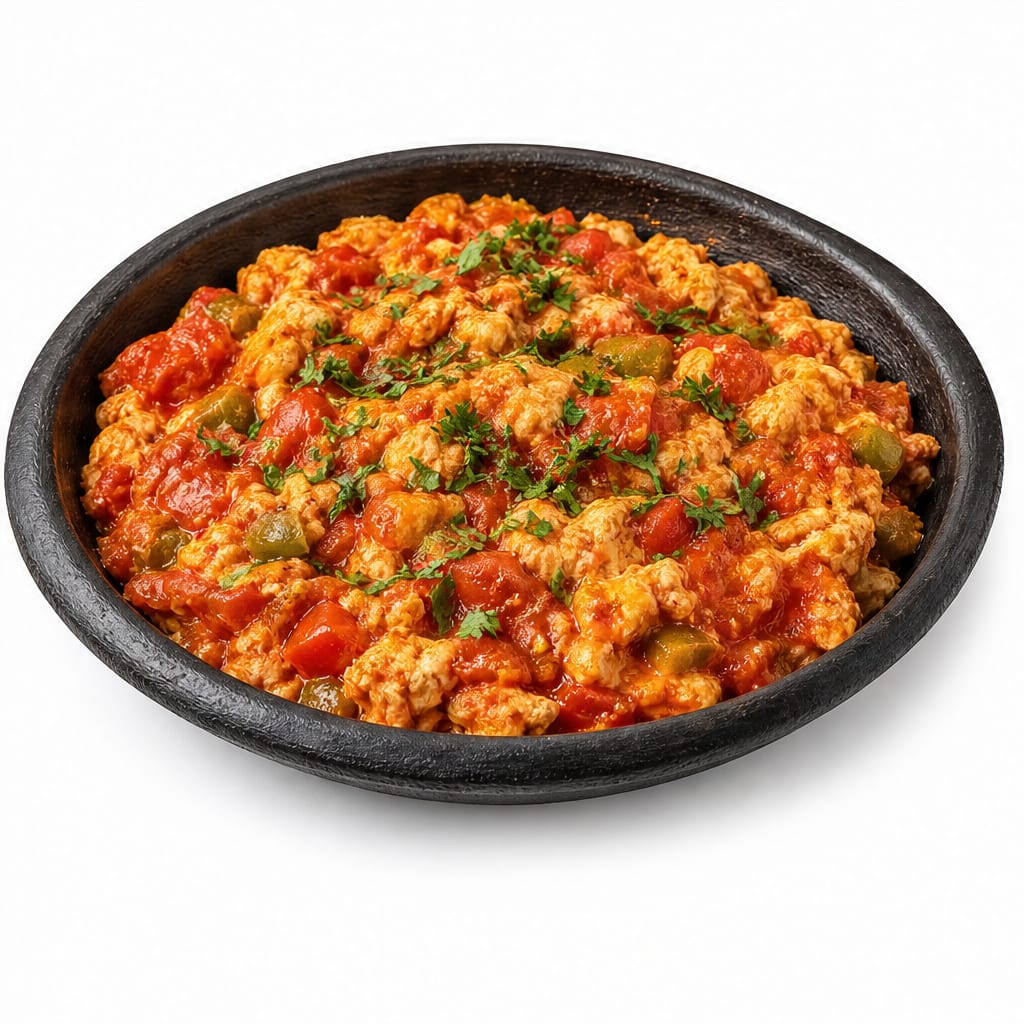
Turkish Menemen
Shakshuka and Menemen are close cousins with the same core ingredients, but their egg technique and traditional add-ins create meaningful health tradeoffs.
Shakshuka scores higher primarily due to lower sodium risk, whole egg preservation, and cleaner typical ingredient list. Menemen loses ground on processed meat exposure and higher calorie density, though it wins on digestibility and comfort.
Shakshuka delivers cleaner whole-egg protein with less sodium risk, while Menemen offers a creamier comfort experience but often carries processed meat and higher oil content.
At a glance
Executive summary
Overall
It depends
Healthier
Shakshuka
More practical
Turkish Menemen
Daily use
Shakshuka
Key comparison lenses
egg preparation style and protein quality
Shakshuka poaches whole eggs while Menemen scrambles them into the sauce, affecting protein texture, yolk integrity, and satiety signals
sodium and processed meat exposure
Menemen often includes sucuk or pastırma which dramatically increases sodium and processed meat risk, while Shakshuka typically relies on spice blends
fat profile and olive oil content
Menemen traditionally uses more olive oil, changing the fat profile and calorie density compared to Shakshuka
digestive comfort and spice tolerance
Shakshuka tends to be spicier with harissa or chili, while Menemen is milder and creamier, affecting who can eat it comfortably
breakfast suitability and energy stability
Both are breakfast staples but differ in how steadily they deliver energy through the morning
Best choice for
Shakshuka
- Lower sodium breakfast needs
- Whole egg yolk benefits like choline and lutein
- Spice lovers who enjoy anti-inflammatory capsaicin
- Those avoiding processed meats
- People tracking cleaner ingredient lists
Turkish Menemen
- Sensitive stomachs that prefer milder flavors
- Those wanting a creamier more comforting texture
- Quick eaters who prefer fork-only meals
- People who find scrambled eggs easier to digest
- Anyone needing a more calorie-dense morning meal
Least suitable for
Shakshuka
- People with GERD or acid reflux sensitive to spice
- Those who dislike runny egg yolks
- Very low-fat diet followers
- Diners wanting a quick uniform bite every time
Turkish Menemen
- Sodium-sensitive individuals especially with sucuk
- Those avoiding processed meats for cancer risk
- People watching calorie density closely
- Anyone seeking cleaner minimal-ingredient meals
Deep comparison
Dimension by dimension
Each lens scores both foods and breaks down who each option suits.
- Dimension 1 · Priority 90Shakshuka
protein quality and retention
Shakshuka · 82Turkish Menemen · 72Shakshuka preserves whole egg structure with intact yolks, while Menemen scrambles eggs into the sauce, distributing protein but slightly altering yolk nutrient delivery.
Tradeoff
Whole poached yolks in Shakshuka keep choline and lutein more bioavailable, but Menemen's scrambled style mixes protein evenly through every bite.
Why it matters
Choline supports brain function and lutein protects eye health. Whole yolks deliver these more reliably than scrambled eggs cooked longer in acid.
Real-world impact
A Shakshuka breakfast feels more substantial per egg because the yolk stays rich and filling, while Menemen spreads the same protein across more bites with less perceived density.
Shakshuka
- Brain health and choline intake
- Eye health via lutein preservation
- Those counting eggs for protein tracking
Better for
- Sulfide-sensitive diners who react to runny yolks
- Anyone wanting uniform texture in every bite
Worse for
Turkish Menemen
- Even protein distribution per bite
- Easier eating for people who dislike runny yolks
- More consistent mouthfeel throughout the meal
Better for
- Longer cooking of eggs in acidic tomatoes may degrade some yolk nutrients
- Harder to control egg doneness precisely
Worse for
- Dimension 2 · Priority 88Shakshuka
sodium and processed meat risk
Shakshuka · 70Turkish Menemen · 45Traditional Menemen with sucuk or pastırma delivers a heavy sodium load and processed meat exposure. Shakshuka typically avoids this entirely.
Tradeoff
Sucuk adds incredible savory depth to Menemen but brings nitrates, saturated fat, and WHO-classified processed meat risk. Shakshuka achieves flavor through spice blends instead.
Why it matters
Regular processed meat consumption is linked to colorectal cancer and cardiovascular disease. Even occasional sucuk adds up if Menemen is a weekly habit.
Real-world impact
A single Menemen with sucuk can deliver 800-1200mg sodium before bread. Shakshuka with feta still hits 500-700mg but from a less harmful source.
Shakshuka
- Blood pressure management
- Long-term heart disease risk reduction
- Cleaner eating without processed meat classification
Better for
- Feta cheese still adds meaningful sodium
- Less savory depth without umami boost
Worse for
Turkish Menemen
- Umami satisfaction that reduces cravings later
- Traditional flavor authenticity
Better for
- Processed meat cancer risk with regular sucuk consumption
- Sodium levels that can exceed daily limits in one meal
- Higher saturated fat from cured meat
Worse for
- Dimension 3 · Priority 78Shakshuka
fat profile and calorie density
Shakshuka · 68Turkish Menemen · 58Menemen traditionally uses generous olive oil poured over the finished dish, significantly increasing calorie density compared to Shakshuka's moderate cooking fat.
Tradeoff
Extra olive oil in Menemen adds heart-healthy monounsaturated fats but also adds 120 calories per tablespoon that many diners underestimate.
Why it matters
Olive oil is genuinely healthy, but calorie density matters for weight management. A typical Menemen can run 200-300 calories higher than Shakshuka from oil alone.
Real-world impact
If you eat either dish weekly, the extra olive oil in Menemen adds up to roughly 10,000-15,000 extra calories per year without feeling more full.
Shakshuka
- Calorie-conscious eaters
- Easier portion control
- Lighter morning start without heaviness
Better for
- May feel less luxurious or satisfying
- Less heart-protective monounsaturated fat per serving
Worse for
Turkish Menemen
- Mediterranean diet followers wanting more olive oil
- Those needing calorie density for healthy weight gain
- Better satiety from higher fat content
Better for
- Stealth calorie surplus risk
- Heavier feeling that can slow morning energy
Worse for
- Dimension 4 · Priority 75Turkish Menemen
digestive comfort and spice tolerance
Shakshuka · 55Turkish Menemen · 80Menemen is milder and creamier, making it gentler on sensitive stomachs. Shakshuka's harissa and chili flakes can irritate GERD and acid reflux.
Tradeoff
Shakshuka's capsaicin offers anti-inflammatory benefits and metabolism support, but at the cost of digestive comfort for sensitive people.
Why it matters
Morning is when stomachs are most sensitive. Starting with spice can trigger reflux that lingers all day, while creamier food settles better.
Real-world impact
If you have any reflux tendency, Shakshuka may cause heartburn by mid-morning. Menemen rarely triggers this and feels soothing instead.
Shakshuka
- Metabolism boost from capsaicin
- Anti-inflammatory spice benefits
- Sinus clearing morning warmth
Better for
- Acid reflux trigger potential
- Can irritate gastritis or ulcers
- Too intense for first-thing-in-the-morning for some
Worse for
Turkish Menemen
- GERD and acid reflux sufferers
- Sensitive stomachs needing gentle food
- Children and elderly who prefer mild flavors
Better for
- Missed benefits of capsaicin and anti-inflammatory spices
- Less metabolic stimulation from milder profile
Worse for
- Dimension 5 · Priority 65Turkish Menemen
cooking convenience and consistency
Shakshuka · 60Turkish Menemen · 78Menemen is more forgiving to cook because scrambled eggs blend into the sauce naturally. Shakshuka requires careful timing to keep yolks runny.
Tradeoff
Shakshuka looks more impressive when done right but fails more visibly when overcooked. Menemen always looks like Menemen regardless of small mistakes.
Why it matters
Home cooks who feel rushed in the morning will appreciate that Menemen is harder to ruin. Overcooked Shakshuka with hard yolks feels like a failed dish.
Real-world impact
On a busy weekday, Menemen takes 12 minutes with zero stress. Shakshuka takes the same time but demands attention at the egg stage or breakfast disappoints.
Shakshuka
- Visual presentation for brunch guests
- Clear portion control with visible egg count
- More dramatic serving moment
Better for
- Yolk overcooking ruins the experience
- Requires more attention at critical moment
- Less uniform serving portions
Worse for
Turkish Menemen
- Stress-free morning cooking
- Consistent results every time
- Easier cleanup with one unified mixture
Better for
- Less visually impressive for entertaining
- Harder to control individual egg portions
Worse for
- Dimension 6 · Priority 70Shakshuka
micronutrient density
Shakshuka · 76Turkish Menemen · 68Shakshuka's spice-heavy profile delivers more concentrated antioxidants from cumin, paprika, and harissa. Menemen relies more on tomatoes and peppers for micronutrients.
Tradeoff
Both dishes provide lycopene from cooked tomatoes, but Shakshuka's broader spice palette adds iron, manganese, and antioxidant diversity that Menemen lacks.
Why it matters
Spice-based micronutrients accumulate benefits over years of regular consumption. Small daily differences in antioxidant intake compound significantly.
Real-world impact
Eating Shakshuka weekly gives you a broader micronutrient spectrum that supports immunity and inflammation control better than the milder Menemen profile.
Shakshuka
- Iron from cumin and paprika
- Broader antioxidant spectrum
- Anti-inflammatory compound diversity
Better for
- Some spice antioxidants have low bioavailability without fat
- Heat can degrade certain vitamins in spices
Worse for
Turkish Menemen
- Consistent lycopene from longer tomato cooking
- Vitamin C from green peppers
- Gentler nutrient profile for sensitive systems
Better for
- Narrower micronutrient range without spice diversity
- Fewer anti-inflammatory compounds overall
Worse for
Timeline
Health impact over time
Short-term
Hours to days
Shakshuka
- Steadier energy from whole egg protein and moderate fat
- Possible heartburn within 1-2 hours if spice-sensitive
- Strong satiety that typically lasts 4-5 hours
- Mild metabolic boost from capsaicin within hours of eating
Turkish Menemen
- Faster initial fullness from higher fat content
- Heavier feeling that may reduce morning alertness
- Post-meal sodium thirst especially with sucuk version
- Comforting digestion without reflux risk
Long-term
Months to years
Shakshuka
- Better choline intake supporting cognitive health over decades
- Lower cumulative sodium exposure protecting kidney function
- Anti-inflammatory spice benefits compounding over years
- Reduced processed meat risk compared to sucuk-containing Menemen
Turkish Menemen
- Higher cardiovascular risk if sucuk is a regular ingredient
- Greater calorie intake contributing to gradual weight gain if not monitored
- Consistent lycopene intake from tomato-heavy preparation
- Possible olive oil benefits for heart health if sucuk is omitted
Risk profile
Safety & processing
Shakshuka is typically made from whole eggs, fresh vegetables, and spice blends with minimal processing. Menemen crosses into processed territory when sucuk or pastırma is included, introducing nitrates, preservatives, and sodium-based curing agents that Shakshuka avoids entirely.
Shakshuka
Undercooked egg yolks
mediumRunny poached yolks carry salmonella risk, especially with non-pasteurized eggs. Pregnant women and immunocompromised individuals should use pasteurized eggs.
Acrylamide from starchy sides
lowBread served alongside can contain acrylamide from toasting, though this is a minor concern compared to the egg dish itself.
Turkish Menemen
Processed meat contamination
highSucuk may harbor harmful bacteria if not properly stored or cooked, and carries WHO-classified Group 1 carcinogen status from processing methods.
Sodium-related health effects
mediumRegular high-sodium breakfasts contribute to hypertension risk. Menemen with sucuk can exceed 1000mg sodium in a single serving.
Undercooked egg concern
lowScrambled eggs in Menemen are typically cooked through more thoroughly than Shakshuka's poached eggs, reducing salmonella risk.
Who wins for whom
Audience fit
Same foods, different winners depending on your goal.
children
Turkish MenemenMilder flavor and creamier scrambled texture make Menemen far more appealing and digestible for kids who reject spice and runny yolks.
daily consumption
ShakshukaLower sodium and absence of processed meat make Shakshuka safer as a daily or near-daily breakfast without cumulative health risks.
diabetes
ShakshukaShakshuka's lower overall carbohydrate from less bread-dipping tendency and steadier protein delivery helps blood sugar stability more reliably.
elderly
Turkish MenemenSofter scrambled texture is easier to chew and digest, and milder spice profile is gentler on aging digestive systems and medication-sensitive stomachs.
muscle gain
ShakshukaWhole eggs with intact yolks provide more bioavailable leucine and choline, supporting muscle protein synthesis slightly better than scrambled eggs cooked longer in acid.
weight loss
ShakshukaLower calorie density and cleaner ingredient list make Shakshuka easier to fit into a calorie deficit without feeling deprived.
Your move
Decision guide
Choose Shakshuka
- You want cleaner whole-food nutrition without processed meat
- Sodium management matters for your blood pressure
- You enjoy spice and its anti-inflammatory benefits
- You prefer visible whole eggs and runny yolk richness
- Heart health is a priority and you eat eggs frequently
Choose Turkish Menemen
- You have acid reflux or a sensitive stomach
- You want maximum comfort and creaminess in the morning
- You prefer mild flavors over spice intensity
- You are cooking for children or elderly family members
- You need stress-free cooking with forgiving results
Either works if
- You are making a weekend brunch and both sound good
- You can modify either dish to suit your needs
- You are eating out and both are available fresh
- You want Mediterranean breakfast variety across the week
Avoid both if
- You have severe egg allergy
- You are on a strict very-low-fat diet
- You cannot tolerate nightshades like tomatoes and peppers
- You need a grab-and-go breakfast with zero prep time
Final recommendation
Make Shakshuka your default for daily eating because it avoids processed meat and keeps sodium lower. Save Menemen for weekends or when your stomach wants something gentler. If you love Menemen, simply omit the sucuk and use moderate olive oil to close the health gap almost entirely.
Practical
Consumer tips
- 1
Ask for Menemen without sucuk at restaurants to eliminate processed meat risk while keeping the creamy texture you love
- 2
Use pasteurized eggs for Shakshuka if runny yolks concern you, especially during pregnancy
- 3
Add extra vegetables like spinach or zucchini to either dish to boost fiber and fullness without many calories
- 4
Control olive oil yourself when making Menemen at home rather than pouring the traditional generous amount
- 5
Choose whole grain bread for dipping to add fiber and slow down carbohydrate absorption with either dish
- 6
Make Shakshuka milder by reducing harissa if you want its nutritional benefits without the digestive irritation
- 7
Prep the tomato sauce base for either dish in bulk and refrigerate to make morning cooking faster