
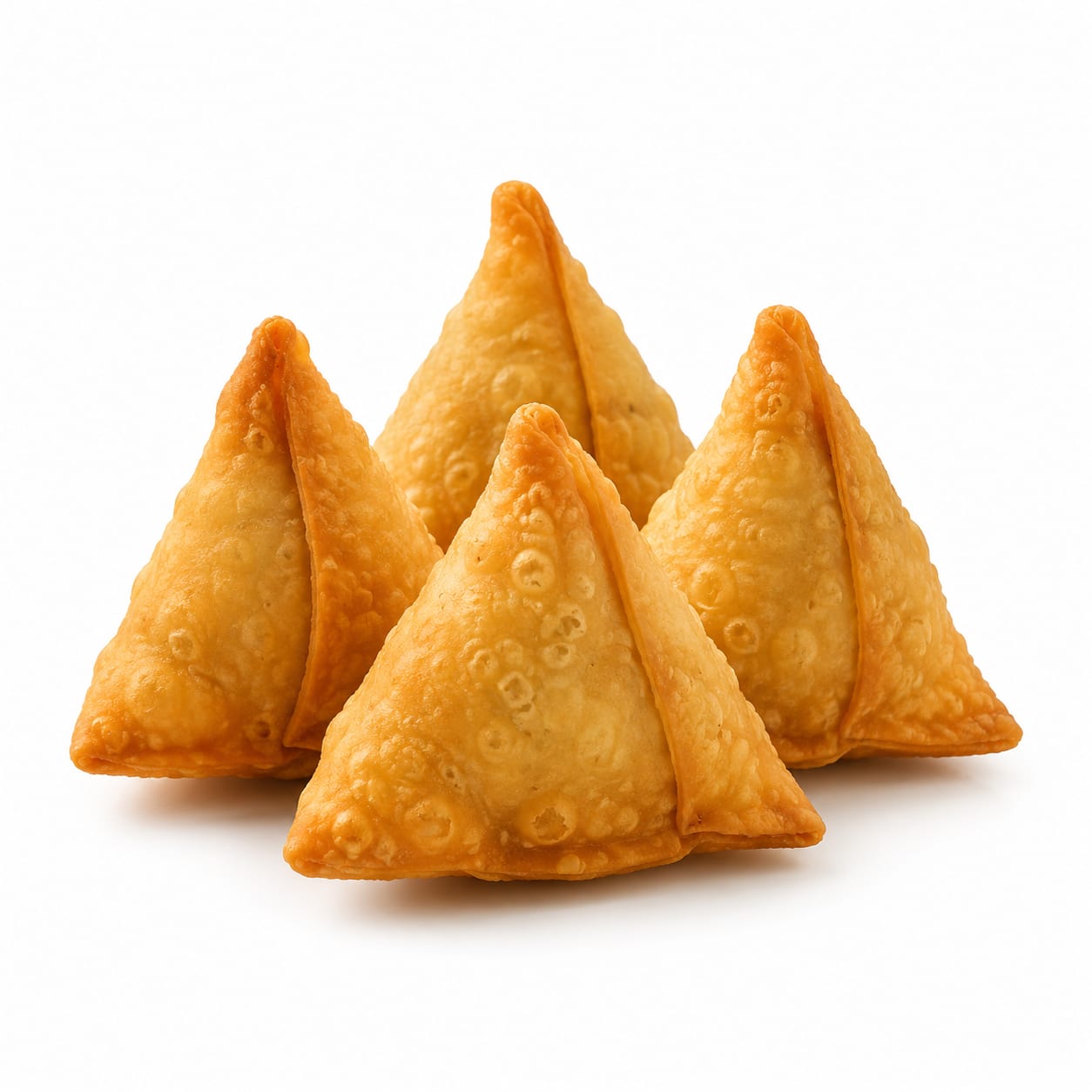
Savory Pastry
Samosa
A deep-fried or baked triangular South Asian pastry filled with spiced vegetables or meat.
A popular fried or baked South Asian pastry consisting of a crispy, triangular shell made of refined wheat flour (maida) filled with spiced potatoes, peas, onions, lentils, or minced meat.
deep-fried refined-carb savory snack
Typical serving · 100g
Common varieties · aloo samosa, keema samosa, paneer samosa, chicken samosa, baked samosa +1 more
Overall context score across nutrition, safety, and diet fit
At a glance
Quick facts
Simple indicators based on nutrition, processing, and diet fit.
The story
What makes it unique
Samosas are energy-dense foods characterized by a refined carbohydrate shell and a starchy or protein-based filling. The deep-frying process significantly increases fat content and energy density while reducing water content. Digestion is rapid due to the refined flour exterior, leading to quick glucose release, although the fat content can modestly delay gastric emptying. Satiety is moderate to low due to high energy density and low fiber volume relative to calories.
Varieties: aloo samosa · keema samosa · paneer samosa · chicken samosa · baked samosa · mini samosa
Per 100g
Nutrition breakdown
Macro balance and key metrics at a glance.
Energy
Density 2.80 kcal/g
Protein
Carbs
Fat
Fiber
Sugar
2 g
Sodium
450 mg
Potassium
180 mg
Glycemic index
70
Glycemic load
20
Water content
40%
Standout compounds
Nutrient highlights
Fat
highProvides concentrated energy and aids in the absorption of fat-soluble vitamins from the filling.
Carbohydrates
highOffers rapid energy replenishment, though primarily from refined sources.
Sodium
moderateSupplies electrolytes, but primarily from added salt which can contribute to high blood pressure.
Iron
lowContains trace amounts from refined wheat flour and spices, contributing minimally to daily intake.
Wellness map
Health scores & processing
NOVA processing scale
Ultra-processed · Ultra-processed
Commercial samosas use refined wheat flour (maida), are deep-fried in industrial seed oils, and often contain added preservatives and flavor enhancers, placing them in the ultra-processed category.
Diet compatibility
- Weight loss
- Muscle gain
- Diabetes
- Gut health
- Low carb
- High protein
- Heart health
Relative standing
Food rankings
Qualitative ranks compared to similar whole foods.
- Satietypoor
- Blood sugarpoor
- Nutrient densitypoor
- Fitness fuelpoor
- Processing qualitypoor
Eat with confidence
Food safety profile
The primary safety concerns involve the formation of acrylamide from high-heat frying of carbohydrates and the degradation of oils from repeated frying. Street-vended samosas carry a moderate risk of microbial contamination if held at improper temperatures.
Evidence confidence 85%
- Pesticidesmoderate
- Antibioticslow
- Heavy metalslow
- Contaminationmoderate
Watch for
- acrylamide
- trans fats
- reused cooking oil byproducts
- microbial pathogens
Safer choices
Homemade baked samosas using whole wheat flour and high-quality cooking oils.
Prep tips
If consuming from street vendors, ensure the samosa is freshly fried and served piping hot to minimize microbial risks.
Street vendors may reuse frying oils beyond safe limits, increasing oxidative byproducts and trans fat formation.
Deep dive
Health analysis
How this food may fit different goals and preparation choices.
Weight loss
High energy density and low fiber make it easy to overconsume calories, offering poor satiety relative to its caloric cost.
Blood sugar
The refined flour shell and starchy potato filling digest rapidly, causing sharp blood sugar spikes followed by crashes.
Fitness & energy
Provides quick carbohydrates and fats, but the lack of quality protein and heavy grease make it a poor choice for workout nutrition.
Gut health
Low fiber and high saturated or oxidized fats offer minimal benefit to the gut microbiome and can promote inflammation.
Processing quality
Typically made with refined grains and deep-fried in low-quality oils, contributing to inflammatory marker elevation when consumed frequently.
Food safety
Acrylamide formation from frying starches and degraded oils from repeated frying are the main chemical risks, alongside hygiene concerns with street food.
Common mistakes
Assuming baked samosas are significantly lower in calories; the dense starchy filling still makes them calorie-heavy. Viewing them as a light snack rather than a calorie-dense indulgence.
Best preparation
Baking instead of deep-frying, using whole wheat flour for the shell, and incorporating protein-rich fillings like lentils or chicken with extra peas for fiber.
Practical guide
Best use cases
When and how this food fits real eating patterns.
Occasional cultural indulgence
Best enjoyed in moderation during festivals or special occasions as a traditional savory treat rather than a regular dietary staple.
Quick calorie loading
Useful for individuals struggling to meet high caloric needs who require energy-dense foods, though healthier fat sources are preferable.
Balance sheet
Pros & cons
Upsides
- Highly palatable and satisfying savory flavor
- Provides quick energy from dense carbohydrates and fats
- Versatile fillings can accommodate various dietary preferences
- Cultural and traditional significance in South Asian cuisine
Trade-offs
- High calorie density promotes overconsumption
- Refined flour shell spikes blood sugar rapidly
- Deep frying adds significant unhealthy fats and calories
- Low in essential nutrients, fiber, and protein
- Commercial varieties often contain trans fats or degraded oils
Fit check
Who is it for?
Great match
- occasional savory cravings
- cultural celebrations and festivals
- quick caloric surplus for underweight individuals
Consider alternatives
- weight loss diets
- diabetic meal plans
- heart-healthy or low-fat diets
- low-carb or ketogenic diets
- managing metabolic syndrome
Side by side
How it compares
Open the full head-to-head analysis for nutrition, safety, and practical tradeoffs.
This food
Samosa
VS85% alike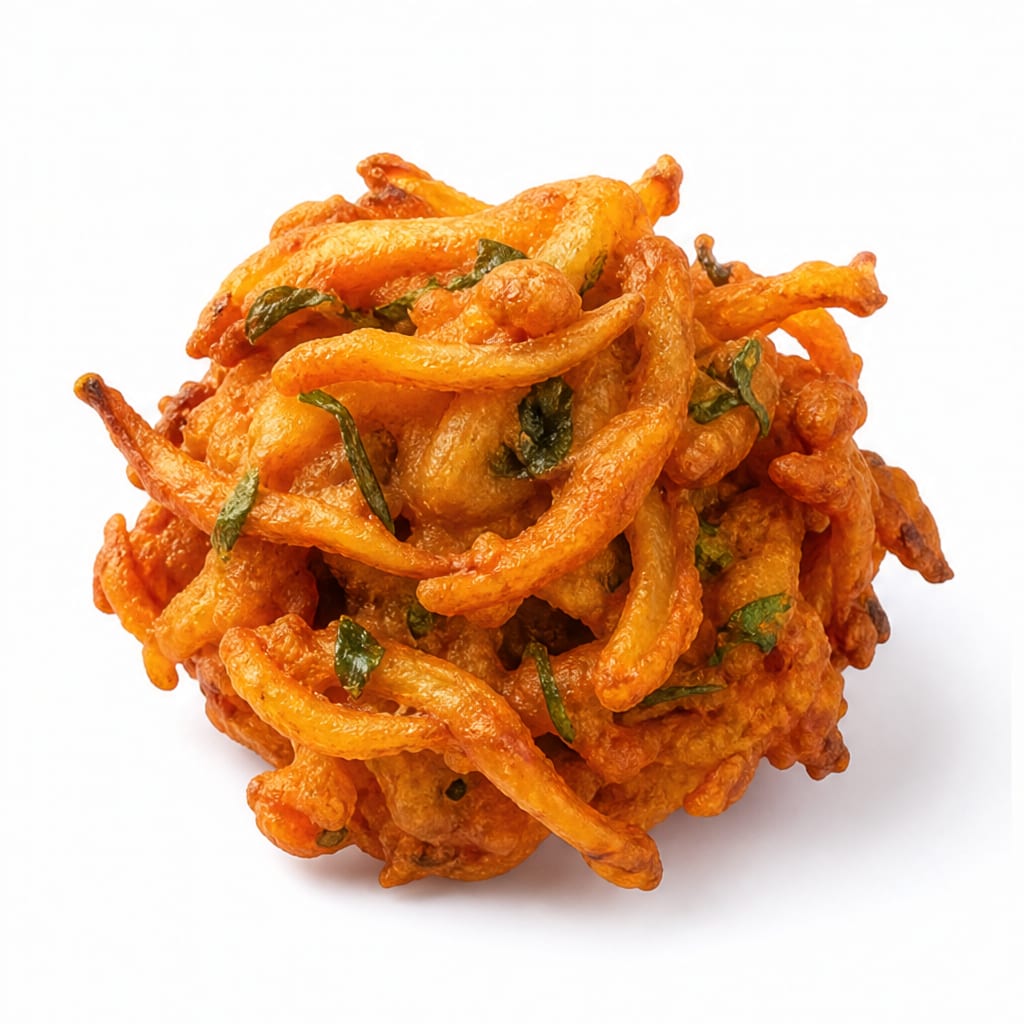
Compare with
Pakora
Pakoras are made from chickpea flour, offering slightly more protein and fiber than the refined flour shell of a samosa, but both are deep-fried and calorie-dense.
Pakoras offer slightly more protein and fiber from chickpea flour, while samosas provide heavier satiety from the dense potato filling but spike blood sugar faster.
This food
Samosa
VS80% alike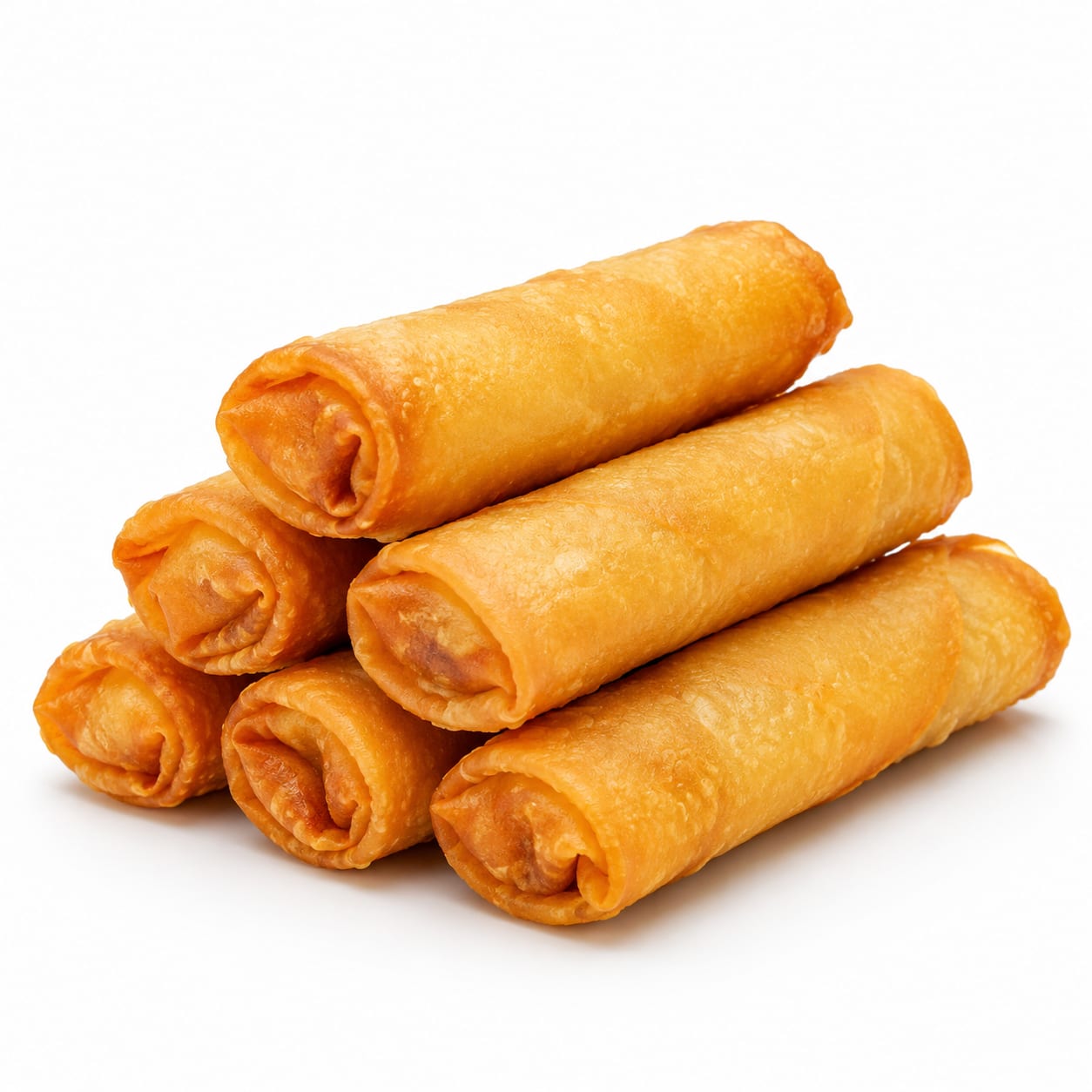
Compare with
Spring Roll
Spring rolls typically have a thinner, crispier wrapper and a vegetable-heavy filling, making them slightly lower in calories and carbohydrates than samosas.
Spring rolls are generally lower in carbs and calories due to thinner wrappers and veggie fillings, whereas samosas are denser and more satiating but heavier on starch.
This food
Samosa
VS75% alike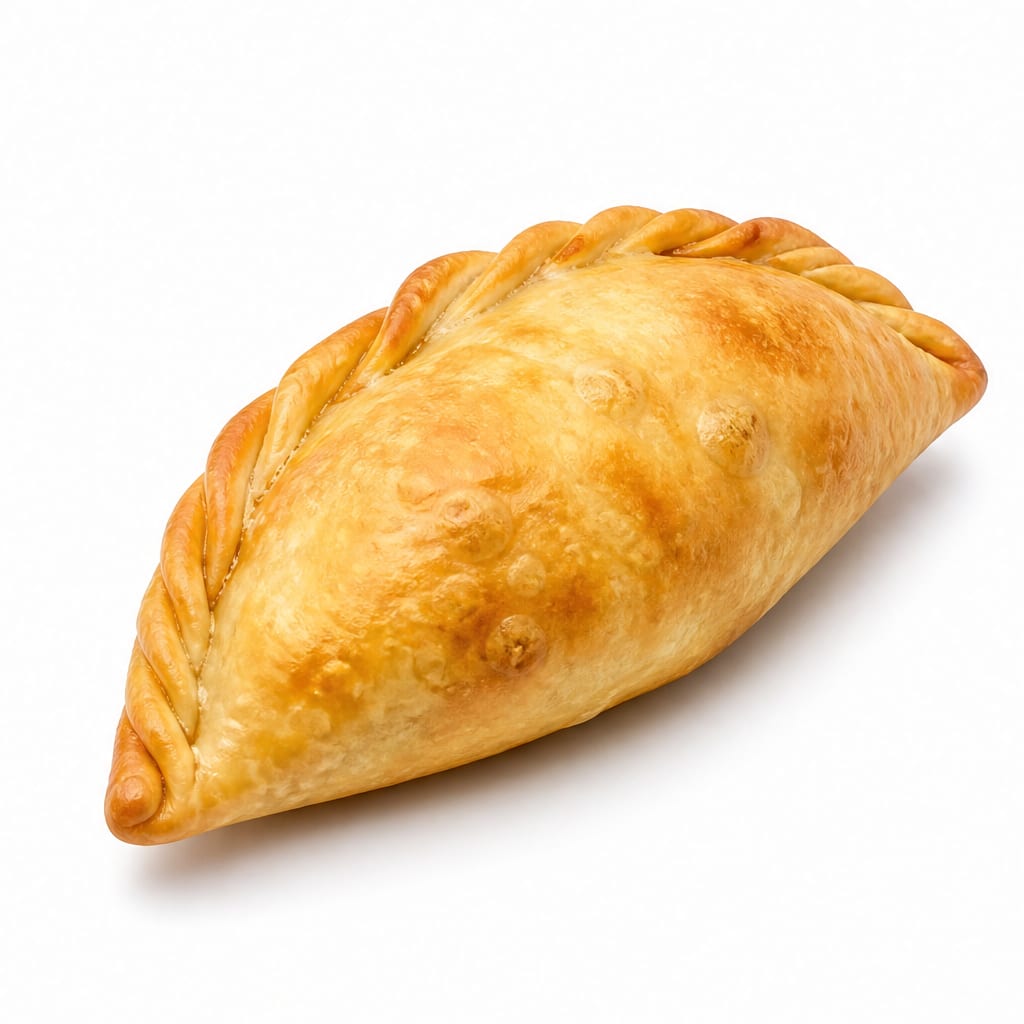
Compare with
Empanada
Empanadas often contain meat, providing higher protein than standard potato samosas. Baked empanadas are significantly lower in fat than fried samosas.
Meat-filled empanadas provide more protein than potato samosas, and if baked, they offer a much lower fat alternative to the traditional deep-fried samosa.
This food
Samosa
VS85% alike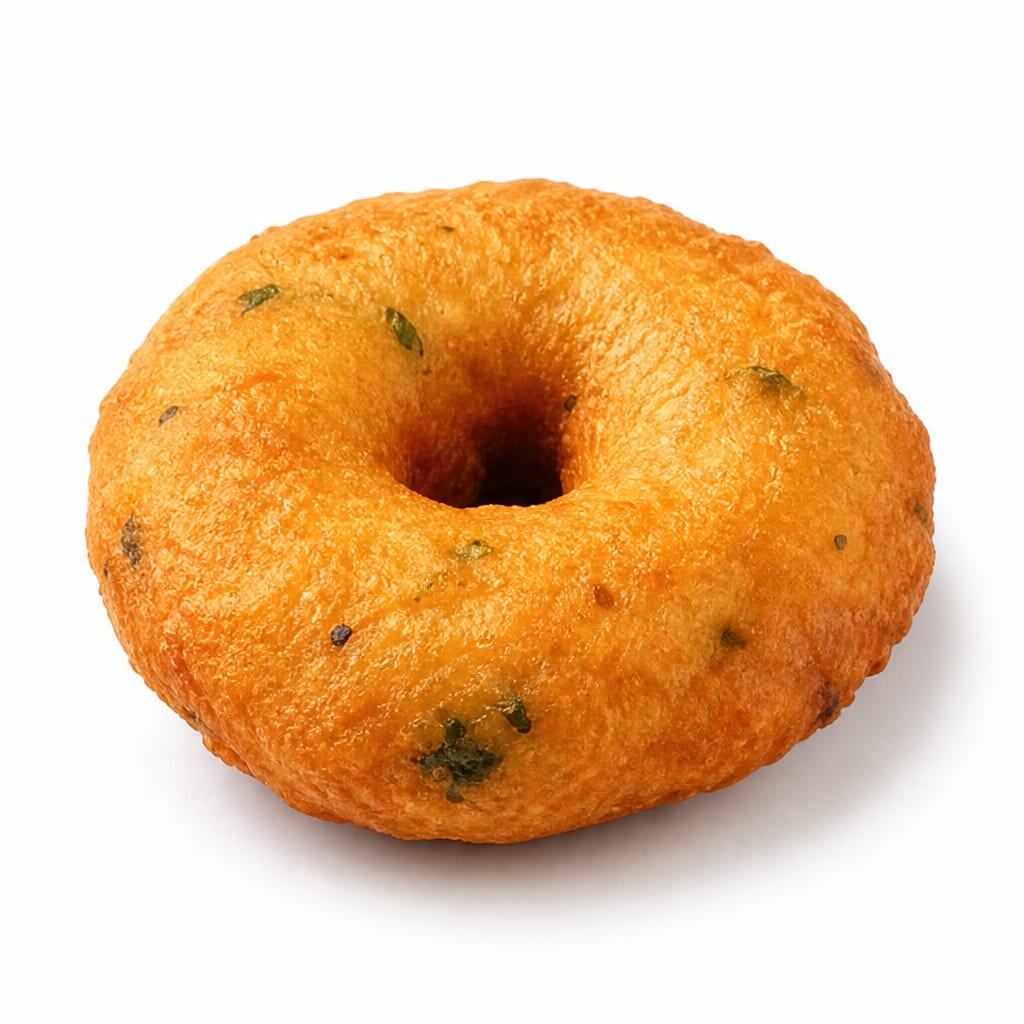
Compare with
Vada
Vada is made from lentil batter, giving it a better protein and fiber profile compared to the refined carbohydrate-heavy samosa.
Vadas are made from lentils, offering more protein and a lower glycemic impact than samosas, though both are equally high in fat from deep frying.
This food
Samosa
VS90% alike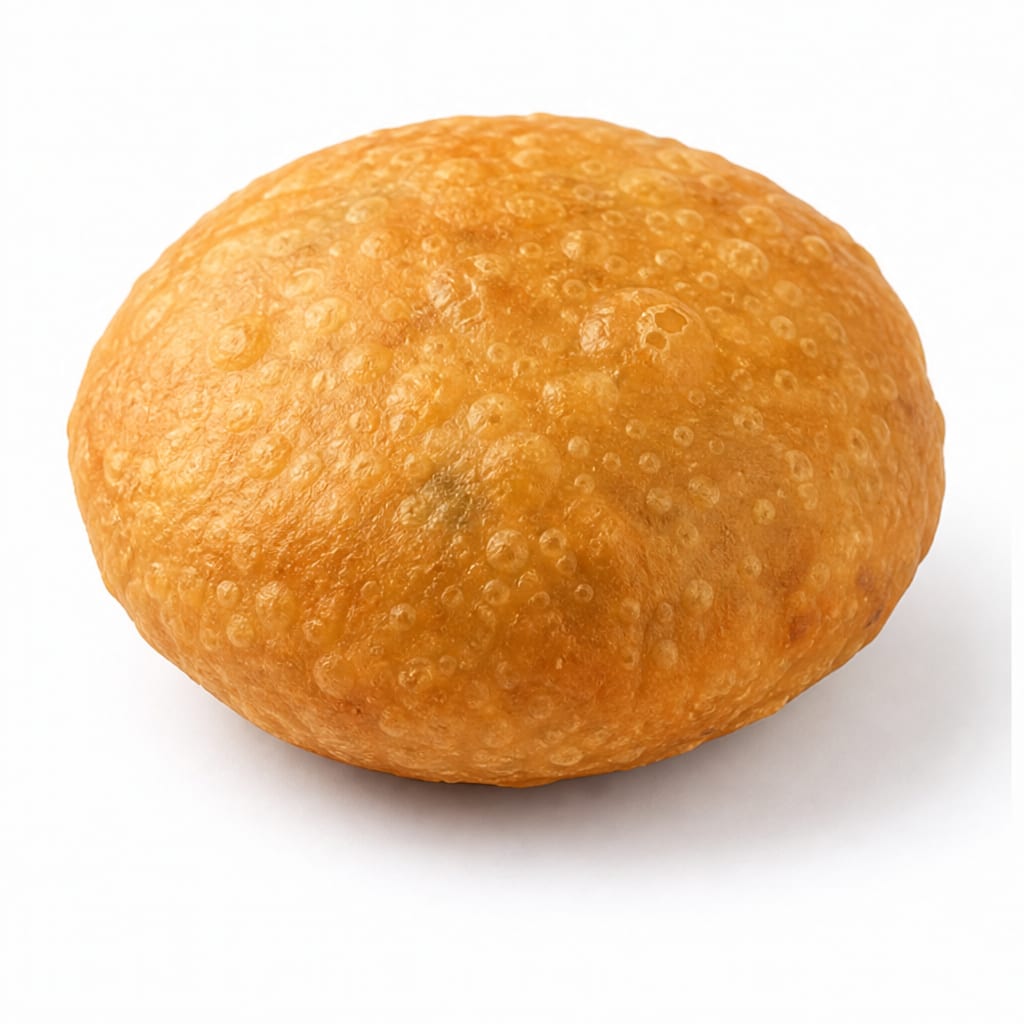
Compare with
Kachori
Kachoris are typically flakier and often filled with lentils or onions, while samosas are denser with potato. Both are highly caloric and refined.
Kachoris and samosas are equally high in fat, but lentil-filled kachoris edge out potato samosas slightly for blood sugar control due to marginally more protein.
This food
Samosa
VS65% alike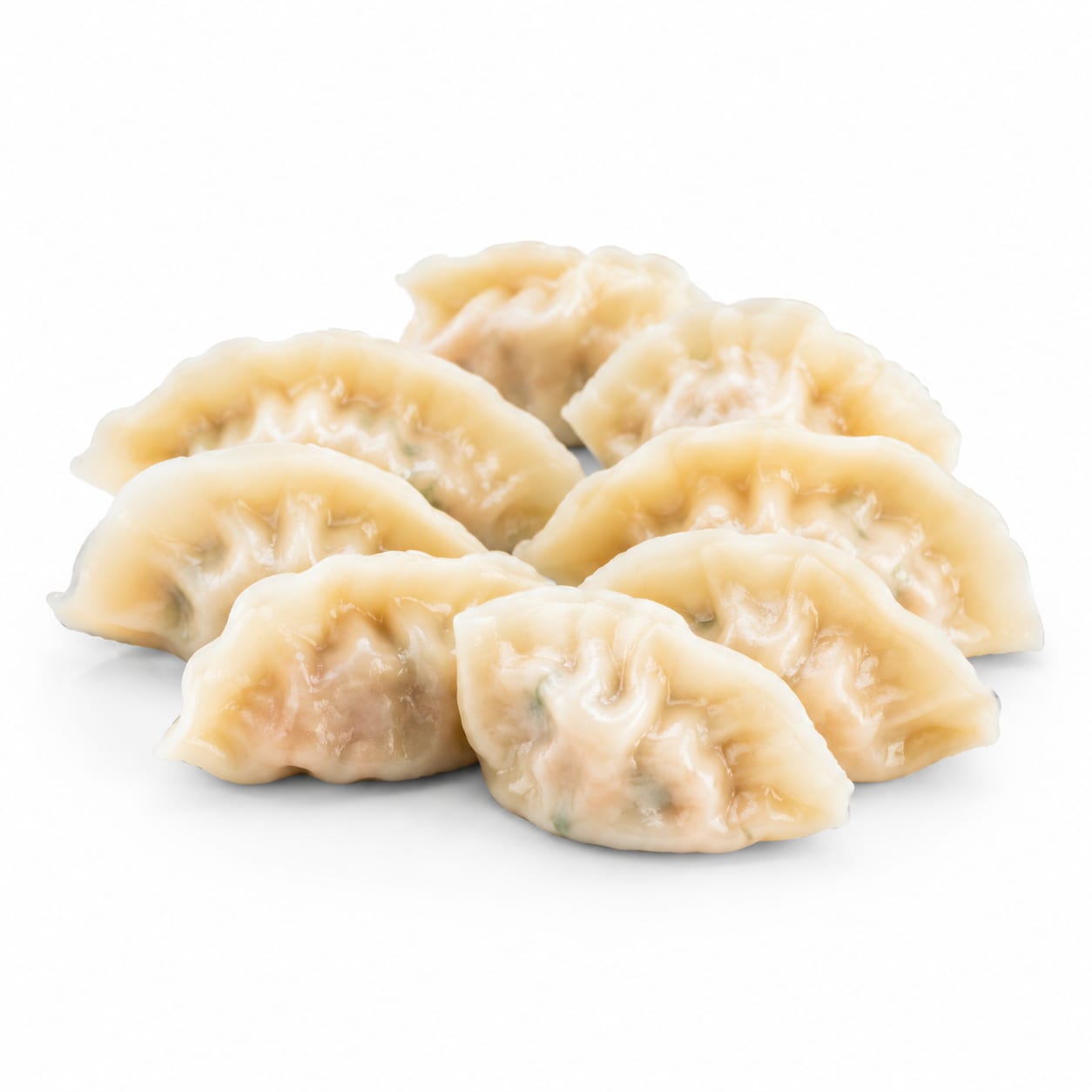
Compare with
Dumpling
Steamed dumplings are far lower in fat and calories than deep-fried samosas, offering a much healthier alternative for weight loss.
Steamed dumplings are dramatically lower in fat and calories compared to deep-fried samosas, making them the clear winner for weight management.
This food
Samosa
VS60% alike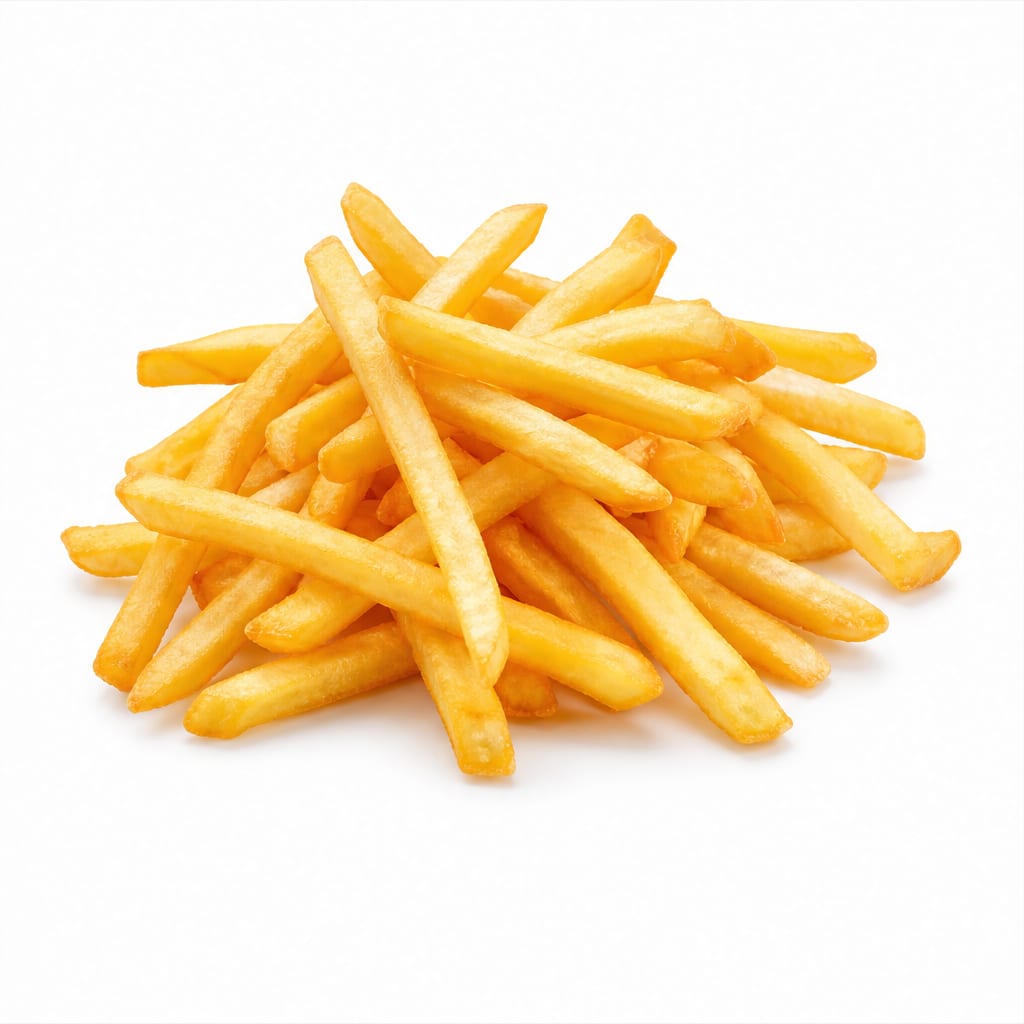
Compare with
French Fries
French fries lack the protein and fiber found in a samosa's filling, but samosas have a higher fat content due to the oil absorption in the dough wrapper.
Samosas provide slightly more satiety and trace nutrients from their spiced filling than plain french fries, though both are deep-fried carbohydrate-heavy foods.
This food
Samosa
VS55% alike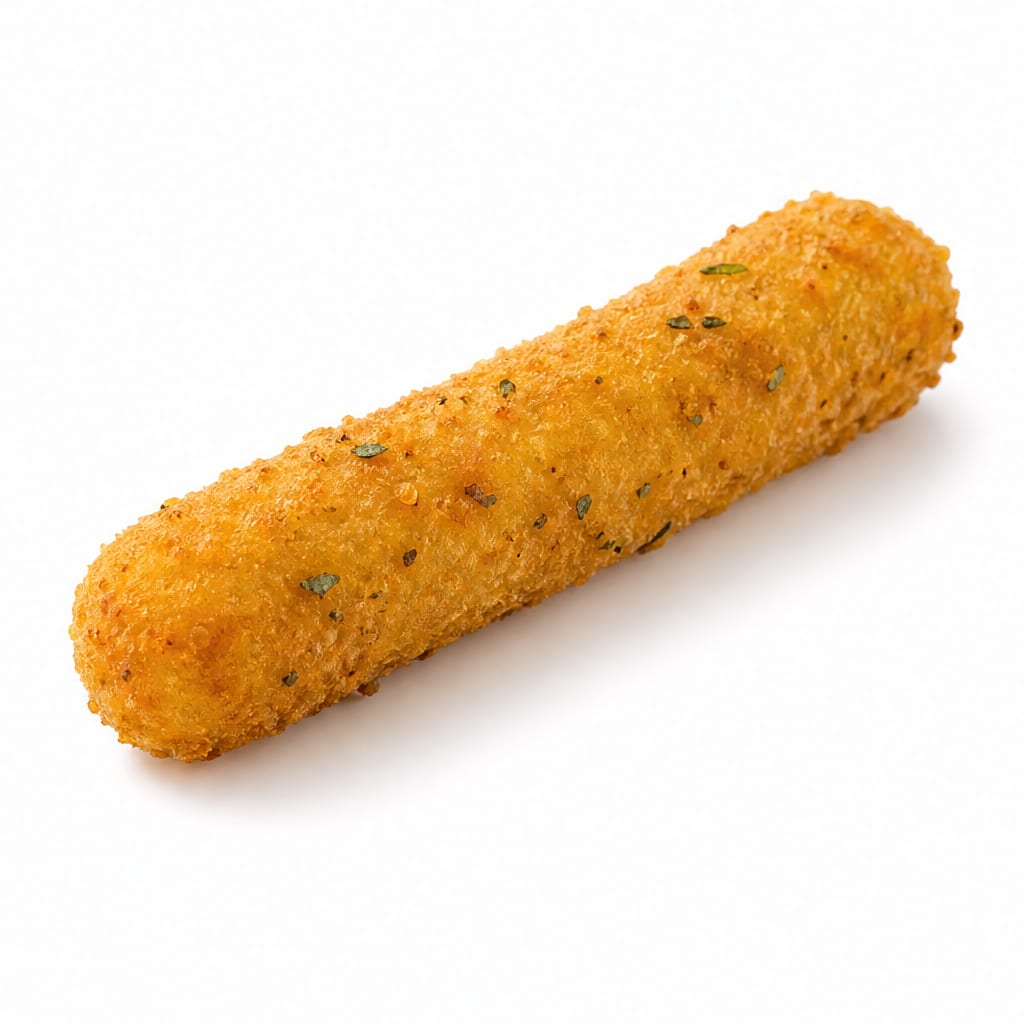
Compare with
Mozzarella Stick
Mozzarella sticks provide significant protein from cheese, whereas potato samosas provide mostly carbs and fat.
Mozzarella sticks offer more protein but high saturated fat, while samosas offer more carbohydrates; both are deep-fried indulgences with poor health profiles.
This food
Samosa
VS50% alike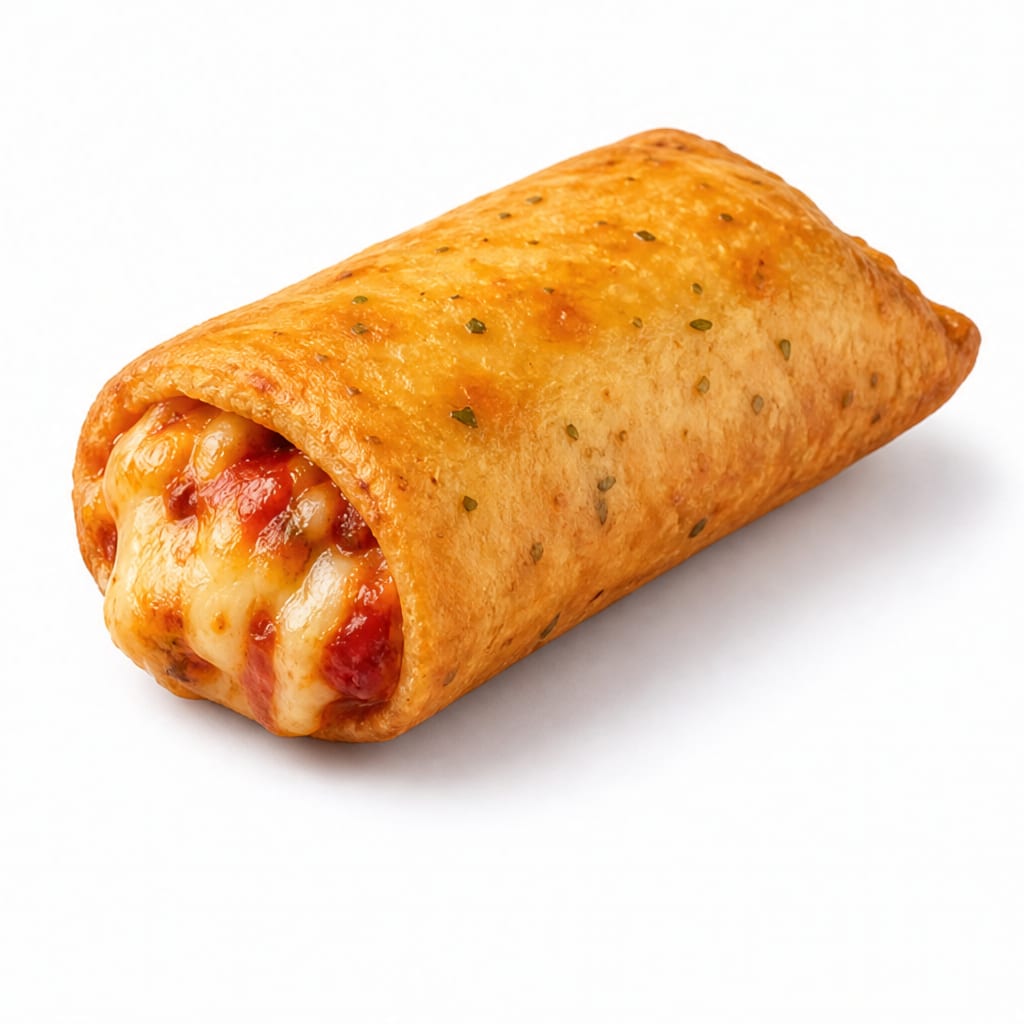
Compare with
Pizza Roll
Pizza rolls are highly processed and lack the whole food ingredients of a homemade samosa, but both are nutritional equivalents in terms of being refined carb and fat bombs.
Homemade samosas use slightly less processed ingredients than commercial pizza rolls, but both are high-calorie, low-nutrient snacks that spike blood sugar.
This food
Samosa
VS80% alike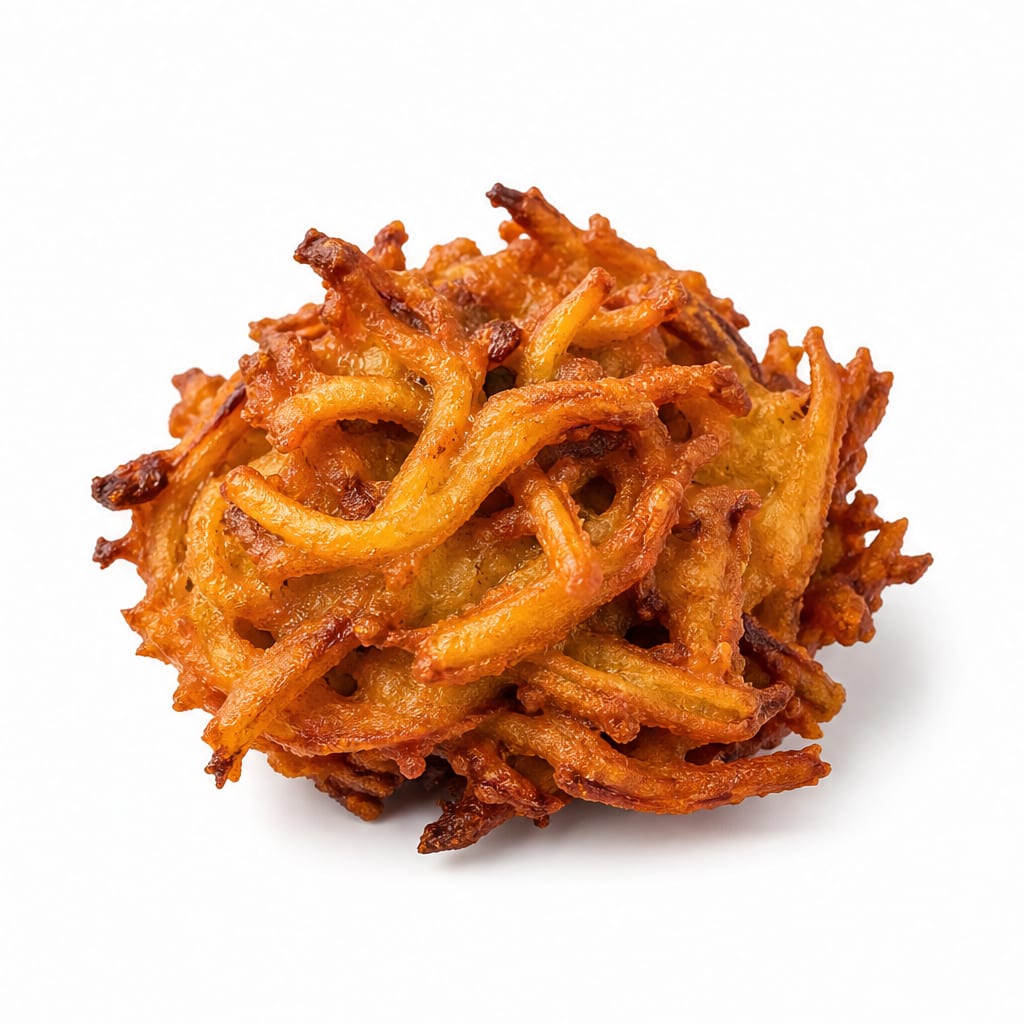
Compare with
Onion Bhaji
Onion bhajis are made from chickpea flour and onions, offering more fiber and protein than the refined flour and potato samosa.
Onion bhajis provide more fiber and protein from chickpea flour compared to the refined flour shell of a samosa, making them slightly better for blood sugar control.
Common questions
FAQ
Answers aligned with how people search for this food.
How many calories are in a single samosa?
A typical medium-sized restaurant samosa weighs about 100 grams and contains roughly 250 to 300 calories, mostly from fat and refined carbohydrates.
Can I eat samosa if I am trying to lose weight?
It is difficult to fit samosas into a weight loss diet due to their high calorie density and low satiety. If you want one, limit it to an occasional treat and account for the calories.
Is samosa good for diabetics?
No, samosas are bad for blood sugar control. The refined flour shell and starchy potato filling cause rapid glucose spikes, making them a poor choice for diabetics.
Are baked samosas healthier than fried?
Baked samosas are healthier because they contain significantly less fat and fewer calories, and they avoid the formation of harmful compounds from deep frying. However, they are still made of refined carbohydrates.
Why is samosa considered unhealthy?
Samosas are considered unhealthy because they are deep-fried, made from refined flour (maida), and lack significant fiber or protein, resulting in a high-calorie food that spikes blood sugar.
Does samosa have any nutritional benefits?
Samosas provide quick energy from carbohydrates and fats. If filled with peas or lentils, they offer small amounts of fiber and plant protein, but the nutritional drawbacks generally outweigh these benefits.
What is the glycemic index of a samosa?
The glycemic index of a typical potato samosa is high, estimated around 70 to 75, because the refined flour and potatoes digest quickly into glucose.
Can I make a healthy samosa at home?
Yes, you can make a healthier version by baking instead of frying, using whole wheat flour for the dough, and filling it with lean protein like chicken or high-fiber vegetables instead of just potatoes.
Transparency
Data confidence
Estimated confidence for nutrition data, interpretation, safety notes, and comparisons.
Nutrition data
Health analysis
Food safety
Comparisons