
Nutrition comparison
Samosa vs Vada: Which Indian Snack Is Healthier?
Compare Samosa and Vada nutrition, calories, protein, and health impact. Find out which deep-fried Indian snack is the smarter choice for your diet and lifestyle.
Overall winner · Vada
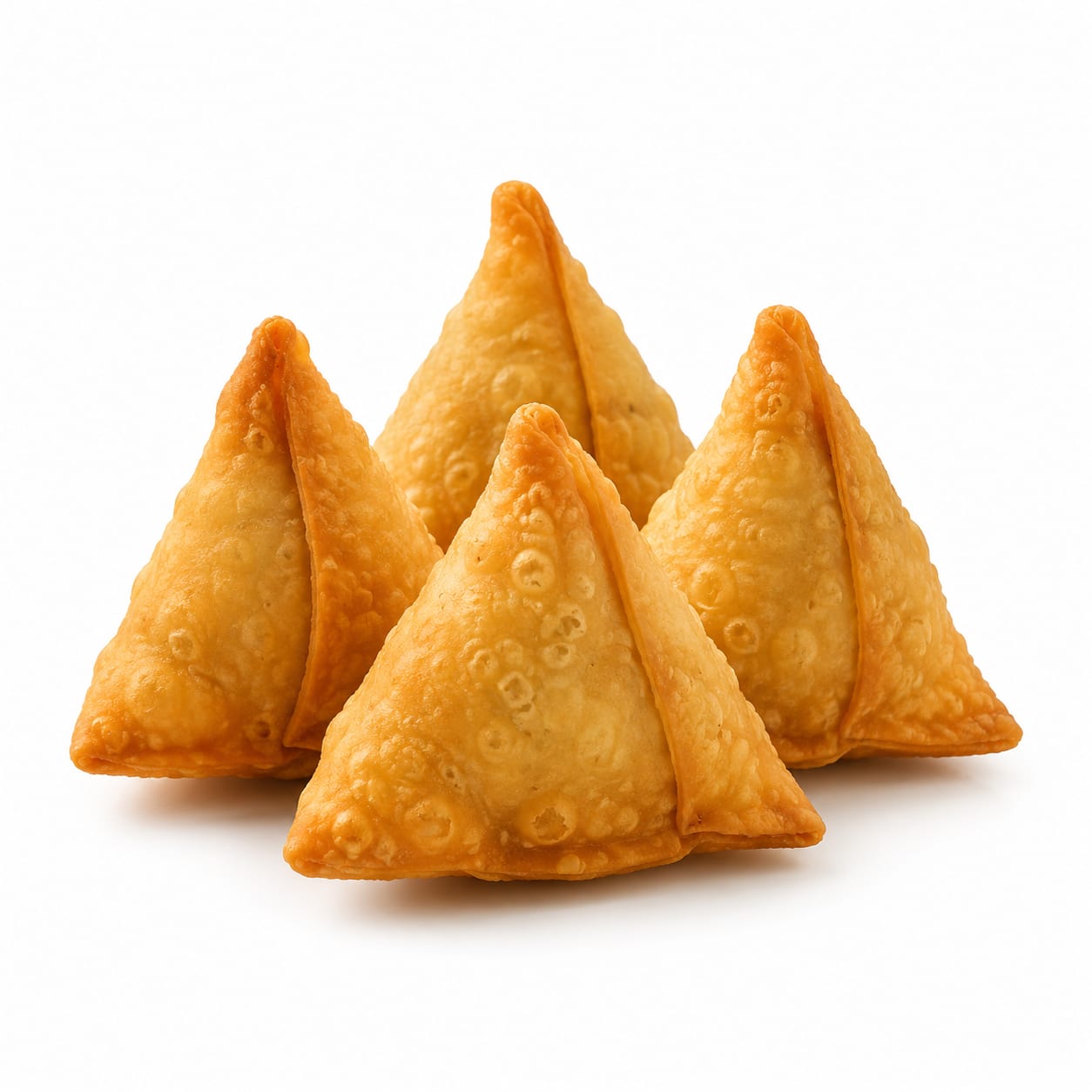
Samosa
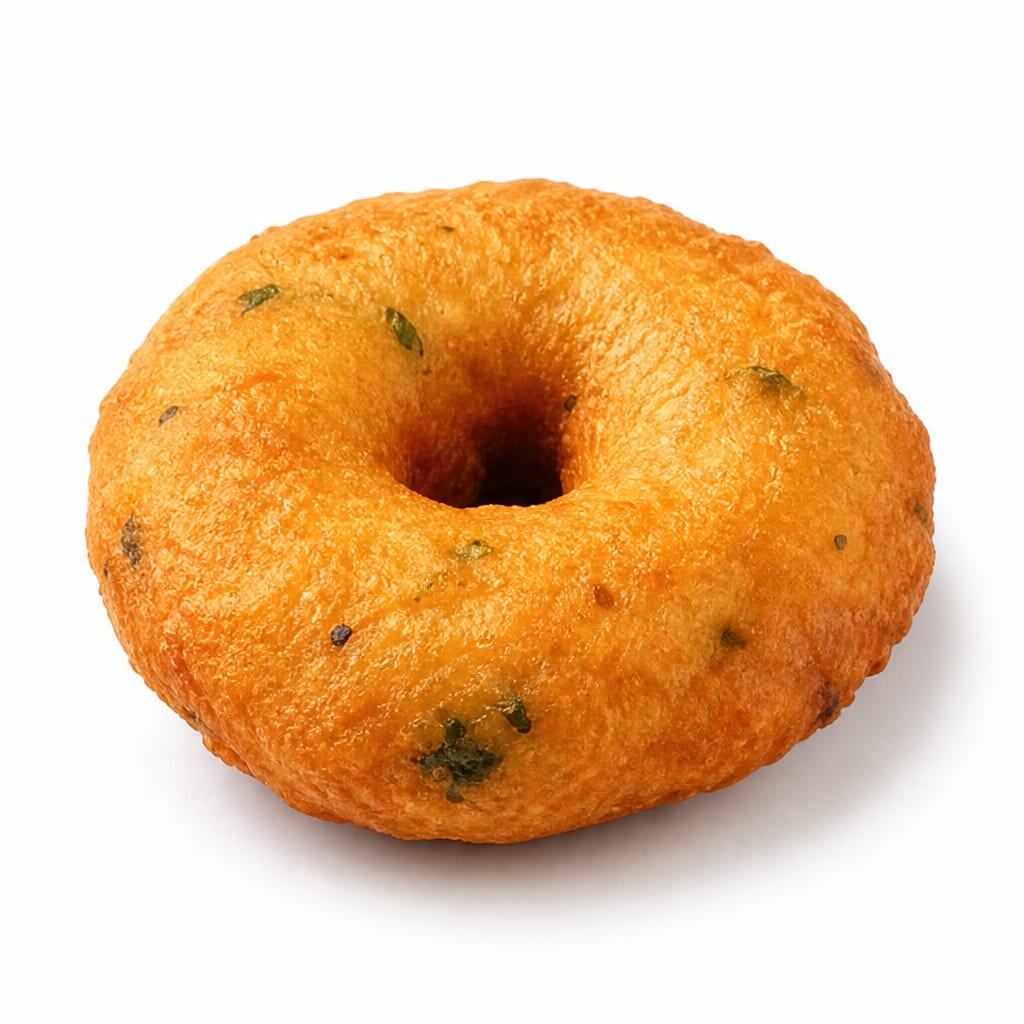
Vada
Vada edges ahead thanks to its lentil-based protein and lower refined carb load, but both are deep-fried indulgences that demand moderation.
Vada scores moderately higher due to its lentil protein advantage and absence of refined flour, but neither food scores well overall because both are deep-fried calorie-dense snacks with significant oil absorption and limited micronutrient density.
Samosa offers more satisfying filling variety but burdens you with refined flour and starchy potato; Vada delivers better protein but can be harder to digest and offers less flavor complexity.
At a glance
Executive summary
Overall
Vada
Healthier
Vada
More practical
It depends
Daily use
Vada
Key comparison lenses
Which Indian snack is less harmful for regular consumption
Both are deep-fried street foods users likely eat frequently, making cumulative health impact the primary concern
Protein and nutritional advantage comparison
Vada's lentil base versus Samosa's potato filling creates a meaningful macronutrient divergence users should understand
Digestive comfort and heaviness
Both foods are famously heavy and greasy, but they sit differently in the stomach due to their distinct compositions
Blood sugar impact and diabetes suitability
Refined flour and starchy potato in Samosa versus lentil carbs in Vada create different glycemic responses
Street food safety and hygiene
Both are commonly purchased from street vendors where oil quality and preparation hygiene vary significantly
Best choice for
Samosa
- People craving a more satisfying and flavorful snack experience
- Those wanting vegetable variety from the pea and potato filling
- Occasional indulgence where taste matters more than nutrition
Vada
- People prioritizing protein intake from plant sources
- Those avoiding refined wheat flour (maida)
- Anyone wanting steadier energy without the refined carb crash
Least suitable for
Samosa
- People with diabetes or insulin resistance
- Those avoiding refined carbohydrates
- Anyone monitoring calorie density closely
Vada
- People with sensitive digestion or IBS
- Those prone to bloating from lentils
- Anyone seeking a light snack
Deep comparison
Dimension by dimension
Each lens scores both foods and breaks down who each option suits.
- Dimension 1 · Priority 90Vada
Protein Quality and Quantity
Samosa · 18Vada · 62Vada's urad dal base provides substantially more protein than Samosa's potato-pea filling wrapped in refined flour.
Tradeoff
You gain meaningful plant protein with Vada but lose the textural satisfaction of a crispy pastry shell.
Why it matters
Protein helps you stay full longer and stabilizes blood sugar, which matters when eating a fried snack that could otherwise cause an energy crash.
Real-world impact
A Vada will keep you satisfied for an extra hour compared to a Samosa, which you may find yourself hungry again soon after eating.
Samosa
- Post-snack hunger returning quickly
- Minimal protein contribution to daily needs
Worse for
Vada
- Muscle maintenance during occasional snacking
- Longer lasting satiety between meals
- Blood sugar stability after eating
Better for
- Dimension 2 · Priority 85Vada
Blood Sugar Impact
Samosa · 22Vada · 48Samosa delivers a double hit of refined flour and starchy potato that spikes blood sugar faster than Vada's lentil-based carbs.
Tradeoff
Vada causes a gentler blood sugar rise but the deep frying still adds inflammatory fats that partially offset this benefit.
Why it matters
The refined flour crust combined with potato filling makes Samosa particularly problematic for anyone watching their blood sugar, as both components convert to glucose rapidly.
Real-world impact
After a Samosa you may feel a quick energy burst followed by a slump; Vada provides a more even energy curve despite still being fried.
Samosa
- Rapid blood sugar spike and drop
- Triggering cravings for more carbs shortly after
Worse for
Vada
- People with prediabetes or diabetes
- Those avoiding sugar crashes at work
- Anyone seeking steadier afternoon energy
Better for
- Still fried and not a low-glycemic food
- Oil content can slow digestion unpredictably
Worse for
- Dimension 3 · Priority 78Samosa
Digestive Comfort
Samosa · 45Vada · 32Samosa's potato filling is gentler on digestion for most people, while Vada's fermented urad dal can cause bloating and gas.
Tradeoff
Samosa sits more comfortably in most stomachs but the heavy oil from frying still makes it a challenge; Vada may cause bloating despite being protein-rich.
Why it matters
Urad dal is notoriously gas-producing for many people, and a deep-fried lentil preparation intensifies this effect, making Vada a risky choice for sensitive digestions.
Real-world impact
Eating Vada before a meeting or date could leave you uncomfortably bloated; Samosa is the safer bet for social situations despite being equally greasy.
Samosa
- People with sensitive stomachs
- Those prone to bloating or gas
- Eating before social situations
Better for
- Still heavy and greasy
Worse for
Vada
- Urad dal fermentation causes gas in many people
- Heavy feeling that lingers longer than Samosa
- Not suitable before physical activity
Worse for
- Dimension 4 · Priority 82It depends
Calorie Density and Weight Management
Samosa · 30Vada · 35Both are calorie bombs from deep frying, but Samosa's refined flour shell absorbs slightly more oil while Vada's lentil batter can be somewhat denser in calories per piece.
Tradeoff
Neither food supports weight goals; the choice comes down to which satisfies you more so you eat fewer pieces overall.
Why it matters
A single Samosa runs 250-300 calories and a Vada around 150-200 calories, but portion sizes vary wildly and people often eat multiple pieces of either.
Real-world impact
If one Samosa satisfies you as much as two Vadas, the Samosa is actually the lower-calorie choice in practice. But if you stop at one of either, Vada has a slight calorie edge.
Samosa
- People who find one Samosa sufficiently filling
Better for
- Refined flour shell absorbs significant oil
- Easy to overeat when served as part of a chaat plate
Worse for
Vada
- Those who prefer smaller snack portions
- Calorie counters eating single pieces
Better for
- Dense calorie payload in a small package
- Often eaten in multiples with chutneys adding more calories
Worse for
- Dimension 5 · Priority 65Vada
Nutritional Micronutrient Value
Samosa · 25Vada · 45Vada's urad dal provides iron, folate, and B vitamins that Samosa's potato filling and maida shell simply cannot match.
Tradeoff
The micronutrient advantage is real but modest since deep frying degrades heat-sensitive vitamins in both foods significantly.
Why it matters
Urad dal is naturally rich in iron and folate, nutrients many Indian diets are deficient in. Even after frying, some of this nutritional value survives.
Real-world impact
Choosing Vada occasionally contributes small amounts of iron and folate to your diet, while Samosa offers almost nothing beyond empty calories from refined carbs and oil.
Samosa
- Essentially empty calories from refined flour and potato
- No meaningful micronutrient contribution
Worse for
Vada
- Iron intake support for vegetarians
- Folate contribution for women of childbearing age
- B-vitamin intake from lentils
Better for
- Frying destroys significant portion of heat-sensitive vitamins
- Iron absorption limited without vitamin C pairing
Worse for
- Dimension 6 · Priority 80Vada
Refined Carbohydrate and Processing Concern
Samosa · 15Vada · 55Samosa's maida shell is highly refined wheat flour with minimal fiber; Vada uses whole soaked lentils as its base, avoiding refined carbs entirely.
Tradeoff
Avoiding maida is a clear nutritional win for Vada, but you sacrifice the flaky pastry texture that makes Samosa so craveable.
Why it matters
Refined flour is stripped of fiber and nutrients, promotes inflammation, and is linked to metabolic issues when consumed regularly. Vada's lentil base sidesteps this problem entirely.
Real-world impact
If you eat Indian snacks weekly, choosing Vada over Samosa meaningfully reduces your refined flour exposure, which compounds into real metabolic benefits over months and years.
Samosa
- Regular maida consumption linked to inflammation
- Contributes to refined flour intake that adds up across meals
Worse for
Vada
- People avoiding maida for health reasons
- Those reducing refined grain consumption
- Anyone following a whole-foods-leaning diet
Better for
Timeline
Health impact over time
Short-term
Hours to days
Samosa
- Quick energy spike from refined carbs followed by a crash within 1-2 hours
- Heavy greasy feeling in the stomach from oil-soaked pastry
- Possible heartburn from deep-fried refined flour
Vada
- More sustained energy from lentil protein but still weighed down by frying oil
- Bloating and gas within a few hours due to urad dal fermentation
- Thirst from high sodium content in the batter
Long-term
Months to years
Samosa
- Regular consumption contributes to refined flour exposure linked to metabolic syndrome
- Repeated intake of reused frying oil increases inflammatory burden
- Starchy potato and maida combination worsens insulin sensitivity over time
Vada
- Better protein intake supports muscle maintenance if eaten occasionally
- Urad dal provides consistent iron and folate contribution even in fried form
- Deep frying still poses the same long-term cardiovascular risks as Samosa
Risk profile
Safety & processing
Samosa uses refined wheat flour (maida) which is a processed ingredient, and commercial versions often contain preservatives in the dough. Vada uses whole soaked lentils with minimal processing beyond grinding and frying, making it closer to a whole-food preparation despite the deep frying.
Samosa
Reused frying oil degradation
highStreet vendors and many restaurants reuse oil repeatedly for Samosa frying, creating trans fats and oxidized compounds linked to inflammation and cardiovascular damage.
Contaminated filling from improper storage
mediumThe potato-pea filling if left unrefrigerated can harbor bacterial growth, especially in warm climates where Samosas are commonly sold.
Vada
Reused frying oil degradation
highSame oil reuse problem as Samosa; Vada is always deep-fried and vendors typically use the same oil batch throughout the day.
Urad dal fermentation overgrowth
lowIf the dal soaking and grinding process is not hygienic, unwanted bacterial fermentation can occur alongside the desired fermentation, though this is relatively uncommon.
Who wins for whom
Audience fit
Same foods, different winners depending on your goal.
children
SamosaChildren generally prefer Samosa's milder potato filling and crispy texture, and the potato is easier on young digestive systems than fermented urad dal.
daily consumption
VadaNeither should be eaten daily, but if forced to choose, Vada's protein and micronutrient content makes it the less harmful regular option.
diabetes
VadaVada avoids the refined flour and starchy potato combination that makes Samosa particularly problematic for blood sugar management.
elderly
SamosaSamosa's softer potato filling is easier to chew and gentler on aging digestive systems that struggle with lentil-based foods.
muscle gain
VadaUrad dal provides meaningful plant protein that contributes to muscle maintenance, while Samosa offers negligible protein content.
weight loss
VadaVada has slightly fewer calories per piece and more protein to keep you satisfied, though neither food is recommended for weight loss goals.
Your move
Decision guide
Choose Samosa
- You want a more satisfying and complex flavor experience with chutneys
- Your digestion is sensitive and lentils cause you discomfort
- You are eating occasionally and prioritizing enjoyment over nutrition
- You are sharing snacks with children who prefer milder flavors
Choose Vada
- You want more protein and better nutritional value from your snack
- You are avoiding refined flour (maida) for health reasons
- Blood sugar management is a concern for you
- You want something slightly less calorie-dense per piece
Either works if
- You are eating only as an occasional treat once or twice a month
- You pair it with a protein-rich main dish to balance the meal
- You have access to a clean vendor that uses fresh oil
Avoid both if
- You have active heart disease or high cholesterol and need to minimize fried food
- You are managing diabetes strictly and cannot afford blood sugar spikes
- You are trying to lose weight and cannot budget 200-300 calories for a snack
- You have gallbladder issues that make deep-fried foods painful to digest
Final recommendation
If you must choose between these two deep-fried indulgences, Vada is the nutritionally smarter pick thanks to its lentil protein and absence of refined flour. But the real advice is to treat both as occasional pleasures rather than regular snacks, and always seek out vendors who use fresh oil. Pair either with a side of sambar or a protein-rich dish to blunt the blood sugar impact and make the meal more balanced.
Practical
Consumer tips
- 1
Ask your vendor how often they change their frying oil. Fresh oil makes a significant difference in health impact for both snacks.
- 2
If making at home, try baking or air-frying instead of deep frying. Both Samosa and Vada can be made with far less oil this way.
- 3
Pair either snack with sambar or a dal side dish to add protein and fiber, which slows down sugar absorption from the fried carb.
- 4
Eat either snack with a fresh chutney rather than sweet tamarind chutney to avoid adding more sugar to an already carb-heavy snack.
- 5
If choosing Samosa, consider the baked version available at some health-conscious outlets. It sacrifices some crispness but dramatically reduces oil content.
- 6
Limit yourself to one piece regardless of which you choose. The second one always tastes less special and costs more in health terms.