
Nutrition comparison
Samosa vs Pakora: Which Fried Snack is Healthier?
Compare Samosa vs Pakora to see which Indian snack is better for blood sugar, weight loss, and daily nutrition. Discover the surprising impact of flour choice.
Overall winner · Pakora
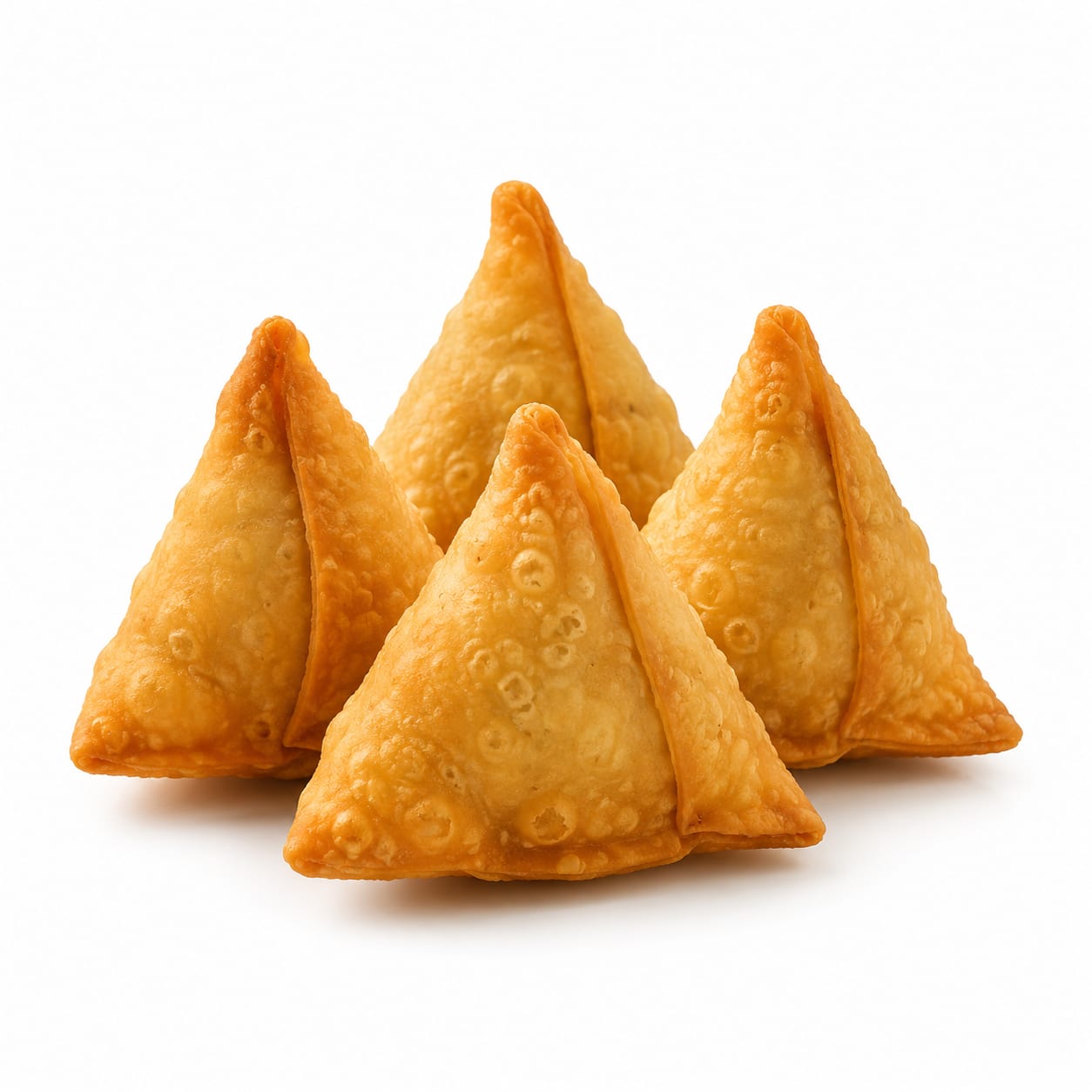
Samosa
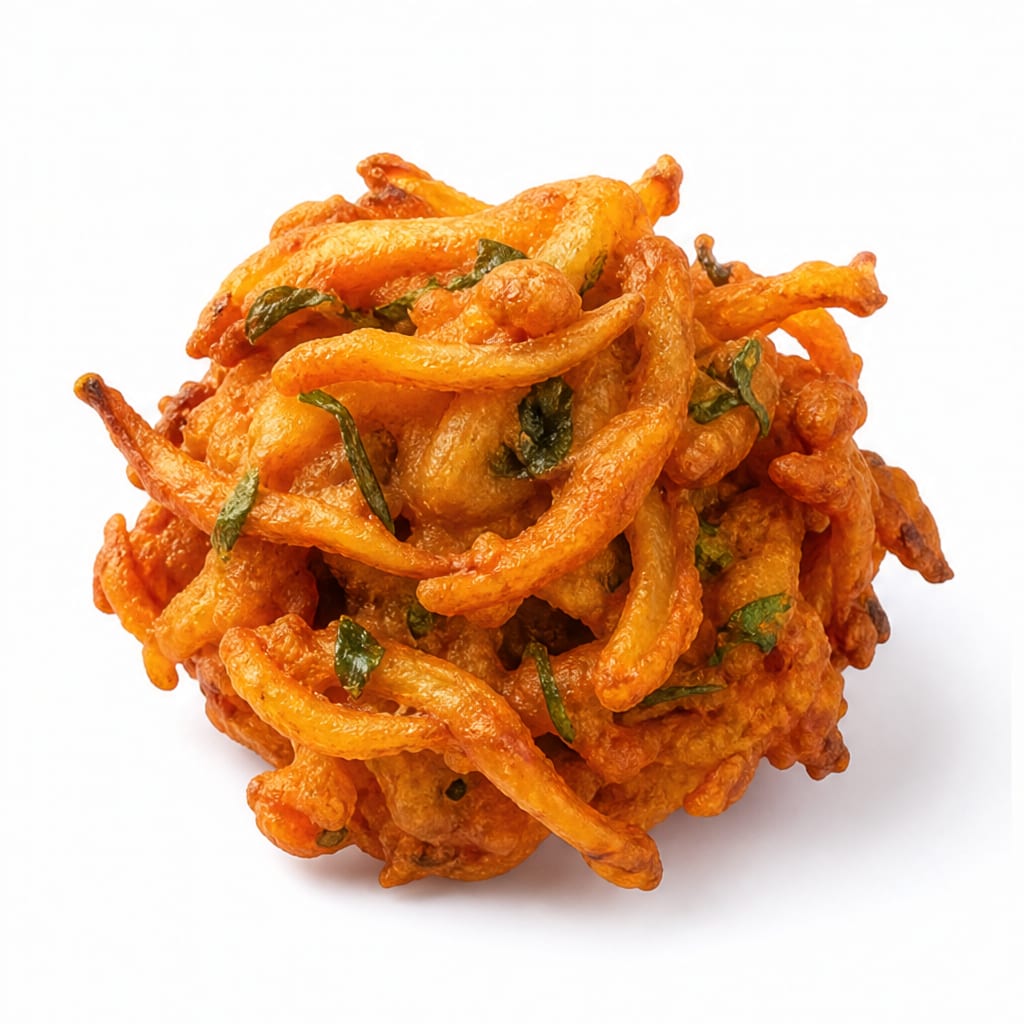
Pakora
Pakora edges out Samosa thanks to chickpea flour's protein and fiber, while Samosa's refined flour shell spikes blood sugar faster.
Neither is a health food, but Pakora scores higher due to the nutritional superiority of chickpea flour over refined wheat flour.
Samosa offers a more filling, hearty bite but relies on refined carbs, whereas Pakora delivers better micronutrients and steadier energy despite absorbing more surface oil.
At a glance
Executive summary
Overall
Pakora
Healthier
Pakora
More practical
It depends
Daily use
Pakora
Key comparison lenses
Choosing the less harmful deep-fried snack
Both are traditional fried foods, so minimizing the health damage is the primary concern.
Blood sugar impact of flour choices
Samosa uses refined wheat flour while Pakora uses chickpea flour, creating a massive difference in glycemic response.
Nutritional density of indulgent foods
Users want to know if either snack offers any actual nutrients alongside the calories.
Best choice for
Samosa
- Hearty appetites needing dense calories
- Those preferring a substantial, meal-like snack
Pakora
- People managing blood sugar
- Those seeking slightly more protein and fiber
Least suitable for
Samosa
- People with gluten sensitivity or celiac
- Those strictly avoiding refined carbs
Pakora
- People watching total fat intake from deep-frying
- Those sensitive to high-fiber legumes
Deep comparison
Dimension by dimension
Each lens scores both foods and breaks down who each option suits.
- Dimension 1 · Priority 90Pakora
Blood Sugar Stability
Samosa · 25Pakora · 55Pakora's chickpea flour batter slows down sugar absorption, while Samosa's refined flour shell and potato filling cause a rapid spike.
Tradeoff
You trade the satisfying, dense chew of a Samosa for a gentler blood sugar response with Pakora.
Why it matters
Avoiding sugar spikes prevents the afternoon energy crash and reduces cravings later.
Real-world impact
Eating Samosas might leave you hungry again in an hour; Pakoras offer steadier energy.
Samosa
- Diabetics
- Those with insulin resistance
Worse for
Pakora
- Diabetics
- People prone to energy crashes
Better for
- Dimension 2 · Priority 85Pakora
Nutritional Value & Protein
Samosa · 30Pakora · 60Chickpea flour in Pakoras brings plant protein and iron, whereas Samosa's refined flour shell is mostly empty carbs.
Tradeoff
Pakora gives you more actual nutrients per bite, while Samosa's dough adds calories without much benefit.
Why it matters
Getting protein and micronutrients even from snacks helps maintain muscle and prevent deficiencies.
Real-world impact
A few Pakoras actually contribute to your daily protein and iron needs, unlike Samosas which just fill you up.
Samosa
- Those needing nutrient-dense calories
Worse for
Pakora
- Vegetarians needing protein
- Those with iron needs
Better for
- Dimension 3 · Priority 75Samosa
Satiety & Fullness
Samosa · 70Pakora · 55Samosa's dense potato filling and thick dough make it heavier and more filling per piece than a typical Pakora.
Tradeoff
Samosa kills hunger faster, but the fullness fades quickly due to the blood sugar crash.
Why it matters
Feeling physically full after eating prevents overconsumption of other foods.
Real-world impact
Two Samosas can easily replace a light meal, while Pakoras feel more like a passing snack.
Samosa
- Very hungry individuals
- Replacing a full meal
Better for
Pakora
- Those needing long-lasting fullness
Worse for
- Dimension 4 · Priority 70It depends
Oil Absorption & Fat Quality
Samosa · 35Pakora · 35Both are deep-fried, but Pakoras can absorb more oil due to the bumpy batter surface, while Samosas hold oil in their dense crust.
Tradeoff
Pakoras might actually deliver more frying oil per bite, but Samosas aren't far behind.
Why it matters
High oil intake from deep frying adds empty calories and potential inflammatory fats.
Real-world impact
Regardless of your choice, blotting both with a paper towel saves you a surprising amount of grease.
Samosa
- People watching calorie intake
Worse for
Pakora
- People watching calorie intake
Worse for
Timeline
Health impact over time
Short-term
Hours to days
Samosa
- Quick energy spike followed by a crash
- Feeling heavy and sluggish due to dense dough and potato
Pakora
- Steadier energy from chickpea flour
- Possible slight bloating if sensitive to chickpea fiber
Long-term
Months to years
Samosa
- Increased risk of insulin resistance from refined carbs
- Weight gain from high calorie density and empty carbs
Pakora
- Better blood sugar management from low-GI flour
- Potential inflammatory effects from frequent deep-fried food
Risk profile
Safety & processing
Both are traditional homemade-style foods with simple ingredients, but Samosa's reliance on refined flour makes it slightly more processed than Pakora's whole-grain chickpea flour.
Samosa
Stale oil toxicity
mediumStreet vendors often reuse frying oil, creating harmful compounds; Samosa's thick crust soaks this up.
Pakora
Stale oil toxicity
mediumPakora's bumpy batter surface area absorbs even more reused oil than Samosas.
Who wins for whom
Audience fit
Same foods, different winners depending on your goal.
children
SamosaKids often prefer the softer, less spicy potato filling of Samosas over the sometimes gritty texture of Pakoras.
daily consumption
PakoraNeither should be eaten daily due to deep frying, but Pakora's superior nutritional profile makes it the lesser of two evils.
diabetes
PakoraBesan (chickpea flour) has a much lower glycemic index than maida (refined wheat flour), causing less blood sugar disruption.
elderly
PakoraBetter blood sugar control and easier digestion of besan compared to heavy maida dough make Pakoras a gentler choice.
muscle gain
PakoraChickpea flour offers a small but meaningful amount of plant protein, whereas Samosa provides almost none.
weight loss
PakoraPakora's higher protein and fiber provide more satiety per calorie, and the lack of refined carbs prevents intense cravings.
Your move
Decision guide
Choose Samosa
- You want a hearty, meal-replacing snack
- You crave the satisfying crunch of a stuffed pastry
- Potato-filled comfort food is what you are after
Choose Pakora
- You want to avoid refined flour
- You need steadier energy without a crash
- You prefer a lighter, crunchier bite with more nutrient density
Either works if
- You are sharing appetizers at a restaurant
- You want a traditional fried treat and plan to balance the rest of your day
Avoid both if
- You have high cholesterol or heart conditions
- You are strictly cutting calories or fat
- You are eating at a street stall with visibly old frying oil
Final recommendation
If you must indulge, go for Pakora to avoid the refined carbs and blood sugar spike of Samosa, but always blot the excess oil and keep portions small.
Practical
Consumer tips
- 1
Blot your Samosa or Pakora with a paper napkin immediately to remove surface oil; you will save dozens of calories.
- 2
Opt for baked versions if available; they sacrifice a little crunch but eliminate the stale oil risk.
- 3
Pair either snack with a side of yogurt or a protein-rich drink to blunt the blood sugar impact and increase fullness.