
Nutrition comparison
Samosa vs Kachori: Which Fried Snack Is Better?
Compare Samosa and Kachori to see which Indian snack fits your goals. Learn about the nutritional differences, calorie counts, and health impacts of these popular treats.
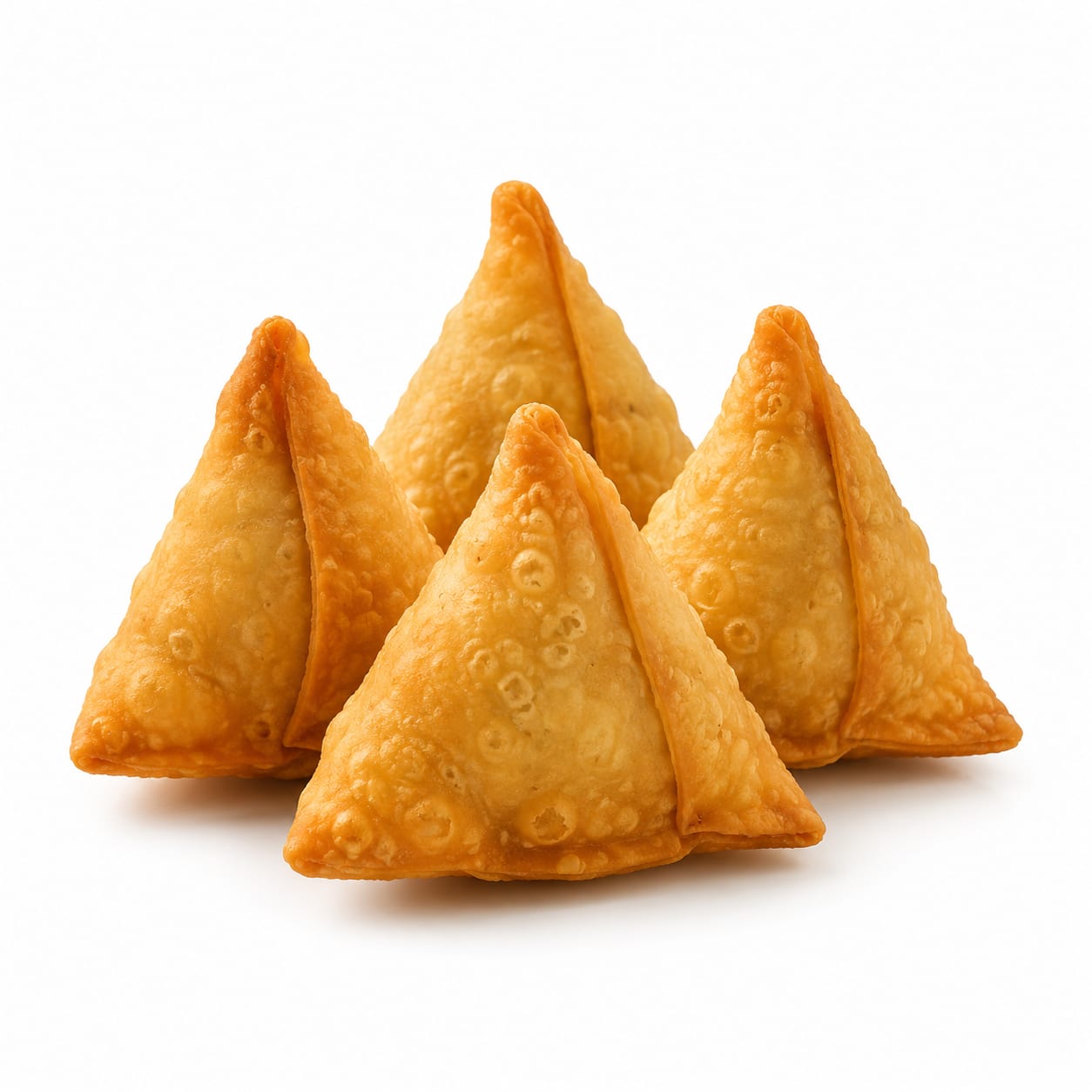
Samosa
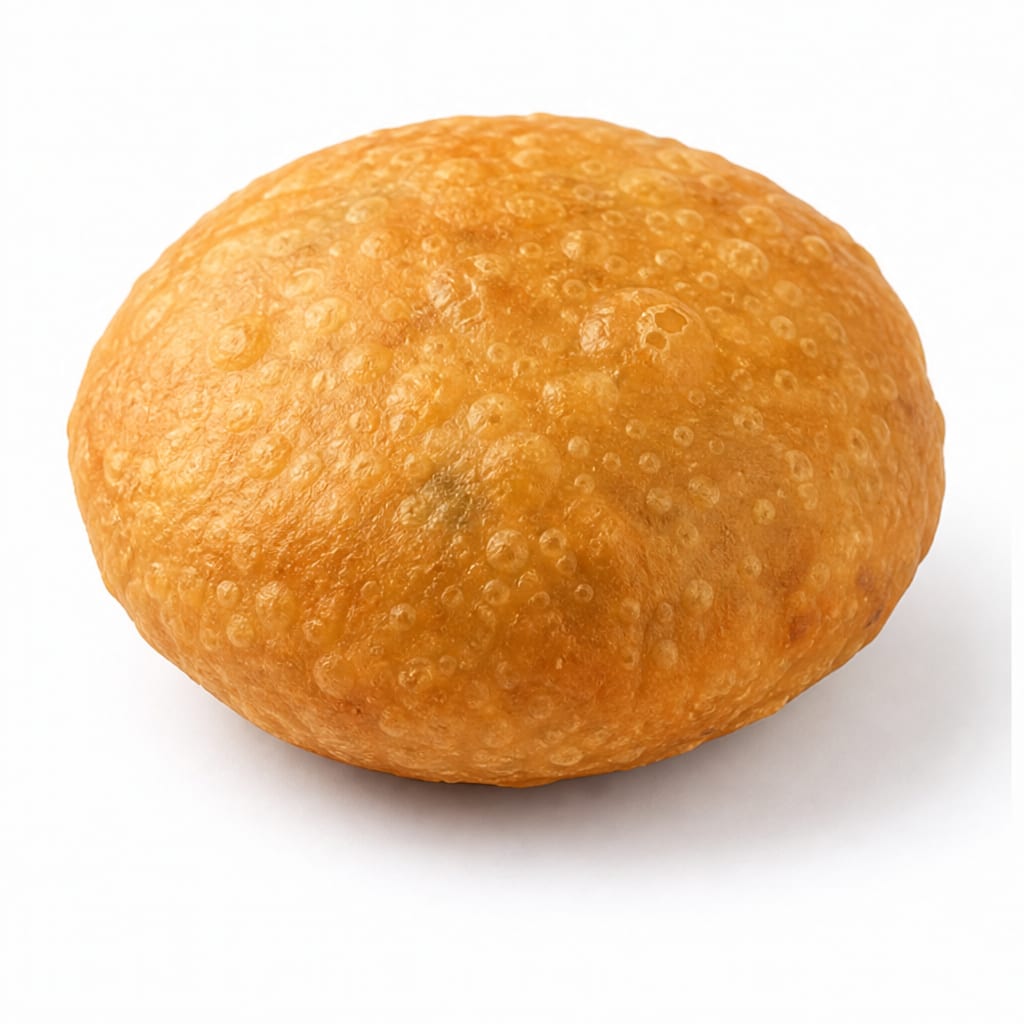
Kachori
Samosa and Kachori are both deep-fried indulgences with refined flour crusts, but their fillings drive the slight nutritional differences.
Both score similarly low due to deep frying and refined flour, but Samosa edges out slightly due to wider accessibility and a lighter vegetable filling, while Kachori is marginally denser in calories and oil.
Samosa offers a familiar potato-pea filling with slightly more vitamin C, while Kachori's lentil filling provides a bit more protein and iron.
At a glance
Executive summary
Overall
It depends
Healthier
It depends
More practical
Samosa
Daily use
It depends
Key comparison lenses
Snack selection for indulgence vs satiety
Both are deep-fried snacks, so the main choice is about flavor preference, filling type, and how they impact fullness.
Blood sugar impact
Both use refined flour and starchy fillings, making glycemic response a key concern.
Oil quality and frying risks
Deep frying introduces trans fat and acrylamide risks, especially from street vendors who reuse oil.
Best choice for
Samosa
- Quick satisfying snack with a familiar taste
- Those preferring a lighter vegetable filling
- Accessible street food option almost everywhere
Kachori
- Those seeking slightly higher protein from lentil filling
- People wanting a denser, more filling snack
- Fans of flaky, rich pastry textures
Least suitable for
Samosa
- People strictly limiting simple carbohydrates
- Those avoiding nightshades like potatoes
Kachori
- People with sensitive digestion prone to bloating from lentils
- Those watching their fat intake closely due to flaky oil-heavy crust
Deep comparison
Dimension by dimension
Each lens scores both foods and breaks down who each option suits.
- Dimension 1 · Priority 85Kachori
Satiety and Fullness
Samosa · 60Kachori · 65Kachori's lentil-based filling offers slightly more protein and sustained fullness compared to Samosa's potato filling.
Tradeoff
The denser lentil filling in Kachori can also be heavier on the stomach and cause bloating for some.
Why it matters
A more filling snack prevents overeating later, though both are calorie-dense.
Real-world impact
One Kachori might keep you full longer than one Samosa, but you might feel overly stuffed or sluggish.
Samosa
- Lighter snacking between meals
Better for
- Quick energy crash from potato carbs
Worse for
Kachori
- Staving off hunger for longer stretches
Better for
- Post-snack sluggishness or bloating
Worse for
- Dimension 2 · Priority 90It depends
Blood Sugar Stability
Samosa · 30Kachori · 32Both are deep-fried refined flour shells, but Samosa's potato filling spikes blood sugar faster, while Kachori's dal slows it slightly.
Tradeoff
The fat in both slows down carb absorption, but the refined flour base remains a major glycemic liability.
Why it matters
Frequent blood sugar spikes from refined carbs lead to energy crashes and cravings.
Real-world impact
Expect an initial energy rush followed by a slump an hour later with either snack.
Samosa
- Faster blood sugar spike from starchy potato filling
Worse for
Kachori
- Slightly slower carb release due to lentil fiber and protein
Better for
- Dimension 3 · Priority 80Samosa
Calorie and Fat Density
Samosa · 35Kachori · 30Samosas are typically slightly lower in calories per piece than the densely packed, flakier Kachori.
Tradeoff
Kachori's flaky texture requires more oil or ghee in the dough, driving up the fat content significantly.
Why it matters
Hidden calories from frying oil can easily derail weight management goals.
Real-world impact
Eating two Kachoris can easily surpass 400 calories, while two Samosas might be closer to 350.
Samosa
- Slightly lower calorie count per piece
Better for
Kachori
- Higher fat and calorie load from the flaky pastry
Worse for
- Dimension 4 · Priority 60It depends
Micronutrient Profile
Samosa · 40Kachori · 42Samosa provides a bit more Vitamin C from peas and potatoes, while Kachori offers more iron and folate from lentils.
Tradeoff
Neither is a significant source of vitamins, but the fillings offer trace benefits depending on your dietary gaps.
Why it matters
Even indulgent snacks carry small nutritional profiles based on their core ingredients.
Real-world impact
The nutritional difference is negligible in a balanced diet, but lentils add a slight edge for vegetarians needing iron.
Samosa
- Trace Vitamin C from peas and potatoes
Better for
- Lacking in significant protein or iron
Worse for
Kachori
- More iron and folate from the lentil filling
Better for
- Minimal vegetable vitamin content
Worse for
Timeline
Health impact over time
Short-term
Hours to days
Samosa
- Quick energy boost from simple carbs
- Possible heartburn from fried food and spices
Kachori
- High feeling of fullness
- Potential bloating or gas from the dal filling and heavy grease
Long-term
Months to years
Samosa
- Weight gain if consumed frequently
- Increased risk of metabolic issues from refined flour and reused frying oil
Kachori
- Weight gain due to high caloric density
- Potential cardiovascular concerns from high fat content and trans fats from street-side frying
Risk profile
Safety & processing
Both rely on refined wheat flour and deep frying, placing them squarely in the processed food category with similar additive concerns like baking soda and poor quality frying oils.
Samosa
Reused frying oil
highStreet vendors often reuse oil, creating harmful free radicals and trans fats.
Hygiene in preparation
mediumHand-made snacks prepared in unregulated environments can carry bacterial contamination.
Kachori
Reused frying oil
highSimilar to Samosa, the deep frying process in reused oil is a major health hazard.
Spoiled filling
mediumMoist lentil fillings can spoil faster than dry potato fillings if left unrefrigerated.
Who wins for whom
Audience fit
Same foods, different winners depending on your goal.
children
SamosaSamosa's potato filling is usually more kid-friendly and easier to digest than spiced lentils.
daily consumption
It dependsNeither should be consumed daily due to high fat, refined flour, and deep-frying risks.
diabetes
It dependsBoth are deep-fried refined carbs that spike blood sugar; Kachori's dal offers a trivial improvement in glycemic control.
elderly
SamosaSamosa is slightly easier to chew and gentler on digestion than the dense, sometimes hard Kachori.
muscle gain
KachoriKachori's lentil filling provides marginally more protein, though neither is ideal for muscle gain.
weight loss
It dependsNeither is good for weight loss, but Samosa has slightly fewer calories per piece.
Your move
Decision guide
Choose Samosa
- You want a widely available, lighter-tasting snack
- You prefer a potato and pea filling over lentils
- You want something slightly lower in calories
Choose Kachori
- You crave a richer, flakier pastry
- You want a snack that keeps you full for longer
- You prefer the earthy taste of spiced lentils
Either works if
- You are simply craving a deep-fried indulgence
- You need a quick, satisfying street food bite
- You are sharing snacks with friends and want variety
Avoid both if
- You have severe acid reflux or IBS triggered by fried foods
- You are strictly managing blood sugar or heart disease
- You are trying to lose weight
Final recommendation
Choose Samosa for a slightly lighter, more accessible snack, or Kachori when you want something denser and more filling. Enjoy either occasionally, as both are deep-fried indulgences best kept as rare treats rather than daily habits.
Practical
Consumer tips
- 1
Ask if the oil has been changed recently when buying from street vendors to reduce trans fat exposure.
- 2
Pair either snack with a side of fresh yogurt or chutney to add probiotics and aid digestion.
- 3
Consider baked versions at home to enjoy the flavors with a fraction of the fat and calories.
- 4
Limit portion size to one piece to avoid excessive calorie intake.