
Nutrition comparison
Samosa vs Dumpling: Which Is Healthier? Nutrition Comparison and Winner
Samosa vs dumpling nutrition breakdown comparing calories, fat, protein, and health impact. Find out which snack is better for weight loss, heart health, and daily eating.
Overall winner · Dumpling
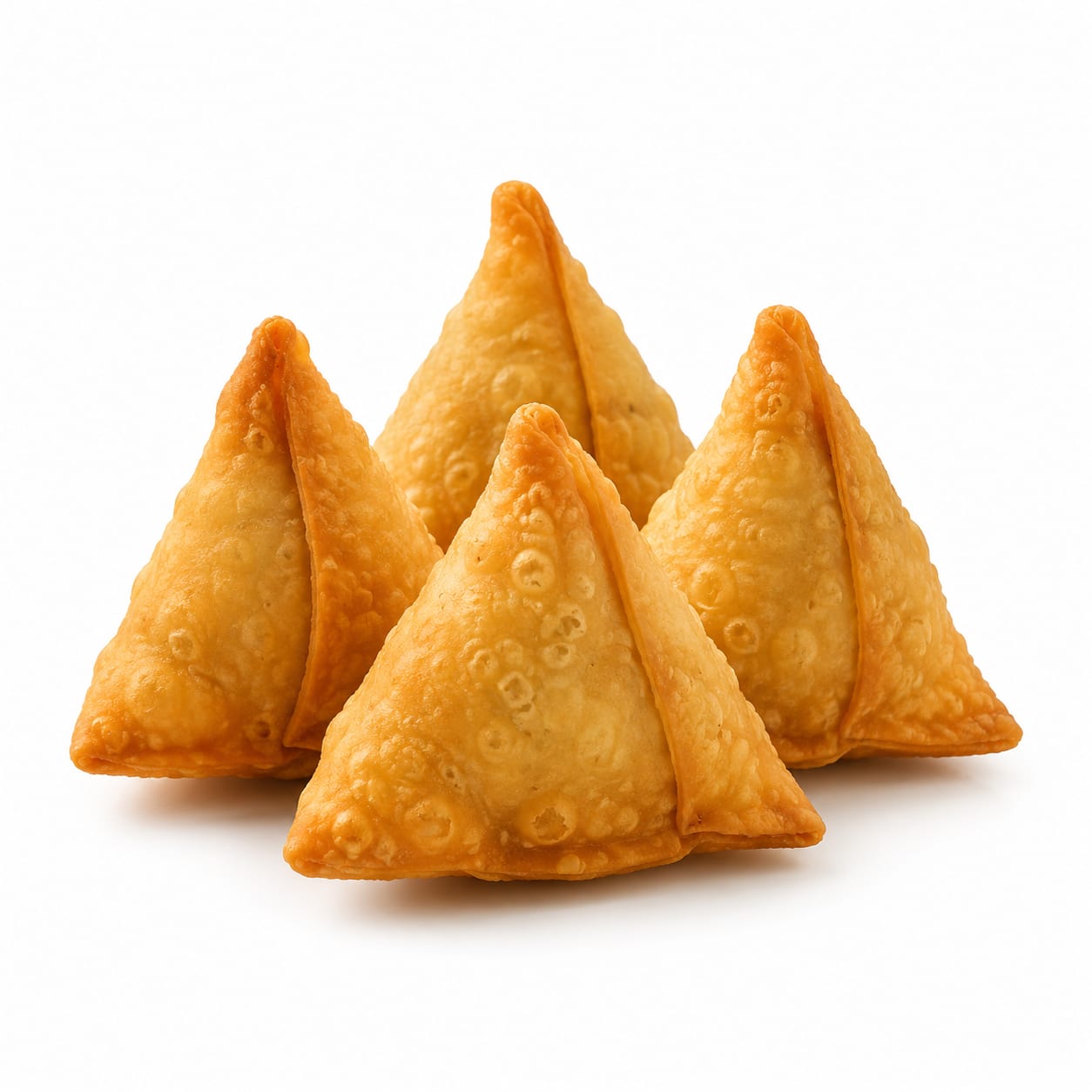
Samosa
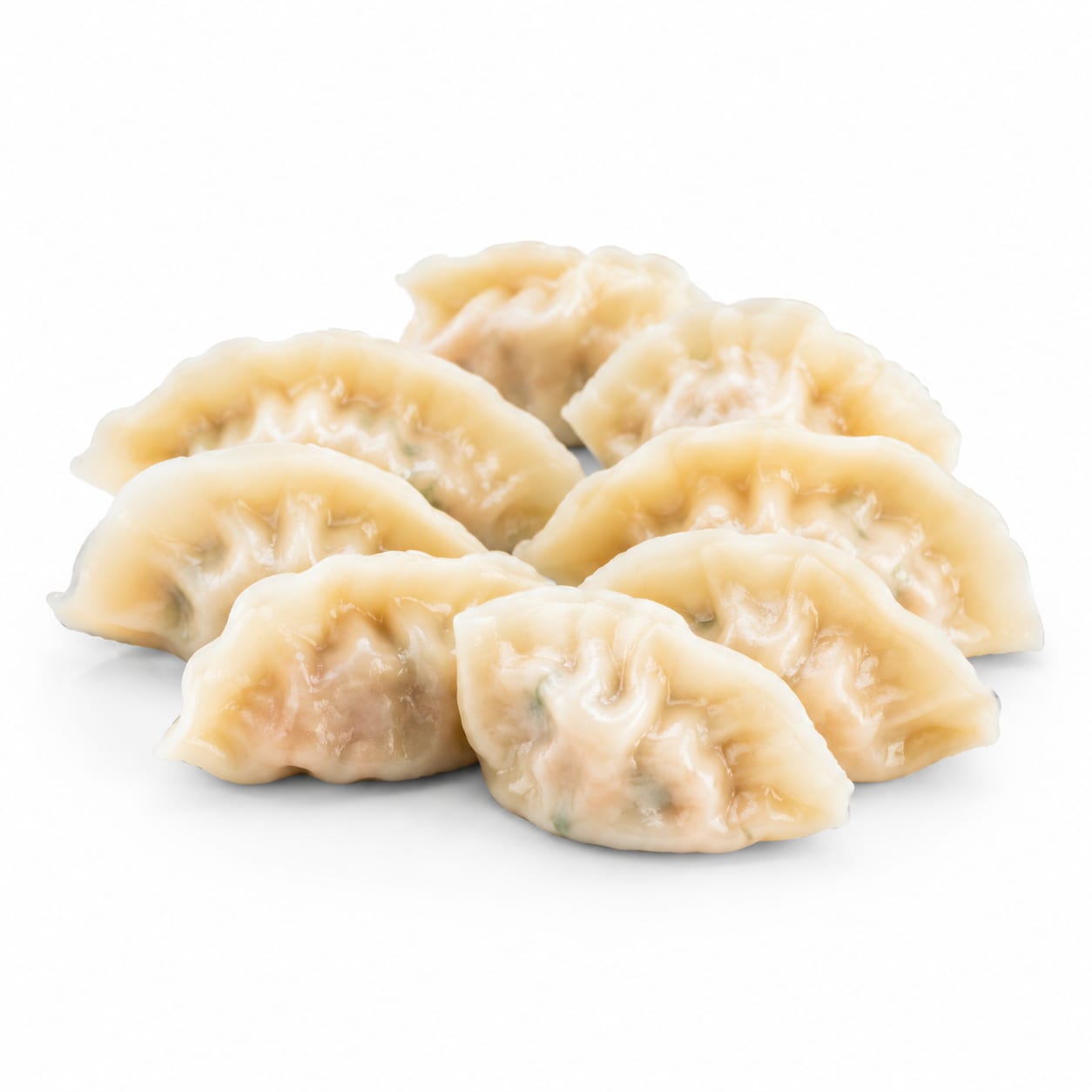
Dumpling
Dumplings generally edge out samosas thanks to lighter cooking methods and better protein content, but the gap narrows dramatically if you compare fried dumplings to baked samosas.
Dumplings score notably higher primarily due to cooking method flexibility and superior protein content. Samosas lose significant ground on calorie density and fat load from deep-frying. The moderate confidence reflects how preparation variations can shift outcomes substantially.
Samosas deliver bolder flavor and crunch but at a heavy calorie cost from deep-frying, while dumplings offer a lighter, more protein-forward bite especially when steamed.
At a glance
Executive summary
Overall
Dumpling
Healthier
Dumpling
More practical
Dumpling
Daily use
Dumpling
Key comparison lenses
calorie density and weight management
Samosas are deep-fried making them significantly more calorie-dense than steamed dumplings, a critical factor for anyone watching their weight
fat content and cooking method
The frying vs steaming difference is the single biggest nutritional divider between these two foods
protein quality and satiety
Dumplings often contain meat or seafood fillings providing better protein, while samosas rely more on starchy potatoes
blood sugar impact
Both use refined flour wrappers but samosas add deep-fried starch on top of carb-heavy potato filling
sodium and heart health
Both can be high in sodium but dumplings often come with salty dipping sauces that add significantly
portion control and eating behavior
Dumplings are smaller and easier to portion; samosas are larger and more tempting to overeat
Best choice for
Samosa
- Craving something crunchy and deeply satisfying
- Need a hearty appetizer that feels like a complete snack
- Want bold, complex spice flavors in one bite
Dumpling
- Looking for a lighter meal that will not leave you sluggish
- Prioritizing protein intake from meat or seafood fillings
- Want portion control with smaller, bite-sized pieces
Least suitable for
Samosa
- Anyone actively managing heart disease or high cholesterol
- People tracking calories closely for weight loss
- Those with GERD or acid reflux triggered by fried foods
Dumpling
- Strict vegetarians at restaurants where fillings are unclear
- People with soy allergies due to common dipping sauces
- Those avoiding pork which is a default filling in many places
Deep comparison
Dimension by dimension
Each lens scores both foods and breaks down who each option suits.
- Dimension 1 · Priority 92Dumpling
Calorie Density and Weight Management
Samosa · 25Dumpling · 60A single samosa packs roughly 250-300 calories, while a steamed dumpling averages 40-80 calories each. You could eat four steamed dumplings for the calorie cost of one samosa.
Tradeoff
Samosas are more filling per piece but at such high calorie density that the satiety-to-calorie ratio is poor. Dumplings let you eat more volume for fewer calories.
Why it matters
If you eat these regularly, the calorie difference compounds fast. Two samosas as a snack is 500+ calories; six dumplings is around 300-480.
Real-world impact
That afternoon samosa with chai can quietly add 300 calories before dinner. A plate of steamed dumplings feels like a proper mini-meal for similar or fewer calories.
Samosa
- When you only want one item and need it to feel substantial
Better for
- Daily snacking habits
- Anyone counting calories
Worse for
Dumpling
- Consistent weight management
- Eating with others where you want multiple pieces without guilt
Better for
- Situations where you need high calorie intake conveniently
Worse for
- Dimension 2 · Priority 90Dumpling
Fat Content and Cooking Method
Samosa · 20Dumpling · 65Samosas are almost always deep-fried, absorbing significant oil into the pastry shell. Dumplings can be steamed, boiled, or pan-fried, giving you control over fat content.
Tradeoff
The crunch and richness of a fried samosa comes from oil absorption that adds 15-20g of fat per piece. Steamed dumplings deliver satisfying flavor with a fraction of that fat.
Why it matters
Regular intake of deep-fried foods raises LDL cholesterol and inflammatory markers. The cooking method difference here is not minor—it is the defining nutritional gap.
Real-world impact
Eating two samosas means consuming roughly 30-40g of fat, nearly half your daily limit. Six steamed dumplings might have 5-10g total.
Samosa
- When only deep-fried crunch will satisfy the craving
Better for
- Cardiovascular risk management
- Gallbladder issues
- Acid reflux sufferers
Worse for
Dumpling
- Heart health
- Lower fat diets
- Avoiding that heavy greasy feeling afterward
Better for
- Pan-fried dumplings close this gap significantly
Worse for
- Dimension 3 · Priority 78Dumpling
Protein Quality and Satiety
Samosa · 30Dumpling · 70Dumplings typically contain ground pork, chicken, shrimp, or tofu, offering 5-8g protein per piece. Samosas rely on potato filling, providing only 2-4g protein each.
Tradeoff
Samosas fill you up through fat and starch, which creates a heavy but short-lived fullness. Dumplings fill you up through protein, which sustains satiety longer.
Why it matters
Protein-dense snacks prevent the crash-and-crave cycle. Starch-and-fat combinations taste amazing but often leave you hungry again within two hours.
Real-world impact
After a samosa snack, you may find yourself reaching for something else within 90 minutes. Dumplings with meat filling tend to hold you over until your next meal.
Samosa
- Vegetarian samosas with paneer can narrow the protein gap
Better for
- Athletes and active people needing protein
- Blood sugar management
Worse for
Dumpling
- Post-workout recovery
- Staying full between meals
- Building or maintaining muscle
Better for
- Vegetarians who cannot find plant-based dumpling options
Worse for
- Dimension 4 · Priority 75Dumpling
Blood Sugar Impact
Samosa · 28Dumpling · 55Samosas combine refined flour with starchy potato filling—a double hit of fast-digesting carbs. Dumplings have thinner wrappers and protein-rich fillings that slow glucose absorption.
Tradeoff
Both foods use refined wheat flour, but samosas layer carb on carb. The protein in dumpling fillings acts as a buffer against blood sugar spikes.
Why it matters
The samosa's carb-heavy profile can trigger a quick energy spike followed by a crash. Dumplings with meat or vegetable fillings create a steadier blood sugar response.
Real-world impact
That 3pm samosa might give you 20 minutes of energy then leave you sleepier than before. Dumplings are less likely to cause that afternoon dip.
Samosa
- Not applicable—samosas are consistently worse for blood sugar
Better for
- People with insulin resistance
- Those prone to post-meal fatigue
Worse for
Dumpling
- Prediabetics
- Anyone avoiding energy crashes
- Sustained afternoon focus
Better for
- Dumplings with sweet sauces can still spike blood sugar
Worse for
- Dimension 5 · Priority 70It depends
Sodium and Heart Health
Samosa · 45Dumpling · 45Both foods are sodium traps. Samosas get salt from spiced fillings and fried dough. Dumplings get salt from fillings plus sodium-heavy dipping sauces like soy sauce.
Tradeoff
Samosas have sodium baked in, while dumplings give you more control—you can skip or reduce the dipping sauce. But in practice, most people dunk generously.
Why it matters
A typical samosa has 400-600mg sodium. Four dumplings with soy sauce can easily hit 800-1200mg. Both can blow past half your daily sodium in one sitting.
Real-world impact
If you are sodium-sensitive, neither is ideal. But dumplings offer an out—skip the sauce and you cut sodium by 40% or more.
Samosa
- No dipping sauce means no extra sodium decision
Better for
- Cannot remove salt already cooked into the filling
Worse for
Dumpling
- Sauce is optional, giving you control over sodium intake
Better for
- Soy sauce habit can make dumplings the higher-sodium choice
Worse for
- Dimension 6 · Priority 65Dumpling
Digestive Comfort
Samosa · 35Dumpling · 65Deep-fried samosas are harder to digest and commonly trigger heartburn or bloating. Steamed dumplings are gentler on the stomach and less likely to cause discomfort.
Tradeoff
The spices in samosas can aid digestion for some people, but the heavy oil content usually overrides that benefit. Dumplings offer a lighter, easier-to-digest experience.
Why it matters
If you have a sensitive stomach or are eating late, fried food sits heavy and can disrupt sleep. Steamed dumplings are a safer evening choice.
Real-world impact
A samosa at 9pm often means indigestion at midnight. Dumplings are less likely to keep you up with discomfort.
Samosa
- The cumin and ajwain in samosa filling may help some people digest
Better for
- GERD and acid reflux sufferers
- Gallbladder issues
- Eating before lying down
Worse for
Dumpling
- Sensitive stomachs
- Late-night eating
- Post-meal comfort
Better for
- Overeating dumplings can still cause bloating
Worse for
- Dimension 7 · Priority 60Dumpling
Versatility and Preparation Options
Samosa · 35Dumpling · 75Dumplings can be steamed, boiled, pan-fried, or deep-fried, with endless filling options from pork to vegetables to shrimp. Samosas are almost always deep-fried with limited filling variety.
Tradeoff
Dumplings adapt to your dietary needs—steamed for low-fat, vegetable-filled for vegetarians, boiled for lighter meals. Samosas offer less flexibility.
Why it matters
Having cooking method options means you can make dumplings fit your health goals. Samosas are what they are—delicious but inflexible nutritionally.
Real-world impact
You can order steamed vegetable dumplings at a restaurant and feel good about it. Ordering a samosa is always the same calorie commitment.
Samosa
- Consistency—you always know what you are getting
Better for
- Dietary restrictions are harder to accommodate
Worse for
Dumpling
- Adapting to different diets and health goals
- Home cooking with control over ingredients
- Variety without nutritional compromise
Better for
- Restaurant dumplings may have more oil than you expect
Worse for
Timeline
Health impact over time
Short-term
Hours to days
Samosa
- Quick energy spike from refined carbs followed by a crash within 1-2 hours
- Heavy feeling in the stomach from high fat content
- Possible heartburn or acid reflux, especially if eaten on an empty stomach
- Thirst from high sodium content
Dumpling
- Steadier energy from protein-containing fillings, especially when steamed
- Lighter post-meal feeling compared to fried alternatives
- Sodium load can cause bloating if paired with soy sauce
- Sustained satiety for 2-3 hours with meat-filled versions
Long-term
Months to years
Samosa
- Regular consumption contributes to elevated LDL cholesterol from deep-frying oils
- Higher calorie density increases risk of gradual weight gain if eaten frequently
- Refined flour and potato combination may worsen insulin resistance over time
- Inflammatory load from repeated deep-fried food intake
Dumpling
- Steamed dumplings as a regular choice have minimal negative health impact
- Protein from fillings supports muscle maintenance and metabolic health
- Sodium from dipping sauces remains a concern if not managed
- Pan-fried or fried dumplings carry similar long-term risks as samosas
Risk profile
Safety & processing
Both foods use refined wheat flour wrappers and seasoned fillings, placing them in similar processing territory. Samosas from stores may contain preservatives in the dough or fillings. Dumplings, especially frozen varieties, often contain sodium phosphates and preservatives to maintain texture. Homemade versions of either reduce additive concerns significantly.
Samosa
Oil degradation and trans fats
mediumStreet vendors and restaurants often reuse frying oil multiple times, creating oxidized fats and potential trans fats. This is a significant concern with frequently fried samosas.
Undercooked filling
mediumMeat samosas can have undercooked centers if the oil is too hot, cooking the outside before the inside reaches safe temperature.
Contamination from handling
mediumSamosas are often hand-formed and may sit at room temperature for extended periods at street stalls, increasing bacterial growth risk.
Dumpling
Undercooked pork filling
highPork dumplings that are not thoroughly cooked pose a risk of trichinosis and other foodborne illness. Steaming time must be sufficient.
Cross-contamination
mediumDumpling restaurants often handle raw pork and vegetables on the same surfaces, creating cross-contamination risk for vegetarian options.
Soy sauce allergen exposure
lowDipping sauces contain soy and sometimes wheat, posing risks for those with soy allergies or celiac disease.
Who wins for whom
Audience fit
Same foods, different winners depending on your goal.
children
It dependsKids often love both. Dumplings are easier for small hands and less messy. Samosas may be too spicy for young children but offer bolder flavors for adventurous eaters.
daily consumption
DumplingSteamed dumplings can reasonably fit into a daily diet with varied fillings. Daily samosa consumption would contribute excessive calories, fat, and sodium.
diabetes
DumplingDumplings with protein fillings create a slower glycemic response. Samosas combine refined flour with starchy potatoes, creating a sharper blood sugar spike.
elderly
DumplingSteamed dumplings are softer and easier to chew and digest. The lower fat content is gentler on aging digestive systems and cardiovascular health.
muscle gain
DumplingMeat-filled dumplings deliver more protein per serving. You would need to eat many samosas to match the protein content, which also means consuming far more fat and calories.
weight loss
DumplingSteamed dumplings provide more food volume per calorie and better protein-to-calorie ratio, making portion control easier and satiety stronger.
Your move
Decision guide
Choose Samosa
- You are craving something crunchy and nothing else will satisfy
- It is an occasional treat, not a regular habit
- You want a filling appetizer before a light main course
- You are sharing with others and only plan to eat one
Choose Dumpling
- You want a lighter meal or snack that will not slow you down
- Protein intake matters for your current goals
- You are eating before or after physical activity
- You want the option to control fat and calorie content through preparation method
- You are managing blood sugar, cholesterol, or weight
Either works if
- You are at a social gathering and both are available—just eat mindfully
- Neither is a regular part of your diet, so the occasional choice matters little
- You can control portions and stop at one or two pieces
Avoid both if
- You have severe sodium restrictions from hypertension or kidney disease
- You are following a strict whole-food, unprocessed diet
- You have celiac disease or severe gluten intolerance and cannot confirm gluten-free preparation
- You are in an acute GERD flare and need to avoid fried and spicy foods
Final recommendation
Make dumplings your default choice, especially steamed versions with protein-rich fillings. Save samosas for when the craving genuinely calls for that specific crunch and spice. If you eat samosas more than once a week, consider switching to baked samosas or steamed dumplings most days—your heart and waistline will notice the difference within weeks.
Practical
Consumer tips
- 1
Ask for steamed dumplings instead of fried—this single change cuts calories and fat by 40-60%
- 2
Skip or reduce soy sauce with dumplings; try rice vinegar or chili oil instead for flavor with less sodium
- 3
If you love samosas, try air-fried or baked versions at home—you keep the crunch with a fraction of the oil
- 4
Eat samosas with a side of yogurt or chutney instead of ketchup—less sugar, more probiotic benefit
- 5
Freeze homemade dumplings in batches for quick, controllable meals throughout the week
- 6
Order vegetable dumplings when available—they typically have fewer calories and more fiber than pork versions
- 7
Limit yourself to one samosa and pair it with a salad or lentil soup to balance the meal
- 8
At restaurants, ask how dumplings are prepared—pan-fried can be nearly as caloric as deep-fried