
Nutrition comparison
Spring Roll vs Samosa: Which Appetizer Is Actually Healthier?
Fresh spring rolls beat samosas on calories, fat, and nutrients, but samosas win on satisfaction. Complete comparison with nutrition facts, health tradeoffs, and real-world guidance.
Overall winner · Spring Roll
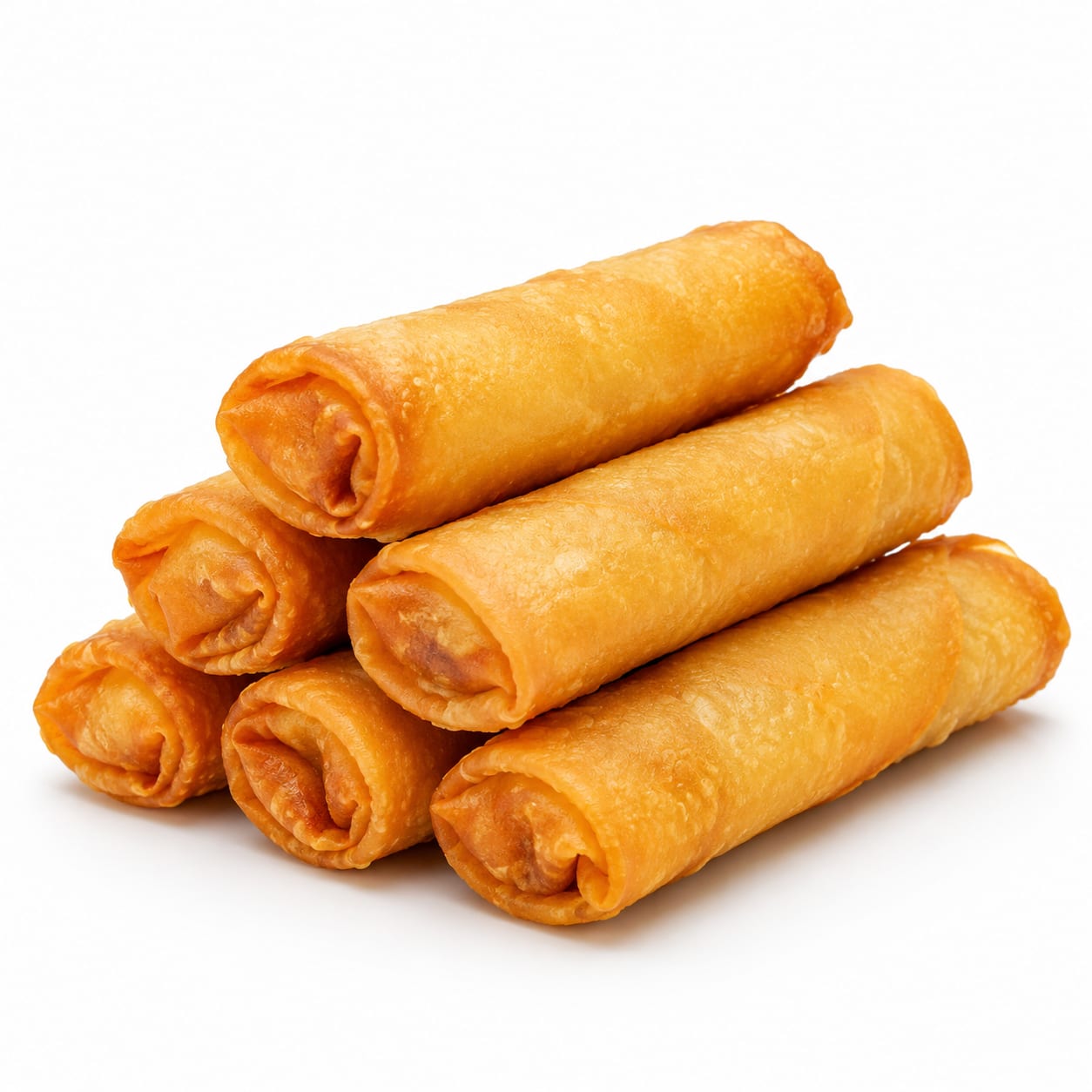
Spring Roll
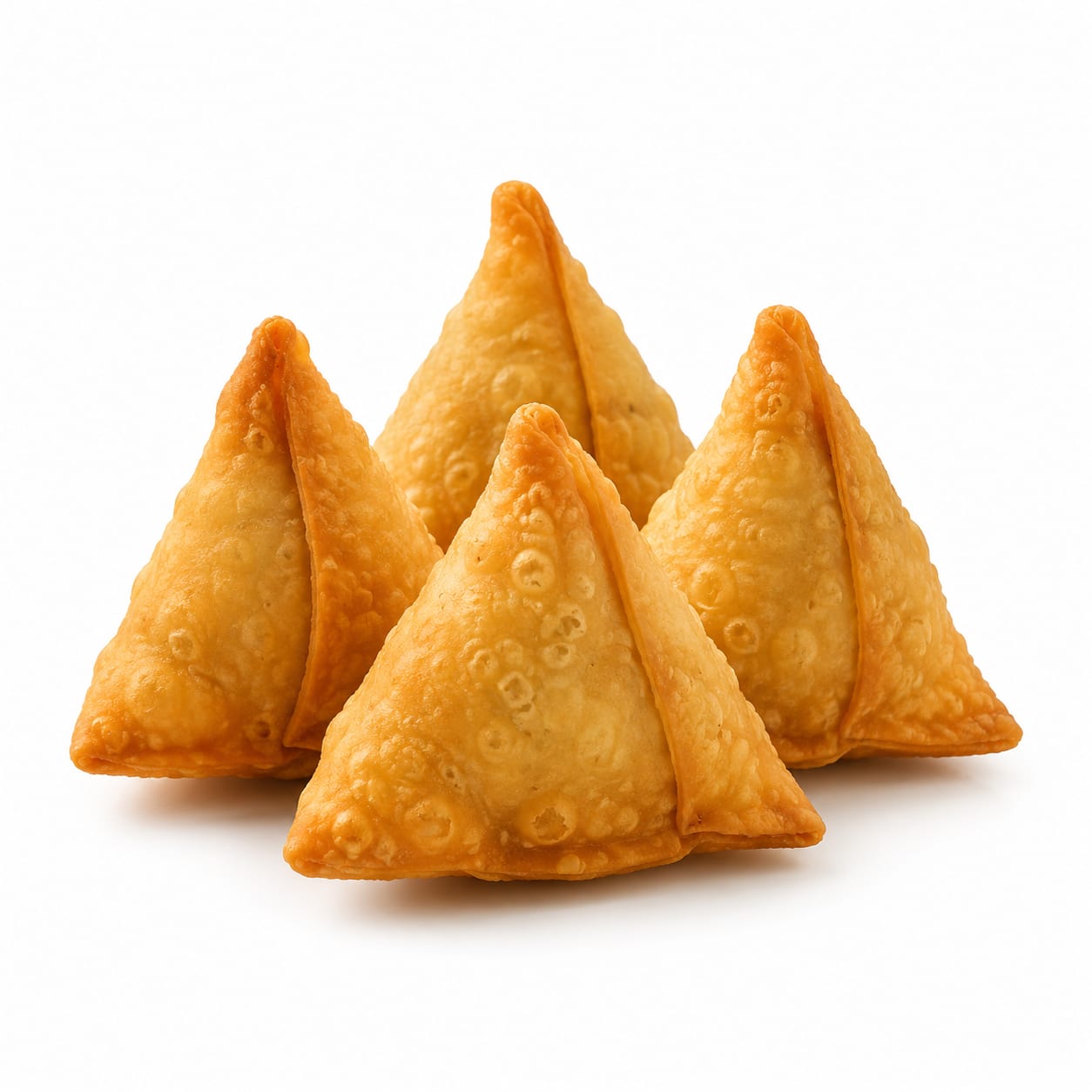
Samosa
Fresh spring rolls are the clearly healthier pick, but fried spring rolls and samosas are much closer competitors than most people expect.
Fresh spring rolls score significantly higher due to lower calories, less fat, and lighter digestion. Fried spring rolls would score closer to samosas around 52-55. The gap reflects that samosas are always deep-fried while spring rolls offer a fresh preparation option.
Samosas deliver more crunch and satisfaction but cost you significantly more calories and fat. Fresh spring rolls feel lighter and cleaner but may leave you hungry sooner.
At a glance
Executive summary
Overall
Spring Roll
Healthier
Spring Roll
More practical
It depends
Daily use
Spring Roll
Key comparison lenses
healthier snack choice between two popular appetizers
Both are finger foods often ordered together at restaurants, so users want to know which does less damage
fried vs fresh preparation impact on health
Spring rolls can be fresh or fried while samosas are always deep-fried, making cooking method a decisive factor
calorie and fat awareness for weight management
Both foods are appetizers that can sneakily add hundreds of calories before a main meal
blood sugar and carbohydrate load comparison
Both are carb-heavy with starchy wrappers and fillings, relevant for diabetes-conscious eaters
digestive comfort and heaviness
Deep-fried samosas can feel heavy while fresh spring rolls feel light, affecting post-meal comfort
Best choice for
Spring Roll
- People tracking calories who want a satisfying appetizer
- Anyone seeking a lighter pre-meal snack that won't ruin appetite
- Those avoiding deep-fried foods for digestive comfort
- Hot weather eating when heavy food sounds unappealing
Samosa
- Those who want maximum flavor and satisfaction from a snack
- People who find low-fat foods unsatisfying and end up overeating later
- Occasional indulgence where taste matters more than nutrition
- Cold weather comfort food cravings
Least suitable for
Spring Roll
- People who find light snacks unsatisfying and end up eating more afterwards
- Those specifically wanting a hearty, filling appetizer
- Anyone craving the crunch and richness of fried food
Samosa
- People managing heart disease or high cholesterol
- Anyone strictly monitoring calorie intake
- Those with sensitive digestion who struggle with greasy foods
- People eating multiple appetizers in one sitting
Deep comparison
Dimension by dimension
Each lens scores both foods and breaks down who each option suits.
- Dimension 1 · Priority 95Spring Roll
Calorie Density and Weight Management
Spring Roll · 82Samosa · 35A fresh spring roll typically runs 100-150 calories versus 250-320 for a samosa. That difference compounds fast when eating multiple pieces.
Tradeoff
Samosas are more calorie-dense per bite, meaning you consume more energy before feeling full. Spring rolls let you eat a larger volume for fewer calories.
Why it matters
Appetizers are extras before your main meal. A 200-calorie gap per piece can mean 400-600 extra calories before your entrée even arrives.
Real-world impact
Choosing spring rolls over samosas as your appetizer habit could save you roughly 15,000-20,000 calories per year if you eat out weekly.
Spring Roll
- Weight loss diets
- Calorie counting
- Eating before a heavy main course
Better for
- Situations where you need maximum calories per dollar
Worse for
Samosa
- Bulking or high-calorie needs
- Active individuals needing energy density
Better for
- Any calorie-restricted eating plan
- Multiple-course meals where appetizer calories add up fast
Worse for
- Dimension 2 · Priority 92Spring Roll
Fat Content and Cooking Method
Spring Roll · 85Samosa · 25Fresh spring rolls have almost no added fat. Samosas absorb significant oil during deep-frying, often containing 15-20g of fat per piece.
Tradeoff
The oil in samosas creates their signature flaky crunch but also delivers a heavy dose of inflammatory fats and empty calories.
Why it matters
Deep-frying creates trans fats and oxidized oils that promote inflammation. Fresh spring rolls avoid this entirely.
Real-world impact
Two samosas can deliver nearly half your daily recommended fat intake before you reach your main course.
Spring Roll
- Heart health
- Anti-inflammatory diets
- Low-fat eating patterns
Better for
- Diets requiring higher fat for satiety
Worse for
Samosa
- Keto or high-fat diets where fat intake is encouraged
Better for
- Cardiovascular risk management
- Gallbladder issues
- Acid reflux triggered by greasy foods
Worse for
- Dimension 3 · Priority 85Samosa
Satiety and Satisfaction
Spring Roll · 50Samosa · 78Samosas feel more filling and satisfying due to their fat content, dense potato filling, and crispy texture. Fresh spring rolls can feel like eating a salad in a wrapper.
Tradeoff
Samosas keep you fuller longer but at a high caloric cost. Spring rolls may leave you reaching for another snack within an hour.
Why it matters
A food that doesn't satisfy you often leads to eating more later, potentially negating its lower calorie advantage.
Real-world impact
If you eat two fresh spring rolls and still feel hungry, you might eat more than if you had one satisfying samosa and stopped.
Spring Roll
- Light snacking before a meal
- Hot days when heavy food feels wrong
Better for
- Long gaps between meals where you need lasting energy
Worse for
Samosa
- Situations where you need one snack to hold you over for hours
- Preventing later overeating through higher satiety
Better for
- Quick snacks before exercise where heaviness causes discomfort
Worse for
- Dimension 4 · Priority 78Spring Roll
Blood Sugar Impact
Spring Roll · 65Samosa · 40Both are carb-heavy, but samosas deliver a sharper blood sugar spike from the combination of refined flour, potato, and deep-frying. Fresh spring rolls with vegetables and protein slow the spike somewhat.
Tradeoff
Neither food is great for blood sugar stability, but samosas are worse due to the double starch hit of dough plus potato filling.
Why it matters
The potato-flour combo in samosas creates a rapid glucose spike followed by a crash, triggering hunger and fatigue within 1-2 hours.
Real-world impact
After eating samosas, you might feel sleepy or hungry again within 90 minutes. Spring rolls with protein cause a gentler rise and fall.
Spring Roll
- Pre-diabetes management
- Steady energy needs
- Avoiding afternoon energy crashes
Better for
- Still not ideal for strict low-carb or keto diets
Worse for
Samosa
- Immediate energy needs before intense activity
Better for
- Diabetes management
- Insulin resistance
- Anyone prone to energy crashes after carb-heavy meals
Worse for
- Dimension 5 · Priority 72Spring Roll
Nutrient Density
Spring Roll · 68Samosa · 35Fresh spring rolls with vegetables, herbs, and sometimes shrimp offer vitamins, minerals, and some protein. Samosas are mostly starch and fat with minimal micronutrients.
Tradeoff
Spring rolls deliver actual nutrition alongside their calories. Samosas are essentially empty calories with some potassium from potatoes.
Why it matters
Getting nutrients from snacks means your meals can be smaller. Empty-calorie snacks just add to your daily load without contributing anything useful.
Real-world impact
A spring roll with shrimp gives you protein, vitamin A from carrots, and vitamin C from fresh herbs. A samosa gives you carbs and fat with almost nothing else.
Spring Roll
- Nutrient-focused eating
- Getting vegetables into snacks
- Balanced mini-meals
Better for
- Fried spring rolls lose much of their nutrient advantage
Worse for
Samosa
- Situations where food is purely for enjoyment
Better for
- Any diet prioritizing nutrient density
- Children who need vitamins from food sources
Worse for
- Dimension 6 · Priority 70Spring Roll
Digestive Comfort
Spring Roll · 80Samosa · 38Fresh spring rolls are gentle on the stomach and easy to digest. Samosas can cause bloating, acid reflux, and sluggishness due to their fried dough and dense filling.
Tradeoff
Light and easy to digest means less discomfort but also less staying power. Heavy and greasy means satisfaction at the cost of potential digestive distress.
Why it matters
If you're eating before an event, meeting, or activity, digestive comfort directly affects your performance and confidence.
Real-world impact
Eating samosas before a work lunch meeting risks bloating and discomfort. Spring rolls let you eat without feeling weighed down.
Spring Roll
- Sensitive digestion
- Acid reflux sufferers
- Eating before physical activity
- Work lunches where comfort matters
Better for
- Overeating spring rolls can still cause fullness from volume
Worse for
Samosa
- Robust digestion with no sensitivity issues
Better for
- GERD and acid reflux
- IBS triggered by fried foods
- Post-meal productivity needs
Worse for
- Dimension 7 · Priority 60It depends
Sodium Load
Spring Roll · 55Samosa · 50Both can be high in sodium depending on dipping sauces and seasoning. Spring roll dipping sauces often contain soy sauce and fish sauce. Samosa fillings are aggressively seasoned with salt and spices.
Tradeoff
Spring rolls may have less sodium in the roll itself but the dipping sauce can add 400-800mg. Samosas have sodium baked in but don't always need extra sauce.
Why it matters
Sodium from appetizers adds up quickly, especially at restaurants where seasoning is heavy-handed.
Real-world impact
One spring roll with dipping sauce and one samosa can both deliver 500-900mg of sodium, roughly a third of your daily limit.
Spring Roll
- Controlling sodium by using less dipping sauce
- Fresh versions with minimal seasoning
Better for
- Heavy dipping sauce use easily pushes sodium past samosa levels
Worse for
Samosa
- Eating without added sauces
Better for
- Restaurant samosas with heavily salted fillings
- Chutneys that add even more sodium
Worse for
Timeline
Health impact over time
Short-term
Hours to days
Spring Roll
- Light energy without sluggishness when eaten fresh
- Moderate blood sugar rise depending on filling
- Quick digestion within 1-2 hours
- Possible hunger returning within 60-90 minutes
Samosa
- Immediate satisfaction and fullness from fat content
- Noticeable energy dip 1-2 hours after eating
- Potential bloating or heartburn from grease
- Longer-lasting satiety of 2-3 hours
Long-term
Months to years
Spring Roll
- Lower cumulative calorie intake supports weight maintenance
- Less inflammatory fat exposure protects cardiovascular health
- Better digestive habits from lighter food choices
- Possible nutrient improvement if vegetable-filled versions are chosen consistently
Samosa
- Regular consumption contributes to elevated LDL cholesterol from fried oils
- Higher calorie intake pattern increases weight gain risk
- Inflammatory load from repeated deep-fried food exposure
- Sodium habituation from heavily seasoned fillings
Risk profile
Safety & processing
Fresh spring rolls are essentially whole ingredients wrapped in rice paper with minimal processing. Samosas involve refined flour dough, deep-frying in oil, and often contain preservatives in commercial versions. The gap in naturalness is significant.
Spring Roll
Raw ingredient contamination
mediumFresh spring rolls contain raw vegetables and sometimes lightly cooked shrimp. Improper handling can introduce bacteria, especially in buffet settings.
Rice paper spoilage
lowRice paper wrappers can harbor mold if stored in humid conditions, though this is rare with properly dried products.
Samosa
Reused frying oil toxicity
highRestaurants often reuse frying oil multiple times, creating aldehydes and other toxic compounds that accumulate in samosas.
Potato filling spoilage
mediumPotato fillings left at room temperature in buffet settings can develop bacterial growth, especially staphylococcus.
Trans fat exposure
mediumSome commercial samosas are fried in partially hydrogenated oils, delivering artificial trans fats even in small amounts.
Who wins for whom
Audience fit
Same foods, different winners depending on your goal.
children
It dependsKids often prefer the crunch and familiar potato taste of samosas, but fresh spring rolls offer better nutrition. Let taste preferences guide the choice since neither is a health food.
daily consumption
Spring RollFresh spring rolls can reasonably be eaten daily as a light snack without health consequences. Daily samosa consumption would significantly increase cardiovascular risk over time.
diabetes
Spring RollFresh spring rolls with vegetables and protein cause a gentler blood sugar rise than the double-starch bomb of samosa dough plus potato filling.
elderly
Spring RollFresh spring rolls are easier to chew, gentler on digestion, and lower in inflammatory fats that worsen age-related health concerns.
muscle gain
It dependsNeither is ideal for muscle gain. Spring rolls with shrimp offer slightly better protein quality, but samosas provide more calories needed for bulking. Both require supplemental protein.
weight loss
Spring RollFresh spring rolls deliver fewer calories per piece and less fat, making them the safer choice when watching weight. Just be cautious with dipping sauces.
Your move
Decision guide
Choose Spring Roll
- You want a lighter appetizer that won't fill you up before the main course
- You're watching calories, fat, or heart health markers
- You're eating in hot weather and heavy food sounds unappealing
- You have sensitive digestion or acid reflux triggered by fried foods
- You want some actual nutrients from your snack, not just empty calories
Choose Samosa
- You're sharing appetizers and want something everyone gets excited about
- You're eating a single snack and need it to hold you for hours
- Comfort food is the priority and health is secondary today
- You're at a restaurant known for exceptional samosas and it's a rare treat
- You find light snacks unsatisfying and end up eating more anyway
Either works if
- You're eating mindfully and stopping at one piece regardless of choice
- It's an occasional restaurant meal where the difference barely matters long-term
- You're sharing with a group and eating small portions of both
Avoid both if
- You're on a strict low-carb or keto diet since both are carb-heavy
- You have severe blood sugar management issues and need protein-forward snacks
- You're eating multiple appetizers and either choice adds to an already excessive load
- You're trying to eat whole foods only and avoid refined starches entirely
Final recommendation
Default to fresh spring rolls for everyday eating. They give you more food volume, actual nutrients, and none of the inflammatory oils. Save samosas for occasional enjoyment when the craving for something crispy and comforting genuinely matters. The key insight: if your spring rolls are fried, the health gap shrinks dramatically, and the choice becomes mostly about flavor preference.
Practical
Consumer tips
- 1
Ask whether spring rolls are fresh or fried before ordering. Fried spring rolls are closer to samosas in health impact than you might expect.
- 2
Use dipping sauce sparingly with spring rolls. Two tablespoons of sweet chili sauce can add 80 calories and 400mg sodium.
- 3
If choosing samosas, eat one instead of two and pair with a side salad to reduce the overall calorie density of your appetizer course.
- 4
Make spring rolls at home with extra protein like shrimp or tofu to improve satiety and make them a more complete mini-meal.
- 5
Restaurant samosas are often larger and greasier than homemade versions. Making them at home with baking instead of frying cuts calories by roughly 40%.
- 6
Watch portion creep: three spring rolls can equal the calories of two samosas if you're not paying attention.