
Nutrition comparison
Samosa vs Onion Bhaji: Which Fried Snack is Healthier?
Compare Samosa vs Onion Bhaji to see which Indian snack is better for blood sugar, weight loss, and daily nutrition. Find out which one to order.
Overall winner · Onion Bhaji
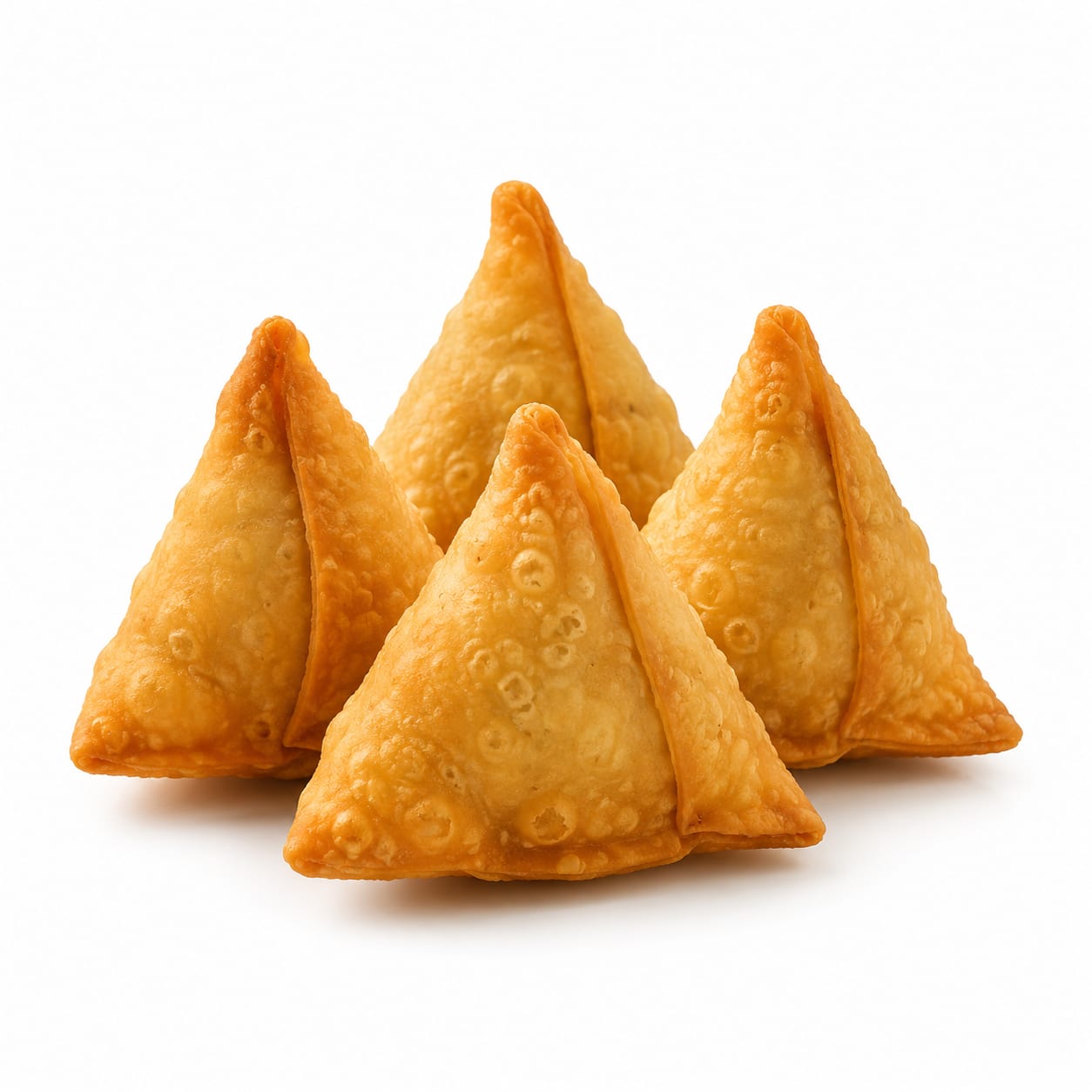
Samosa
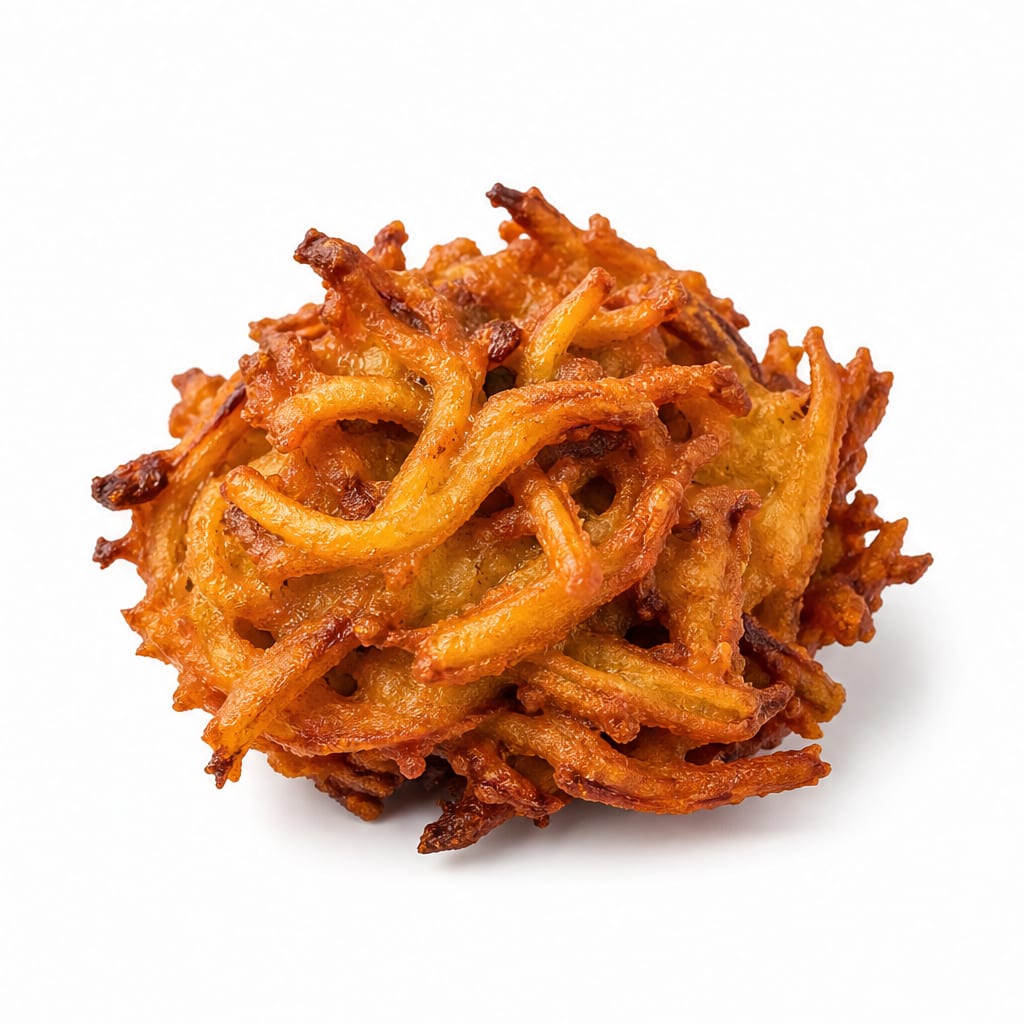
Onion Bhaji
Onion Bhaji edges out Samosa thanks to chickpea flour and fewer starchy carbs, but both are heavy, greasy indulgences.
Onion Bhaji scores slightly higher due to chickpea flour's protein and fiber advantage over refined wheat flour and potato, though both lose major points for deep-frying.
Samosa is more filling and satisfying as a mini-meal, while Onion Bhaji offers slightly better blood sugar stability and nutritional value.
At a glance
Executive summary
Overall
Onion Bhaji
Healthier
Onion Bhaji
More practical
Samosa
Daily use
It depends
Key comparison lenses
Calorie density and deep-frying impact
Both are deep-fried snacks, making oil absorption and calorie load the primary concern for most people.
Blood sugar and carbohydrate quality
Samosa relies on refined flour and starchy potato, while Onion Bhaji uses chickpea flour and onions, leading to very different glycemic impacts.
Satiety and snack satisfaction
Users want to know which snack will actually keep them full without triggering a cycle of overeating.
Best choice for
Samosa
- Hearty appetizers
- A filling afternoon snack
- Comfort food cravings
Onion Bhaji
- Blood sugar management
- Gluten-free diets
- Higher protein snacking
Least suitable for
Samosa
- Gluten-free diets
- Low-carb diets
- Digestive sensitivity to fried foods
Onion Bhaji
- Low-calorie diets
- FODMAP diets
- People watching oil intake
Deep comparison
Dimension by dimension
Each lens scores both foods and breaks down who each option suits.
- Dimension 1 · Priority 90Onion Bhaji
Blood Sugar Stability
Samosa · 25Onion Bhaji · 45Onion Bhaji causes a slower blood sugar rise than Samosa.
Tradeoff
You trade the comforting potato filling for a lower-carb, higher-fiber chickpea flour base.
Why it matters
Avoiding the refined flour and potato spike means less afternoon fatigue and fewer cravings.
Real-world impact
Eating a Samosa often leads to wanting another sweet or starchy snack an hour later; Onion Bhaji keeps energy steadier.
Samosa
- Quick energy before a workout
Better for
- Sustained focus
- Diabetes management
Worse for
Onion Bhaji
- Avoiding the post-snack energy crash
- Managing prediabetes
Better for
- Immediate intense energy needs
Worse for
- Dimension 2 · Priority 85Samosa
Satiety and Fullness
Samosa · 70Onion Bhaji · 55Samosa feels more like a complete mini-meal, while Onion Bhaji is more of a crunchy bite.
Tradeoff
Samosa's dense potato filling makes it heavier, but that density comes from starchy carbs.
Why it matters
If you need a snack to actually hold you over until your next meal, substance matters.
Real-world impact
Two Samosas can replace a light lunch; Onion Bhajis often leave you hunting for the main course sooner.
Samosa
- Replacing a skipped meal
- Hiking or active days
Better for
- Feeling overly stuffed
- Post-meal food coma
Worse for
Onion Bhaji
- Light appetizer before dinner
Better for
- Staying full between meals
Worse for
- Dimension 3 · Priority 80Onion Bhaji
Nutritional Value
Samosa · 30Onion Bhaji · 50Onion Bhaji provides more iron, fiber, and protein from chickpea flour.
Tradeoff
You sacrifice the savory potato-pea filling for the nutritional density of besan and onions.
Why it matters
Even indulgent snacks can offer some micronutrients to justify the calorie cost.
Real-world impact
Onion Bhaji contributes a small amount of plant-based iron and fiber, whereas Samosa is mostly empty refined carbs.
Samosa
- Getting some vegetable variety with peas
Better for
- Nutrient density
- Refined carb load
Worse for
Onion Bhaji
- Boosting iron intake
- Getting more fiber
Better for
- Vitamin C content
Worse for
- Dimension 4 · Priority 70It depends
Digestive Comfort
Samosa · 40Onion Bhaji · 40Both are deep-fried and can cause heaviness, but their triggers differ.
Tradeoff
Samosa's refined flour can bloat, while Onion Bhaji's onions and heavy grease can cause heartburn.
Why it matters
Greasy snacks are a common trigger for indigestion, especially later in the day.
Real-world impact
Eating either too close to bedtime is a recipe for acid reflux; Samosa bloats the stomach, Onion Bhaji can cause burping.
Samosa
- Those sensitive to high-FODMAP foods like onions
Better for
- Gluten-sensitive individuals
- Bloating prone individuals
Worse for
Onion Bhaji
- Those sensitive to refined wheat gluten
Better for
- Acid reflux sufferers
- FODMAP-sensitive individuals
Worse for
Timeline
Health impact over time
Short-term
Hours to days
Samosa
- Quick blood sugar spike followed by a crash
- Feeling heavy and bloated from fried pastry
Onion Bhaji
- Slightly steadier energy than Samosa
- Potential heartburn from fried onions and spices
Long-term
Months to years
Samosa
- Weight gain from frequent refined carb and oil intake
- Increased metabolic risk from starchy fried foods
Onion Bhaji
- Better blood sugar management compared to Samosa
- Weight gain if portion control is ignored due to calorie density
Risk profile
Safety & processing
Both are traditional homemade-style snacks using whole ingredients like potatoes, onions, and spices, but the deep-frying and use of refined flour in Samosa push them into processed territory.
Samosa
Stale oil toxicity
mediumStreet vendors often reuse frying oil, creating harmful free radicals that Samosas readily absorb.
Foodborne illness
mediumIf the potato filling is undercooked or left unrefrigerated, it can harbor bacteria.
Onion Bhaji
Stale oil toxicity
mediumLike Samosas, Onion Bhajis absorb a lot of oil, which is often reused in commercial settings.
Acrylamide formation
lowDeep-frying carbohydrate-rich foods like onions and flour at high temps can form trace acrylamides.
Who wins for whom
Audience fit
Same foods, different winners depending on your goal.
children
SamosaKids generally prefer the mild, comforting potato filling of a Samosa over the intense onion and spice flavor of a Bhaji.
daily consumption
It dependsNeither should be eaten daily due to deep-frying, but if forced, Onion Bhaji is less metabolically damaging.
diabetes
Onion BhajiThe lower glycemic index of chickpea flour and lack of potato filling makes Onion Bhaji significantly easier on blood sugar.
elderly
Onion BhajiBetter blood sugar control and slightly higher nutrient density make Onion Bhaji a marginally better choice, assuming they can tolerate the spice.
muscle gain
Onion BhajiChickpea flour offers marginally more protein than refined wheat flour and potatoes.
weight loss
Onion BhajiOnion Bhaji has slightly fewer starchy carbs and more fiber, making it easier to fit into a calorie-controlled diet, though both are poor choices for weight loss.
Your move
Decision guide
Choose Samosa
- You want a comforting, filling snack that feels like a mini-meal
- You need quick energy before physical activity
- You find onions difficult to digest
Choose Onion Bhaji
- You want to avoid a massive blood sugar spike
- You prefer gluten-free options made from chickpea flour
- You want a crunchier, lighter appetizer before a meal
Either works if
- You are sharing street food with friends and portion control is natural
- You only indulge occasionally and flavor preference is the main goal
Avoid both if
- You have gallbladder issues or severe acid reflux triggered by fried foods
- You are strictly monitoring calorie or fat intake
Final recommendation
If you're standing at a street food stall, Onion Bhaji is the metabolically smarter choice thanks to chickpea flour, but Samosa wins on pure comfort and satiety. Keep it to one or two pieces either way.
Practical
Consumer tips
- 1
Ask if the restaurant uses fresh oil; the darker the oil, the more inflammatory the snack.
- 2
Baking Samosas or Onion Bhajis at home cuts the calorie load by up to 50% while keeping the flavor.
- 3
Pair either snack with a side of yogurt dip to add protein and buffer the blood sugar spike.