
Cruciferous Vegetable
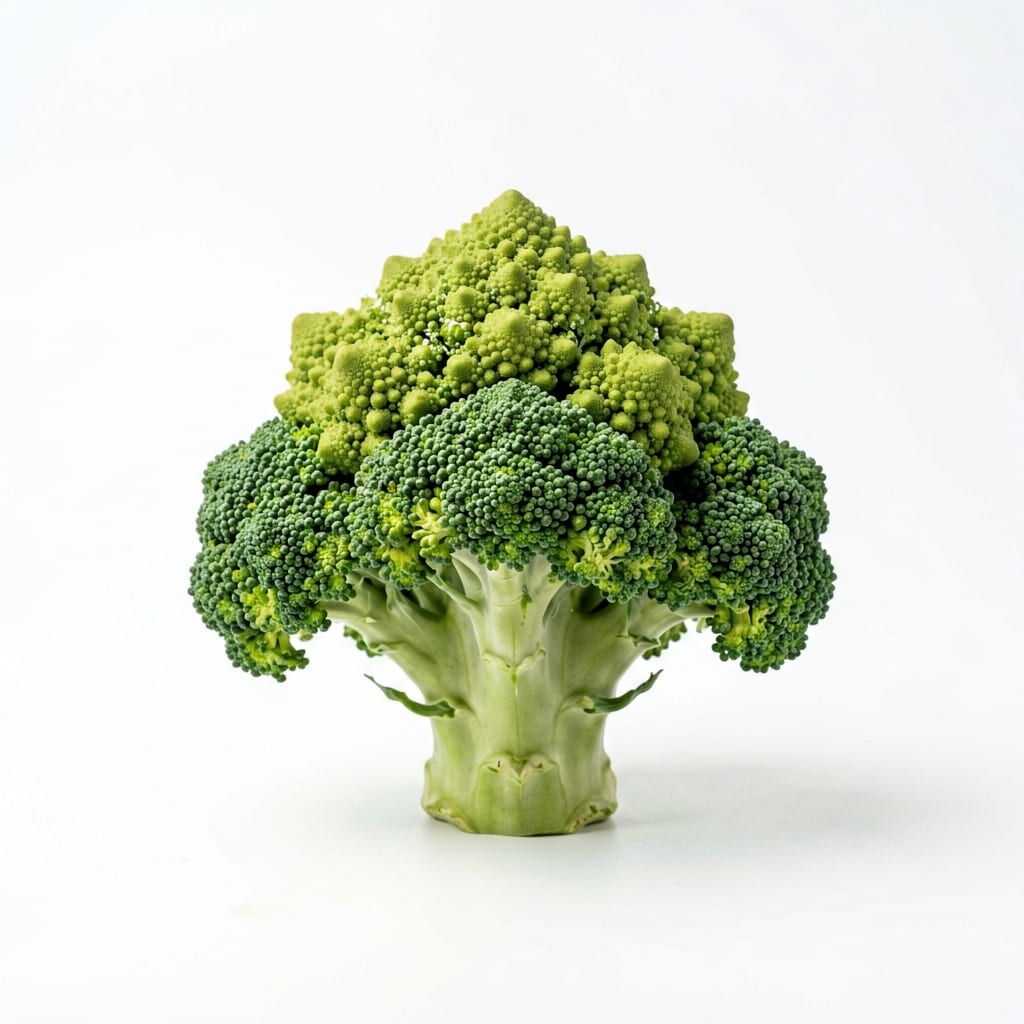
Romanesco Broccoli
A fractal-shaped cruciferous vegetable with a nutty flavor, closely related to broccoli and cauliflower.
An edible flower bud of the Brassica oleracea species known for its striking fractal shape and chartreuse color, offering a mild, nutty flavor profile between broccoli and cauliflower.
low-calorie high-fiber cruciferous vegetable
Typical serving · 100g
Common varieties · Veronica, Piriformis, Natalino
Overall context score across nutrition, safety, and diet fit
At a glance
Quick facts
Simple indicators based on nutrition, processing, and diet fit.
The story
What makes it unique
Romanesco is a low-energy-density food with a slow digestion rate due to its fiber content. It provides a moderate protein profile for a vegetable and is rich in glucosinolates and vitamin C. As a raw agricultural product, it is minimally processed and highly satiating per calorie.
Varieties: Veronica · Piriformis · Natalino
Per 100g
Nutrition breakdown
Macro balance and key metrics at a glance.
Energy
Density 0.31 kcal/g
Protein
Carbs
Fat
Fiber
Sugar
1.7 g
Sodium
30 mg
Potassium
300 mg
Glycemic index
15
Glycemic load
1
Water content
90%
Standout compounds
Nutrient highlights
Vitamin C
highSupports immune function and collagen synthesis
Dietary Fiber
moderatePromotes satiety and feeds beneficial gut bacteria
Glucosinolates
highSulfur-containing compounds that support cellular health and detoxification
Vitamin K
moderateEssential for bone metabolism and blood clotting
Wellness map
Health scores & processing
NOVA processing scale
unprocessed · Whole food
Raw Romanesco is a whole, unprocessed agricultural product.
Diet compatibility
- Weight loss
- Muscle gain
- Diabetes
- Gut health
- Low carb
- High protein
- Heart health
Relative standing
Food rankings
Qualitative ranks compared to similar whole foods.
- Satietygood
- Blood sugarexcellent
- Nutrient densityexcellent
- Fitness fuelmoderate
- Processing qualityexcellent
Eat with confidence
Food safety profile
Romanesco is generally safe but can retain pesticide residue in its tight florets. Washing thoroughly is recommended.
Evidence confidence 85%
- Pesticidesmoderate
- Antibioticslow
- Heavy metalslow
- Contaminationlow
Watch for
- pesticide residue
- soil-borne bacteria
Safer choices
Organically grown Romanesco to minimize pesticide exposure.
Prep tips
Soak in cold water with a splash of vinegar for 5 minutes, then rinse thoroughly to remove hidden debris and residue.
Standard agricultural monitoring for pesticide use on cruciferous crops.
Deep dive
Health analysis
How this food may fit different goals and preparation choices.
Weight loss
Extremely low energy density and high water content allow for large portion sizes with minimal calories, promoting fullness.
Blood sugar
Low glycemic index and load combined with dietary fiber prevent blood sugar spikes, making it highly suitable for glucose management.
Fitness & energy
Provides modest carbohydrates for sustained energy and vitamin C for oxidative stress reduction, though not a primary fuel source.
Gut health
Contains both soluble and insoluble fiber to support bowel regularity and feed beneficial gut bacteria, plus glucosinolates that may support gut lining health.
Processing quality
A whole, unrefined food with maximal nutrient retention when consumed raw or lightly cooked.
Food safety
Primary concern is pesticide residue trapped in the intricate florets; washing is essential.
Common mistakes
Overcooking Romanesco until mushy, which destroys its unique texture, vitamin C content, and glucosinolate benefits.
Best preparation
Lightly steamed, roasted, or sautéed to retain crunch and nutrients; also excellent raw with hummus.
Practical guide
Best use cases
When and how this food fits real eating patterns.
Low-carb rice substitute
Pulse raw Romanesco in a food processor to create a low-carb, nutrient-dense rice alternative.
High-volume snacking
Eat raw florets with a healthy dip to maximize food volume for minimal calories.
Visual meal prep appeal
Use its striking fractal shape to make vegetable platters and roasted dishes more appetizing.
Balance sheet
Pros & cons
Upsides
- Very low in calories and carbohydrates
- High in vitamin C and antioxidants
- Contains glucosinolates for cellular health
- Unique nutty flavor and satisfying crunch
- Naturally occurring non-GMO whole food
Trade-offs
- Can cause gas or bloating in sensitive individuals
- More expensive and less available than regular broccoli
- Loses texture and nutrients quickly if overcooked
- Intricate florets trap dirt and pests, requiring careful washing
Fit check
Who is it for?
Great match
- low-carb diets
- weight loss meal prep
- blood sugar management
- high-volume eating
Consider alternatives
- strict high-protein diets
- individuals with severe IBS sensitive to FODMAPs
- those seeking quick-digesting energy
Side by side
How it compares
Open the full head-to-head analysis for nutrition, safety, and practical tradeoffs.
This food
Romanesco Broccoli
VS95% alike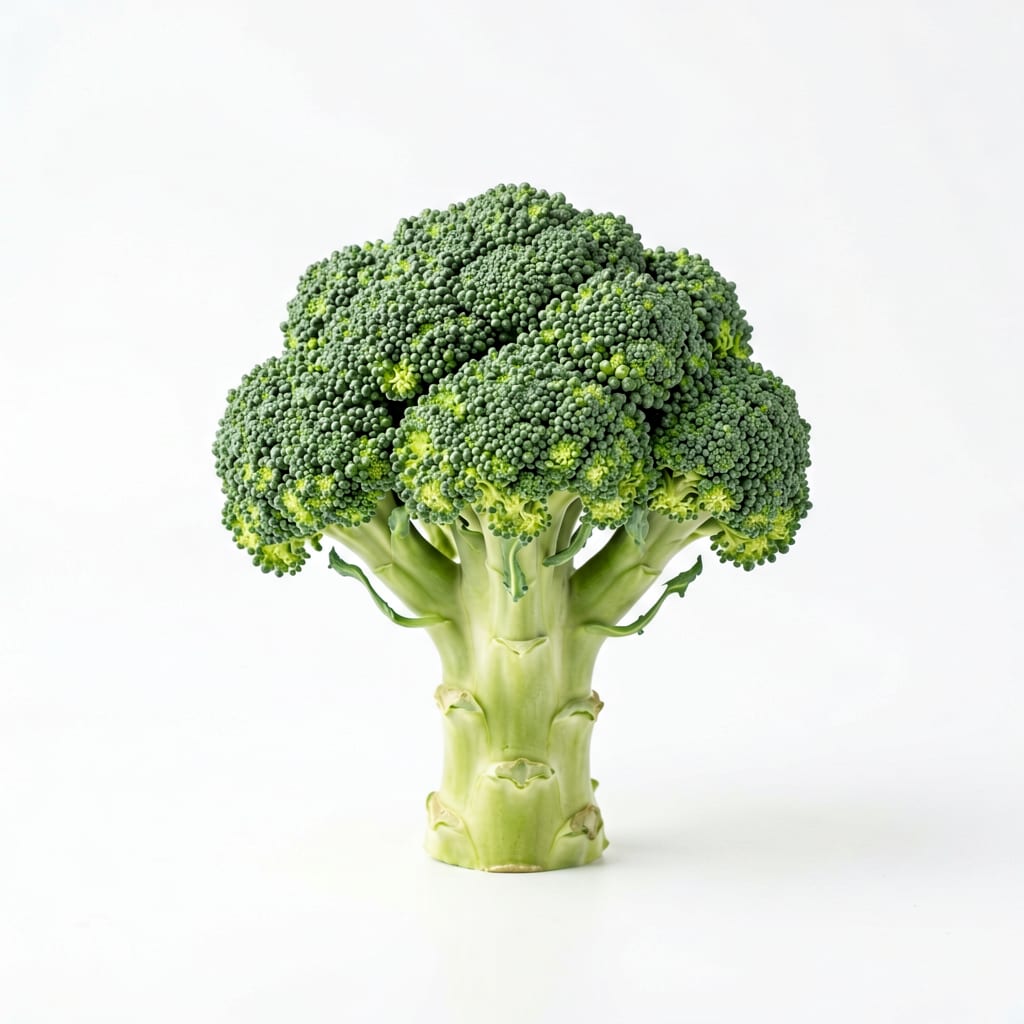
Compare with
Broccoli
Romanesco is slightly lower in calories and higher in vitamin C, while broccoli offers marginally more protein and folate.
Romanesco provides fewer calories and more vitamin C, while broccoli offers slightly more protein for muscle maintenance.
This food
Romanesco Broccoli
VS95% alike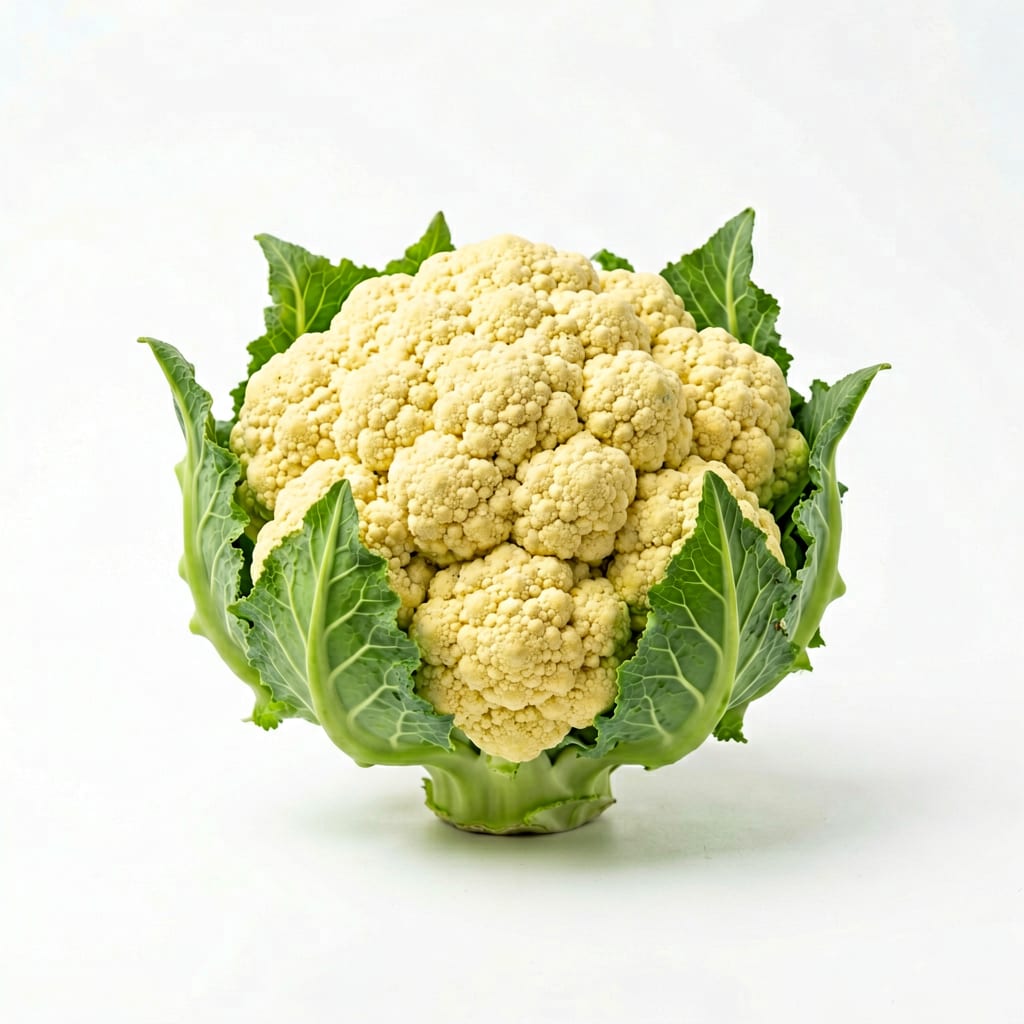
Compare with
Cauliflower
Nutritionally almost identical, but Romanesco provides a nuttier flavor and more visual appeal.
Cauliflower and Romanesco are nutritionally tied, but Romanesco offers a nuttier taste and striking fractal presentation.
This food
Romanesco Broccoli
VS80% alike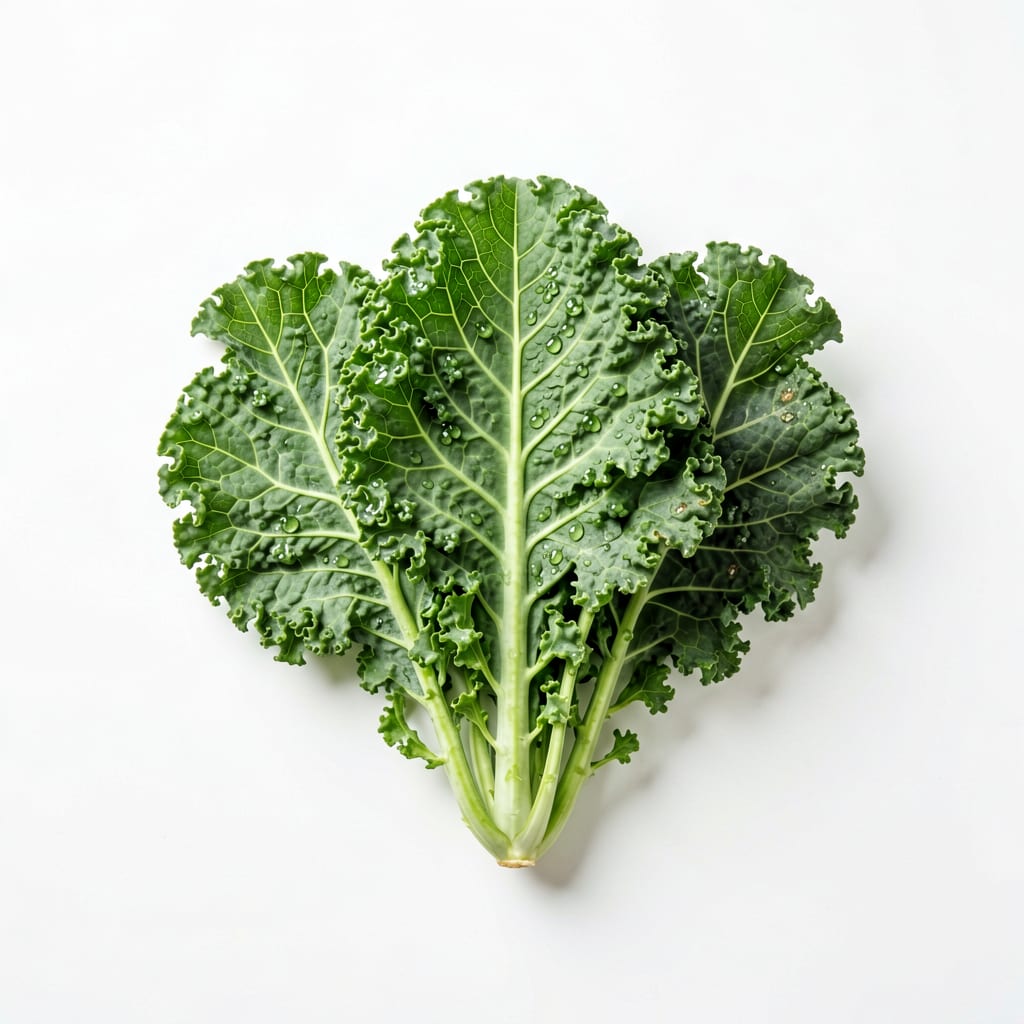
Compare with
Kale
Kale is denser in vitamins K and A, but Romanesco offers more volume and crunch for fewer calories.
Kale packs more vitamins A and K per gram, but Romanesco delivers more filling volume for fewer calories.
This food
Romanesco Broccoli
VS80% alike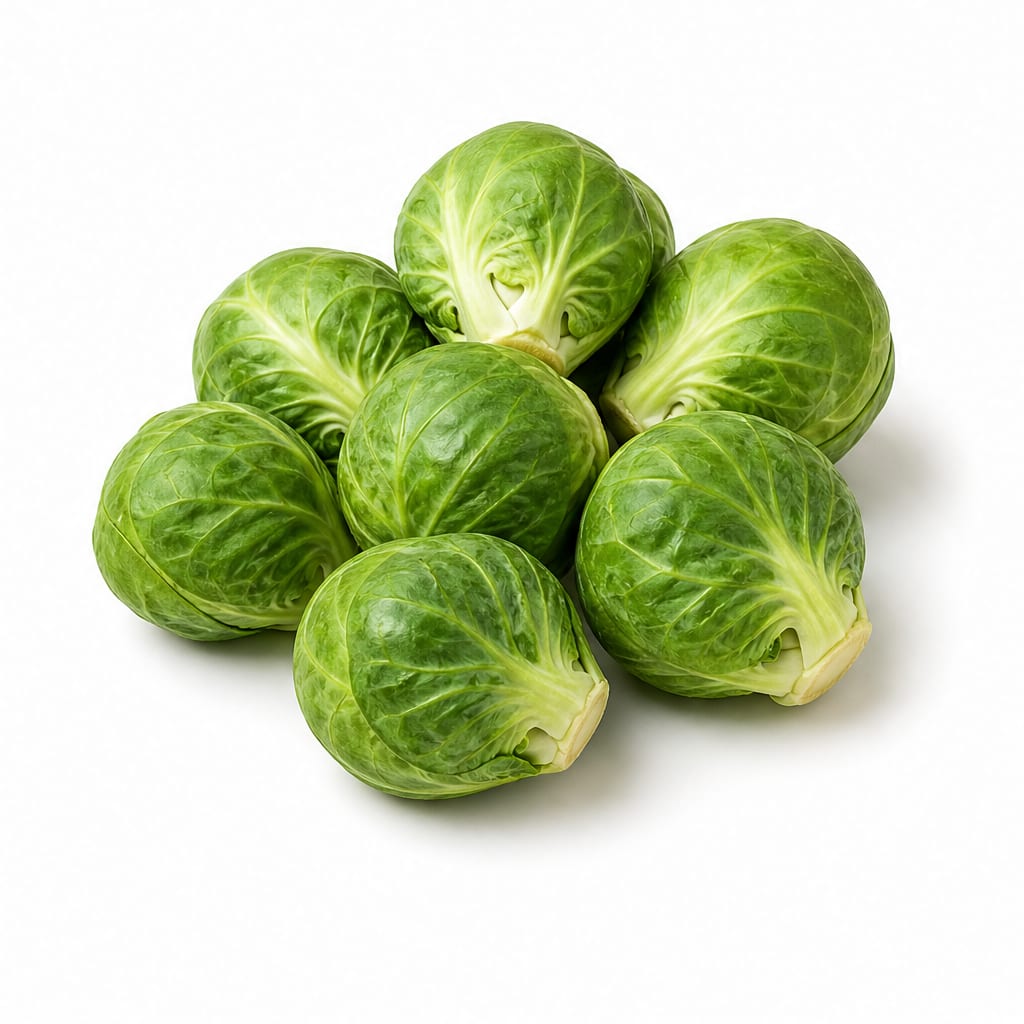
Compare with
Brussels Sprouts
Brussels sprouts are higher in protein and fiber, but Romanesco is significantly lower in calories and carbs.
Brussels sprouts offer more protein and fiber, while Romanesco provides a lighter, lower-calorie alternative.
This food
Romanesco Broccoli
VS75% alike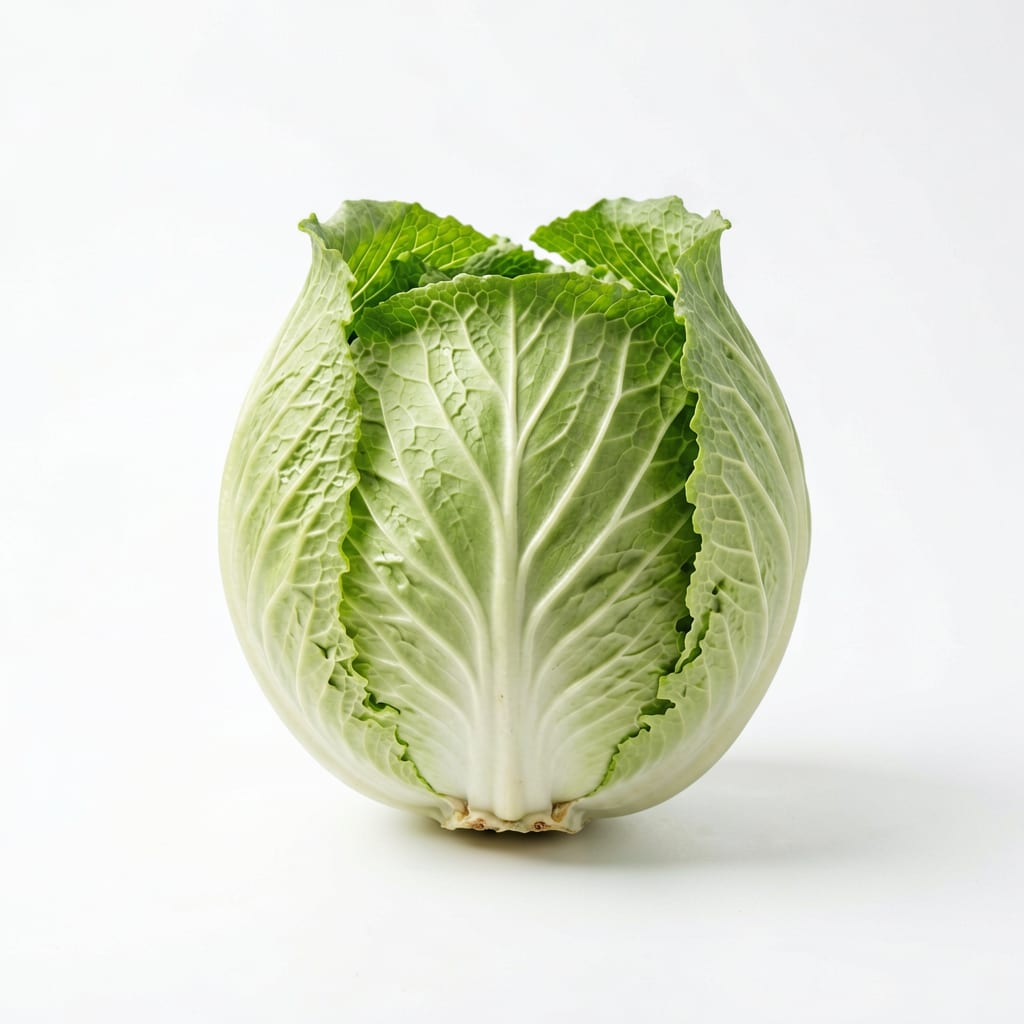
Compare with
Cabbage
Both are low-calorie cruciferous veggies, but Romanesco has a denser nutrient profile and more vitamin C.
Cabbage is slightly cheaper and lower in calories, but Romanesco delivers significantly more vitamin C and antioxidants.
This food
Romanesco Broccoli
VS70% alike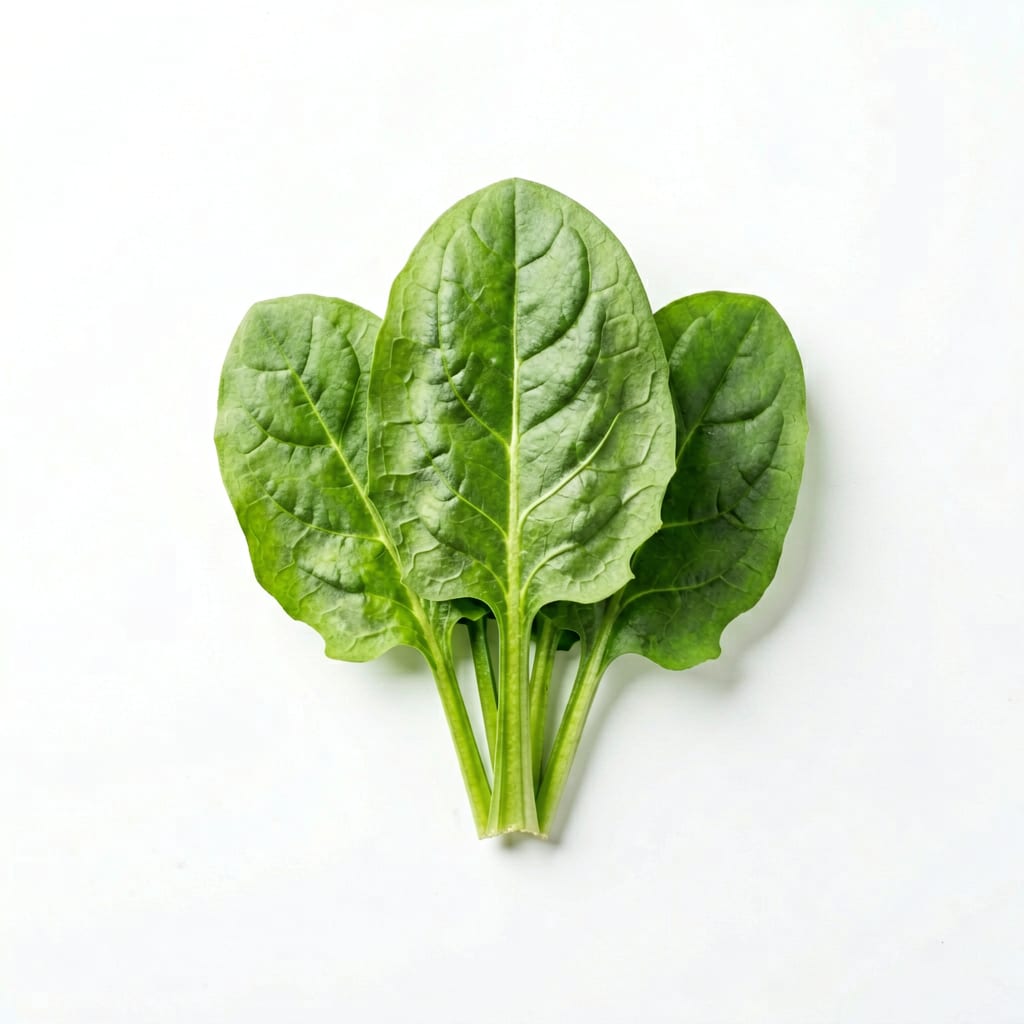
Compare with
Spinach
Spinach is richer in iron and folate, while Romanesco provides more satisfying crunch and structural calories.
Spinach wins for iron and folate, but Romanesco offers a more satisfying crunch and higher satiety per serving.
This food
Romanesco Broccoli
VS70% alike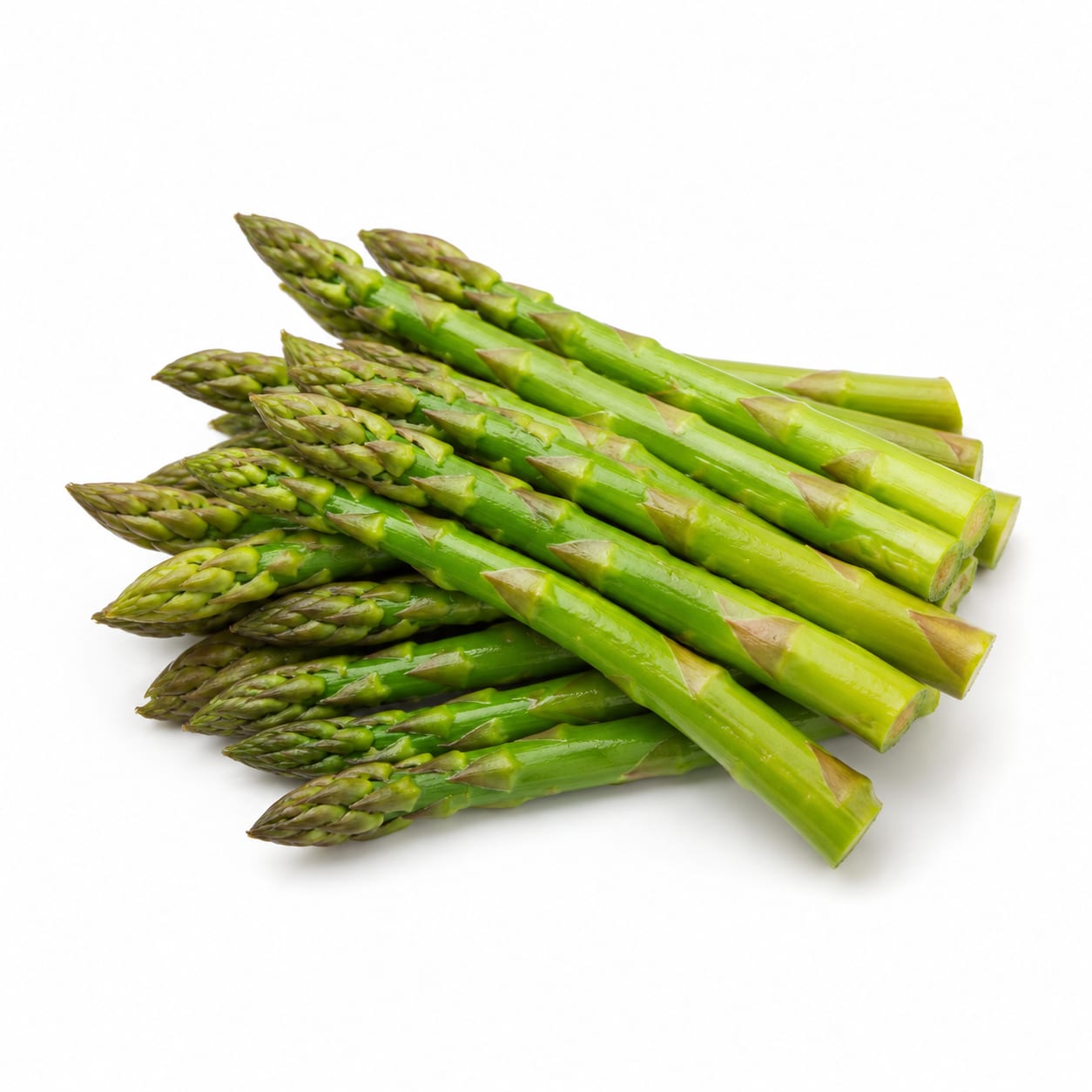
Compare with
Asparagus
Asparagus excels in prebiotic fiber, but Romanesco offers a more substantial bite and slightly more vitamin C.
Asparagus provides more prebiotic fiber for gut health, while Romanesco offers more volume and vitamin C.
This food
Romanesco Broccoli
VS65% alike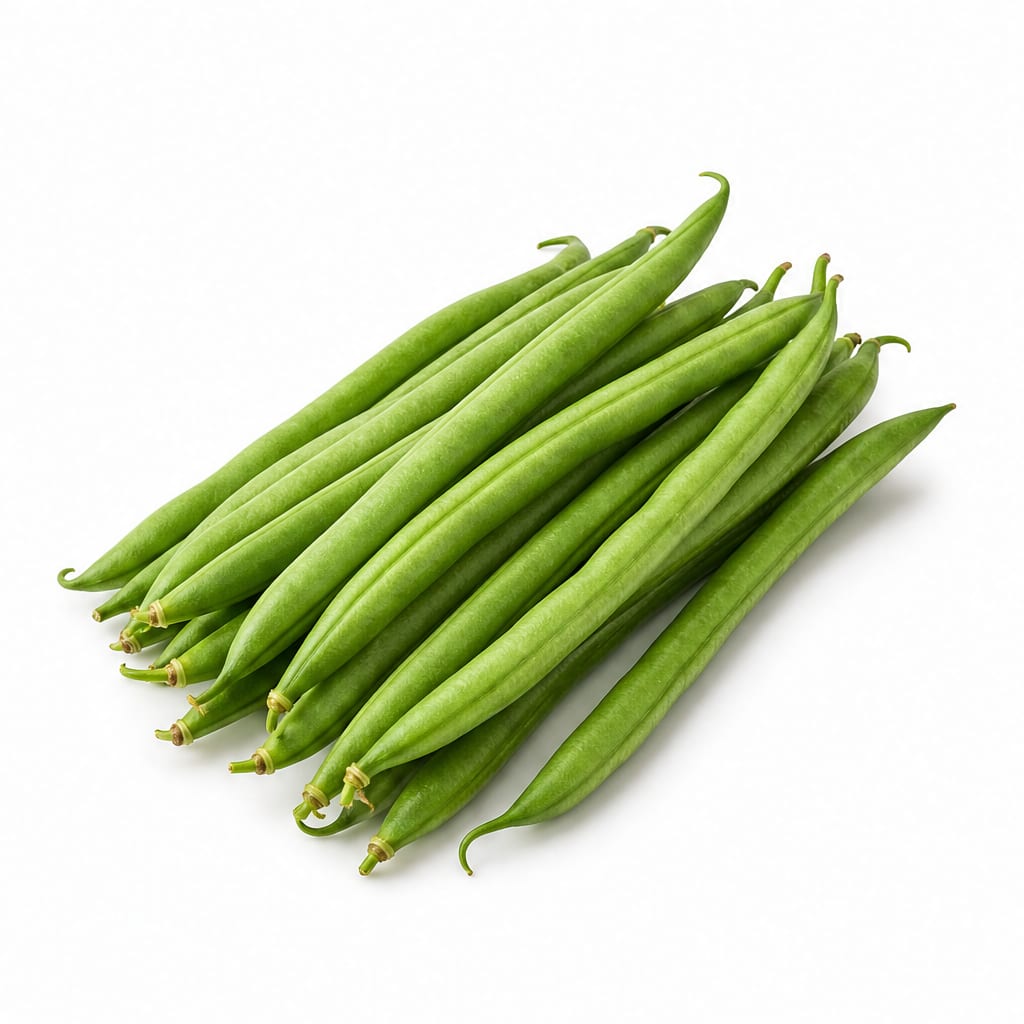
Compare with
Green Beans
Green beans have slightly more carbs, while Romanesco provides stronger cruciferous antioxidant benefits and fewer calories.
Romanesco is lower in carbohydrates and richer in glucosinolates compared to the slightly sweeter green bean.
This food
Romanesco Broccoli
VS65% alike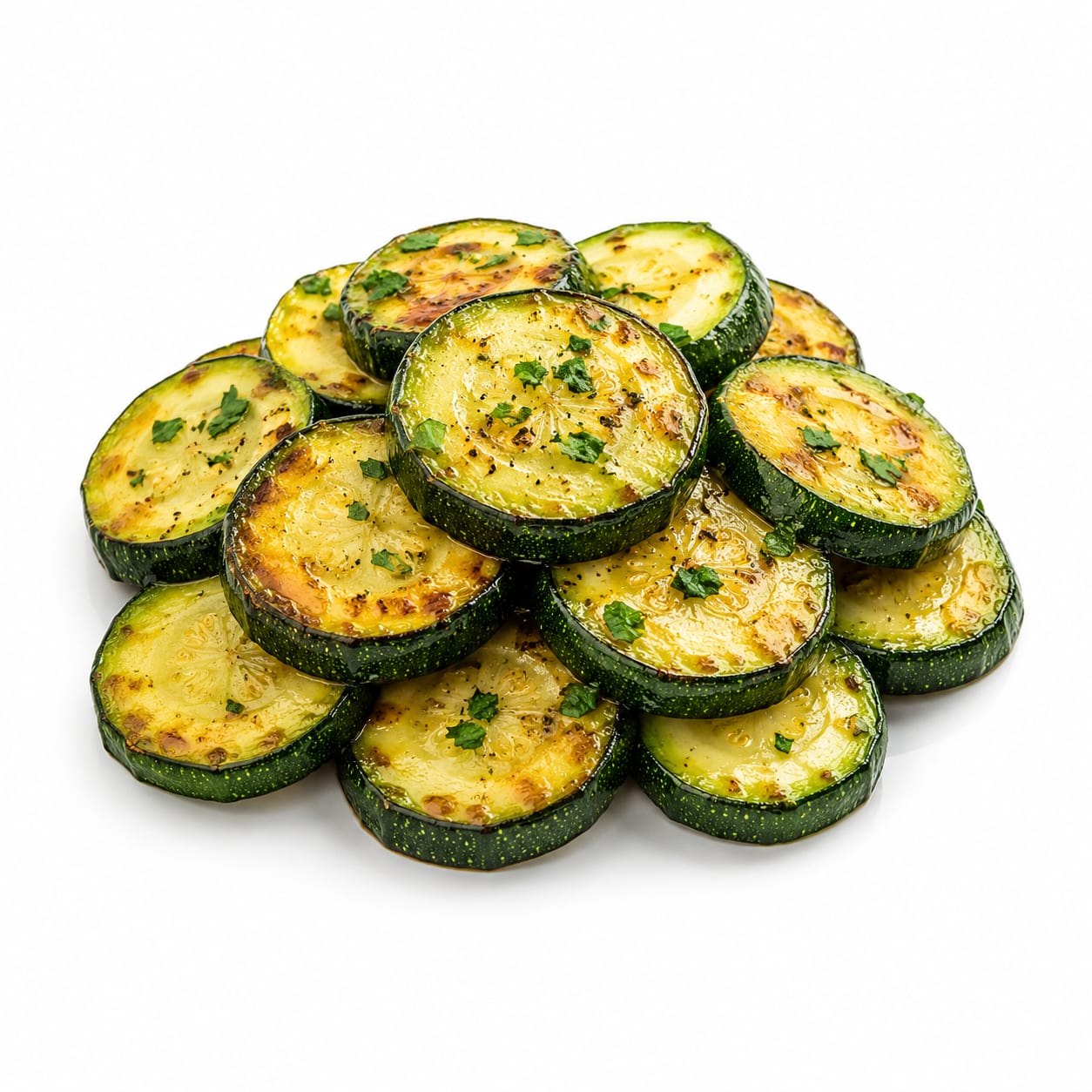
Compare with
Zucchini
Zucchini is even lower in calories, but Romanesco packs significantly more vitamin C and glucosinolates.
Zucchini is lower in calories, but Romanesco provides a much stronger nutritional profile with more fiber and vitamin C.
This food
Romanesco Broccoli
VS70% alike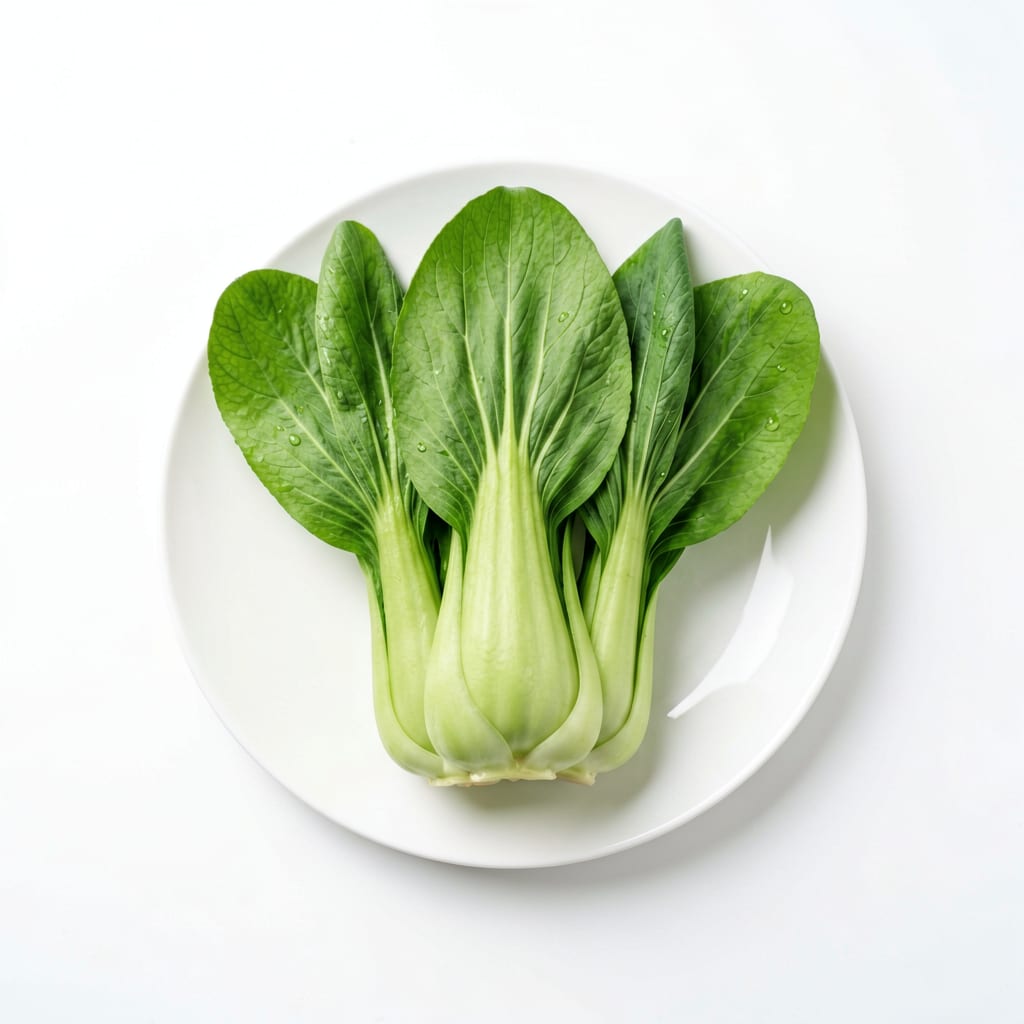
Compare with
Bok Choy
Bok choy is exceptionally rich in calcium and vitamin A, while Romanesco offers more substantial fiber and vitamin C.
Bok choy provides more bone-supporting calcium, whereas Romanesco delivers more filling fiber and vitamin C.
Common questions
FAQ
Answers aligned with how people search for this food.
Is Romanesco healthier than broccoli?
Both are highly nutritious cruciferous vegetables, but Romanesco has slightly fewer calories and more vitamin C, while broccoli offers slightly more protein and folate.
Can you eat Romanesco raw?
Yes, Romanesco can be eaten raw and has a pleasant, crunchy, nutty flavor, making it excellent for crudités.
Is Romanesco good for weight loss?
Yes, with only 31 calories per 100g and high fiber content, it is an excellent food for weight loss and satiety.
Is Romanesco a GMO?
No, despite its alien fractal appearance, Romanesco is a naturally occurring hybrid of broccoli and cauliflower.
Is Romanesco keto-friendly?
Yes, Romanesco is low in net carbs (about 3.5g per 100g) and fits well into a ketogenic diet.
What is the best way to cook Romanesco?
Roasting or light steaming preserves its unique texture, nutty flavor, and vitamin C content better than boiling.
Does Romanesco spike blood sugar?
No, it has a very low glycemic index and load, meaning it digests slowly and does not cause blood sugar spikes.
Transparency
Data confidence
Estimated confidence for nutrition data, interpretation, safety notes, and comparisons.
Nutrition data
Health analysis
Food safety
Comparisons