
Nutrition comparison
Romanesco Broccoli vs Spinach: Which Green Vegetable Is Actually Better for You?
Compare Romanesco Broccoli vs Spinach on nutrition, cancer-fighting compounds, iron absorption, kidney stone risk, and everyday practicality. Find out which green wins for your health goals.
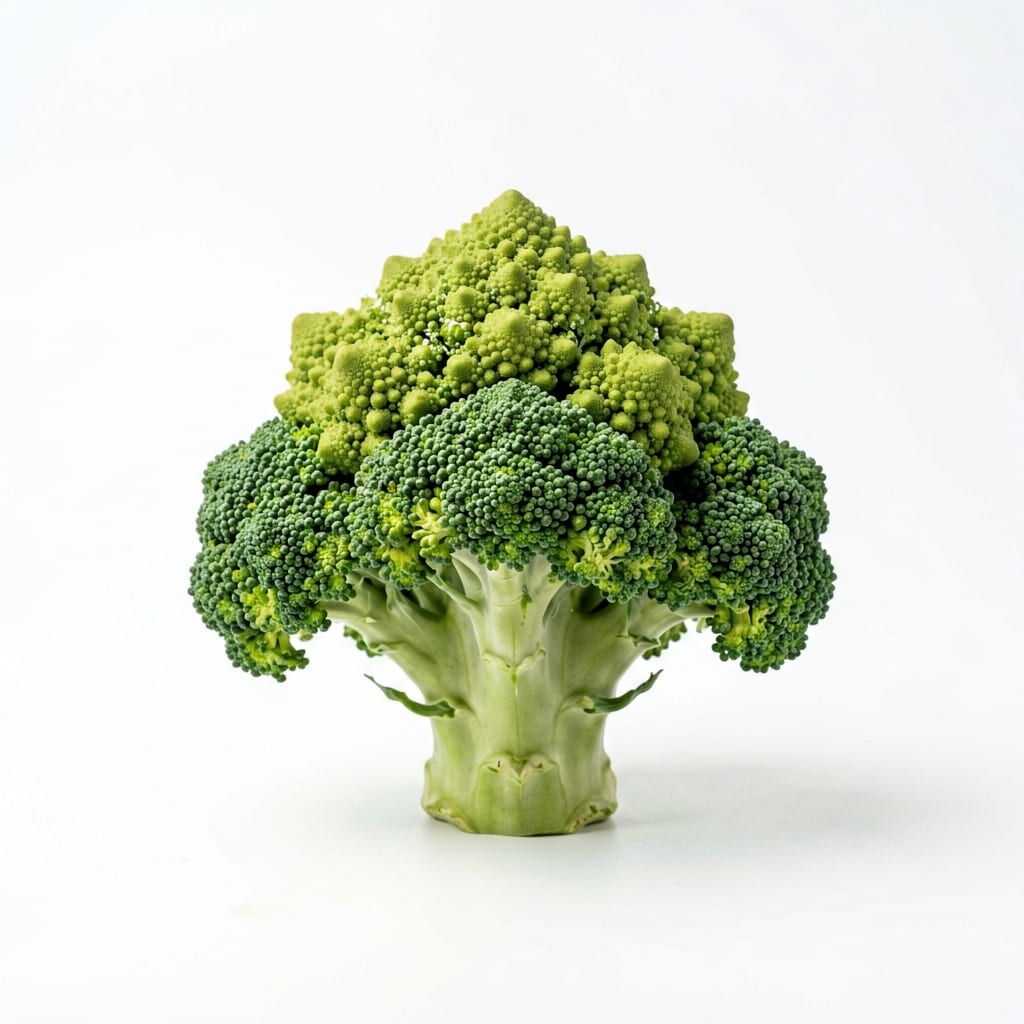
Romanesco Broccoli
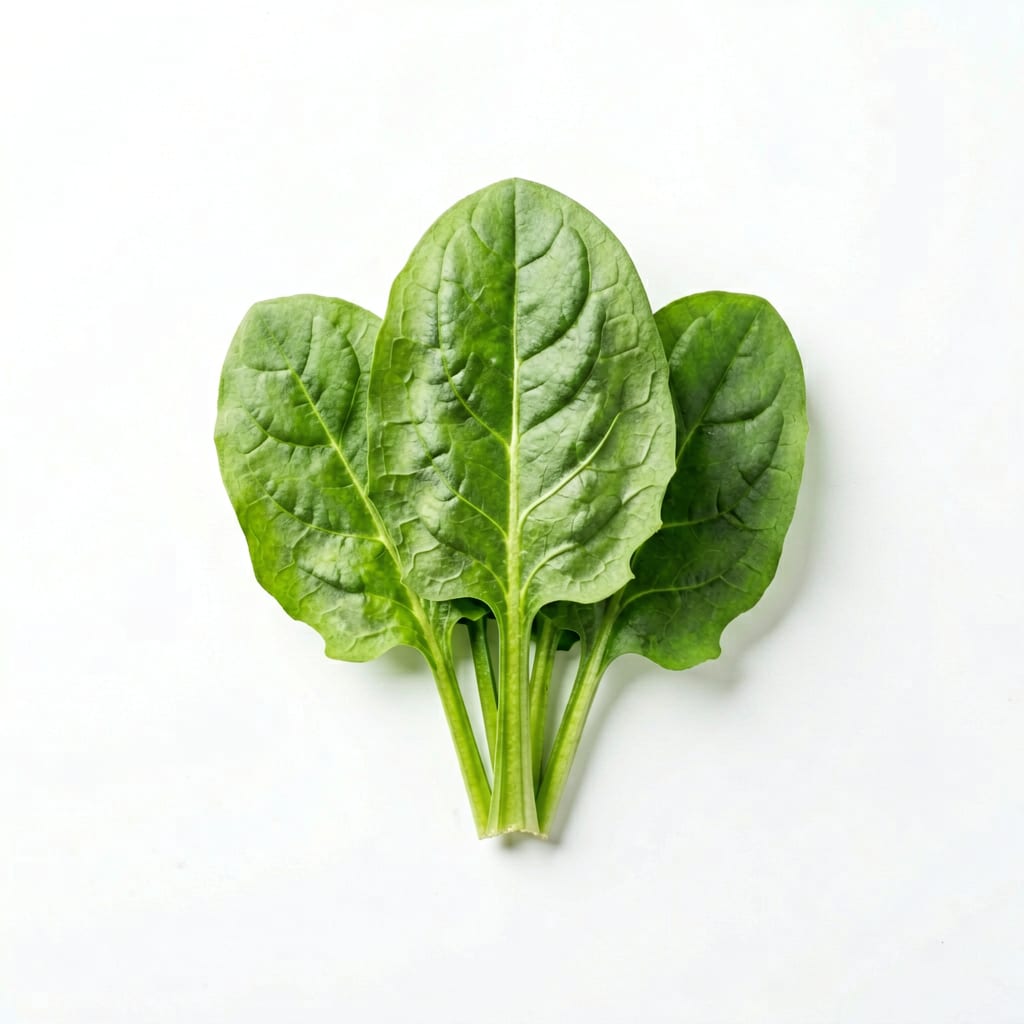
Spinach
Spinach wins on convenience and eye health nutrients, but Romanesco delivers better mineral absorption and unique cancer-fighting compounds with fewer digestive drawbacks.
Spinach scores higher mainly due to superior versatility, availability, and lutein content. Romanesco closes the gap with better mineral absorption, lower oxalates, and unique glucosinolates. The gap is small because both are excellent choices with different strengths.
Spinach has more iron on paper, but oxalates block most of it. Romanesco gives you less iron but you actually absorb what's there.
At a glance
Executive summary
Overall
It depends
Healthier
It depends
More practical
Spinach
Daily use
Spinach
Key comparison lenses
nutrient density comparison
Both are nutrient powerhouses but with very different micronutrient profiles and absorption dynamics
mineral absorption concerns
Spinach's high oxalate content significantly reduces iron and calcium bioavailability, a critical real-world tradeoff
everyday versatility
Spinach works raw or cooked in almost any dish; Romanesco requires more preparation and cooking know-how
cancer fighting compounds
Romanesco contains potent glucosinolates that spinach lacks entirely
eye health protection
Spinach delivers far more lutein and zeaxanthin, critical for long-term vision protection
Best choice for
Romanesco Broccoli
- People prone to kidney stones who need low-oxalate greens
- Anyone seeking cruciferous cancer-fighting glucosinolates
- Those wanting a more filling, satisfying vegetable side dish
- Home cooks looking for impressive presentation and nutty flavor
Spinach
- People prioritizing eye health and vision protection
- Anyone needing quick, versatile greens for daily meals
- Smoothie drinkers wanting mild-flavored nutrient boosts
- Those seeking folate and vitamin A in easily consumable form
Least suitable for
Romanesco Broccoli
- People with limited access to specialty produce stores
- Anyone needing quick prep weeknight vegetables
- Those who dislike cruciferous flavors or textures
Spinach
- People with a history of calcium oxalate kidney stones
- Those relying on spinach as their primary iron source without understanding absorption limits
- Anyone on blood thinners who must monitor vitamin K intake closely
Deep comparison
Dimension by dimension
Each lens scores both foods and breaks down who each option suits.
- Dimension 1 · Priority 95Spinach
nutrient_density_and_absorption
Romanesco Broccoli · 74Spinach · 82Spinach packs more total micronutrients per calorie, but its oxalates block iron and calcium absorption significantly. Romanesco offers fewer nutrients overall but you absorb a much higher percentage of what it provides.
Tradeoff
Spinach looks better on a nutrition label but delivers less usable iron and calcium than the numbers suggest. Romanesco is more nutritionally honest.
Why it matters
If you're eating spinach for iron and still feeling fatigued, oxalate interference could be the hidden reason. Romanesco's minerals are far more bioavailable.
Real-world impact
A spinach salad might list 3mg of iron, but you may only absorb 5% of it. Romanesco's lower iron content actually gets into your bloodstream more efficiently.
Romanesco Broccoli
- Calcium absorption without interference
- Iron absorption when eaten without vitamin C pairing
- Kidney stone risk reduction
Better for
- Total vitamin K content
- Folate levels per calorie
Worse for
Spinach
- Total folate intake
- Vitamin A and beta-carotene consumption
- Overall micronutrient variety per serving
Better for
- Actual iron absorption despite high content
- Calcium bioavailability
- Kidney stone risk from oxalates
Worse for
- Dimension 2 · Priority 88Spinach
versatility_and_convenience
Romanesco Broccoli · 45Spinach · 92Spinach disappears into smoothies, salads, soups, and stir-fries with almost no effort. Romanesco needs trimming, cooking, and more culinary skill to shine.
Tradeoff
Spinach is the lazy nutritionist's best friend. Romanesco rewards effort with a unique eating experience but demands more kitchen time.
Why it matters
The best vegetable for your health is the one you actually eat regularly. Spinach's convenience makes daily consumption realistic for most people.
Real-world impact
Throwing a handful of spinach into a smoothie takes 5 seconds. Preparing Romanesco properly takes 15-20 minutes of trimming and cooking.
Romanesco Broccoli
- Visual presentation and dinner party appeal
- Substantial side dish that feels like a real course
Better for
- Smoothie compatibility
- Raw salad use
- Quick prep weeknight cooking
Worse for
Spinach
- Raw consumption in salads and smoothies
- Quick weeknight meal integration
- Meal prep batch cooking versatility
- Hidden vegetable addition for picky eaters
Better for
- Providing a satisfying standalone vegetable dish
- Visual impact and culinary interest
Worse for
- Dimension 3 · Priority 82Romanesco Broccoli
cancer_fighting_potential
Romanesco Broccoli · 88Spinach · 62Romanesco contains glucosinolates that convert to sulforaphane and other compounds with strong anti-cancer properties. Spinach lacks these entirely but offers different protective antioxidants.
Tradeoff
Romanesco fights cancer through cruciferous-specific pathways. Spinach protects through carotenoid and flavonoid pathways. Both are valuable but mechanistically different.
Why it matters
If cancer prevention is a top priority, cruciferous vegetables like Romanesco offer unique protective compounds that leafy greens simply cannot provide.
Real-world impact
Regular cruciferous vegetable consumption is linked to 15-20% lower risk of several cancers. Romanesco delivers these benefits with a milder flavor than regular broccoli.
Romanesco Broccoli
- Glucosinolate-derived cancer protection
- Sulforaphane-related cellular defense
- Detoxification enzyme activation
Better for
- Carotenoid-based antioxidant protection
Worse for
Spinach
- DNA protection from carotenoid antioxidants
- Inflammation reduction through flavonoids
Better for
- Cruciferous-specific cancer prevention pathways
- Phase II detoxification enzyme support
Worse for
- Dimension 4 · Priority 78Spinach
eye_health_and_vision_protection
Romanesco Broccoli · 48Spinach · 93Spinach is one of the best dietary sources of lutein and zeaxanthin, the two carotenoids that protect your macula from blue light damage. Romanesco provides minimal amounts.
Tradeoff
If preserving vision as you age matters, spinach is dramatically superior. No amount of Romanesco can match spinach's macular protection.
Why it matters
Lutein and zeaxanthin accumulate in your retina and act like internal sunglasses. Spinach delivers these in quantities that actually make a clinical difference.
Real-world impact
People who eat spinach regularly show 40-50% lower risk of age-related macular degeneration. Romanesco cannot replicate this benefit.
Romanesco Broccoli
- General vitamin A support
Better for
- Lutein and zeaxanthin content
- Meaningful macular protection
Worse for
Spinach
- Macular degeneration risk reduction
- Blue light damage protection
- Night vision support
- Long-term visual acuity maintenance
Better for
- Nothing significant in this dimension
Worse for
- Dimension 5 · Priority 80Romanesco Broccoli
digestive_tolerance_and_kidney_stone_risk
Romanesco Broccoli · 85Spinach · 55Romanesco is gentle on the digestive system with low oxalate content. Spinach's high oxalates can trigger kidney stones in susceptible people and cause digestive discomfort in some.
Tradeoff
Spinach's oxalates are a serious concern for kidney stone formers. Romanesco provides green vegetable nutrition without this risk.
Why it matters
About 1 in 10 people will experience a kidney stone. For them, high-oxalate spinach is a genuine health risk, not just a theoretical concern.
Real-world impact
A kidney stone sufferer who eats spinach daily may trigger recurrent stones. Switching to Romanesco provides similar vegetable benefits without the oxalate danger.
Romanesco Broccoli
- Kidney stone prevention
- Lower digestive irritation risk
- Safe for oxalate-restricted diets
- Gentle on sensitive stomachs
Better for
- Nothing significant in this dimension
Worse for
Spinach
- Mild flavor that hides well in food
Better for
- Kidney stone formation risk
- Potential bloating from raw consumption
- Mineral absorption interference
Worse for
- Dimension 6 · Priority 72Romanesco Broccoli
satiety_and_meal_satisfaction
Romanesco Broccoli · 82Spinach · 58Romanesco has a substantial, crunchy texture that makes it feel like a real part of a meal. Spinach wilts down to almost nothing and rarely satisfies on its own.
Tradeoff
Romanesco fills you up more per serving. Spinach adds nutrients without adding fullness, which can be either an advantage or a disadvantage depending on your goals.
Why it matters
If vegetables never feel satisfying, you'll overeat other foods to compensate. Romanesco holds its own as a legitimate plate component.
Real-world impact
Two cups of raw spinach wilts into two bites of cooked spinach. A serving of Romanesco remains a visible, satisfying portion that contributes to feeling full.
Romanesco Broccoli
- Feeling full after vegetable-heavy meals
- Replacing higher-calorie side dishes
- Creating satisfying plant-based meals
Better for
- Situations requiring light pre-meal snacking
Worse for
Spinach
- Adding nutrients without adding bulk
- Weight loss diets where low volume is desired
- Eating before events where you want to stay light
Better for
- Meals where vegetables need to provide actual satiety
- Replacing starchy sides effectively
Worse for
Timeline
Health impact over time
Short-term
Hours to days
Romanesco Broccoli
- Steady energy without blood sugar spikes due to moderate fiber and low carbohydrate content
- Mild digestive support from fiber without bloating or gas in most people
- Satisfying meal component that reduces urge to snack afterward
Spinach
- Quick nutrient infusion, especially folate and vitamin A, within hours of consumption
- Possible mild bloating if eaten raw in large quantities due to oxalates and fiber
- Light feeling in the stomach, which may leave you hungry sooner than expected
Long-term
Months to years
Romanesco Broccoli
- Reduced cancer risk from regular glucosinolate consumption
- Better mineral status over time due to higher absorption rates
- Lower kidney stone risk compared to high-oxalate greens
- Improved detoxification pathway function from sulforaphane compounds
Spinach
- Significantly lower risk of age-related macular degeneration and vision loss
- Better cardiovascular health from folate and nitrates
- Possible kidney stone formation in susceptible individuals with daily consumption
- Iron deficiency persistence despite high intake due to oxalate interference
Risk profile
Safety & processing
Both vegetables are whole, unprocessed foods with no additive concerns. Spinach in pre-washed bags may carry slightly higher food safety risks, but both are clean choices when fresh.
Romanesco Broccoli
Pesticide residue
mediumAs a cruciferous vegetable, Romanesco can retain pesticide residues on its textured surface. Washing thoroughly or choosing organic reduces this risk.
Foodborne illness
lowCooking eliminates most pathogen concerns. Less commonly associated with outbreaks than leafy greens.
Spinach
E. coli and Salmonella contamination
highSpinach has been involved in multiple major foodborne illness outbreaks. Pre-washed bagged spinach carries higher risk due to processing and handling.
Oxalate kidney stone formation
mediumSpinach is one of the highest-oxalate foods commonly consumed. Regular large servings significantly increase stone risk in susceptible individuals.
Pesticide residue
highSpinach consistently appears on the Environmental Working Group's Dirty Dozen list with frequent pesticide detections. Organic is strongly recommended.
Who wins for whom
Audience fit
Same foods, different winners depending on your goal.
children
SpinachSpinach hides easily in smoothies, pasta sauces, and baked goods where kids won't notice it. Romanesco's texture and cruciferous flavor are harder sells for most children.
daily consumption
SpinachSpinach's convenience, versatility, and mild flavor make daily consumption realistic for most lifestyles. Romanesco is better as a 2-3 times per week specialty vegetable.
diabetes
Romanesco BroccoliRomanesco's higher fiber content and lower carbohydrate load provide steadier blood sugar response. Its glucosinolates also support insulin sensitivity through anti-inflammatory pathways.
elderly
SpinachSpinach's lutein protects aging eyes, its folate supports cognitive health, and its soft texture when cooked is easier to chew for those with dental concerns.
muscle gain
It dependsNeither is a significant protein source. Spinach offers slightly more folate for cell division, but Romanesco's vitamin C helps with collagen synthesis for tissue repair.
weight loss
SpinachSpinach's extremely low calorie density lets you add massive nutrient volume without adding meaningful calories. It disappears into meals effortlessly.
Your move
Decision guide
Choose Romanesco Broccoli
- You have a history of kidney stones or are on a low-oxalate diet
- Cancer prevention through cruciferous compounds is a top priority
- You want a vegetable that actually fills you up as part of a meal
- You enjoy cooking and want something visually stunning and unique
- You're frustrated that your spinach-heavy diet isn't improving your iron levels
Choose Spinach
- Eye health and macular degeneration prevention matter most to you
- You need quick, convenient daily greens that work in anything
- You're trying to lose weight and want maximum nutrients per calorie
- You make smoothies regularly and want to boost them without changing the taste
- You can source organic spinach to minimize pesticide exposure
Either works if
- You simply want more green vegetables in your diet
- You're generally healthy with no specific kidney stone or vision concerns
- You enjoy variety and can rotate both throughout the week
Avoid both if
- You're on a strict vitamin K restriction due to blood thinners like warfarin
- You have severe oral allergy syndrome triggered by cruciferous or leafy green vegetables
Final recommendation
Eat both if possible, but let your priorities guide the split. Spinach daily for eye health and convenience, Romanesco several times a week for cancer protection and mineral absorption. If you've had kidney stones, make Romanesco your primary green and treat spinach as an occasional guest. If you're relying on spinach for iron, pair it with vitamin C and know that Romanesco might actually serve you better despite having less iron on paper.
Practical
Consumer tips
- 1
If you buy spinach, choose organic whenever possible — it's consistently one of the most pesticide-contaminated vegetables
- 2
Boiling spinach and discarding the water removes up to 87% of oxalates, making its minerals much more absorbable
- 3
Pair spinach with lemon juice or bell peppers to boost iron absorption significantly
- 4
Romanesco's glucosinolates are maximized when you chop it and wait 40 minutes before cooking — this activates the sulforaphane formation
- 5
Don't overcook Romanesco — light steaming or roasting preserves both nutrients and its satisfying crunch
- 6
If you're new to Romanesco, treat it like broccoli with a nuttier personality — it roasts beautifully with olive oil and garlic
- 7
Freeze spinach that's about to go bad for later use in smoothies or soups — it loses texture but retains nutrients
- 8
For kidney stone prevention, boiling Romanesco is unnecessary since it's already low in oxalates