
Nutrition comparison
Romanesco Broccoli vs Asparagus: Which Vegetable Is Healthier?
Compare Romanesco Broccoli and asparagus on fiber, cancer-fighting compounds, folate, digestion, and practical use. Find out which vegetable fits your health goals better.
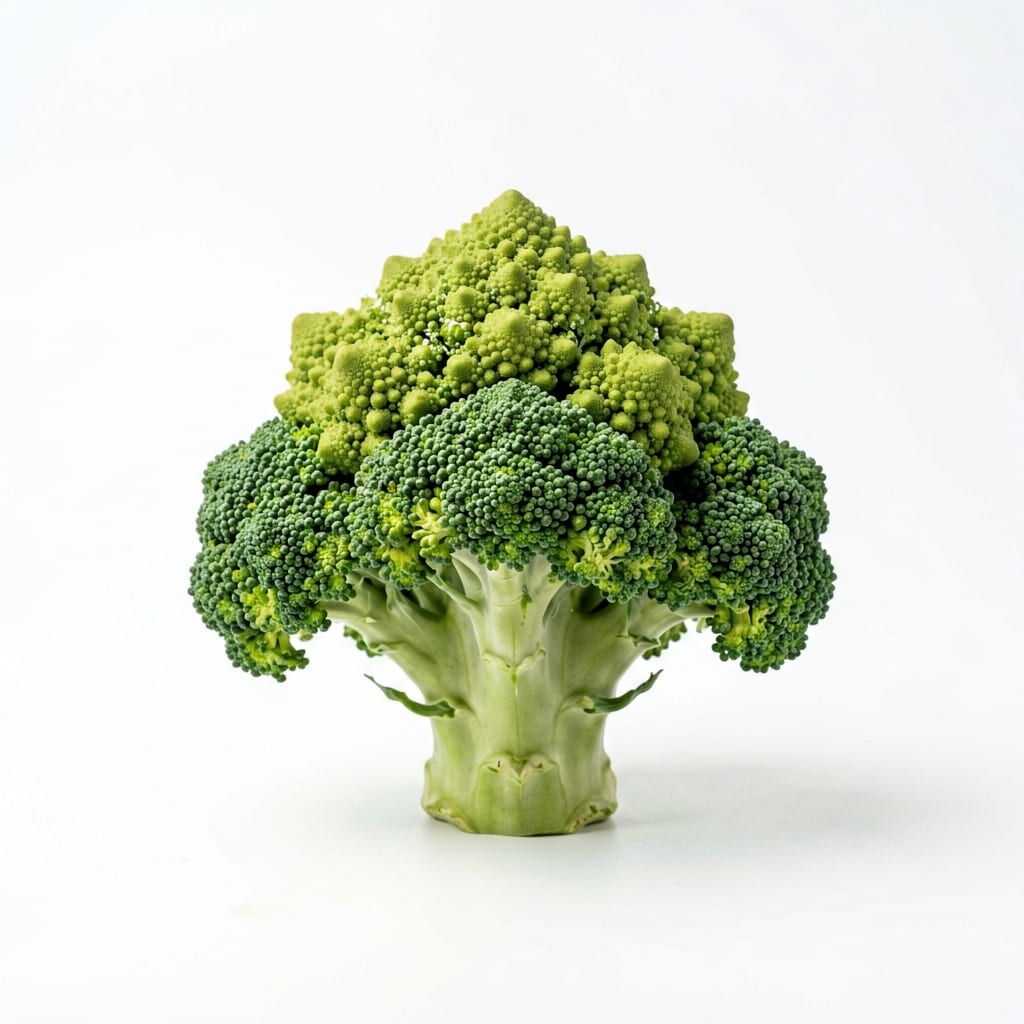
Romanesco Broccoli
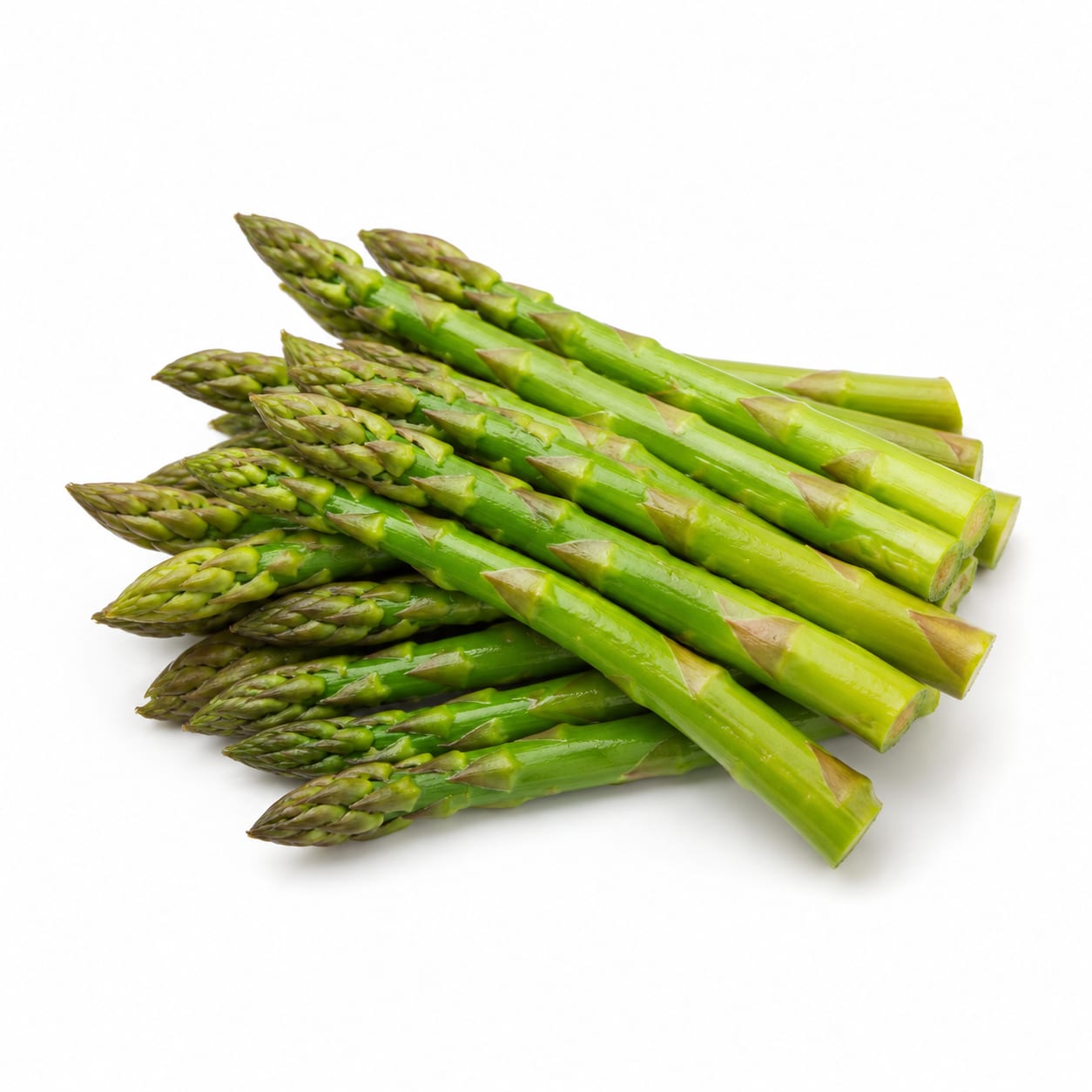
Asparagus
Romanesco Broccoli edges ahead on cancer-fighting compounds and fiber, while asparagus wins on folate, prebiotics, and everyday convenience.
Romanesco Broccoli scores slightly higher due to superior fiber content, vitamin C, and glucosinolate compounds. Asparagus stays competitive with unique prebiotic benefits, higher folate, and much better practical convenience. The gap is small because both are excellent vegetable choices.
Deep protective compounds and filling fiber in Romanesco Broccoli versus easier digestion, higher folate, and quicker prep in asparagus.
At a glance
Executive summary
Overall
It depends
Healthier
Romanesco Broccoli
More practical
Asparagus
Daily use
Asparagus
Key comparison lenses
nutrient density comparison
Both are powerhouse vegetables but with distinctly different vitamin and mineral profiles that matter for daily food choices
digestive health benefits
Romanesco Broccoli offers more bulk fiber while asparagus delivers unique prebiotic compounds that feed gut bacteria differently
cancer fighting potential
Glucosinolates in Romanesco Broccoli are a major differentiator users should know about when choosing between these vegetables
practical everyday use
Availability, prep time, and cooking versatility differ significantly and affect whether people actually eat these regularly
seasonal and budget considerations
Asparagus has a narrow season and spikes in price while Romanesco Broccoli can be harder to find but is often reasonably priced when available
Best choice for
Romanesco Broccoli
- People prioritizing cancer-fighting glucosinolates
- Anyone needing more fiber to stay full longer
- Those wanting higher vitamin C from vegetables
- Home cooks looking for impressive presentation
Asparagus
- Pregnant women or those trying to conceive needing folate
- People with sensitive digestion who need gentler fiber
- Anyone wanting a quick-cooking vegetable for weeknights
- Those focused on gut microbiome health via prebiotics
Least suitable for
Romanesco Broccoli
- People with thyroid issues who need to limit cruciferous vegetables
- Those prone to bloating from high-fiber cruciferous veggies
- Anyone who cannot find it locally or afford it regularly
Asparagus
- People bothered by the urine odor effect
- Those with gout flares triggered by purines
- Anyone on a very tight budget during asparagus off-season
Deep comparison
Dimension by dimension
Each lens scores both foods and breaks down who each option suits.
- Dimension 1 · Priority 92Romanesco Broccoli
nutrient_density
Romanesco Broccoli · 86Asparagus · 79Romanesco Broccoli packs more vitamin C, vitamin K, and fiber per serving. Asparagus counters with significantly more folate and vitamin A.
Tradeoff
You get broader vitamin coverage with Romanesco Broccoli but miss the exceptional folate levels that make asparagus stand out.
Why it matters
If you eat one of these as your main vegetable, the nutrient gaps matter more than if you eat a varied diet.
Real-world impact
A serving of Romanesco Broccoli covers over 100% of daily vitamin C needs, while asparagus covers nearly 70% of folate needs.
Romanesco Broccoli
- Vitamin C intake
- Vitamin K intake
- Dietary fiber intake
- Iron from vegetables
Better for
- Folate content
- Vitamin A content
Worse for
Asparagus
- Folate intake
- Vitamin A intake
- Thiamin intake
- Riboflavin intake
Better for
- Vitamin C content
- Total fiber content
Worse for
- Dimension 2 · Priority 88It depends
digestive_health
Romanesco Broccoli · 82Asparagus · 84Romanesco Broccoli provides more bulk fiber for regularity. Asparagus offers inulin, a prebiotic that specifically feeds beneficial gut bacteria.
Tradeoff
More fiber volume in Romanesco Broccoli can cause bloating in sensitive people, while asparagus inulin is gentler but provides less stool bulk.
Why it matters
Your gut needs both types of support, but the right choice depends on whether you struggle more with irregularity or with gut bacteria imbalance.
Real-world impact
If you are constipated, Romanesco Broccoli moves things along faster. If you are rebuilding gut health after antibiotics, asparagus feeds the good bacteria more effectively.
Romanesco Broccoli
- Stool bulk and regularity
- Satiety from fiber volume
- Feeling physically full after meals
Better for
- Can cause gas and bloating in sensitive people
- Cruciferous fiber is harder to break down
Worse for
Asparagus
- Prebiotic inulin for beneficial bacteria
- Gentler on sensitive stomachs
- Supports microbiome diversity
Better for
- Less total fiber per serving
- May not provide enough bulk for significant constipation relief
Worse for
- Dimension 3 · Priority 85Romanesco Broccoli
cancer_fighting_compounds
Romanesco Broccoli · 90Asparagus · 65Romanesco Broccoli contains glucosinolates that convert to sulforaphane, one of the most studied cancer-fighting compounds in food. Asparagus has antioxidants but lacks this specific protective mechanism.
Tradeoff
If cancer prevention is a top priority, Romanesco Broccoli is clearly the stronger choice. Asparagus offers glutathione but at lower impactful levels.
Why it matters
Cruciferous vegetables are consistently associated with lower cancer rates in large population studies, and Romanesco Broccoli is a top-tier cruciferous option.
Real-world impact
Eating cruciferous vegetables like Romanesco Broccoli 3-4 times per week is associated with measurable reductions in certain cancer risks.
Romanesco Broccoli
- Glucosinolate content
- Sulforaphane potential
- Cruciferous-specific cancer protection
- Detoxification enzyme support
Better for
- Must be chewed well or lightly cooked to activate sulforaphane
Worse for
Asparagus
- Glutathione antioxidant content
- Anti-inflammatory saponins
Better for
- No glucosinolate compounds
- Weaker evidence for direct cancer-fighting effects
Worse for
- Dimension 4 · Priority 80Asparagus
practical_convenience
Romanesco Broccoli · 58Asparagus · 82Asparagus cooks in minutes, is easy to prep, and requires minimal trimming. Romanesco Broccoli needs more prep time and careful cooking to avoid mushiness.
Tradeoff
Asparagus gets dinner on the table faster, but Romanesco Broccoli rewards extra effort with more impressive presentation and nutrient density.
Why it matters
The vegetable that is easier to cook is the vegetable you will actually eat more often, which matters more than theoretical nutrient superiority.
Real-world impact
Asparagus can go from fridge to plate in under 10 minutes. Romanesco Broccoli typically needs 15-20 minutes including prep and careful cooking.
Romanesco Broccoli
- Visual impact for entertaining
- Stores well in the fridge for longer periods
Better for
- Harder to find in regular stores
- More prep work required
- Easy to overcook and lose texture
Worse for
Asparagus
- Quick cooking time
- Simple preparation
- Easy to find in most grocery stores
- Consistent availability during spring season
Better for
- Short seasonal window for best quality
- Price spikes dramatically off-season
Worse for
- Dimension 5 · Priority 78Romanesco Broccoli
satiety_and_fullness
Romanesco Broccoli · 83Asparagus · 68Romanesco Broccoli has significantly more fiber per serving, which keeps you fuller for longer. Asparagus is lighter and less filling.
Tradeoff
Romanesco Broccoli makes a more satisfying side dish that reduces snacking later. Asparagus feels lighter and works better when you want a less heavy meal.
Why it matters
If you are trying to eat less between meals, the fiber density of Romanesco Broccoli gives you more staying power.
Real-world impact
A serving of Romanesco Broccoli provides about 4g of fiber versus 2.8g in asparagus, making a noticeable difference in how long you stay satisfied.
Romanesco Broccoli
- Higher fiber keeps you full longer
- More substantial side dish
- Reduces between-meal snacking urges
Better for
- Can feel too heavy alongside rich main dishes
Worse for
Asparagus
- Lighter option for smaller appetites
- Better when you want a vegetable without feeling stuffed
Better for
- Less satisfying as a standalone vegetable portion
- May leave you hungry sooner after eating
Worse for
- Dimension 6 · Priority 76Romanesco Broccoli
anti_inflammatory_effects
Romanesco Broccoli · 81Asparagus · 74Both vegetables fight inflammation through different pathways. Romanesco Broccoli relies on sulforaphane and vitamin C, while asparagus uses saponins and glutathione.
Tradeoff
Romanesco Broccoli has stronger evidence for reducing inflammatory markers, but asparagus offers unique saponins that work through different mechanisms.
Why it matters
Chronic inflammation drives most modern diseases, so choosing vegetables with proven anti-inflammatory compounds adds up over years of eating.
Real-world impact
Regular consumption of cruciferous vegetables like Romanesco Broccoli shows measurable reductions in inflammatory blood markers within weeks.
Romanesco Broccoli
- Sulforaphane reduces NF-kB inflammatory signaling
- High vitamin C directly quenches inflammatory oxidants
- Stronger clinical evidence for inflammation reduction
Better for
- Benefits require regular consumption, not occasional intake
Worse for
Asparagus
- Saponins offer unique anti-inflammatory pathway
- Glutathione supports cellular antioxidant defense
Better for
- Less potent overall anti-inflammatory effect
- Lower vitamin C limits direct antioxidant capacity
Worse for
Timeline
Health impact over time
Short-term
Hours to days
Romanesco Broccoli
- Improved fullness after meals due to higher fiber content
- Possible gas or bloating if you are not used to cruciferous vegetables
- Quick vitamin C boost supporting immune function
Asparagus
- Gentle digestive support without heavy bloating
- Noticeable urine odor within hours due to asparagusic acid breakdown
- Mild diuretic effect reducing water retention
Long-term
Months to years
Romanesco Broccoli
- Reduced cancer risk from consistent glucosinolate intake
- Better long-term digestive regularity from high fiber intake
- Potential thyroid interference if consumed in extreme excess raw
Asparagus
- Improved gut microbiome diversity from regular inulin consumption
- Better folate status supporting cell repair and healthy pregnancy
- Possible gout aggravation in susceptible individuals from purine content
Risk profile
Safety & processing
Both Romanesco Broccoli and asparagus are whole vegetables typically sold fresh or frozen without additives. Neither raises processing concerns when purchased in their natural state.
Romanesco Broccoli
Pesticide residue on non-organic florets
mediumThe intricate fractal surfaces of Romanesco Broccoli can trap pesticide residue more than smooth vegetables. Washing thoroughly or choosing organic reduces this risk.
Goitrogenic compounds when consumed raw in large amounts
lowRaw cruciferous vegetables contain goitrogens that can interfere with thyroid function, but this only matters if you have existing thyroid issues and eat large amounts raw daily.
Asparagus
Pesticide residue in imported asparagus
mediumOff-season imported asparagus often shows higher pesticide residues. Choosing local spring asparagus or organic reduces exposure significantly.
Purine content aggravating gout
lowAsparagus contains moderate purines that can trigger gout flares in highly susceptible individuals, though most people are not affected.
Who wins for whom
Audience fit
Same foods, different winners depending on your goal.
children
AsparagusAsparagus has a milder flavor and softer texture that children often accept more easily than the denser, slightly bitter taste of cruciferous vegetables.
daily consumption
AsparagusAsparagus is easier to prepare, gentler on digestion, and more consistently available, making it more sustainable as a daily vegetable choice for most people.
diabetes
Romanesco BroccoliMore fiber in Romanesco Broccoli slows glucose absorption more effectively, leading to steadier blood sugar responses after meals.
elderly
AsparagusAsparagus is gentler on aging digestive systems, provides crucial folate for cellular repair, and requires less chewing effort than Romanesco Broccoli.
muscle gain
Romanesco BroccoliRomanesco Broccoli has slightly more protein per serving and more vitamin C, which supports collagen synthesis and recovery from training.
weight loss
Romanesco BroccoliHigher fiber content in Romanesco Broccoli provides more satiety per calorie, making it easier to eat less overall without feeling deprived.
Your move
Decision guide
Choose Romanesco Broccoli
- You want maximum cancer-fighting compounds from your vegetables
- Fiber and fullness are your top priorities
- You enjoy cooking and appreciate striking visual presentation
- You have no issues digesting cruciferous vegetables
- You want a nutrient-dense vegetable that keeps snacking urges away
Choose Asparagus
- You are pregnant or trying to conceive and need folate
- You have a sensitive stomach and find cruciferous vegetables cause bloating
- You want a quick-cooking vegetable for busy weeknights
- You are focused on rebuilding gut bacteria after illness or antibiotics
- You prefer lighter meals that do not leave you feeling heavy
Either works if
- You simply want more vegetables in your diet and both are available
- You rotate vegetables weekly for nutrient diversity
- You are generally healthy with no specific digestive or thyroid concerns
Avoid both if
- You are on a very restricted budget and need cheaper vegetable options like cabbage or carrots
- You have severe digestive conditions that require a low-fiber diet temporarily
Final recommendation
Eat both when you can. Romanesco Broccoli delivers deeper protective benefits and more filling fiber, making it the stronger nutritional choice. But asparagus is easier to live with day-to-day, gentler on your stomach, and provides folate and prebiotics you cannot get from cruciferous vegetables. The best strategy is Romanesco Broccoli 2-3 times per week for cancer-fighting compounds and asparagus 1-2 times per week for gut health and folate. If you must pick only one, choose Romanesco Broccoli for health impact or asparagus for sustainable daily use.
Practical
Consumer tips
- 1
Let chopped Romanesco Broccoli sit for 5 minutes before cooking to activate more sulforaphane through enzyme activity
- 2
Steam or quick-roast Romanesco Broccoli rather than boiling to preserve glucosinolate compounds and texture
- 3
Snap asparagus stems at the natural break point rather than cutting to avoid woody ends
- 4
Buy asparagus in spring when it is local and affordable, then freeze extra for later use
- 5
If Romanesco Broccoli is unavailable, regular broccoli provides very similar nutritional benefits
- 6
Pair either vegetable with a fat source like olive oil to absorb fat-soluble vitamins more effectively
- 7
If cruciferous vegetables cause bloating, start with small portions of Romanesco Broccoli and increase gradually as your gut adapts