
Nutrition comparison
Romanesco Broccoli vs Bok Choy: Which Cruciferous Vegetable Is Better for You?
Compare Romanesco Broccoli and Bok Choy nutrition, cooking convenience, digestibility, and health benefits. Find out which cruciferous vegetable fits your diet best.
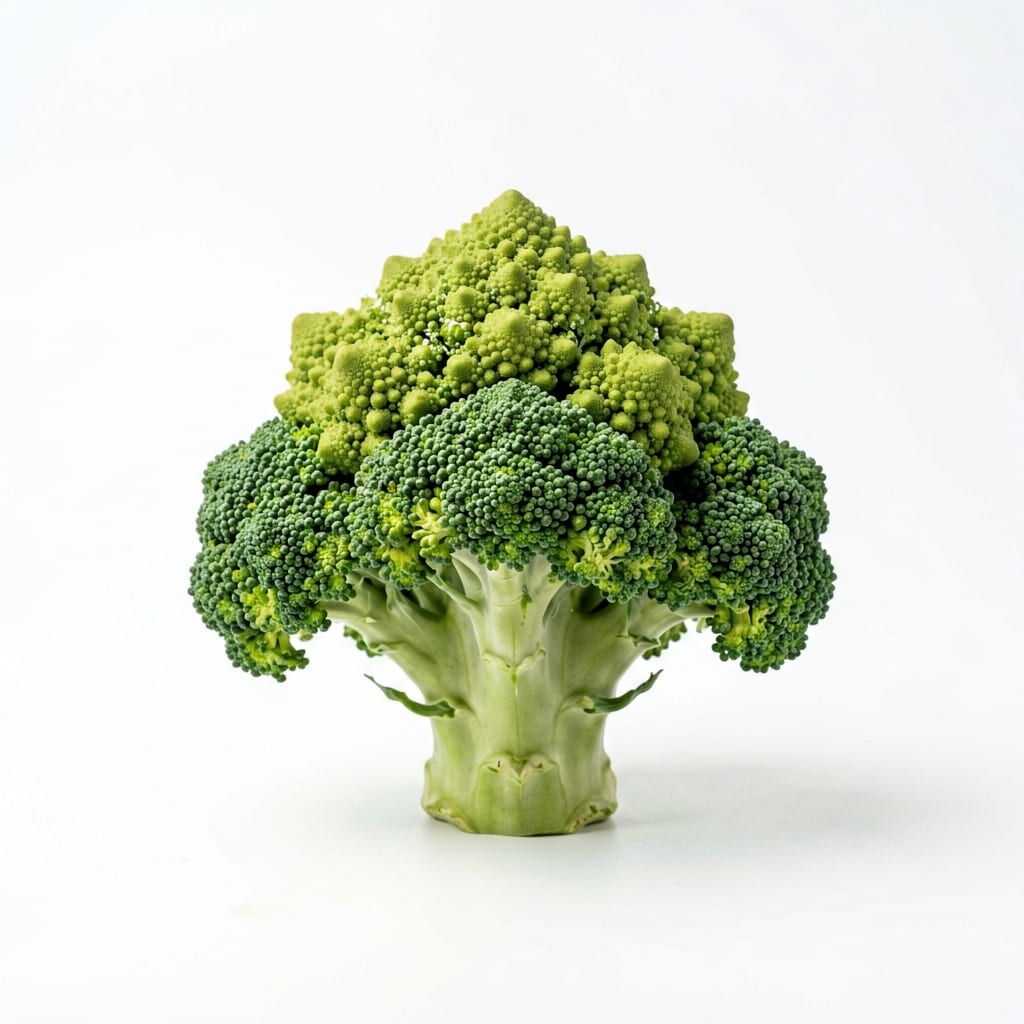
Romanesco Broccoli
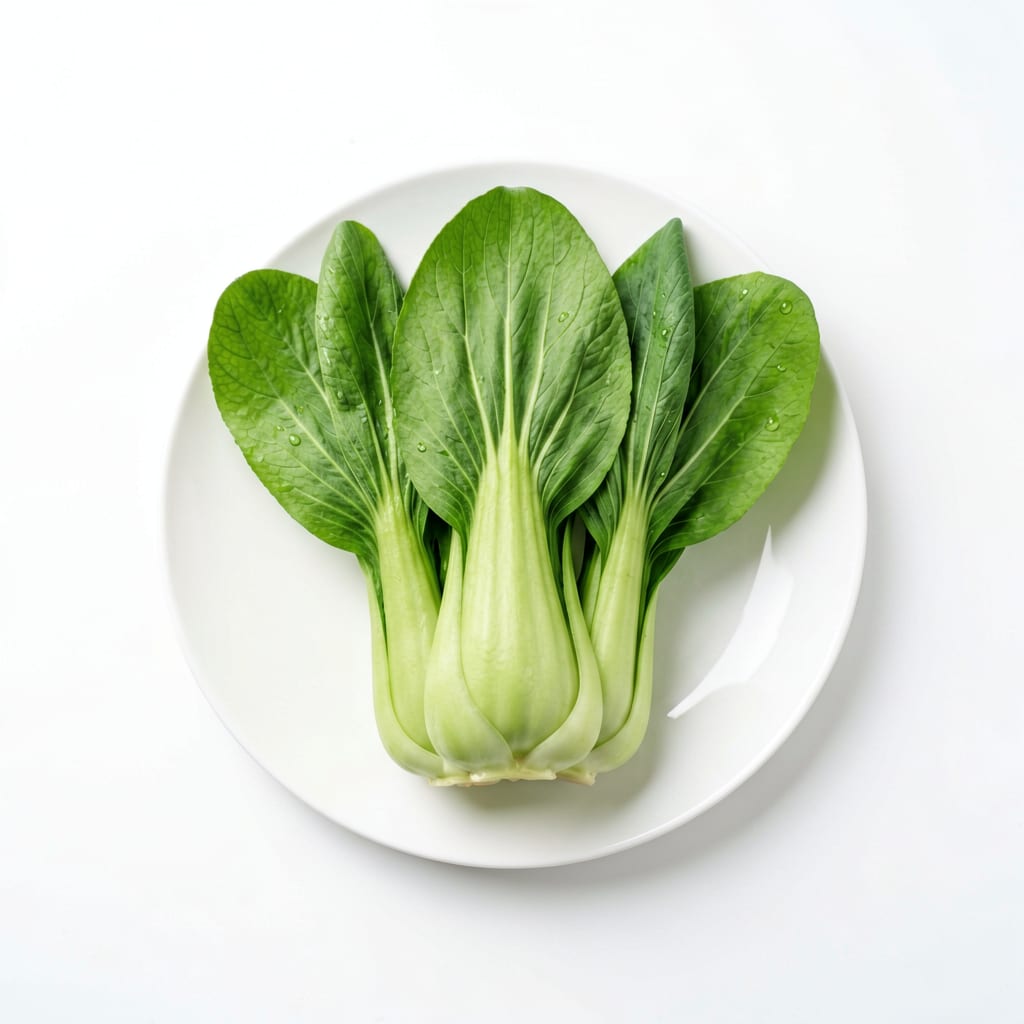
Bok Choy
Romanesco Broccoli delivers more fiber and vitamin C per bite, while Bok Choy offers easier digestion, faster cooking, and superior calcium content.
Bok Choy edges ahead due to superior practicality, easier digestion, and wider availability. Romanesco Broccoli wins on nutrient density but its seasonal scarcity and harder-to-digest nature make it less sustainable for daily use.
Nutritional intensity versus everyday practicality — Romanesco is the denser fuel, Bok Choy is the easier habit.
At a glance
Executive summary
Overall
It depends
Healthier
Romanesco Broccoli
More practical
Bok Choy
Daily use
Bok Choy
Key comparison lenses
nutrient density comparison
Both are cruciferous powerhouses but with distinctly different vitamin and mineral profiles that affect real-world meal choices
cooking convenience and versatility
Bok Choy cooks in minutes while Romanesco requires more prep and longer cooking times, heavily influencing weeknight decisions
digestive tolerance and lightness
Bok Choy is gentler on the stomach and lower in fiber bulk, making it more suitable for sensitive digestion or lighter meals
antioxidant and cancer fighting potential
Both contain glucosinolates but in different amounts and types, relevant for long-term disease prevention strategies
availability and cost
Romanesco is seasonal and harder to find while Bok Choy is widely available year-round, impacting practical daily use
Best choice for
Romanesco Broccoli
- People maximizing nutrient density per serving
- Those seeking higher fiber intake for fullness and gut health
- Anyone wanting more vitamin C from vegetables
- Cooking enthusiasts who enjoy roasting or grilling
- Meal preppers who prepare vegetables in bulk
Bok Choy
- People with sensitive digestion who need gentler vegetables
- Busy home cooks needing 5-minute side dishes
- Anyone watching calorie intake closely
- Those seeking more calcium from plant sources
- Stir-fry and Asian cuisine lovers
Least suitable for
Romanesco Broccoli
- People with IBS or fiber sensitivity
- Those who need quick weeknight meals
- Shoppers with limited access to specialty produce
- Anyone who dislikes strong cruciferous flavors
Bok Choy
- Those needing high fiber to feel satisfied
- People looking for robust, filling vegetable dishes
- Anyone wanting significant vitamin C per serving
- Those who prefer heartier, denser vegetable textures
Deep comparison
Dimension by dimension
Each lens scores both foods and breaks down who each option suits.
- Dimension 1 · Priority 92Romanesco Broccoli
nutrient_density
Romanesco Broccoli · 88Bok Choy · 79Romanesco Broccoli packs more vitamin C, fiber, and glucosinolates per serving than Bok Choy, making each bite more nutritionally impactful.
Tradeoff
That density comes with more digestive work and a heavier feel in the stomach.
Why it matters
If you eat vegetables partly to maximize what you get per calorie, Romanesco delivers more per forkful.
Real-world impact
A single serving of Romanesco covers over 100% of daily vitamin C needs, while Bok Choy covers roughly 75%. The fiber difference means Romanesco keeps you fuller longer.
Romanesco Broccoli
- Maximizing vitamin C intake
- Getting more fiber per meal
- Feeling fuller after vegetable dishes
Better for
- Can feel too heavy in light meals
- Excess fiber may cause bloating
Worse for
Bok Choy
- Getting more calcium per serving
- Lower calorie meals when cutting
- Easier nutrient absorption for sensitive guts
Better for
- Lower overall vitamin C per serving
- Less satisfying for big appetites
Worse for
- Dimension 2 · Priority 80Bok Choy
digestive_ease
Romanesco Broccoli · 55Bok Choy · 85Bok Choy is significantly gentler on digestion due to its higher water content and lower fiber density.
Tradeoff
Easier digestion means less fullness and less gut-feeding fiber for your microbiome.
Why it matters
For anyone with IBS, bloating tendencies, or who eats vegetables late at night, this difference is immediately noticeable.
Real-world impact
Bok Choy feels light in the stomach within 30 minutes. Romanesco can sit heavy and produce gas, especially if undercooked.
Romanesco Broccoli
- Feeding gut bacteria with prebiotic fiber
- Longer-lasting satiety
Better for
- Gas and bloating risk
- Heavy feeling after large portions
Worse for
Bok Choy
- Late-night eating without discomfort
- Sensitive stomachs and IBS management
- Post-workout meals when digestion should be easy
Better for
- Less prebiotic benefit for gut flora
- Hunger returns sooner after eating
Worse for
- Dimension 3 · Priority 88Bok Choy
cooking_convenience
Romanesco Broccoli · 48Bok Choy · 90Bok Choy cooks in 2-3 minutes and requires minimal prep. Romanesco needs trimming, cutting, and 8-12 minutes of cooking.
Tradeoff
Speed and ease versus depth of flavor and texture complexity.
Why it matters
On a busy Tuesday night, the vegetable that takes 3 minutes wins over the one that takes 15, every time.
Real-world impact
Bok Choy goes from fridge to plate in under 5 minutes. Romanesco requires planning and often blanching before roasting or sautéing.
Romanesco Broccoli
- Developing deeper caramelized flavors
- Meal prep batches that reheat well
- Showpiece dishes for entertaining
Better for
- Too slow for spontaneous cooking
- Multiple steps increase cleanup
Worse for
Bok Choy
- Weeknight dinners in a rush
- Quick lunch additions
- Stir-fries where timing matters
Better for
- Can overcook and become mushy instantly
- Limited flavor depth compared to roasting
Worse for
- Dimension 4 · Priority 72Bok Choy
calcium_and_bone_support
Romanesco Broccoli · 52Bok Choy · 84Bok Choy provides notably more calcium per serving, a rare advantage among non-dairy foods.
Tradeoff
Romanesco offers more vitamin K which also supports bone health, but the calcium gap is significant.
Why it matters
For anyone avoiding dairy, Bok Choy is one of the best plant-based calcium sources available.
Real-world impact
One cup of cooked Bok Choy provides about 16% of daily calcium needs. Romanesco provides roughly 6%.
Romanesco Broccoli
- Vitamin K for calcium utilization
- Overall mineral variety
Better for
- Much less calcium per serving
- Less useful as a primary bone-support food
Worse for
Bok Choy
- Dairy-free calcium sourcing
- Bone density maintenance over time
- Older adults needing absorbable calcium
Better for
- Lower vitamin K to complement calcium
Worse for
- Dimension 5 · Priority 75Bok Choy
availability_and_cost
Romanesco Broccoli · 40Bok Choy · 88Bok Choy is available year-round in most grocery stores at low cost. Romanesco is seasonal, specialty, and often pricier.
Tradeoff
Exclusivity and novelty versus reliable access and budget-friendliness.
Why it matters
The healthiest vegetable only works if you can actually buy it consistently.
Real-world impact
Bok Choy costs $1-2 per head and is always in stock. Romanesco appears mainly in fall and can cost $4-6 per head at farmers markets or specialty stores.
Romanesco Broccoli
- Special occasion meals and dinner parties
- Farmers market enthusiasts who cook seasonally
Better for
- Cannot rely on it for regular meal prep
- Higher cost per serving
Worse for
Bok Choy
- Consistent weekly meal planning
- Budget-conscious households
- Anyone without specialty grocery access
Better for
- Less culinary excitement or novelty
Worse for
- Dimension 6 · Priority 78Romanesco Broccoli
antioxidant_diversity
Romanesco Broccoli · 86Bok Choy · 74Romanesco contains higher levels of glucosinolates and sulforaphane precursors, giving it an edge in cellular defense compounds.
Tradeoff
More cancer-fighting potential but also more compounds that can interfere with thyroid function if consumed in extreme excess.
Why it matters
For people specifically eating cruciferous vegetables for disease prevention, the glucosinolate profile matters.
Real-world impact
Regular consumption of high-glucosinolate vegetables like Romanesco is linked to reduced cancer risk in epidemiological studies. Bok Choy still contributes but at lower concentrations.
Romanesco Broccoli
- Long-term cancer risk reduction
- Detoxification enzyme activation
- Anti-inflammatory compound density
Better for
- Higher goitrogen content requires moderation for thyroid patients
- Benefits require regular consumption which is hard given seasonal availability
Worse for
Bok Choy
- Lower goitrogenic load for thyroid concerns
- Still meaningful antioxidant contribution
Better for
- Less potent glucosinolate profile overall
Worse for
Timeline
Health impact over time
Short-term
Hours to days
Romanesco Broccoli
- Noticeable fullness after eating due to high fiber content
- Possible gas or bloating, especially if not thoroughly cooked
- Vitamin C boost supporting immune function within hours
Bok Choy
- Light, comfortable feeling after eating with minimal digestive strain
- Quick hydration from high water content
- Rapid satisfaction of vegetable cravings without heaviness
Long-term
Months to years
Romanesco Broccoli
- Stronger gut microbiome from consistent prebiotic fiber intake
- Enhanced cellular defense from regular glucosinolate consumption
- Potential thyroid interaction if consumed in very large amounts daily without iodine-rich foods
Bok Choy
- Improved bone density from consistent calcium intake
- Gentle sustained antioxidant support without digestive burden
- Easy habit formation due to cooking convenience, leading to more consistent vegetable consumption overall
Risk profile
Safety & processing
Both Romanesco Broccoli and Bok Choy are whole, unprocessed vegetables typically sold fresh. Neither carries meaningful additive concerns. The main difference is that Bok Choy is sometimes sold pre-washed in bags, which carries slightly higher contamination risk but remains minimally processed.
Romanesco Broccoli
Pesticide residue on tight florets
mediumThe fractal floret structure traps pesticide residue more than smooth-leaved vegetables. Soaking and rinsing is essential.
Bacterial contamination in crevices
lowSimilar to regular broccoli, the tight floret heads can harbor bacteria. Thorough cooking eliminates this concern.
Bok Choy
E. coli and salmonella on leaf surfaces
mediumBok Choy grows close to the ground and has been involved in produce recalls. Thorough washing is important, especially for pre-packaged versions.
Pesticide residue on outer leaves
lowOuter leaves can retain spray but are easier to wash than floret structures. Removing the outermost leaves reduces exposure significantly.
Who wins for whom
Audience fit
Same foods, different winners depending on your goal.
children
Bok ChoyBok Choy has a milder flavor and softer texture when cooked, making it more kid-friendly. The visual novelty of Romanesco can intrigue some children but its stronger flavor often rejects them.
daily consumption
Bok ChoyAvailability, affordability, cooking speed, and digestive ease make Bok Choy far more sustainable as a daily vegetable habit. Romanesco works better as an occasional nutrient boost.
diabetes
Romanesco BroccoliHigher fiber content slows glucose absorption more effectively. Romanesco has a lower glycemic impact per serving despite both being excellent low-GI choices.
elderly
Bok ChoyEasier digestion, higher calcium for bone health, and softer cooked texture make Bok Choy more appropriate for aging digestive systems and bone density concerns.
muscle gain
Romanesco BroccoliRomanesco provides slightly more protein and significantly more vitamin C per serving, which supports collagen synthesis and recovery. The fiber also helps with sustained energy during training.
weight loss
Bok ChoyBok Choy provides more volume and hydration per calorie, making it easier to fill up without overeating. Its lightness also prevents the heavy feeling that can trigger cravings later.
Your move
Decision guide
Choose Romanesco Broccoli
- You want maximum nutrient density per serving and digestion is not an issue
- You are meal prepping and can invest time in roasting or blanching
- You find it at a farmers market and want to take advantage of seasonal abundance
- You need more fiber in your diet to stay full and support gut health
- You enjoy robust cruciferous flavor and satisfying textures
Choose Bok Choy
- You need a vegetable that goes from fridge to plate in under 5 minutes
- You have a sensitive stomach or want something light for evening meals
- You are avoiding dairy and need reliable plant-based calcium
- You want a vegetable you can actually eat every day without tiring of it
- You cook a lot of stir-fries, soups, or Asian-inspired dishes
Either works if
- You simply want more cruciferous vegetables in your diet and both are available
- You are rotating vegetables for microbiome diversity
- You are cooking a mixed vegetable dish where both could contribute different textures
Avoid both if
- You are on a strict low-FODMAP diet during elimination phase, as both contain fermentable carbohydrates
- You have a diagnosed cruciferous vegetable allergy or severe thyroid condition requiring goitrogen restriction
Final recommendation
Keep Bok Choy as your everyday workhorse vegetable and treat Romanesco Broccoli as a nutrient-dense upgrade when you find it fresh. The best long-term strategy is rotating both — Bok Choy for consistency and ease, Romanesco for intensity and variety. If forced to pick one for daily use, Bok Choy wins because the vegetable you actually cook and eat always beats the one that sits in your crisper waiting for inspiration.
Practical
Consumer tips
- 1
Soak Romanesco in salted water for 10 minutes before cooking to remove hidden pesticide residue from the floret crevices
- 2
Cut Romanesco into flat pieces rather than keeping the fractal shape for more even cooking and better texture
- 3
Bok Choy stems and leaves cook at different rates — add stems to the pan 2 minutes before the leaves for perfect results
- 4
Buy Romanesco in fall when it is peak season and most affordable; freeze blanched florets for later use
- 5
Choose Bok Choy with firm white stems and deep green leaves — yellowing means it is past prime and will taste bitter
- 6
If digestion is a concern with Romanesco, try roasting at high heat which breaks down more fiber than steaming
- 7
Both vegetables lose vitamin C with prolonged storage — use within 3-4 days of purchase for maximum nutritional value