
Nutrition comparison
Romanesco Broccoli vs Cauliflower: Nutrition, Taste, and Which to Choose
Romanesco Broccoli packs more nutrients and cancer-fighting compounds but Cauliflower wins on versatility and availability. Compare these cruciferous cousins to find your best fit.
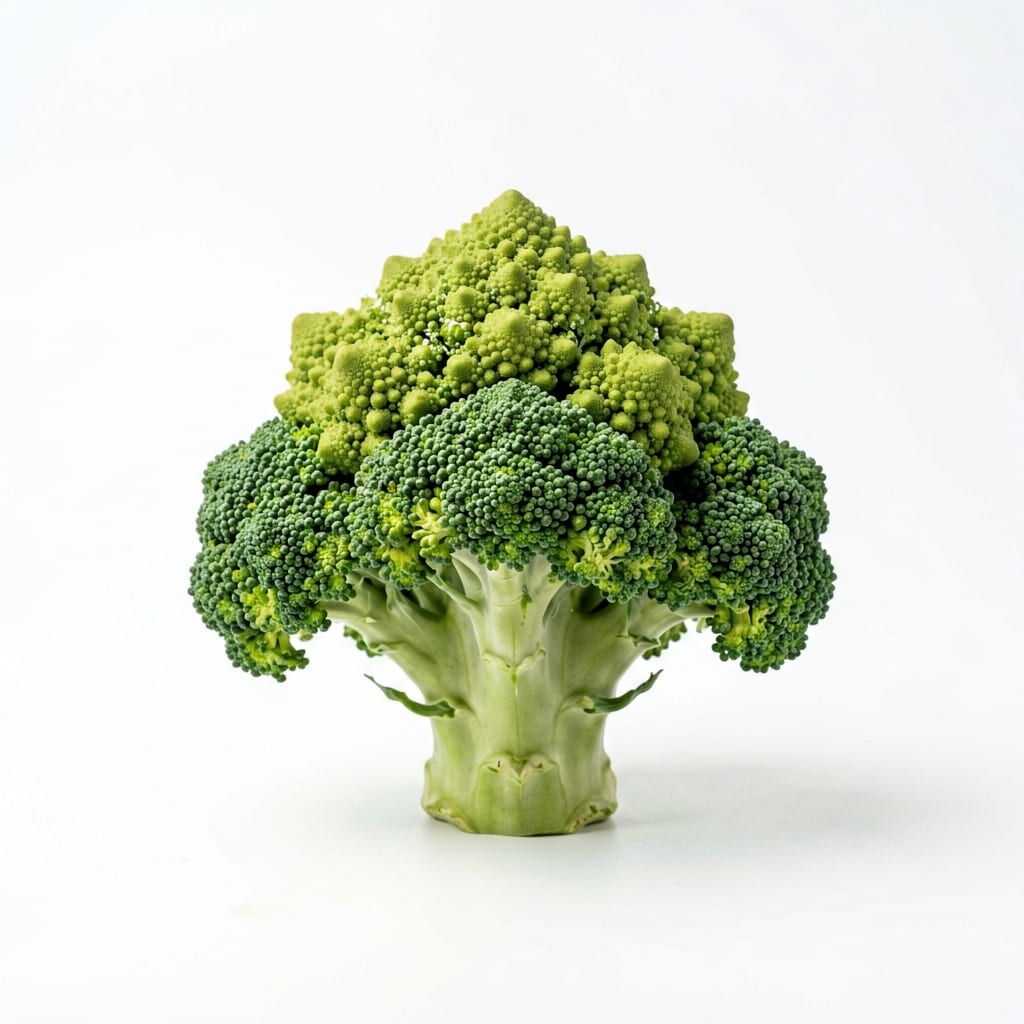
Romanesco Broccoli
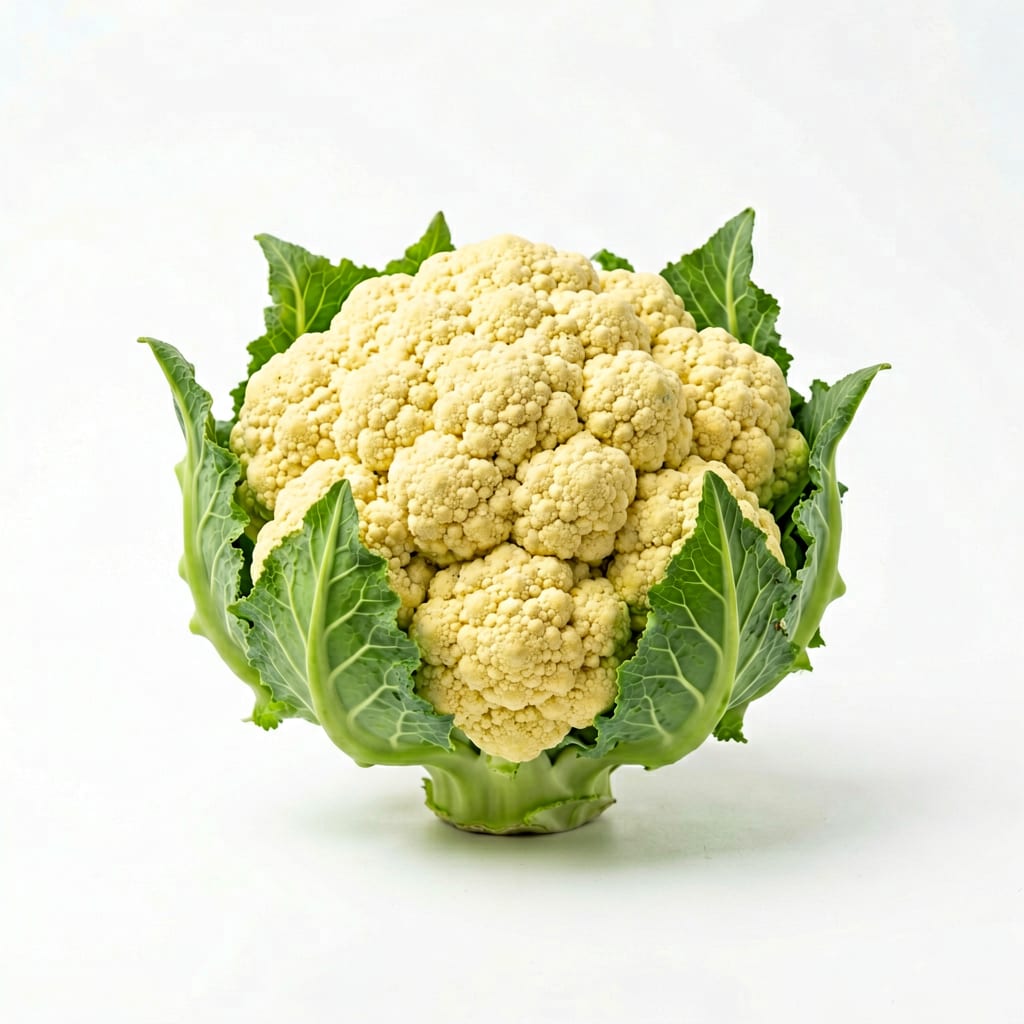
Cauliflower
Romanesco Broccoli wins on nutrition but Cauliflower wins on practicality — choose based on whether you prioritize peak nutrient intake or everyday usability.
Romanesco Broccoli scores higher nutritionally but loses ground on accessibility and versatility. Cauliflower's everyday practicality narrows the gap significantly. The close scores reflect that both are genuinely healthy choices — the real decision is about lifestyle fit, not health risk.
More vitamins and cancer-fighting compounds in Romanesco versus dramatically better availability, affordability, and cooking flexibility in Cauliflower.
At a glance
Executive summary
Overall
It depends
Healthier
Romanesco Broccoli
More practical
Cauliflower
Daily use
Cauliflower
Key comparison lenses
nutrient density comparison
Both are cruciferous vegetables but Romanesco's green pigmentation signals significantly more phytonutrients
practical everyday use
Cauliflower's availability and versatility make it a daily staple while Romanesco is seasonal and specialty
cancer prevention potential
Glucosinolate content differs meaningfully between these cruciferous cousins
culinary versatility
Cauliflower has become a famous low-carb substitute while Romanesco remains a niche ingredient
antioxidant diversity
Color difference directly reflects carotenoid and flavonoid content gaps
Best choice for
Romanesco Broccoli
- People maximizing antioxidant and phytonutrient intake
- Home cooks wanting a visually stunning centerpiece vegetable
- Anyone seeking stronger cancer-fighting glucosinolates
- Farmers market shoppers looking for seasonal variety
Cauliflower
- Meal preppers needing a reliable weekly staple
- Low-carb dieters relying on cauliflower rice or mash
- Budget-conscious households
- People who need year-round consistent availability
Least suitable for
Romanesco Broccoli
- Anyone living far from specialty grocery stores
- Budget-limited households during off-season
- People who need quick prep familiar ingredients
Cauliflower
- Those seeking maximum nutrient density per calorie
- People wanting diverse carotenoid and flavonoid intake
- Anyone bored with bland vegetables needing flavor excitement
Deep comparison
Dimension by dimension
Each lens scores both foods and breaks down who each option suits.
- Dimension 1 · Priority 95Romanesco Broccoli
nutrient_density
Romanesco Broccoli · 88Cauliflower · 72Romanesco Broccoli delivers noticeably more vitamin C, vitamin K, and carotenoids per serving than Cauliflower.
Tradeoff
You gain stronger antioxidant protection with Romanesco but sacrifice the convenience of grabbing Cauliflower at any grocery store.
Why it matters
Higher nutrient density means each bite works harder for your immune system, bone health, and cellular defense.
Real-world impact
Eating Romanesco a few times a week could meaningfully boost your vitamin C intake compared to Cauliflower, especially during cold season.
Romanesco Broccoli
- Immune system support during winter months
- Bone density maintenance in older adults
- Skin health from carotenoid content
Better for
- Inconsistent access limits reliable nutrient intake
Worse for
Cauliflower
- Consistent baseline nutrition year-round
- Folate intake for pregnant women
Better for
- Missing the carotenoid boost that green cruciferous vegetables provide
Worse for
- Dimension 2 · Priority 88Romanesco Broccoli
cancer_fighting_compounds
Romanesco Broccoli · 86Cauliflower · 74Romanesco contains higher levels of glucosinolates, the sulfur compounds that convert to cancer-fighting isothiocyanates during digestion.
Tradeoff
More potent chemoprevention from Romanesco, but Cauliflower still provides meaningful glucosinolate content and is easier to eat regularly.
Why it matters
Regular cruciferous vegetable consumption is one of the strongest dietary patterns linked to lower cancer risk.
Real-world impact
Consistently eating either vegetable several times a week matters more than occasionally eating the superior one. Cauliflower's convenience may actually win on total glucosinolate intake over time.
Romanesco Broccoli
- Maximizing glucosinolate density per serving
- People with family history of hormone-sensitive cancers
Better for
- Irregular access reduces cumulative cancer-fighting benefit
Worse for
Cauliflower
- Consistent weekly intake due to easy availability
- Sustained long-term cruciferous consumption habits
Better for
- Lower concentration means you need larger or more frequent servings
Worse for
- Dimension 3 · Priority 85Cauliflower
culinary_versatility
Romanesco Broccoli · 58Cauliflower · 92Cauliflower has become the Swiss army knife of low-carb cooking — rice, mash, pizza crust, wings — while Romanesco is best enjoyed simply roasted or steamed.
Tradeoff
Cauliflower transforms into dozens of dishes but delivers milder flavor. Romanesco has a nutty, complex taste that shines on its own but resists substitution roles.
Why it matters
A vegetable you can cook 15 ways gets eaten far more often than one with three good preparations.
Real-world impact
If you're trying to reduce carbs, Cauliflower practically carries that goal alone. Romanesco is a delicious side dish but won't replace your rice or potatoes.
Romanesco Broccoli
- Elegant dinner party presentations
- Roasting with olive oil and garlic as a standout dish
Better for
- Cannot replicate rice, mash, or crust textures
- Limited recipe ecosystem compared to Cauliflower
Worse for
Cauliflower
- Low-carb meal replacement strategies
- Meal prep batch cooking
- Picky eaters who prefer milder flavors
Better for
- Bland without aggressive seasoning
- Does not deliver the visual wow factor
Worse for
- Dimension 4 · Priority 82Cauliflower
availability_and_cost
Romanesco Broccoli · 38Cauliflower · 94Cauliflower is available everywhere year-round at low prices. Romanesco is seasonal, specialty, and often double the cost.
Tradeoff
Paying more for Romanesco gets you superior nutrition but makes consistent consumption harder.
Why it matters
The healthiest vegetable only works if you can actually buy and eat it regularly.
Real-world impact
Most people will find Cauliflower at any store for under $3. Romanesco requires a farmers market or specialty grocer and can cost $5-8 per head.
Romanesco Broccoli
- Supporting local farms and seasonal eating
- Experiencing unique heritage varieties
Better for
- Many regions cannot source it at all
- Price volatility makes budgeting difficult
Worse for
Cauliflower
- Weekly grocery budgets under $50
- One-stop shopping at conventional stores
- Reliable meal planning without supply surprises
Better for
- Industrial-scale farming raises pesticide exposure concerns
Worse for
- Dimension 5 · Priority 72It depends
digestive_tolerance
Romanesco Broccoli · 68Cauliflower · 70Both can cause gas and bloating in sensitive people due to fermentable fibers. Cauliflower is slightly gentler when cooked thoroughly.
Tradeoff
Romanesco's higher fiber content is great for most people but tougher on sensitive digestive systems.
Why it matters
If cruciferous vegetables cause discomfort, you're less likely to eat them regularly regardless of their nutritional value.
Real-world impact
Start with small portions of either vegetable and cook well. Steaming or roasting reduces the gas-producing compounds significantly.
Romanesco Broccoli
- Promoting healthy gut microbiome diversity
- Supporting regular bowel movements
Better for
- Higher fiber can trigger bloating in unaccustomed digestive systems
Worse for
Cauliflower
- More easily tolerated by IBS-sensitive individuals when well-cooked
- Smoother introduction for people new to cruciferous vegetables
Better for
- Still problematic for FODMAP-sensitive individuals
Worse for
- Dimension 6 · Priority 78Romanesco Broccoli
antioxidant_diversity
Romanesco Broccoli · 84Cauliflower · 60Romanesco's green color signals carotenoids like lutein and zeaxanthin that white Cauliflower simply lacks.
Tradeoff
You get broader antioxidant coverage with Romanesco but miss the convenience factor that keeps Cauliflower on your plate more often.
Why it matters
Diverse antioxidants protect different tissues — lutein for eyes, vitamin C for skin, glucosinolates for liver detox.
Real-world impact
If you eat mostly white and colorless vegetables, you're missing entire categories of protective compounds. Romanesco fills that gap naturally.
Romanesco Broccoli
- Eye health protection from lutein and zeaxanthin
- Broader cellular defense against oxidative stress
Better for
- Antioxidant advantage only matters if you eat it consistently
Worse for
Cauliflower
- Adequate vitamin C antioxidant support
- Consistent baseline protection from regular consumption
Better for
- Missing carotenoid family entirely due to white pigmentation
Worse for
Timeline
Health impact over time
Short-term
Hours to days
Romanesco Broccoli
- Noticeable energy lift from higher vitamin C content
- Potential digestive adjustment period if unused to high fiber
- Satiety from dense nutrient and fiber combination
Cauliflower
- Light comfortable feeling after meals due to low calorie density
- Possible gas if eaten raw in large quantities
- Quick blood sugar stabilization from fiber content
Long-term
Months to years
Romanesco Broccoli
- Stronger cumulative cancer risk reduction from glucosinolates
- Better eye health maintenance from carotenoid intake
- Enhanced immune resilience from consistent vitamin C levels
Cauliflower
- Reliable long-term weight management from low-calorie volume eating
- Consistent detoxification support from regular glucosinolate intake
- Steady digestive health from habitual fiber consumption
Risk profile
Safety & processing
Both vegetables are whole foods in their natural state. Neither carries processing concerns when purchased fresh. The only caveat is pre-cut Cauliflower products which may have reduced nutrient content and added preservatives — always choose whole heads when possible.
Romanesco Broccoli
Pesticide residue
mediumAs a less common crop, Romanesco may receive varied pesticide treatments. Organic is preferable but harder to find.
Spoilage from long supply chains
lowSpecialty produce may travel further, reducing freshness. Inspect heads carefully for yellowing or soft spots.
Cauliflower
Pesticide residue
mediumCauliflower is on the EWG's Dirty Dozen list due to high pesticide use in conventional farming. Organic significantly reduces exposure.
Mold in tight curds
lowThe dense floret structure can trap moisture and harbor mold. Cut away any dark spots and wash thoroughly.
Who wins for whom
Audience fit
Same foods, different winners depending on your goal.
children
CauliflowerCauliflower's milder flavor and ability to hide in mashed potatoes or mac and cheese makes it far more kid-friendly than the more assertive Romanesco.
daily consumption
CauliflowerConsistent access, affordable price, and cooking flexibility make Cauliflower realistic as a daily staple. Romanesco works better as a weekly or seasonal addition.
diabetes
CauliflowerCauliflower rice and mash make reducing carbs dramatically easier, which directly helps blood sugar management in daily practice.
elderly
Romanesco BroccoliRomanesco's superior vitamin K and carotenoid content supports bone density and eye health, both critical concerns for aging adults who can source it.
muscle gain
It dependsNeither is a significant protein source. Romanesco has slightly more protein per serving but the difference is negligible for muscle building goals.
weight loss
CauliflowerCauliflower's extreme versatility as a low-calorie substitute for rice, mash, and crusts makes it easier to sustain a calorie deficit long-term.
Your move
Decision guide
Choose Romanesco Broccoli
- You have access to a farmers market or specialty grocer
- Maximizing nutrient density per calorie is your top priority
- You want to impress dinner guests with a visually stunning vegetable
- You're building a diverse antioxidant portfolio across your weekly meals
- You enjoy nutty, complex vegetable flavors over mild ones
Choose Cauliflower
- You need a reliable vegetable available every week without hunting
- Low-carb meal replacements are central to your eating strategy
- Budget is a significant constraint
- You're feeding picky eaters who prefer milder flavors
- You meal prep and need one versatile vegetable for multiple recipes
Either works if
- You simply want more cruciferous vegetables in your diet
- Both are available and affordable where you shop
- You're rotating vegetables for microbiome diversity
Avoid both if
- You have severe FODMAP intolerance and cannot tolerate any cruciferous vegetables
- You're on a strict low-fiber diet for digestive recovery
Final recommendation
Use Cauliflower as your daily workhorse and Romanesco as your nutritional upgrade when you find it. This combination gives you the consistency of Cauliflower with periodic nutrient boosts from Romanesco. Aim for cruciferous vegetables 4-5 times per week regardless of which one — the cancer-fighting benefits accumulate with regular consumption, not occasional perfection.
Practical
Consumer tips
- 1
Buy organic Cauliflower when possible — it consistently ranks high for pesticide residue on conventional produce
- 2
Choose Romanesco heads with tight, bright green spirals and no yellowing — this indicates freshness and peak nutrient content
- 3
Roast both vegetables at 425°F with olive oil and garlic — this brings out natural sweetness while preserving glucosinolates better than boiling
- 4
If Romanesco is unavailable, regular broccoli is a closer nutritional match than Cauliflower due to its green color and similar phytonutrient profile
- 5
Don't overcook either vegetable — mushy cruciferous vegetables lose both flavor and cancer-fighting compounds rapidly
- 6
Pre-cut Cauliflower saves time but loses vitamin C quickly — cut your own within 2-3 days of purchase for best nutrition