
Nutrition comparison
Romanesco Broccoli vs Cabbage: Which Cruciferous Vegetable Is Better for You?
Compare Romanesco Broccoli and Cabbage on nutrition, cost, practicality, and health benefits. Find out which cruciferous vegetable fits your lifestyle and budget best.
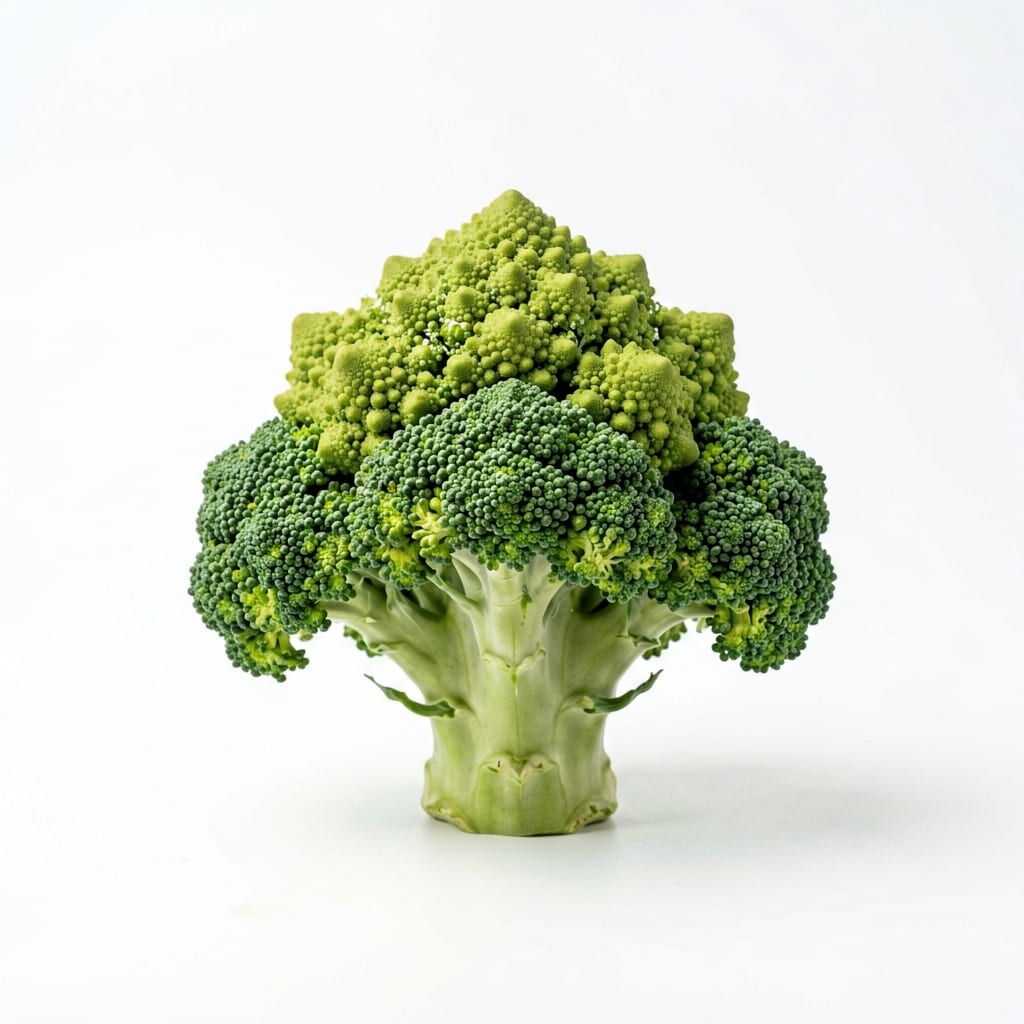
Romanesco Broccoli
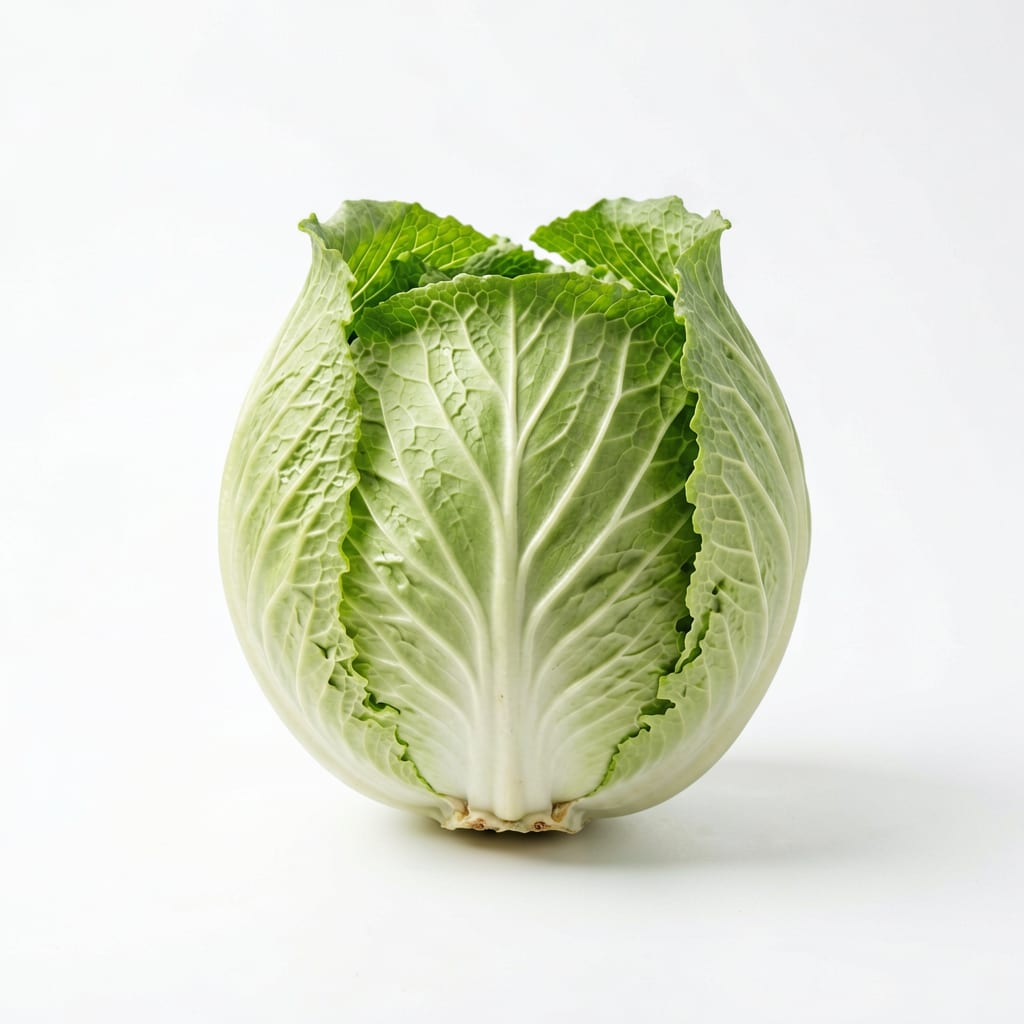
Cabbage
Romanesco Broccoli wins on nutrient density and visual appeal, but Cabbage dominates on practicality, price, and everyday usability.
Romanesco Broccoli scores slightly higher for nutritional superiority, but Cabbage nearly matches it overall thanks to overwhelming advantages in cost, availability, shelf life, and versatility. The close scores reflect that both are genuinely healthy choices with different strengths.
Exotic nutritional powerhouse versus reliable kitchen workhorse — you pay more and hunt harder for Romanesco, while Cabbage is always there and costs almost nothing.
At a glance
Executive summary
Overall
It depends
Healthier
Romanesco Broccoli
More practical
Cabbage
Daily use
Cabbage
Key comparison lenses
nutrient density per calorie
Both are ultra-low-calorie cruciferous vegetables, so the real question is which packs more nutritional punch per bite
everyday practicality and accessibility
Cabbage is a pantry staple available everywhere year-round; Romanesco is seasonal, pricier, and harder to find
cancer protective compounds
Both are glucosinolate-rich cruciferous vegetables, but their specific profiles differ meaningfully
budget and meal prep feasibility
Cabbage is one of the cheapest vegetables available; Romanesco is a specialty item with limited availability
digestive tolerance
Both can cause gas and bloating, but cabbage is notorious for this, especially raw
Best choice for
Romanesco Broccoli
- People wanting maximum micronutrient variety per calorie
- Home cooks seeking a visually stunning centerpiece vegetable
- Anyone bored with common cruciferous vegetables and wanting novelty
- Those focused on unique antioxidant compounds like lutein and zeaxanthin
Cabbage
- Budget-conscious households needing affordable daily vegetables
- Meal preppers who want vegetables that last weeks in the fridge
- People who ferment their own vegetables for gut health
- Anyone cooking for a crowd without breaking the bank
Least suitable for
Romanesco Broccoli
- People in food deserts or areas with limited specialty produce
- Anyone on a tight grocery budget
- Those who need long-lasting vegetables for infrequent shopping trips
- Pickier eaters who might be put off by its unusual appearance
Cabbage
- People prone to severe gas and bloating from cruciferous vegetables
- Anyone seeking a visually exciting or novel eating experience
- Those wanting peak micronutrient density in every single bite
- Raw food enthusiasts who find raw cabbage too harsh to eat alone
Deep comparison
Dimension by dimension
Each lens scores both foods and breaks down who each option suits.
- Dimension 1 · Priority 92Romanesco Broccoli
nutrient_density
Romanesco Broccoli · 88Cabbage · 74Romanesco Broccoli delivers more diverse micronutrients per calorie, especially vitamin C, vitamin K, and eye-protective antioxidants like lutein and zeaxanthin.
Tradeoff
You get richer nutrition from Romanesco, but Cabbage still provides solid vitamin C, vitamin K, and glucosinolates at a fraction of the cost.
Why it matters
If every calorie needs to work harder for you — during calorie restriction or recovery — the denser option pays off more per bite.
Real-world impact
A serving of Romanesco feels like a more complete nutritional investment, while Cabbage feels like getting 80% of the benefit for 20% of the effort.
Romanesco Broccoli
- Maximizing vitamin intake during calorie-restricted diets
- Boosting eye health with lutein and zeaxanthin
- Getting more zinc and folate from a single vegetable serving
Better for
- Situations where the nutritional edge is wasted because of inconsistent access
Worse for
Cabbage
- Getting adequate vitamin C on a tight budget
- Maintaining consistent nutrient intake when specialty produce is unavailable
Better for
- Anyone needing peak micronutrient density from limited food volume
Worse for
- Dimension 2 · Priority 88Cabbage
practicality_and_accessibility
Romanesco Broccoli · 35Cabbage · 95Cabbage is available everywhere, costs very little, and stores for weeks. Romanesco is seasonal, often requires specialty stores, and costs significantly more.
Tradeoff
You can eat Cabbage any day of the year without thinking about it; Romanesco requires planning, luck, and a bigger wallet.
Why it matters
The healthiest vegetable is the one you actually eat consistently. Cabbage's convenience makes it a realistic daily staple.
Real-world impact
Cabbage is the vegetable you grab without thinking on a Tuesday night. Romanesco is the one you build a meal around when you find it at the farmers market.
Romanesco Broccoli
- Special occasion meals where the visual impact matters
- Weekend cooking when you have time to seek out specialty ingredients
Better for
- Last-minute meal prep
- Anyone living far from specialty grocers
Worse for
Cabbage
- Weeknight dinners when you need something reliable in the fridge
- Grocery trips on a budget
- Emergency vegetable needs when you have not shopped in a while
- Feeding a large family affordably
Better for
- Meals where presentation and novelty are priorities
Worse for
- Dimension 3 · Priority 85Romanesco Broccoli
cancer_protective_compounds
Romanesco Broccoli · 86Cabbage · 80Both contain glucosinolates that convert to cancer-fighting compounds, but Romanesco has a slightly broader and more potent profile due to its unique hybrid genetics.
Tradeoff
Romanesco offers a marginally stronger defense, but Cabbage — especially raw or lightly fermented — still delivers substantial protection.
Why it matters
Regular cruciferous vegetable consumption is one of the most evidence-backed dietary strategies for cancer risk reduction.
Real-world impact
Eating either vegetable regularly matters far more than choosing between them. The difference is real but small compared to the difference between eating cruciferous vegetables and not eating them.
Romanesco Broccoli
- People with family history of cancer wanting every marginal advantage
- Those who can afford to eat it regularly
Better for
- Inconsistent consumption undermines the advantage
Worse for
Cabbage
- Consistent daily intake — the vegetable you actually eat 4 times a week beats the one you eat once a month
Better for
- Overcooking destroys much of the glucosinolate benefit
Worse for
- Dimension 4 · Priority 78Cabbage
shelf_life_and_food_waste
Romanesco Broccoli · 40Cabbage · 92A whole cabbage can last 3-4 weeks refrigerated. Romanesco lasts 4-7 days and wilts quickly, making it prone to food waste.
Tradeoff
Cabbage forgives procrastination; Romanesco demands prompt cooking.
Why it matters
Food waste is both a financial and nutritional loss. Vegetables that go bad before you eat them deliver zero health benefits.
Real-world impact
That cabbage in your crisper drawer will wait for you. Romanesco will not.
Romanesco Broccoli
- Planned meals where you cook it the same day you buy it
Better for
- Anyone who loses track of produce in the fridge
- Small households that take days to finish a head
Worse for
Cabbage
- Infrequent shopping trips
- People who sometimes forget what is in the fridge
- Batch cooking and meal prep over several days
Better for
- Situations where long shelf life encourages over-buying and waste anyway
Worse for
- Dimension 5 · Priority 72It depends
digestive_tolerance
Romanesco Broccoli · 62Cabbage · 55Both cause gas and bloating in sensitive people, but Cabbage is more notorious for digestive discomfort, especially raw. Romanesco is slightly gentler.
Tradeoff
Romanesco may be easier on the stomach for some, but both require cooking for sensitive digesters, and Cabbage is more commonly consumed raw in slaws.
Why it matters
A vegetable that causes bloating or discomfort gets avoided, no matter how healthy it is.
Real-world impact
If raw salads upset your stomach, Romanesco steamed is slightly less likely to cause issues than cooked Cabbage — but the difference is modest.
Romanesco Broccoli
- People with mild IBS who still want cruciferous benefits
- Those who prefer gentler cooking methods like steaming
Better for
- Still problematic for very sensitive digesters
Worse for
Cabbage
- Anyone who tolerates fermented cabbage well, as fermentation reduces gas-causing compounds
Better for
- Raw cabbage slaws can cause significant bloating in sensitive people
Worse for
- Dimension 6 · Priority 75Cabbage
culinary_versatility
Romanesco Broccoli · 58Cabbage · 88Cabbage works raw, fermented, roasted, stir-fried, in soups, and stuffed. Romanesco is best roasted or lightly steamed and has a narrower comfort zone.
Tradeoff
Cabbage adapts to almost any cuisine or cooking method. Romanesco shines in fewer preparations but is more memorable when done right.
Why it matters
A versatile vegetable stays interesting across many meals, reducing recipe fatigue.
Real-world impact
You can eat cabbage five different ways in a week without getting bored. Romanesco is more of a one-trick beauty — but that trick is gorgeous.
Romanesco Broccoli
- Roasted as a visual centerpiece dish
- Lightly steamed as a delicate side
Better for
- Does not ferment well
- Loses its striking appearance when overcooked
- Not ideal for soups where it disintegrates
Worse for
Cabbage
- Stir-fries and soups
- Fermented as sauerkraut or kimchi for gut health
- Raw in slaws and salads
- Stuffed cabbage rolls and braised dishes
Better for
- Never feels special or exciting on the plate
Worse for
Timeline
Health impact over time
Short-term
Hours to days
Romanesco Broccoli
- Quick vitamin C boost supporting immune function
- Mild detoxification support from glucosinolates
- Possible gas or bloating if eaten raw in large amounts
- Hydrating due to high water content
Cabbage
- Immediate fullness from high volume and fiber with minimal calories
- Noticeable gas and bloating possible, especially raw
- Quick vitamin K intake supporting blood clotting
- Digestive stimulation from fiber bulk
Long-term
Months to years
Romanesco Broccoli
- Consistent glucosinolate intake linked to reduced cancer risk
- Lutein and zeaxanthin supporting long-term eye health
- Vitamin K contributing to bone density maintenance
- Antioxidant diversity reducing chronic inflammation markers
Cabbage
- Regular cruciferous consumption associated with lower colorectal cancer risk
- When fermented, probiotic benefits for gut microbiome diversity
- Consistent fiber intake supporting cardiovascular health
- Very low calorie density aiding long-term weight management
Risk profile
Safety & processing
Both are whole, unprocessed vegetables typically sold fresh. Neither carries meaningful additive concerns unless purchased pre-cut or pre-washed in bags, which may include chlorine washes.
Romanesco Broccoli
Pesticide residue
mediumAs a less common crop, Romanesco may receive varied pesticide treatments. Washing thoroughly is important, and organic is preferable when available.
Rapid spoilage and bacterial growth
lowShort shelf life means it can go bad quickly, but this rarely leads to serious foodborne illness — just quality loss and waste.
Cabbage
Pesticide residue
mediumCabbage is on the Clean Fifteen list because the outer leaves are removed, but inner leaves can still carry residues. Discarding outer leaves reduces risk significantly.
Foodborne illness from raw preparations
lowRaw cabbage in slaws has been linked to occasional outbreaks, but this is rare. Washing and sourcing from reputable suppliers mitigates this.
Who wins for whom
Audience fit
Same foods, different winners depending on your goal.
children
CabbageCabbage is milder in flavor when cooked and more familiar to kids. Romanesco's alien appearance can go either way — fascinating or off-putting.
daily consumption
CabbageAvailability, cost, shelf life, and versatility make Cabbage the realistic daily staple. Romanesco is better as an occasional nutritional treat.
diabetes
CabbageCabbage has a slightly lower glycemic impact and is easier to eat consistently, which matters more for blood sugar management than marginal nutrient differences.
elderly
CabbageCabbage is easier to chew when cooked, more affordable on fixed incomes, and fermented versions support gut health in aging digestive systems.
muscle gain
It dependsNeither is a protein source. Romanesco has slightly more zinc and folate which support recovery, but the difference is negligible for muscle building.
weight loss
CabbageCabbage provides more volume per calorie, costs less to eat daily, and is more filling in practical meal contexts like soups and slaws.
Your move
Decision guide
Choose Romanesco Broccoli
- You want maximum nutrient density and can afford specialty produce
- You are cooking a meal where visual impact matters
- You find it at a farmers market and want to treat yourself
- You are bored with common vegetables and need excitement to stay motivated
Choose Cabbage
- You need a reliable, affordable vegetable you can eat multiple times per week
- You meal prep and need vegetables that last
- You want to ferment vegetables for gut health
- You are feeding a family on a budget
- You want something versatile enough for soups, stir-fries, slaws, and roasting
Either works if
- You just need more cruciferous vegetables in your life — both are excellent choices
- You are focused on cancer risk reduction through diet
- You want low-calorie fiber sources to support weight management
Avoid both if
- You have severe cruciferous vegetable intolerance that causes significant digestive distress
- You are on a strict low-fodmap diet and cannot tolerate either cooked or raw
- You have a thyroid condition and your doctor has advised limiting goitrogenic foods raw
Final recommendation
Eat Cabbage as your everyday cruciferous staple and seek out Romanesco Broccoli when you find it fresh and reasonably priced. The best health strategy is consistent intake of any cruciferous vegetable, and Cabbage makes consistency easy. Romanesco is a nutritional upgrade when you can access it, but it is not worth stressing over if it is unavailable or too expensive.
Practical
Consumer tips
- 1
Remove and discard outer cabbage leaves to reduce pesticide exposure significantly
- 2
Steam or roast Romanesco within 2 days of purchase for best flavor and nutrient retention
- 3
Ferment cabbage into sauerkraut or kimchi to unlock probiotic benefits and reduce gas-causing compounds
- 4
Do not overcook Romanesco — it loses both its striking appearance and its glucosinolate benefits when mushy
- 5
Freeze extra cabbage by blanching it first — it will not be great raw later but works fine in soups
- 6
If Romanesco is unavailable or too expensive, regular broccoli or cauliflower provide similar nutritional profiles at lower cost
- 7
Add both vegetables to soups and stews where long cooking is expected — Cabbage holds up better in these contexts