
Nutrition comparison
Romanesco Broccoli vs Zucchini: Nutrient Density, Weight Loss, and Which to Choose
Compare Romanesco Broccoli and Zucchini on nutrients, calories, digestion, and disease prevention. Find out which vegetable fits your health goals and lifestyle better.
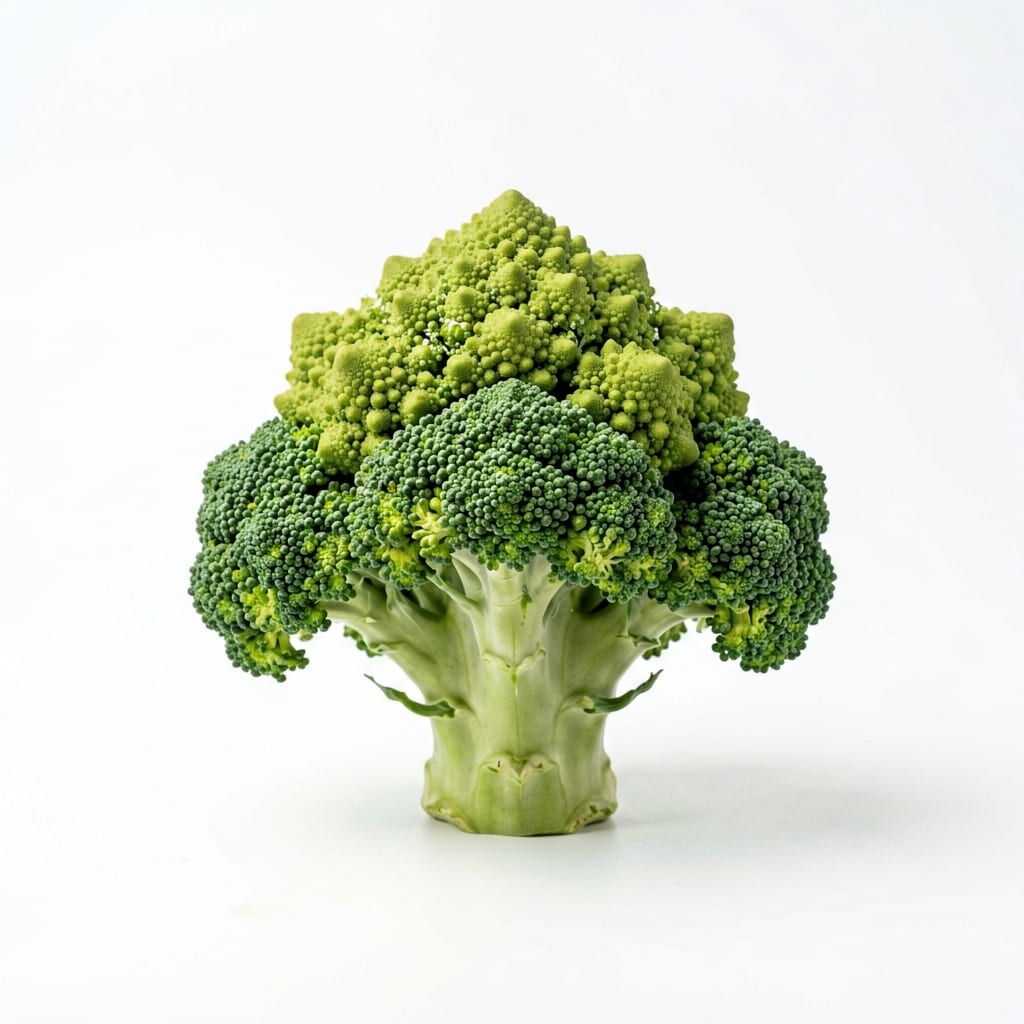
Romanesco Broccoli
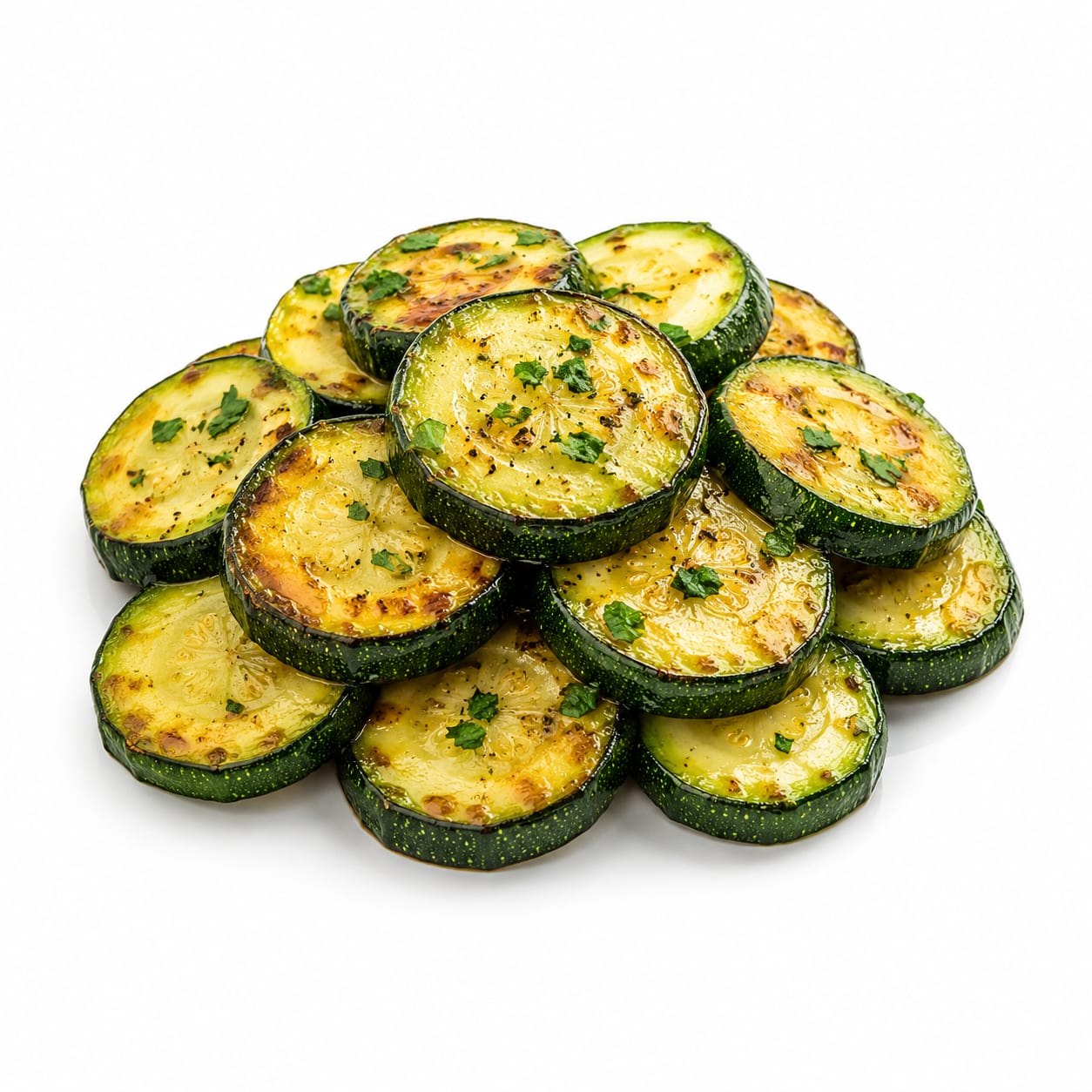
Zucchini
Romanesco Broccoli is the nutrient powerhouse; Zucchini is the everyday utility player. Pick based on whether you need density or volume.
Romanesco Broccoli scores higher for nutritional impact and disease prevention, but Zucchini closes the gap with superior practicality, digestibility, and everyday usability. The close scores reflect that neither is universally better.
You trade concentrated cancer-fighting compounds and vitamin density for calorie-light versatility and digestive ease.
At a glance
Executive summary
Overall
It depends
Healthier
Romanesco Broccoli
More practical
Zucchini
Daily use
Zucchini
Key comparison lenses
nutrient density vs calorie efficiency
Romanesco Broccoli packs far more vitamins and phytochemicals per bite, while Zucchini offers maximum volume for minimal calories
everyday versatility and accessibility
Zucchini is available year-round everywhere and adapts to nearly any dish, whereas Romanesco is seasonal and harder to find
disease prevention potential
Cruciferous vegetables like Romanesco contain glucosinolates linked to cancer risk reduction, a benefit Zucchini cannot match
digestive tolerance and lightness
Zucchini is gentler on the stomach and lower in fermentable fibers, making it safer for sensitive digestion
meal prep and cooking convenience
Zucchini cooks in minutes and requires no special prep, while Romanesco needs more attention to avoid overcooking
Best choice for
Romanesco Broccoli
- People prioritizing cancer-preventive eating patterns
- Anyone wanting to maximize nutrients per calorie
- Those following a cruciferous-heavy longevity diet
- Home cooks looking for visual impact and unique flavor
Zucchini
- People counting calories who want large portions
- Anyone with sensitive digestion or IBS triggers
- Busy households needing a quick-cooking vegetable
- Meal preppers who want affordable, available produce year-round
Least suitable for
Romanesco Broccoli
- People with thyroid concerns who limit cruciferous intake raw
- Those on tight grocery budgets in areas with limited produce selection
- Anyone who struggles with gas or bloating from high-fiber cruciferous vegetables
Zucchini
- People seeking high nutrient density per serving
- Anyone relying on a single vegetable for vitamin K or folate
- Those wanting strong anti-inflammatory phytochemicals
Deep comparison
Dimension by dimension
Each lens scores both foods and breaks down who each option suits.
- Dimension 1 · Priority 95Romanesco Broccoli
nutrient_density
Romanesco Broccoli · 92Zucchini · 55Romanesco Broccoli delivers significantly more vitamin C, vitamin K, folate, and glucosinolates per serving than Zucchini.
Tradeoff
You get far more nutritional value per bite from Romanesco, but Zucchini lets you eat more volume for fewer calories.
Why it matters
If your diet lacks variety, Romanesco does more heavy lifting in a single serving.
Real-world impact
One serving of Romanesco covers most of your daily vitamin C and K needs. Zucchini would require multiple servings to approach the same.
Romanesco Broccoli
- Boosting immune function during cold season
- Supporting bone health through vitamin K
- Filling nutritional gaps in a limited diet
Better for
- Anyone who needs to limit vitamin K intake
Worse for
Zucchini
- Staying under calorie limits while eating large portions
- Avoiding vitamin K spikes if on blood thinners
Better for
- Those relying on it as a primary nutrient source
Worse for
- Dimension 2 · Priority 88Zucchini
calorie_efficiency_and_volume
Romanesco Broccoli · 62Zucchini · 94Zucchini provides massive portion sizes for almost no calories, making it a top choice for volume eaters.
Tradeoff
You feel fuller on more food with Zucchini, but each bite carries fewer nutrients than Romanesco.
Why it matters
For weight loss or large-portion satisfaction, calorie density matters more than micronutrient concentration.
Real-world impact
A heaping plate of zucchini noodles costs you under 50 calories. The same visual plate of Romanesco would be 3-4 times that.
Romanesco Broccoli
- Getting more sustained energy from a moderate portion
Better for
- Those who want to eat large portions on a cut
Worse for
Zucchini
- Volume eating without calorie overload
- Replacing pasta or rice with a low-calorie alternative
- Late-night snacking without guilt
Better for
- Anyone needing calorie-dense fuel for athletic performance
Worse for
- Dimension 3 · Priority 85Romanesco Broccoli
disease_prevention_phytochemicals
Romanesco Broccoli · 95Zucchini · 40Romanesco contains glucosinolates and sulforaphane precursors linked to reduced cancer risk, which Zucchini essentially lacks.
Tradeoff
Romanesco offers meaningful chemopreventive compounds; Zucchini is mostly water and mild antioxidants.
Why it matters
Cruciferous vegetables are the most consistently cancer-protective food group in epidemiological research.
Real-world impact
Eating Romanesco or broccoli family vegetables several times a week is associated with measurable reductions in certain cancer risks. Zucchini cannot replicate this benefit.
Romanesco Broccoli
- Long-term cancer risk reduction
- Supporting liver detoxification pathways
- Reducing chronic inflammation markers
Better for
- People taking medications that interact with cruciferous compounds should consult their doctor
Worse for
Zucchini
- Situations where cruciferous compounds are contraindicated
Better for
- Anyone specifically seeking anti-cancer dietary strategies
Worse for
- Dimension 4 · Priority 78Zucchini
digestive_tolerance
Romanesco Broccoli · 48Zucchini · 88Zucchini is gentle and well-tolerated by nearly everyone. Romanesco can cause gas and bloating, especially raw or in large amounts.
Tradeoff
Romanesco feeds your gut bacteria powerfully but may cause discomfort. Zucchini is safer for sensitive stomachs.
Why it matters
The best vegetable is one you can actually eat without regretting it an hour later.
Real-world impact
If you have IBS or a sensitive gut, a large Romanesco serving could mean bloating and gas. Zucchini is unlikely to cause problems even in generous portions.
Romanesco Broccoli
- Feeding beneficial gut bacteria with prebiotic fiber
- Supporting regular bowel movements
Better for
- People prone to gas, bloating, or IBS flare-ups
- Anyone eating right before exercise or social events
Worse for
Zucchini
- Post-surgery or recovery diets requiring gentle foods
- IBS or FODMAP-sensitive individuals
- Eating before physical activity without stomach discomfort
Better for
- Those who need higher fiber intake for regularity
Worse for
- Dimension 5 · Priority 72Zucchini
versatility_and_convenience
Romanesco Broccoli · 55Zucchini · 90Zucchini works in everything from stir-fries to baked goods to raw salads. Romanesco is more limited and requires more care.
Tradeoff
Zucchini adapts to any recipe effortlessly. Romanesco demands more intention but rewards with unique flavor and appearance.
Why it matters
A vegetable you actually cook with regularly beats one that sits in your crisper because you are not sure what to do with it.
Real-world impact
Zucchini can be spiralized, grilled, baked into muffins, or eaten raw in minutes. Romanesco needs trimming, careful cooking, and pairs best with specific flavor profiles.
Romanesco Broccoli
- Special occasion meals where visual impact matters
- Roasted vegetable medleys with robust seasonings
Better for
- Last-minute cooking with limited time
- Households with picky eaters wary of unusual vegetables
Worse for
Zucchini
- Quick weeknight dinners
- Sneaking vegetables into baked goods for kids
- Meal prep batches that need to be fast and flexible
Better for
- Fine dining or impressive dinner party sides
Worse for
- Dimension 6 · Priority 68Zucchini
availability_and_cost
Romanesco Broccoli · 35Zucchini · 92Zucchini is cheap and available everywhere year-round. Romanesco is seasonal, specialty, and often pricier.
Tradeoff
You can eat Zucchini any day without thinking about it. Romanesco requires planning and sometimes a specialty store.
Why it matters
Consistency in healthy eating depends on foods that are easy to obtain regularly.
Real-world impact
Zucchini is at every grocery store for under $2 per pound. Romanesco may require a farmers market or upscale market and can cost double or more.
Romanesco Broccoli
- Enjoying seasonal eating at peak freshness
- Supporting local farms at farmers markets
Better for
- Anyone without access to specialty or farmers market produce
- Tight grocery budgets
Worse for
Zucchini
- Budget-conscious households
- People in food deserts or areas with limited produce selection
- Consistent weekly meal planning without supply worries
Better for
- Those who prioritize unique and seasonal eating experiences
Worse for
Timeline
Health impact over time
Short-term
Hours to days
Romanesco Broccoli
- Noticeable fiber intake supporting fullness and digestion
- Potential gas or bloating if consumed in large portions, especially raw
- Vitamin C boost supporting immune function within hours
Zucchini
- Light, comfortable feeling after eating with minimal digestive strain
- Hydration support from high water content
- Quick energy without heaviness or sluggishness
Long-term
Months to years
Romanesco Broccoli
- Consistent cruciferous intake linked to lower colorectal and lung cancer risk
- Improved bone density from sustained vitamin K intake
- Better gut microbiome diversity from prebiotic fiber compounds
Zucchini
- Easier long-term adherence to vegetable-rich diets due to versatility
- Sustained healthy weight management from low-calorie volume eating
- Mild antioxidant support, though less impactful than cruciferous alternatives
Risk profile
Safety & processing
Both Romanesco Broccoli and Zucchini are whole, unprocessed vegetables with no additive concerns. Neither is ultra-processed in its natural form.
Romanesco Broccoli
Pesticide residue on non-organic florets
mediumCruciferous vegetables can retain pesticide residue in their tight floret structures. Washing thoroughly or choosing organic reduces this significantly.
Goitrogenic compounds when consumed raw in excess
lowRaw cruciferous vegetables contain goitrogens that can interfere with thyroid function, but this is only a concern with very high raw intake in iodine-deficient individuals.
Zucchini
Pesticide residue on conventionally grown skin
mediumZucchini is often eaten with skin on, where pesticide residue concentrates. Peeling or choosing organic mitigates this.
Bitter zucchini containing cucurbitacins
lowRarely, zucchini can develop toxic cucurbitacins that cause extreme bitterness and digestive illness. If it tastes unusually bitter, discard it immediately.
Who wins for whom
Audience fit
Same foods, different winners depending on your goal.
children
ZucchiniZucchini's mild flavor and soft texture when cooked make it far more kid-friendly. Romanesco's appearance can intrigue or intimidate children.
daily consumption
ZucchiniZucchini's availability, affordability, digestive ease, and versatility make it a more realistic daily staple for most people.
diabetes
Romanesco BroccoliRomanesco's higher fiber and lower glycemic impact provide steadier blood sugar control, plus its glucosinolates may improve insulin sensitivity.
elderly
ZucchiniZucchini is easier to chew, gentler on digestion, and simpler to prepare for older adults who may have dental or digestive concerns.
muscle gain
It dependsNeither is a significant protein source. Romanesco offers slightly more micronutrient support for recovery, but both are配角 foods for muscle building.
weight loss
ZucchiniZucchini's extremely low calorie density lets you eat large, satisfying portions while staying in a deficit.
Your move
Decision guide
Choose Romanesco Broccoli
- You want to maximize disease-fighting compounds in your diet
- You have access to fresh Romanesco and enjoy its unique nutty flavor
- You are already eating plenty of volume but need more nutrient density
- You are building a cruciferous-rich eating pattern for longevity
Choose Zucchini
- You want to eat large portions without exceeding calorie goals
- You have a sensitive stomach or IBS and need gentle foods
- You need a versatile vegetable that works in any recipe on short notice
- You are on a budget or have limited produce access
Either works if
- You simply want more vegetables in your diet and enjoy both
- You are meal prepping a varied vegetable medley for the week
Avoid both if
- You are looking for a significant protein source
- You need calorie-dense foods for weight gain
- You have a specific allergy to cruciferous vegetables or cucurbits
Final recommendation
Eat Romanesco Broccoli when you can find it for its exceptional nutrient density and cancer-fighting compounds. Keep Zucchini as your reliable daily staple for volume, ease, and digestive comfort. The best approach is rotating both: Romanesco a few times a week when available, Zucchini as your consistent go-to.
Practical
Consumer tips
- 1
If Romanesco is unavailable, regular broccoli or broccoli rabe provide similar glucosinolate benefits
- 2
Roast Romanesco at high heat with olive oil and garlic to maximize flavor while preserving nutrients
- 3
Spiralize Zucchini for a low-calorie pasta alternative, but salt and drain it first to avoid watery dishes
- 4
Both vegetables lose significant vitamin C when boiled — steaming or roasting is better
- 5
If Zucchini tastes unusually bitter, spit it out and discard the whole vegetable immediately
- 6
Choose organic for both when possible, especially since you often eat zucchini skin and Romanesco florets trap residue
- 7
Grate Zucchini into muffins or meatballs for an undetectable nutrition boost for picky eaters