
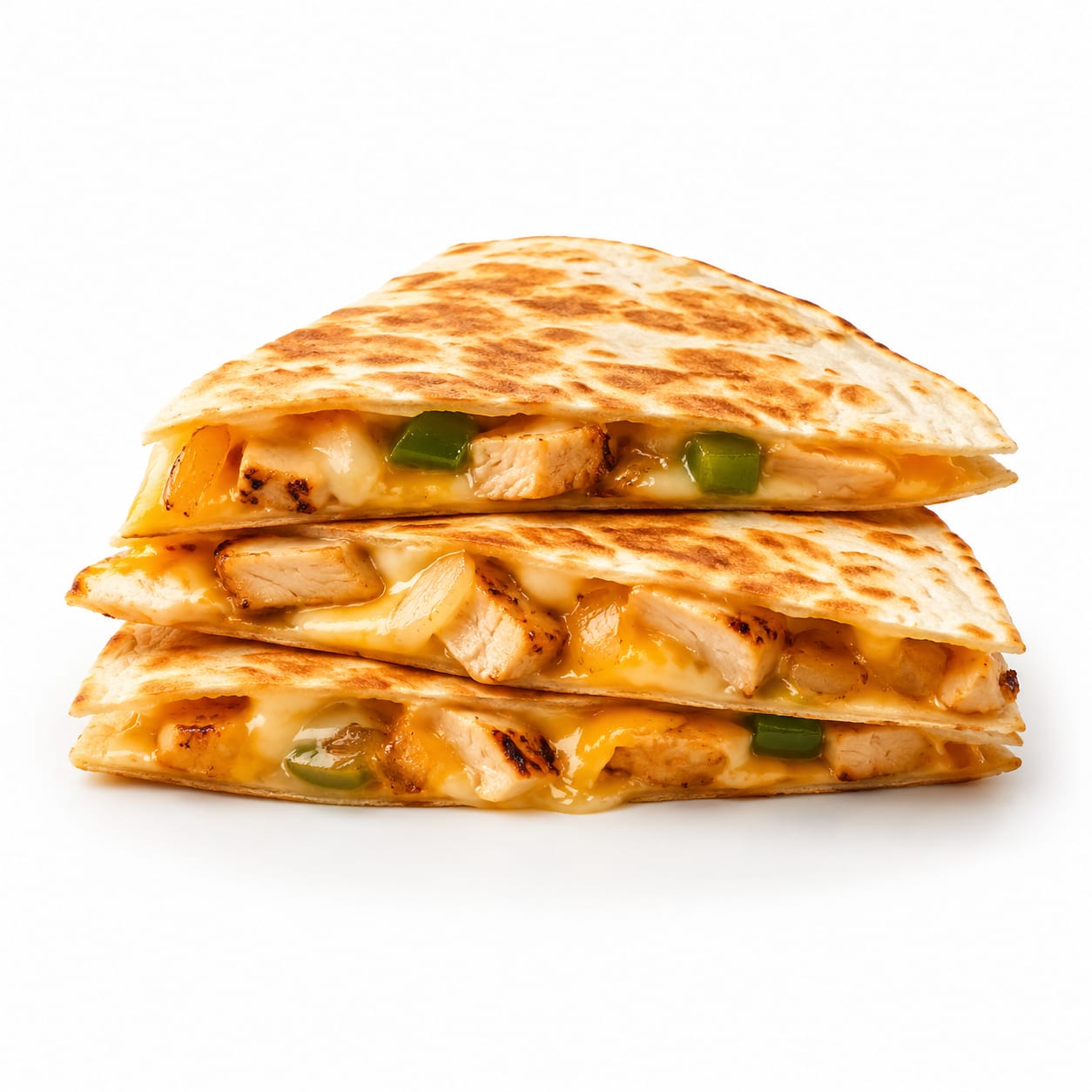
Mexican Food
Quesadilla
A Mexican dish consisting of a tortilla filled with cheese and other ingredients, cooked until melted.
A heated tortilla folded over a filling of primarily cheese, often including meats, beans, or vegetables, cooked until the cheese melts and the tortilla crisps.
high-fat moderate-protein carbohydrate bundle
Typical serving · 150g
Common varieties · cheese, chicken, beef, bean, breakfast +1 more
Overall context score across nutrition, safety, and diet fit
At a glance
Quick facts
Simple indicators based on nutrition, processing, and diet fit.
The story
What makes it unique
Quesadillas provide a macronutrient profile high in fats and proteins from cheese and meats, alongside carbohydrates from the tortilla. Digestion speed is moderate to slow due to high fat content, which delays gastric emptying. Satiety is moderate, driven by protein and fat, but low fiber limits volume-based fullness. Processing level varies significantly based on whether the tortilla and cheese are whole-grain and natural or industrial and refined.
Varieties: cheese · chicken · beef · bean · breakfast · shrimp
Per 100g
Nutrition breakdown
Macro balance and key metrics at a glance.
Energy
Density 3.10 kcal/g
Protein
Carbs
Fat
Fiber
Sugar
1.5 g
Sodium
600 mg
Potassium
120 mg
Glycemic index
55
Glycemic load
13
Water content
42%
Standout compounds
Nutrient highlights
Calcium
highSupports bone health and muscle function
Saturated Fat
highProvides dense energy but can raise LDL cholesterol
Sodium
highElectrolyte balance but excess raises blood pressure risk
Protein
moderateSupports muscle repair and satiety
Wellness map
Health scores & processing
NOVA processing scale
moderately processed · Whole food
Standard quesadillas use refined flour tortillas and processed cheese, placing them in Nova Group 3. Fast-food versions with industrial additives shift to Nova Group 4.
Diet compatibility
- Weight loss
- Muscle gain
- Diabetes
- Gut health
- Low carb
- High protein
- Heart health
Relative standing
Food rankings
Qualitative ranks compared to similar whole foods.
- Satietymoderate
- Blood sugarpoor
- Nutrient densitypoor
- Fitness fuelmoderate
- Processing qualitypoor
Eat with confidence
Food safety profile
Primary risks involve improper storage of dairy and meats leading to bacterial growth. Unpasteurized cheeses pose a specific Listeria risk.
Evidence confidence 85%
- Pesticideslow
- Antibioticsmoderate
- Heavy metalslow
- Contaminationmoderate
Watch for
- Listeria monocytogenes
- Salmonella
- Staphylococcus aureus
Safer choices
Use pasteurized cheese and ensure meats are cooked to safe internal temperatures.
Prep tips
Ensure cheese is kept refrigerated until preparation and consume promptly after cooking.
Pasteurization standards for cheese and safe handling of cooked meats in restaurant settings.
Deep dive
Health analysis
How this food may fit different goals and preparation choices.
Weight loss
High energy density makes portion control difficult; a single large restaurant quesadilla can exceed 800 calories.
Blood sugar
Refined flour tortillas cause moderate glycemic spikes, though fat and protein slow digestion, potentially causing prolonged elevated blood sugar.
Fitness & energy
Provides decent protein for muscle repair, but high fat content can cause sluggishness if eaten pre-workout.
Gut health
Low fiber content offers minimal prebiotic benefit, and high saturated fat may negatively alter gut microbiome composition.
Processing quality
Often relies on refined grains and processed cheese; homemade versions with whole grains improve the profile significantly.
Food safety
Safe when dairy and meats are properly handled and cooked; avoid unpasteurized cheeses if immunocompromised.
Common mistakes
Assuming a cheese quesadilla is a light meal, and adding high-calorie sides like sour cream and guacamole without measuring.
Best preparation
Use a whole wheat or corn tortilla, reduce cheese by half, and add fiber-rich fillings like black beans and peppers.
Practical guide
Best use cases
When and how this food fits real eating patterns.
Post-workout meal
Provides a solid dose of protein and carbohydrates to replenish glycogen and support muscle repair.
Bulking phase calories
High energy density makes it easy to consume a caloric surplus for muscle gain.
Quick high-protein dinner
Fast to prepare with chicken and beans, offering a filling meal for active individuals.
Balance sheet
Pros & cons
Upsides
- High protein content from cheese and optional meats
- Fast and easy to prepare at home
- Highly customizable with vegetables and beans
- Provides significant calcium for bone health
Trade-offs
- High in saturated fat and calories from cheese
- Refined flour tortillas spike blood sugar
- Low in dietary fiber unless modified
- Restaurant portions are often excessively large
Fit check
Who is it for?
Great match
- bulking and muscle gain phases
- post-workout recovery meals
- quick high-calorie lunches
Consider alternatives
- strict weight loss diets
- low-carb or ketogenic diets
- heart-healthy or low-sodium diets
- blood sugar management
Side by side
How it compares
Open the full head-to-head analysis for nutrition, safety, and practical tradeoffs.
This food
Quesadilla
VS85% alike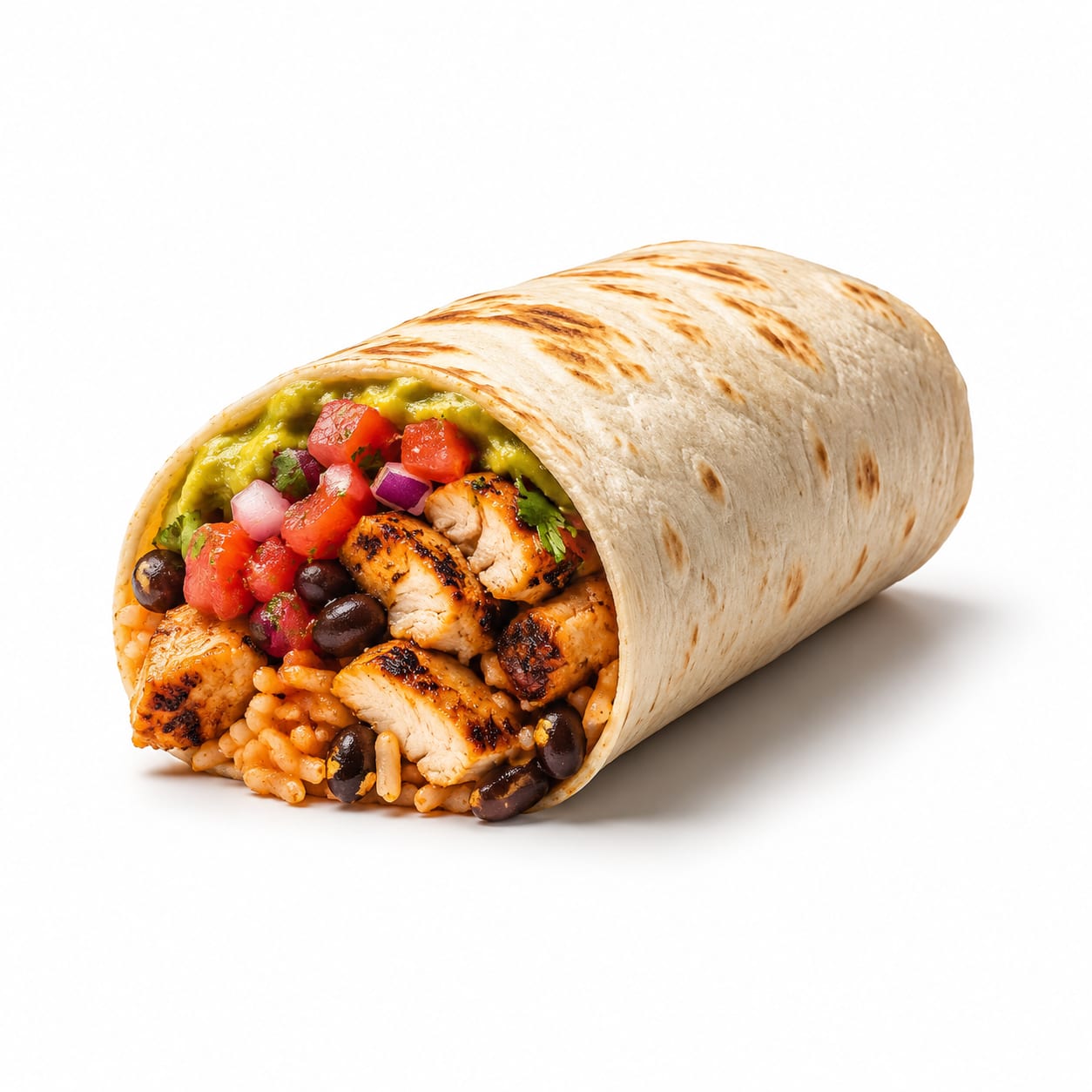
Compare with
Burrito
Burritos offer more fiber via beans and rice, but are higher in calories. Quesadillas are lower in carbs but higher in fat density.
Burritos provide more fiber and volume for satiety, while quesadillas offer fewer carbohydrates but higher fat density.
This food
Quesadilla
VS80% alike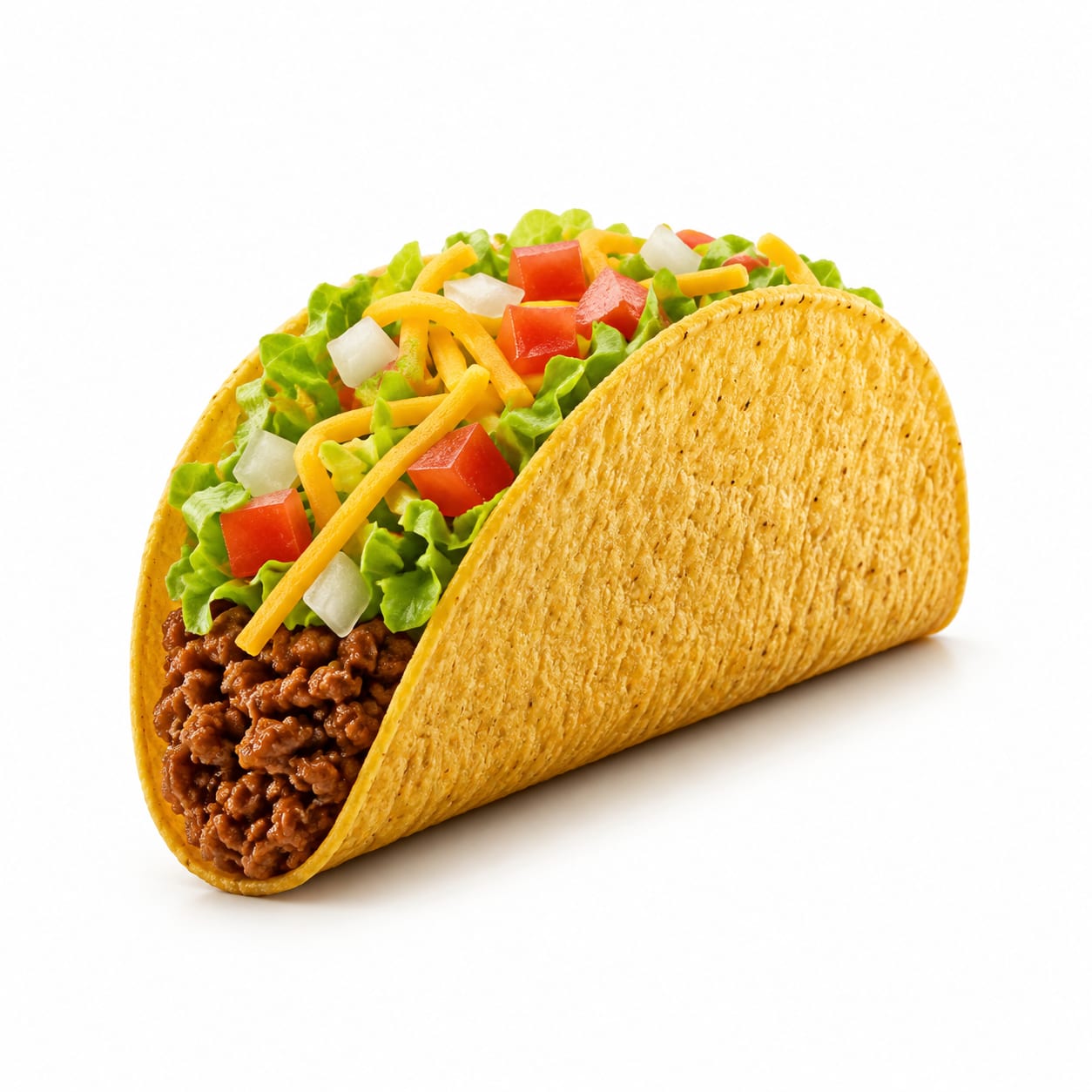
Compare with
Taco
Tacos use less cheese and smaller tortillas, lowering the calorie and fat load per serving compared to a dense quesadilla.
Tacos are lower in calories and fat due to smaller portions, while quesadillas provide more protein and fat for satiety.
This food
Quesadilla
VS90% alike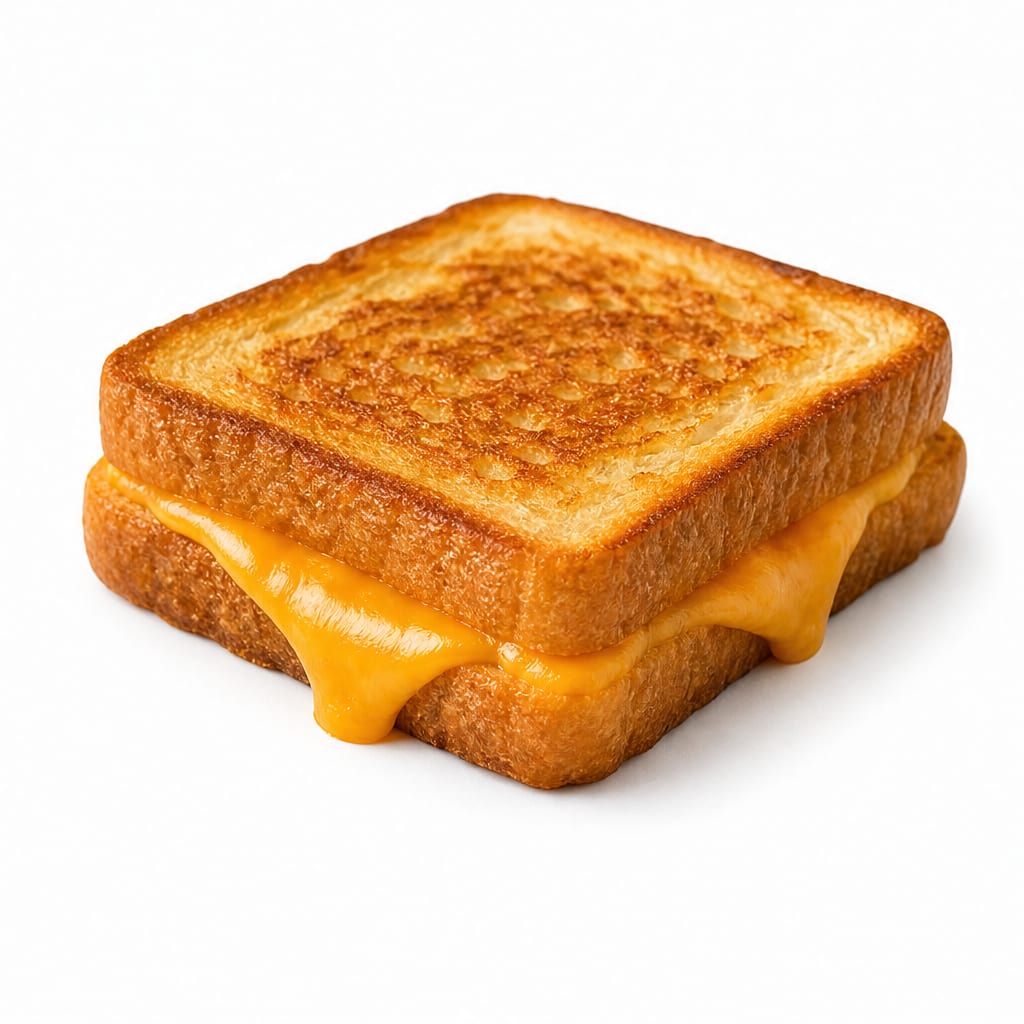
Compare with
Grilled Cheese
Grilled cheese uses bread, while quesadillas use tortillas. Quesadillas often contain more protein if made with chicken or beans.
Quesadillas edge out grilled cheese for fitness and blood sugar due to easier addition of proteins and use of corn tortillas.
This food
Quesadilla
VS85% alike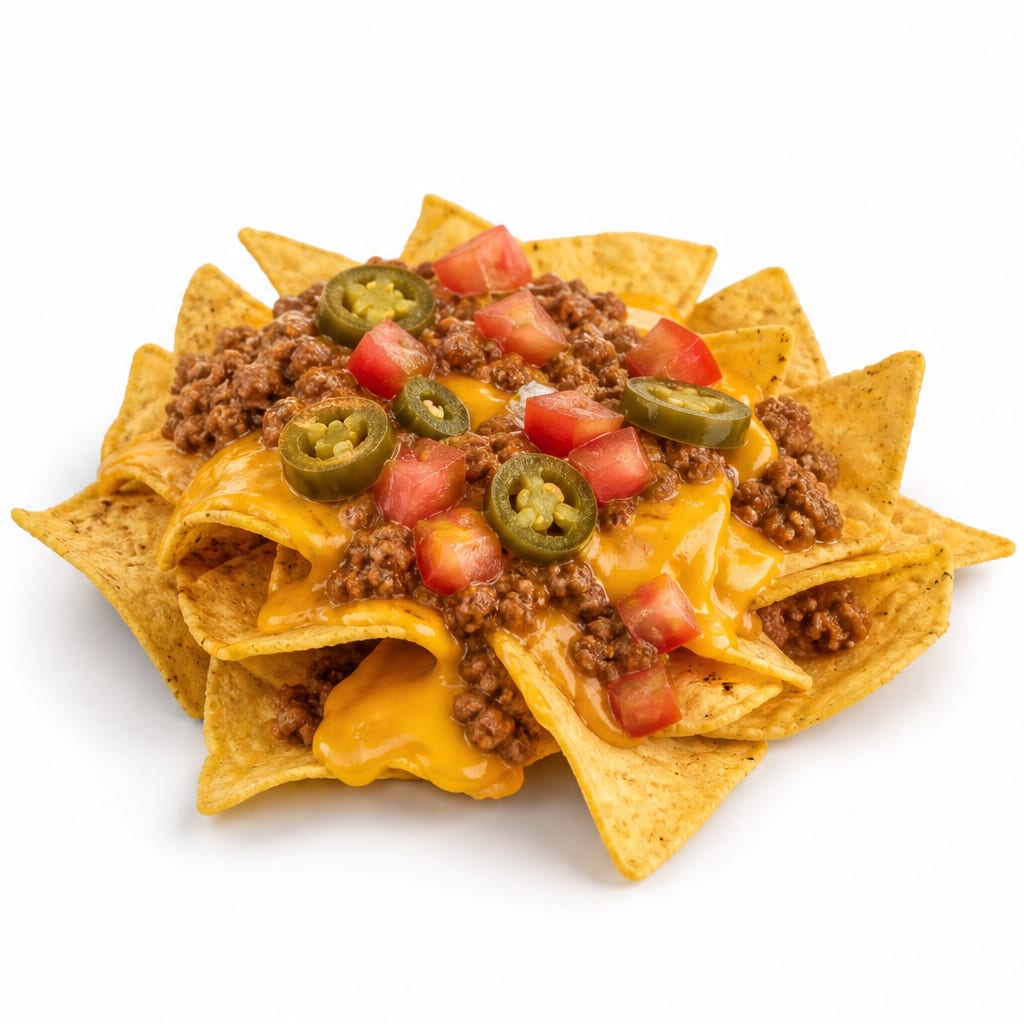
Compare with
Nachos
Nachos lack the structural carb base of a tortilla but are often heavier in cheese and grease. Quesadillas are slightly more portion-controllable.
Quesadillas offer better portion control and protein density compared to the open-faced, easily over-topped nachos.
This food
Quesadilla
VS82% alike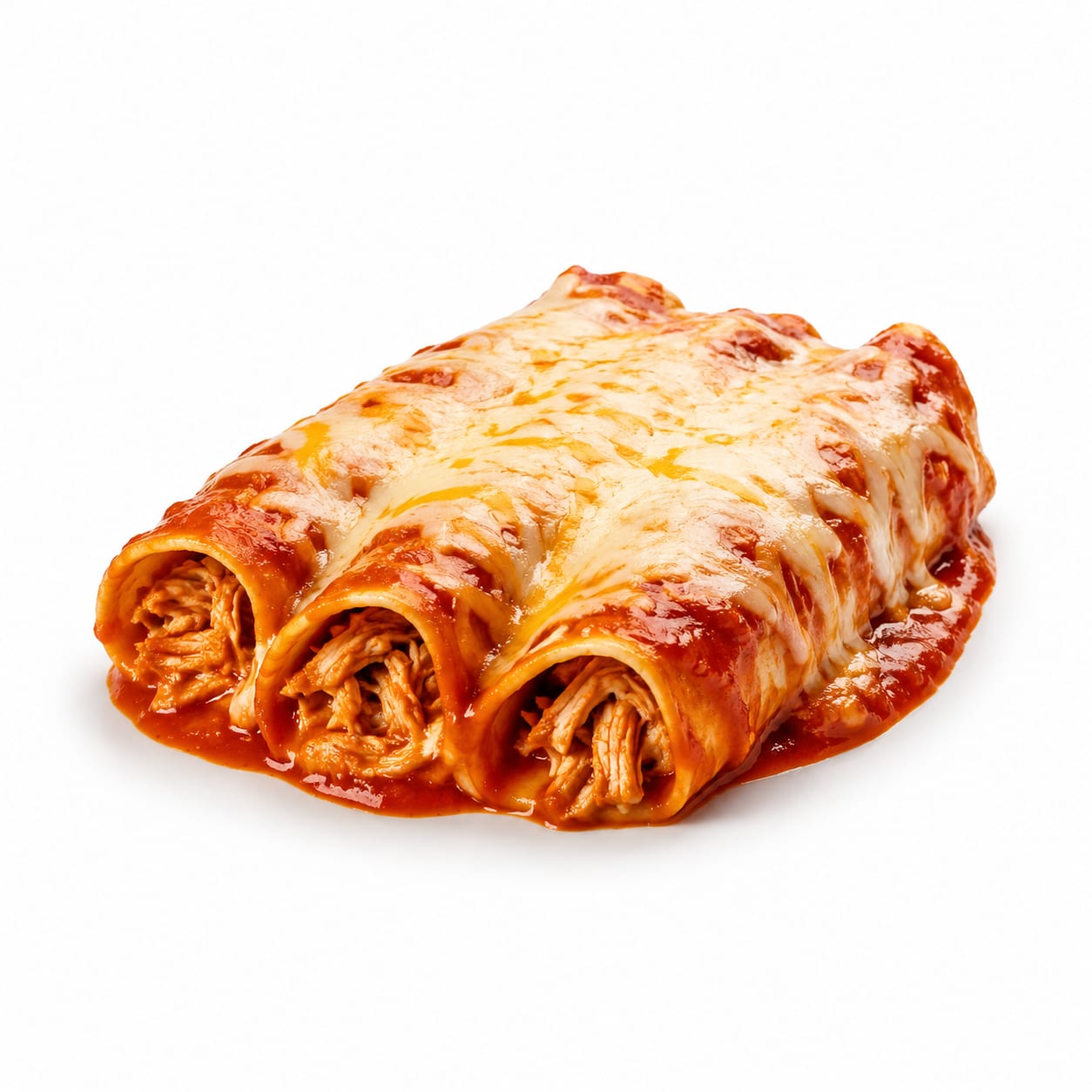
Compare with
Enchilada
Enchiladas are smothered in sauce, adding sodium and sugar. Quesadillas are drier but often denser in cheese.
Enchiladas add sauce-based sodium and sugars, while quesadillas deliver a drier, higher-fat cheese profile with fewer hidden carbs.
This food
Quesadilla
VS75% alike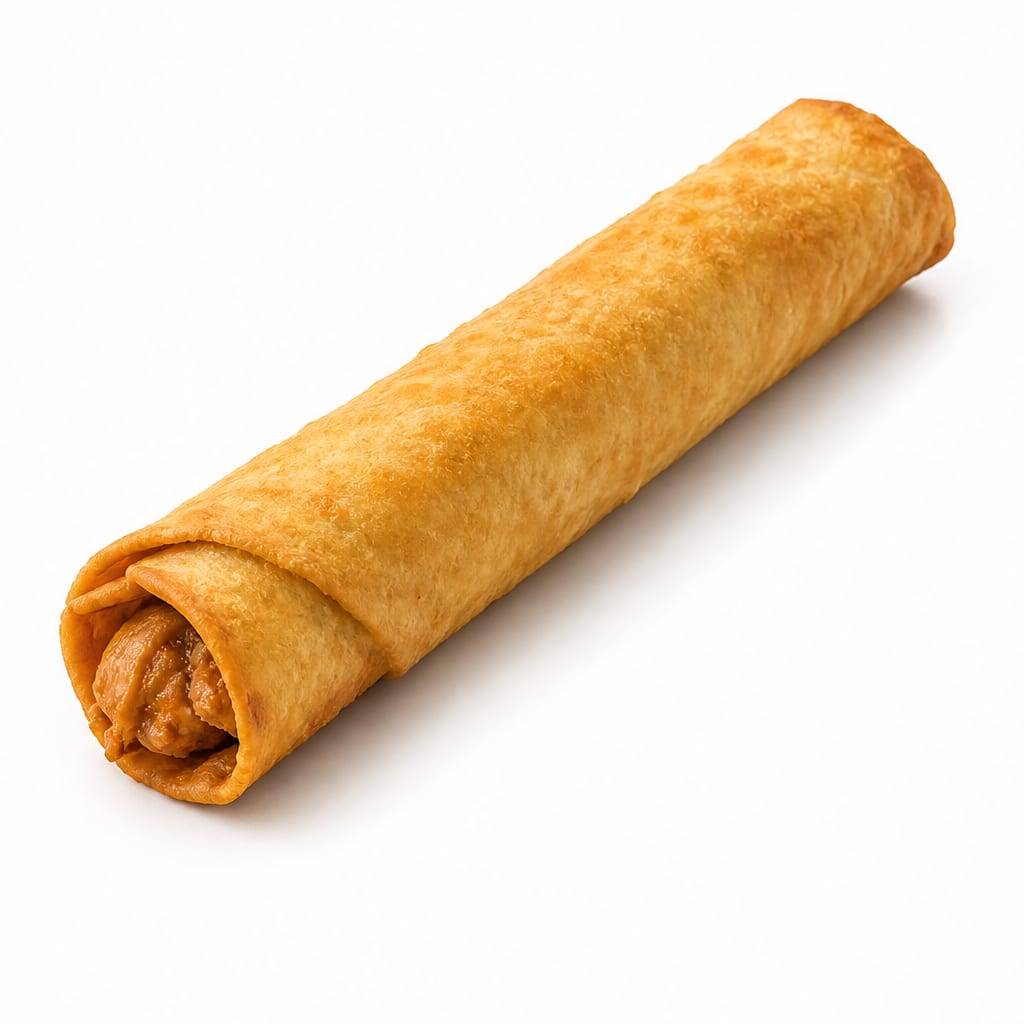
Compare with
Taquito
Taquitos are often deep-fried, increasing trans fats and calories. Quesadillas are usually pan-cooked, making them slightly healthier.
Taquitos are typically deep-fried and lower in protein, whereas quesadillas are pan-cooked and offer more satiating cheese.
This food
Quesadilla
VS70% alike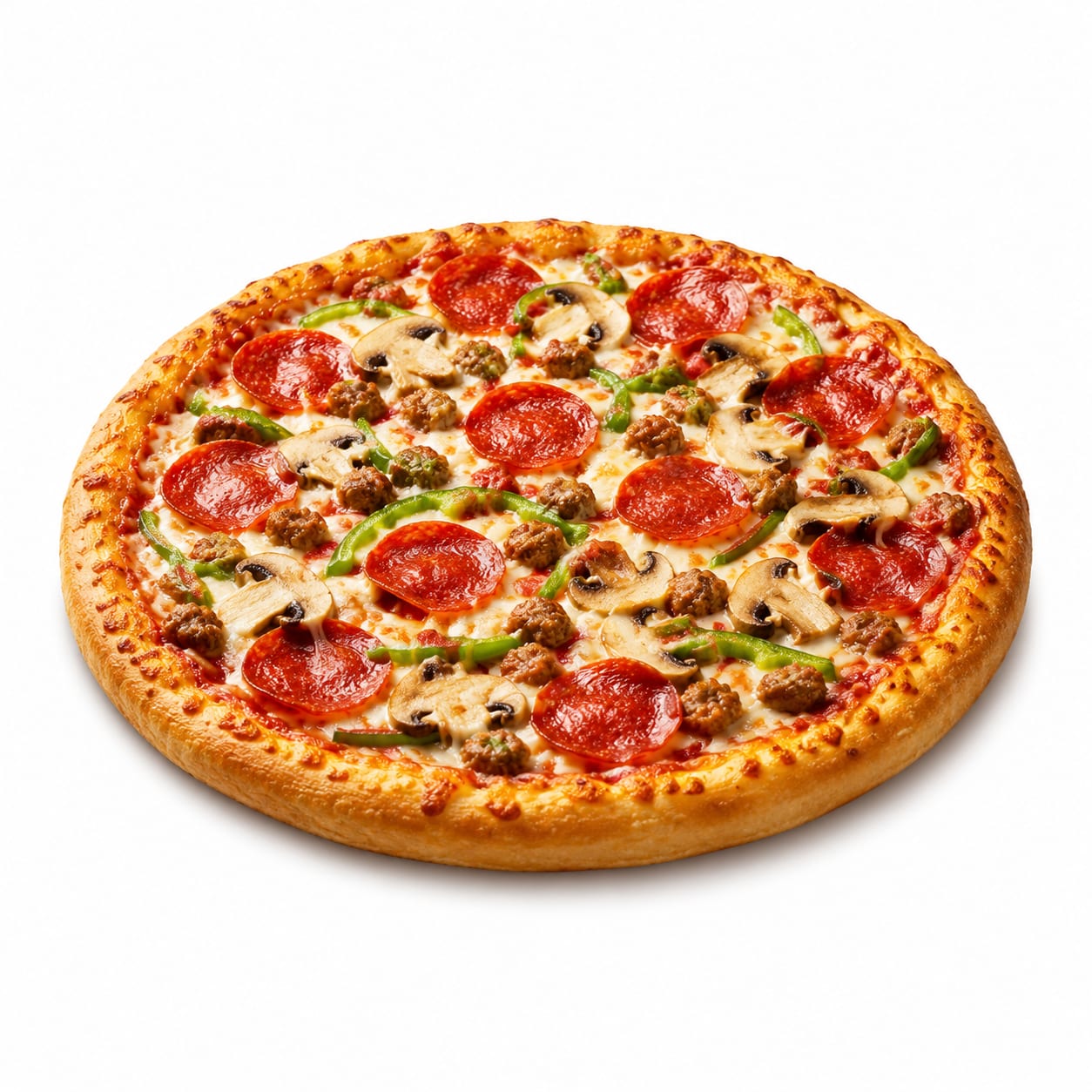
Compare with
Pizza
Pizza offers more varied toppings and lycopene from sauce. Quesadilla is lower in carbs but comparable in fat and calories.
Pizza provides more volume and lycopene from sauce, while quesadillas are lower in carbohydrates and higher in protein density.
This food
Quesadilla
VS65% alike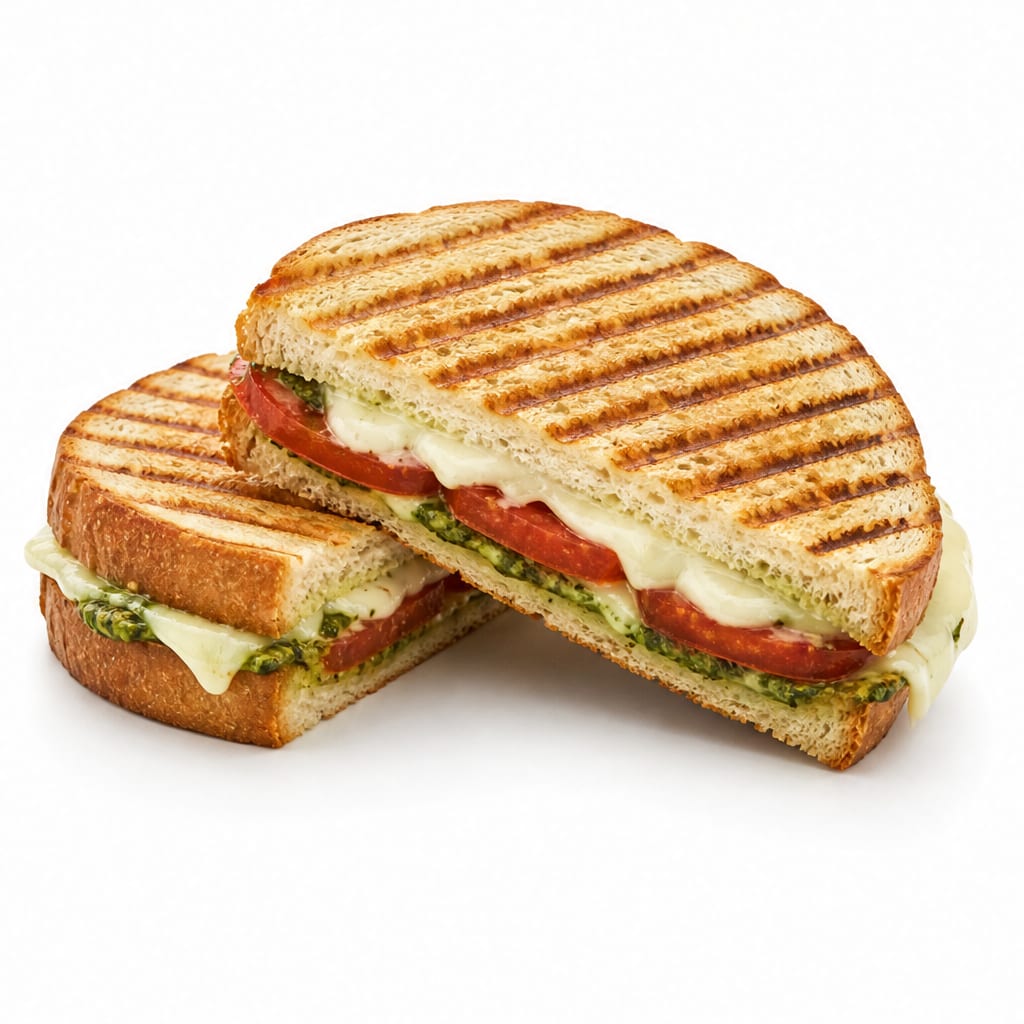
Compare with
Panini
Paninis use bread instead of tortillas, offering similar calorie loads. Quesadillas provide more calcium due to higher cheese volume.
Paninis often contain more fiber from whole grain breads, while quesadillas deliver more calcium and protein from heavier cheese content.
This food
Quesadilla
VS60% alike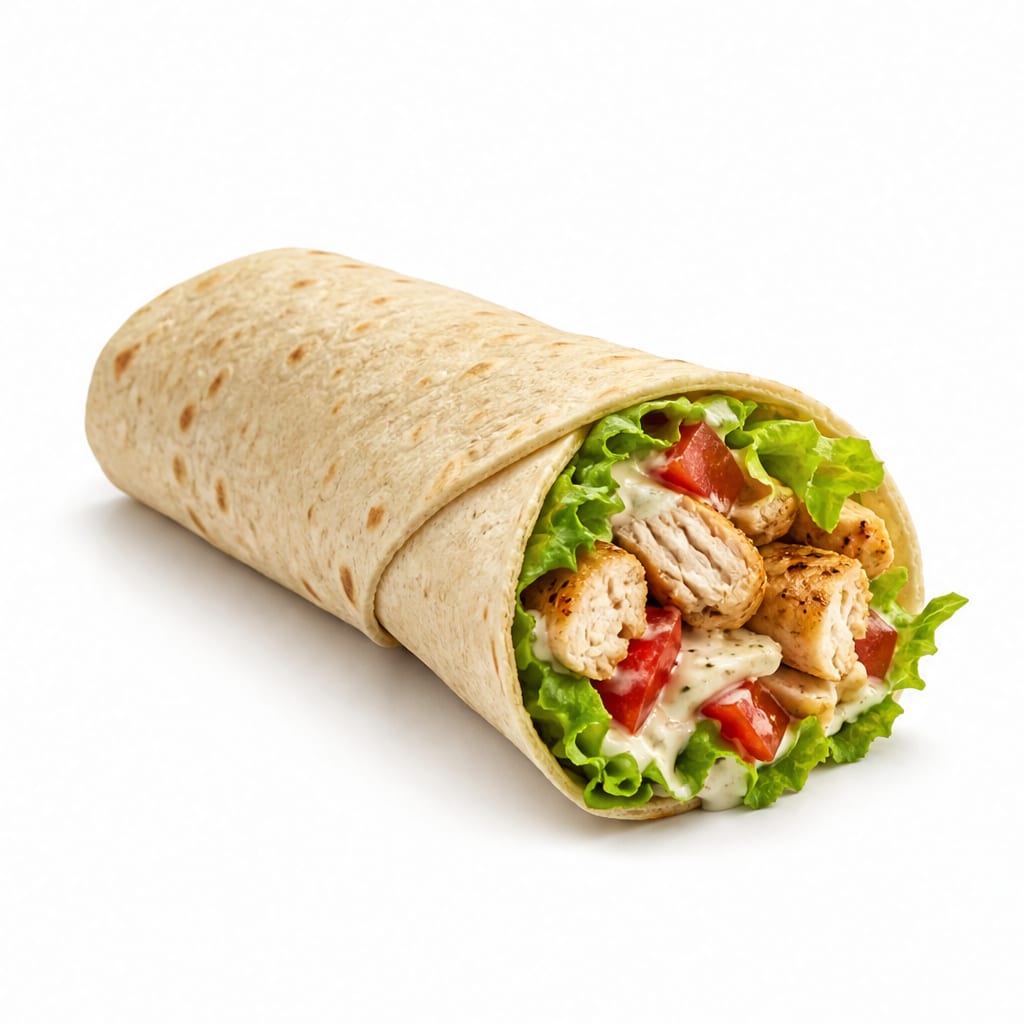
Compare with
Wrap
A standard deli wrap is lower in fat and calories than a cheese-heavy quesadilla. Wraps win for weight loss.
Wraps are generally lower in fat and calories than quesadillas, making them better for weight loss, though quesadillas provide more protein.
This food
Quesadilla
VS78% alike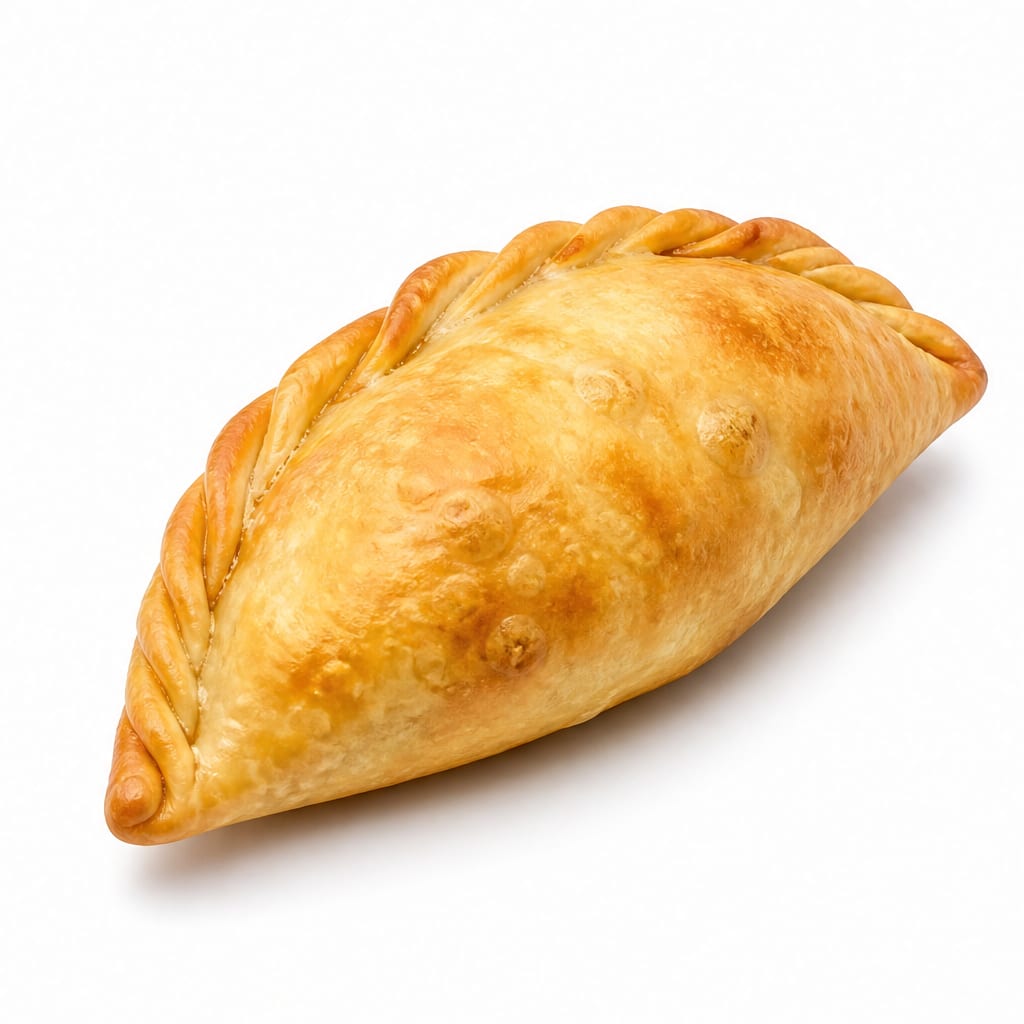
Compare with
Empanada
Empanadas are deep-fried pastry. Quesadillas are a lighter, less processed alternative with better protein availability.
Empanadas are deep-fried and higher in unhealthy fats, while quesadillas provide a lighter, higher-protein alternative.
Common questions
FAQ
Answers aligned with how people search for this food.
Are quesadillas good for weight loss?
Standard quesadillas are calorie-dense due to cheese and flour tortillas, making them challenging for weight loss unless portion-controlled and modified with less cheese and more vegetables.
How many calories are in a cheese quesadilla?
A typical restaurant cheese quesadilla contains 600 to 800 calories. A homemade version using one 8-inch tortilla has about 300 to 350 calories.
Can diabetics eat quesadillas?
Flour tortillas can spike blood sugar. Diabetics should opt for whole wheat or low-carb tortillas and add protein and fiber to buffer the glycemic response.
Is a quesadilla high in protein?
Yes, the cheese provides a moderate amount of protein, and adding chicken or beans makes it a solid high-protein meal.
How can I make a healthier quesadilla?
Use whole grain or almond flour tortillas, reduce the cheese by half, and load it with vegetables like bell peppers, onions, and spinach.
Are quesadillas bad for your heart?
Traditional quesadillas are high in saturated fat and sodium from cheese, which can impact heart health negatively if eaten frequently.
What is the healthiest cheese for quesadillas?
Part-skim mozzarella or feta are lower in calories and saturated fat compared to cheddar or Monterey Jack.
Are corn tortilla quesadillas healthier than flour?
Corn tortillas are typically whole grain, lower in calories, and have a lower glycemic index than refined white flour tortillas.
Transparency
Data confidence
Estimated confidence for nutrition data, interpretation, safety notes, and comparisons.
Nutrition data
Health analysis
Food safety
Comparisons