
Nutrition comparison
Quesadilla vs Taquito: Which Is Healthier and What Are the Real Tradeoffs?
Compare quesadillas and taquitos on fat, calories, protein, sodium, and satiety. Find out which Mexican favorite is better for weight loss, daily eating, and your health goals.
Overall winner · Quesadilla
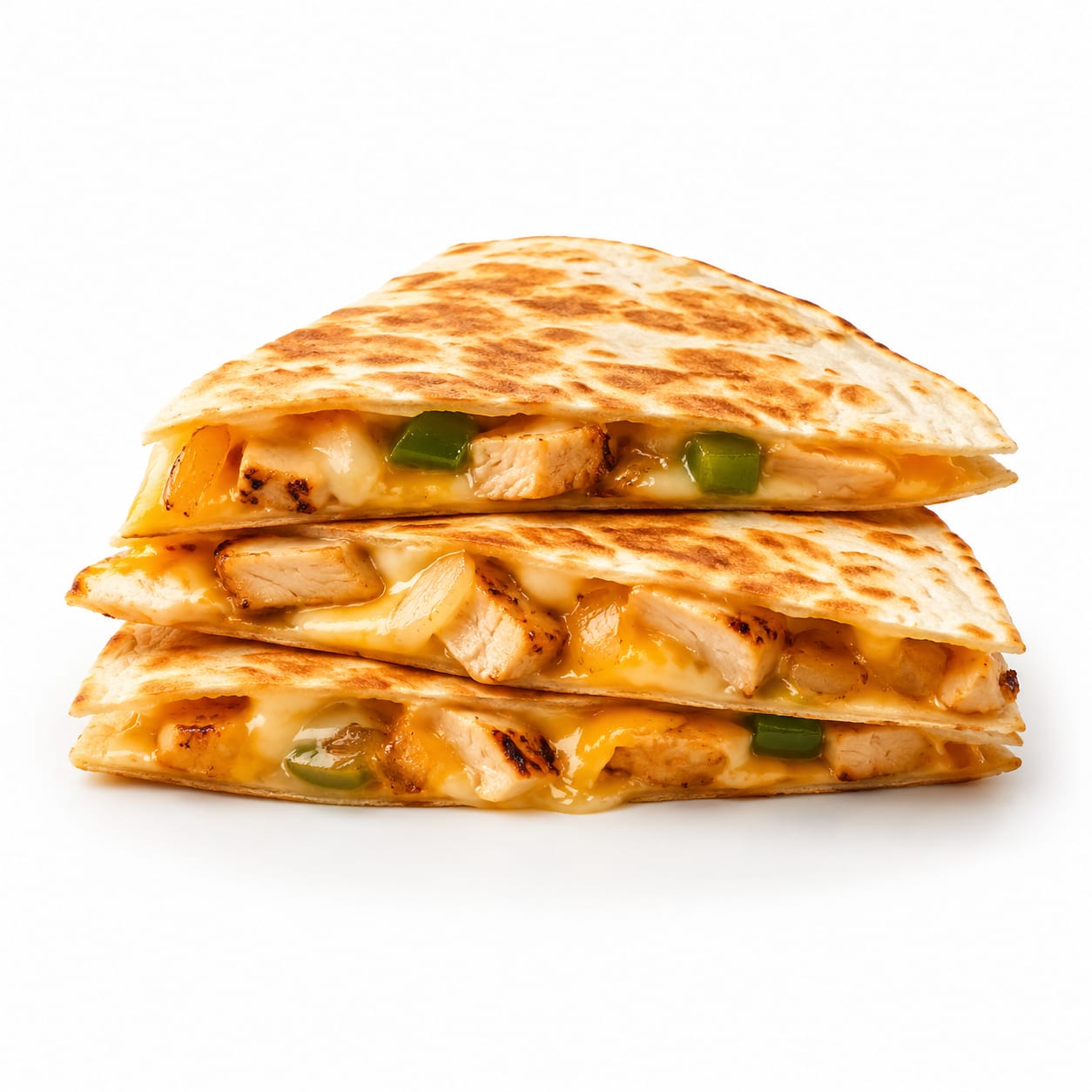
Quesadilla
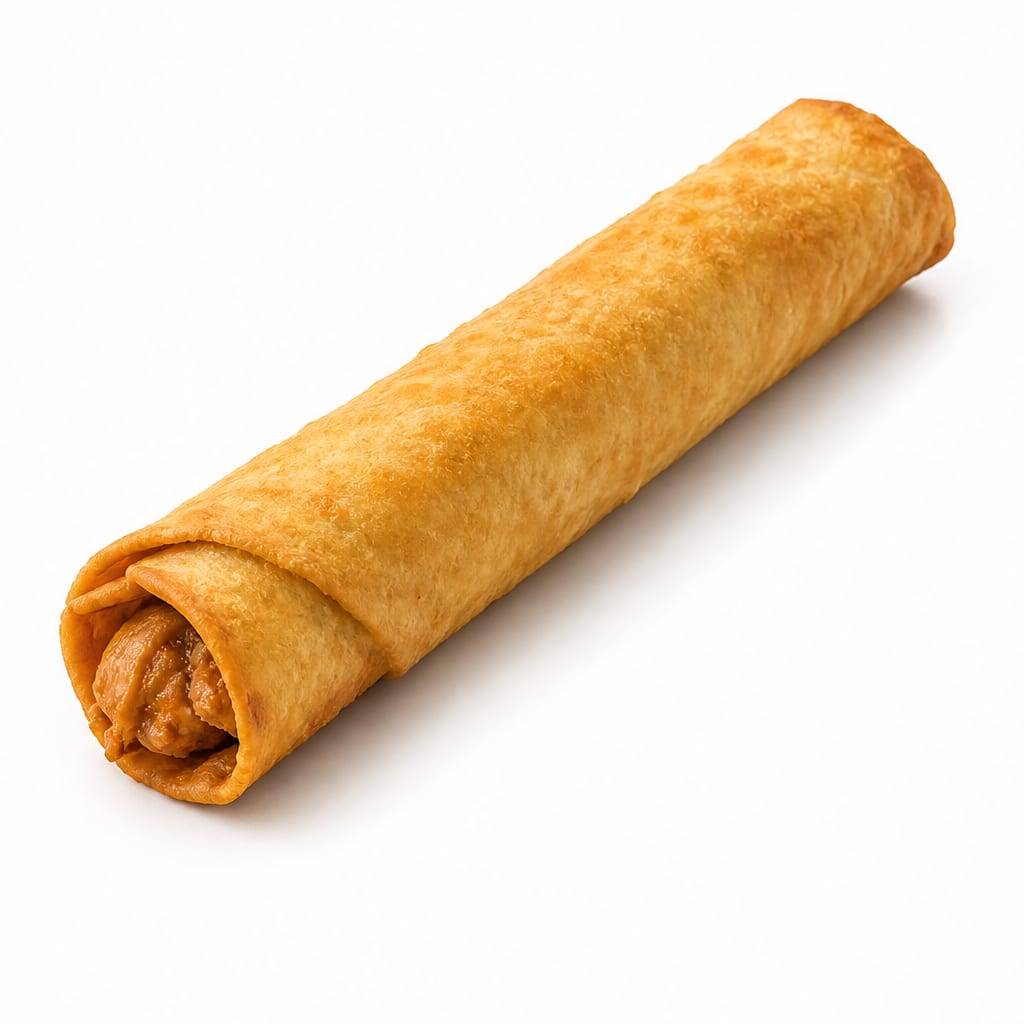
Taquito
Quesadillas edge out taquitos thanks to more protein, better satiety, and less deep-frying — but both are indulgent choices that deserve portion awareness.
Quesadillas score moderately higher due to better satiety, more protein, and less aggressive frying. Taquitos lose ground on deep-frying fat, sodium density, and overeating risk. Neither is a health food, but quesadillas are the lesser indulgence.
Quesadillas fill you up more with cheese protein and less frying oil, while taquitos are crispier and lighter per piece but pack more fried fat and invite overeating.
At a glance
Executive summary
Overall
Quesadilla
Healthier
Quesadilla
More practical
Taquito
Daily use
Quesadilla
Key comparison lenses
choosing between two popular Mexican appetizers or snacks
Both are tortilla-based comfort foods often ordered together at restaurants or made at home, so users frequently face this exact choice
managing calorie and fat intake from fried vs grilled preparation
The cooking method difference — deep-frying for taquitos versus pan-frying or grilling for quesadillas — creates a major nutritional divergence
finding the more satisfying option for hunger control
Cheese-heavy quesadillas tend to be more filling, while taquitos are lighter per piece but easier to overeat
reducing sodium and processed food exposure
Both foods can be high in sodium, but taquitos often contain seasoned fillings with added sodium and preservatives
choosing the better party or snack food
Both are popular appetizers, but their serving styles and eating patterns differ significantly
Best choice for
Quesadilla
- People wanting a filling meal that reduces snacking later
- Those who prefer grilled over deep-fried foods
- Anyone prioritizing protein intake from cheese
- Home cooks wanting a quick stovetop meal
Taquito
- Party hosts needing easy finger food
- People who prefer crispy textures over gooey ones
- Those wanting smaller portion-controlled bites
- On-the-go snacking where mess matters
Least suitable for
Quesadilla
- People avoiding high saturated fat from cheese
- Those who want a light snack without feeling heavy
- Anyone eating while walking or commuting
Taquito
- People managing heart health who should avoid deep-fried foods
- Those prone to overeating crispy salty snacks
- Anyone watching sodium closely
Deep comparison
Dimension by dimension
Each lens scores both foods and breaks down who each option suits.
- Dimension 1 · Priority 93Quesadilla
Fat Quality and Quantity
Quesadilla · 55Taquito · 35Quesadillas are typically pan-fried with modest oil or butter, while taquitos are fully submerged in oil, absorbing significantly more fat.
Tradeoff
Quesadillas still carry heavy saturated fat from cheese, but taquitos add a large dose of frying oil on top of their filling fat.
Why it matters
Deep-frying can double or triple the fat content compared to pan-cooking, directly impacting heart health and calorie load.
Real-world impact
Eating three taquitos can deliver as much fat as a full quesadilla but with less protein to show for it.
Quesadilla
- Those watching total fat intake
- People who prefer home-cooked over deep-fried
Better for
- Anyone strictly limiting saturated fat from dairy
Worse for
Taquito
- People managing cholesterol or heart disease risk
- Those trying to reduce fried food consumption
Worse for
- Dimension 2 · Priority 88Quesadilla
Satiety and Fullness
Quesadilla · 75Taquito · 45The melted cheese in quesadillas provides substantial protein and fat that keeps hunger at bay, while taquitos feel light and easy to keep eating.
Tradeoff
Quesadillas can feel heavy and sluggish after eating, whereas taquitos feel like a light snack — but that lightness makes portion control harder.
Why it matters
Foods that feel light but are calorie-dense often lead to unintentional overconsumption.
Real-world impact
A single quesadilla often feels like a complete meal. Six taquitos can disappear as an appetizer before the main course arrives.
Quesadilla
- People using one item as an actual meal
- Those who struggle with snacking between meals
Better for
- Those who dislike feeling heavy after eating
Worse for
Taquito
- Anyone wanting a small taste without feeling stuffed
Better for
- People who tend to overeat crispy salty foods
Worse for
- Dimension 3 · Priority 82Quesadilla
Sodium Load
Quesadilla · 50Taquito · 35Taquito fillings are typically pre-seasoned with salt-heavy spice blends, and the frying process can concentrate sodium further.
Tradeoff
Quesadillas still carry sodium from cheese and tortillas, but you have more control over seasoning when making them at home.
Why it matters
High sodium from restaurant or frozen taquitos can easily exceed half your daily limit in a single serving.
Real-world impact
A restaurant side of taquitos can pack 1200mg sodium or more. A homemade quesadilla with modest cheese might stay under 600mg.
Quesadilla
- Home cooks who can control salt
- Those monitoring blood pressure
Better for
Taquito
- People with hypertension
- Anyone eating frozen or restaurant taquitos regularly
Worse for
- Dimension 4 · Priority 78Quesadilla
Protein Content
Quesadilla · 70Taquito · 50Cheese-heavy quesadillas deliver solid protein per serving, while taquitos spread less filling across more tortilla surface.
Tradeoff
Adding meat to either option narrows the gap, but a standard cheese quesadilla still out-proteins a standard beef or chicken taquito.
Why it matters
Protein makes the difference between a snack that satisfies and one that leaves you hungry an hour later.
Real-world impact
A cheese quesadilla provides roughly 18-25g protein. Three taquitos might deliver 9-15g depending on filling.
Quesadilla
- Those using this as a post-workout option
- Anyone trying to hit protein goals
Better for
Taquito
- People relying on this as a protein source
Worse for
- Dimension 5 · Priority 80Taquito
Portion Control and Eating Behavior
Quesadilla · 45Taquito · 65Taquitos come in discrete units that can be counted, while a whole quesadilla is typically eaten as a single item regardless of size.
Tradeoff
Taquitos make it easy to set a limit — but they also make it easy to grab just one more. Quesadillas are harder to over-portion but also harder to stop mid-way.
Why it matters
Visual portion cues strongly influence how much people actually eat.
Real-world impact
Deciding to eat two taquitos feels like a conscious choice. Eating half a quesadilla feels like leaving food on the plate.
Quesadilla
- People who struggle to stop eating once they start
Worse for
Taquito
- Mindful eaters who count pieces
- Those who prefer pre-set portions
Better for
- Grazers who keep reaching for one more
Worse for
- Dimension 6 · Priority 72Taquito
Convenience and Portability
Quesadilla · 40Taquito · 80Taquitos are handheld, neat, and easy to serve at gatherings. Quesadillas are messy, require cutting, and drip cheese when folded.
Tradeoff
Quesadillas work better as a sit-down meal, while taquitos shine as grab-and-go party food.
Why it matters
The best nutritional choice means nothing if you never actually make it in real-life situations.
Real-world impact
Frozen taquitos are a staple quick snack because they reheat easily and eat cleanly. Quesadillas require a pan and a plate.
Quesadilla
- Those who need portable food
Worse for
Taquito
- Busy parents needing quick snacks
- Party hosts serving appetizers
- Anyone eating on the move
Better for
- Dimension 7 · Priority 70Quesadilla
Blood Sugar Impact
Quesadilla · 55Taquito · 40Quesadillas have more fat and protein to slow carbohydrate absorption from the tortilla, while taquitos offer less buffering per bite.
Tradeoff
Both are tortilla-based carb foods, but the cheese density in quesadillas creates a gentler blood sugar curve.
Why it matters
A snack that spikes blood sugar leads to a crash and cravings within 90 minutes.
Real-world impact
After eating taquitos you may feel hungry again sooner. After a quesadilla, you are more likely to feel settled.
Quesadilla
- People with insulin resistance
- Those prone to afternoon energy crashes
Better for
Taquito
- Anyone monitoring blood sugar closely
Worse for
Timeline
Health impact over time
Short-term
Hours to days
Quesadilla
- Heavy fullness that can reduce subsequent snacking
- Possible sluggish feeling from high cheese fat content
- More stable energy for 2-3 hours due to protein and fat
Taquito
- Quick satisfaction from crispy salty crunch
- Likely hunger return within 60-90 minutes
- Thirst from high sodium content
Long-term
Months to years
Quesadilla
- Regular consumption contributes significant saturated fat from cheese
- More manageable calorie load per sitting compared to deep-fried alternatives
- Possible weight gain if portions are large and frequent
Taquito
- Habitual deep-fried food intake raises cardiovascular risk over time
- High sodium from seasoned fillings can contribute to blood pressure issues
- Easy overconsumption pattern may lead to gradual weight gain
Risk profile
Safety & processing
Homemade quesadillas use simple whole ingredients — tortillas, cheese, maybe meat. Frozen or restaurant taquitos often contain preservatives, modified starches, and sodium-heavy seasoning blends. The deep-frying process itself also introduces more processing.
Quesadilla
Undercooked cheese temperature
lowIf cheese is not heated thoroughly, listeria risk exists for unpasteurized varieties. Most restaurant cheese is pasteurized and cooked through.
Cross-contamination with raw ingredients
mediumWhen adding meat fillings, improper handling can introduce bacteria. Home preparation requires careful temperature management.
Taquito
Oil degradation and oxidation
mediumDeep-frying oil that is reused or overheated produces harmful compounds. Restaurant and frozen taquitos may use degraded oil.
Preservative exposure in frozen varieties
mediumFrozen taquitos often contain BHA, BHT, or sodium benzoate to extend shelf life. Regular consumption adds up.
Acrylamide formation
lowDeep-frying starchy tortillas at high temperatures creates small amounts of acrylamide, a probable carcinogen. Occasional consumption is low risk.
Who wins for whom
Audience fit
Same foods, different winners depending on your goal.
children
TaquitoKids love the crispy handheld format of taquitos, and the smaller size makes portion control easier for parents. Quesadillas can be messy and overwhelming for small appetites.
daily consumption
QuesadillaNeither should be daily, but a simple cheese quesadilla is closer to whole food than deep-fried taquitos. Less sodium and fewer preservatives make it more sustainable.
diabetes
QuesadillaThe cheese fat and protein in quesadillas slow carbohydrate digestion more effectively, creating a gentler blood sugar response than deep-fried taquitos with less protein buffer.
elderly
QuesadillaSofter texture from melted cheese is easier to chew and digest. Taquitos can be hard and crunchy, which is challenging for dental issues or sensitive digestion.
muscle gain
QuesadillaQuesadillas deliver more protein per serving from cheese, which supports muscle recovery better than the smaller filling amounts in taquitos.
weight loss
QuesadillaHigher protein and fat from cheese in quesadillas provides better satiety per calorie, making it easier to eat less overall. Taquitos invite continued eating without feeling full.
Your move
Decision guide
Choose Quesadilla
- You want something filling that counts as a real meal
- You are cooking at home and want control over ingredients and oil
- Blood sugar stability matters for your energy and focus
- You prefer softer, cheesier textures over crispy ones
- You are trying to limit deep-fried food in your diet
Choose Taquito
- You are hosting a party and need easy finger food
- You want a quick frozen snack from the microwave
- You prefer crispy textures and find soft foods unappealing
- You are eating on the go and need something portable
- You can stick to a set number and stop without overeating
Either works if
- You are at a Mexican restaurant and both sound good — pick based on hunger level
- You plan to add vegetables or lean protein to whichever you choose
- You are eating this as an occasional treat, not a dietary staple
Avoid both if
- You are managing serious heart disease and need to minimize saturated fat and sodium
- You are following a strict low-carb or keto plan — tortillas disqualify both
- You have a dairy allergy and cannot eat cheese
- You are trying to eliminate all ultra-processed and fried foods
Final recommendation
For most people, a quesadilla is the smarter default — more protein, better satiety, less frying oil, and easier to make cleanly at home. Save taquitos for parties and occasional cravings, not regular rotation. Whichever you pick, adding vegetables and choosing corn tortillas can improve both options meaningfully.
Practical
Consumer tips
- 1
Choose corn tortillas over flour for both — they have less sodium, fewer preservatives, and a lower glycemic impact
- 2
Make quesadillas at home with a light oil spray instead of butter to cut fat significantly
- 3
If eating taquitos, bake frozen ones instead of deep-frying to remove the biggest nutritional downside
- 4
Add black beans, peppers, or spinach to either option to boost fiber and nutrients without many extra calories
- 5
Limit cheese to a moderate layer — doubling the cheese doubles the saturated fat without doubling satisfaction
- 6
For taquitos, pre-portion onto a plate instead of eating from the bag or platter to avoid mindless grazing
- 7
Pair either with a side of salsa or pico de gallo instead of sour cream or queso dip to save hundreds of calories