
Nutrition comparison
Quesadilla vs Pizza: Which Is Healthier and Easier to Control?
Compare quesadilla and pizza on calories, sodium, blood sugar impact, and overeating risk. Find out which comfort food fits your goals better.
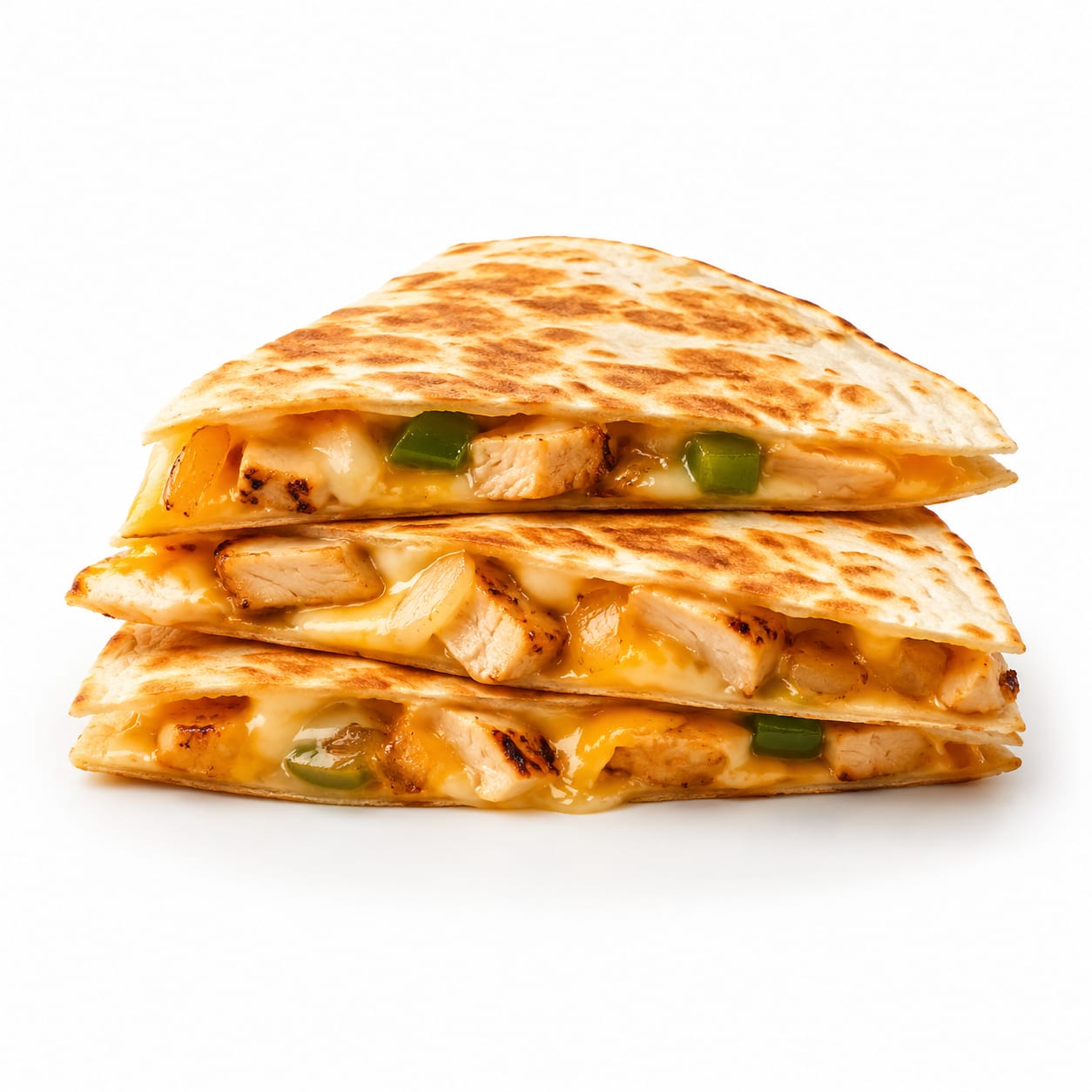
Quesadilla
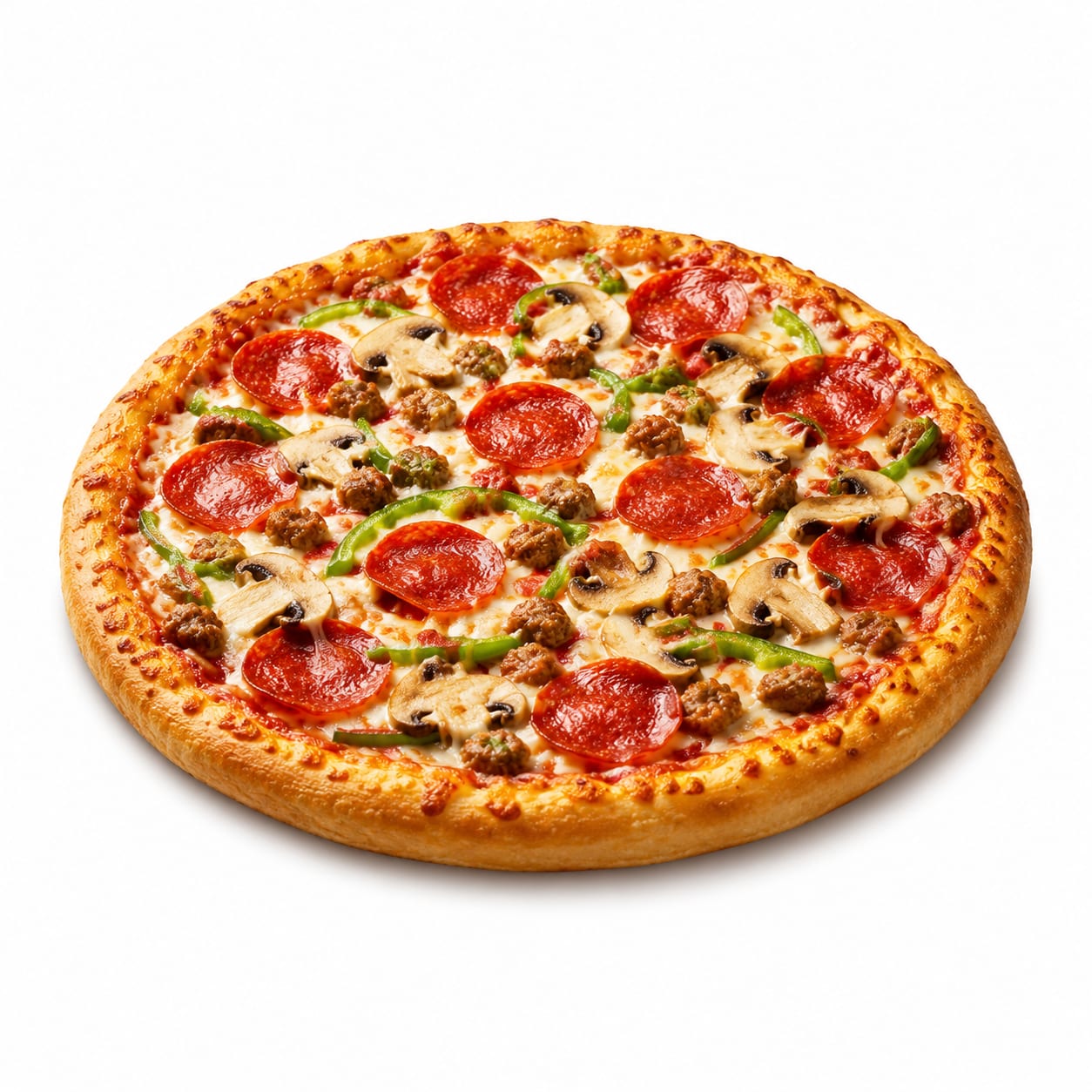
Pizza
Quesadillas win for portion control and speed, pizza wins for satiety and nutritional variety. Neither is a health food.
Quesadilla edges ahead slightly due to better portion control and lower sodium, but both are indulgent foods with similar nutritional profiles. The small gap reflects practical eating behavior more than nutritional superiority.
Quesadillas are easier to keep reasonable in calories, but pizza offers more filling volume and lycopene from tomato sauce. Both are cheese-loaded carb bombs if you are not careful.
At a glance
Executive summary
Overall
It depends
Healthier
It depends
More practical
Quesadilla
Daily use
Quesadilla
Key comparison lenses
comfort food tradeoff for weight management
Both are cheese-heavy comfort foods that people crave, making it hard to choose when dieting
portion control and overeating risk
Pizza is notoriously easy to overeat while quesadillas have a more natural stopping point
sodium and heart health comparison
Both deliver high sodium through cheese and added ingredients, a key concern for many
blood sugar impact of refined carbs
Flour tortillas and pizza crust both spike blood sugar, but the magnitude differs
quick meal practicality
Both are go-to quick meals, but preparation speed and convenience vary significantly
Best choice for
Quesadilla
- Quick weeknight meals when you need something fast
- Portion-conscious eaters who struggle with overeating
- Lower sodium needs since there is no sauce layer
- People who want a lighter comfort food option
Pizza
- Post-workout meals needing more calories and volume
- Social gatherings and sharing situations
- Those wanting lycopene and vegetable toppings
- People who find thin-crust pizza genuinely filling
Least suitable for
Quesadilla
- Large gatherings where sharing matters
- People needing high-volume meals to feel satisfied
- Anyone avoiding dairy entirely
Pizza
- Strict portion controllers who cannot stop at one or two slices
- People with acid reflux triggered by tomato sauce
- Those monitoring sodium closely due to sauce and processed toppings
Deep comparison
Dimension by dimension
Each lens scores both foods and breaks down who each option suits.
- Dimension 1 · Priority 92Quesadilla
Calorie Control and Portion Management
Quesadilla · 68Pizza · 42A single quesadilla has a natural endpoint. Pizza slices invite just one more.
Tradeoff
Quesadillas are easier to cap at a reasonable calorie amount, while pizza's sliced format makes overeating almost effortless.
Why it matters
Most people do not stop at two slices of pizza. A quesadilla is typically one unit, making it psychologically easier to stop.
Real-world impact
A cheese quesadilla runs 350-500 calories. Two slices of pizza hit 500-700, and most people eat three or four.
Quesadilla
- People who track calories
- Emotional eaters needing built-in portion limits
Better for
- Those who make giant restaurant-style quesadillas
Worse for
Pizza
- Active individuals needing more calories
Better for
- Anyone who cannot stop at two slices
- Late-night snackers prone to bingeing
Worse for
- Dimension 2 · Priority 85Pizza
Satiety and Fullness
Quesadilla · 55Pizza · 72Pizza fills you up more per eating occasion due to volume and thicker composition.
Tradeoff
Pizza keeps you fuller longer but at a higher calorie cost. Quesadillas leave you satisfied without the heavy stuffed feeling.
Why it matters
If you need one meal to carry you for hours, pizza does that better. But that fullness comes with more calories.
Real-world impact
After a quesadilla you may want a snack in two hours. After three slices of pizza, you are done for the evening.
Quesadilla
- People who prefer lighter meals
- Those who eat smaller, more frequent meals
Better for
- Very active people who burn through light meals
Worse for
Pizza
- Anyone needing sustained fullness
- People skipping a later meal
Better for
- Those who dislike feeling overly full
Worse for
- Dimension 3 · Priority 80Quesadilla
Sodium Load
Quesadilla · 52Pizza · 38Pizza packs more sodium between the sauce, cheese, and common toppings like pepperoni.
Tradeoff
Quesadillas skip the sodium-dense sauce layer, but both foods rely heavily on cheese which keeps sodium significant either way.
Why it matters
If you have blood pressure concerns, the sauce and cured meat on pizza can push sodium past 1000mg per serving quickly.
Real-world impact
A cheese quesadilla might deliver 600-800mg sodium. Two slices of pepperoni pizza can exceed 1200mg.
Quesadilla
- People with hypertension
- Anyone watching salt intake
Better for
- Those who add salty meats like chorizo
Worse for
Pizza
- Athletes who lose sodium through sweat
Better for
- Anyone on a low-sodium diet
- People prone to bloating from salt
Worse for
- Dimension 4 · Priority 75It depends
Blood Sugar Stability
Quesadilla · 48Pizza · 45Both spike blood sugar through refined carbs. Flour tortillas and pizza crust are similar culprits.
Tradeoff
Pizza sauce adds a small amount of sugar, but the bigger issue is the refined flour base in both foods. Corn tortillas can shift this in favor of quesadillas.
Why it matters
Neither food is friendly to blood sugar. The real difference comes from what you pair them with and which tortilla or crust you choose.
Real-world impact
Both can cause an energy crash within 90 minutes if eaten alone without protein-rich sides or fiber.
Quesadilla
- People who use corn tortillas instead of flour
- Those who add beans for fiber
Better for
- Anyone using large flour tortillas
- People with insulin resistance
Worse for
Pizza
- Those who choose cauliflower or alternative crusts
Better for
- Those eating thick-crust or stuffed-crust varieties
- People with prediabetes
Worse for
- Dimension 5 · Priority 72Pizza
Nutritional Variety and Micronutrients
Quesadilla · 40Pizza · 58Pizza brings lycopene from tomato sauce and more diverse topping potential.
Tradeoff
Pizza sauce provides antioxidants you simply do not get in a quesadilla. But both foods depend entirely on toppings for any real nutritional value.
Why it matters
Lycopene from cooked tomatoes supports heart health and prostate health. It is a genuine advantage for pizza.
Real-world impact
Two slices of veggie pizza can deliver meaningful vitamins. A plain cheese quesadilla offers mostly just calcium and fat.
Quesadilla
- Those who load up on veggie fillings
- People who add beans and peppers
Better for
- People eating plain cheese quesadillas repeatedly
Worse for
Pizza
- Anyone wanting lycopene benefits
- Those who regularly order veggie-topped pizza
Better for
- Those who only eat cheese or pepperoni pizza
Worse for
- Dimension 6 · Priority 70Quesadilla
Convenience and Preparation Speed
Quesadilla · 82Pizza · 55A quesadilla takes five minutes on a skillet. Pizza requires oven time or delivery waiting.
Tradeoff
Homemade quesadillas are one of the fastest hot meals possible. Pizza trades speed for the experience of eating pizza.
Why it matters
When you are hungry and tired, the food you can make fastest is the food you will actually choose.
Real-world impact
Quesadilla from fridge to plate: 5 minutes. Homemade pizza: 20-45 minutes. Delivery pizza: 30-50 minutes.
Quesadilla
- Busy parents needing quick meals
- People cooking for one
- Late-night snackers wanting something hot fast
Better for
- Those who find cooking any hot meal tedious
Worse for
Pizza
- Those ordering delivery anyway
- People meal-prepping frozen slices
Better for
- Anyone needing food immediately after work
Worse for
- Dimension 7 · Priority 88Quesadilla
Overeating and Craving Potential
Quesadilla · 60Pizza · 35Pizza is engineered to be hyper-palatable. Quesadillas are easier to walk away from.
Tradeoff
The combination of bread, cheese, salt, and savory sauce on pizza creates a reward response that is hard to resist. Quesadillas are rich but simpler.
Why it matters
The food you cannot stop eating is the food that undermines your health goals most consistently.
Real-world impact
Very few people binge on quesadillas. Many people have eaten an entire pizza without planning to.
Quesadilla
- People prone to binge eating
- Those who struggle with food pushers offering more
Better for
- People who make multiple quesadillas in a row
Worse for
Pizza
- Those with strong self-regulation around food
Better for
- Anyone who has lost control around pizza before
- Stress eaters reaching for the most rewarding food
Worse for
Timeline
Health impact over time
Short-term
Hours to days
Quesadilla
- Quick energy from refined carbs followed by a moderate crash
- Possible bloating from cheese if lactose sensitive
- Satisfaction without excessive fullness if portion is reasonable
Pizza
- Heavier fullness that can cause sluggishness
- Higher sodium causing thirst and possible water retention
- Acid reflux risk from tomato sauce and high fat content
Long-term
Months to years
Quesadilla
- Frequent consumption contributes to saturated fat overload
- Refined flour tortillas add to chronic inflammation risk
- More manageable calorie impact if portions stay consistent
Pizza
- Regular pizza consumption is linked to weight gain in research
- Processed meat toppings increase colorectal cancer risk over time
- Cumulative sodium load strains cardiovascular health
Risk profile
Safety & processing
Both rely on processed components, but pizza tends to involve more additives through commercial sauce, preserved dough, and processed meat toppings. A homemade quesadilla with simple ingredients is closer to whole food than most pizza.
Quesadilla
Cheese contamination
lowIf left at room temperature too long, cheese in quesadillas can harbor listeria. Reheat thoroughly.
Undercooked tortilla
lowRarely a safety issue, but underheated flour tortillas may carry mild contamination risk from production.
Pizza
Processed meat carcinogens
mediumPepperoni, sausage, and bacon contain nitrates and nitrites classified as probable carcinogens by WHO.
Foodborne illness from toppings
mediumUndercooked pizza with meat toppings or improperly stored delivery pizza is a common food poisoning source.
Acrylamide in crust
lowHigh-heat baking of pizza crust produces small amounts of acrylamide, a potential carcinogen.
Who wins for whom
Audience fit
Same foods, different winners depending on your goal.
children
PizzaKids generally eat pizza more readily and the tomato sauce provides micronutrients they might otherwise skip.
daily consumption
QuesadillaNeither should be daily, but a simple cheese quesadilla is easier to keep moderate than pizza.
diabetes
It dependsBoth spike blood sugar significantly. Corn tortilla quesadillas or thin-crust veggie pizza are the least harmful versions of each.
elderly
QuesadillaSofter texture and easier digestion make quesadillas more suitable for aging digestive systems and smaller appetites.
muscle gain
PizzaHigher calorie density and more protein from toppings support bulking phases better.
weight loss
QuesadillaEasier portion control and lower average calories per serving make quesadillas more weight-loss friendly.
Your move
Decision guide
Choose Quesadilla
- You want comfort food without triggering a binge
- You need a hot meal in under ten minutes
- You are watching sodium or portion sizes
- You prefer lighter meals that do not leave you stuffed
Choose Pizza
- You are sharing food with others socially
- You need serious calories after intense activity
- You genuinely stop at two slices without struggle
- You crave the specific taste of tomato and cheese together
Either works if
- You are eating it once as a treat, not a habit
- You load either with vegetables for nutritional balance
- You pair it with a large salad to manage calories
Avoid both if
- You have severe lactose intolerance without enzyme support
- You are in an acute acid reflux flare
- Your doctor has told you to limit saturated fat strictly
- You are on a very low sodium cardiac diet
Final recommendation
For everyday eating, a simple quesadilla is the safer default because it is easier to control. Save pizza for when the social experience matters more than the nutrition. Neither belongs in your daily rotation, but both can fit in a balanced life when you are honest about portions.
Practical
Consumer tips
- 1
Use corn tortillas for quesadillas to cut refined flour and add fiber
- 2
Choose thin-crust pizza with vegetable toppings to reduce calories and add nutrients
- 3
Skip pepperoni and sausage on pizza to avoid processed meat risks
- 4
Add black beans to quesadillas for protein and fiber without extra saturated fat
- 5
Always pair either food with a vegetable side to blunt the blood sugar spike
- 6
Blot excess oil from pizza slices to remove roughly 40 calories per slice
- 7
Make quesadillas with part-skim cheese to cut saturated fat without sacrificing melt
- 8
Order pizza with light cheese to reduce the heaviest calorie source