
Nutrition comparison
Quesadilla vs Panini: Which Pressed Sandwich Is Healthier?
Compare quesadilla and panini nutrition, calories, protein, and health impact. Learn which is better for weight loss, satiety, and daily eating with practical tradeoff analysis.
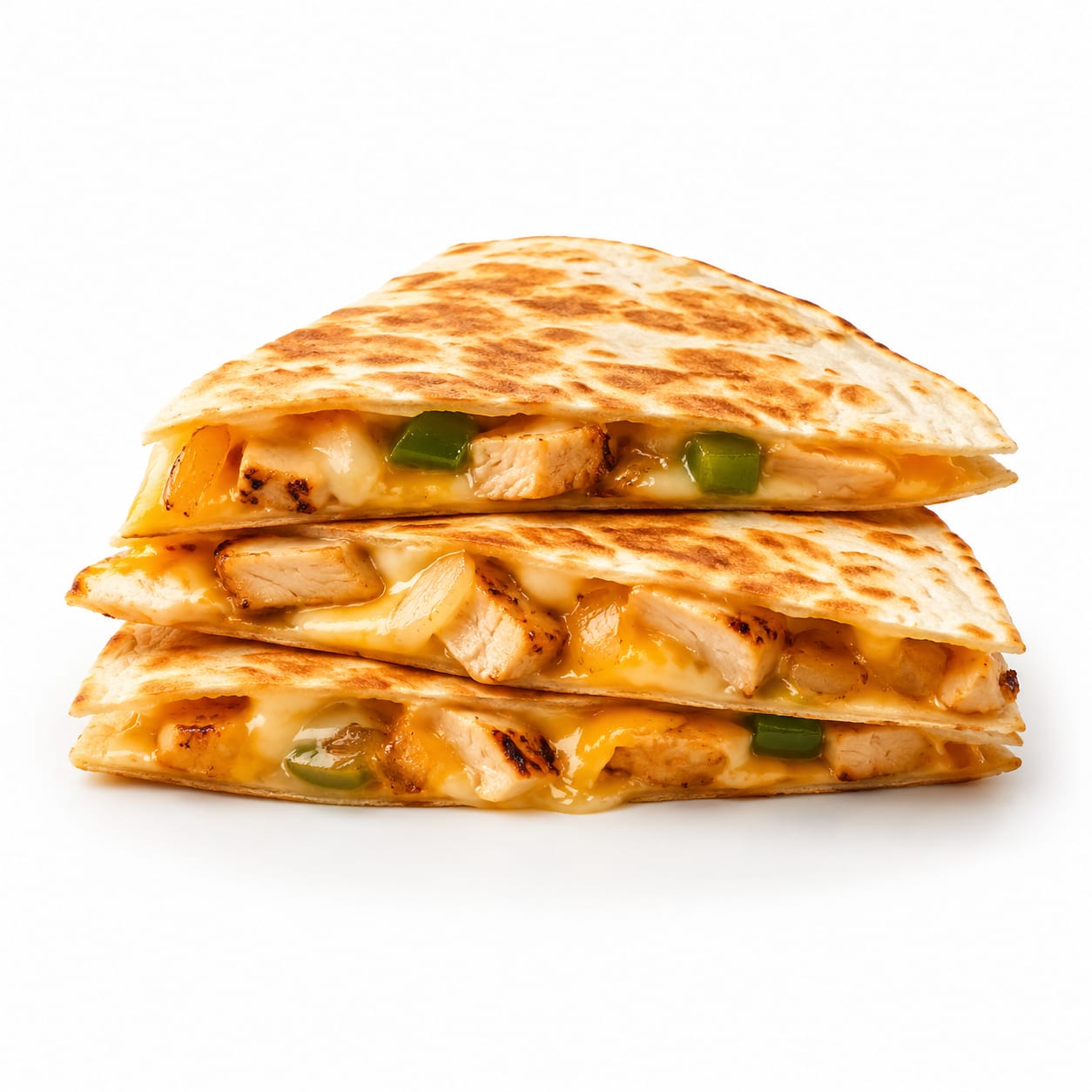
Quesadilla
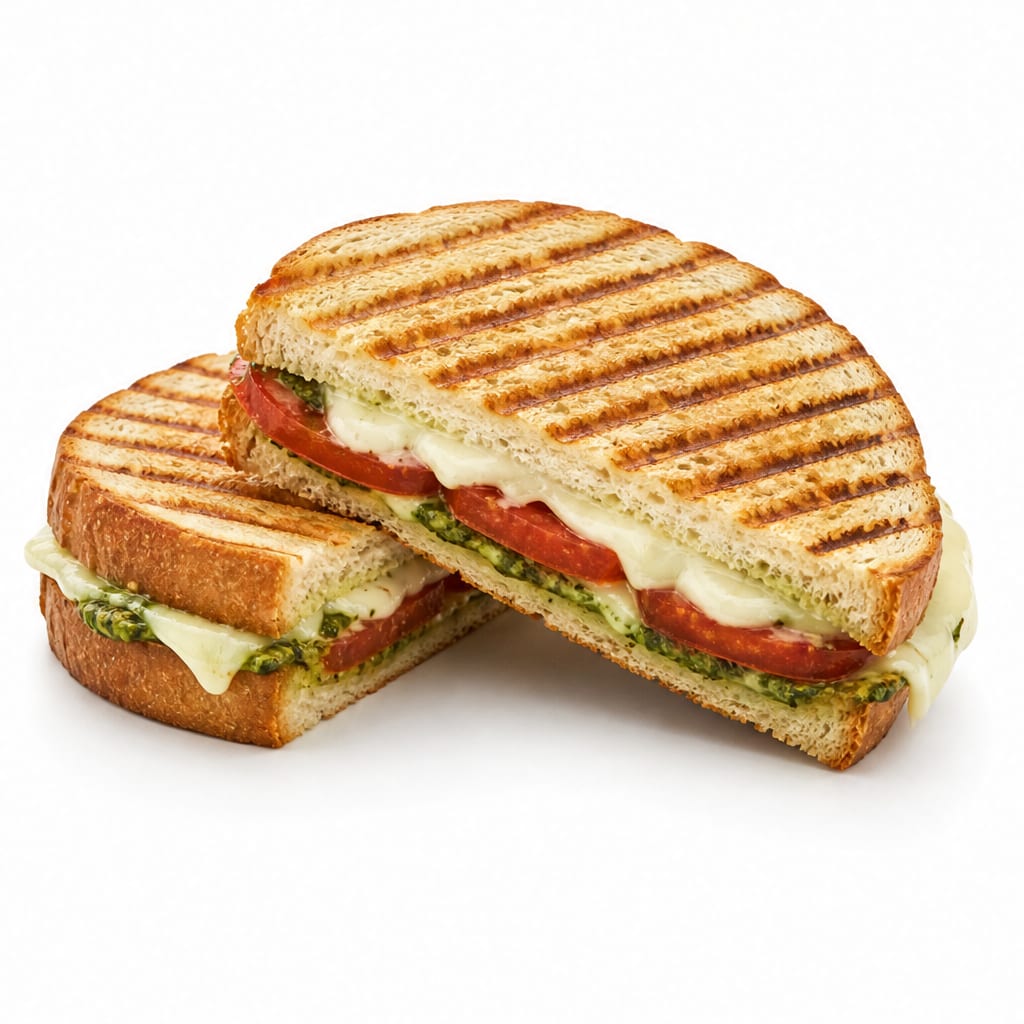
Panini
Quesadillas offer more portion control and easier veggie loading, while paninis deliver better satiety and protein variety. The winner depends entirely on what you put inside.
Scores are nearly identical because both foods are highly variable based on ingredients. A veggie-loaded quesadilla and a whole-grain turkey panini score similarly well, while their default restaurant versions both score poorly. Panini edges ahead slightly due to better satiety potential and protein diversity.
Quesadillas are lighter and more customizable but cheese-dominant, whereas paninis are more filling but often hide more sodium and calories in deli meats and spreads.
At a glance
Executive summary
Overall
It depends
Healthier
It depends
More practical
Panini
Daily use
It depends
Key comparison lenses
weight management and calorie control
Both are calorie-dense pressed comfort foods where portion creep is common
satiety and meal satisfaction
Users choosing between these want something filling that holds them over
blood sugar stability
Carb-heavy bases with refined grains dominate both options
customizability for healthier versions
Both can be dramatically improved with smarter ingredient swaps
sodium and heart health
Cheese-heavy quesadillas and cured-meat paninis both deliver high sodium loads
Best choice for
Quesadilla
- People who want built-in portion control from the folded tortilla format
- Anyone avoiding deli meats and processed meats
- Those who prefer lighter meals that won't cause afternoon drowsiness
- Vegetarians who rely on cheese as a primary protein source
Panini
- Athletes or active people needing more protein and sustained energy
- Anyone wanting longer-lasting fullness between meals
- People who find bread-based meals more satisfying and comforting
- Those who enjoy layered flavor profiles with multiple ingredients
Least suitable for
Quesadilla
- People with lactose intolerance or dairy sensitivity
- Anyone strictly monitoring saturated fat intake
- Those with celiac or gluten sensitivity from flour tortillas
- People trying to reduce calorie-dense cheese-heavy meals
Panini
- People watching sodium intake due to cured meats and cheese
- Anyone trying to limit refined carbohydrate consumption
- Those who find heavy sandwiches cause sluggishness
- People avoiding processed deli meats due to health concerns
Deep comparison
Dimension by dimension
Each lens scores both foods and breaks down who each option suits.
- Dimension 1 · Priority 92Quesadilla
Calorie Density and Portion Control
Quesadilla · 62Panini · 48Quesadillas offer better built-in portion awareness because the folded tortilla visually defines the serving. Paninis often come on large bread rolls that silently pack extra calories.
Tradeoff
While quesadillas have clearer visual boundaries, they concentrate calories through heavy cheese layers. Paninis spread calories across more ingredients but on larger bread portions.
Why it matters
Underestimating calories is the biggest barrier to weight management. The format that makes overeating harder wins this dimension.
Real-world impact
A standard restaurant quesadilla runs 600-900 calories, while a panini can easily hit 700-1000. At home, a single-tortilla quesadilla stays around 350-450 calories more easily than a compact panini.
Quesadilla
- Visual portion boundaries
- Easier to scale down by using one tortilla
- Less hidden calorie accumulation from spreads
Better for
- Cheese is extremely calorie-dense and often over-portioned
- Restaurants use excessive oil for grilling
Worse for
Panini
- More ingredient volume per calorie when loaded with vegetables
- Bread creates more chewing and eating time
Better for
- Large bread rolls add hundreds of hidden calories
- Spreads like mayo and pesto are calorie bombs
Worse for
- Dimension 2 · Priority 88Panini
Satiety and Fullness
Quesadilla · 52Panini · 68Paninis keep you fuller longer thanks to more bread volume, protein variety, and ingredient layering. Quesadillas digest faster due to their cheese-dominant, lower-fiber profile.
Tradeoff
The fullness from a panini comes with a heavier feeling that can cause sluggishness. Quesadillas feel lighter but may leave you hungry again within two hours.
Why it matters
If a meal does not hold you over, you snack more later. Satiety is one of the strongest predictors of successful weight management.
Real-world impact
After a quesadilla lunch, many people feel hungry again by 3pm. A well-built panini with protein and fiber can easily carry you to dinner.
Quesadilla
- Lighter feeling after eating
- Less post-meal drowsiness
- Good for smaller appetites
Better for
- Cheese digests quickly without fiber to slow it
- Small tortilla volume means less physical stomach filling
Worse for
Panini
- Longer-lasting fullness from bread volume and protein
- More chewing required, which improves satiety signals
- Better at preventing late-afternoon snacking
Better for
- Heavy feeling can reduce afternoon productivity
- Large portions may cause discomfort if you overeat
Worse for
- Dimension 3 · Priority 85It depends
Blood Sugar Stability
Quesadilla · 45Panini · 48Both foods are carb-forward with limited fiber in their default forms. Flour tortillas spike blood sugar slightly faster, but panini bread can be swapped to whole grain more easily.
Tradeoff
Corn tortillas offer a lower-glycemic option for quesadillas, but they are less common. Whole-grain bread for paninis is widely available but still carb-heavy.
Why it matters
Blood sugar crashes after lunch destroy focus and energy. The format that allows better glycemic control matters for daily performance.
Real-world impact
A white-flour quesadilla can cause a blood sugar spike and crash within 90 minutes. A whole-grain panini with protein stretches that to 2-3 hours of steadier energy.
Quesadilla
- Corn tortillas have a lower glycemic index than white bread
- Smaller carb portion if made with a single tortilla
Better for
- Flour tortillas are high-glycemic and most common
- Cheese-only filling lacks fiber to buffer the carbs
Worse for
Panini
- Whole-grain bread options are easy to find
- More protein from fillings slows sugar absorption
Better for
- White ciabatta or focaccia spikes blood sugar fast
- Large bread portions mean more total carbohydrates
Worse for
- Dimension 4 · Priority 78Quesadilla
Sodium and Heart Health
Quesadilla · 50Panini · 38Quesadillas rely on cheese for sodium, while paninis often combine cheese with cured deli meats and salty spreads, creating a much higher sodium load.
Tradeoff
Even a cheese-heavy quesadilla usually contains less sodium than a panini with salami, ham, and pesto. But both are high-sodium foods compared to home-cooked meals.
Why it matters
Regular high-sodium meals raise blood pressure over time. Even small reductions in daily sodium improve cardiovascular risk significantly.
Real-world impact
A typical restaurant panini delivers 1200-1800mg sodium. A cheese quesadilla lands around 800-1200mg. Both are high, but the panini often exceeds a full day's ideal intake in one meal.
Quesadilla
- Fewer sodium sources when made simply
- No cured meats required
- Easier to control salt at home
Better for
- Cheese is still a concentrated sodium source
- Restaurant versions use seasoned salt and oil
Worse for
Panini
- Can be made with fresh roasted meats instead of deli cuts
- Vegetable fillings add potassium which helps balance sodium
Better for
- Deli meats are among the highest-sodium foods available
- Pesto, mayo, and condiments add hidden sodium
- Cheese plus meat doubles the sodium hit
Worse for
- Dimension 5 · Priority 80Panini
Protein Quality and Quantity
Quesadilla · 48Panini · 65Paninis typically deliver more complete protein from layered meat and cheese combinations. Quesadillas rely heavily on cheese, which provides protein but in a less diverse amino acid profile.
Tradeoff
More protein in a panini often comes from processed deli meats with health tradeoffs. Quesadilla protein is cleaner but limited in amount and variety.
Why it matters
Protein quality affects muscle maintenance, satiety, and metabolic health. Getting enough high-quality protein at meals matters more as you age.
Real-world impact
A turkey and provolone panini delivers roughly 30-40g protein. A standard cheese quesadilla provides 18-25g. That gap matters for staying full and maintaining muscle.
Quesadilla
- Protein comes from whole cheese rather than processed meat
- Beans or chicken can boost protein cleanly
Better for
- Cheese-only protein is less complete than meat combinations
- Lower total protein per serving
Worse for
Panini
- Multiple protein sources create a more complete amino acid profile
- Higher total protein supports muscle and satiety better
- Fresh meat options like grilled chicken are excellent protein
Better for
- High protein often comes from processed deli meats
- Nitrate-preserved meats carry long-term health risks
Worse for
- Dimension 6 · Priority 82Quesadilla
Customizability and Health Upgrade Potential
Quesadilla · 72Panini · 60Quesadillas are easier to upgrade healthfully because you can load vegetables inside the fold, swap to corn tortillas, and reduce cheese without ruining the format. Panini upgrades are more limited by bread choice and structural integrity.
Tradeoff
A healthier quesadilla still tastes like a quesadilla. A healthier panini with whole-grain bread and no mayo can feel like a compromise on the indulgent experience you wanted.
Why it matters
The best healthy food is one you actually enjoy eating long-term. If upgrades feel like deprivation, you will not sustain them.
Real-world impact
Adding peppers, onions, and spinach to a quesadilla is easy and delicious. Adding the same to a panini works but competes with meat and cheese for space, often leaving you with an overstuffed sandwich that falls apart.
Quesadilla
- Vegetables integrate seamlessly into the filling
- Corn tortillas are an easy lower-glycemic swap
- Reducing cheese by half still works structurally
- Beans add fiber and protein naturally
Better for
- Flour tortillas are hard to replace without changing the experience
- Cheese is structurally necessary to hold it together
Worse for
Panini
- Whole-grain bread is a widely available upgrade
- Fresh roasted meats easily replace deli cuts
- More surface area for greens and vegetable layers
Better for
- Healthier bread often tastes noticeably different
- Removing mayo or cheese makes the sandwich dry
- Structural integrity suffers with too many vegetable additions
Worse for
Timeline
Health impact over time
Short-term
Hours to days
Quesadilla
- Quick energy from refined carbs in flour tortillas, often followed by a crash within 1-2 hours
- Cheese provides immediate satiety but can feel heavy in the stomach
- High sodium may cause temporary bloating or thirst
- Moderate portion sizes are less likely to cause afternoon drowsiness than heavier sandwiches
Panini
- More sustained fullness from bread volume and protein combinations
- Heavier digestive load can cause post-meal sluggishness, especially with large portions
- Very high sodium from deli meats may trigger noticeable thirst and water retention
- Condiments like pesto or mayo add fat that slows digestion but increases calorie load
Long-term
Months to years
Quesadilla
- Regular cheese-heavy quesadillas contribute to high saturated fat intake, raising cardiovascular risk over time
- Frequent refined flour tortilla consumption may impair insulin sensitivity
- Easier portion control makes moderate consumption more sustainable long-term
- Lower processed meat exposure reduces cancer risk compared to deli meat sandwiches
Panini
- Regular deli meat consumption is linked to increased colorectal cancer and cardiovascular risk
- Higher protein intake supports muscle maintenance, especially important for aging adults
- Consistent high sodium intake from cured meats and cheese raises blood pressure over years
- Whole-grain bread options can improve fiber intake and gut health if chosen consistently
Risk profile
Safety & processing
Both foods are processed by nature of their assembled format, but the degree depends heavily on ingredient choices. Flour tortillas contain preservatives and dough conditioners. Deli meats in paninis carry nitrates, nitrites, and sodium preservatives. A homemade quesadilla with corn tortillas and real cheese is less processed than a panini with packaged deli meat, but restaurant versions of both are similarly processed.
Quesadilla
Cheese contamination with Listeria
mediumSoft cheeses and improperly stored cheese can harbor Listeria, especially dangerous for pregnant women. Hard cheeses used in quesadillas are lower risk.
Tortilla preservative sensitivity
lowCommercial flour tortillas often contain calcium propionate and other preservatives that may cause headaches or digestive upset in sensitive individuals.
Panini
Deli meat bacterial contamination
highDeli meats are a leading source of Listeria outbreaks. Pregnant women, elderly, and immunocompromised people should avoid unheated deli meats entirely.
Nitrate and nitrite exposure from cured meats
mediumProcessed meats like salami, ham, and bacon contain nitrates that form carcinogenic compounds when heated. Even nitrate-free versions often use celery powder with the same effect.
Who wins for whom
Audience fit
Same foods, different winners depending on your goal.
children
QuesadillaKids love the simple cheese flavor, portions are easy to size down, and there is no exposure to processed deli meats. Quesadillas are also easier for small hands to hold.
daily consumption
It dependsNeither is ideal for daily consumption in their standard forms. A veggie-loaded corn tortilla quesadilla or a whole-grain chicken panini could work rotationally, but variety is healthier.
diabetes
It dependsCorn tortilla quesadillas have a lower glycemic impact, but whole-grain paninis with protein and fiber can also work. Both require careful carb counting and ingredient selection.
elderly
PaniniHigher protein content helps prevent age-related muscle loss, and softer panini textures are easier to chew than crispy tortilla edges for those with dental issues.
muscle gain
PaniniHigher protein content from meat and cheese combinations supports muscle protein synthesis better. A chicken panini can deliver 35-45g protein per serving.
weight loss
QuesadillaBetter portion control and easier calorie reduction by limiting cheese. A single-tortilla quesadilla with light cheese and vegetables stays under 400 calories more easily than a compact panini.
Your move
Decision guide
Choose Quesadilla
- You want a lighter meal that will not slow you down afterward
- You are avoiding processed deli meats for health reasons
- You prefer easier portion control and visual boundaries
- You are cooking at home and want a quick, customizable meal
- You are feeding kids who prefer simple flavors
Choose Panini
- You need long-lasting energy and fullness for a busy afternoon
- You want more protein to support an active lifestyle or muscle maintenance
- You find bread-based meals more satisfying and comforting
- You are okay with higher sodium in exchange for more flavor complexity
- You want a meal that feels more substantial and restaurant-quality
Either works if
- You are willing to customize ingredients for a healthier version
- You want a warm, pressed comfort food that feels like a treat
- You are eating out and both options are available with fresh ingredients
Avoid both if
- You are strictly limiting sodium due to hypertension or kidney issues
- You are following a low-carb or ketogenic eating plan
- You have gluten and dairy sensitivities simultaneously
- You are trying to minimize processed food intake entirely
Final recommendation
Choose quesadillas when you want something lighter with better portion control and no processed meat. Choose paninis when you need more protein and longer-lasting fullness. For the healthiest version of either, load up on vegetables, choose whole-grain or corn bases, go easy on cheese, and use fresh proteins instead of processed ones. The difference that matters most is not which format you pick, but what you put inside it.
Practical
Consumer tips
- 1
Ask for corn tortillas instead of flour at restaurants for a lower glycemic quesadilla with about 30% fewer calories
- 2
Request half the cheese in any quesadilla and you will barely notice the difference in taste but save 150-200 calories
- 3
Choose freshly grilled chicken instead of deli meats in paninis to eliminate nitrate exposure and reduce sodium by 400-600mg
- 4
Order paninis on whole-grain bread when available to add 3-4g fiber and slow sugar absorption
- 5
Add peppers, onions, or spinach to either option to increase volume and nutrients without significant calories
- 6
Avoid restaurant versions of both when possible, as they use far more oil, cheese, and sodium than homemade versions
- 7
If buying pre-made, check sodium on the label first, as both can exceed 1000mg per serving in packaged form
- 8
For a compromise, try a quesadilla with black beans and vegetables inside for fiber and protein without deli meat concerns