
Nutrition comparison
Quesadilla vs Wrap: Which Is Healthier for Daily Lunch?
Compare quesadillas and wraps on calories, nutrition, weight loss, and convenience. Find out which handheld meal is better for your health goals and daily routine.
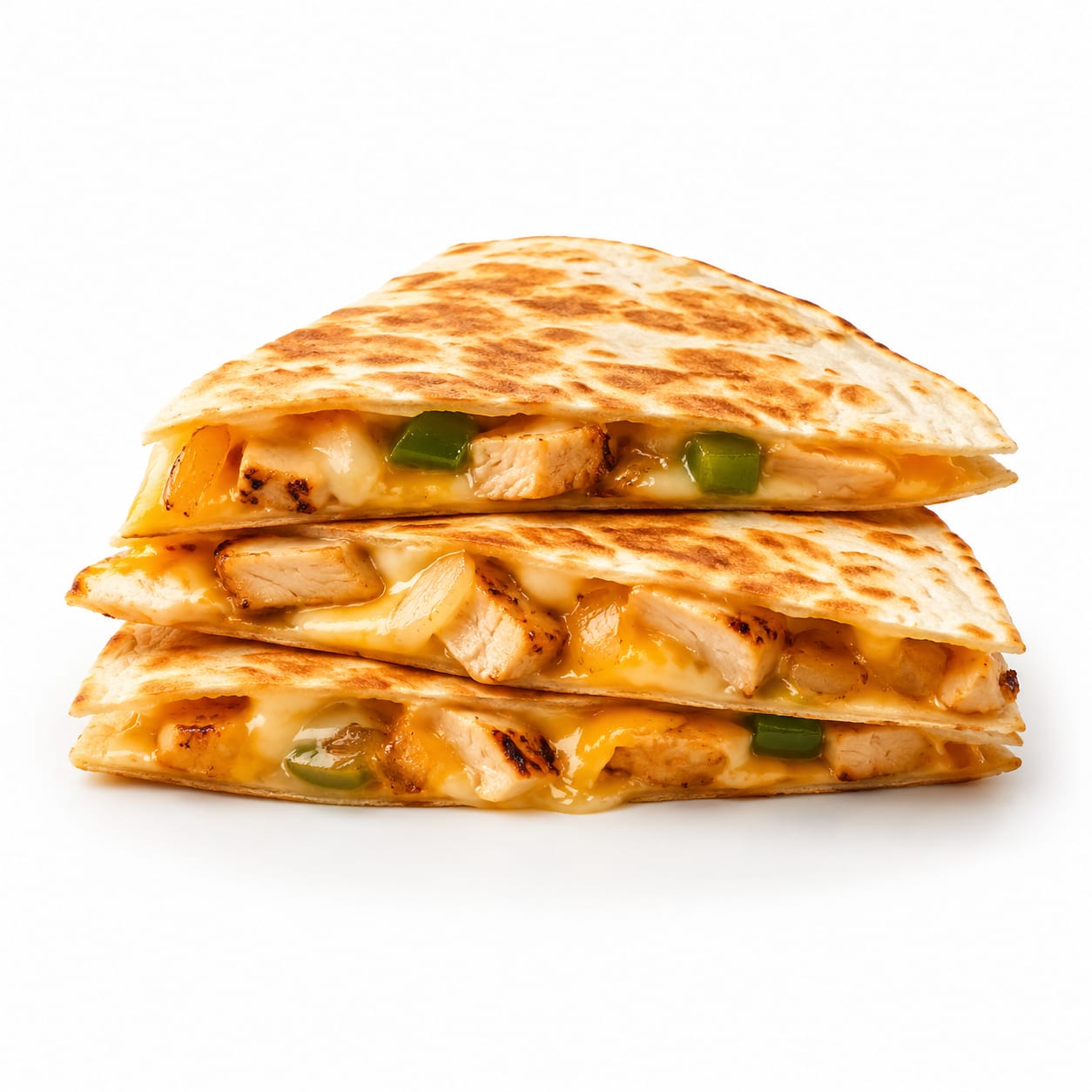
Quesadilla
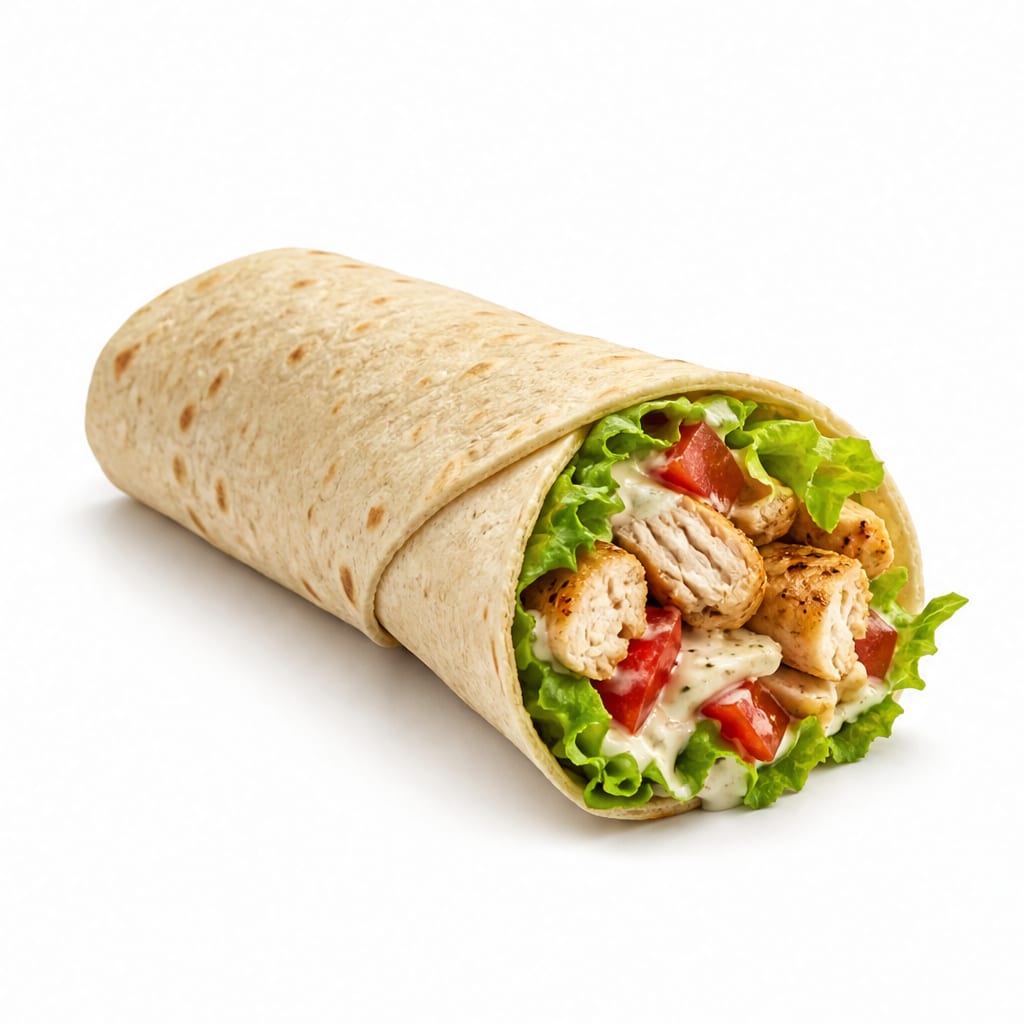
Wrap
Wraps win for everyday health and weight management due to lower calorie density and more vegetable room. Quesadillas win for comfort, satisfaction, and quick protein when you need something hearty.
Wraps score notably higher due to lower calorie density, more room for vegetables, and better daily-use sustainability. Quesadillas remain competitive for satisfaction and comfort but lose on nutritional flexibility and weight management.
Quesadillas trade calorie efficiency for cheesy satisfaction. Wraps trade indulgence for nutritional flexibility and lighter energy.
At a glance
Executive summary
Overall
It depends
Healthier
Wrap
More practical
Wrap
Daily use
Wrap
Key comparison lenses
Weight management and calorie control
Quesadillas are typically cheese-heavy and cooked with oil, making them significantly more calorie-dense than wraps
Meal versatility and customization
Wraps can accommodate far more vegetable and lean protein options than quesadillas, which are structurally limited
Satiety and overeating risk
Cheese and fat in quesadillas increase calorie density without proportional fullness, while wraps with veggies fill you up on fewer calories
Convenience and portability
Both are handheld meals, but wraps are generally less messy and better for eating on the go
Blood sugar stability
Both use tortillas as a base, but fillings dramatically change glycemic impact
Best choice for
Quesadilla
- Comfort food cravings that need satisfying
- Quick high-calorie fuel after intense workouts
- Picky eaters who need calorie-dense meals
- Cold days when you want something warm and gooey
- Kids who refuse vegetables but will eat melted cheese
Wrap
- Weight loss or maintenance goals
- Loading up on vegetables easily
- Lunch on the go without food coma
- Meal prep for the week
- Managing blood sugar with balanced macros
Least suitable for
Quesadilla
- Daily lunch if watching your weight
- Lactose-intolerant individuals
- Anyone tracking sodium closely
- People prone to afternoon energy crashes
Wrap
- Anyone needing high-calorie meals to gain weight
- People who find low-fat meals unsatisfying
- Those who struggle with dry tortillas without cheese moisture
Deep comparison
Dimension by dimension
Each lens scores both foods and breaks down who each option suits.
- Dimension 1 · Priority 92Wrap
Calorie Density and Weight Management
Quesadilla · 35Wrap · 75A typical quesadilla packs 400-600 calories mostly from cheese and cooking oil. A veggie-heavy wrap can hit 300-400 calories with far more volume and nutrients.
Tradeoff
Quesadillas are calorie-dense but physically small, making it easy to overeat. Wraps let you eat more food volume for fewer calories.
Why it matters
If you eat lunch daily, swapping quesadillas for wraps could save 200+ calories per meal without feeling hungrier.
Real-world impact
That daily quesadilla habit could mean 10-15 pounds of weight gain per year compared to a wrap-based lunch.
Quesadilla
- Bulking on a budget with calorie-dense meals
- Athletes needing quick post-workout calories
Better for
- Anyone trying to lose or maintain weight
- People who eat lunch at their desk and need mental clarity
Worse for
Wrap
- Steady weight maintenance without counting calories
- Feeling full on fewer calories
- Avoiding the afternoon slump after a heavy lunch
Better for
- Underweight individuals needing calorie density
- Endurance athletes who need compact high-calorie fuel
Worse for
- Dimension 2 · Priority 85It depends
Satiety and Fullness
Quesadilla · 68Wrap · 72Quesadillas deliver heavy satisfaction from fat and cheese but lack fiber. Wraps with good fillings provide more physical fullness from volume and fiber.
Tradeoff
Cheese gives quick satisfaction but fades fast. Veggie-heavy wraps keep you fuller longer through fiber and water content.
Why it matters
The type of fullness matters. Quesadillas feel heavy immediately but hunger returns in 2-3 hours. A well-built wrap can keep you satisfied for 4+ hours.
Real-world impact
A chicken-avocado-spinach wrap at noon keeps you focused until dinner. A cheese quesadilla at noon has you raiding snacks by 3pm.
Quesadilla
- Emotional satisfaction when you need comfort food
- Quick hunger kill when you are starving
Better for
- Anyone trying to avoid between-meal cravings
- People prone to blood sugar dips
Worse for
Wrap
- Sustained energy between meals
- Avoiding late-afternoon snacking
- People who eat lunch late and dinner early
Better for
- Those who find low-fat meals psychologically unsatisfying
Worse for
- Dimension 3 · Priority 88Wrap
Nutritional Flexibility
Quesadilla · 30Wrap · 90Wraps are blank canvases for any filling. Quesadillas are structurally limited to things that melt well with cheese.
Tradeoff
Quesadillas lock you into a cheese-centric meal. Wraps let you build around any dietary priority: protein, fiber, plant-based, low-carb.
Why it matters
Your wrap can be a salad in a tortilla, a protein bomb, or a balanced meal. Your quesadilla is always cheese-first.
Real-world impact
Trying to eat more vegetables? A wrap holds cups of spinach, peppers, and cucumbers easily. A quesadilla holds a few strips of pepper buried under cheese.
Quesadilla
- Minimal ingredient meals when your fridge is bare
- Cooking for kids who only accept cheese
Better for
- Anyone trying to increase vegetable intake
- People following specific macro targets
Worse for
Wrap
- Hitting daily vegetable targets
- Adapting meals to different diets in the same household
- Using up leftover proteins and veggies
- Building balanced macros into one meal
Better for
- Situations with limited fresh ingredients available
Worse for
- Dimension 4 · Priority 75It depends
Protein Quality
Quesadilla · 60Wrap · 65Quesadillas rely on cheese protein, which is moderate quality. Wraps can use chicken, turkey, beans, or eggs for higher-quality protein.
Tradeoff
Cheese protein comes with saturated fat and sodium. Lean wrap fillings deliver more protein per calorie.
Why it matters
If your wrap has grilled chicken, you get double the protein of a cheese quesadilla with half the fat.
Real-world impact
After a workout, a chicken wrap rebuilds muscle better than a cheese quesadilla that mostly refills fat stores.
Quesadilla
- Vegetarians who rely on dairy protein
- Quick protein when you have no cooked meat ready
Better for
- People watching saturated fat intake
- Anyone needing high protein without excess calories
Worse for
Wrap
- Athletes needing lean protein
- Anyone prioritizing protein-to-calorie ratio
- Building muscle while staying lean
Better for
- Vegans unless using plant protein fillings
Worse for
- Dimension 5 · Priority 78Wrap
Convenience and Portability
Quesadilla · 55Wrap · 80Wraps are designed for handheld eating. Quesadillas are messy, often require a plate, and can drip grease.
Tradeoff
Quesadillas need cooking time and careful handling. Wraps can be assembled cold in 2 minutes and eaten anywhere.
Why it matters
For busy workdays, a wrap you can eat while walking beats a quesadilla that needs a microwave and napkins.
Real-world impact
Wraps are ideal commuting food. Quesadillas are sit-down food that leaves grease on your hands and keyboard.
Quesadilla
- Sit-down meals at home when mess does not matter
- Cooking for a group where everyone shares
Better for
- Anyone eating while commuting or working
- Kids lunchboxes where mess is a problem
Worse for
Wrap
- Eating at your desk
- Packing lunch for work or school
- Road trips and picnics
- Meal prepping on Sunday for the whole week
Better for
- Situations where you want a hot cooked meal
Worse for
- Dimension 6 · Priority 70Wrap
Sodium and Heart Health
Quesadilla · 30Wrap · 60Cheese is one of the highest-sodium foods in most diets. A quesadilla with 2-3 ounces of cheese delivers 500-800mg sodium before adding anything else.
Tradeoff
Wraps can be built with low-sodium fillings. Quesadillas start with a sodium floor from cheese that is hard to avoid.
Why it matters
If you have blood pressure concerns, a single quesadilla can use a third of your daily sodium budget.
Real-world impact
Two quesadillas for lunch could hit 1500mg sodium. A turkey-wrap with mustard hits roughly 600-800mg.
Quesadilla
- People who naturally eat low-sodium the rest of the day
Better for
- People on sodium-restricted diets
- Anyone already eating processed foods at other meals
Worse for
Wrap
- Anyone with hypertension or sodium sensitivity
- Heart-healthy eating patterns
- Older adults watching blood pressure
Better for
- Those who add salty dressings and processed meats to wraps
Worse for
Timeline
Health impact over time
Short-term
Hours to days
Quesadilla
- Heavy fullness that can cause mental sluggishness within an hour
- Quick satisfaction from fat and cheese that fades into hunger in 2-3 hours
- Potential heartburn from high fat content, especially if eaten quickly
- Blood sugar spike from refined tortilla combined with fat slowing digestion unevenly
Wrap
- Lighter energy that sustains focus through the afternoon
- Comfortable fullness without heaviness when packed with vegetables
- Steadier blood sugar when built with protein and fiber-rich fillings
- Less post-meal fatigue compared to cheese-heavy meals
Long-term
Months to years
Quesadilla
- Regular consumption contributes to higher saturated fat intake linked to elevated LDL cholesterol
- Sodium load from daily cheese adds up to increased blood pressure risk over years
- Calorie density makes gradual weight gain likely without portion awareness
- Low vegetable content means missing daily fiber and micronutrient targets consistently
Wrap
- Easier weight maintenance due to lower calorie density and higher volume eating
- Better cardiovascular markers when built with lean proteins and vegetables
- Higher fiber intake supports gut health and reduces disease risk long-term
- Nutritional quality depends heavily on filling choices, so results vary widely
Risk profile
Safety & processing
Both rely on tortillas, which are processed. Quesadillas add processed cheese with emulsifiers and sodium. Wraps vary widely: a hummus-veggie wrap is closer to whole food, while a wrap with deli meat and processed sauce is equally processed. The key difference is that wraps give you the option to go less processed, while quesadillas are locked into cheese.
Quesadilla
Foodborne illness from unpasteurized cheese
mediumIf made with raw milk cheese, listeria risk exists. Most restaurant cheese is pasteurized, but always verify for pregnant women.
Grease handling and burns
lowHot oil and melted cheese can cause minor burns during preparation. Not a health risk per se but a kitchen safety note.
Wrap
Cross-contamination with raw fillings
mediumWraps often include fresh vegetables and raw ingredients. Improper washing or storage increases foodborne illness risk compared to cooked quesadillas.
Deli meat contamination
mediumIf using deli meats, listeria risk is a concern for pregnant women and immunocompromised individuals. Cooked or plant-based proteins are safer choices.
Who wins for whom
Audience fit
Same foods, different winners depending on your goal.
children
QuesadillaKids gravitate toward melted cheese and familiar flavors. Quesadillas are an easy win for picky eaters who refuse vegetables.
daily consumption
WrapDaily wraps with varied fillings provide nutritional diversity. Daily quesadillas create a repetitive high-sodium, high-saturated-fat pattern.
diabetes
WrapWraps with fiber-rich fillings slow carbohydrate absorption. Quesadillas combine refined carbs with high fat, creating unpredictable blood sugar patterns.
elderly
WrapOlder adults need nutrient density and fiber, not calorie density. Wraps with soft fillings are also easier to chew than crispy quesadillas.
muscle gain
It dependsA chicken or steak wrap delivers more lean protein per calorie. But a quesadilla with added meat works too if you need the extra calories.
weight loss
WrapWraps allow more food volume for fewer calories. A veggie-heavy wrap at 350 calories fills you up more than a 550-calorie quesadilla.
Your move
Decision guide
Choose Quesadilla
- You need comfort food and nothing else will hit the spot
- You are trying to gain weight and need calorie-dense meals
- You are feeding kids who refuse most foods but will eat cheese
- You have limited ingredients and need a satisfying meal from just tortillas and cheese
- It is a cold day and you want something warm and gooey
Choose Wrap
- You want to lose or maintain weight without feeling deprived
- You are trying to eat more vegetables effortlessly
- You need a portable lunch that will not leave you sluggish
- You meal prep and want something that holds up in the fridge
- You want to control sodium, saturated fat, or overall calories
Either works if
- You are eating out and both options use similar quality ingredients
- You are splitting the difference: a half-quesadilla with a side salad
- You are customizing either with similar protein and vegetable fillings
Avoid both if
- You are gluten-sensitive and neither offers a gluten-free tortilla
- You are strictly low-carb and both push you over your carbohydrate limit
- You have a dairy allergy and cannot find dairy-free cheese for quesadillas
Final recommendation
Make wraps your daily driver and save quesadillas for when comfort food truly matters. A well-built wrap with lean protein, avocado, and plenty of vegetables gives you more nutrition, steadier energy, and better long-term health outcomes. When you do choose a quesadilla, add chicken or beans and go light on extra cheese to close the nutritional gap.
Practical
Consumer tips
- 1
Ask for half the cheese in your quesadilla and add grilled vegetables to make it significantly healthier without losing the experience
- 2
Choose whole wheat or corn tortillas for either option to get more fiber and steadier blood sugar
- 3
Build wraps with a protein base first, then load vegetables, then add sauce last to avoid sogginess
- 4
Swap sour cream for Greek yogurt in either dish to cut calories while keeping creaminess
- 5
If meal prepping wraps, keep wet ingredients like tomatoes in a separate container until eating
- 6
A quesadilla with black beans and moderate cheese has more fiber and protein than a cheese-only version
- 7
For wraps, hummus or avocado replaces cheese as a spread while adding healthy fats instead of saturated fat
- 8
Watch portion size: restaurant quesadillas often use two full tortillas and can exceed 800 calories