
Nutrition comparison
Quesadilla vs Empanada: Which Is Healthier and What Are the Real Tradeoffs?
Compare quesadillas and empanadas on calories, fat, sodium, and health impact. Learn which is better for weight loss, daily meals, and special occasions.
Overall winner · Quesadilla
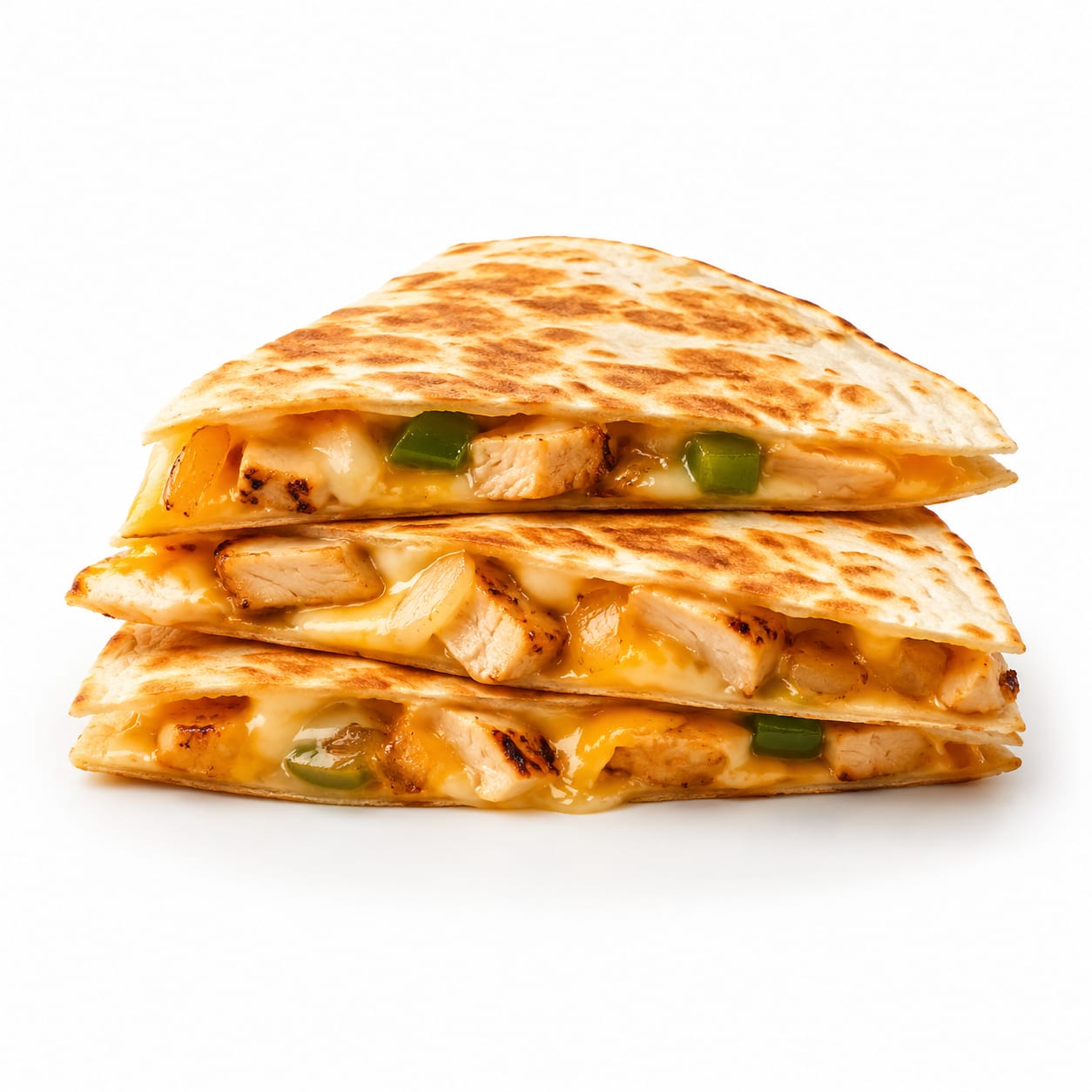
Quesadilla
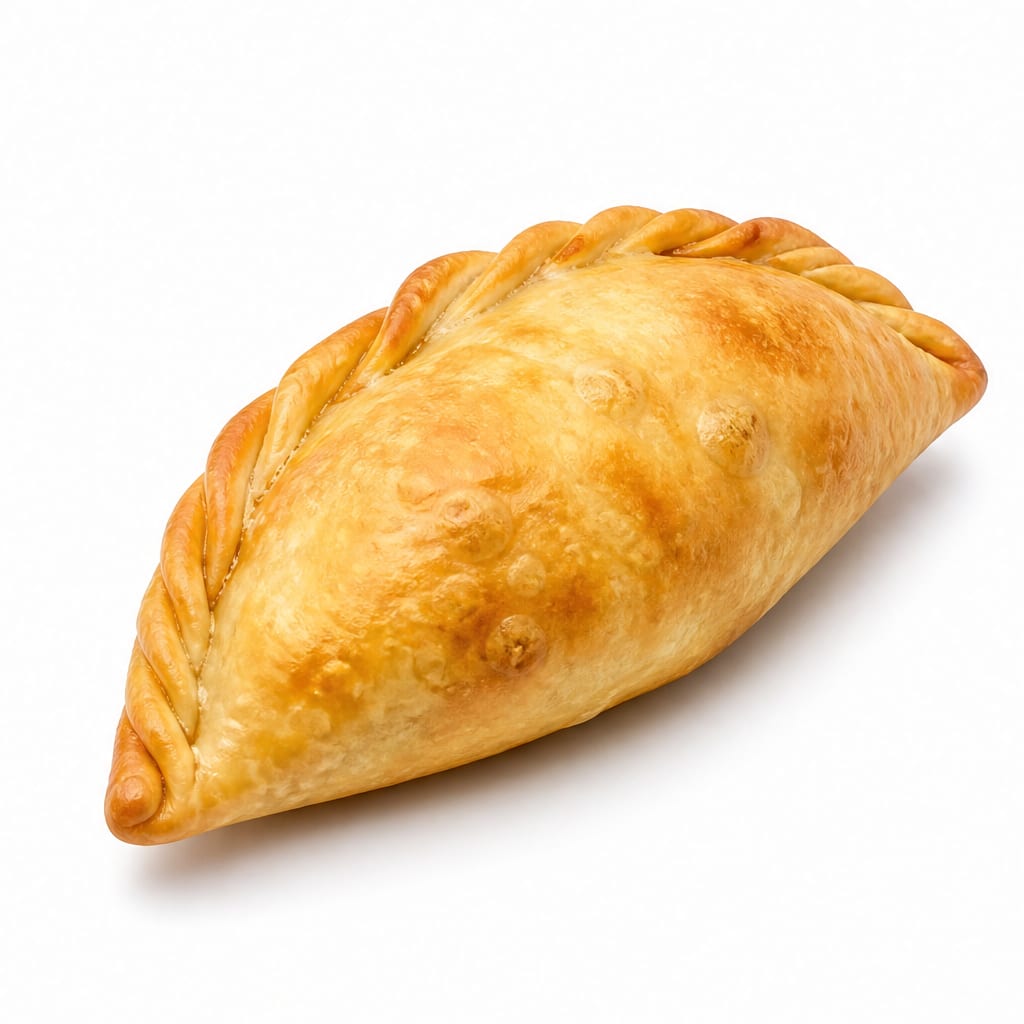
Empanada
Quesadillas win on most health metrics thanks to griddle-cooking and simpler ingredient lists, but empanadas offer more portion flexibility and portable convenience.
Quesadillas score notably higher due to griddle cooking instead of deep-frying, simpler ingredient lists, and easier home modification. Empanadas lose ground on fat content, calorie density, and sodium, though they remain a reasonable occasional treat.
You trade lower fat and easier customization with quesadillas against the grab-and-go satisfaction and crispy indulgence of empanadas.
At a glance
Executive summary
Overall
Quesadilla
Healthier
Quesadilla
More practical
Empanada
Daily use
Quesadilla
Key comparison lenses
Which is less calorie-dense for weight management
Both foods are cheese or meat-filled handheld items, but cooking method and dough type create major calorie differences
Which is better for everyday meals vs occasional snacking
Quesadillas are often meal-sized while empanadas skew snack or appetizer, affecting how frequently people eat them
Which has less inflammatory fat from frying
Empanadas are typically deep-fried while quesadillas are griddled, creating a significant fat quality gap
Which is easier to make healthier at home
Quesadillas require minimal ingredients and allow easy portion control, while empanada dough is more involved
Which fits better into a balanced diet without overeating
Portion distortion is a real issue with both, but empanadas are easier to overconsume because they feel like small snacks
Best choice for
Quesadilla
- People watching their fat intake
- Home cooks who want quick customizable meals
- Anyone avoiding deep-fried foods
- Those who want more protein per calorie
Empanada
- Busy people needing portable handheld snacks
- Party hosts wanting crowd-pleasing appetizers
- Anyone craving crispy fried textures occasionally
- Travel or on-the-go eating situations
Least suitable for
Quesadilla
- People avoiding dairy or gluten
- Those wanting a crispy fried food experience
- Snack-size portion needs at parties
Empanada
- People managing heart disease or high cholesterol
- Anyone strictly limiting fried foods
- Those tracking calories closely
- People sensitive to high sodium
Deep comparison
Dimension by dimension
Each lens scores both foods and breaks down who each option suits.
- Dimension 1 · Priority 94Quesadilla
Calorie Density and Weight Management
Quesadilla · 62Empanada · 38A typical quesadilla runs 350-500 calories while a single empanada can hit 300-450 calories despite being smaller and easier to eat mindlessly.
Tradeoff
Quesadillas feel like a full meal so you stop eating, while empanadas feel like a snack so you keep reaching for more.
Why it matters
The fried dough shell of empanadas absorbs significant oil, and their small size masks how calorie-dense they truly are.
Real-world impact
Three empanadas as a snack can easily exceed 1000 calories before you feel full, while one quesadilla as a meal leaves you satisfied at half that.
Quesadilla
- Weight loss diets
- Calorie tracking
- Mindful eating
Better for
- Very low-calorie diets where even one is too much
Worse for
Empanada
- Quick energy for active people
- Backpacking or hiking fuel
Better for
- Anyone trying to lose weight
- People prone to mindless snacking
Worse for
- Dimension 2 · Priority 90Quesadilla
Fat Quality and Inflammatory Impact
Quesadilla · 65Empanada · 35Griddled quesadillas use minimal added fat, while deep-fried empanadas absorb significant oil that increases inflammatory potential.
Tradeoff
That crispy fried shell comes at a real cost to your cardiovascular system over time.
Why it matters
Repeated heating of frying oils creates compounds that promote inflammation and oxidative stress, especially with reused oil at restaurants.
Real-world impact
Regular fried empanada consumption raises LDL cholesterol and inflammatory markers more than griddled alternatives, particularly when eaten multiple times per week.
Quesadilla
- Heart health
- Anti-inflammatory diets
- Cholesterol management
Better for
- People who add excessive butter or oil when cooking
Worse for
Empanada
- Satiety from higher fat content in the short term
Better for
- Anyone with heart disease risk
- People with high cholesterol
- Those following anti-inflammatory protocols
Worse for
- Dimension 3 · Priority 82Quesadilla
Sodium Load
Quesadilla · 55Empanada · 40Both foods can be sodium bombs, but empanada fillings often include seasoned meats, olives, and salted dough that push levels higher.
Tradeoff
Empanadas pack more flavor per bite but that flavor often comes from sodium levels that creep toward daily limits in just 2-3 pieces.
Why it matters
A single empanada can contain 500-800mg sodium, and nobody eats just one. Two or three easily exceeds 1500mg.
Real-world impact
If you are salt-sensitive or have hypertension, empanadas can cause noticeable bloating and blood pressure spikes within hours.
Quesadilla
- Blood pressure management
- Lower-sodium diet approaches
Better for
- Restaurant quesadillas with processed cheese and seasoned meats
Worse for
Empanada
- Post-exercise rehydration when sodium loss is high
Better for
- Hypertension
- Kidney disease
- Salt-sensitive individuals
Worse for
- Dimension 4 · Priority 78Quesadilla
Protein Quality and Satiety
Quesadilla · 70Empanada · 55Quesadillas deliver more protein per calorie thanks to generous cheese coverage, while empanada fillings are diluted by thick dough walls.
Tradeoff
Empanadas spread their protein thin across more carbs and fat, making them less filling despite similar or higher calorie counts.
Why it matters
Cheese in quesadillas provides complete protein with all essential amino acids, keeping you full longer than the carb-heavy empanada shell.
Real-world impact
A cheese quesadilla at lunch keeps you satisfied until dinner. Two empanadas leave you hungry again in two hours despite similar calories.
Quesadilla
- Sustained energy
- Muscle maintenance
- Appetite control
Better for
- Cheese-free versions lose this advantage entirely
Worse for
Empanada
- Meat-filled varieties can approach similar protein levels
Better for
- Anyone needing sustained fullness from a meal
- Protein-focused eaters
Worse for
- Dimension 5 · Priority 75Empanada
Convenience and Portability
Quesadilla · 50Empanada · 82Empanadas are the ultimate handheld food — self-contained, no dripping, no folding required. Quesadillas need a plate and often fall apart.
Tradeoff
You sacrifice nutritional quality for the convenience of a food that travels well and eats cleanly.
Why it matters
Real-world eating happens in cars, at desks, and on the go. The food that fits your lifestyle is the food you actually eat.
Real-world impact
Empanadas are ideal for commuting, lunchboxes, and parties. Quesadillas require sitting down and probably napkins.
Quesadilla
- Home meals where plating is fine
- Customizable family dinners
Better for
- Car meals
- Standing social events
- Desk lunches without plates
Worse for
Empanada
- On-the-go eating
- Party appetizers
- Packed lunches
- Picnics and outdoor events
Better for
- Formal dining situations
Worse for
- Dimension 6 · Priority 72Quesadilla
Customizability and Home Health Optimization
Quesadilla · 85Empanada · 45Quesadillas are trivially easy to modify — swap tortillas, reduce cheese, add vegetables. Empanadas require making dough from scratch to control ingredients.
Tradeoff
The effort barrier to making healthier empanadas at home is much higher, so most people settle for restaurant versions.
Why it matters
The food you can easily improve at home will serve your health better long-term than the food you always eat out.
Real-world impact
Throwing spinach and black beans into a quesadilla takes 30 seconds. Making whole wheat empanada dough with less salt takes an hour.
Quesadilla
- Home cooks wanting healthy modifications
- Meal prep enthusiasts
- Families with picky eaters who need hidden veggies
Better for
- People who always use maximum cheese and flour tortillas
Worse for
Empanada
- Baked versions made from scratch with quality fillings
Better for
- Anyone unwilling to make dough from scratch
- People relying on frozen or restaurant versions
Worse for
Timeline
Health impact over time
Short-term
Hours to days
Quesadilla
- Steadier energy from protein and fat balance
- Moderate satiety that lasts 3-4 hours
- Possible bloating if lactose intolerant
- Less post-meal sluggishness than fried alternatives
Empanada
- Quick energy spike from refined carbs and fat
- Heavier fullness that fades faster than expected
- Possible heartburn from fried dough and rich fillings
- Thirst from higher sodium content
Long-term
Months to years
Quesadilla
- More sustainable for regular consumption when made thoughtfully
- Moderate saturated fat from cheese if eaten frequently
- Easier to maintain weight when portion sizes are reasonable
- Lower cumulative inflammatory burden than fried foods
Empanada
- Regular consumption raises cardiovascular risk from fried oil intake
- Higher calorie density contributes to gradual weight gain if eaten often
- Sodium accumulation affects blood pressure over time
- Inflammatory markers may increase with frequent fried food consumption
Risk profile
Safety & processing
Both rely on refined flour bases, but quesadillas use simpler components — tortilla, cheese, maybe protein. Empanadas often include pre-made dough with preservatives, emulsifiers, and sometimes shortening with trans fat traces. Restaurant empanadas may use commercially prepared dough with additives you would never use at home.
Quesadilla
Unpasteurized cheese in authentic preparations
mediumSome traditional Mexican restaurants use raw milk cheeses that carry listeria risk for pregnant women and immunocompromised individuals.
Inadequate reheating of leftover cheese
lowCheese that has cooled and been improperly reheated can harbor bacteria, though this is easily avoided with thorough heating.
Empanada
Improperly cooked meat fillings
highDeep frying can brown the outside while leaving meat fillings undercooked inside, especially with thick empanadas. This is a real foodborne illness risk.
Oil degradation and reuse in frying
mediumRestaurants that reuse frying oil create compounds linked to oxidative damage and gastrointestinal distress. The darker the oil, the higher the risk.
Contamination in mass-produced frozen varieties
mediumFrozen empanadas have been subject to recalls for listeria and salmonella contamination in meat fillings, particularly from smaller producers.
Who wins for whom
Audience fit
Same foods, different winners depending on your goal.
children
It dependsKids love both, but quesadillas are easier to modify for picky eaters and contain less fried fat. Empanadas are more fun and portable for school lunches.
daily consumption
QuesadillaGriddled cooking and simpler ingredients make quesadillas more sustainable as a regular meal. Empanadas should be an occasional treat due to frying and sodium.
diabetes
QuesadillaLess refined carbohydrate per serving and more fat and protein to slow glucose absorption. Empanada dough creates a faster blood sugar spike followed by a crash.
elderly
QuesadillaLower sodium options are easier to achieve with quesadillas, and the softer texture is gentler on aging digestive systems. Fried foods are harder to digest.
muscle gain
QuesadillaMore complete protein from cheese per serving, and easier to add chicken or beans for a higher-protein meal without dramatically increasing calories.
weight loss
QuesadillaLower calorie density and higher protein per calorie make quesadillas easier to fit into a calorie deficit, especially when made with portion control.
Your move
Decision guide
Choose Quesadilla
- You want a filling meal that keeps you satisfied for hours
- You are watching your weight, cholesterol, or blood pressure
- You like customizing your food with different fillings
- You cook at home and want something fast and adaptable
- You eat this type of food more than once a week
Choose Empanada
- You need portable food for commuting, travel, or outdoor events
- You are hosting a party and want crowd-pleasing appetizers
- This is an occasional treat, not a regular meal
- You are very active and can handle the extra calories
- You crave that crispy fried texture nothing else replicates
Either works if
- You are eating out and both are made fresh with quality ingredients
- This is a once-in-a-while indulgence, not a dietary pattern
- You plan to balance it with lighter meals the rest of the day
Avoid both if
- You have celiac disease or severe gluten intolerance and no gluten-free options are available
- You are strictly limiting saturated fat and refined carbohydrates
- You have acute gastrointestinal issues and need bland, low-fat foods
Final recommendation
Make quesadillas your go-to and save empanadas for special occasions. When you do eat empanadas, choose baked versions when possible and limit yourself to two. When making quesadillas at home, use corn tortillas, moderate cheese, and load up on vegetables to make them genuinely healthy.
Practical
Consumer tips
- 1
Ask for baked empanadas instead of fried — many restaurants will accommodate this
- 2
Use corn tortillas for quesadillas to cut calories and add fiber compared to flour tortillas
- 3
Add black beans, peppers, or spinach to quesadillas to increase volume and nutrients without many extra calories
- 4
If buying frozen empanadas, check the sodium per serving and multiply by how many you actually eat
- 5
Make a large batch of empanada filling and freeze it separately — assemble and bake fresh to control dough quality
- 6
Swap half the cheese in quesadillas for avocado to get creaminess with healthier fats
- 7
Air-fry empanadas instead of deep-frying for a similar crunch with a fraction of the oil