
Casserole
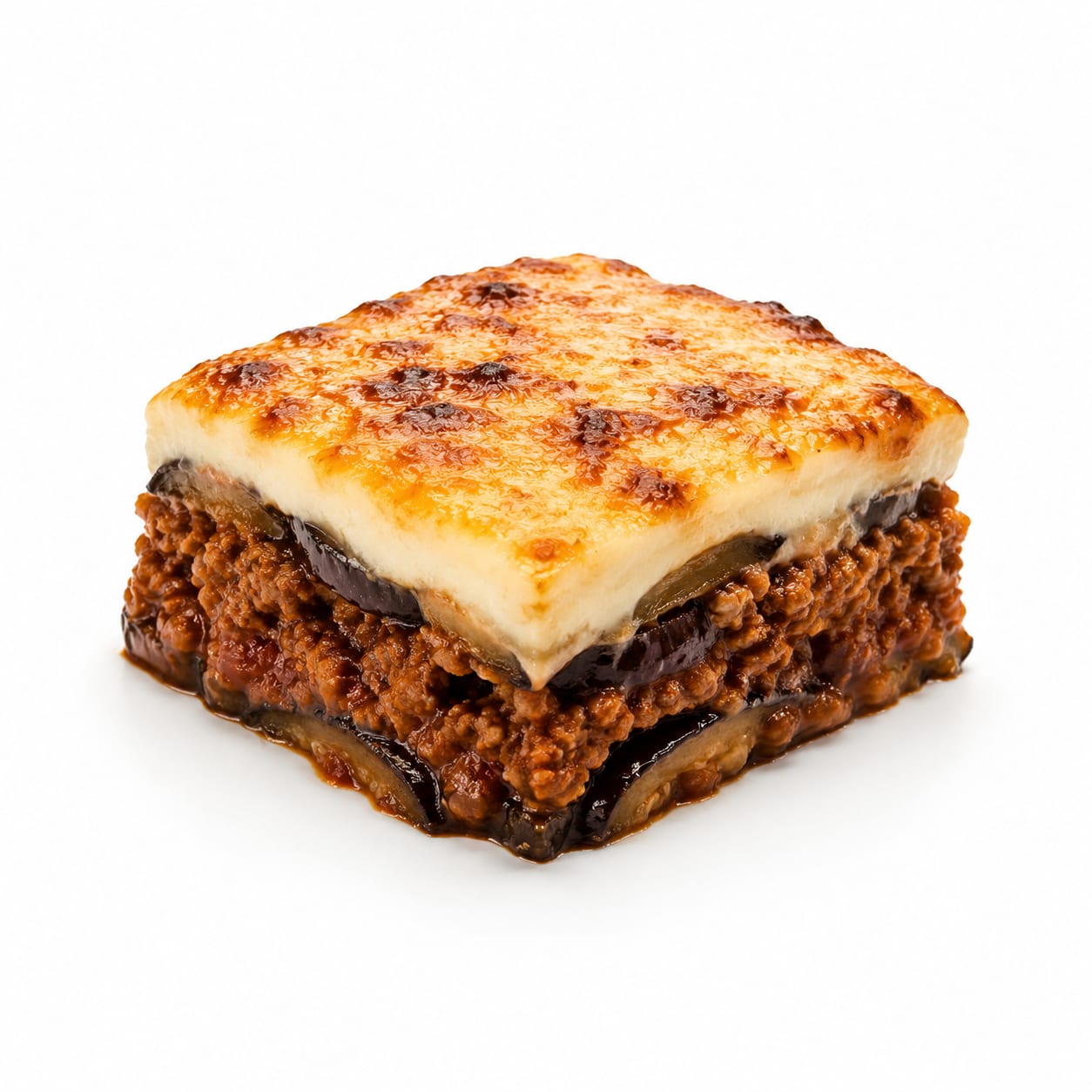
Moussaka
A rich, baked eggplant and ground meat casserole topped with béchamel sauce, traditional to Greek and Mediterranean cuisines.
A traditional baked casserole dish popular in the Balkans and Middle East, most famously associated with Greek cuisine, featuring layers of eggplant, spiced ground meat, and a creamy béchamel sauce topping.
high-fat moderate-protein casserole
Typical serving · 250g
Common varieties · greek moussaka with béchamel, turkish moussaka without béchamel, arab moussaka with chickpeas, vegetarian moussaka with lentils, potato-heavy moussaka
Overall context score across nutrition, safety, and diet fit
At a glance
Quick facts
Simple indicators based on nutrition, processing, and diet fit.
The story
What makes it unique
Moussaka is a mixed-macronutrient composite dish. Digestion is slow due to the high fat content from meat and dairy, which delays gastric emptying and prolongs satiety. The macronutrient profile is fat-dominant with moderate protein and variable carbohydrates depending on the proportion of potato, eggplant, and flour-based sauces.
Varieties: greek moussaka with béchamel · turkish moussaka without béchamel · arab moussaka with chickpeas · vegetarian moussaka with lentils · potato-heavy moussaka
Per 100g
Nutrition breakdown
Macro balance and key metrics at a glance.
Energy
Density 1.65 kcal/g
Protein
Carbs
Fat
Fiber
Sugar
2.5 g
Sodium
300 mg
Potassium
250 mg
Glycemic index
40
Glycemic load
3
Water content
65%
Standout compounds
Nutrient highlights
Protein
moderateSupports muscle maintenance and repair
Potassium
moderateRegulates blood pressure and fluid balance
Vitamin A
moderateSupports vision and immune function from dairy and meat
Vitamin K
lowEssential for blood clotting and bone metabolism from eggplant
Saturated Fat
highProvides dense energy but should be limited for heart health
Wellness map
Health scores & processing
NOVA processing scale
moderately processed culinary dish · Whole food
Traditional homemade moussaka uses unprocessed or processed culinary ingredients like ground meat, eggplant, butter, and flour. Pre-made or frozen versions may contain preservatives and emulsifiers, pushing them toward NOVA 4.
Diet compatibility
- Weight loss
- Muscle gain
- Diabetes
- Gut health
- Low carb
- High protein
- Heart health
Relative standing
Food rankings
Qualitative ranks compared to similar whole foods.
- Satietygood
- Blood sugarmoderate
- Nutrient densitymoderate
- Fitness fuelmoderate
- Processing qualitymoderate
Eat with confidence
Food safety profile
The primary safety risks stem from the ground meat and dairy-based béchamel. Inadequate refrigeration or incomplete cooking of the meat layer can harbor pathogens. Eggplant and potatoes pose minimal biological risk.
Evidence confidence 85%
- Pesticideslow
- Antibioticsmoderate
- Heavy metalslow
- Contaminationmoderate
Watch for
- listeria
- salmonella
- e. coli
Safer choices
Use locally sourced ground lamb or beef from farms with strict antibiotic policies, and ensure the casserole reaches a safe internal temperature of 165°F (74°C).
Prep tips
Wash eggplant thoroughly before slicing. Cook ground meat to well-done before layering. Refrigerate leftovers promptly within two hours of cooling.
Ground meat and dairy components require strict temperature control to prevent bacterial growth.
Deep dive
Health analysis
How this food may fit different goals and preparation choices.
Weight loss
The high fat content from meat and béchamel makes moussaka calorie-dense, requiring strict portion control if consumed during a weight loss phase.
Blood sugar
The fat and protein slow carbohydrate digestion, resulting in a moderate glycemic impact, but total carb content from potatoes and flour can still elevate blood sugar if overconsumed.
Fitness & energy
Provides sustained energy due to slow digestion, but the high fat content makes it unsuitable as a pre-workout meal. Better suited as a post-workout meal hours later or on rest days.
Gut health
Low in fiber despite containing eggplant, as the vegetable is cooked down. The high saturated fat content may slow gastric motility and negatively impact gut microbiome diversity if eaten frequently.
Processing quality
Homemade versions using whole ingredients are moderately processed and acceptable. Restaurant or frozen versions often contain refined seed oils and artificial preservatives.
Food safety
Safe when cooked to proper internal temperatures. The combination of ground meat and dairy sauce makes it highly susceptible to bacterial growth if left at room temperature.
Common mistakes
Assuming it is a low-carb dish due to the absence of pasta or bread, ignoring the flour in the béchamel and the potatoes often layered in the dish.
Best preparation
Baking the eggplant instead of frying it reduces oil absorption significantly. Using lean ground meat and a milk-based rather than cream-based béchamel lowers saturated fat.
Practical guide
Best use cases
When and how this food fits real eating patterns.
High-satiety winter meal
The dense macronutrient profile provides long-lasting fullness and warmth during cold weather.
Post-workout recovery
Offers a solid mix of protein for muscle repair and carbohydrates to replenish glycogen, best consumed hours after exercise due to high fat content.
Cultural celebration dish
Ideal for festive gatherings and holidays where traditional, rich foods are the focal point.
Balance sheet
Pros & cons
Upsides
- Provides high satiety due to fat and protein content
- Contains eggplant which offers antioxidants like nasunin
- Good source of dietary potassium
- Supplies B vitamins from the meat component
- Highly satisfying flavor profile reduces cravings for dessert
Trade-offs
- High in calories and saturated fat from frying and béchamel
- Can be high in sodium depending on meat and cheese preparation
- Traditional recipes use refined flour in the sauce
- Often includes potatoes which increase carbohydrate density
- Time-consuming to prepare from scratch
Fit check
Who is it for?
Great match
- high-calorie bulking phases
- cold-weather comfort eating
- post-workout recovery meals
- traditional cultural meals
Consider alternatives
- strict weight loss diets
- low-fat or heart-healthy diets
- ketogenic diets (unless modified)
- low-sodium diets
- people with dairy intolerances
Side by side
How it compares
Open the full head-to-head analysis for nutrition, safety, and practical tradeoffs.
This food
Moussaka
VS90% alike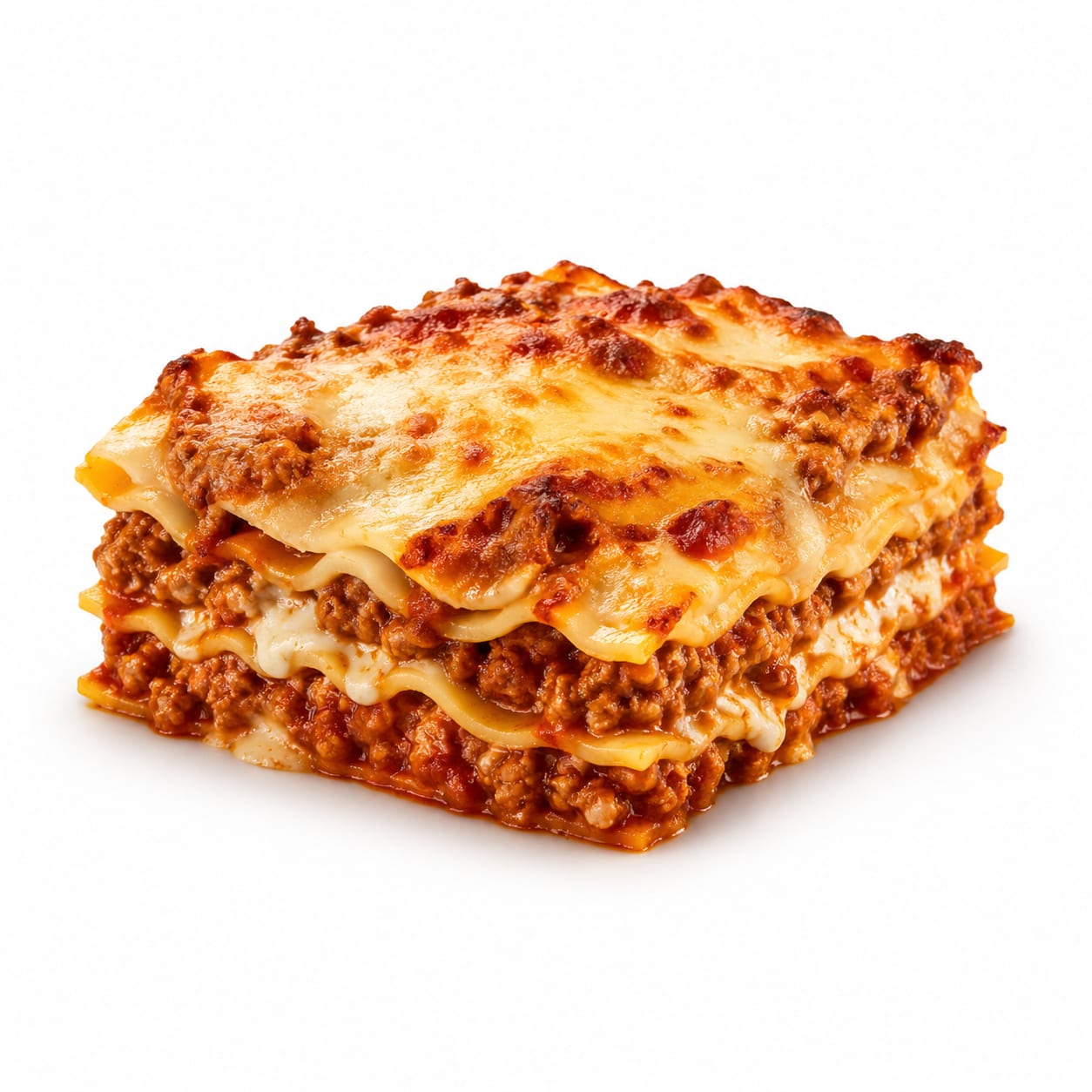
Compare with
Lasagna
Moussaka uses eggplant instead of pasta sheets, lowering carbs but maintaining high fat, while lasagna offers more protein from cheese but higher refined carbs.
Moussaka is lower in carbs than lasagna because it uses eggplant instead of pasta, but both are high-calorie comfort foods.
This food
Moussaka
VS95% alike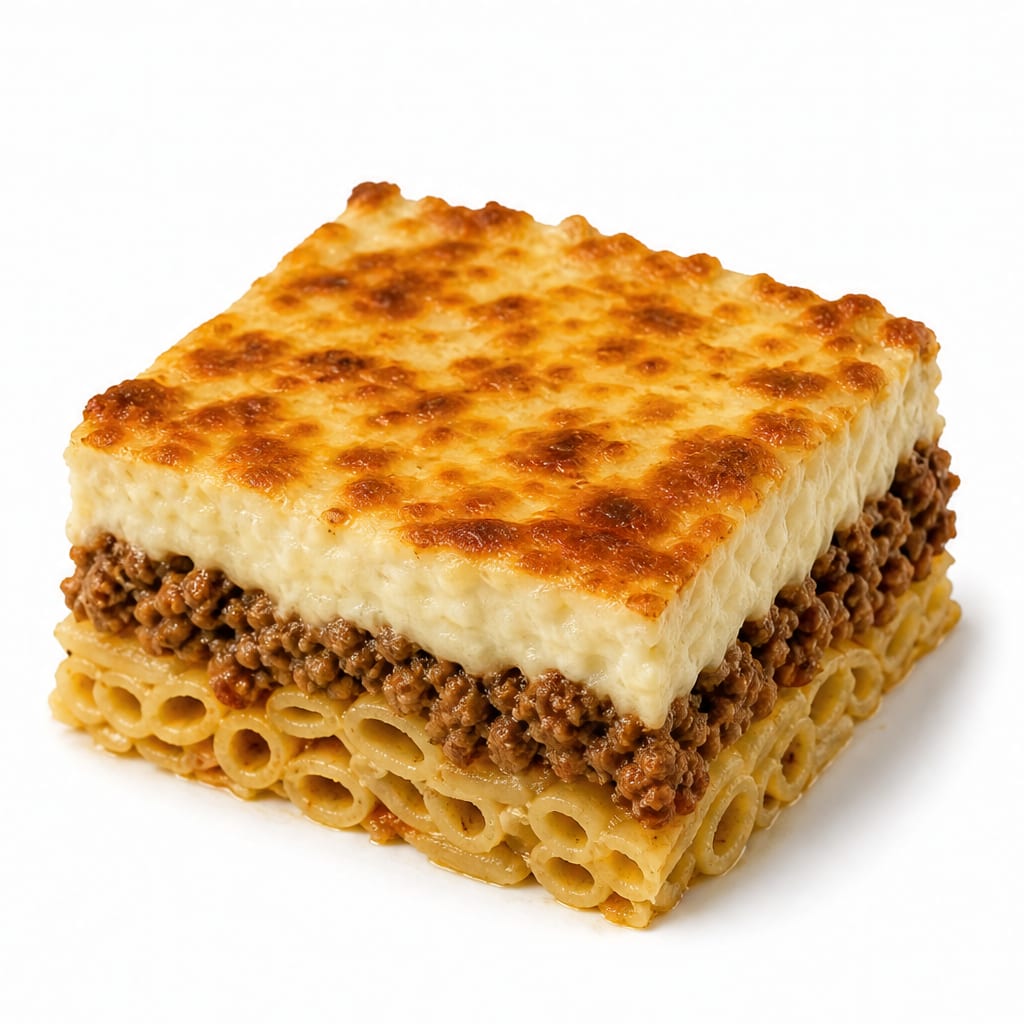
Compare with
Pastitsio
Pastitsio uses pasta tubs while moussaka uses eggplant and potatoes. Moussaka is lower in refined carbohydrates but similar in fat content.
Moussaka beats pastitsio for blood sugar control since it relies on eggplant rather than refined pasta, though both are heavy in saturated fat.
This food
Moussaka
VS85% alike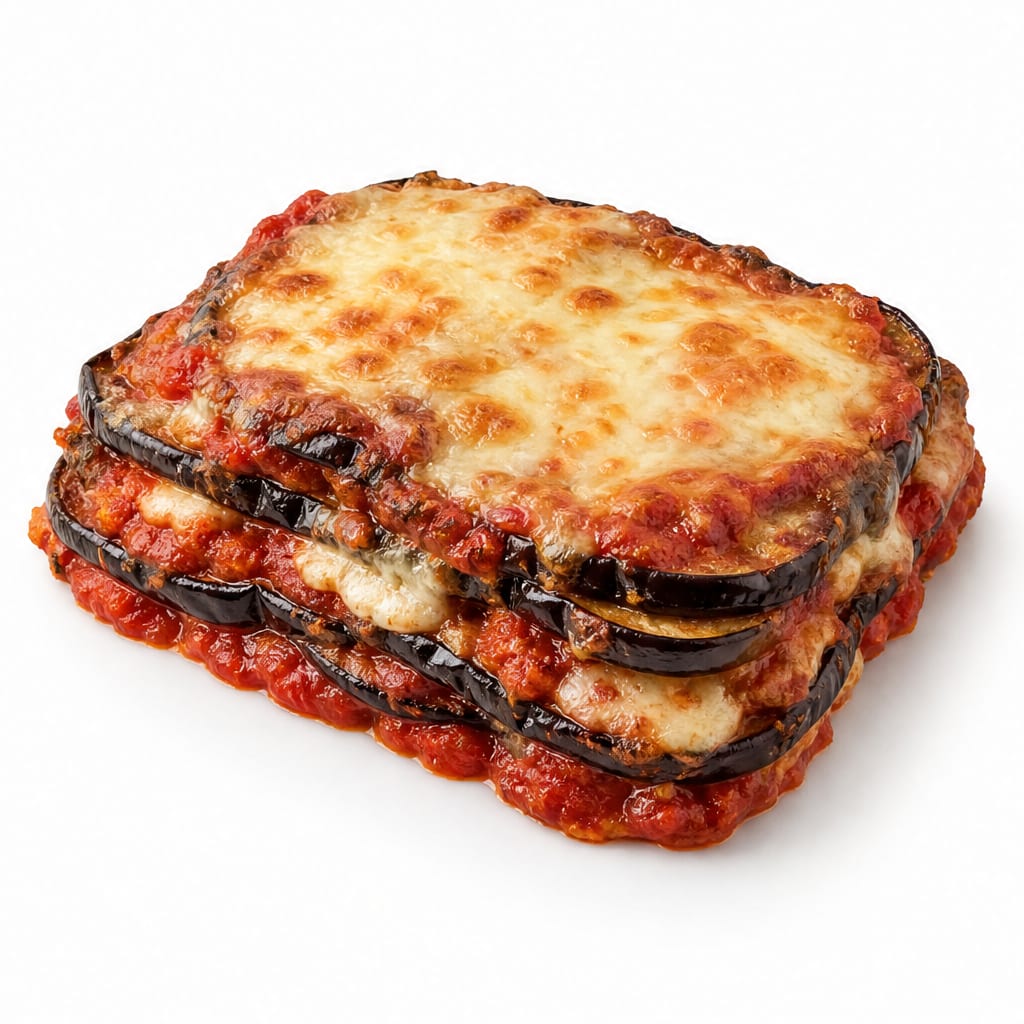
Compare with
Eggplant Parmesan
Eggplant parmesan is meatless and heavily breaded/fried, while moussaka includes spiced ground meat. Moussaka offers more protein but also more saturated fat from the meat.
Moussaka provides more protein from ground meat than eggplant parmesan, but both are calorie-dense due to frying and cheese.
This food
Moussaka
VS75% alike
Compare with
Shepherd's Pie
Shepherd's pie uses a potato crust while moussaka uses béchamel. Moussaka is higher in fat and calcium, while shepherd's pie is typically lower in fat but higher in carbs.
Shepherd's pie is generally lower in fat than moussaka due to the absence of béchamel, making it a leaner choice for weight loss.
This food
Moussaka
VS50% alike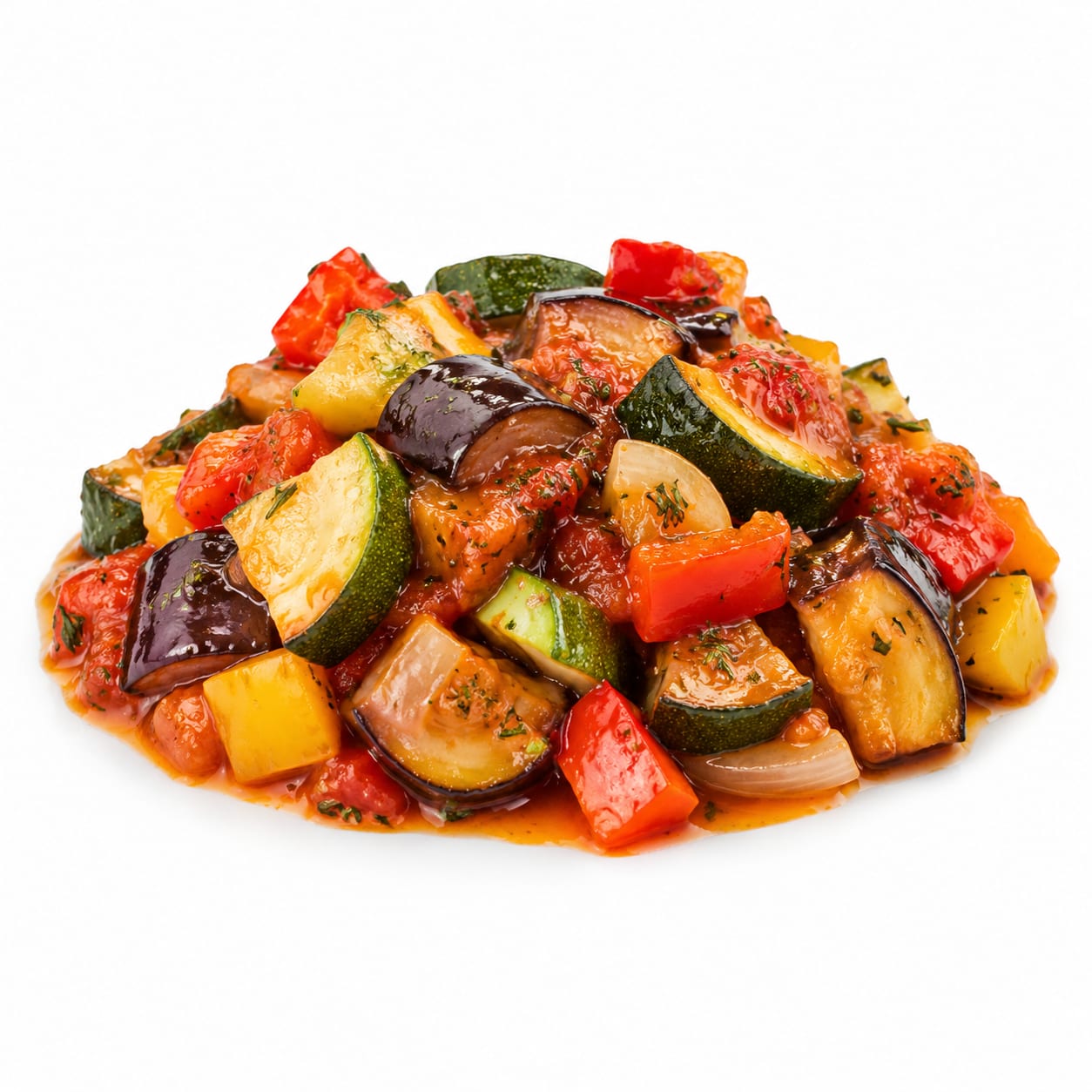
Compare with
Ratatouille
Ratatouille is a vegan, low-fat stew, whereas moussaka is a high-fat, high-protein casserole. Ratatouille is vastly superior for weight loss and heart health.
Ratatouille is a much lighter, low-calorie vegetable dish compared to the heavy, meat-and-dairy-laden moussaka.
This food
Moussaka
VS60% alike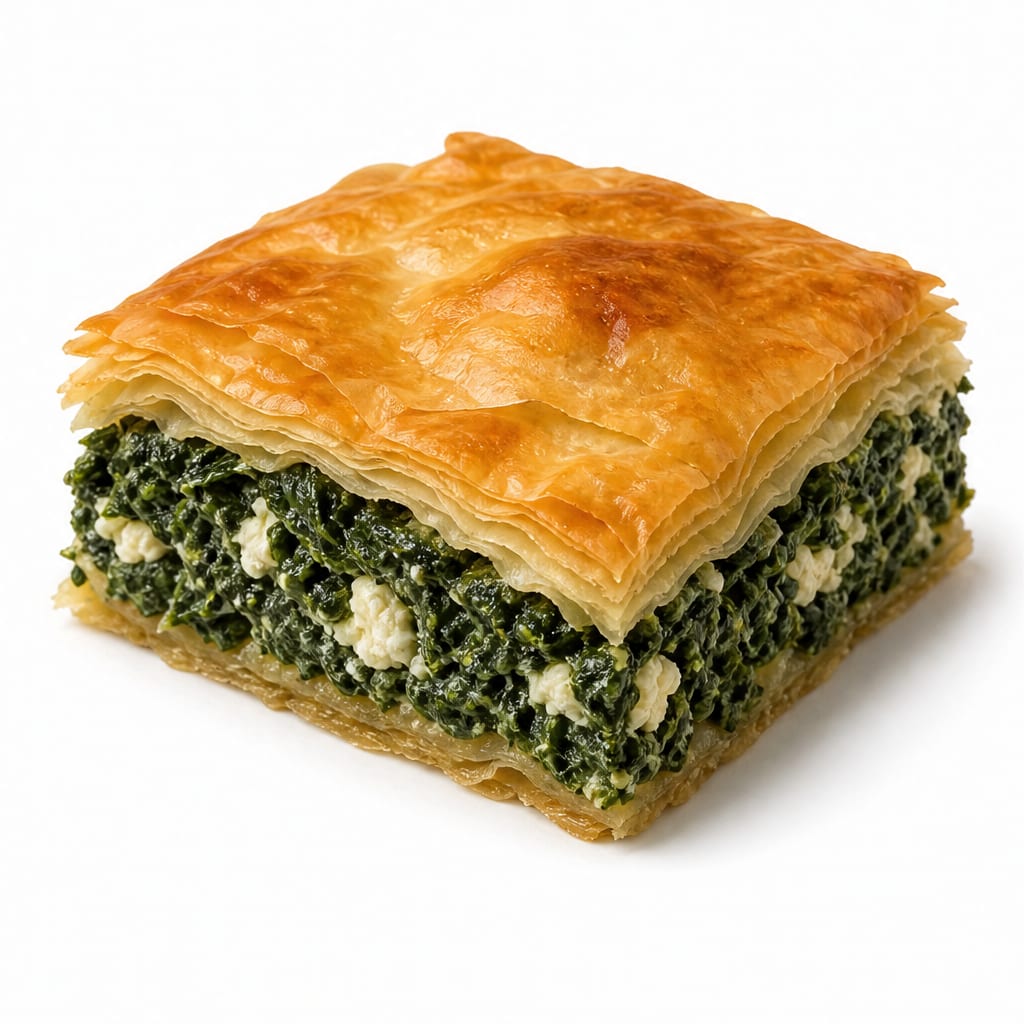
Compare with
Spanakopita
Spanakopita uses spinach and feta in phyllo dough, while moussaka uses eggplant and meat with béchamel. Spanakopita offers more micronutrients from spinach, but moussaka provides more protein.
Spanakopita provides more iron and vitamins from spinach, while moussaka offers more protein and sustained energy from meat.
This food
Moussaka
VS40% alike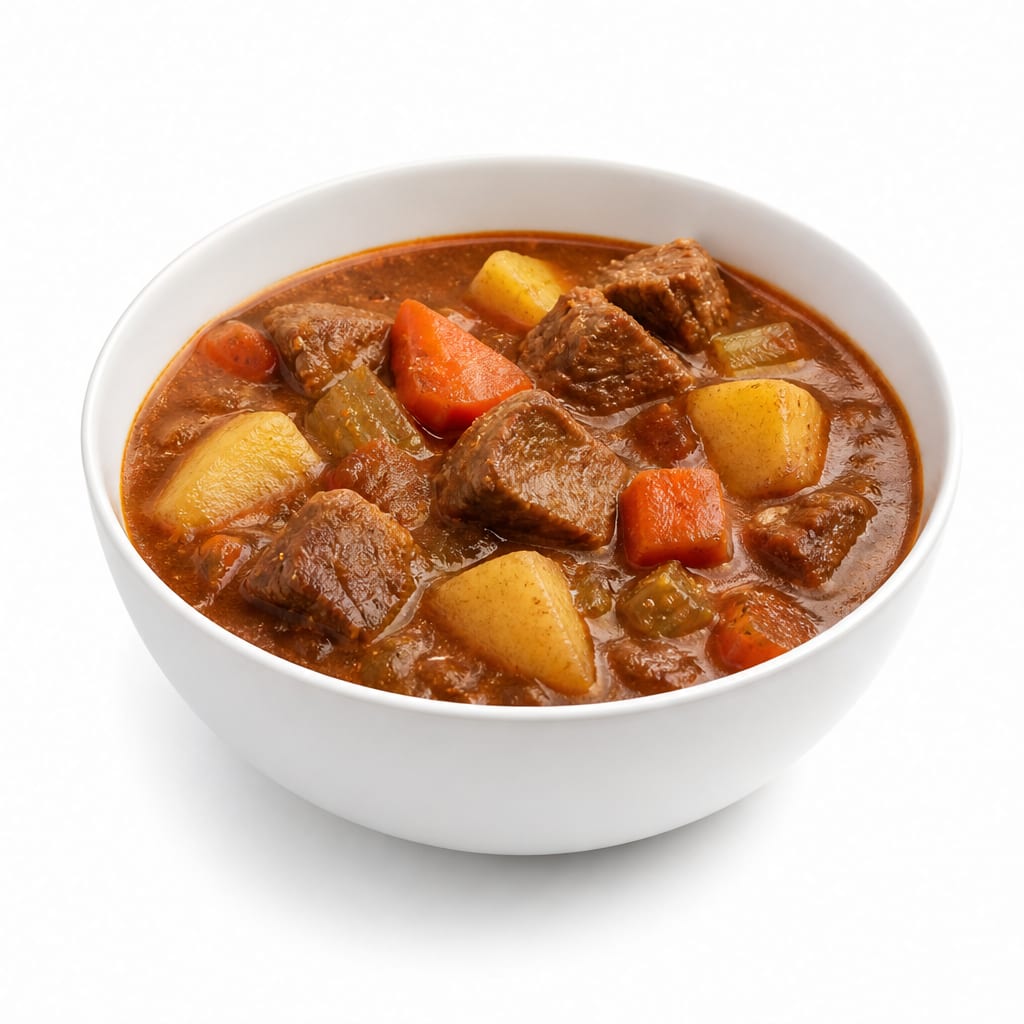
Compare with
Beef Stew
Beef stew is soupier and lacks the heavy béchamel, making it lower in calories and saturated fat, though moussaka provides more calcium from the dairy.
Beef stew is typically lower in calories and fat than moussaka because it lacks the creamy béchamel topping.
This food
Moussaka
VS70% alike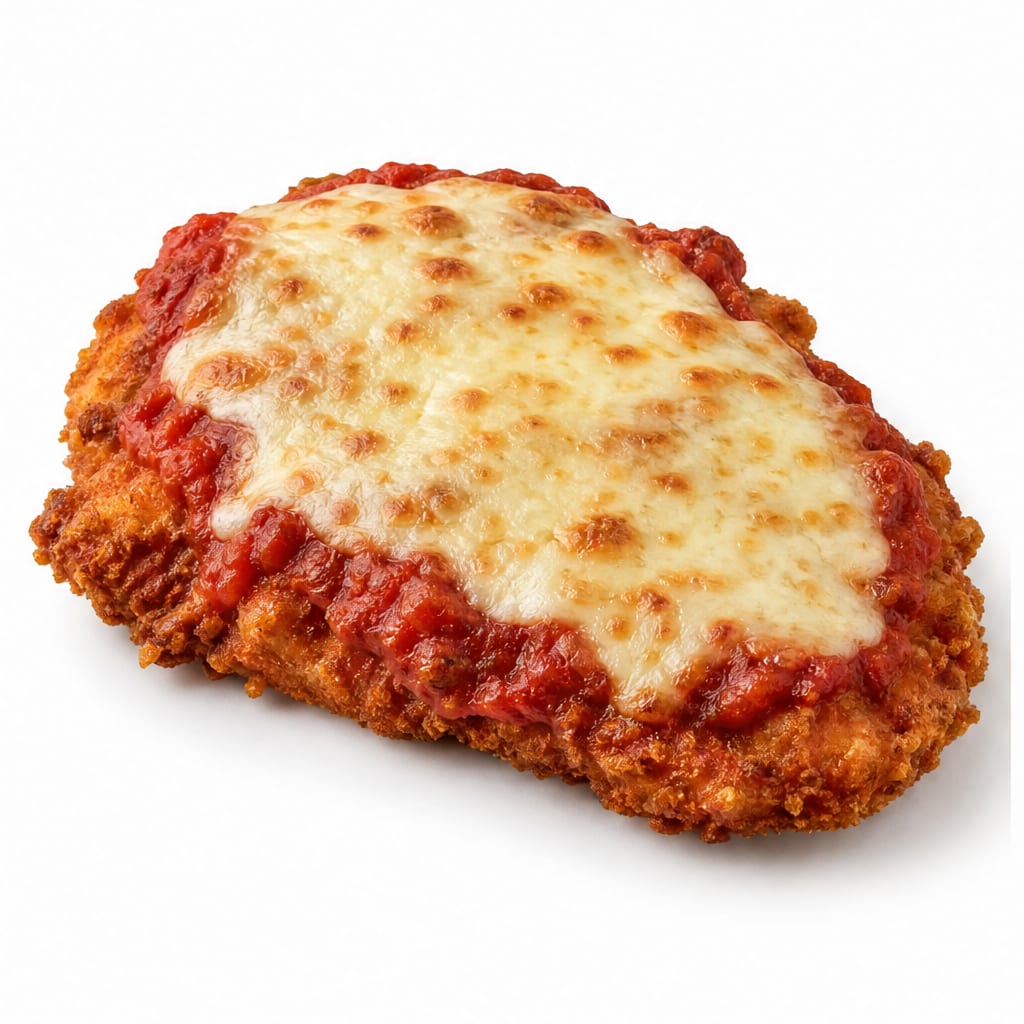
Compare with
Chicken Parmesan
Chicken parmesan offers leaner protein if using breast meat, but is heavily breaded. Moussaka has more fiber from eggplant but more saturated fat from lamb and cream.
Chicken parmesan provides leaner protein, while moussaka offers more fiber from eggplant, though both are heavy restaurant favorites.
This food
Moussaka
VS65% alike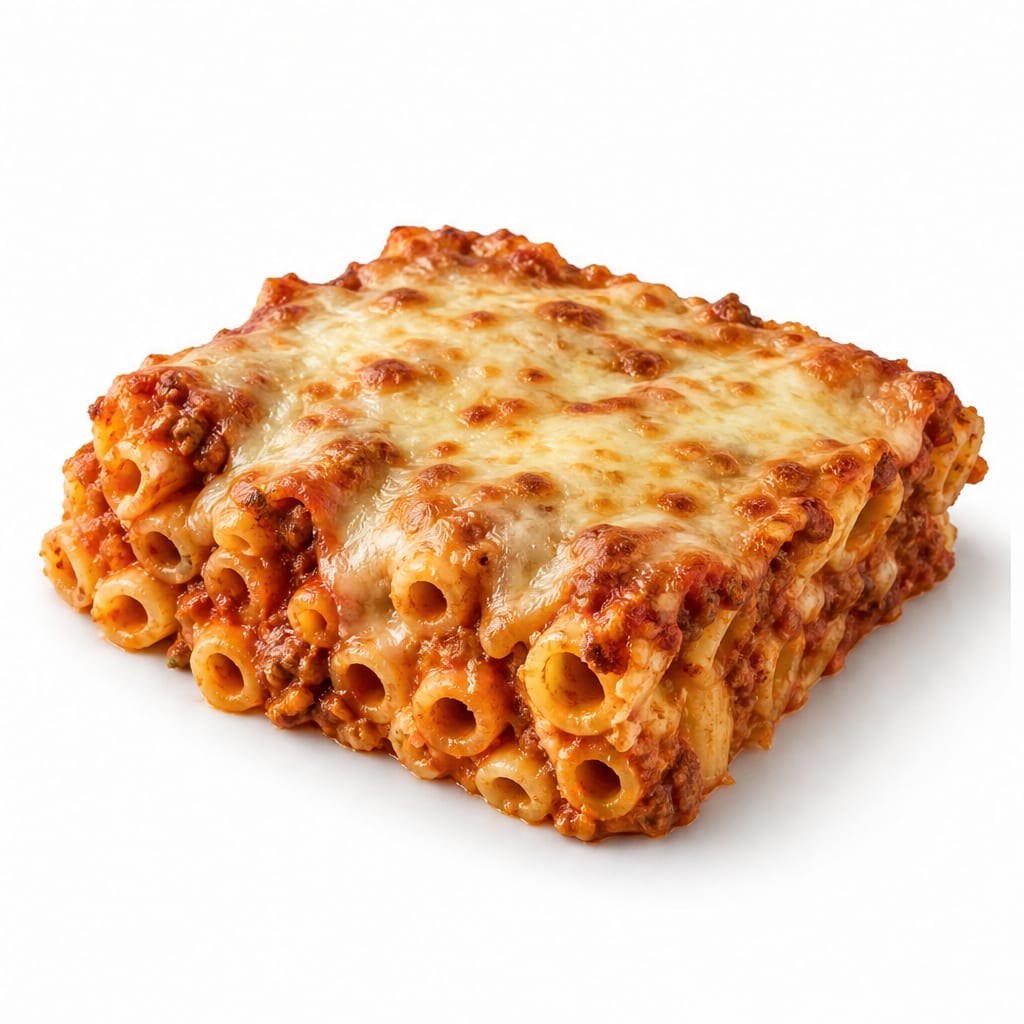
Compare with
Baked Ziti
Baked ziti is heavily carb-loaded from pasta, while moussaka gets its carbs from potatoes and flour. Moussaka has a better micronutrient profile due to eggplant.
Moussaka is lower in refined carbohydrates than baked ziti, replacing pasta with eggplant for better blood sugar control.
This food
Moussaka
VS55% alike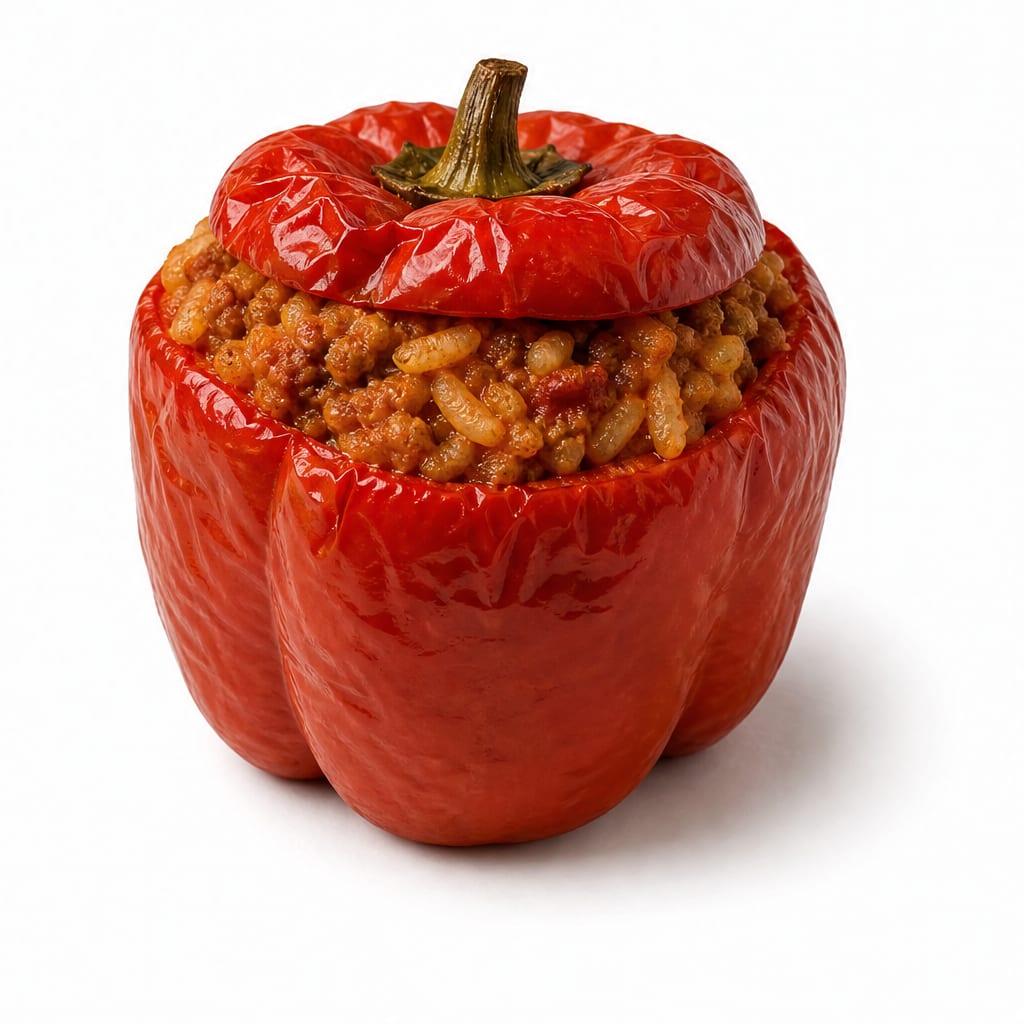
Compare with
Stuffed Peppers
Stuffed peppers are significantly lower in fat and calories, replacing béchamel and eggplant with bell peppers and a light tomato sauce.
Stuffed peppers are a much lighter alternative to moussaka, offering similar flavors with far fewer calories and less fat.
Common questions
FAQ
Answers aligned with how people search for this food.
How many calories are in a serving of moussaka?
A typical 250g serving of moussaka contains approximately 410 to 450 calories, depending on the ratio of meat, cheese, and oil used in preparation.
Is moussaka good for weight loss?
Traditional moussaka is high in calories and fat due to fried eggplant and béchamel sauce, making it challenging for weight loss unless portion sizes are strictly controlled.
Is moussaka high in carbs?
Moussaka is moderately high in carbs, typically containing 15-20g per serving due to the potatoes, flour-thickened béchamel, and breadcrumbs often used in the recipe.
Can diabetics eat moussaka?
Diabetics can eat moussaka in moderation. The fat and protein slow digestion, but the potatoes and flour can spike blood sugar. Opting for a potato-free, low-carb version is safer.
Is moussaka keto-friendly?
Traditional moussaka is not keto-friendly due to the potatoes and flour. However, keto versions replacing potatoes with zucchini and thickening the sauce with cheese or xanthan gum are popular.
What is the healthiest way to make moussaka?
The healthiest preparation involves salting and baking the eggplant instead of frying, using lean ground meat like turkey or extra-lean beef, and making the béchamel with skim milk.
Is moussaka high in protein?
Moussaka provides a moderate amount of protein, around 20g per serving, coming primarily from the ground meat and eggs or cheese in the béchamel sauce.
Does moussaka have a lot of saturated fat?
Yes, traditional moussaka is high in saturated fat due to the use of lamb, butter in the béchamel, and oil used for frying the eggplant.
Can you freeze moussaka?
Moussaka freezes well. Allow it to cool completely, portion it into airtight containers, and freeze for up to 3 months. Reheat in the oven to maintain texture.
Is moussaka considered Mediterranean diet friendly?
While it uses Mediterranean ingredients like olive oil and eggplant, traditional moussaka is heavier on saturated fat and refined flour than typical Mediterranean diet recommendations.
Transparency
Data confidence
Estimated confidence for nutrition data, interpretation, safety notes, and comparisons.
Nutrition data
Health analysis
Food safety
Comparisons