
Nutrition comparison
Moussaka vs Baked Ziti: Which Comfort Casserole Is Healthier?
Compare Moussaka and Baked Ziti on nutrition, fiber, protein, blood sugar impact, and heart health. Find out which indulgent casserole is the smarter choice for your goals.
Overall winner · Moussaka
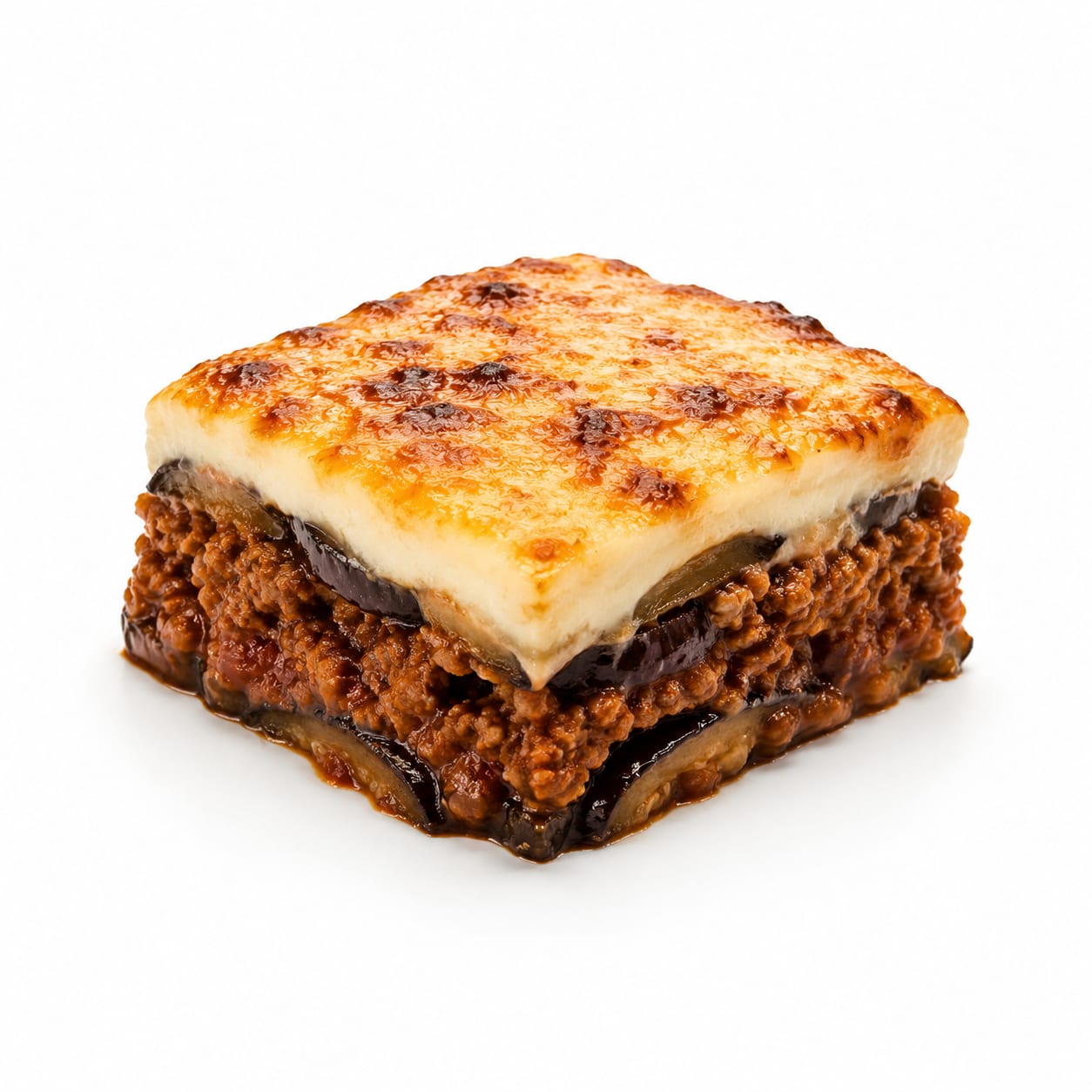
Moussaka
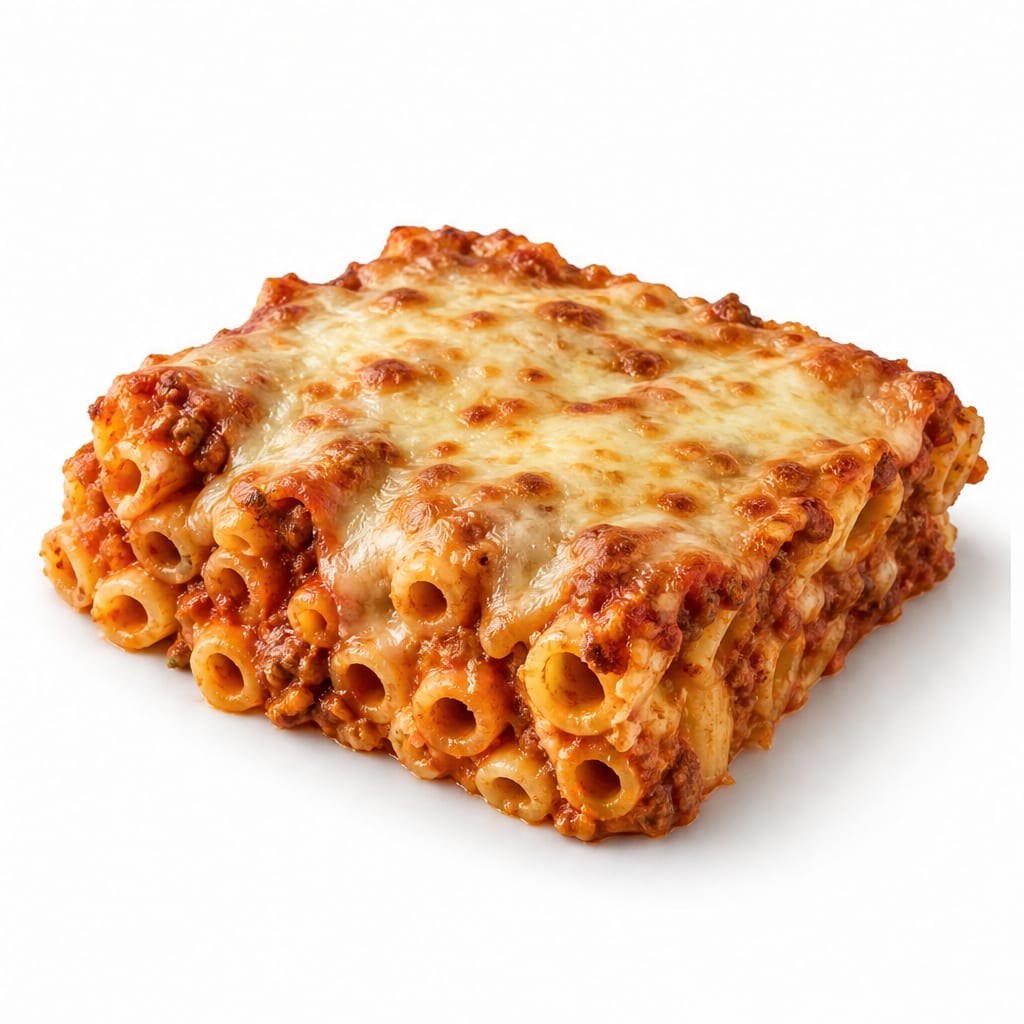
Baked Ziti
Moussaka edges ahead thanks to its eggplant base and Mediterranean vegetable profile, but both are indulgent dishes best enjoyed moderately.
Moussaka scores moderately higher due to its vegetable content, fiber, and Mediterranean diet alignment. Baked Ziti loses ground on glycemic load and lack of vegetable diversity, though it wins on protein and convenience. Neither is a health food—both are occasional indulgences.
Moussaka gives you more vegetables and fiber with a lower glycemic hit, while Baked Ziti delivers more protein and calcium but with a heavier carb load.
At a glance
Executive summary
Overall
Moussaka
Healthier
Moussaka
More practical
Baked Ziti
Daily use
It depends
Key comparison lenses
comfort food nutritional tradeoff
Both are heavy, satisfying casserole dishes people turn to for warmth and indulgence, making the health cost of that comfort the central question
vegetable intake vs protein density
Moussaka delivers eggplant and Mediterranean vegetables while Baked Ziti leans heavily on cheese and pasta, creating a clear plant-vs-dairy tradeoff
Mediterranean diet alignment
Moussaka fits the Mediterranean pattern with olive oil and vegetables, whereas Baked Ziti is Italian-American comfort with less nutritional diversity
blood sugar and carb load comparison
Pasta-based Baked Ziti carries a higher glycemic burden than eggplant-based Moussaka, relevant for anyone watching blood sugar
saturated fat and heart health
Both dishes are rich in saturated fat but from different sources—lamb and béchamel in Moussaka versus mozzarella and ricotta in Baked Ziti
Best choice for
Moussaka
- People prioritizing vegetable intake and fiber
- Anyone following a Mediterranean-style eating pattern
- Those watching blood sugar who still want a comforting meal
- Home cooks willing to invest time for a nutrient-richer casserole
Baked Ziti
- Families needing a crowd-pleasing weeknight dinner
- Anyone focused on high protein and calcium intake
- People who want a simpler, faster comfort meal
- Those bulking or needing calorie-dense meals easily
Least suitable for
Moussaka
- People avoiding nightshades or eggplant
- Anyone short on prep time for weeknight cooking
- Those sensitive to rich, heavy meals with béchamel
- Lactose-intolerant individuals due to the cream sauce
Baked Ziti
- People managing diabetes or insulin resistance
- Anyone on a low-carb or keto eating plan
- Those avoiding high-sodium processed cheese
- People trying to increase vegetable variety in their diet
Deep comparison
Dimension by dimension
Each lens scores both foods and breaks down who each option suits.
- Dimension 1 · Priority 95Moussaka
Vegetable and Fiber Content
Moussaka · 72Baked Ziti · 25Moussaka is built on layers of eggplant, often with potatoes and tomatoes, delivering real fiber and phytonutrients. Baked Ziti is essentially pasta and cheese with sauce.
Tradeoff
You get meaningful vegetable servings from Moussaka, while Baked Ziti offers almost none unless you add them yourself.
Why it matters
Fiber slows digestion, steadies blood sugar, and feeds gut bacteria. Most people fall far short of daily fiber targets.
Real-world impact
A portion of Moussaka leaves you with steadier energy for hours after eating. Baked Ziti is more likely to cause a carb crash followed by renewed hunger.
Moussaka
- Gut health and regular digestion
- Sustained energy without spikes
- Meeting daily vegetable targets
Better for
- Longer prep time to prepare the eggplant layers
Worse for
Baked Ziti
- Pure comfort without vegetable texture for picky eaters
Better for
- Essentially zero fiber contribution to your day
- Missed opportunity for plant nutrients
Worse for
- Dimension 2 · Priority 85Baked Ziti
Protein Quality and Quantity
Moussaka · 60Baked Ziti · 75Baked Ziti packs more total protein from its combination of ricotta, mozzarella, and often meat sauce. Moussaka provides protein from lamb or beef but in smaller quantities per serving.
Tradeoff
Baked Ziti delivers more muscle-supporting protein and calcium, while Moussaka offers iron and B12 from lamb with less total protein volume.
Why it matters
Protein supports satiety, muscle maintenance, and metabolic health. Getting enough at meals prevents overeating later.
Real-world impact
After Baked Ziti you may stay full longer from sheer protein volume. Moussaka keeps you satisfied too, but more from fat content than protein density.
Moussaka
- Higher heme iron from lamb for those at risk of anemia
- Rich B12 content supporting energy and nerve health
Better for
- Less total protein per calorie compared to cheese-heavy dishes
Worse for
Baked Ziti
- Higher total protein per serving for muscle maintenance
- Significant calcium from cheese for bone health
- Good post-workout option for carb-protein refueling
Better for
- Protein comes mostly from cheese, which brings high saturated fat
Worse for
- Dimension 3 · Priority 88Moussaka
Blood Sugar and Glycemic Impact
Moussaka · 65Baked Ziti · 40Moussaka's eggplant base creates a much gentler blood sugar response than Baked Ziti's pasta foundation. The fiber in eggplant slows glucose absorption significantly.
Tradeoff
Choosing Moussaka means a steadier, more manageable blood sugar curve. Baked Ziti delivers a larger glucose spike that can trigger fatigue and cravings.
Why it matters
Blood sugar crashes after high-carb meals drive afternoon fatigue, brain fog, and the urge to snack again within two hours.
Real-world impact
Eat Moussaka for lunch and you can likely work through the afternoon. Baked Ziti at lunch often means a 3pm energy dip and a coffee craving.
Moussaka
- People with prediabetes or insulin resistance
- Anyone who experiences energy crashes after carb-heavy meals
- Those trying to reduce sugar cravings throughout the day
Better for
- Potato layers can still raise blood sugar if present in large amounts
Worse for
Baked Ziti
- Athletes who need quick glycogen replenishment after intense training
Better for
- Pasta creates a rapid glucose spike followed by a crash
- High glycemic load makes it unsuitable as a frequent meal for most people
Worse for
- Dimension 4 · Priority 80It depends
Heart Health and Saturated Fat
Moussaka · 45Baked Ziti · 42Both dishes are high in saturated fat—Moussaka from lamb and béchamel, Baked Ziti from mozzarella and ricotta. Neither is heart-friendly in large portions.
Tradeoff
Moussaka uses olive oil in traditional preparations, which adds some heart-healthy monounsaturated fats alongside the saturated fat. Baked Ziti relies almost entirely on dairy fat.
Why it matters
Frequent high saturated fat meals raise LDL cholesterol over time, increasing cardiovascular risk even in otherwise healthy eaters.
Real-world impact
Having either dish weekly is manageable for most people. Having either several times a week is a cardiovascular gamble.
Moussaka
- Olive oil in the recipe provides some cardioprotective monounsaturated fats
- Eggplant contains chlorogenic acid linked to mild cholesterol benefits
Better for
- Lamb fat is among the most saturated of common meats
- Béchamel adds butter and cream on top of the meat fat
Worse for
Baked Ziti
- Can be made with part-skim cheeses to reduce saturated fat significantly
Better for
- Multiple cheese layers create a concentrated saturated fat source
- Very little offset from heart-healthy fats unless you modify the recipe
Worse for
- Dimension 5 · Priority 70Baked Ziti
Convenience and Practicality
Moussaka · 35Baked Ziti · 70Baked Ziti is straightforward to assemble and widely available frozen or at restaurants. Moussaka requires salting and draining eggplant, making béchamel, and careful layering.
Tradeoff
Baked Ziti trades nutritional depth for accessibility. Moussaka rewards effort with a more nutrient-complex meal but demands serious kitchen time.
Why it matters
The best meal nutritionally is the one you can actually make consistently. Complexity barriers lead people to skip cooking entirely.
Real-world impact
Baked Ziti is a realistic Tuesday night dinner. Moussaka is more of a Sunday afternoon project or a special occasion order at a restaurant.
Moussaka
- Leftovers reheat beautifully and even improve in flavor the next day
- Feels like a special occasion meal worth the effort
Better for
- Preparation typically takes 90 minutes or more
- Multiple cooking steps discourage weeknight cooking
Worse for
Baked Ziti
- Can be assembled in under 30 minutes with pantry staples
- Widely available as a frozen meal or restaurant option
- Easy to scale for large gatherings with minimal stress
Better for
- Convenience can lead to over-reliance on a nutritionally limited meal
Worse for
- Dimension 6 · Priority 82It depends
Satiety and Fullness
Moussaka · 72Baked Ziti · 70Both dishes are extremely filling but through different mechanisms—Moussaka through fat and fiber, Baked Ziti through protein and carb density.
Tradeoff
Moussaka provides a longer, steadier fullness from fiber slowing digestion. Baked Ziti gives immediate heavy satisfaction but may trigger hunger again sooner once the carb spike fades.
Why it matters
The quality of fullness matters. Feeling stuffed is different from feeling sustainably satisfied for hours without a crash.
Real-world impact
After Moussaka, you feel comfortably full for 4-5 hours. After Baked Ziti, you feel very full initially but may want a snack 2-3 hours later.
Moussaka
- Longer-lasting satiety from fiber and fat combination
- Less likely to trigger subsequent cravings
Better for
- Can feel excessively heavy due to fat content, causing sluggishness
Worse for
Baked Ziti
- Immediate heavy satisfaction that feels deeply comforting
- Higher protein contributes to satiety signals
Better for
- Carb-driven fullness fades faster than fiber-driven fullness
Worse for
Timeline
Health impact over time
Short-term
Hours to days
Moussaka
- Deep satisfaction from rich, savory flavors and healthy fats
- Steady energy for several hours due to fiber slowing digestion
- Possible sluggishness if portion is large given the fat content
- Heavy fullness that may discourage physical activity after eating
Baked Ziti
- Immediate comfort and carb-driven satisfaction
- Likely energy dip within 2-3 hours as blood sugar drops
- Strong cheese-salt combination may trigger thirst and bloating
- Heavy, dense feeling in the stomach that can slow you down
Long-term
Months to years
Moussaka
- Better cardiovascular profile than Baked Ziti if eaten at the same frequency, thanks to olive oil and vegetables
- Fiber supports gut microbiome diversity over time
- Iron and B12 from lamb help prevent deficiency-related fatigue
- Still a high-calorie indulgence that can contribute to weight gain if portions are not managed
Baked Ziti
- Higher calcium intake supports bone density long-term
- Frequent consumption raises LDL cholesterol due to concentrated dairy saturated fat
- Low fiber intake does nothing to support gut health or digestive regularity
- Repetitive carb-heavy meals can worsen insulin sensitivity over years
Risk profile
Safety & processing
Traditional homemade Moussaka uses whole ingredients—eggplant, lamb, tomatoes, olive oil, and dairy for béchamel. Baked Ziti relies on pasta (refined grain) and often processed cheeses that may contain stabilizers and sodium phosphates. Restaurant or frozen versions of either dish can include preservatives and emulsifiers, but Baked Ziti is more commonly consumed from these sources.
Moussaka
Undercooked ground meat
mediumLamb or beef must reach safe internal temperature. Home cooks sometimes underbake the meat layer, especially in deep casseroles.
Dairy spoilage in béchamel
lowBéchamel made with milk and butter can spoil if left at room temperature too long before baking.
Nightshade sensitivity
lowEggplant is a nightshade vegetable that triggers inflammation or joint pain in sensitive individuals.
Baked Ziti
Processed cheese additives
mediumPre-shredded or low-quality mozzarella often contains anti-caking agents and sodium phosphates that may disrupt mineral balance.
High sodium load
highCheese, sauce, and any cured meats added to Baked Ziti create a sodium density that can exceed 1000mg per serving easily.
Refined grain overexposure
mediumRegular consumption of refined pasta as a meal base contributes to metabolic risk over time, even if not an acute safety issue.
Who wins for whom
Audience fit
Same foods, different winners depending on your goal.
children
Baked ZitiKids overwhelmingly prefer the familiar cheese-pasta combination. Moussaka's eggplant texture and complex flavors are a hard sell for most children.
daily consumption
It dependsNeither should be eaten daily due to calorie density and saturated fat. If forced to choose, a lighter Moussaka with less béchamel is the less harmful regular option.
diabetes
MoussakaEggplant base and higher fiber create a significantly gentler blood sugar response. Baked Ziti's pasta foundation is problematic for glucose management.
elderly
MoussakaMoussaka provides more micronutrient diversity including iron, B12, and fiber, which are commonly deficient in older adults. The softer texture is also easier to chew.
muscle gain
Baked ZitiBaked Ziti provides more total protein and fast-digesting carbs that support post-workout recovery and glycogen replenishment.
weight loss
MoussakaMoussaka's fiber and lower glycemic load support better appetite control. Both are calorie-dense, but Moussaka makes portion management easier through sustained fullness.
Your move
Decision guide
Choose Moussaka
- You want a comfort meal that also delivers vegetables and fiber
- Blood sugar management is a priority for you
- You enjoy cooking and have time for a rewarding kitchen project
- You are following a Mediterranean-style eating pattern
- You care about getting iron and B12 from your indulgent meals
Choose Baked Ziti
- You need a crowd-pleasing dinner that kids and adults will both eat happily
- You want maximum protein and calcium per serving
- Convenience and speed matter more than nutritional depth tonight
- You are an athlete refueling after intense training
- You are meal-prepping for a large group with minimal effort
Either works if
- You want a comforting casserole on a cold evening and either sounds good
- You are eating a small portion as part of a balanced meal with a large salad
- You are dining out and both options are available at similar quality
Avoid both if
- You are managing active heart disease and need to minimize saturated fat strictly
- You are on a calorie-restricted diet and cannot afford a 600+ calorie single dish
- You have lactose intolerance or dairy sensitivity and cannot modify the recipes
- You are eating late at night and need something lighter for better sleep
Final recommendation
Choose Moussaka when you want comfort with nutritional substance—it gives you vegetables, fiber, and Mediterranean benefits alongside the indulgence. Choose Baked Ziti when convenience, crowd appeal, or protein density matter more. For either dish, pair with a large side salad and watch your portion to keep the health cost reasonable.
Practical
Consumer tips
- 1
Make Moussaka with less béchamel and more eggplant layers to cut saturated fat while keeping the flavor
- 2
Use whole-wheat ziti and part-skim ricotta in Baked Ziti to improve fiber and reduce fat without sacrificing much taste
- 3
Always serve either dish with a big side salad dressed in olive oil and lemon to add vegetables and balance the meal
- 4
Freeze individual portions of either casserole so you can enjoy them occasionally without overeating
- 5
Salt and drain eggplant before building Moussaka to remove bitterness and reduce the oil it absorbs during cooking
- 6
If ordering at a restaurant, ask for a half-portion of either dish with extra vegetables on the side
- 7
Add spinach or zucchini to Baked Ziti to sneak in vegetables without changing the flavor profile much