
Nutrition comparison
Lasagna vs Moussaka: Which Comfort Food Is Healthier?
Compare Lasagna and Moussaka nutrition including carbs, fiber, protein, and blood sugar impact. Discover which Mediterranean comfort food is the smarter choice for your health goals.
Overall winner · Moussaka
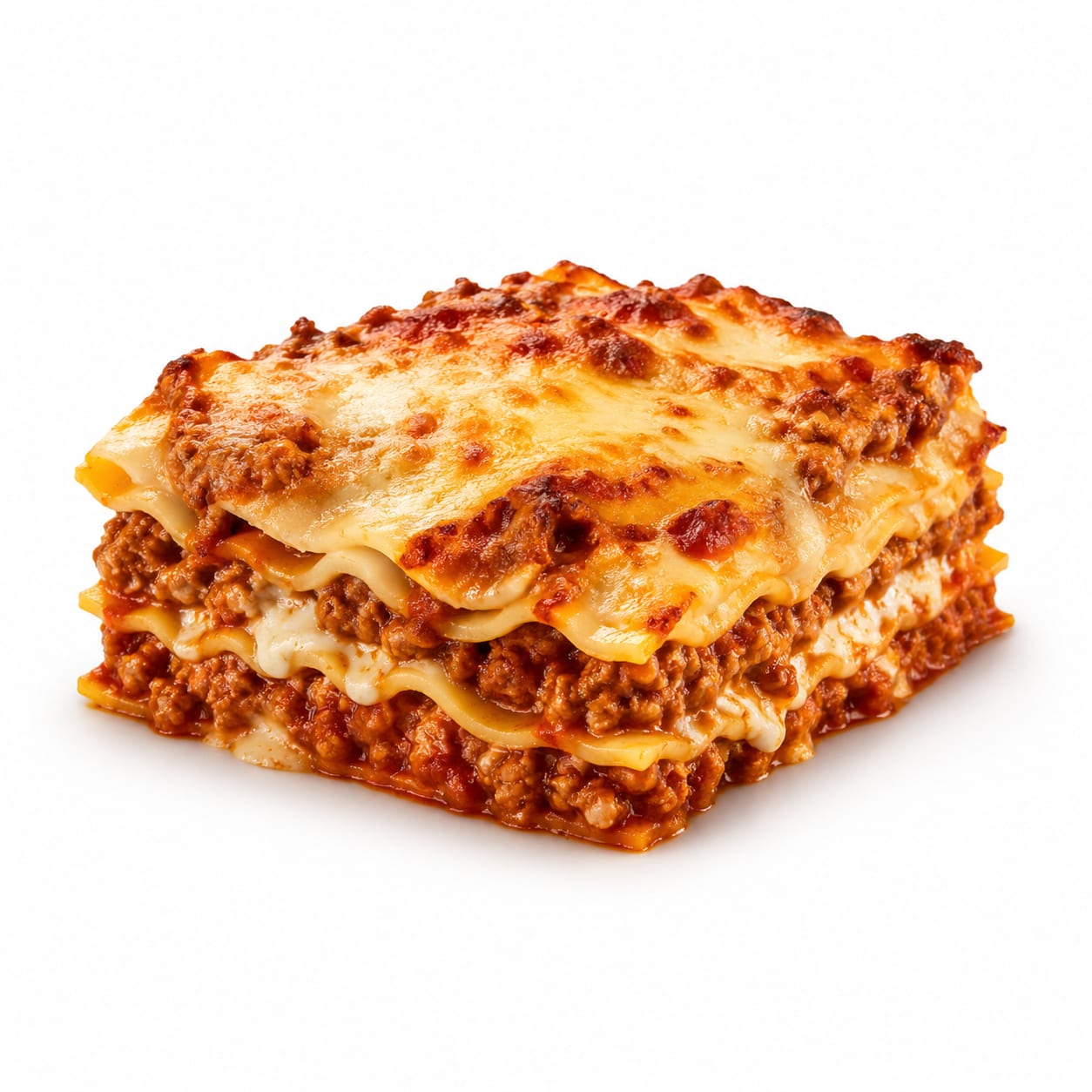
Lasagna
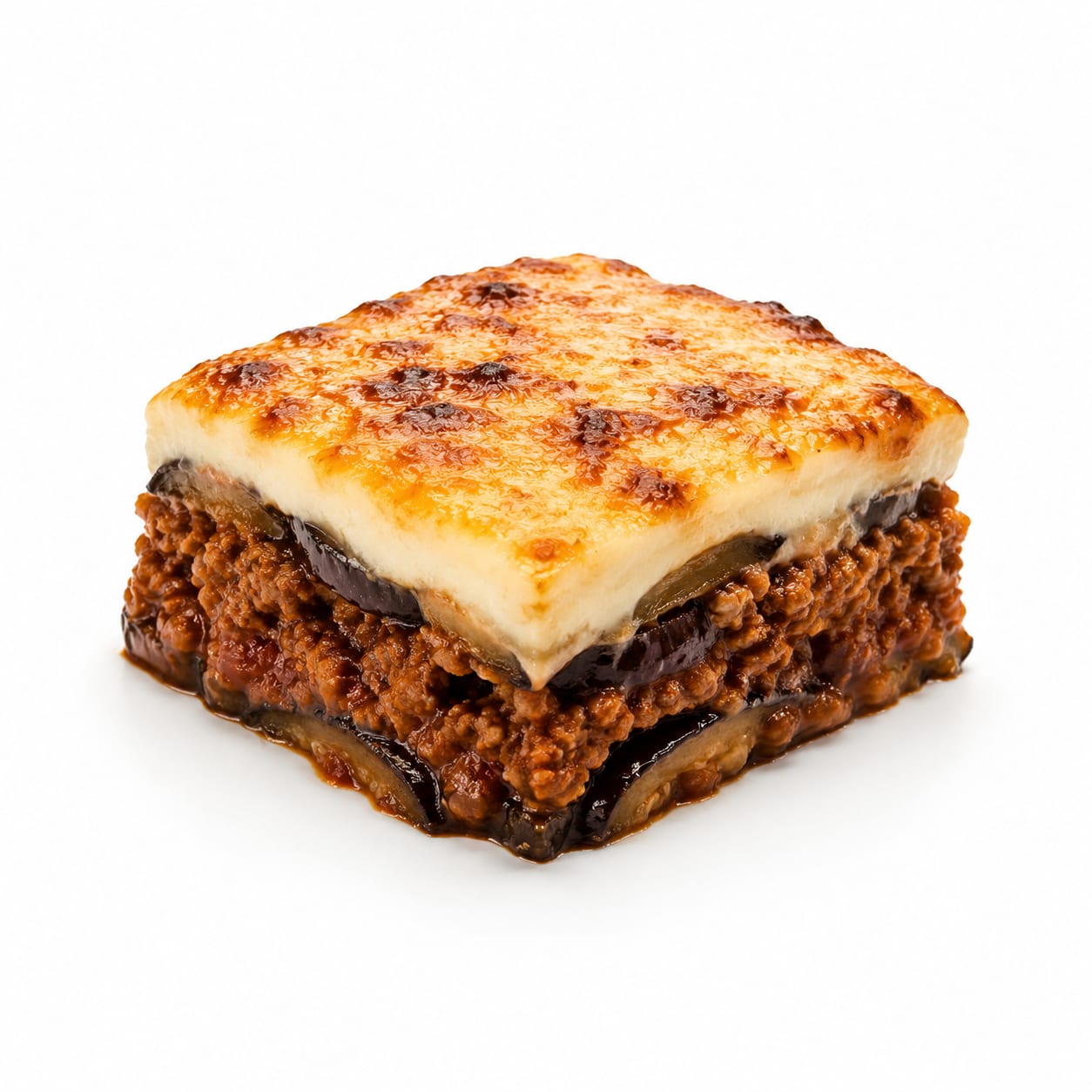
Moussaka
Moussaka edges out Lasagna thanks to its eggplant base replacing refined pasta, delivering more fiber and steadier blood sugar with similar comfort food satisfaction.
Moussaka scores noticeably higher due to its vegetable base and lower refined carb content. Lasagna remains competitive on protein and familiarity but loses ground on blood sugar impact and micronutrient density.
Lasagna offers more familiar comfort and higher protein from ricotta and mozzarella, but Moussaka provides better nutritional value through vegetables and lower refined carbs.
At a glance
Executive summary
Overall
Moussaka
Healthier
Moussaka
More practical
It depends
Daily use
Moussaka
Key comparison lenses
carbohydrate and blood sugar comparison
Lasagna relies on pasta sheets while Moussaka uses eggplant, creating a major difference in refined carb load and glycemic impact
vegetable content and micronutrient density
Moussaka's eggplant layers bring fiber and antioxidants that pasta simply cannot match
satiety per calorie
Both are heavy comfort foods, but users want to know which keeps them full longer without overeating
saturated fat and heart health tradeoffs
Both dishes use béchamel and cheese, but Moussaka often uses lamb which changes the fat profile
comfort food guilt and long-term sustainability
People choose these for satisfaction, so understanding which is easier to enjoy regularly matters
Best choice for
Lasagna
- Those wanting maximum protein per serving
- Anyone craving classic Italian comfort familiarity
- People who dislike eggplant texture
- Families with picky eaters who prefer pasta
Moussaka
- Anyone managing blood sugar or reducing refined carbs
- People wanting more vegetables hidden in comfort food
- Those following Mediterranean-style eating patterns
- Anyone seeking more fiber without sacrificing satisfaction
Least suitable for
Lasagna
- People with diabetes or insulin resistance
- Anyone strictly limiting refined carbohydrates
- Those avoiding wheat or gluten
Moussaka
- People sensitive to nightshades like eggplant
- Anyone avoiding dairy due to béchamel topping
- Those who find lamb too rich or gamey
Deep comparison
Dimension by dimension
Each lens scores both foods and breaks down who each option suits.
- Dimension 1 · Priority 92Moussaka
Carbohydrate Quality and Blood Sugar Impact
Lasagna · 35Moussaka · 68Lasagna's pasta sheets deliver a heavy refined carb load that spikes blood sugar. Moussaka's eggplant layers slash refined carbs dramatically while adding fiber that slows absorption.
Tradeoff
You sacrifice the satisfying chew of al dente pasta but gain steadier energy and no afternoon crash.
Why it matters
Refined carbs from pasta cause rapid blood sugar spikes followed by dips that trigger hunger and fatigue. Eggplant keeps things far more stable.
Real-world impact
After Lasagna you may feel sluggish within two hours. After Moussaka, energy holds longer without the carb coma.
Lasagna
- Quick energy before intense physical activity
- Athletes carb-loading before endurance events
Better for
- Late evening meals when blood sugar should stay low
- Anyone monitoring HbA1c levels
Worse for
Moussaka
- Steady energy through a long workday
- Avoiding the post-lunch energy dip
- Managing prediabetes or insulin resistance
Better for
- Situations requiring rapid glycogen replenishment
Worse for
- Dimension 2 · Priority 85Moussaka
Fiber and Digestive Health
Lasagna · 25Moussaka · 72Eggplant in Moussaka provides several grams of fiber per serving. Lasagna's pasta contributes almost none, leaving digestion slower and gut microbes underfed.
Tradeoff
Moussaka supports better digestion and gut health, while Lasagna can feel heavier and more sluggish in the stomach.
Why it matters
Fiber isn't just about regularity. It feeds beneficial gut bacteria, helps control cholesterol, and keeps you full longer without extra calories.
Real-world impact
Moussaka leaves you feeling satisfied but not bloated. Lasagna often sits heavy, especially in larger portions.
Lasagna
- Those recovering from digestive illness who need low-fiber meals temporarily
Better for
- Chronic constipation sufferers
- Those already well below daily fiber targets
Worse for
Moussaka
- Anyone trying to increase daily fiber without supplements
- People prone to constipation from low-vegetable diets
- Supporting healthy gut microbiome diversity
Better for
- People with IBS who are sensitive to insoluble fiber
Worse for
- Dimension 3 · Priority 78Lasagna
Protein Content and Quality
Lasagna · 75Moussaka · 65Lasagna typically packs more total protein thanks to generous layers of ricotta, mozzarella, and meat sauce. Moussaka provides solid protein from lamb but less overall dairy protein.
Tradeoff
Lasagna wins on sheer protein quantity, but Moussaka's lamb offers a different amino acid profile including more iron and B12.
Why it matters
Higher protein means better muscle maintenance, more satiety, and steadier appetite control throughout the day.
Real-world impact
After Lasagna you stay full longer purely from protein density. Moussaka still satisfies but may leave you hungry slightly sooner.
Lasagna
- Post-workout recovery meals
- Older adults needing higher protein for muscle preservation
- Growing teenagers with high protein needs
Better for
- Anyone trying to reduce saturated fat alongside protein
Worse for
Moussaka
- Those wanting protein with added iron and B12 from lamb
- People following Mediterranean protein patterns
Better for
- Athletes needing maximum protein per serving
Worse for
- Dimension 4 · Priority 82It depends
Satiety and Comfort Satisfaction
Lasagna · 80Moussaka · 78Both are deeply satisfying comfort foods. Lasagna feels more indulgent and filling immediately. Moussaka satisfies differently with richer umami depth from lamb and eggplant.
Tradeoff
Lasagna delivers faster fullness from carb density. Moussaka provides longer-lasting satisfaction from fiber and fat balance.
Why it matters
Comfort food that actually satisfies prevents the snacking spiral that follows unsatisfying healthy meals.
Real-world impact
Lasagna feels like a warm hug immediately but may trigger cravings later. Moussaka feels more balanced and less likely to cause late-night snacking.
Lasagna
- Emotional eating moments when you need immediate comfort
- Cold winter nights craving something deeply filling
Better for
- People who struggle with portion control on rich foods
Worse for
Moussaka
- Meals where you want satisfaction without the heavy aftermath
- Avoiding the snack attack two hours after eating
Better for
- Those who find lamb less comforting than beef and cheese
Worse for
- Dimension 5 · Priority 76Moussaka
Micronutrient Density
Lasagna · 40Moussaka · 70Eggplant brings nasunin antioxidants, potassium, and manganese. Lamb adds iron, zinc, and B12. Lasagna's pasta and cheese offer calcium but fewer diverse micronutrients.
Tradeoff
Moussaka delivers a broader micronutrient spectrum from its vegetable and lamb combination. Lasagna is narrower but stronger in calcium.
Why it matters
Micronutrient diversity supports immune function, energy production, and long-term disease prevention beyond what macros alone can show.
Real-world impact
Regular Moussaka consumption subtly supports iron status and antioxidant intake. Lasagna primarily contributes calcium and not much else beyond macros.
Lasagna
- Those who rely on cheese as a primary calcium source
- Children needing calcium for bone development
Better for
- Those already getting adequate calcium but lacking other micronutrients
Worse for
Moussaka
- Women at risk of iron deficiency
- Anyone eating limited vegetable variety normally
- Older adults needing B12 from natural food sources
Better for
- People with iron overload conditions like hemochromatosis
Worse for
- Dimension 6 · Priority 80It depends
Saturated Fat and Heart Health
Lasagna · 42Moussaka · 40Both dishes are saturated fat heavy due to cheese, béchamel, and meat. Moussaka's lamb fat is slightly more saturated than beef, but the difference is marginal.
Tradeoff
Neither food is heart-healthy in traditional recipes. The real choice is between two indulgent dishes where portion control matters more than the small fat differences.
Why it matters
Frequent saturated fat intake from heavy meals like these raises LDL cholesterol over time, increasing cardiovascular risk.
Real-world impact
Eating either dish weekly is fine for most people. Eating either multiple times per week is where heart health concerns grow.
Lasagna
- Slightly lower saturated fat if made with lean beef and part-skim cheeses
Better for
- Traditional recipes with full-fat cheeses stack saturated fat heavily
Worse for
Moussaka
- Can be made with less béchamel for a lighter version
- Lamb fat contains more conjugated linoleic acid than beef fat
Better for
- Lamb is naturally higher in saturated fat than most beef cuts used in Lasagna
Worse for
Timeline
Health impact over time
Short-term
Hours to days
Lasagna
- Noticeable blood sugar spike within 30-60 minutes from pasta
- Heavy fullness that may cause drowsiness and reduced afternoon focus
- Possible bloating from wheat and dairy combination
Moussaka
- More gradual blood sugar rise due to eggplant fiber
- Satisfying fullness without the same level of carb crash
- Possible heartburn from rich lamb and béchamel in sensitive individuals
Long-term
Months to years
Lasagna
- Regular consumption may contribute to insulin resistance from refined carb habit
- High saturated fat intake from cheese could raise LDL over time
- Low fiber content does not support long-term gut health
Moussaka
- Eggplant antioxidants may support vascular health over time
- Lamb provides reliable B12 and iron preventing deficiencies
- Saturated fat from lamb and dairy still warrants portion mindfulness
Risk profile
Safety & processing
Both are homemade-style dishes using whole ingredients, but store-bought versions of either can contain preservatives in pasta, modified starches in béchamel mixes, and sodium-heavy sauces. Homemade Moussaka has a slight edge since eggplant requires no processing, while even fresh pasta is a refined grain product.
Lasagna
Dairy spoilage and foodborne illness
mediumRicotta and mozzarella are high-moisture cheeses that can harbor Listeria if left unrefrigerated. Leftover Lasagna must be reheated to 165°F internally.
Wheat gluten contamination
lowNaturally contains gluten from pasta. Not a safety risk for most but critical for those with celiac disease or wheat allergy.
Moussaka
Dairy spoilage from béchamel
mediumBéchamel sauce uses milk and sometimes cheese, creating similar Listeria risks as Lasagna if improperly stored or reheated.
Solanine sensitivity from eggplant
lowEggplant is a nightshade containing solanine. Most people tolerate it fine, but sensitive individuals may experience joint pain or digestive discomfort.
Who wins for whom
Audience fit
Same foods, different winners depending on your goal.
children
LasagnaMost children prefer the familiar cheesy pasta of Lasagna over eggplant. Getting kids to eat Moussaka can be a battle that negates any nutritional advantage.
daily consumption
MoussakaNeither should be eaten daily due to saturated fat content, but Moussaka's vegetable base and lower refined carbs make it the less harmful choice for frequent rotation.
diabetes
MoussakaEggplant instead of pasta dramatically reduces the glycemic load. Moussaka causes a slower, lower blood sugar rise that is far easier to manage with insulin or medication.
elderly
MoussakaMoussaka provides more iron, B12, and fiber which are nutrients commonly deficient in older adults. The softer eggplant texture is also easier to chew than pasta edges.
muscle gain
LasagnaLasagna provides more total protein from multiple cheese layers and meat sauce, supporting muscle protein synthesis more effectively per serving.
weight loss
MoussakaMoussaka's fiber from eggplant increases fullness per calorie, making portion control easier. Fewer refined carbs also mean less insulin-driven fat storage.
Your move
Decision guide
Choose Lasagna
- You want maximum protein and calorie density for muscle building or weight gain
- Comfort and familiarity are your top priority right now
- You are cooking for kids or picky eaters who reject vegetables
- You are an athlete carb-loading before an event
Choose Moussaka
- You want comfort food with better blood sugar control
- You are trying to eat more vegetables without feeling like you are sacrificing enjoyment
- You follow a Mediterranean-style eating approach
- You want more iron, B12, and antioxidants in your comfort meals
Either works if
- You are eating occasionally as a treat and both fit your calorie budget
- You are cooking for a group with diverse preferences
- You plan to make lighter versions by reducing cheese and using leaner meats
Avoid both if
- You have severe dairy intolerance or allergy
- You are on a strict low-saturated-fat diet for heart disease management
- You need a low-calorie meal as both are calorie-dense comfort foods
- You are currently on a strict weight loss protocol requiring calorie control
Final recommendation
Choose Moussaka when you want comfort food that works harder for your health. Its eggplant base and lower refined carbs make it the smarter regular choice. Save Lasagna for when pure indulgent comfort matters more than nutritional optimization. Both deserve a place in your life, but Moussaka earns more frequent rotation.
Practical
Consumer tips
- 1
Make Moussaka with less béchamel and more eggplant layers to boost the nutritional gap even further
- 2
Use whole wheat lasagna noodles to narrow the fiber disadvantage if you choose Lasagna
- 3
Both freeze exceptionally well, so make large batches and portion for controlled reheating
- 4
Replace half the lamb in Moussaka with lentils to cut saturated fat while keeping the hearty texture
- 5
Let both dishes rest for 15 minutes after baking for cleaner slices and more settled digestion
- 6
Add a large side salad to either meal to increase volume and fiber without significantly raising calories