
Nutrition comparison
Moussaka vs Pastitsio: Which Greek Casserole Is Healthier?
Compare Moussaka and Pastitsio nutrition, calories, carbs, and health impact. Learn which Greek comfort food is better for blood sugar, weight loss, and daily eating.
Overall winner · Moussaka
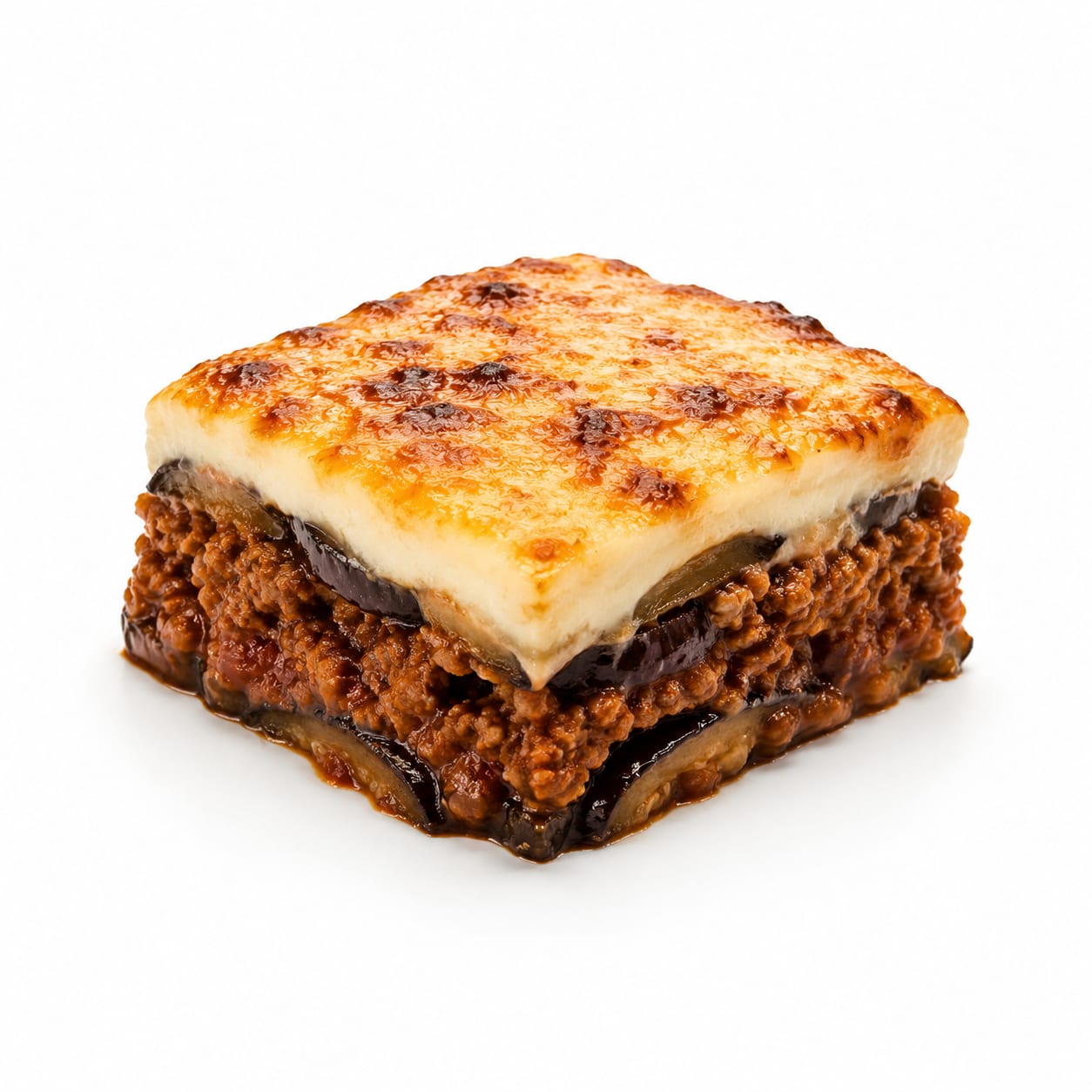
Moussaka
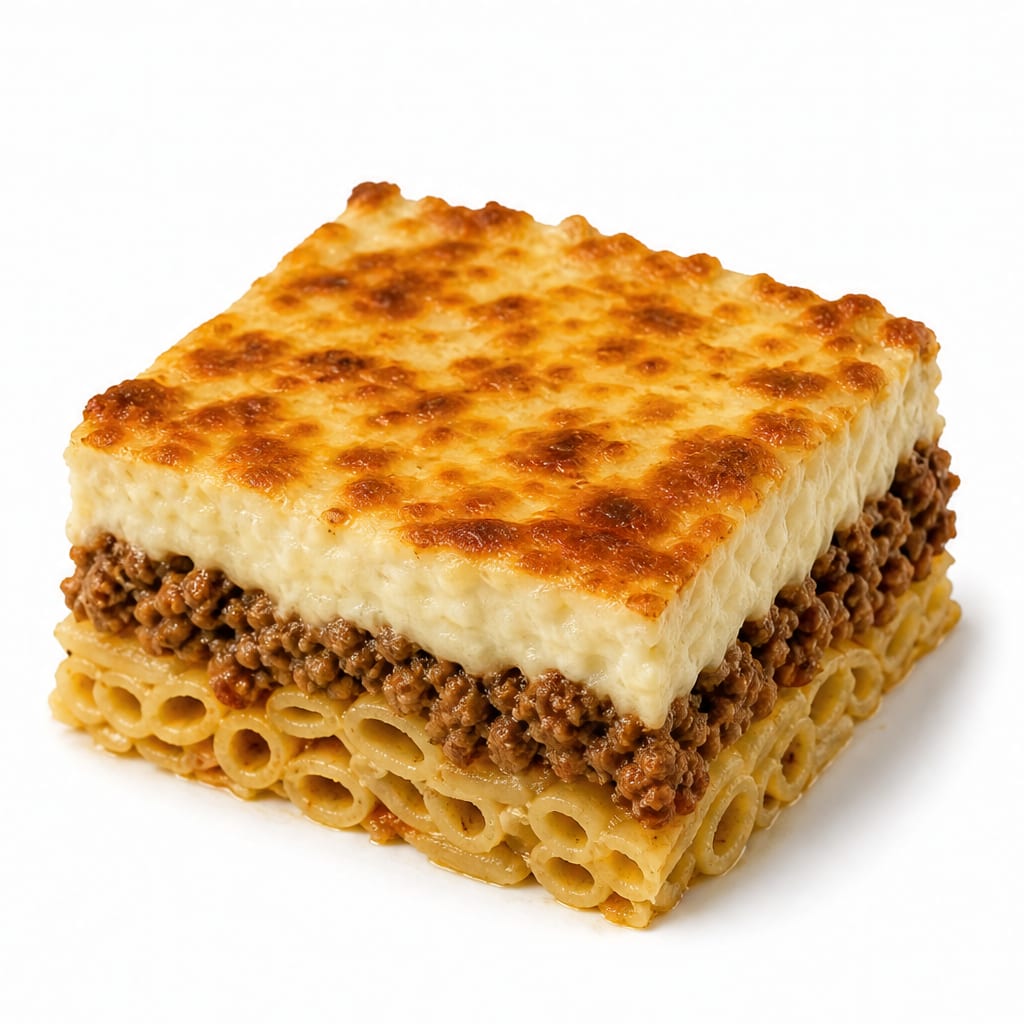
Pastitsio
Moussaka edges out Pastitsio thanks to its eggplant base, which adds fiber and antioxidants while cutting refined carbs significantly.
Moussaka scores noticeably higher due to its eggplant base providing fiber, antioxidants, and far fewer refined carbs. Pastitsio is not unhealthy by nature, but the pasta layer makes it heavier and less nutritionally balanced per calorie.
You trade the comforting pasta familiarity of Pastitsio for better blood sugar stability and more vegetable nutrition in Moussaka.
At a glance
Executive summary
Overall
Moussaka
Healthier
Moussaka
More practical
It depends
Daily use
Moussaka
Key comparison lenses
carbohydrate load and blood sugar impact
Moussaka uses eggplant layers while Pastitsio uses pasta, creating a massive difference in refined carb content
vegetable intake and micronutrient density
Moussaka delivers significantly more vegetables through eggplant, while Pastitsio offers almost none
calorie density and portion control
Both are heavy casseroles with béchamel, but pasta makes Pastitsio more calorie-dense per serving
comfort food satisfaction and emotional eating
Both are beloved Greek comfort foods, but the pasta in Pastitsio creates a different satiety experience
heart health and saturated fat load
Both contain meat and béchamel, but the overall fat profile differs based on ingredient ratios
Best choice for
Moussaka
- People managing blood sugar or insulin resistance
- Anyone wanting more vegetables in comfort meals
- Those watching refined carbohydrate intake
- Diners seeking lighter satisfaction without sacrificing flavor
Pastitsio
- Athletes needing carb-heavy meals after intense training
- People wanting maximum calorie density per serving
- Those craving classic pasta comfort on a cold evening
- Families with kids who prefer familiar pasta textures
Least suitable for
Moussaka
- People with nightshade sensitivities or eggplant allergies
- Anyone needing high carb intake for athletic performance
- Diners who dislike eggplant texture
Pastitsio
- People with diabetes or insulin resistance
- Anyone on a low-carb or keto eating plan
- Those trying to increase daily vegetable intake
- Diners watching calorie density closely
Deep comparison
Dimension by dimension
Each lens scores both foods and breaks down who each option suits.
- Dimension 1 · Priority 92Moussaka
blood sugar stability
Moussaka · 68Pastitsio · 35Moussaka's eggplant layers create a much gentler blood sugar response than Pastitsio's dense pasta base.
Tradeoff
Pastitsio provides quicker energy replenishment after intense exercise, but at the cost of a sharper blood sugar spike and subsequent crash.
Why it matters
Steadier blood sugar means fewer afternoon energy dips and less craving for sweets hours after eating.
Real-world impact
After Moussaka, you are more likely to feel satisfied for 3-4 hours without snacking. After Pastitsio, hunger may return sooner despite the higher calorie count.
Moussaka
- People with prediabetes or diabetes
- Anyone trying to reduce sugar cravings
- Those wanting sustained energy through the afternoon
Better for
- Athletes who need rapid carb refueling immediately post-workout
Worse for
Pastitsio
- Endurance athletes carb-loading before an event
- Someone recovering from intense training needing quick glycogen replenishment
Better for
- Anyone with insulin sensitivity concerns
- People prone to energy crashes after heavy meals
Worse for
- Dimension 2 · Priority 88Moussaka
vegetable content and micronutrients
Moussaka · 72Pastitsio · 18Moussaka delivers a meaningful serving of eggplant with antioxidants and fiber, while Pastitsio is essentially a pasta and meat dish with no significant vegetable content.
Tradeoff
You would need to add a side salad to Pastitsio to approach the vegetable nutrition that Moussaka provides automatically.
Why it matters
Eggplant provides nasunin, chlorogenic acid, and fiber that support brain health and reduce inflammation — nutrients completely absent from pasta.
Real-world impact
Choosing Moussaka helps you hit daily vegetable targets without thinking about it. Pastitsio leaves that gap for you to fill elsewhere.
Moussaka
- Anyone struggling to eat enough vegetables daily
- People wanting anti-inflammatory benefits from food naturally
- Those who forget to add sides to their meals
Better for
- People with nightshade sensitivities who cannot tolerate eggplant
Worse for
Pastitsio
- Situations where vegetables are served separately as a large side
Better for
- Anyone already falling short on daily vegetable intake
Worse for
- Dimension 3 · Priority 85Moussaka
calorie density and portion control
Moussaka · 58Pastitsio · 42Moussaka is still a rich casserole, but the eggplant layers create more volume per calorie compared to the dense pasta in Pastitsio.
Tradeoff
Pastitsio feels more filling immediately due to pasta's density, but Moussaka provides more satiety per calorie because of fiber from eggplant.
Why it matters
When managing weight, volume matters. Eating a larger portion of Moussaka for the same calories feels more satisfying than a smaller wedge of Pastitsio.
Real-world impact
A typical Moussaka serving runs 350-450 calories. A comparable Pastitsio serving easily hits 500-600 calories, mainly from refined carbs and cheese.
Moussaka
- Anyone tracking calories who wants satisfying portions
- People who feel deprived on smaller serving sizes
Better for
- Those who find rich casseroles trigger overeating regardless
Worse for
Pastitsio
- Underweight individuals needing calorie density
- Athletes in bulking phases
Better for
- Anyone watching portion sizes carefully
- People who tend to go back for seconds
Worse for
- Dimension 4 · Priority 80It depends
satiety and fullness quality
Moussaka · 70Pastitsio · 72Pastitsio fills you up faster with dense carbs, but Moussaka keeps you satisfied longer thanks to fiber slowing digestion.
Tradeoff
Immediate stuffed feeling favors Pastitsio, but lasting satisfaction without cravings favors Moussaka.
Why it matters
The difference between feeling stuffed and feeling satisfied matters for whether you snack two hours later.
Real-world impact
After Pastitsio you may feel overly full, then hungry again. After Moussaka, the fullness builds gradually and fades more evenly.
Moussaka
- People who want steady hunger control for hours
- Those prone to late-night snacking after heavy meals
Better for
- Those who want to feel completely stuffed after a meal
Worse for
Pastitsio
- Anyone who values that immediate comforting fullness
- Situations where you will not eat again for 6+ hours
Better for
- People who find that pasta-heavy meals make them sluggish then hungry
Worse for
- Dimension 5 · Priority 75Moussaka
heart health and fat profile
Moussaka · 52Pastitsio · 45Both dishes carry significant saturated fat from meat and béchamel, but Moussaka's eggplant provides some heart-protective compounds that Pastitsio cannot match.
Tradeoff
Neither dish is a heart health hero. Moussaka is slightly less concerning because eggplant antioxidants partially offset the saturated fat load.
Why it matters
Regular consumption of high saturated fat meals from either dish warrants attention, but Moussaka at least delivers some cardiovascular benefit alongside the risk.
Real-world impact
If eating these weekly, Moussaka is the slightly better choice for long-term heart health. For occasional enjoyment, the difference is minimal.
Moussaka
- People concerned about long-term heart health
- Those who eat Greek casseroles regularly
Better for
- Anyone on a strict low-saturated-fat diet who should limit both
Worse for
Pastitsio
- Occasional indulgence where heart health impact is negligible
Better for
- People with existing heart conditions who need to minimize saturated fat
Worse for
- Dimension 6 · Priority 70It depends
digestive tolerance
Moussaka · 60Pastitsio · 55Moussaka's fiber helps digestion for most people, but eggplant can bother sensitive stomachs. Pastitsio's refined pasta is gentler initially but offers no digestive support.
Tradeoff
If you have IBS or nightshade sensitivity, Pastitsio may be easier. If you need fiber support for regularity, Moussaka wins.
Why it matters
Comfort food should not leave you uncomfortable. Your individual digestive profile determines which sits better.
Real-world impact
Some people feel bloated after eggplant. Others feel heavy and sluggish after dense pasta. Know your body's preference.
Moussaka
- People who benefit from extra fiber for regularity
- Those without nightshade sensitivities
Better for
- Anyone with solanine sensitivity or eggplant intolerance
Worse for
Pastitsio
- People with IBS triggered by eggplant
- Those with nightshade sensitivities
Better for
- People who feel sluggish and constipated after low-fiber meals
Worse for
Timeline
Health impact over time
Short-term
Hours to days
Moussaka
- Steadier energy for 3-4 hours after eating
- Moderate fullness without the heavy sluggish feeling
- Possible mild bloating if sensitive to eggplant
Pastitsio
- Quick satisfaction followed by possible energy dip within 2-3 hours
- Heavier immediate fullness that may feel uncomfortable
- Blood sugar spike then drop that can trigger sweet cravings
Long-term
Months to years
Moussaka
- Better blood sugar management with regular consumption
- More consistent vegetable intake supporting gut health
- Saturated fat from béchamel still warrants moderation
Pastitsio
- Higher refined carb intake may challenge insulin sensitivity over time
- Low vegetable content means missing anti-inflammatory benefits
- Calorie density can contribute to gradual weight gain if portions are not controlled
Risk profile
Safety & processing
Both are traditional homemade casseroles with whole-food ingredients. Neither is ultra-processed when made from scratch. The main concern is refined flour in the béchamel sauce shared by both, and the refined pasta in Pastitsio.
Moussaka
Solanine sensitivity from eggplant
lowEggplant contains solanine, which most people tolerate fine but can cause joint pain or digestive issues in sensitive individuals.
Dairy spoilage from béchamel
mediumBéchamel sauce made with milk requires careful refrigeration. Left at room temperature for over 2 hours, it becomes a foodborne illness risk.
Pastitsio
Dairy spoilage from béchamel and cheese
mediumPastitsio often includes cheese in addition to béchamel, increasing the dairy spoilage surface if not stored properly.
Refined grain inflammatory potential
lowRegular consumption of refined pasta may contribute to low-grade inflammation over time, though a single meal poses minimal risk.
Who wins for whom
Audience fit
Same foods, different winners depending on your goal.
children
PastitsioMost children prefer familiar pasta textures over eggplant, making Pastitsio an easier sell at family dinners.
daily consumption
MoussakaNeither should be eaten daily due to saturated fat content, but Moussaka's vegetable content makes it the less problematic repeat choice.
diabetes
MoussakaEggplant base creates a significantly lower glycemic load than pasta, making blood sugar management easier.
elderly
MoussakaMoussaka's fiber supports digestive regularity, which becomes increasingly important with age. The softer eggplant texture is also easier to chew.
muscle gain
PastitsioPastitsio's higher carbohydrate content supports glycogen replenishment and calorie surplus needed for muscle building.
weight loss
MoussakaMoussaka provides more volume and fiber per calorie, making it easier to feel satisfied on smaller portions.
Your move
Decision guide
Choose Moussaka
- You want comfort food that also delivers vegetables
- You are watching blood sugar or refined carb intake
- You prefer steady energy without the post-meal crash
- You are trying to manage calories without feeling deprived
Choose Pastitsio
- You just finished intense exercise and need carb replenishment
- You are feeding kids who gravitate toward pasta
- It is a cold evening and you want maximum comfort food warmth
- You are not concerned about refined carbs and want the classic experience
Either works if
- You are celebrating a special occasion and both are treats
- You plan to add a large side salad to balance the meal
- You are eating these rarely enough that nutritional differences are minimal
Avoid both if
- You are on a strict low-saturated-fat diet for heart disease
- You are following a dairy-free eating plan
- You need a light meal — both are heavy and slow-digesting
- You are eating late at night before bed
Final recommendation
For most people most of the time, Moussaka is the smarter choice. You get the same comforting casserole experience with more nutrition and less metabolic cost. Save Pastitsio for when you genuinely crave that pasta comfort or need the extra carbs after intense activity. Both deserve a place in your life — just not equal places.
Practical
Consumer tips
- 1
Ask for a smaller béchamel portion when ordering at restaurants — this cuts saturated fat significantly in both dishes
- 2
Pair either dish with a lemon-dressed side salad to add freshness and aid digestion
- 3
If making at home, use whole wheat pasta for Pastitsio to improve its nutritional profile substantially
- 4
Roasting eggplant with less oil for Moussaka reduces calorie density without sacrificing flavor
- 5
Both dishes reheat well, so make a batch and freeze portions for controlled servings rather than overeating fresh
- 6
Using leaner ground meat like turkey in either dish drops saturated fat noticeably while keeping the comfort factor