
Nutrition comparison
Moussaka vs Spanakopita: Which Greek Dish Is Healthier?
Compare Moussaka and Spanakopita on calories, protein, heart health, and more. Find out which Greek classic fits your health goals and when to choose each one.
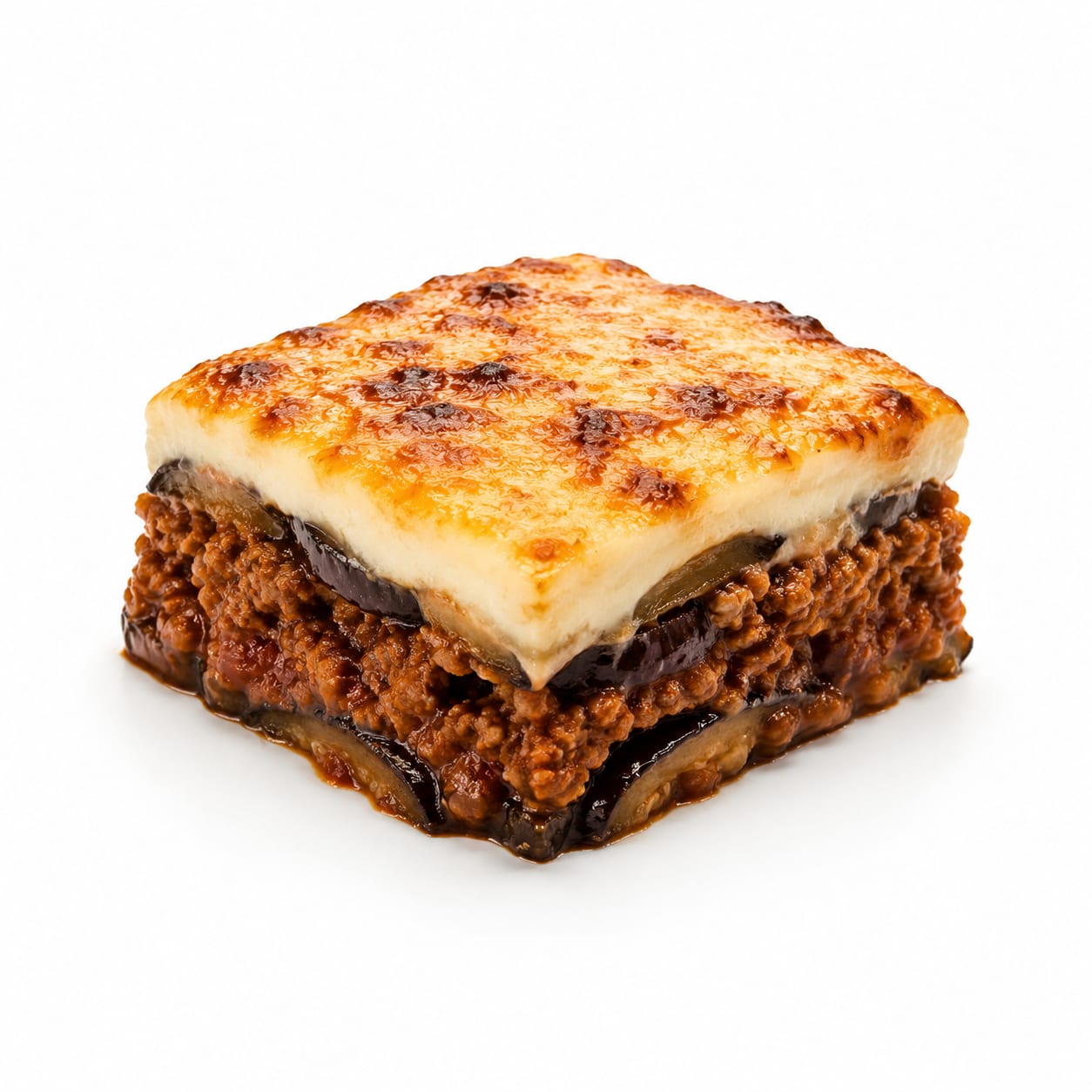
Moussaka
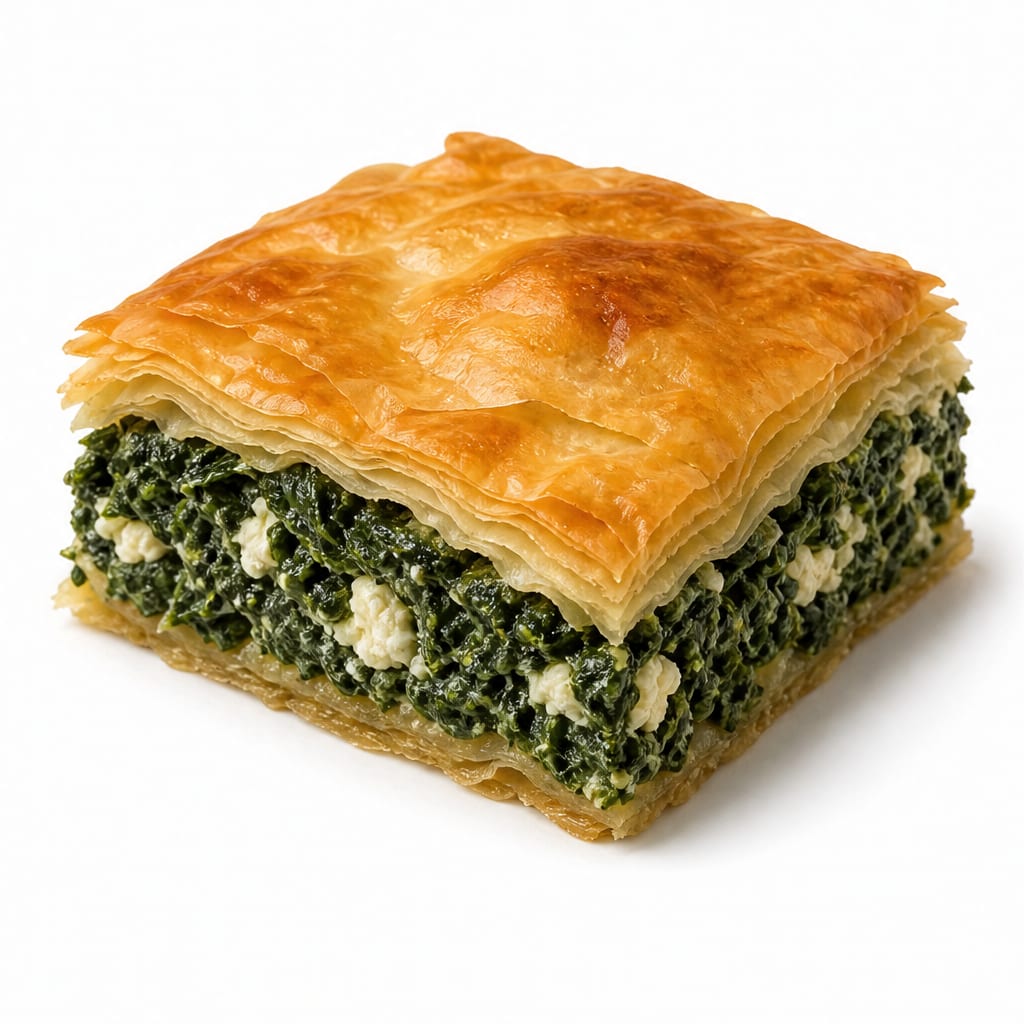
Spanakopita
Spanakopita wins for lighter eating and nutrient density; Moussaka wins when you need hearty protein and lasting fullness.
Spanakopita scores notably higher due to better nutrient density, lower calorie load, and more favorable fat profile. Moussaka remains competitive for protein and satiety but its saturated fat and calorie density pull it down for regular consumption.
Moussaka delivers more protein and satisfaction but at a steep calorie and saturated fat cost, while Spanakopita offers more vegetables and lighter digestion with less protein punch.
At a glance
Executive summary
Overall
It depends
Healthier
Spanakopita
More practical
Spanakopita
Daily use
Spanakopita
Key comparison lenses
Comfort food vs lighter Greek classic
Moussaka is heavy and casserole-like while Spanakopita feels lighter and vegetable-forward, making this the core decision driver
Calorie density and meal heaviness
Both are rich dishes but Moussaka packs significantly more calories per serving due to meat and béchamel
Heart health and saturated fat load
Moussaka's béchamel and red meat create a much higher saturated fat burden than Spanakopita's spinach-feta filling
Vegetable intake and micronutrient density
Spanakopita delivers concentrated spinach nutrients while Moussaka's eggplant is often fried, reducing its benefits
Protein needs and satiety
Moussaka provides substantially more protein from meat, making it more filling for longer periods
Best choice for
Moussaka
- Active individuals needing high protein intake
- People wanting a single-dish complete meal
- Those seeking long-lasting satiety without snacking
- Cold-weather comfort food cravings
Spanakopita
- People prioritizing vegetable intake and micronutrients
- Those watching calories or saturated fat
- Lighter lunch or appetizer situations
- Anyone eating Greek food more than once per week
Least suitable for
Moussaka
- People managing heart disease or high cholesterol
- Anyone counting calories strictly
- Those with dairy sensitivity from béchamel
- Hot summer meals where heaviness feels unpleasant
Spanakopita
- Those needing a high-protein standalone meal
- People avoiding refined carbs from phyllo dough
- Anyone on a low-sodium diet due to feta cheese
- Those who find light meals unsatisfying
Deep comparison
Dimension by dimension
Each lens scores both foods and breaks down who each option suits.
- Dimension 1 · Priority 90Spanakopita
Calorie Density and Weight Management
Moussaka · 35Spanakopita · 62Moussaka typically delivers 400-550 calories per serving while Spanakopita ranges 250-350 calories per piece.
Tradeoff
You trade lasting fullness for a lighter calorie footprint. Moussaka keeps you fuller longer but at nearly double the energy cost.
Why it matters
If you eat Greek food regularly, the calorie difference compounds quickly. Two Moussaka servings per week versus Spanakopita could mean a 400+ calorie weekly swing.
Real-world impact
Choosing Spanakopita means you can pair it with a side salad and still stay under 500 calories. Moussaka alone often exceeds that.
Moussaka
- Situations where one meal must last you 6+ hours
- Post-hike or heavy training recovery meals
Better for
- Frequent restaurant Greek meals where calories add up fast
- Sedentary days with low energy expenditure
Worse for
Spanakopita
- Weight loss phases where calorie budgeting matters daily
- Multi-course meals where you want room for other dishes
Better for
- Days when a small meal triggers overeating later
- Heavy physical labor requiring serious caloric fuel
Worse for
- Dimension 2 · Priority 88Spanakopita
Heart Health and Fat Profile
Moussaka · 30Spanakopita · 58Moussaka's béchamel sauce and ground meat create a saturated fat load that can hit 15-20g per serving. Spanakopita's main fat comes from olive oil and butter in phyllo, typically 8-12g saturated fat.
Tradeoff
Both dishes have meaningful saturated fat, but Moussaka's is substantially higher and comes with dietary cholesterol from meat and dairy combined.
Why it matters
Regular high saturated fat meals directly impact LDL cholesterol over time. If Greek food is a weekly thing, this distinction matters for cardiovascular risk.
Real-world impact
Eating Moussaka twice weekly could push your saturated fat intake toward or past the recommended daily limit on those days alone.
Moussaka
- Occasional indulgence meals where heart health impact is minimal
- People with naturally low cholesterol who metabolize fat well
Better for
- People on statins or managing high LDL
- Anyone eating multiple high-fat meals per day
Worse for
Spanakopita
- Anyone with family history of heart disease
- Regular rotation meals eaten weekly
Better for
- Those who assume all Greek food is heart-healthy and overeat it
- People sensitive to sodium from feta
Worse for
- Dimension 3 · Priority 82Moussaka
Protein and Satiety
Moussaka · 78Spanakopita · 45Moussaka delivers 20-30g protein per serving from ground meat. Spanakopita offers only 8-12g, mostly from feta and small amounts of egg.
Tradeoff
Moussaka is a complete protein powerhouse but comes with the saturated fat baggage. Spanakopita's protein is modest and incomplete.
Why it matters
Protein is the main driver of fullness. If you eat Spanakopita for lunch, you may feel hungry again within 2-3 hours without supplementation.
Real-world impact
A Moussaka lunch can carry you to dinner. A Spanakopita lunch often needs a side of Greek yogurt or legume soup to feel adequate.
Moussaka
- Athletes in training phases needing protein distribution
- Anyone doing intermittent fasting who needs one solid meal
Better for
- People who feel sluggish after heavy protein-fat meals
- Those trying to reduce meat consumption
Worse for
Spanakopita
- Light eaters who prefer grazing throughout the day
- Vegetarians getting protein from other sources at other meals
Better for
- People prone to afternoon energy crashes from inadequate protein
- Older adults needing higher protein per meal for muscle maintenance
Worse for
- Dimension 4 · Priority 78Spanakopita
Micronutrient Density
Moussaka · 48Spanakopita · 75Spanakopita's spinach filling provides concentrated vitamin K, folate, iron, and lutein. Moussaka's eggplant offers some antioxidants but less overall micronutrient breadth.
Tradeoff
The spinach in Spanakopita is a genuine superfood contributor, while Moussaka's eggplant is often fried, diminishing its antioxidant value.
Why it matters
Vitamin K from spinach supports bone health and blood clotting. Folate matters for cell repair. These are nutrients many people under-consume.
Real-world impact
A serving of Spanakopita can provide over 100% of daily vitamin K needs and significant folate. Moussaka's micronutrient contribution is modest by comparison.
Moussaka
- People who already eat plenty of leafy greens elsewhere
- Those needing iron from red meat sources
Better for
- People relying on it as their only vegetable serving
- Those missing leafy green nutrients in their overall diet
Worse for
Spanakopita
- Anyone not meeting daily vegetable requirements
- Women of childbearing age benefiting from folate
Better for
- People on blood thinners who must limit vitamin K intake
- Those with oxalate sensitivity from raw spinach concerns
Worse for
- Dimension 5 · Priority 72Spanakopita
Digestive Comfort
Moussaka · 38Spanakopita · 65Moussaka is notoriously heavy between the meat, fried eggplant, and creamy béchamel. Spanakopita sits lighter despite the buttery phyllo.
Tradeoff
Moussaka can cause post-meal sluggishness and bloating. Spanakopita may still cause mild discomfort from phyllo but is generally easier on the stomach.
Why it matters
Digestive comfort affects energy levels, mood, and productivity after eating. Heavy meals can trigger food comas that derail afternoons.
Real-world impact
Moussaka at lunch often means a 2pm energy dip. Spanakopita is more likely to leave you functional for the rest of the day.
Moussaka
- Evening meals where post-dinner relaxation is expected
- People with robust digestion who never experience food comas
Better for
- Anyone prone to acid reflux from rich, heavy meals
- People who need mental sharpness after eating
Worse for
Spanakopita
- Workday lunches where afternoon productivity matters
- People with sensitive digestion or GERD tendencies
Better for
- Those who find phyllo dough gummy or hard to digest
- People sensitive to spinach's oxalate content
Worse for
- Dimension 6 · Priority 70Moussaka
Blood Sugar Stability
Moussaka · 60Spanakopita · 48Moussaka's high protein and fat content slows digestion and glucose absorption. Spanakopita's phyllo dough is refined carbohydrate that can spike blood sugar faster.
Tradeoff
Moussaka provides steadier blood sugar despite its calories. Spanakopita's refined carb wrapper can cause quicker rises, especially if eaten alone.
Why it matters
Blood sugar crashes trigger cravings, fatigue, and irritability. The protein-fat matrix in Moussaka acts as a natural brake on glucose spikes.
Real-world impact
After Spanakopita, you might crave something sweet within 90 minutes. After Moussaka, blood sugar tends to stay flatter for longer.
Moussaka
- People with insulin resistance needing slower glucose release
- Those who experience energy crashes from carb-heavy meals
Better for
- People who overeat it and experience delayed blood sugar elevation from sheer calorie volume
- Those assuming high fat means no blood sugar impact at all
Worse for
Spanakopita
- People pairing it with fiber-rich sides that blunt the phyllo spike
- Those eating small portions where carb load is minimal
Better for
- Diabetics eating it as a standalone meal
- People who eat multiple pieces and multiply the refined carb load
Worse for
Timeline
Health impact over time
Short-term
Hours to days
Moussaka
- Heavy fullness that can last 4-6 hours
- Possible sluggishness or food coma within an hour of eating
- Higher likelihood of heartburn from rich meat-dairy combination
- Sustained energy without blood sugar crashes
Spanakopita
- Lighter satiety that may fade within 2-3 hours
- Quicker digestion with less post-meal fatigue
- Possible mild blood sugar rise from phyllo if eaten without sides
- Comforting but not overwhelming feeling in the stomach
Long-term
Months to years
Moussaka
- Regular consumption may elevate LDL cholesterol from saturated fat load
- Higher calorie density could contribute to gradual weight gain if portions are not controlled
- Red meat consumption linked to increased cardiovascular risk when frequent
- Occasional consumption poses minimal long-term risk for healthy individuals
Spanakopita
- Consistent spinach intake supports bone density and eye health over time
- Lower calorie footprint makes it easier to maintain healthy weight
- Feta cheese sodium could contribute to blood pressure concerns if eaten very frequently
- Phyllo's refined flour is a minor negative but manageable in context of overall diet
Risk profile
Safety & processing
Both dishes are traditionally made from whole-food ingredients without artificial additives. Moussaka involves more transformative cooking with fried eggplant and béchamel preparation. Spanakopita uses phyllo dough, which is a refined product, but the filling is minimally processed spinach and cheese. Neither raises significant ultra-processing concerns when made traditionally.
Moussaka
Ground meat contamination
mediumGround lamb or beef carries higher E. coli and Salmonella risk than whole cuts. Proper cooking to 160°F is essential.
Dairy spoilage in béchamel
mediumBéchamel made with milk can spoil quickly at room temperature. Moussaka should not sit out more than 2 hours.
Oil oxidation from frying eggplant
lowFrying eggplant in reused or overheated oil can create oxidized compounds. Fresh oil at proper temperature minimizes this.
Spanakopita
Phyllo dough storage safety
lowPhyllo is typically shelf-stable when frozen but can harbor mold if thawed and refrozen improperly.
Spinach contamination
mediumRaw spinach is a known vehicle for E. coli and Listeria outbreaks. Washing thoroughly before cooking is important, though cooking reduces risk significantly.
Feta cheese listeria risk
lowPasteurized feta used in most Spanakopita is low risk. Unpasteurized versions carry slightly higher listeria concern for pregnant women.
Who wins for whom
Audience fit
Same foods, different winners depending on your goal.
children
SpanakopitaSpanakopita is easier for kids to eat, has milder flavors, and the spinach provides growing bodies with iron and folate. Moussaka's heavy texture and complex flavors often appeal less to children.
daily consumption
SpanakopitaSpanakopita's lighter profile and vegetable content make it more sustainable as a regular meal. Moussaka's saturated fat and calorie load make it better suited for occasional enjoyment.
diabetes
It dependsMoussaka's protein-fat matrix slows glucose absorption better, but its calorie load can worsen insulin resistance over time. Spanakopita has less impact on blood sugar if portions are small, but phyllo's refined carbs can spike glucose if overeaten. Context and portion control matter more than the dish itself.
elderly
SpanakopitaSpanakopita is easier to chew and digest, and its vitamin K and folate support bone and cognitive health. Moussaka's heaviness can challenge aging digestive systems.
muscle gain
MoussakaMoussaka provides substantially more complete protein from meat, which is the primary driver of muscle protein synthesis. Spanakopita's protein content is insufficient for muscle-building goals.
weight loss
SpanakopitaSpanakopita's lower calorie density allows better portion control and easier integration into a calorie deficit. Moussaka's richness makes overeating easy and calorie tracking harder.
Your move
Decision guide
Choose Moussaka
- You need a protein-heavy meal after intense physical activity
- It is a special occasion and you want maximum comfort food satisfaction
- You struggle to stay full and need a meal that carries you for hours
- You are eating one main meal and want it to count nutritionally
Choose Spanakopita
- You want a satisfying meal without the post-dinner food coma
- You are watching your weight or eating Greek food multiple times per week
- You value vegetable intake and micronutrient density
- You need something that pairs well with salads and lighter sides
Either works if
- You are eating at a Greek restaurant and both sound appealing
- You have no specific health concerns and just want a enjoyable meal
- You are sharing with others who have different preferences
Avoid both if
- You have severe dairy intolerance since both contain significant dairy
- You are on a strict low-sodium diet as both feta and béchamel are salty
- You are following a vegan diet unless you find specialized plant-based versions
- You have celiac disease or gluten sensitivity since both contain wheat
Final recommendation
For most people eating Greek food regularly, Spanakopita is the smarter default. It delivers more nutrients per calorie, sits lighter in the stomach, and supports long-term health better. Save Moussaka for when you truly want the hearty experience or need the protein boost. Both are wonderful foods that deserve enjoyment, but Spanakopita is the one you can eat weekly without second thoughts.
Practical
Consumer tips
- 1
Ask for Moussaka with less béchamel when possible to cut saturated fat significantly
- 2
Pair Spanakopita with a protein side like Greek yogurt or lentil soup to make it a complete meal
- 3
Watch portion sizes with both dishes at restaurants, where servings are often double what you need
- 4
If making Moussaka at home, try grilling the eggplant instead of frying to reduce oil absorption dramatically
- 5
Choose Spanakopita made with olive oil instead of butter between phyllo layers for a better fat profile
- 6
Both dishes freeze well, so making batches at home lets you control ingredients and portions