
Nutrition comparison
Moussaka vs Ratatouille: Which Mediterranean Dish Is Healthier?
Compare Moussaka and Ratatouille nutrition — calories, protein, fat, fiber, and heart health impact. Find out which Mediterranean classic fits your goals better.
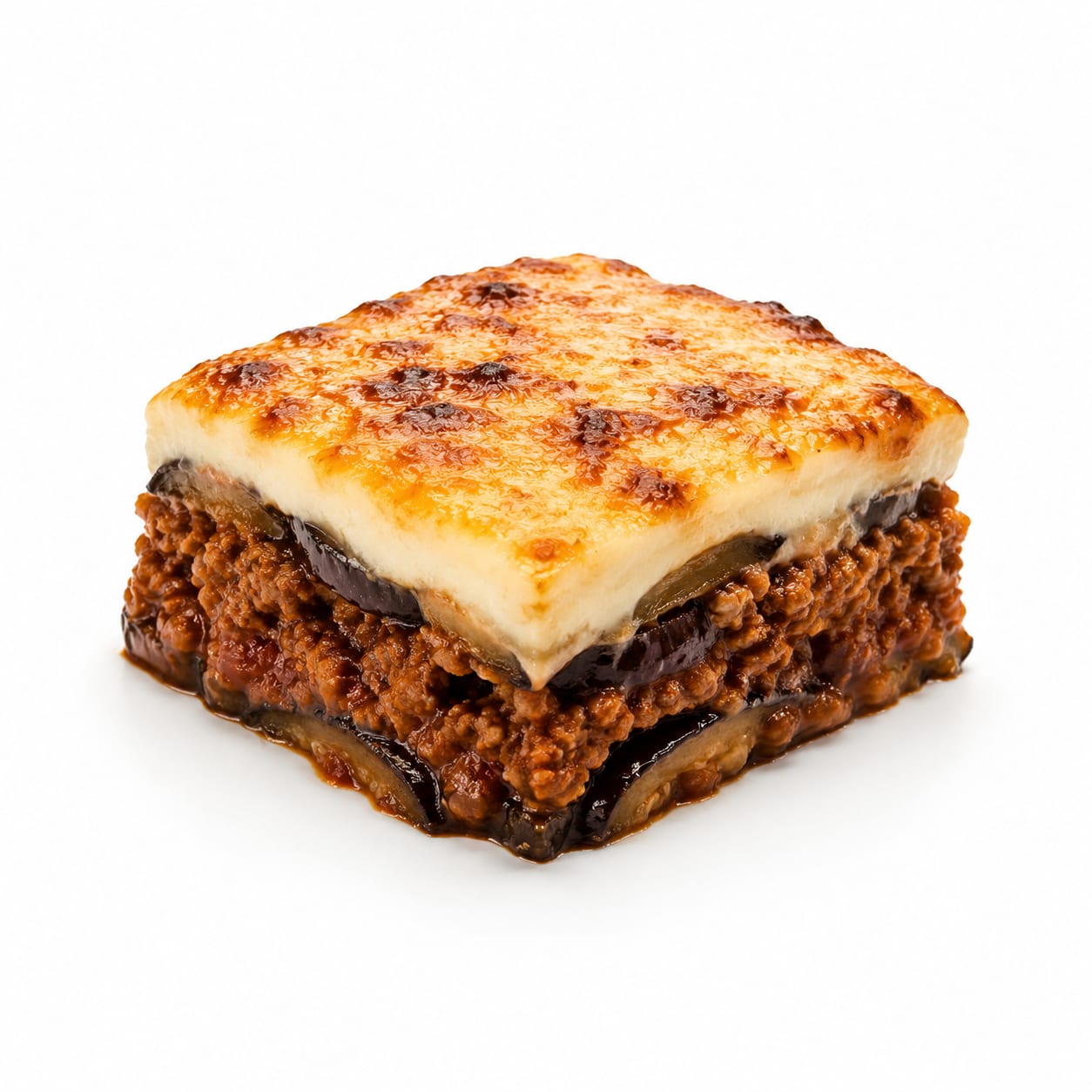
Moussaka
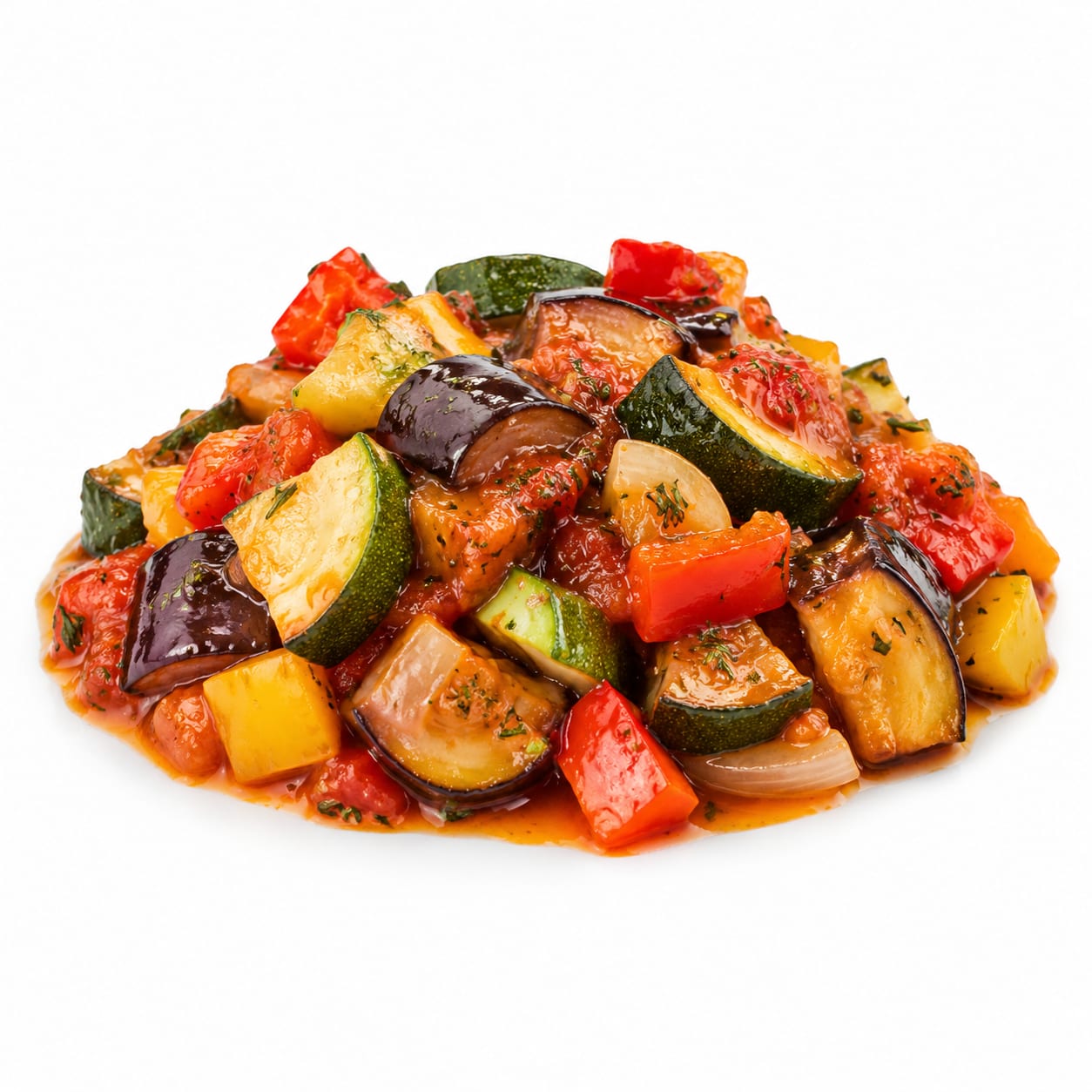
Ratatouille
Ratatouille wins for daily health and lightness; Moussaka wins for comfort, protein, and satisfaction when you want a hearty meal.
Ratatouille scores notably higher due to its low calorie density, heart-healthy profile, and daily usability. Moussaka is not unhealthy per se, but its saturated fat and calorie load make it better suited as an occasional dish rather than a regular choice.
Moussaka delivers rich comfort and protein but at a heavy calorie and saturated fat cost. Ratatouille is nutritionally cleaner but may leave you hungry sooner.
At a glance
Executive summary
Overall
It depends
Healthier
Ratatouille
More practical
Ratatouille
Daily use
Ratatouille
Key comparison lenses
calorie density and weight management
Moussaka is a heavy casserole with meat and béchamel; Ratatouille is a light vegetable stew — the calorie gap is massive
heart health and cardiovascular risk
Saturated fat from lamb and dairy in Moussaka versus the near-zero saturated fat in Ratatouille is a critical differentiator
satiety versus lightness tradeoff
Users often choose between feeling stuffed and satisfied versus keeping things light — this is the core emotional tension
plant-based versus omnivore eating patterns
Ratatouille naturally fits plant-forward diets while Moussaka centers on meat and dairy
everyday practicality and meal prep
Both require cooking time but Ratatouille reheats more flexibly and pairs with more meals
Best choice for
Moussaka
- Active people needing substantial calories and protein
- Those wanting a satisfying comfort meal on a cold evening
- Anyone craving rich, indulgent Mediterranean flavors occasionally
Ratatouille
- Weight-conscious eaters seeking volume with fewer calories
- Plant-based and vegetarian diets
- People managing cholesterol or heart conditions
Least suitable for
Moussaka
- Daily consumption due to high calorie and saturated fat load
- Anyone strictly managing cholesterol or heart disease
- Light lunch or warm-weather meals
Ratatouille
- Those needing high protein intake after training
- People who find vegetable-only meals unsatisfying
- Anyone seeking a calorie-dense meal for weight gain
Deep comparison
Dimension by dimension
Each lens scores both foods and breaks down who each option suits.
- Dimension 1 · Priority 92Ratatouille
calorie density and weight management
Moussaka · 30Ratatouille · 90A typical Moussaka portion packs 400-600 calories, while a similar volume of Ratatouille sits around 120-180 calories.
Tradeoff
Moussaka fills you up with dense calories; Ratatouille fills your plate with vegetables but may need a side to feel complete.
Why it matters
If you eat Moussaka regularly, the calories add up fast. Ratatouille lets you eat a large portion without second-guessing.
Real-world impact
Choosing Ratatouille most days makes weight maintenance almost effortless. Moussaka as a weekly habit could quietly add pounds.
Moussaka
- Bulking or gaining weight intentionally
- A single meal that keeps you full for hours
Better for
- Consistent calorie surplus if eaten frequently
- Feeling sluggish after a heavy midday meal
Worse for
Ratatouille
- Cutting calories without cutting portion size
- Eating a large, satisfying volume of food
Better for
- Needing a second course to feel full
- Under-eating if relying on it as a sole dish
Worse for
- Dimension 2 · Priority 88Ratatouille
heart health and fat profile
Moussaka · 35Ratatouille · 88Moussaka's lamb and béchamel deliver significant saturated fat and cholesterol. Ratatouille is virtually free of both.
Tradeoff
The creaminess that makes Moussaka indulgent is exactly what makes it tougher on your heart over time.
Why it matters
Saturated fat from lamb and butter raises LDL cholesterol. Ratatouille's olive oil base actually supports heart health.
Real-world impact
One Moussaka dinner won't hurt you, but making it routine could nudge your cholesterol numbers in the wrong direction.
Moussaka
- Occasional indulgence in a balanced diet
- Getting fat-soluble vitamins from dairy fat
Better for
- Raising LDL with frequent consumption
- Compounding risk for those already managing heart conditions
Worse for
Ratatouille
- Supporting healthy cholesterol long-term
- Anti-inflammatory monounsaturated fats from olive oil
Better for
- Minimal omega-3 content without added fish or nuts
Worse for
- Dimension 3 · Priority 78Moussaka
protein and muscle support
Moussaka · 82Ratatouille · 25Moussaka provides 20-30g of complete protein per serving from lamb and dairy. Ratatouille offers only 3-5g from vegetables.
Tradeoff
Moussaka is a real meal for muscle maintenance; Ratatouille is a side dish pretending to be a main unless you add protein.
Why it matters
If you are active, aging, or recovering, protein matters. Ratatouille alone will not meet those needs.
Real-world impact
After a workout or a long day, Moussaka actually rebuilds muscle. Ratatouille leaves you hunting for a protein snack within two hours.
Moussaka
- Post-workout recovery meals
- Older adults preserving muscle mass
- Anyone who struggles to hit protein targets
Better for
- Excess protein is not inherently better and comes with saturated fat baggage
Worse for
Ratatouille
- Light eating days when protein needs are already met elsewhere
Better for
- Inadequate as a standalone protein source
- Requires pairing with beans, eggs, or fish to become a balanced plate
Worse for
- Dimension 4 · Priority 75Ratatouille
fiber and digestive health
Moussaka · 50Ratatouille · 85Ratatouille delivers 6-9g of fiber per serving from diverse vegetables. Moussaka provides 3-5g, partially offset by eggplant.
Tradeoff
Both contain eggplant, but Ratatouille stacks multiple fiber sources while Moussaka's fiber gets diluted by meat and cream.
Why it matters
Fiber keeps digestion smooth, feeds gut bacteria, and stabilizes blood sugar. Ratatouille does this naturally.
Real-world impact
Ratatouille after a few days of heavy eating feels like hitting reset. Moussaka can feel heavy and slow to digest.
Moussaka
- Some fiber from eggplant and potato layers
Better for
- Heavy, slow digestion especially in large portions
- Dairy can trigger bloating in sensitive people
Worse for
Ratatouille
- Gut health and regularity
- Feeding beneficial gut bacteria with diverse plant fibers
Better for
- Rapid transit if eaten without adequate fat or protein alongside
Worse for
- Dimension 5 · Priority 70Ratatouille
micronutrient density
Moussaka · 52Ratatouille · 82Ratatouille overflows with vitamin C, potassium, and antioxidants from tomatoes, peppers, and zucchini. Moussaka offers B12 and iron from lamb but fewer vitamins overall.
Tradeoff
Moussaka provides nutrients vegetables cannot, but Ratatouille provides more total micronutrient breadth per calorie.
Why it matters
Per calorie eaten, Ratatouille is far more nutrient-dense. You get more vitamins for less dietary cost.
Real-world impact
Eating Ratatouille regularly improves your micronutrient intake without thinking about it. Moussaka covers some gaps but at a high calorie price.
Moussaka
- B12 and heme iron from lamb that plants cannot provide
- Calcium from béchamel if made with milk
Better for
- Micronutrient payoff is low relative to calories consumed
Worse for
Ratatouille
- Vitamin C, potassium, and lycopene in large amounts
- Antioxidant variety from multiple colored vegetables
Better for
- No B12 whatsoever
- Iron is non-heme and poorly absorbed without pairing strategies
Worse for
- Dimension 6 · Priority 68Ratatouille
versatility and meal integration
Moussaka · 40Ratatouille · 88Ratatouille works as a side, a main, a pasta sauce, a toast topping, or a filling. Moussaka is a standalone casserole that demands the spotlight.
Tradeoff
Moussaka is a complete meal in one pan but does not play well with others. Ratatouille adapts to almost any plate.
Why it matters
Leftover Ratatouille has a second life. Leftover Moussaka is just moussaka again.
Real-world impact
A batch of Ratatouille on Sunday can flavor meals through Wednesday. Moussaka is a one-and-done dinner.
Moussaka
- A complete one-dish meal with no sides needed
Better for
- Hard to repurpose or reinvent
- Heavy as a side dish alongside anything else
Worse for
Ratatouille
- Serving alongside fish, chicken, eggs, or grains
- Repurposing leftovers into new meals
- Working as a condiment, side, or main depending on appetite
Better for
- Needs thoughtful pairing to become a complete meal
Worse for
Timeline
Health impact over time
Short-term
Hours to days
Moussaka
- Strong satiety and fullness after eating
- Possible sluggishness or food coma from high fat and calorie load
- Warming and emotionally comforting on cold days
Ratatouille
- Light and energizing after eating
- May feel hungry again within two hours if eaten alone
- Digestive comfort and easy on the stomach
Long-term
Months to years
Moussaka
- Frequent consumption may raise LDL cholesterol and cardiovascular risk
- Contributes to calorie surplus and gradual weight gain if eaten regularly
- Occasional enjoyment poses minimal risk in an otherwise balanced diet
Ratatouille
- Supports cardiovascular health and healthy cholesterol levels
- Promotes gut health through diverse fiber intake
- Helps maintain healthy weight with minimal conscious effort
Risk profile
Safety & processing
Both dishes are made from whole-food ingredients. Moussaka is more processed in the culinary sense due to the béchamel sauce and layered assembly, but neither relies on artificial additives. Traditional recipes for both are clean and recognizable.
Moussaka
Ground meat contamination
mediumLamb or beef in Moussaka must be cooked thoroughly. Ground meat carries higher foodborne illness risk than whole cuts due to increased surface area.
Dairy spoilage
lowBéchamel made with milk and cheese can spoil if left at room temperature. Refrigerate leftovers promptly.
Ratatouille
Pesticide residue on vegetables
lowEggplant, peppers, and zucchini can carry pesticide residues. Washing thoroughly or choosing organic reduces exposure.
Nightshade sensitivity
lowRatatouille is heavy in nightshades — tomatoes, peppers, eggplant — which can trigger joint pain or inflammation in sensitive individuals.
Who wins for whom
Audience fit
Same foods, different winners depending on your goal.
children
It dependsMoussaka provides protein and calories growing kids need, but Ratatouille introduces more vegetable variety. Best to rotate both.
daily consumption
RatatouilleRatatouille is light enough to eat daily without health compromises. Moussaka is better reserved for once a week or less.
diabetes
RatatouilleRatatouille's low glycemic load and high fiber stabilize blood sugar. Moussaka's potato layers and béchamel flour can spike glucose more.
elderly
RatatouilleRatatouille is easier to digest, lower in saturated fat, and supports heart health — all priorities for older adults.
muscle gain
MoussakaMoussaka delivers substantial complete protein from lamb and dairy, which is essential for muscle repair and growth.
weight loss
RatatouilleRatatouille provides large portions with minimal calories, making it the easiest path to a calorie deficit without feeling deprived.
Your move
Decision guide
Choose Moussaka
- You want a hearty, satisfying dinner that feels like a real occasion
- You are active and need substantial protein and calories
- It is a cold evening and you crave something rich and comforting
- You are cooking for a crowd and want an impressive one-dish meal
Choose Ratatouille
- You want to eat well without weighing yourself down
- You are managing your weight, cholesterol, or blood sugar
- You need a versatile dish that works across multiple meals
- You prefer plant-forward eating or are cooking for vegetarians
Either works if
- You are eating a balanced Mediterranean-style diet with variety
- You want something Mediterranean and are flexible on heaviness
- You are comfortable adjusting the rest of your day around the choice
Avoid both if
- You have a severe eggplant allergy — both dishes center on it
- You need a quick 15-minute meal — neither is fast to prepare
Final recommendation
Make Ratatouille your everyday vegetable champion and save Moussaka for when you want a rich, satisfying indulgence. If you love Moussaka but want it more often, try a lighter version with less béchamel and leaner ground meat — you will keep the comfort while cutting the health cost significantly.
Practical
Consumer tips
- 1
Lighten Moussaka by using lean ground turkey or lentils instead of lamb and reducing béchamel thickness
- 2
Boost Ratatouille's protein by serving it over quinoa, with a poached egg, or alongside grilled fish
- 3
Both dishes freeze well — make large batches and portion for future meals
- 4
If nightshades bother you, substitute zucchini for eggplant in Ratatouille and use potato-free Moussaka recipes
- 5
Use high-quality olive oil in Ratatouille — it is the primary fat source, so make it count
- 6
For Moussaka, Greek yogurt can replace part of the béchamel for a lighter topping with more protein