
Nutrition comparison
Moussaka vs Eggplant Parmesan: Which Comfort Food Is Healthier?
Compare Moussaka and Eggplant Parmesan on protein, calories, saturated fat, sodium, and blood sugar impact. Find out which indulgent casserole is the smarter choice for your health goals.
Overall winner · Moussaka
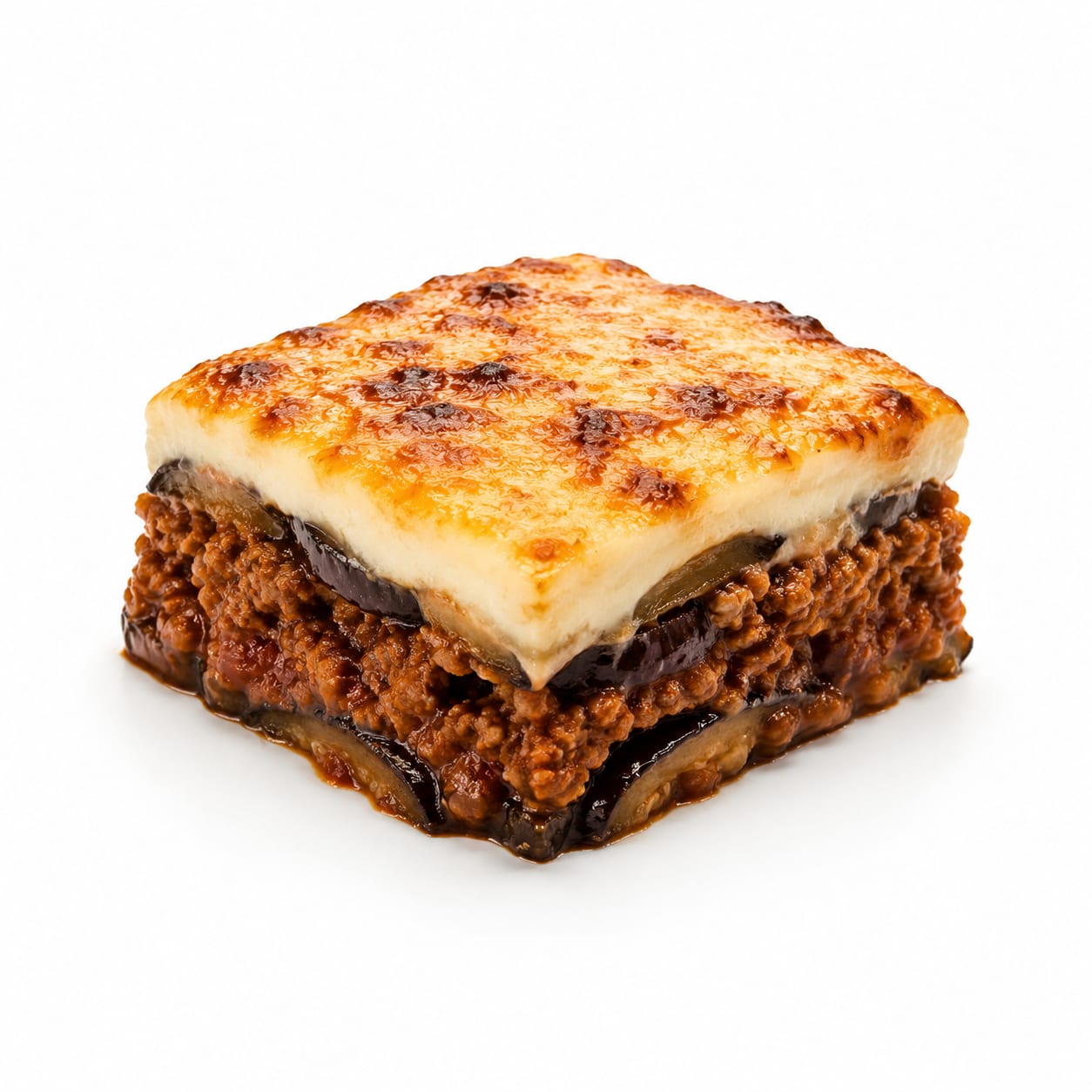
Moussaka
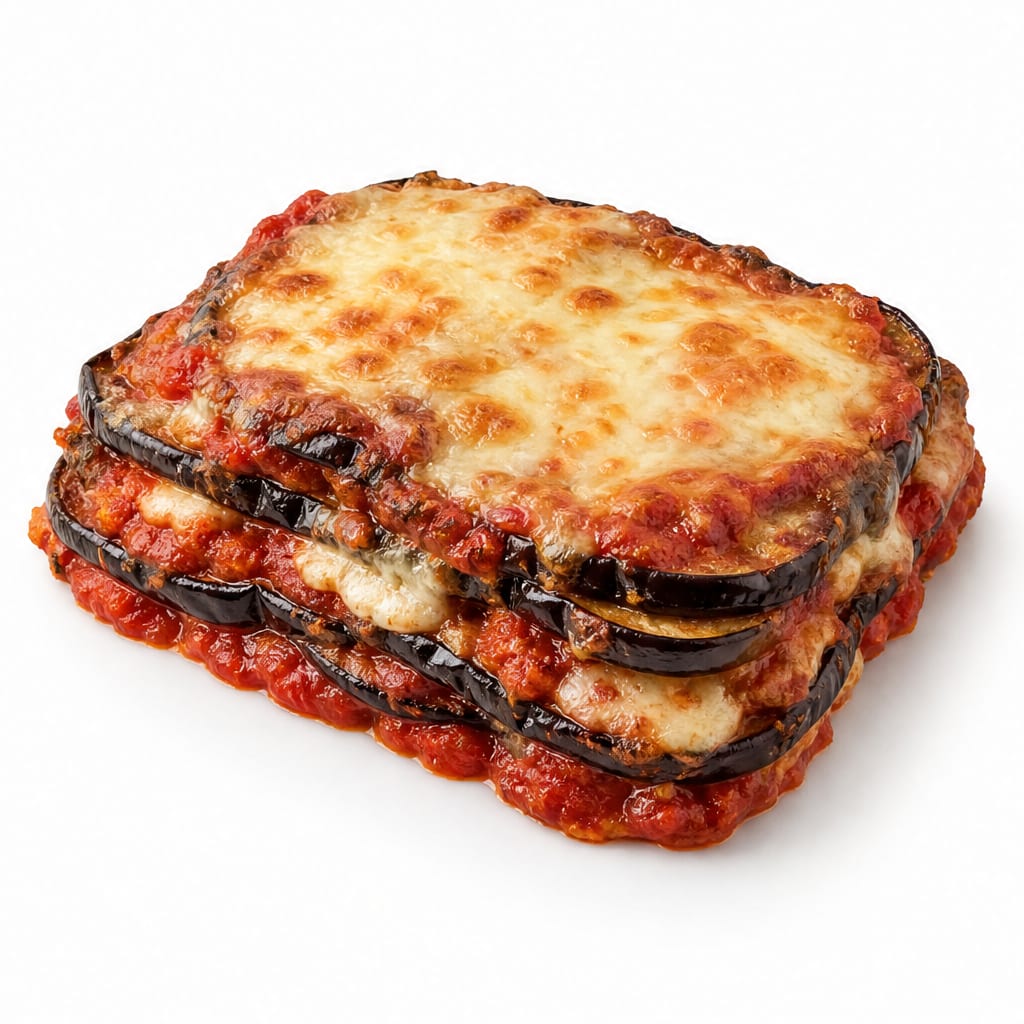
Eggplant Parmesan
Moussaka edges out Eggplant Parmesan thanks to higher protein from meat and less refined carbohydrate, but both are indulgent comfort foods best enjoyed moderately.
Moussaka scores moderately higher due to superior protein content and absence of fried breading, but neither dish scores well overall because both are calorie-dense comfort foods with high saturated fat loads that limit regular consumption.
Moussaka delivers more protein and steadier energy but carries heavy saturated fat from lamb and béchamel, while Eggplant Parmesan avoids red meat but loads up on fried breading and cheese sodium.
At a glance
Executive summary
Overall
Moussaka
Healthier
Moussaka
More practical
It depends
Daily use
neither
Key comparison lenses
comfort food calorie tradeoffs
Both are heavy, indulgent casseroles where calorie density and satiety per calorie matter most
protein and satiety comparison
Moussaka contains meat while Eggplant Parmesan is cheese-reliant, creating a meaningful protein quality gap
saturated fat sources and heart health
Lamb and béchamel in Moussaka versus fried breading and mozzarella in Eggplant Parmesan represent different fat risk profiles
carbohydrate load and blood sugar
Breading on Eggplant Parmesan adds refined carbs that Moussaka largely avoids
sodium and blood pressure impact
Cheese-heavy Eggplant Parmesan typically packs more sodium than spice-driven Moussaka
Best choice for
Moussaka
- Higher protein needs after physical activity
- Those wanting longer-lasting fullness from a single meal
- People avoiding fried foods and breading
- Mediterranean diet followers
Eggplant Parmesan
- Vegetarians seeking a hearty main dish
- Those who prefer milder, tomato-forward flavors
- People avoiding red meat entirely
- Italian cuisine enthusiasts
Least suitable for
Moussaka
- Vegetarians and vegans
- Those watching saturated fat closely due to heart conditions
- People avoiding dairy since béchamel contains milk and butter
- Anyone seeking a light meal
Eggplant Parmesan
- Those monitoring sodium for blood pressure
- People avoiding fried foods or refined carbohydrates
- Anyone needing substantial protein per meal
- Those sensitive to high-fat cheese dishes
Deep comparison
Dimension by dimension
Each lens scores both foods and breaks down who each option suits.
- Dimension 1 · Priority 90Moussaka
protein quality and quantity
Moussaka · 72Eggplant Parmesan · 38Moussaka provides significantly more complete protein from lamb or beef, while Eggplant Parmesan relies on cheese as its primary protein source.
Tradeoff
Moussaka's animal protein comes with more saturated fat, whereas Eggplant Parmesan offers less protein overall but from a dairy source some find easier to digest.
Why it matters
Protein drives fullness and muscle maintenance. A Moussaka portion can deliver 25-35g of protein versus 12-18g in Eggplant Parmesan, making a real difference in how long you stay satisfied.
Real-world impact
After Moussaka, you are less likely to snack within three hours. After Eggplant Parmesan, the lower protein and higher refined carbs may trigger hunger sooner.
Moussaka
- Athletes needing post-workout recovery protein
- Older adults preserving muscle mass
- Anyone who skips snacks between meals
Better for
- Vegetarians who cannot consume lamb or beef
- People limiting red meat for cardiovascular reasons
Worse for
Eggplant Parmesan
- Those who prefer plant-forward eating patterns
- People who find heavy meat dishes difficult to digest at night
Better for
- Anyone relying on this meal as a primary protein source
- Active individuals needing sustained muscle support
Worse for
- Dimension 2 · Priority 87It depends
saturated fat and heart health
Moussaka · 35Eggplant Parmesan · 38Both dishes are high in saturated fat, but from different sources. Moussaka loads fat from lamb and butter-based béchamel, while Eggplant Parmesan packs it from fried oil and cheese.
Tradeoff
Lamb fat in Moussaka carries more cholesterol concern, but Eggplant Parmesan's fried breading absorbs additional oil that adds hidden calories and inflammatory compounds.
Why it matters
Frequent saturated fat intake from either dish raises cardiovascular risk over time. Neither is heart-friendly, but the specific risk profile differs.
Real-world impact
Eating either dish weekly is manageable for most healthy people. Eating either multiple times per week could meaningfully impact cholesterol numbers within months.
Moussaka
- Those who already avoid fried foods
- People whose primary saturated fat concern is cheese rather than meat
Better for
- Anyone with diagnosed high cholesterol managing saturated fat intake
- People with family history of heart disease
Worse for
Eggplant Parmesan
- People who use part-skim mozzarella to reduce fat
- Those who bake instead of fry the eggplant slices
Better for
- Those sensitive to fried food triggering acid reflux or indigestion
- People managing both sodium and fat simultaneously
Worse for
- Dimension 3 · Priority 80Moussaka
carbohydrate quality and blood sugar
Moussaka · 62Eggplant Parmesan · 40Moussaka uses minimal breading and relies on eggplant and meat layers, while Eggplant Parmesan's breaded coating adds significant refined carbohydrates.
Tradeoff
Moussaka's béchamel contains some flour as a thickener, but the total refined carb load remains far lower than the full breading on Eggplant Parmesan.
Why it matters
Refined carbs from breading cause faster blood sugar spikes followed by crashes, leaving you tired and hungry again sooner. Moussaka's lower carb profile supports steadier energy.
Real-world impact
After Eggplant Parmesan, you may notice an afternoon energy dip within two hours. Moussaka is more likely to sustain energy without a crash.
Moussaka
- People with insulin resistance or prediabetes
- Those following lower-carb eating patterns
- Anyone sensitive to blood sugar swings
Better for
- People strictly counting calories since béchamel adds hidden flour calories
Worse for
Eggplant Parmesan
- Endurance athletes who actually need carbohydrate fuel before activity
- Those who tolerate carbs well and prioritize taste over metabolic optimization
Better for
- Diabetics managing carbohydrate intake carefully
- Those on keto or very low-carb diets
Worse for
- Dimension 4 · Priority 75Moussaka
sodium load
Moussaka · 52Eggplant Parmesan · 35Eggplant Parmesan typically contains substantially more sodium from breaded coating, parmesan cheese, and seasoned tomato sauce compared to Moussaka's spice-driven seasoning.
Tradeoff
Moussaka can still be moderately high in sodium from cheese in béchamel and added salt, but Eggplant Parmesan's double cheese layer and breading salt push sodium significantly higher.
Why it matters
A single Eggplant Parmesan serving can deliver 800-1200mg of sodium, approaching half the daily recommended limit. Moussaka typically ranges 500-800mg per serving.
Real-world impact
If you have blood pressure concerns, Eggplant Parmesan is more likely to cause noticeable bloating and thirst that evening. Moussaka is gentler but still not low-sodium.
Moussaka
- People managing hypertension
- Those who experience bloating from high-sodium meals
- Anyone tracking sodium for kidney health
Better for
- People on strict low-sodium diets who still need to monitor even moderate amounts
Worse for
Eggplant Parmesan
- Those who salt their own breading and control portions carefully
Better for
- Anyone with salt-sensitive blood pressure
- People prone to fluid retention after restaurant meals
Worse for
- Dimension 5 · Priority 85Moussaka
calorie density and weight management
Moussaka · 45Eggplant Parmesan · 35Both are calorie-dense comfort foods, but Eggplant Parmesan's fried breading absorbs extra oil that pushes calories higher per serving than Moussaka.
Tradeoff
Moussaka's calories come primarily from lamb fat and béchamel, which at least contribute protein and some satiety. Eggplant Parmesan's fried coating adds calories with minimal nutritional return.
Why it matters
Oil absorbed during frying can add 150-250 hidden calories per serving of Eggplant Parmesan that do not increase fullness proportionally.
Real-world impact
A typical restaurant Moussaka runs 500-700 calories per serving. Eggplant Parmesan often hits 600-900 calories, making portion control more critical.
Moussaka
- Those counting calories who want more satiety per calorie
- People who find protein-rich meals naturally limit their portions
Better for
- Those who assume Moussaka is automatically healthy because it contains vegetables
Worse for
Eggplant Parmesan
- Anyone who bakes the eggplant instead of frying to significantly reduce calories
Better for
- Anyone trying to lose weight while eating out at Italian restaurants regularly
Worse for
- Dimension 6 · Priority 68It depends
digestive comfort
Moussaka · 45Eggplant Parmesan · 42Both dishes are heavy and can challenge digestion, but for different reasons. Moussaka's lamb fat slows gastric emptying, while Eggplant Parmesan's fried coating and cheese can trigger reflux.
Tradeoff
Moussaka may feel heavy in the stomach longer due to dense meat fat, whereas Eggplant Parmesan is more likely to cause acid reflux from fried food and tomato sauce acidity.
Why it matters
If you eat either dish for dinner, sleep quality can suffer. Moussaka may cause prolonged fullness, while Eggplant Parmesan may cause heartburn when lying down.
Real-world impact
For late dinners, Moussaka might keep you feeling stuffed but settled. Eggplant Parmesan is more likely to have you reaching for antacids before bed.
Moussaka
- People prone to acid reflux who tolerate rich but non-acidic foods
- Those who eat dinner early enough to digest before sleeping
Better for
- Anyone with delayed gastric emptying or gastroparesis
- People who feel uncomfortably full for hours after heavy meat dishes
Worse for
Eggplant Parmesan
- People who find red meat sits too heavily and causes sluggishness
- Those who tolerate tomato-based dishes without reflux symptoms
Better for
- Those with GERD or frequent heartburn
- People sensitive to acidic tomato sauces at night
Worse for
Timeline
Health impact over time
Short-term
Hours to days
Moussaka
- Strong satiety lasting 4-5 hours due to protein and fat content
- Possible sluggishness from heavy lamb fat digesting slowly
- Moderate sodium intake unlikely to cause noticeable bloating in most people
Eggplant Parmesan
- Blood sugar spike within 30-60 minutes from breaded coating followed by energy dip
- Higher likelihood of acid reflux or heartburn within 2 hours of eating
- Noticeable thirst and bloating from high sodium in cheese and breading
Long-term
Months to years
Moussaka
- Regular consumption may elevate LDL cholesterol from lamb and butter fat
- Protein content supports muscle maintenance in aging adults if eaten moderately
- Mediterranean spice profile including cinnamon and oregano offers mild anti-inflammatory benefits
Eggplant Parmesan
- Frequent fried food intake increases inflammatory markers over time
- High repeated sodium exposure raises blood pressure risk significantly
- Lycopene from tomato sauce provides antioxidant benefits if eaten regularly
- Refined carbohydrate from breading contributes to insulin resistance with frequent consumption
Risk profile
Safety & processing
Both dishes are homemade-style preparations using whole food ingredients. Moussaka uses eggplant, ground meat, tomatoes, and a simple béchamel of butter, flour, and milk. Eggplant Parmesan uses eggplant, breading, tomato sauce, and cheese. Neither typically requires artificial preservatives when made from scratch, though restaurant versions may include more processed components.
Moussaka
Undercooked ground meat
mediumLamb or beef in Moussaka must reach safe internal temperature. Home preparation sometimes undercooks the meat layer beneath the eggplant and sauce.
Dairy spoilage in béchamel
lowBéchamel made with milk and butter can spoil if Moussaka is left at room temperature too long before serving or reheating.
Eggplant Parmesan
Oil degradation from frying
mediumFrying eggplant at high temperatures can produce oxidized oils and acrylamide, especially if oil is reused or overheated.
Cheese storage and listeria risk
lowSoft mozzarella used in Eggplant Parmesan can harbor listeria if not stored properly, though cooking reduces this risk significantly.
Who wins for whom
Audience fit
Same foods, different winners depending on your goal.
children
Eggplant ParmesanEggplant Parmesan's milder cheese-and-tomato flavor profile appeals more to most children, and the familiar breading texture is less intimidating than Moussaka's complex spice layers.
daily consumption
It dependsNeither dish is suitable for daily consumption due to high saturated fat and calorie density. If forced to choose, Moussaka's better protein profile makes it slightly more defensible as an occasional regular meal.
diabetes
MoussakaMoussaka has fewer refined carbohydrates and a lower glycemic impact since it lacks breaded coating, resulting in steadier blood sugar response.
elderly
MoussakaMoussaka's higher protein content helps counteract age-related muscle loss, and its softer texture when properly cooked is easy to chew for those with dental concerns.
muscle gain
MoussakaMoussaka's lamb or beef delivers substantially more complete protein with all essential amino acids needed for muscle repair and growth.
weight loss
MoussakaMoussaka provides more protein and satiety per calorie, making portion control easier and reducing the likelihood of post-meal snacking.
Your move
Decision guide
Choose Moussaka
- You want a meal that keeps you full for hours without snacking afterward
- You are prioritizing protein intake for muscle maintenance or recovery
- You prefer complex, aromatic spices over straightforward cheese and tomato flavors
- You want to avoid fried foods and refined breading
- You are following a Mediterranean-style eating pattern
Choose Eggplant Parmesan
- You are vegetarian and want a satisfying main course without meat
- You are cooking for children who prefer familiar Italian-American flavors
- You plan to bake the eggplant instead of frying for a lighter version
- You love cheese-forward dishes and find them more emotionally satisfying
- You want a dish that pairs naturally with a simple side salad for balance
Either works if
- You are celebrating a special occasion and want indulgent comfort food
- You are comfortable with a heavy meal and plan to eat lightly the rest of the day
- You are eating at a restaurant where both options are available and freshly prepared
Avoid both if
- You are managing active heart disease and need to strictly limit saturated fat
- You are on a calorie-restricted diet and cannot afford a 600+ calorie single dish
- You have severe acid reflux triggered by heavy, rich meals
- You need a quick, light meal and have time constraints
Final recommendation
Choose Moussaka when protein and sustained energy matter most. Choose Eggplant Parmesan when you want vegetarian comfort or are cooking for kids. For either dish, watch your portion size and pair with a large side salad to add volume and fiber without many calories. Neither belongs on your plate more than once per week, but both can be part of a balanced diet when enjoyed mindfully.
Practical
Consumer tips
- 1
Ask restaurants to prepare Eggplant Parmesan baked instead of fried to cut 150-250 calories and reduce inflammatory oil compounds
- 2
Make Moussaka with ground turkey or chicken instead of lamb to reduce saturated fat by roughly 40% while keeping protein high
- 3
Use part-skim mozzarella and less breading on Eggplant Parmesan to lower both calories and sodium meaningfully
- 4
Pair either dish with a large arugula or mixed green salad dressed with lemon and olive oil to add fiber and slow digestion
- 5
Refrigerate and skim congealed fat from Moussaka leftovers before reheating to reduce saturated fat content noticeably
- 6
If making Eggplant Parmesan at home, salt the eggplant slices and let them drain for 30 minutes before cooking to reduce oil absorption during frying
- 7
Consider using a thin layer of béchamel in Moussaka rather than a thick topping to cut calories while maintaining the traditional flavor profile
- 8
Both dishes freeze well, so make large batches and freeze individual portions to avoid the temptation of ordering less healthy takeout