
Soup/Stew
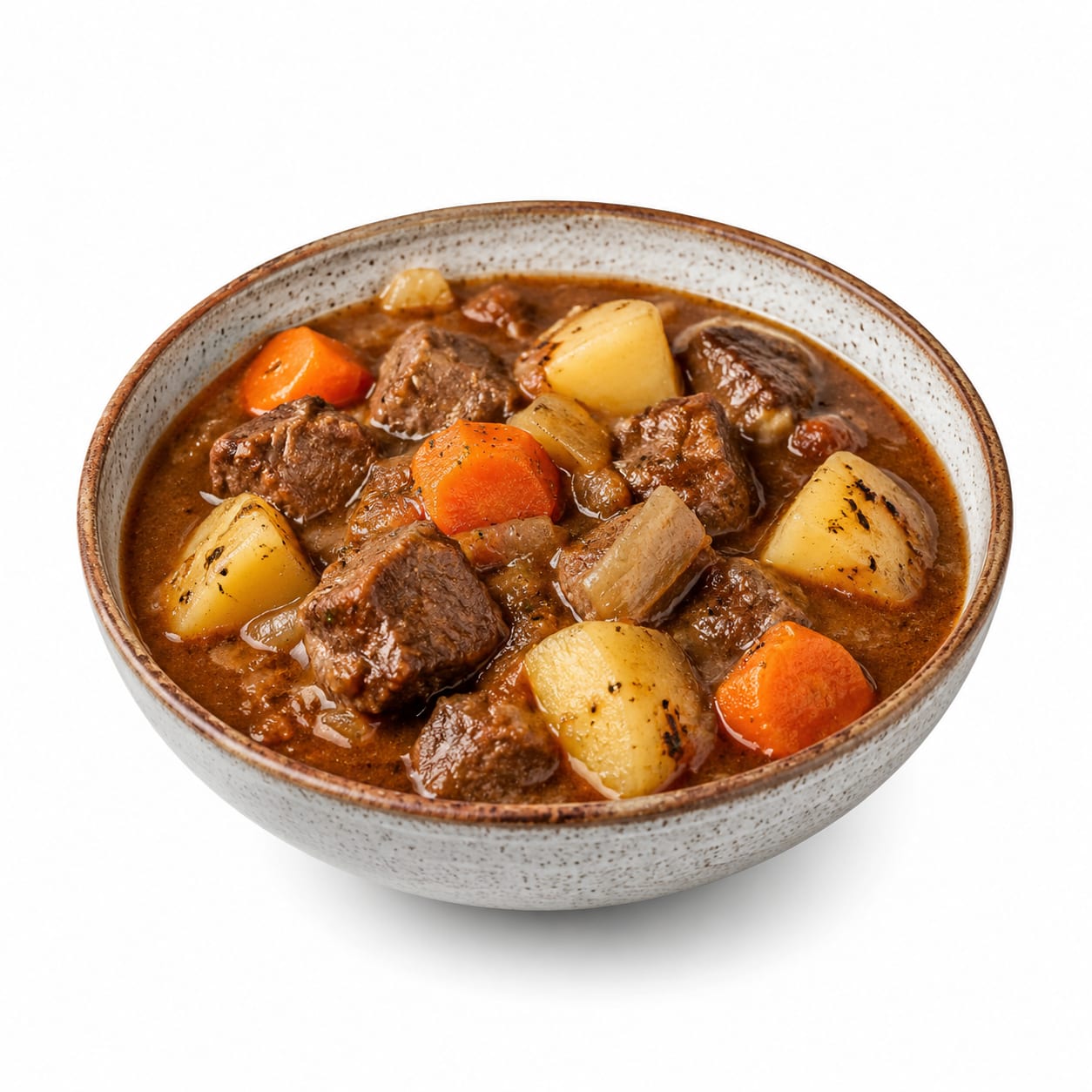
Irish Stew
A traditional slow-cooked stew featuring lamb, potatoes, and root vegetables, providing a high-protein and satiating meal.
A traditional hearty stew made with lamb or mutton, potatoes, onions, and carrots, slow-cooked to tender perfection.
protein and root vegetable stew
Typical serving · 300g
Common varieties · traditional lamb, modern beef, mutton, vegetarian, barley-added
Overall context score across nutrition, safety, and diet fit
At a glance
Quick facts
Simple indicators based on nutrition, processing, and diet fit.
The story
What makes it unique
Irish stew provides a macronutrient profile rich in complete protein and saturated fat from lamb, alongside complex carbohydrates and soluble fiber from root vegetables. The slow cooking process gelatinizes collagen into amino acids like glycine, while the fat and protein matrix significantly slows the digestion of potato starches, resulting in a moderate glycemic response and prolonged satiety.
Varieties: traditional lamb · modern beef · mutton · vegetarian · barley-added
Per 100g
Nutrition breakdown
Macro balance and key metrics at a glance.
Energy
Density 1.10 kcal/g
Protein
Carbs
Fat
Fiber
Sugar
1.5 g
Sodium
350 mg
Potassium
310 mg
Glycemic index
45
Glycemic load
3
Water content
78%
Standout compounds
Nutrient highlights
Protein
highmuscle repair and satiety
Zinc
highimmune function and wound healing
Vitamin B12
highnerve health and red blood cell formation
Potassium
moderateblood pressure regulation and fluid balance
Wellness map
Health scores & processing
NOVA processing scale
minimally processed · Whole food
Traditional homemade Irish stew consists entirely of unprocessed whole foods like meat, roots, and vegetables, requiring only cutting and slow cooking.
Diet compatibility
- Weight loss
- Muscle gain
- Diabetes
- Gut health
- Low carb
- High protein
- Heart health
Relative standing
Food rankings
Qualitative ranks compared to similar whole foods.
- Satietyexcellent
- Blood sugargood
- Nutrient densitygood
- Fitness fuelgood
- Processing qualityexcellent
Eat with confidence
Food safety profile
Irish stew is generally safe when cooked properly. The primary concerns are handling raw lamb to avoid bacterial cross-contamination and the moderate risk of antibiotic residues in conventionally raised meat.
Evidence confidence 85%
- Pesticideslow
- Antibioticsmoderate
- Heavy metalslow
- Contaminationlow
Watch for
- pathogenic bacteria from raw lamb
- antibiotic residues in conventional lamb
Safer choices
Grass-fed or organic lamb reduces the risk of antibiotic exposure and may offer a better omega-3 profile.
Prep tips
Do not wash raw lamb to prevent splashing bacteria; ensure the stew reaches a sustained internal temperature above 165°F (74°C) to kill pathogens.
Standard meat inspection and handling protocols apply; antibiotic use in livestock remains a broader industry concern.
Deep dive
Health analysis
How this food may fit different goals and preparation choices.
Weight loss
High protein and liquid volume promote fullness, but calorie density varies with lamb fat; lean cuts are necessary for weight loss.
Blood sugar
Protein and fat slow the digestion of potatoes, resulting in a moderate glycemic response rather than a sharp spike.
Fitness & energy
Provides a solid dose of complete protein and complex carbs for muscle recovery and glycogen replenishment.
Gut health
Contains soluble fiber from root vegetables and collagen from slow-cooked bones which support the gut lining and microbiome.
Processing quality
Typically made from whole, unprocessed ingredients, making it a high-quality, nutrient-dense homemade meal.
Food safety
Lamb carries a moderate risk of antibiotic residues if conventionally raised; choosing grass-fed reduces this and improves fat quality.
Common mistakes
Using excessively fatty cuts of lamb increases calorie density without adding proportional nutrients or protein.
Best preparation
Trim visible fat from lamb before browning and use a homemade low-sodium stock to control salt levels while maximizing flavor.
Practical guide
Best use cases
When and how this food fits real eating patterns.
post-workout recovery
Provides a balanced mix of complete protein for muscle repair and complex carbohydrates to replenish glycogen stores.
cold weather comfort food
The hot broth and rich meat provide warming satiety during winter months without relying on ultra-processed ingredients.
high-volume eating
The high water and fiber content from the broth and root vegetables creates physical fullness per calorie.
Balance sheet
Pros & cons
Upsides
- Rich in high-quality complete protein
- Highly satiating due to liquid and fiber content
- Made from whole, unprocessed ingredients
- Provides bioavailable iron and B12 from lamb
- Collagen from slow-cooked bones supports joint health
Trade-offs
- Can be high in saturated fat if fatty lamb cuts are used
- Not suitable for low-carb or keto diets due to potatoes
- Sodium content can be high if commercial stock is used
- Calorie density varies significantly based on preparation
Fit check
Who is it for?
Great match
- post-workout recovery
- high-volume eating
- cold-weather nutrition
- muscle maintenance in older adults
Consider alternatives
- strict ketogenic diets
- low-sodium diets
- plant-based diets
- calorie restriction with fatty cuts
Side by side
How it compares
Open the full head-to-head analysis for nutrition, safety, and practical tradeoffs.
This food
Irish Stew
VS90% alike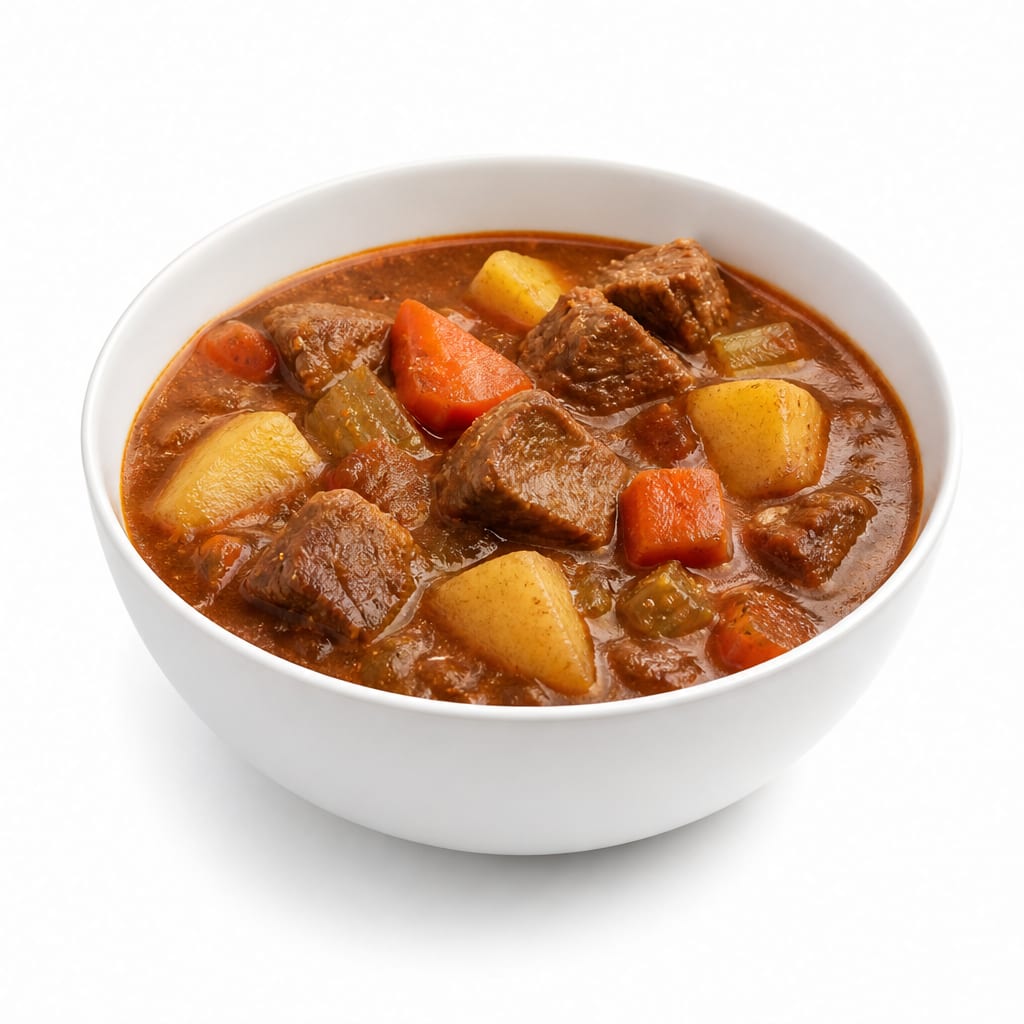
Compare with
Beef Stew
Beef stew and Irish stew are nutritionally similar, but lean beef stew often edges out traditional lamb stew for weight loss due to lower saturated fat.
Beef stew and Irish stew are nutritionally similar, but lean beef stew often edges out traditional lamb stew for weight loss due to lower saturated fat.
This food
Irish Stew
VS85% alike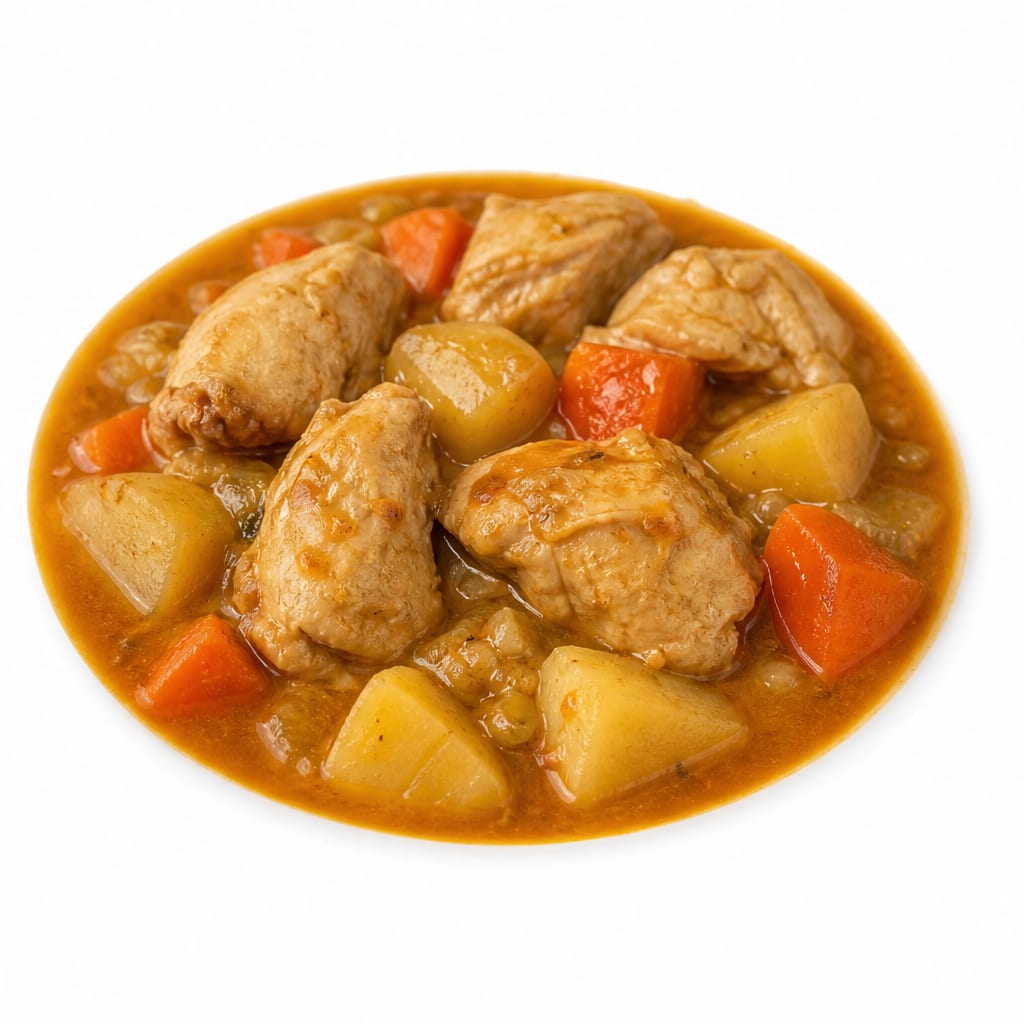
Compare with
Chicken Stew
Chicken stew is lower in calories and saturated fat, making it better for weight loss, while Irish stew provides more iron and zinc.
Chicken stew is lower in calories and saturated fat, making it better for weight loss, while Irish stew provides more iron and zinc.
This food
Irish Stew
VS80% alike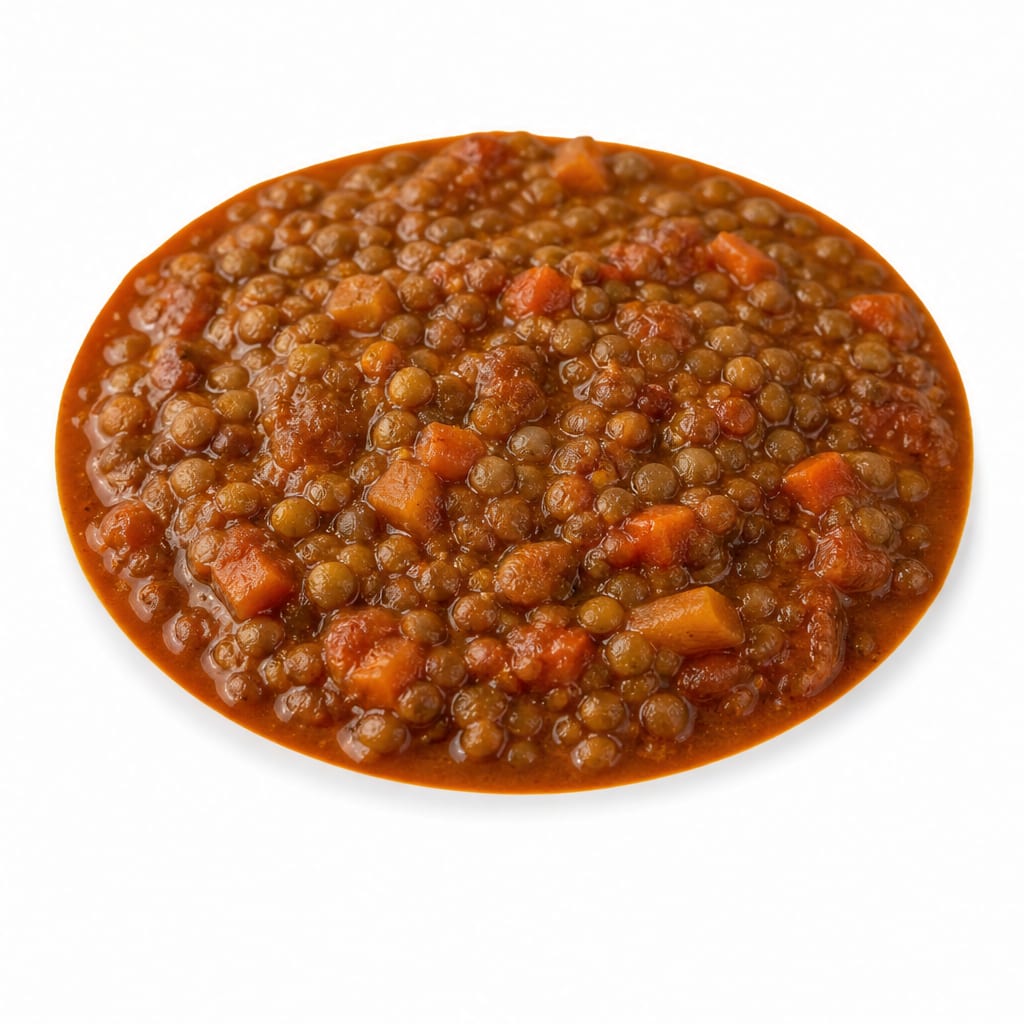
Compare with
Lentil Stew
Lentil stew wins for fiber and blood sugar control, but Irish stew is superior for high-quality protein and vitamin B12 intake.
Lentil stew wins for fiber and blood sugar control, but Irish stew is superior for high-quality protein and vitamin B12 intake.
This food
Irish Stew
VS85% alike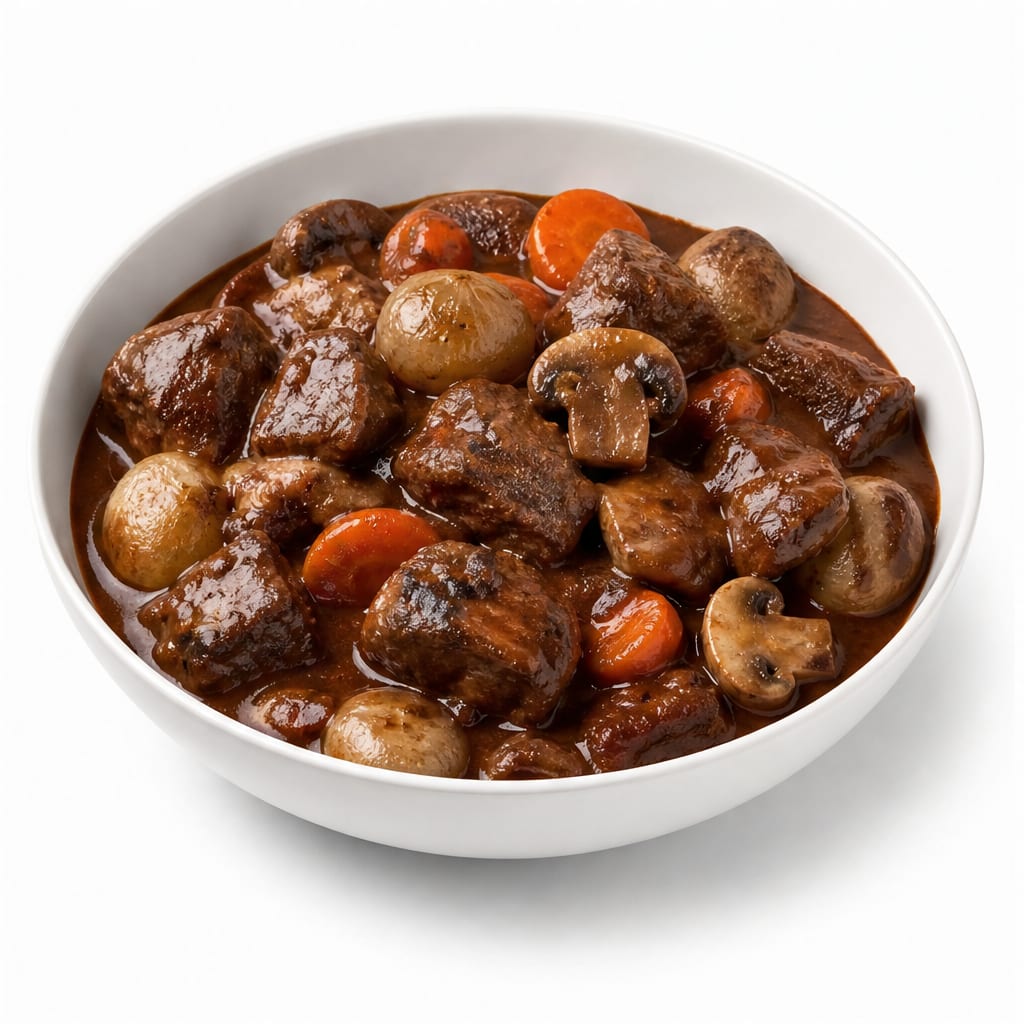
Compare with
Beef Bourguignon
Irish stew is generally leaner and lower in calories than the wine-heavy and bacon-laced beef bourguignon.
Irish stew is generally leaner and lower in calories than the wine-heavy and bacon-laced beef bourguignon.
This food
Irish Stew
VS70% alike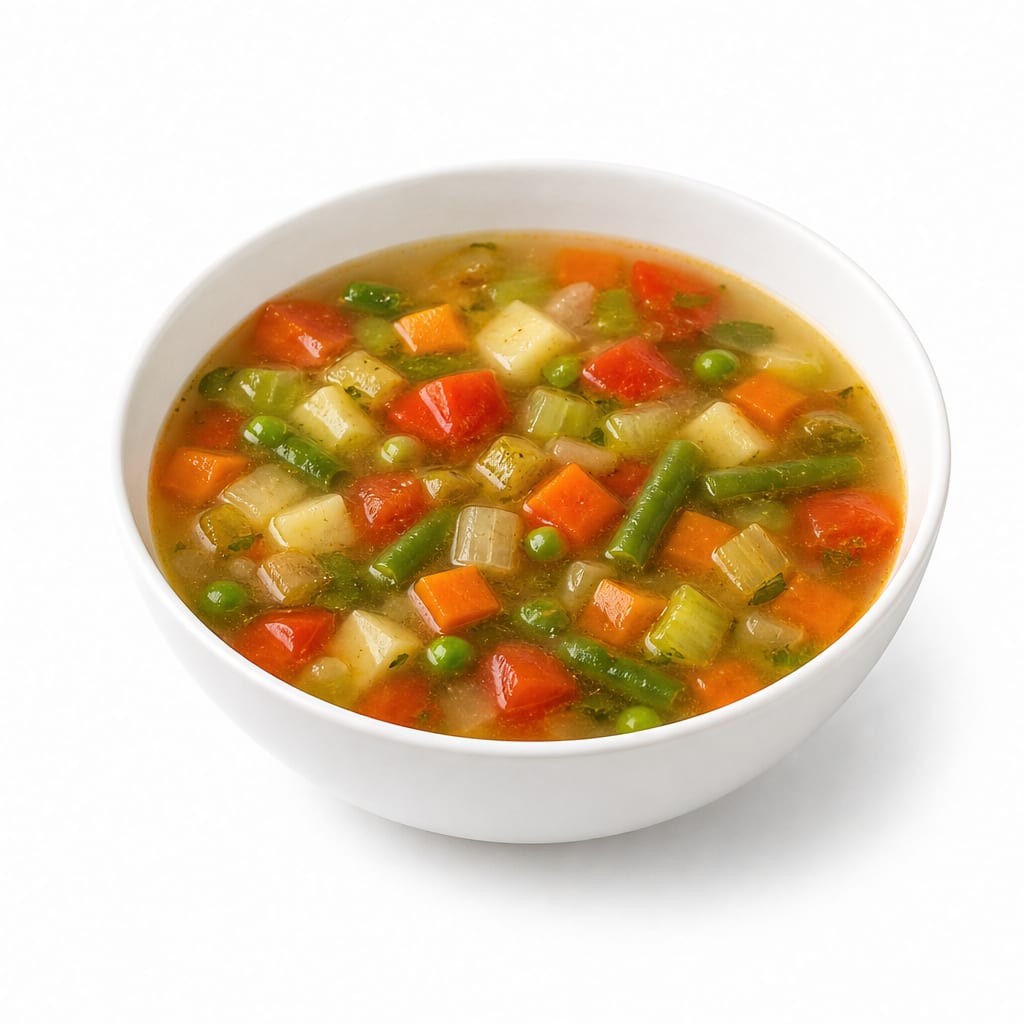
Compare with
Vegetable Soup
Vegetable soup is a low-calorie starter, while Irish stew serves as a high-protein, satiating main course.
Vegetable soup is a low-calorie starter, while Irish stew serves as a high-protein, satiating main course.
This food
Irish Stew
VS88% alike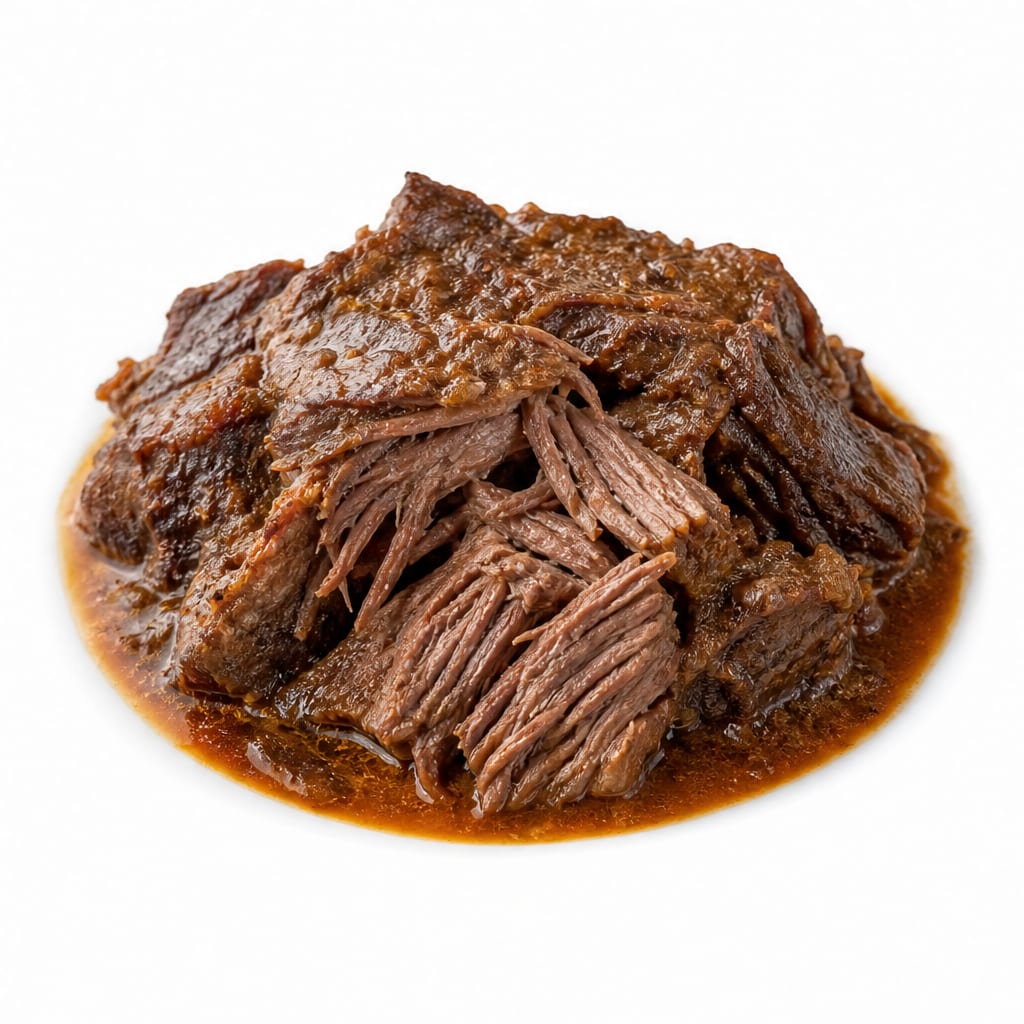
Compare with
Pot Roast
Irish stew offers more volume and hydration per calorie compared to the drier, more energy-dense pot roast.
Irish stew offers more volume and hydration per calorie compared to the drier, more energy-dense pot roast.
This food
Irish Stew
VS82% alike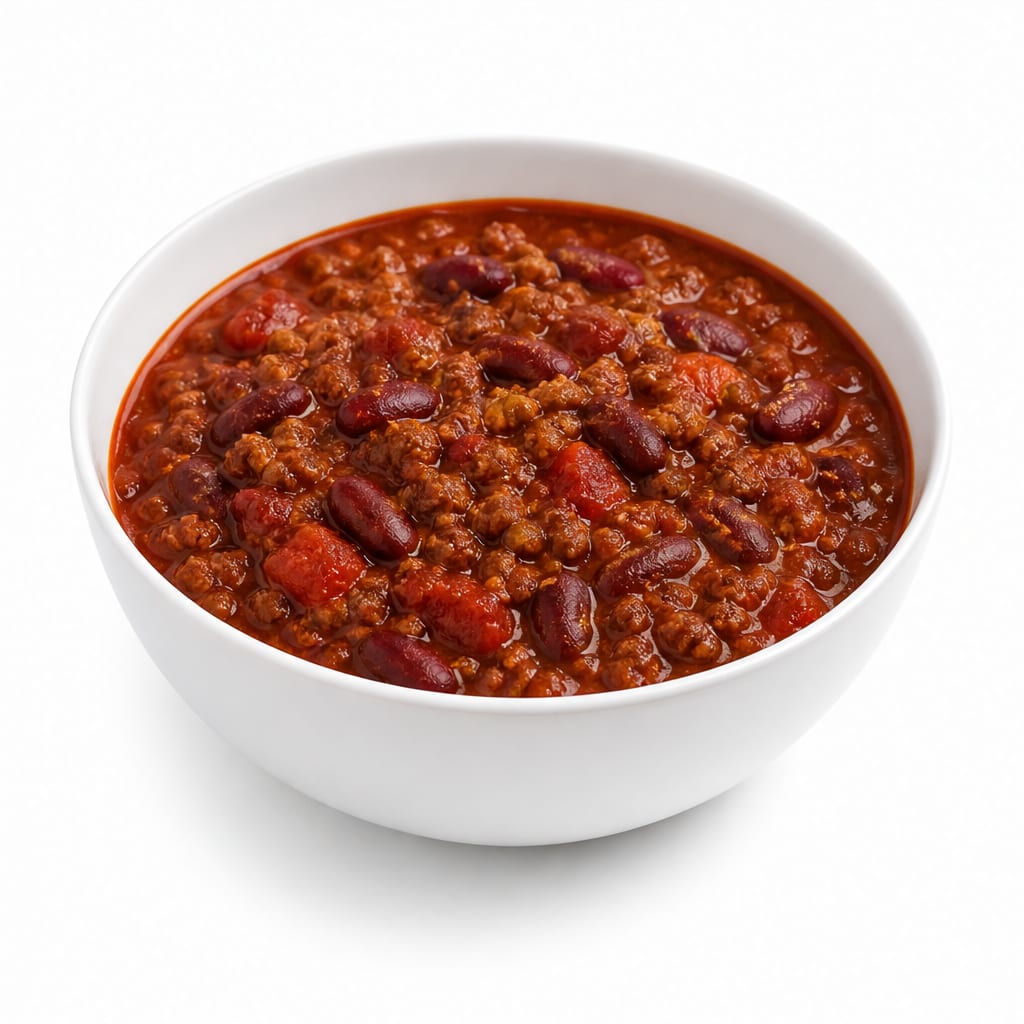
Compare with
Chili con Carne
Chili provides more fiber from beans, but Irish stew delivers a unique micronutrient profile from lamb and root vegetables.
Chili provides more fiber from beans, but Irish stew delivers a unique micronutrient profile from lamb and root vegetables.
This food
Irish Stew
VS95% alike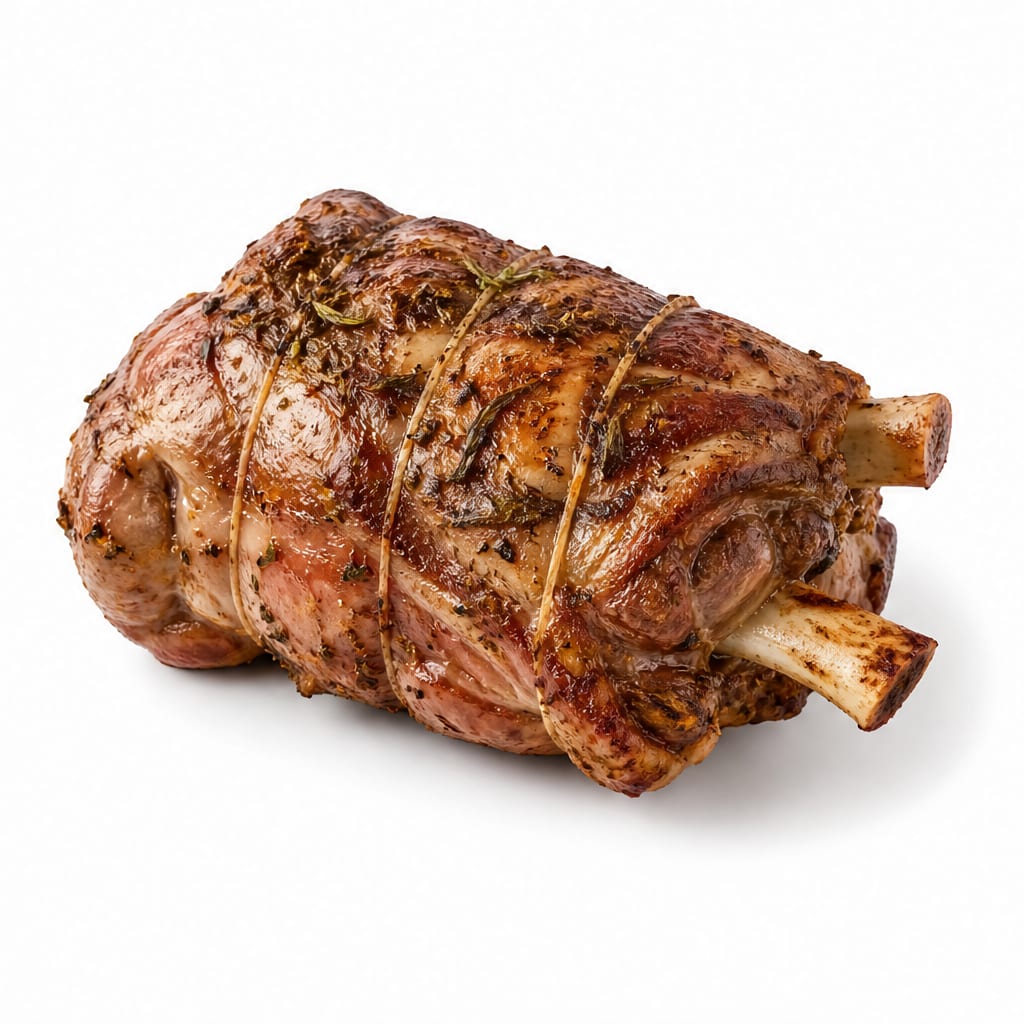
Compare with
Lamb Roast
Irish stew is more satiating and balanced than lamb roast, thanks to the added volume from broth and root vegetables.
Irish stew is more satiating and balanced than lamb roast, thanks to the added volume from broth and root vegetables.
This food
Irish Stew
VS85% alike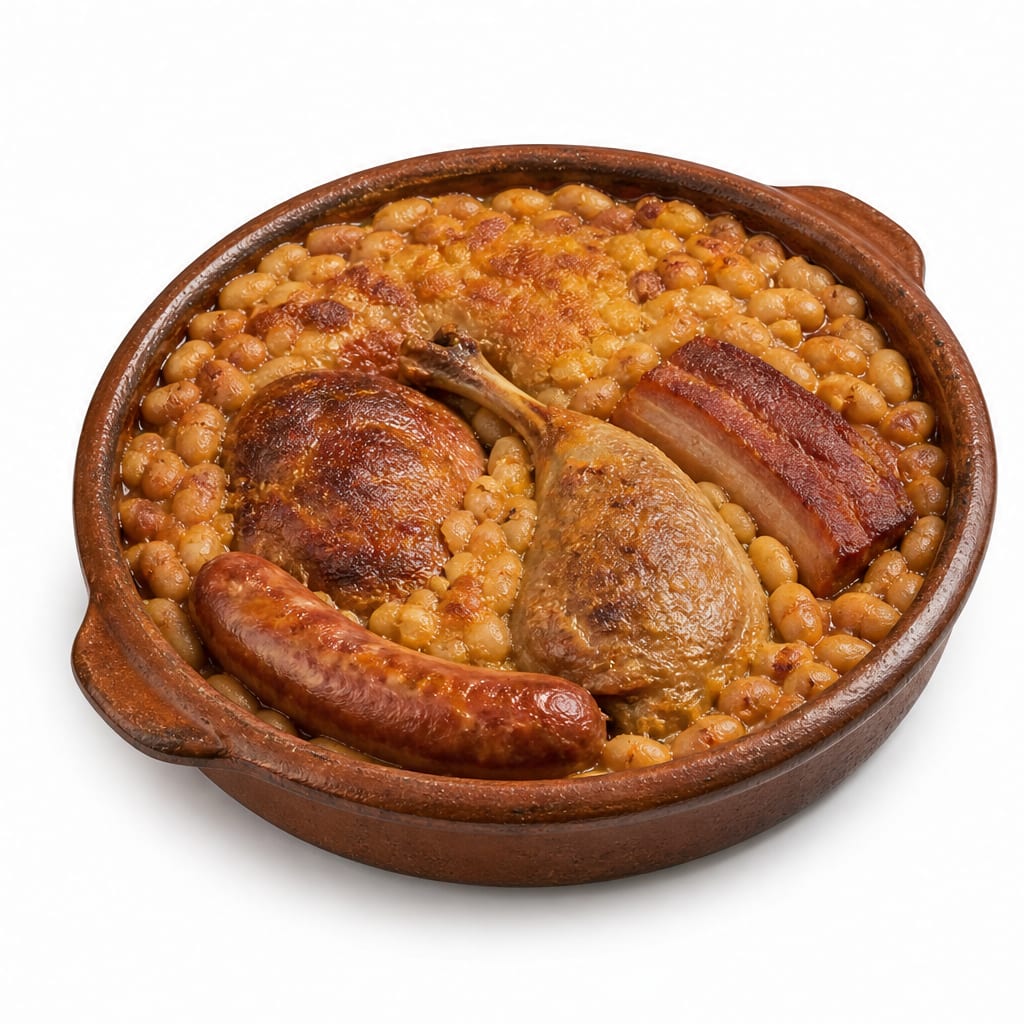
Compare with
Cassoulet
Irish stew is a much lighter option than the heavily meat-and-fat-laden French cassoulet.
Irish stew is a much lighter option than the heavily meat-and-fat-laden French cassoulet.
This food
Irish Stew
VS80% alike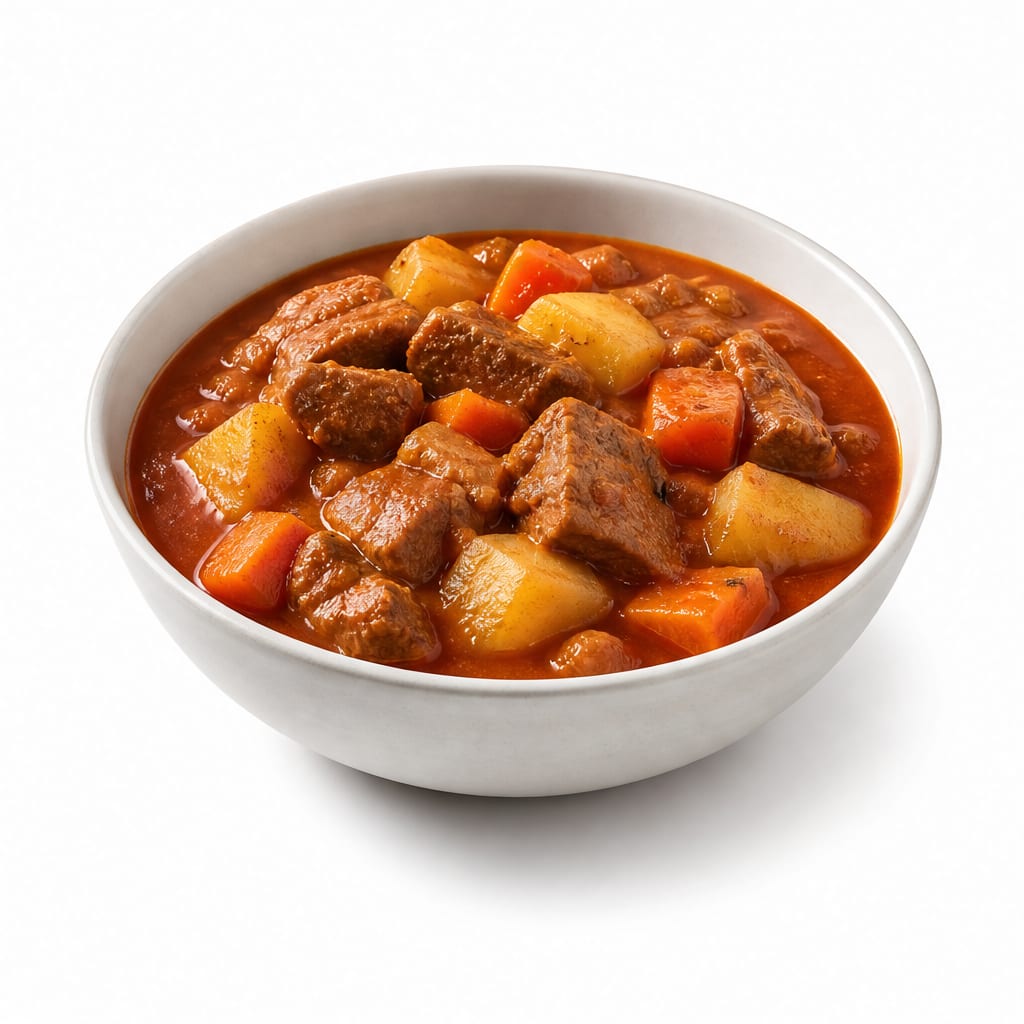
Compare with
Pork Stew
Lean pork stew can be lower in fat than traditional lamb Irish stew, but Irish stew offers a richer mineral profile.
Lean pork stew can be lower in fat than traditional lamb Irish stew, but Irish stew offers a richer mineral profile.
Common questions
FAQ
Answers aligned with how people search for this food.
Is Irish stew good for weight loss?
It can be, as the high protein and liquid volume promote fullness, but fatty cuts of lamb can increase the calorie count significantly. Opt for lean cuts to make it weight-loss friendly.
How many calories are in a bowl of Irish stew?
A typical bowl (about 300g) contains roughly 330 calories, depending on the leanness of the lamb and the amount of potatoes used.
Can diabetics eat Irish stew?
Yes, in moderation. The protein and fat from the lamb slow down the absorption of carbohydrates from the potatoes, preventing sharp blood sugar spikes.
Does traditional Irish stew use beef or lamb?
Traditional Irish stew is made with lamb or mutton. Beef is a common modern substitution but is not historically authentic.
Is Irish stew high in protein?
Yes, Irish stew provides a good amount of high-quality complete protein from the lamb, supporting muscle maintenance and satiety.
What makes Irish stew healthy?
It relies on whole, minimally processed ingredients like root vegetables and meat, providing vitamins, minerals, collagen, and satiating protein without artificial additives.
Can you freeze Irish stew?
Yes, Irish stew freezes very well. The flavors often deepen and improve after being frozen and reheated, making it great for meal prep.
Is Irish stew keto-friendly?
No, traditional Irish stew contains potatoes and sometimes carrots, making it too high in carbohydrates for a strict ketogenic diet.
Transparency
Data confidence
Estimated confidence for nutrition data, interpretation, safety notes, and comparisons.
Nutrition data
Health analysis
Food safety
Comparisons