
Nutrition comparison
Irish Stew vs Pot Roast: Which Comfort Food Is Healthier?
Compare Irish Stew and Pot Roast nutrition, calories, fat content, and health impact. Find out which slow-cooked meal is better for weight loss, heart health, and everyday eating.
Overall winner · Irish Stew
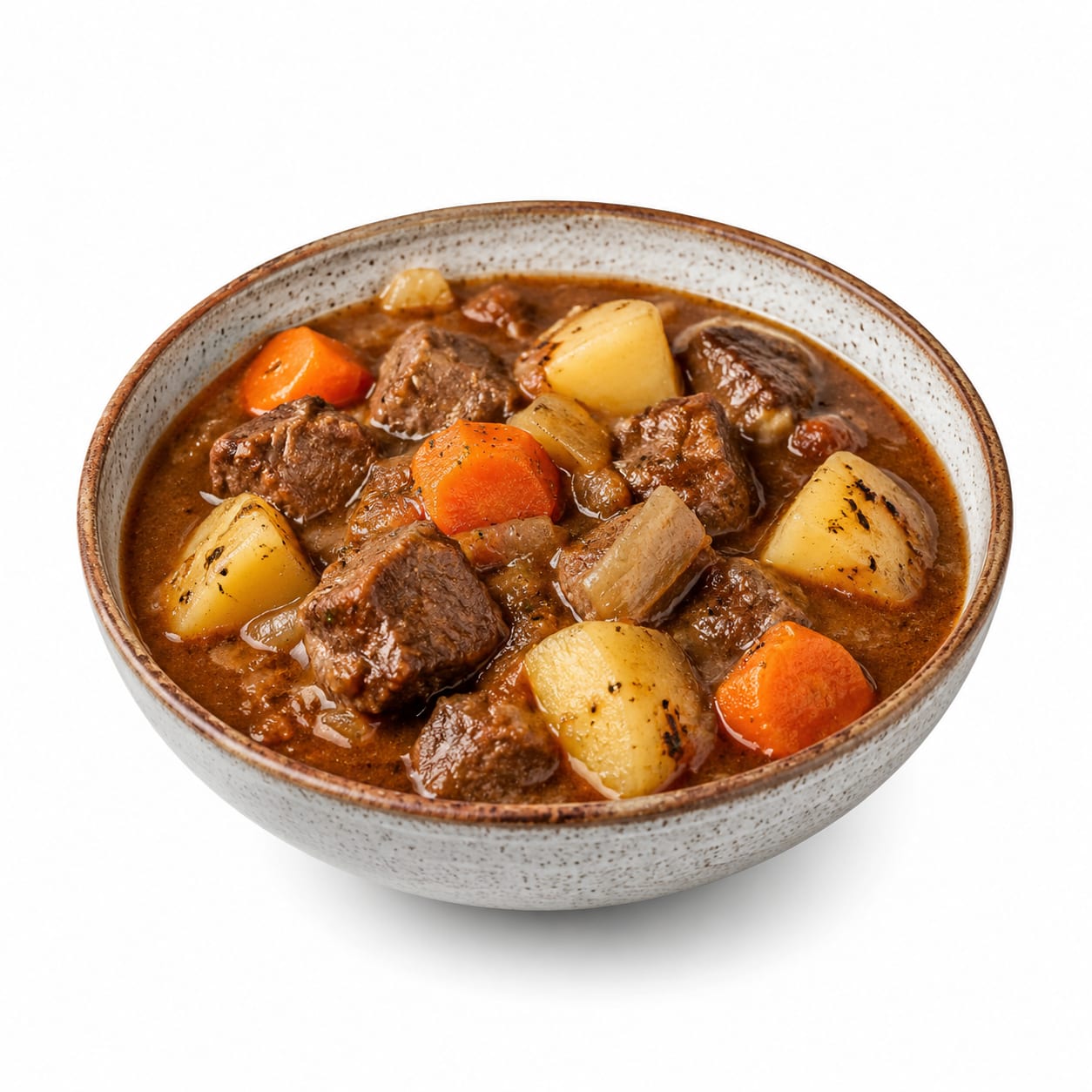
Irish Stew
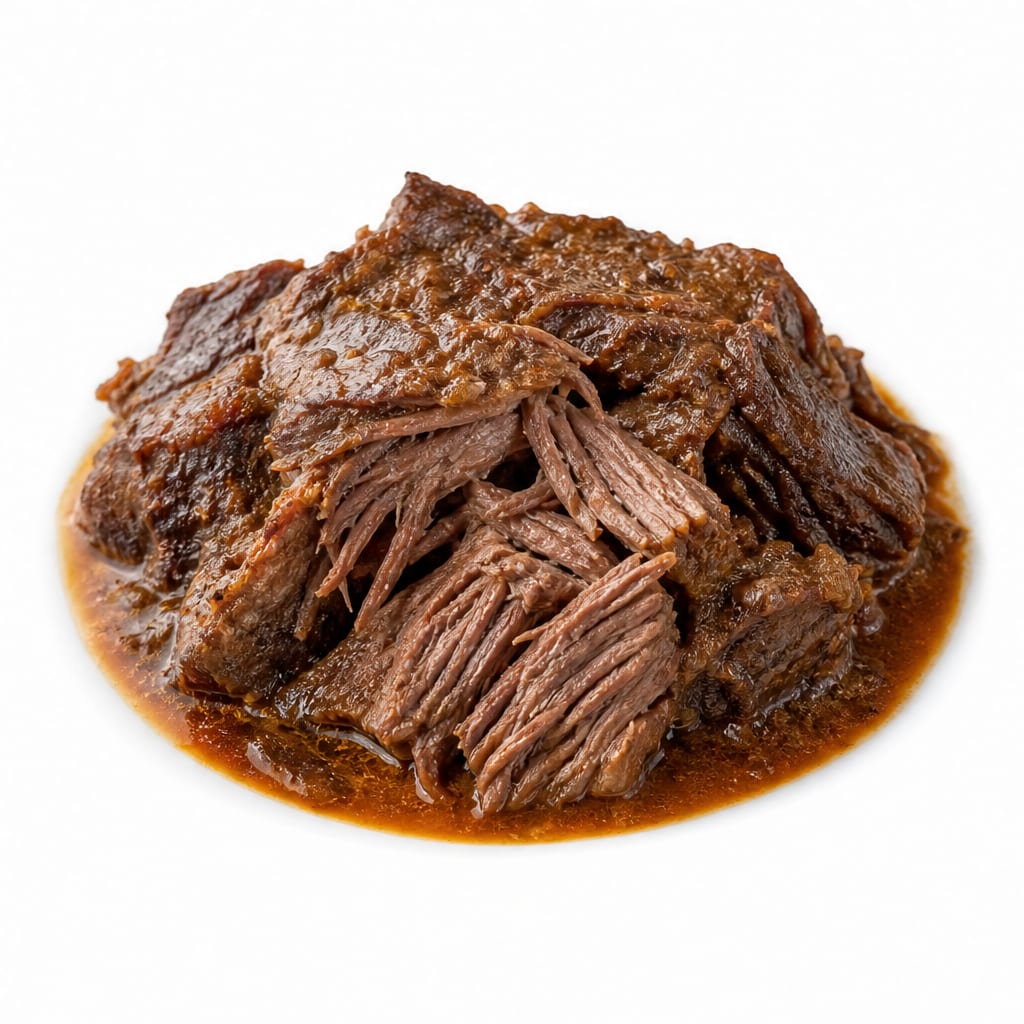
Pot Roast
Irish Stew edges out Pot Roast thanks to a broth-based cooking method that keeps calories lower, while lamb offers a slightly better fatty acid profile than beef chuck.
Irish Stew scores moderately higher due to lower calorie density and a slightly more favorable fat profile from lamb. Pot Roast loses ground on saturated fat content and richer braising liquid, though both are far from light meals. The gap is meaningful but not dramatic.
Irish Stew is lighter and brothier with marginally healthier fats, while Pot Roast delivers richer, more indulgent flavor with higher saturated fat and calorie density.
At a glance
Executive summary
Overall
Irish Stew
Healthier
Irish Stew
More practical
Pot Roast
Daily use
Irish Stew
Key comparison lenses
comfort food health tradeoffs
Both are hearty slow-cooked meals, so users want to know which comfort food carries less health baggage
meat type comparison
Lamb versus beef is the core nutritional differentiator here, affecting fat profile, cholesterol, and inflammatory potential
calorie density and weight management
Both dishes feel heavy, but their actual calorie loads differ significantly based on cooking liquid and fat content
sodium and heart health
Slow-cooked braised meats often accumulate high sodium, a key concern for regular consumption
meal prep and practicality
Both require long cooking times but differ in ingredient accessibility and leftover versatility
Best choice for
Irish Stew
- Weight-conscious eaters wanting comfort food without the heavy calorie hit
- People watching saturated fat intake or managing cholesterol
- Those who prefer broth-based meals that feel filling but not sluggish
- Anyone seeking higher vegetable-to-meat ratio in a one-pot meal
Pot Roast
- Those needing higher calorie intake or recovering from illness
- People prioritizing maximum protein per serving
- Families wanting a familiar crowd-pleaser with easy-to-find ingredients
- Anyone who finds beef more digestible than lamb
Least suitable for
Irish Stew
- People sensitive to lamb's stronger flavor or aroma
- Those on strict low-purine diets due to gout concerns
- Anyone in regions where lamb is expensive or hard to source
Pot Roast
- People managing heart disease or high cholesterol
- Those trying to reduce saturated fat and red meat consumption
- Anyone watching calorie density who finds rich foods trigger overeating
Deep comparison
Dimension by dimension
Each lens scores both foods and breaks down who each option suits.
- Dimension 1 · Priority 95Irish Stew
saturated fat and heart health
Irish Stew · 55Pot Roast · 40Lamb in Irish Stew contains slightly less saturated fat per ounce than beef chuck, and the broth-based preparation avoids added fats common in Pot Roast braising.
Tradeoff
Neither dish is heart-healthy by strict standards, but Irish Stew is the lesser of two evils for cardiovascular risk.
Why it matters
Regular high saturated fat intake from red meat dishes directly impacts LDL cholesterol over time, making this the most important differentiator for frequent consumers.
Real-world impact
Choosing Irish Stew over Pot Roast a few times a month instead of weekly could meaningfully reduce cumulative saturated fat exposure without sacrificing comfort food satisfaction.
Irish Stew
- People with borderline high cholesterol
- Those eating red meat comfort food weekly
Better for
- Strict heart patients who should minimize all red meat
Worse for
Pot Roast
- Anyone unconcerned about saturated fat who prioritizes richness
Better for
- People with existing heart disease
- Those on statins trying to maximize dietary improvement
Worse for
- Dimension 2 · Priority 90Irish Stew
calorie density and portion control
Irish Stew · 65Pot Roast · 45Irish Stew's broth base keeps calorie density significantly lower than Pot Roast, which often includes concentrated braising liquids and rendered beef fat.
Tradeoff
You can eat a larger, more filling bowl of Irish Stew for fewer calories, but Pot Roast feels more indulgent and satisfying per bite.
Why it matters
Calorie density drives unintentional overconsumption. Richer foods encourage larger portions without realizing it.
Real-world impact
A typical serving of Irish Stew runs 350-450 calories versus Pot Roast at 500-650 calories. Over weekly meals, that difference compounds.
Irish Stew
- Anyone tracking calories who still wants hearty meals
- People who feel satisfied by volume rather than richness
Better for
- Those who find broth-based meals leave them hungry sooner
Worse for
Pot Roast
- Underweight individuals needing calorie density
- Athletes in bulking phases
Better for
- Anyone prone to overeating rich foods
- People trying to lose weight without counting calories
Worse for
- Dimension 3 · Priority 85Pot Roast
protein quality and quantity
Irish Stew · 60Pot Roast · 72Pot Roast typically delivers more protein per serving due to larger meat portions and beef's slightly higher protein density compared to lamb.
Tradeoff
More protein comes packaged with more saturated fat in Pot Roast, so the protein advantage is not a clean win.
Why it matters
Protein supports satiety, muscle maintenance, and metabolic health, especially important for older adults and active individuals.
Real-world impact
Pot Roast may provide 35-45g protein per serving versus 25-35g for Irish Stew, a meaningful gap for muscle maintenance.
Irish Stew
- Those who get adequate protein elsewhere and prefer balance
Better for
- People relying on one main meal for most of their protein
Worse for
Pot Roast
- Older adults needing higher protein per meal
- Post-workout recovery meals
- Anyone struggling to hit protein targets
Better for
- Those already exceeding protein needs from other sources
Worse for
- Dimension 4 · Priority 75Irish Stew
micronutrient profile
Irish Stew · 68Pot Roast · 58Lamb provides more B12, zinc, and selenium than beef chuck, while Irish Stew's higher vegetable content adds folate and vitamin C that Pot Roast often lacks.
Tradeoff
Beef offers more bioavailable iron, but Irish Stew's broader vegetable base delivers a more diverse micronutrient spread.
Why it matters
Micronutrient diversity matters more than most people realize for immune function and energy metabolism.
Real-world impact
Irish Stew with carrots, onions, and potatoes provides a wider nutrient spectrum per calorie than Pot Roast's typically meat-heavy plate.
Irish Stew
- Those eating limited vegetable variety overall
- People wanting more nutrient diversity per calorie
Better for
- People who need maximum iron absorption
Worse for
Pot Roast
- Individuals with iron deficiency anemia
- Those needing concentrated B12 sources
Better for
- Anyone already eating iron-rich diets who lacks vegetable nutrients
Worse for
- Dimension 5 · Priority 80It depends
sodium load
Irish Stew · 50Pot Roast · 50Both dishes are sodium traps when made with added salt, stock cubes, or seasoned braising liquids. Homemade versions can be controlled, but restaurant or canned versions are equally problematic.
Tradeoff
Neither has an inherent sodium advantage. The cook's seasoning hand determines the outcome entirely.
Why it matters
A single serving of either dish can easily deliver 800-1200mg sodium, half a day's recommended intake.
Real-world impact
If sodium is a concern, both require deliberate home cooking with reduced-salt techniques to be safe for regular consumption.
Irish Stew
- No inherent advantage unless made with less added salt
Better for
- Restaurant versions with heavily salted stock
Worse for
Pot Roast
- No inherent advantage unless made with less added salt
Better for
- Pre-made braising kits or seasoning packets
Worse for
- Dimension 6 · Priority 70Irish Stew
digestive comfort
Irish Stew · 70Pot Roast · 55Irish Stew's broth-based liquid and higher vegetable content make it easier on digestion, while Pot Roast's denser fat content can slow gastric emptying and cause heaviness.
Tradeoff
Irish Stew feels lighter post-meal, but lamb can cause digestive upset in people unaccustomed to it.
Why it matters
Post-meal comfort affects energy levels, mood, and whether you feel like moving or napping afterward.
Real-world impact
Irish Stew is less likely to cause that heavy, sluggish feeling an hour after eating, making it better for weekday dinners.
Irish Stew
- People prone to post-meal bloating
- Those who eat late and need easier digestion
Better for
- People not used to lamb who experience digestive adjustment
Worse for
Pot Roast
- Anyone who finds beef gentler on their stomach than lamb
Better for
- Those with gallbladder issues sensitive to fat
- Anyone who gets reflux from rich, fatty meals
Worse for
- Dimension 7 · Priority 65Pot Roast
ingredient accessibility and cost
Irish Stew · 45Pot Roast · 75Beef chuck for Pot Roast is widely available and affordable in most grocery stores, while lamb for Irish Stew is pricier and harder to find in many regions.
Tradeoff
Pot Roast wins on convenience and budget, but Irish Stew rewards those willing to source quality lamb with a more nuanced flavor.
Why it matters
Cost and availability determine whether a dish becomes a regular meal or a special occasion choice.
Real-world impact
Beef chuck typically costs $5-8 per pound versus lamb at $10-18 per pound, making Pot Roast the more accessible weekly option for most households.
Irish Stew
- Those with access to affordable lamb or butcher shops
- Cooks who enjoy sourcing traditional ingredients
Better for
- Rural shoppers with limited lamb options
- Those cooking for large families on tight budgets
Worse for
Pot Roast
- Budget-conscious families
- Anyone shopping at standard American grocery stores
- People who want reliable ingredient availability year-round
Better for
- No real disadvantage beyond flavor preference
Worse for
Timeline
Health impact over time
Short-term
Hours to days
Irish Stew
- Warm, comforting satiety without excessive heaviness
- Broth provides hydration that aids digestion
- Moderate energy that avoids the sluggishness of fattier meals
- Lamb aroma may be off-putting for those unaccustomed to it
Pot Roast
- Deep satisfying fullness that can border on food coma
- Rich fat content slows digestion and extends satiety
- Higher calorie intake may cause drowsiness in sensitive individuals
- Familiar beef flavor is broadly appealing and comforting
Long-term
Months to years
Irish Stew
- Lower cumulative saturated fat intake compared to beef-based alternatives
- Broth-based meals support better weight maintenance when eaten regularly
- Lamb's conjugated linoleic acid may offer modest anti-inflammatory benefits
- Purine content from lamb warrants caution for gout sufferers with frequent consumption
Pot Roast
- Higher saturated fat intake from beef chuck raises cardiovascular risk over time
- Greater protein intake supports muscle preservation in aging adults
- Rich calorie density can contribute to gradual weight gain if portions are not managed
- Heme iron from beef is beneficial for iron-deficient individuals but may pose risks in excess
Risk profile
Safety & processing
Both Irish Stew and Pot Roast are whole-food dishes made from scratch with minimal processing. The main concern is added sodium in stock or seasoning, not additives or preservatives. Home-cooked versions of both are clean, recognizable meals.
Irish Stew
bacterial contamination from undercooked lamb
mediumLamb should reach 145°F internal temperature. Slow cooking typically achieves this, but checking is essential.
purine load aggravating gout
mediumLamb is moderately high in purines. Frequent consumption can trigger flares in susceptible individuals.
spoilage of leftover stew
lowBroth-based dishes can harbor bacterial growth if not refrigerated promptly within two hours of cooking.
Pot Roast
bacterial contamination from undercooked beef
mediumBeef chuck must reach 145°F. While braising makes this likely, thick cuts need verified internal temperatures.
excessive heme iron exposure
lowRegular high heme iron intake from beef may increase oxidative stress and colorectal cancer risk over decades.
rendered fat rancidity in leftovers
lowPot Roast's higher fat content means leftovers can develop off-flavors and potential oxidation if stored too long.
Who wins for whom
Audience fit
Same foods, different winners depending on your goal.
children
Pot RoastMilder beef flavor is more kid-friendly than lamb's stronger taste, and the soft texture of pot roast is easy for children to eat.
daily consumption
Irish StewLower saturated fat and calorie density make Irish Stew more sustainable as a regular meal, though both should be rotated with lighter options.
diabetes
Irish StewIrish Stew typically has a lower glycemic load thanks to a better vegetable-to-starch ratio and less added sugar in the cooking liquid.
elderly
It dependsIrish Stew is easier to digest and more hydrating, but Pot Roast offers more protein for sarcopenia prevention. The winner depends on which concern is more pressing.
muscle gain
Pot RoastHigher protein content per serving from beef chuck supports muscle protein synthesis more effectively.
weight loss
Irish StewLower calorie density and broth-based volume make Irish Stew easier to fit into a calorie deficit while still feeling like a real meal.
Your move
Decision guide
Choose Irish Stew
- You want comfort food without the heavy aftermath
- Heart health is a priority and you still want red meat occasionally
- You enjoy broth-based meals that feel filling but not stuffed
- You have access to quality lamb at reasonable prices
- You prefer a higher vegetable-to-meat ratio in one-pot meals
Choose Pot Roast
- Maximum protein per serving matters more than fat content
- You are cooking for picky eaters who prefer familiar beef flavors
- Budget is a primary concern and lamb is expensive in your area
- You want the richest, most indulgent comfort food experience
- You need calorie-dense meals for recovery or weight gain
Either works if
- You are eating comfort food as an occasional treat rather than a staple
- You are comfortable managing portions regardless of calorie density
- You plan to load the plate with extra vegetables to balance the meal
- You are cooking for a gathering where both dishes would be appreciated
Avoid both if
- You are on a strict low-sodium diet and cannot control seasoning
- You have severe gout and need to minimize purine intake
- You are following a plant-forward or vegetarian diet
- You need low-calorie meals and find rich foods trigger overeating
Final recommendation
For regular rotation, Irish Stew is the smarter choice — it delivers the comfort of slow-cooked meat with less saturated fat and fewer calories per bowl. Save Pot Roast for when you specifically want that rich, indulgent experience or need the extra protein. Both are far better choices than processed convenience meals, so neither is a bad decision when made from scratch with whole ingredients.
Practical
Consumer tips
- 1
Skim the fat from both dishes after refrigerating overnight — this single step removes significant saturated fat without sacrificing flavor
- 2
Add extra root vegetables like parsnips or turnips to either dish to boost fiber and reduce the meat-to-vegetable ratio
- 3
Use low-sodium stock or homemade broth to cut sodium by 40-60% without noticing a flavor difference
- 4
If lamb is hard to find or too expensive, Irish Stew can be made with lean beef as a compromise that still keeps the broth-based advantage
- 5
Let Pot Roast leftovers cool completely before refrigerating to make fat removal easier and reduce oxidation risk
- 6
Serve either dish with a large side salad to add volume and micronutrients without significantly increasing calories