
Nutrition comparison
Irish Stew vs Lamb Roast: Which Is Healthier?
Compare Irish Stew and Lamb Roast nutrition, protein, fat, and satiety. Find out which lamb dish is better for weight loss, muscle gain, and everyday meals.
Overall winner · Irish Stew
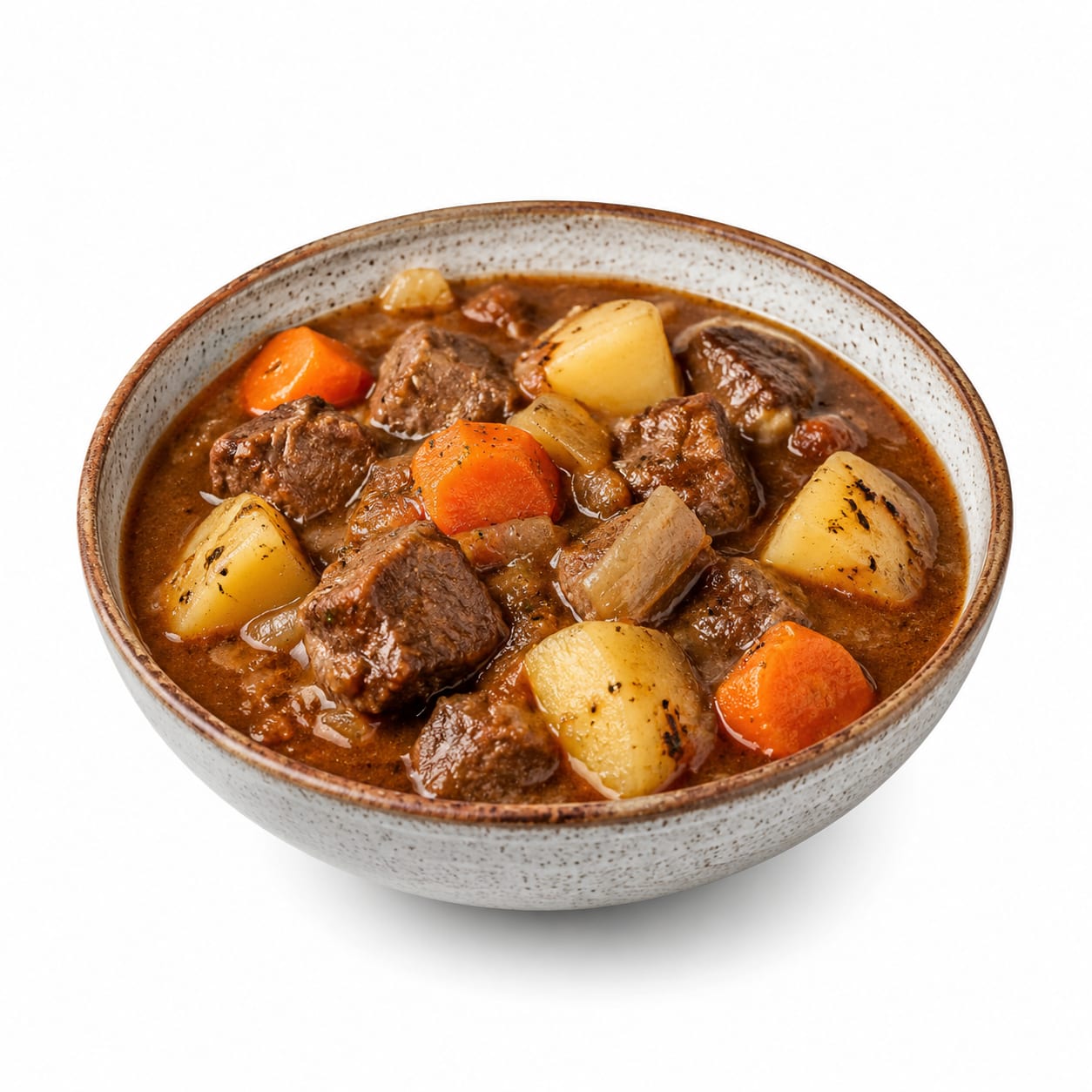
Irish Stew
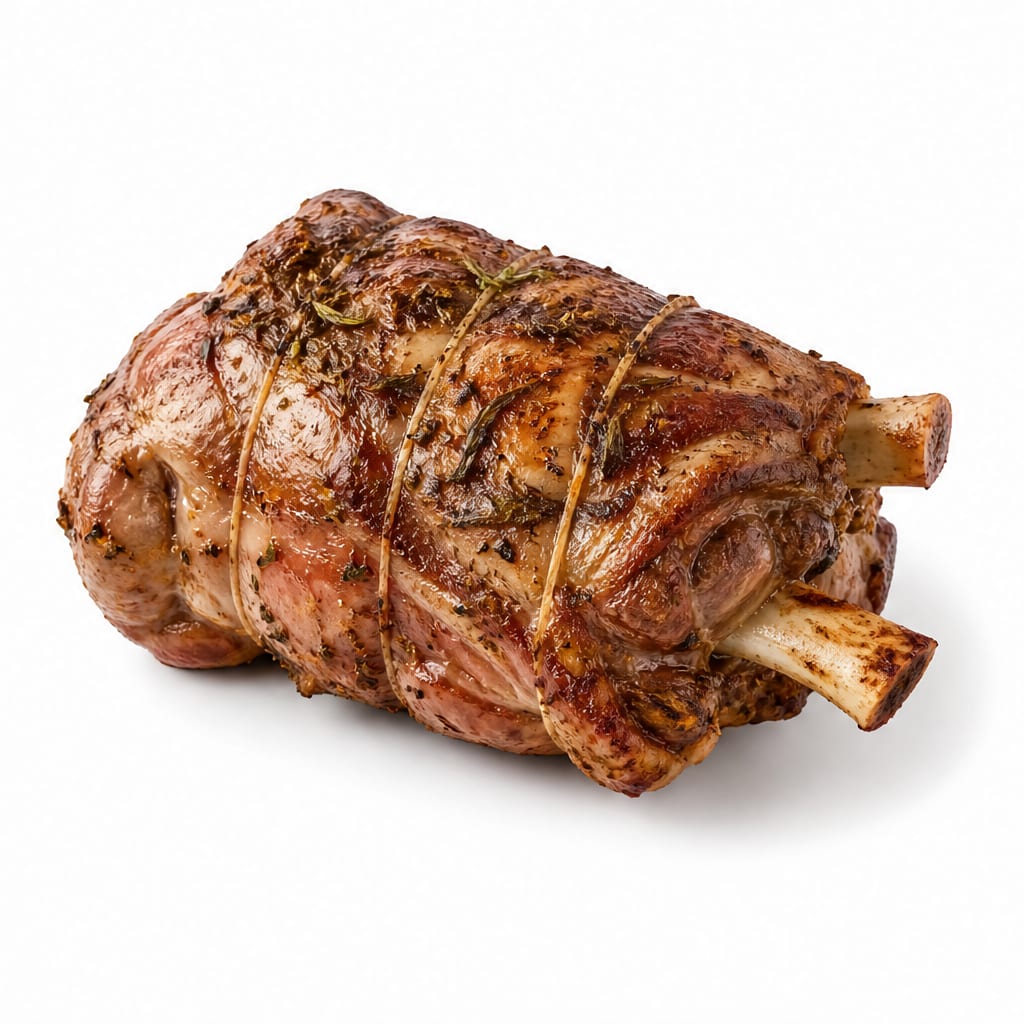
Lamb Roast
Irish Stew edges ahead thanks to built-in vegetables, more filling volume, and easier fat management, though Lamb Roast delivers higher protein density and simpler ingredient control.
Irish Stew scores higher due to nutritional completeness and satiety per calorie. Lamb Roast is strong on protein density but loses points for lacking fiber and requiring additional sides for a balanced plate.
Stew gives you a complete meal in one bowl with fiber and micronutrients, while Lamb Roast gives you concentrated protein but requires sides to be nutritionally balanced.
At a glance
Executive summary
Overall
Irish Stew
Healthier
Irish Stew
More practical
Irish Stew
Daily use
Irish Stew
Key comparison lenses
comfort meal nutrition
Both are hearty lamb-based comfort foods, so users want to know which satisfies better nutritionally
satiety and fullness
Stew includes liquid and root vegetables, likely more filling per calorie than standalone roast
protein quality and density
Lamb is the shared protein source but preparation differences affect protein per bite
daily meal practicality
Stew reheats well for leftovers; roast is often a special-occasion dish
fat and calorie management
Both can be fatty depending on cut, but stewing liquid may render more fat visible and skimmable
Best choice for
Irish Stew
- Weeknight dinners with leftovers in mind
- Anyone wanting a balanced one-pot meal
- Cold-weather comfort eating with less guilt
- Budget-conscious cooks using tougher lamb cuts
- People who struggle to eat enough vegetables
Lamb Roast
- High-protein diets and muscle-building phases
- Special occasion meals where presentation matters
- Those who prefer controlling sides separately
- Lower-carb or keto eating styles
- Anyone wanting maximum protein per calorie
Least suitable for
Irish Stew
- Strict low-carb eaters due to potatoes
- Those watching sodium closely if broth is heavy
- People wanting a lean, light meal
- Anyone short on cooking time for slow braise
Lamb Roast
- Anyone needing a complete meal without prep of sides
- Budget-focused households using premium cuts
- People prone to overeating rich meats
- Those wanting built-in fiber without extra dishes
Deep comparison
Dimension by dimension
Each lens scores both foods and breaks down who each option suits.
- Dimension 1 · Priority 93Irish Stew
Nutritional Completeness
Irish Stew · 82Lamb Roast · 48Irish Stew contains protein, carbohydrates, fiber, and multiple vitamins in one bowl. Lamb Roast is essentially just protein and fat.
Tradeoff
You get a full meal from stew alone, while roast demands sides to avoid a nutritionally lopsided plate.
Why it matters
Meals that naturally include vegetables and starches make healthy eating effortless rather than requiring planning.
Real-world impact
A bowl of Irish Stew at dinner covers most bases. Lamb Roast leaves you reaching for vegetables and carbs to feel satisfied.
Irish Stew
- Balanced weeknight nutrition without side-dish math
- Getting fiber alongside protein in every bite
- Covering more micronutrient bases effortlessly
Better for
- People who want to limit starchy carbs
- Anyone counting precise macros per ingredient
Worse for
Lamb Roast
- Controlling each macronutrient separately for specific diets
- Avoiding carbs entirely if that is your goal
Better for
- Anyone eating the roast alone as a full meal
- Those who skip vegetable sides due to effort
Worse for
- Dimension 2 · Priority 90Irish Stew
Satiety and Fullness
Irish Stew · 86Lamb Roast · 68The liquid volume, fiber from root vegetables, and slower eating pace of stew make it significantly more filling per calorie.
Tradeoff
Stew fills you up on less, while roast can be easy to overeat before your brain registers fullness.
Why it matters
Feeling full prevents snacking later. Volume-rich meals naturally regulate intake without willpower.
Real-world impact
After a bowl of stew, you are done. After a plate of roast lamb, you may still want something else within an hour.
Irish Stew
- Portion control without feeling deprived
- Late dinners where you want to sleep comfortably after
- Anyone who tends to snack after meals
Better for
- Right before exercise when you want light digestion
- Very hot days when heavy meals feel oppressive
Worse for
Lamb Roast
- Post-workout meals where you want concentrated calories
- People with small appetites who need density over volume
Better for
- Emotional eaters who may not stop at one serving
- Anyone trying to reduce overall calorie intake
Worse for
- Dimension 3 · Priority 87Lamb Roast
Protein Density
Irish Stew · 62Lamb Roast · 88Lamb Roast delivers more protein per bite and per calorie since it is not diluted by broth and root vegetables.
Tradeoff
Roast is protein-forward but lacks the fiber that helps your body use that protein steadily.
Why it matters
Higher protein density matters for muscle maintenance, recovery, and staying full on fewer calories.
Real-world impact
A serving of Lamb Roast after exercise gives your muscles what they need fast. Stew works too, but you eat more volume for the same protein.
Irish Stew
- Sustained protein release alongside fiber for steadier amino acid delivery
- Older adults who benefit from easier-to-chew protein sources
Better for
- Body recomposition phases requiring high protein with low volume
Worse for
Lamb Roast
- Athletes needing quick post-workout protein
- Anyone tracking protein macros precisely
- Keto and low-carb dieters maximizing protein per meal
Better for
- Those who find dense meat-heavy meals hard to digest
Worse for
- Dimension 4 · Priority 82Irish Stew
Fat Management
Irish Stew · 72Lamb Roast · 55Stewing renders fat into the broth where you can skim it off. Roast fat stays on or in the meat you eat.
Tradeoff
Stew gives you the option to reduce fat easily. Roast requires choosing leaner cuts or trimming manually.
Why it matters
Lamb fat is saturated-heavy, so managing it matters for heart health without sacrificing flavor.
Real-world impact
Make stew a day ahead, chill it, and scrape off the solidified fat. With roast, what you see is what you eat.
Irish Stew
- Anyone watching saturated fat intake
- Meal preppers who can defat overnight
- People who love lamb flavor but want it leaner
Better for
- Impatient cooks who eat immediately without chilling and skimming
Worse for
Lamb Roast
- Those who prefer fattier cuts for flavor and do not mind the calories
- Keto dieters who welcome higher fat content
Better for
- Anyone with cholesterol concerns eating fatty cuts regularly
Worse for
- Dimension 5 · Priority 78Irish Stew
Convenience and Reheating
Irish Stew · 80Lamb Roast · 60Stew improves with time and reheats beautifully. Roast lamb dries out and loses appeal as leftovers.
Tradeoff
Stew is a time investment upfront that pays off all week. Roast is best fresh and declines quickly.
Why it matters
Food that reheats well gets eaten instead of wasted. Practicality drives real-world healthy eating.
Real-world impact
Sunday stew feeds you through Wednesday with no quality loss. Monday roast lamb is often dry and disappointing.
Irish Stew
- Batch cooks and meal preppers
- Busy households relying on leftovers
- Anyone who packs lunch for work
Better for
- Last-minute dinner needs since stew takes hours
- People who dislike eating the same thing repeatedly
Worse for
Lamb Roast
- Same-day entertaining when fresh presentation matters
- Cooking for one with no leftover expectations
Better for
- Anyone counting on next-day leftovers for lunch
- Those who hate food waste from dried-out remnants
Worse for
- Dimension 6 · Priority 75Irish Stew
Digestive Comfort
Irish Stew · 78Lamb Roast · 62Slow-cooked stew breaks down tough fibers and collagen, making it gentler on digestion. Dense roast meat can sit heavy.
Tradeoff
Stew is easier on the stomach but the root vegetables may cause bloating in sensitive people. Roast is simpler but denser.
Why it matters
Meals that digest comfortably affect sleep quality, energy, and whether you actually want to eat that food again.
Real-world impact
Stew feels warming and settling on a cold evening. A large portion of roast can feel like a brick in your stomach.
Irish Stew
- People with sensitive digestion who need tender food
- Evening meals before bed
- Older adults with reduced digestive capacity
Better for
- Anyone sensitive to FODMAPs in onions or root vegetables
Worse for
Lamb Roast
- Those who tolerate dense protein well
- Active people eating midday with hours to digest
Better for
- People with GERD or reflux triggered by rich, dense meats
Worse for
Timeline
Health impact over time
Short-term
Hours to days
Irish Stew
- Warm, filling satisfaction that reduces between-meal snacking
- Steadier blood sugar from combined protein, carbs, and fiber
- Possible bloating from onions or carrots if sensitive to FODMAPs
- Comforting effect that supports emotional satisfaction with food
Lamb Roast
- High protein hit that supports muscle recovery quickly
- Risk of post-meal sleepiness from concentrated fat and protein without fiber
- Greater thirst after eating due to higher sodium and protein load
- Quick satiation that may fade faster without carbohydrate accompaniment
Long-term
Months to years
Irish Stew
- Better overall diet quality from habitual vegetable inclusion
- Easier weight management from volume-based satiety
- Potential for excessive sodium if using commercial broth regularly
- Consistent fiber intake supporting gut health and regularity
Lamb Roast
- Higher saturated fat intake if eaten frequently with fatty cuts
- Risk of insufficient fiber if vegetables are not consistently added as sides
- Strong protein intake supporting muscle preservation with aging
- Possible increased LDL cholesterol with very frequent consumption
Risk profile
Safety & processing
Both are whole-food preparations with minimal processing. Irish Stew may use commercial stock which can add sodium and minor additives, while Lamb Roast is typically just meat, herbs, and seasoning.
Irish Stew
Inadequate slow-cooker temperature
mediumIf stew does not reach safe internal temperature during slow cooking, bacteria can survive. Ensure bubbling throughout.
Extended leftover storage
lowStew keeps well but should be consumed within 3-4 days refrigerated. Reheat to a full boil before eating.
Lamb Roast
Undercooking near bone
mediumLamb near the bone can remain undercooked. Use a meat thermometer, especially for leg or shoulder roasts.
Carcinogenic compounds from high-heat roasting
lowHigh-temperature roasting can form heterocyclic amines on charred surfaces. Avoid burning the exterior.
Who wins for whom
Audience fit
Same foods, different winners depending on your goal.
children
Irish StewSofter textures, milder flavor from long cooking, and hidden vegetables make stew more kid-friendly and nutritionally rounded.
daily consumption
Irish StewNutritional balance, reheating convenience, and built-in vegetable content make stew more sustainable as a regular meal.
diabetes
It dependsLamb Roast has virtually no carbs, but Irish Stew with potatoes can be managed if portions are controlled. Individual carb tolerance determines the better choice.
elderly
Irish StewTender slow-cooked meat is easier to chew and digest, and the broth supports hydration in older adults.
muscle gain
Lamb RoastMore protein per serving and per calorie supports muscle protein synthesis efficiently without excess fill.
weight loss
Irish StewHigher volume and fiber per calorie make stew more filling, reducing the urge to overeat or snack later.
Your move
Decision guide
Choose Irish Stew
- You want a complete meal without planning side dishes
- Leftovers and meal prep are part of your routine
- You are watching calories but want to feel full and satisfied
- Cold weather has you craving something warming and comforting
- You want to include more vegetables without thinking about it
Choose Lamb Roast
- You are prioritizing protein intake for training or muscle maintenance
- You are eating low-carb or keto and want to avoid potatoes
- You are cooking for a gathering where presentation matters
- You prefer choosing your own vegetable and starch sides separately
- You want maximum flavor impact from high-quality lamb
Either works if
- You are comfortable balancing your plate with sides regardless
- Both fit your calorie and fat budget for the day
- You rotate meals weekly and want variety between both preparations
Avoid both if
- You have gout flares triggered by purine-rich lamb
- You are strictly limiting saturated fat under medical advice
- You avoid red meat entirely for personal or health reasons
- You need a quick 20-minute weeknight meal
Final recommendation
For everyday eating, Irish Stew is the smarter default. It delivers more nutrition per bite, fills you up longer, reheats beautifully, and sneaks in vegetables without effort. Save Lamb Roast for when protein density is the priority or you are serving guests where presentation counts. If you eat lamb regularly, stew is the choice your body and schedule will thank you for.
Practical
Consumer tips
- 1
Make Irish Stew a day ahead and refrigerate overnight. The fat solidifies on top and lifts off easily, cutting saturated fat significantly.
- 2
Choose leg of lamb for roasting if you want a leaner cut. Shoulder is more flavorful but much fattier.
- 3
Add extra carrots or parsnips to stew for more fiber and natural sweetness without adding calories.
- 4
If watching carbs in stew, replace half the potatoes with turnips or cauliflower. You get the texture with fewer starches.
- 5
Use a meat thermometer for Lamb Roast. Pull it at 135°F for medium-rare and let it rest. Overcooked lamb becomes tough and dry.
- 6
Season stew with herbs like thyme and rosemary instead of extra salt. You get depth of flavor without the sodium load.
- 7
For meal prep, freeze individual stew portions. They thaw and reheat better than almost any other leftover.