
Nutrition comparison
Irish Stew vs Beef Bourguignon: Which Hearty Stew Is Healthier?
Compare Irish Stew and Beef Bourguignon on nutrition, sodium, fat, and everyday suitability. Find out which classic stew belongs in your weekly rotation and which to save for special occasions.
Overall winner · Irish Stew
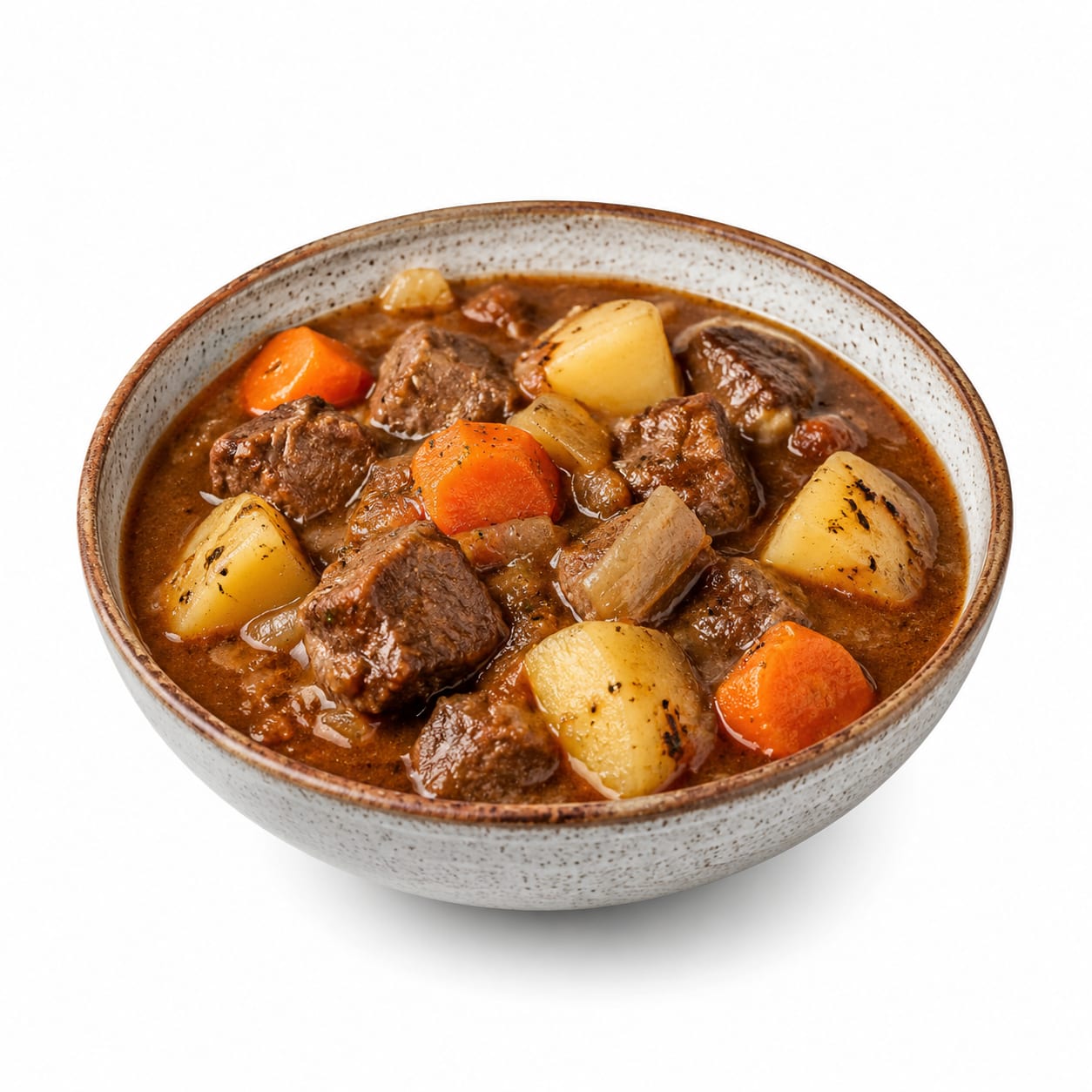
Irish Stew
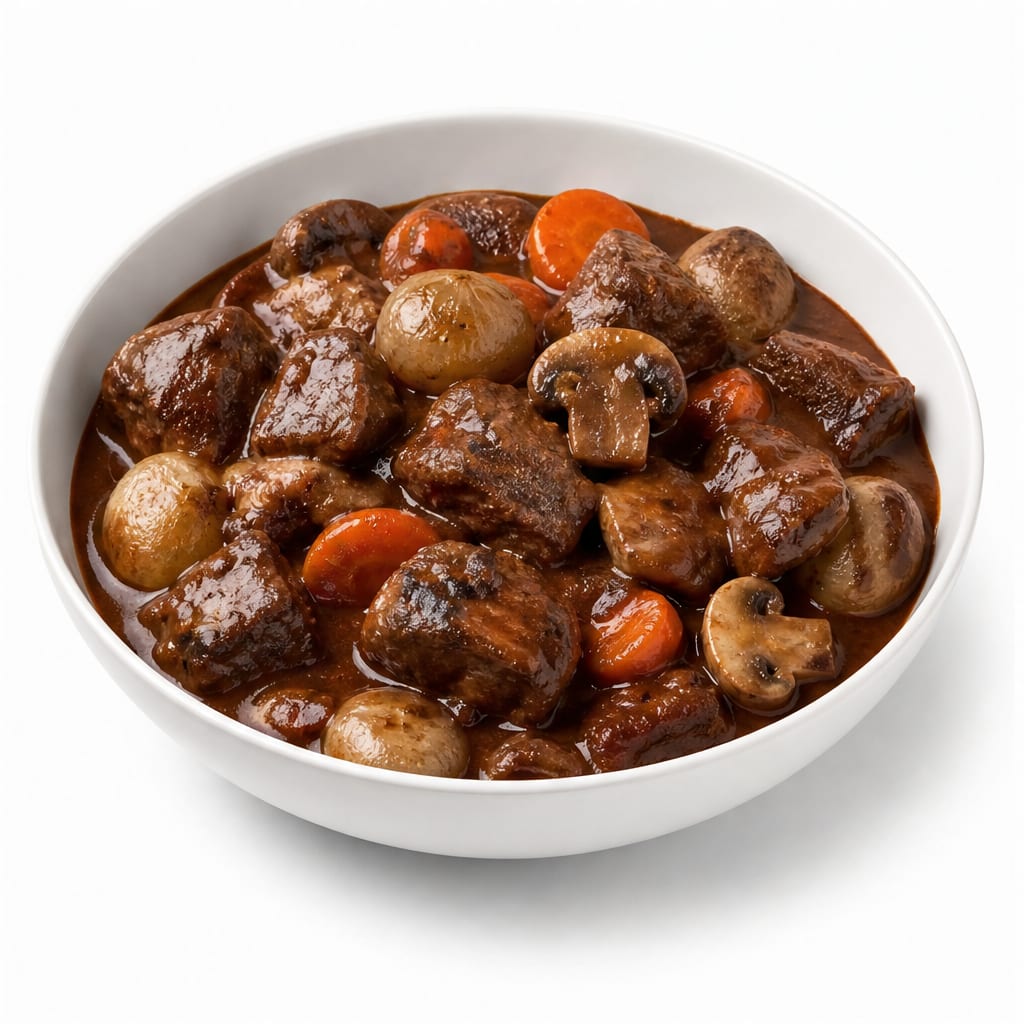
Beef Bourguignon
Irish Stew wins for everyday health — leaner, simpler, and easier on your heart. Beef Bourguignon is the richer indulgence worth savoring occasionally.
Irish Stew scores higher due to cleaner ingredients, lower saturated fat, and better everyday suitability. Beef Bourguignon loses ground on sodium, alcohol content, and fat load but remains a superior flavor experience for special occasions.
Irish Stew trades flavor complexity for cleaner nutrition. Beef Bourguignon delivers depth and luxury but carries more saturated fat, sodium, and alcohol.
At a glance
Executive summary
Overall
Irish Stew
Healthier
Irish Stew
More practical
Irish Stew
Daily use
Irish Stew
Key comparison lenses
comfort food health tradeoff
Both are hearty braised dishes but with very different fat, sodium, and alcohol profiles
everyday meal suitability
Users want to know which stew fits better into a weekly rotation without health regret
heart health comparison
Saturated fat from bacon and wine reduction in Beef Bourguignon vs leaner lamb in Irish Stew matters for cardiovascular risk
sodium and blood pressure concern
Bacon, stock concentrates, and wine reduction make sodium a key differentiator
cooking effort vs reward
Both are slow-cooked but Beef Bourguignon demands more steps and ingredients
Best choice for
Irish Stew
- People watching their heart health
- Weekly meal prep with leftovers
- Families wanting a simple one-pot dinner
- Anyone reducing sodium intake
- Those avoiding alcohol in cooking
Beef Bourguignon
- Special occasion dinner parties
- Home cooks wanting a culinary project
- Those seeking deep complex flavors
- Red wine enthusiasts
- Anyone craving a luxurious weekend meal
Least suitable for
Irish Stew
- People bored by simple flavors
- Those wanting an impressive dish for guests
- Anyone avoiding nightshades or potatoes
- Strict low-carb dieters
Beef Bourguignon
- Daily or weekly meal rotation
- People with high blood pressure
- Anyone avoiding alcohol entirely
- Those tracking saturated fat closely
Deep comparison
Dimension by dimension
Each lens scores both foods and breaks down who each option suits.
- Dimension 1 · Priority 94Irish Stew
Saturated Fat & Heart Health
Irish Stew · 75Beef Bourguignon · 45Irish Stew uses lamb which can be trimmed of fat, while Beef Bourguignon adds bacon and often fatty beef cuts that stack saturated fat quickly.
Tradeoff
You sacrifice the smoky depth bacon provides but protect your arteries for daily eating.
Why it matters
Saturated fat from multiple animal sources in one dish adds up fast and directly impacts LDL cholesterol over time.
Real-world impact
A bowl of Beef Bourguignon can deliver nearly a full day's worth of saturated fat. Irish Stew keeps you closer to half that.
Irish Stew
- Heart-conscious eaters
- People with family history of cardiovascular disease
- Anyone trying to lower cholesterol through diet
Better for
- People who find lean stews unsatisfying and overeat later
Worse for
Beef Bourguignon
- Occasional indulgence without guilt
- Those who eat very lean the rest of the week
Better for
- Anyone eating rich meals multiple times per week
- People already over their saturated fat budget
Worse for
- Dimension 2 · Priority 90Irish Stew
Sodium Load
Irish Stew · 70Beef Bourguignon · 40Bacon, stock reductions, and concentrated wine sauce make Beef Bourguignon a sodium bomb compared to the simpler broth of Irish Stew.
Tradeoff
That concentrated sauce tastes incredible but silently pushes your blood pressure in the wrong direction.
Why it matters
Restaurant-style reductions can easily exceed 800mg sodium per serving, which is a third of your daily limit in one bowl.
Real-world impact
After a heavy portion of Beef Bourguignon, you might wake up puffy and thirsty. Irish Stew is far less likely to cause that.
Irish Stew
- People with hypertension
- Anyone trying to reduce water retention
- Those eating processed foods elsewhere in the day
Better for
- Anyone who over-salts the broth at home
Worse for
Beef Bourguignon
- Active people who sweat heavily and need more sodium
- Those who cook with low-sodium stock and control the salt
Better for
- Salt-sensitive individuals
- People who already eat restaurant meals frequently
Worse for
- Dimension 3 · Priority 82Irish Stew
Alcohol Content
Irish Stew · 90Beef Bourguignon · 55Irish Stew is typically alcohol-free. Beef Bourguignon uses a full bottle of red wine, and while some alcohol cooks off, residual amounts remain.
Tradeoff
The wine is what makes Beef Bourguignon taste like Beef Bourguignon, but it introduces a concern for anyone avoiding alcohol entirely.
Why it matters
Even after long braising, 5-10% of the alcohol can remain. For most people this is negligible, but for recovering alcoholics or those serving children it matters.
Real-world impact
A serving of Beef Bourguignon might contain alcohol equivalent to a few sips of wine. Irish Stew has zero.
Irish Stew
- Families cooking for children
- Recovering alcoholics
- Anyone avoiding alcohol for religious or health reasons
- Pregnant women
Better for
- People who feel a stew lacks depth without wine
Worse for
Beef Bourguignon
- Adults who enjoy the complexity wine adds
- Those unconcerned about trace alcohol
Better for
- Anyone who needs to be completely alcohol-free
Worse for
- Dimension 4 · Priority 85Beef Bourguignon
Flavor Complexity & Satisfaction
Irish Stew · 60Beef Bourguignon · 92Beef Bourguignon is a masterclass in layered flavor — wine, bacon, mushrooms, and herbs build something far more complex than Irish Stew's honest simplicity.
Tradeoff
You earn deeper satisfaction per bite with Beef Bourguignon, but it comes at a nutritional cost.
Why it matters
Flavor satisfaction matters for long-term dietary adherence. Bland meals can trigger snacking later.
Real-world impact
A small portion of Beef Bourguignon feels like a complete experience. You might need a larger bowl of Irish Stew to feel the same level of contentment.
Irish Stew
- Those who find comfort in simple clean flavors
- People who add fresh herbs to elevate the dish
Better for
- Adventurous eaters who get bored easily
- People comparing home cooking to restaurant standards
Worse for
Beef Bourguignon
- Food lovers seeking restaurant-quality meals at home
- Anyone prone to late-night snacking after unsatisfying dinners
- Special occasions where the meal should feel memorable
Better for
- Those who find rich food overwhelming
- People who prefer lighter tasting meals
Worse for
- Dimension 5 · Priority 78It depends
Protein Quality & Satiety
Irish Stew · 72Beef Bourguignon · 75Both deliver solid protein from red meat. Beef Bourguignon edges ahead slightly because beef typically has a bit more protein per ounce than lamb, but the difference is minor.
Tradeoff
Lamb in Irish Stew offers slightly different amino acid profiles and more conjugated linoleic acid, while beef provides marginally more total protein.
Why it matters
Both stews are filling, protein-rich meals that will keep you satisfied for hours. This is not a meaningful differentiator.
Real-world impact
Either stew works well as a post-workout dinner or a meal that prevents late-night hunger.
Irish Stew
- Those who prefer the taste of lamb
- People interested in CLA from grass-fed lamb
Better for
- Anyone avoiding lamb for taste or cost reasons
Worse for
Beef Bourguignon
- Those maximizing protein per calorie
- People who find beef more satiating than lamb
Better for
- Those who find beef harder to digest than lamb
Worse for
- Dimension 6 · Priority 76Irish Stew
Ingredient Simplicity & Control
Irish Stew · 88Beef Bourguignon · 55Irish Stew uses fewer ingredients, making it easier to control what goes in your body. Beef Bourguignon's long ingredient list introduces more variables and hidden additives if using pre-made stock or bacon.
Tradeoff
Simplicity gives you transparency and control. Complexity gives you depth but requires vigilance about ingredient quality.
Why it matters
Store-bought beef stock and cured bacon can contain preservatives, MSG, and hidden sugars that you would never add yourself.
Real-world impact
Making Irish Stew from scratch with whole ingredients is straightforward. Replicating Beef Bourguignon cleanly requires sourcing quality bacon and making stock from scratch.
Irish Stew
- Clean-eating advocates
- People with food sensitivities who need to track every ingredient
- Budget-conscious cooks
Better for
- People who find simple ingredient lists boring
Worse for
Beef Bourguignon
- Experienced cooks who make everything from scratch
- Those who enjoy sourcing specialty ingredients
Better for
- Anyone relying on pre-made stock, bacon, or sauce bases
- People with multiple food sensitivities
Worse for
- Dimension 7 · Priority 70Irish Stew
Digestive Tolerance
Irish Stew · 78Beef Bourguignon · 58Irish Stew's simpler broth and fewer rich ingredients make it gentler on digestion. Beef Bourguignon's wine, bacon fat, and concentrated sauce can be heavy.
Tradeoff
A lighter stew means less digestive discomfort but also less of that luxurious mouthfeel people crave.
Why it matters
Rich, fatty, wine-heavy meals are common triggers for acid reflux and bloating, especially when eaten at dinner.
Real-world impact
Irish Stew is a better choice for a weeknight dinner that will not keep you up with indigestion. Beef Bourguignon is best enjoyed at lunch or early dinner.
Irish Stew
- People prone to acid reflux
- Anyone with a sensitive stomach
- Late dinner situations
Better for
- People who feel unsatisfied without rich flavors
Worse for
Beef Bourguignon
- Those with iron stomachs who never get heartburn
- Lunch or early dinner timing
Better for
- Anyone with GERD or IBS triggered by fatty foods
- People eating late at night
Worse for
Timeline
Health impact over time
Short-term
Hours to days
Irish Stew
- Steady energy from complex carbs in potatoes
- Comforting warmth without heaviness
- Moderate satiety that lasts 3-4 hours
- Minimal bloating or digestive discomfort
Beef Bourguignon
- Heavier post-meal fullness that can feel sluggish
- Potential for acid reflux if eaten late
- Higher thirst from sodium content
- Deep flavor satisfaction that reduces dessert cravings
Long-term
Months to years
Irish Stew
- Better cardiovascular profile with regular consumption
- Easier weight maintenance due to lower calorie density
- Lower sodium exposure supports blood pressure health
- Simpler ingredient list reduces cumulative additive exposure
Beef Bourguignon
- Higher saturated fat intake if eaten frequently raises LDL risk
- Sodium load contributes to hypertension over time
- Occasional consumption poses minimal long-term risk
- Polyphenols from red wine offer some antioxidant benefit
Risk profile
Safety & processing
Irish Stew is fundamentally whole food cooking — meat, root vegetables, broth, herbs. Beef Bourguignon relies on cured bacon which introduces nitrates, and many recipes use commercial stock concentrates with hidden additives. The gap widens if you use store-bought components for either dish, but Irish Stew starts from a cleaner baseline.
Irish Stew
Undercooked lamb
mediumLamb should be braised to tender but safe internal temperature. Slow cooking typically resolves this, but rushing the process can leave tough undercooked portions.
Starchy potato cooling and reheating
lowReheated potatoes develop resistant starch which is actually beneficial for gut health, but improper storage can encourage bacterial growth.
Beef Bourguignon
Cured bacon nitrates
mediumBacon contains nitrates and nitrites that can form nitrosamines during high-heat cooking. Slow braising reduces this risk compared to frying, but it does not eliminate it.
Alcohol retention in wine sauce
lowEven after 2-3 hours of braising, trace alcohol remains. Negligible for most adults but relevant for children, pregnant women, and those avoiding alcohol entirely.
Sodium from multiple sources
mediumBacon, stock, and reduced wine sauce concentrate sodium. Homemade versions allow control, but restaurant versions can be extremely high.
Who wins for whom
Audience fit
Same foods, different winners depending on your goal.
children
Irish StewNo alcohol, simpler flavors, and softer potatoes make Irish Stew more appropriate and kid-friendly. The wine in Beef Bourguignon is a concern for many parents.
daily consumption
Irish StewIrish Stew is sustainable as a weekly staple. Beef Bourguignon is best reserved for occasional enjoyment due to its fat, sodium, and alcohol content.
diabetes
Irish StewIrish Stew has a simpler carbohydrate profile from potatoes. Beef Bourguignon's wine reduction can contain residual sugars, and the higher fat content slows gastric emptying in ways that sometimes cause delayed blood sugar spikes.
elderly
Irish StewLower sodium, gentler digestion, and softer textures make Irish Stew more suitable for aging bodies. Beef Bourguignon's richness can challenge older digestive systems and blood pressure management.
muscle gain
It dependsBoth provide solid protein from red meat. The slight edge goes to Beef Bourguignon for marginally more protein per serving, but the difference is not meaningful enough to matter.
weight loss
Irish StewLower calorie density and less fat per serving make Irish Stew easier to fit into a calorie deficit while still feeling like a real meal.
Your move
Decision guide
Choose Irish Stew
- You want a hearty stew you can eat weekly without health guilt
- Sodium or heart health is a concern for you
- You are cooking for children or anyone avoiding alcohol
- You prefer simple clean flavors over complex richness
- You want an easier recipe with fewer ingredients to source
- Digestive sensitivity makes rich heavy meals uncomfortable
Choose Beef Bourguignon
- You are cooking for a special occasion and want to impress
- Deep complex flavor matters more to you than nutritional optimization
- You are an experienced cook who enjoys a culinary project
- You eat very clean most of the week and want a reward meal
- You have no concerns about sodium, saturated fat, or alcohol
- You are serving adults who appreciate French cuisine
Either works if
- You simply want a warming stew on a cold evening
- Both fit your calorie and fat budget for the day
- You are comfortable making modifications to either recipe
Avoid both if
- You are following a strict low-carb or keto diet due to potatoes and carrots
- You have gout triggered by red meat and alcohol
- You need a quick weeknight meal under 30 minutes
- You are a vegetarian or avoiding red meat entirely
Final recommendation
Make Irish Stew your everyday stew and save Beef Bourguignon for when the occasion calls for something extraordinary. If you love Beef Bourguignon but want it more often, try reducing the bacon, using leaner beef cuts, and going lighter on the salt — you will get 80% of the flavor with far less health baggage.
Practical
Consumer tips
- 1
For Irish Stew, use shoulder lamb and trim visible fat before browning to keep saturated fat even lower
- 2
Make Beef Bourguignon healthier by using uncured bacon, low-sodium stock, and reducing added salt by half
- 3
Both stews freeze beautifully — make a large batch and portion for future meals to avoid reaching for processed convenience food
- 4
If wine in Beef Bourguignon concerns you, substitute with alcohol-free red wine or additional beef stock plus a splash of balsamic vinegar
- 5
Add extra root vegetables like parsnips or turnips to Irish Stew to increase fiber and micronutrient density without changing the character of the dish
- 6
Let either stew cool and skim the fat that solidifies on top before reheating — this simple step removes significant saturated fat
- 7
Serve either stew with a large side salad to add volume and fiber without many calories, helping with portion control for the richer stew