
Nutrition comparison
Irish Stew vs Beef Stew: Nutrition, Health Impact & Which Is Better
Compare Irish Stew and Beef Stew side by side. Learn which is better for weight loss, heart health, and daily eating, plus the real nutritional tradeoffs between lamb and beef stews.
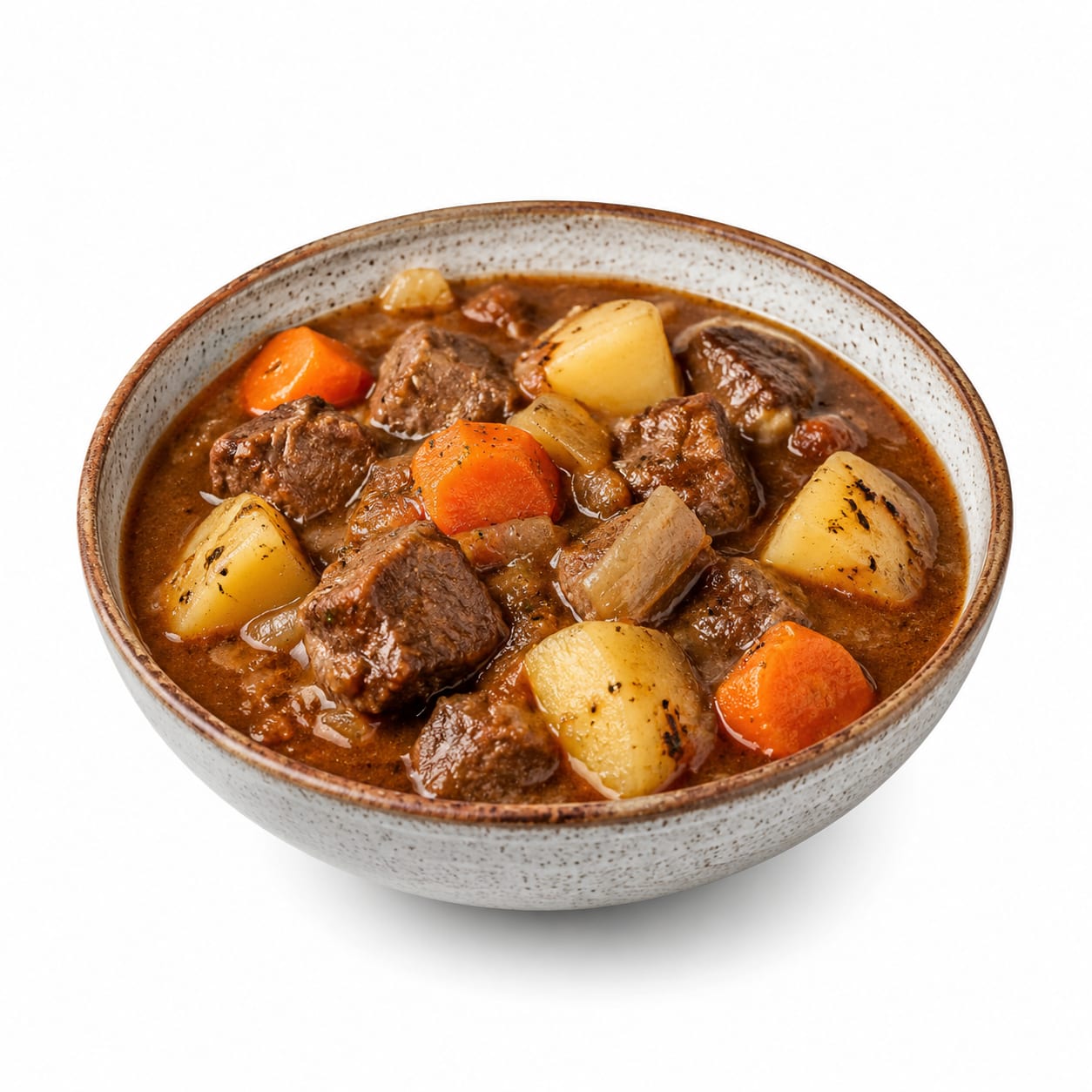
Irish Stew
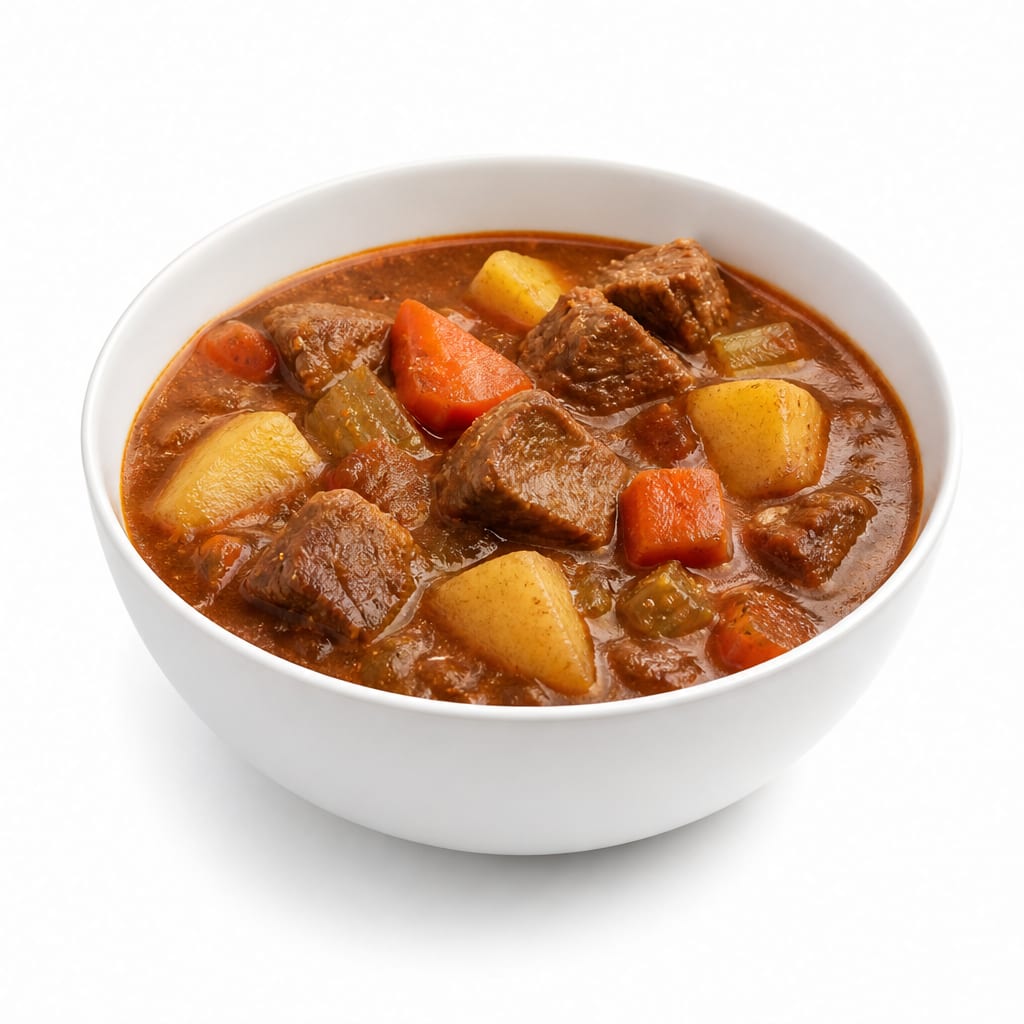
Beef Stew
Irish Stew offers simpler ingredients and richer omega-3s from lamb, while Beef Stew delivers leaner protein and more vegetable variety. Your pick depends on whether you prioritize fat quality or calorie control.
Beef Stew edges ahead slightly due to lower saturated fat and more vegetable inclusion, but Irish Stew wins on ingredient simplicity and beneficial fat content. The close scores reflect that both are nutritious whole-food meals with different strengths.
Irish Stew gives you a cleaner ingredient list and beneficial lamb fats, but at a higher calorie cost. Beef Stew is lighter and more vegetable-rich, but often includes more processed additions like thickeners and wine.
At a glance
Executive summary
Overall
It depends
Healthier
It depends
More practical
Beef Stew
Daily use
Beef Stew
Key comparison lenses
protein source quality comparison
Lamb versus beef is the core nutritional difference driving most health outcomes between these stews
fat profile and heart health impact
Lamb is typically fattier with a different saturated fat composition, making cardiovascular risk a key decision factor
satiety and comfort food value
Both are hearty comfort foods, but fat content and ingredient simplicity affect how satisfying each feels
ingredient simplicity and processing
Traditional Irish Stew uses fewer ingredients, while Beef Stew often includes tomato paste, wine, and thickeners
iron and micronutrient density
Both deliver strong B12, zinc, and iron, but the specific profiles differ enough to matter for deficiency-prone individuals
Best choice for
Irish Stew
- People seeking minimally processed comfort food
- Those wanting higher omega-3 intake from red meat
- Anyone avoiding tomato-based dishes
- Traditional whole-food eaters who value ingredient simplicity
Beef Stew
- People watching calories or saturated fat
- Those wanting more vegetable variety in one pot
- Anyone meal-prepping for the week
- Families needing a crowd-pleasing, familiar dish
Least suitable for
Irish Stew
- People on low-calorie or low-fat diets
- Anyone with gout flares triggered by lamb
- Those sensitive to rich, heavy meals before physical activity
Beef Stew
- People avoiding tomatoes or nightshades
- Those sensitive to wine or alcohol in cooking
- Anyone seeking the simplest possible ingredient list
Deep comparison
Dimension by dimension
Each lens scores both foods and breaks down who each option suits.
- Dimension 1 · Priority 92Beef Stew
Protein Quality & Amount
Irish Stew · 72Beef Stew · 80Beef Stew typically delivers more protein per calorie because beef cuts used in stew are leaner than lamb. Both provide complete, high-quality protein with all essential amino acids.
Tradeoff
Irish Stew's lamb protein comes packaged with more fat, meaning you get fewer grams of protein per calorie. Beef Stew offers better protein density for the same portion size.
Why it matters
If you are eating stew as a recovery meal after exercise or trying to hit protein targets without overconsuming calories, Beef Stew makes it easier.
Real-world impact
A bowl of Beef Stew might give you 30g of protein for 350 calories, while Irish Stew could deliver 25g for 400 calories. That difference adds up over a week.
Irish Stew
- Those who tolerate higher fat and want slower-digesting protein
Better for
- People on calorie-restricted diets needing protein efficiency
Worse for
Beef Stew
- Athletes and active people needing efficient protein intake
- Anyone tracking macros who wants more protein per calorie
Better for
- Those who find leaner stews less satisfying and end up snacking later
Worse for
- Dimension 2 · Priority 88It depends
Fat Profile & Heart Health
Irish Stew · 68Beef Stew · 75Lamb contains more total fat and saturated fat than stewing beef, but also provides more omega-3 fatty acids and conjugated linoleic acid. Beef Stew is leaner overall but offers less of these beneficial fats.
Tradeoff
Irish Stew gives you anti-inflammatory omega-3s and CLA from lamb, but the saturated fat load is higher. Beef Stew is easier on your arteries day-to-day but misses some of the unique fat benefits.
Why it matters
For occasional meals, the difference is negligible. For weekly consumption, the saturated fat in Irish Stew becomes a more meaningful consideration for heart health.
Real-world impact
Eating Irish Stew twice a week instead of Beef Stew could mean an extra 10-15g of saturated fat weekly. Over months, that can influence cholesterol levels if the rest of your diet is not carefully managed.
Irish Stew
- People with otherwise low saturated fat intake who can afford the extra
- Those specifically seeking CLA and omega-3 from whole food sources
Better for
- People with existing heart disease risk factors
Worse for
Beef Stew
- Anyone with elevated LDL cholesterol
- People eating red meat multiple times per week already
Better for
- Those relying on stew as their primary source of beneficial fats
Worse for
- Dimension 3 · Priority 85Irish Stew
Satiety & Comfort Factor
Irish Stew · 86Beef Stew · 78Irish Stew's higher fat content makes it more filling and comforting. The richness of lamb fat creates a longer-lasting sense of satisfaction that keeps hunger at bay for hours.
Tradeoff
Irish Stew keeps you fuller longer, but that fullness comes with a heavier feeling. Beef Stew is lighter and less likely to leave you sluggish after eating.
Why it matters
If you tend to snack between meals, the extra satiety from Irish Stew might actually reduce your total daily calorie intake despite being higher in calories per bowl.
Real-world impact
After a bowl of Irish Stew at lunch, you are unlikely to crave a 3pm snack. After Beef Stew, you might reach for something small a few hours earlier.
Irish Stew
- People who struggle with between-meal snacking
- Cold-weather meals where deep comfort matters
- One-pot dinners that need to hold you until morning
Better for
- Eating before physical activity or exercise
Worse for
Beef Stew
- Lunch before an active afternoon
- Those who dislike feeling overly full
Better for
- Late dinners where you need sustained fullness through the night
Worse for
- Dimension 4 · Priority 80Beef Stew
Vegetable & Micronutrient Diversity
Irish Stew · 62Beef Stew · 79Beef Stew typically includes carrots, celery, tomatoes, and sometimes peas or green beans. Traditional Irish Stew relies heavily on potatoes and onions with limited additional vegetables.
Tradeoff
Beef Stew delivers a broader micronutrient spectrum through vegetable variety, including lycopene from tomatoes and beta-carotene from carrots. Irish Stew is simpler but less nutritionally diverse.
Why it matters
Vegetable variety is one of the strongest predictors of overall diet quality. A stew that packs in more colors automatically improves your micronutrient intake.
Real-world impact
A bowl of Beef Stew might contribute two to three servings of vegetables toward your daily target. Irish Stew often contributes one to one and a half.
Irish Stew
- Those who prefer minimal, clean flavors without tomato acidity
Better for
- Those relying on stew as a primary vegetable source
Worse for
Beef Stew
- Anyone trying to increase vegetable intake effortlessly
- People who want lycopene and antioxidant benefits from tomatoes
Better for
- People with nightshade sensitivities
Worse for
- Dimension 5 · Priority 78Irish Stew
Ingredient Simplicity & Processing
Irish Stew · 88Beef Stew · 70Traditional Irish Stew uses just lamb, potatoes, onions, and water. Beef Stew recipes frequently call for tomato paste, flour thickeners, wine, and bouillon cubes, introducing more processed elements.
Tradeoff
Irish Stew is about as whole-food as a cooked meal gets. Beef Stew's richer flavor often comes at the cost of added thickeners, concentrated tomato products, and sometimes MSG or yeast extract.
Why it matters
Fewer ingredients means fewer potential irritants, better digestibility for sensitive individuals, and more control over what enters your body.
Real-world impact
If you react to MSG, gluten thickeners, or sulfites in wine, Beef Stew is more likely to contain hidden triggers. Irish Stew is predictably safe.
Irish Stew
- People with food sensitivities or elimination diets
- Anyone prioritizing whole-food, minimal-ingredient cooking
- Those avoiding gluten or hidden thickeners
Better for
- People who find very simple flavors unappealing and add processed condiments anyway
Worse for
Beef Stew
- Those unconcerned about moderate processing in home cooking
Better for
- Anyone strictly avoiding flour, wine, or concentrated tomato products
Worse for
- Dimension 6 · Priority 75Irish Stew
Iron & B12 Density
Irish Stew · 82Beef Stew · 78Lamb slightly edges out beef in heme iron content per serving, and both are excellent B12 sources. The difference is modest but meaningful for those actively correcting deficiencies.
Tradeoff
Irish Stew provides a small iron advantage, but the higher fat content means you could eat a larger portion of Beef Stew for the same calories and close the iron gap.
Why it matters
For women of reproductive age, vegetarians transitioning back to meat, or anyone with low ferritin, every milligram of heme iron counts.
Real-world impact
A bowl of Irish Stew might provide 25% of your daily iron needs versus 22% from Beef Stew. Not dramatic, but relevant if you are tracking intake carefully.
Irish Stew
- People with diagnosed iron deficiency
- Women with heavy menstrual cycles needing maximum heme iron
Better for
- People with hemochromatosis who need to limit iron
Worse for
Beef Stew
- Those who eat larger portions of Beef Stew due to lower calorie density, effectively matching iron intake
Better for
- Those who can only eat small portions and need maximum nutrient density per bite
Worse for
- Dimension 7 · Priority 72Irish Stew
Sodium Load
Irish Stew · 70Beef Stew · 62Irish Stew's simplicity means less added salt in traditional preparations. Beef Stew recipes often include bouillon, soy sauce, or commercial stock, significantly increasing sodium.
Tradeoff
Irish Stew is easier to keep low-sodium when homemade. Beef Stew's flavor complexity often depends on salty umami boosters that push sodium levels higher.
Why it matters
For the 30% of adults with salt-sensitive blood pressure, the difference between 600mg and 1000mg of sodium in a bowl matters for daily management.
Real-world impact
A restaurant bowl of Beef Stew can easily exceed 1200mg sodium. A traditional Irish Stew made at home might stay under 500mg. That gap is significant for hypertensive individuals.
Irish Stew
- People with high blood pressure
- Anyone on a sodium-restricted diet
Better for
- People who over-salt simple dishes to compensate for mild flavor
Worse for
Beef Stew
- Those who make stew from scratch and control all seasonings
Better for
- Anyone eating pre-made or restaurant versions regularly
Worse for
Timeline
Health impact over time
Short-term
Hours to days
Irish Stew
- Deep, lasting fullness that reduces snacking for hours
- Heavier post-meal feeling that may reduce physical energy briefly
- Warming and deeply satisfying in cold weather
Beef Stew
- Moderate satiety without excessive heaviness
- Better energy availability for afternoon activity after lunch
- More comfortable portion control due to lower calorie density
Long-term
Months to years
Irish Stew
- Higher saturated fat intake if consumed frequently may elevate LDL cholesterol
- Beneficial CLA and omega-3 intake supports anti-inflammatory pathways
- Simpler ingredient list reduces cumulative exposure to food additives
Beef Stew
- Better cardiovascular risk profile with lower saturated fat per serving
- Greater vegetable variety supports long-term micronutrient adequacy
- Potential for higher sodium exposure if relying on commercial stocks or restaurant versions
Risk profile
Safety & processing
Traditional Irish Stew is one of the least processed hot meals you can make, often requiring just four whole ingredients. Beef Stew, while still a home-cooked meal, typically incorporates tomato paste, flour, wine, and sometimes bouillon cubes, pushing it into moderately processed territory.
Irish Stew
Undercooked lamb parasite exposure
lowLamb can carry Toxoplasma gondii, but thorough stewing for hours eliminates this risk completely.
Histamine in aged mutton
lowTraditional recipes sometimes use mutton, which if aged can have higher histamine levels. Relevant only for histamine-intolerant individuals.
Beef Stew
Sulfite exposure from cooking wine
mediumMany Beef Stew recipes call for red wine, which contains sulfites that can trigger headaches or reactions in sensitive people.
Hidden allergens from thickeners
mediumFlour-based roux or commercial thickeners introduce gluten. Cross-contamination risk is higher in restaurant versions.
Bouillon cube additives
lowCommercial stock cubes often contain MSG, yeast extract, and palm oil. Homemade stock avoids this entirely.
Who wins for whom
Audience fit
Same foods, different winners depending on your goal.
children
Beef StewMilder beef flavor and familiar vegetable mix make Beef Stew more kid-friendly. The tomato-based broth is often more appealing to young palates.
daily consumption
Beef StewLower saturated fat and higher vegetable diversity make Beef Stew more sustainable as a regular meal without cardiovascular concerns building up.
diabetes
Beef StewLower saturated fat and more fiber from additional vegetables support better insulin sensitivity, though both require portion awareness for potato content.
elderly
Irish StewIrish Stew's extremely tender lamb and simple ingredients are gentler on aging digestive systems. Lower sodium potential is also beneficial for blood pressure management.
muscle gain
Beef StewMore protein per calorie from leaner beef cuts supports muscle protein synthesis without excess fat intake.
weight loss
Beef StewBeef Stew's lower calorie density and higher vegetable content allow larger, more filling portions within a calorie budget.
Your move
Decision guide
Choose Irish Stew
- You value ingredient simplicity and want a truly whole-food meal
- You are trying to increase omega-3 and CLA intake from natural sources
- You have food sensitivities to tomatoes, gluten, or wine
- You want maximum satiety from a single bowl to prevent later snacking
- You are cooking for someone with high blood pressure who needs lower sodium
Choose Beef Stew
- You are watching calories or saturated fat for heart health
- You want more vegetable variety and micronutrient breadth in one pot
- You are meal-prepping for an active week and need efficient protein
- You prefer richer, more complex flavor profiles
- You are cooking for kids or picky eaters who prefer familiar flavors
Either works if
- You are eating stew occasionally and both fit your overall diet
- You are making it from scratch and can control all ingredients
- You simply want a warming, satisfying meal on a cold evening
Avoid both if
- You have severe gout and need to limit purine-rich red meat
- You are on a strict low-FODMAP diet and cannot tolerate onions or garlic
- You are vegan or avoiding all animal products
Final recommendation
For most people eating stew once or twice a week, Beef Stew is the more practical daily choice thanks to its leaner profile and vegetable diversity. But if you prioritize eating food as close to its natural state as possible, or if you have specific sensitivities to common stew additives, Irish Stew is the cleaner option. The best approach: alternate between both. Enjoy Irish Stew when you want deep comfort and simplicity, and Beef Stew when you want a lighter, veggie-packed meal.
Practical
Consumer tips
- 1
Make either stew from scratch to control sodium and avoid hidden thickeners
- 2
Trim visible fat from lamb before cooking Irish Stew to reduce saturated fat by 20-30%
- 3
Use homemade bone broth instead of bouillon cubes for Beef Stew to eliminate MSG and excess sodium
- 4
Add extra root vegetables like parsnips or turnips to Irish Stew to boost micronutrient diversity without changing its character
- 5
Skim fat from the surface of either stew after refrigerating overnight for a significantly lighter meal the next day
- 6
If using wine in Beef Stew, choose a sulfite-free wine if you are sensitive
- 7
Both stews improve nutritionally with a handful of fresh herbs like thyme or rosemary added near the end of cooking