
Nutrition comparison
Irish Stew vs Cassoulet: Which Hearty Stew Is Healthier?
Compare Irish Stew and Cassoulet nutrition, calories, fat, and health impact. Find out which classic stew is better for weight loss, heart health, and weekly meals.
Overall winner · Irish Stew
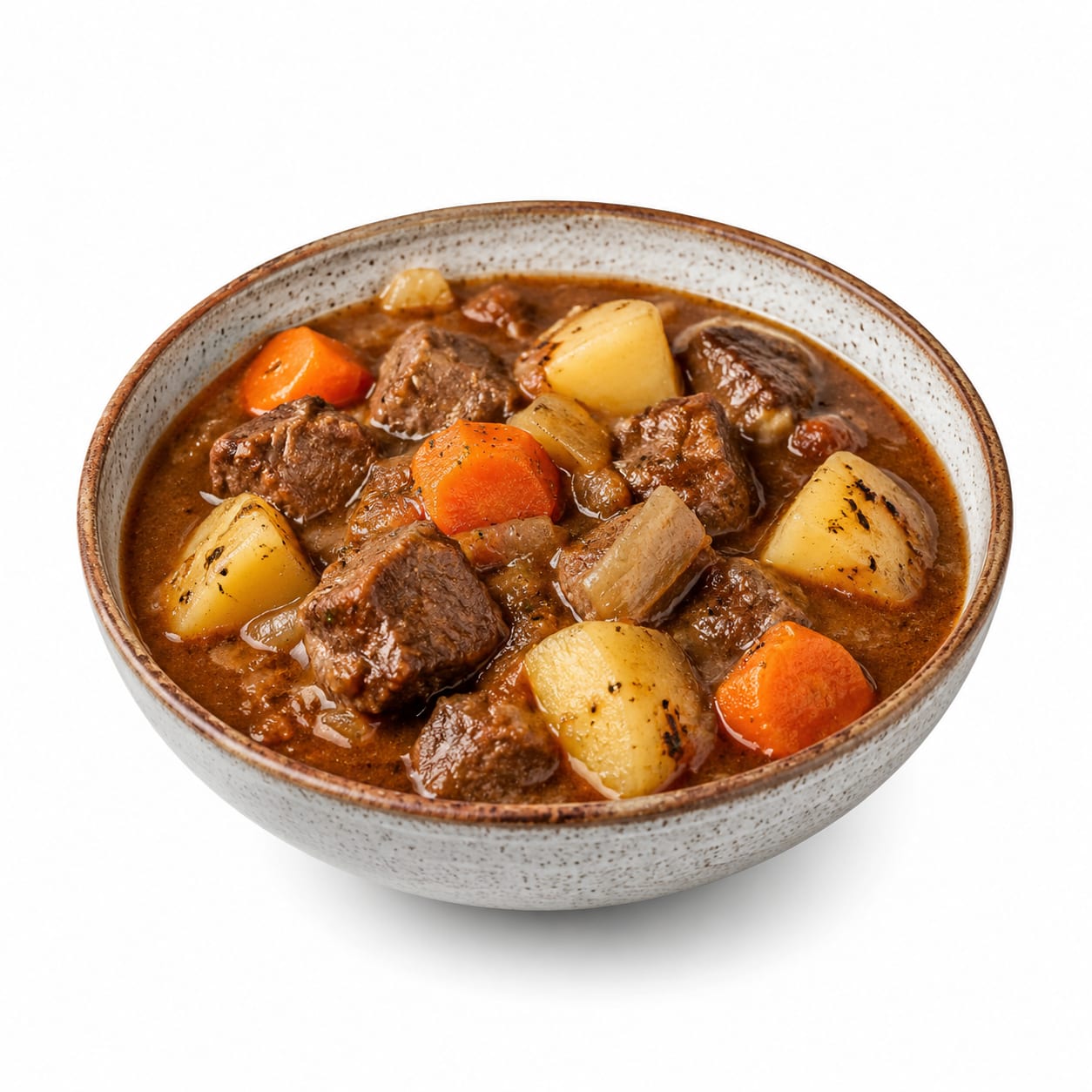
Irish Stew
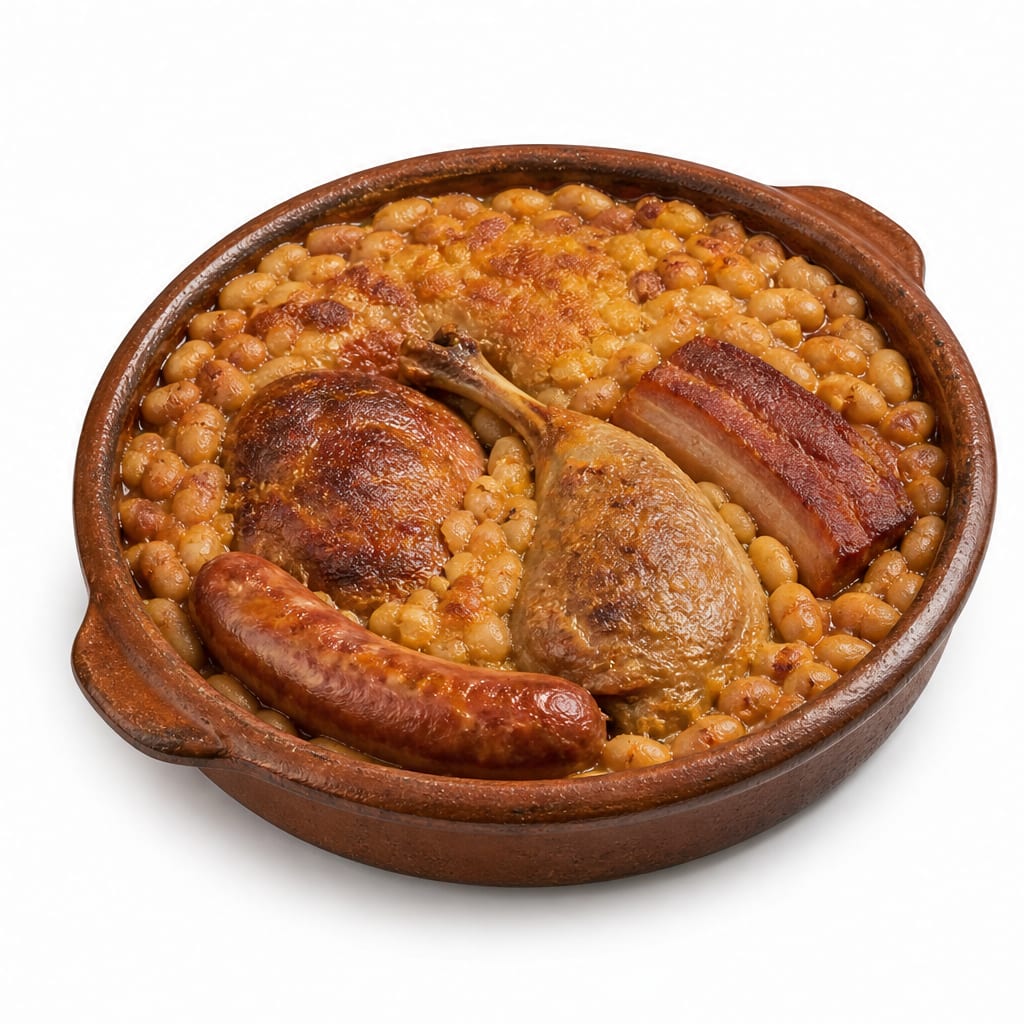
Cassoulet
Irish Stew delivers hearty comfort with a lighter metabolic footprint, while Cassoulet trades health for indulgent richness
Irish Stew scores notably higher because its simpler ingredient profile delivers comfort with less metabolic cost. Cassoulet is not unhealthy in isolation, but its saturated fat, calorie density, and sodium load make it a rare treat rather than a regular choice. The gap reflects real-world eatability: you can have Irish Stew weekly without concern, while Cassoulet demands restraint.
Cassoulet gives you more fiber from beans and a luxurious depth of flavor, but at the cost of significantly more saturated fat, calories, and sodium per bite
At a glance
Executive summary
Overall
Irish Stew
Healthier
Irish Stew
More practical
Irish Stew
Daily use
Irish Stew
Key comparison lenses
heart health and cholesterol
Cassoulet's duck confit and sausages deliver far more saturated fat than Irish Stew's leaner lamb, making cardiovascular impact the central tradeoff
calorie density and weight management
Cassoulet is notoriously rich and calorie-dense, while Irish Stew offers similar comfort with fewer calories per serving
digestive comfort and lightness
Both are slow-cooked comfort dishes, but Irish Stew is notably lighter and easier on the stomach after eating
protein quality and amount
Both deliver substantial protein from different meat sources, but the types and fat content differ significantly
sodium and preservative exposure
Cassoulet's sausages and confit often bring more sodium and cured meat compounds than Irish Stew's simpler preparation
fiber and gut health
Cassoulet's white beans provide notable fiber that Irish Stew's potato-heavy base cannot match
Best choice for
Irish Stew
- People watching their cholesterol or heart health
- Anyone wanting comforting food without the heavy aftermath
- Regular weeknight dinners where you need satisfaction without excess
- Those sensitive to rich or fatty meals
- Households wanting a simpler, more affordable one-pot meal
Cassoulet
- Special occasions calling for a showstopper dish
- Active people who burn through calories easily
- Anyone needing serious calorie density in cold weather
- Diners who prioritize flavor intensity above all else
- Traditional French cuisine enthusiasts seeking authenticity
Least suitable for
Irish Stew
- Those needing maximum calorie intake for weight gain
- People looking for high-fiber bean-based meals
- Diners wanting an elaborate, multi-meat culinary experience
- Anyone bored by simple flavor profiles
Cassoulet
- Anyone with heart conditions or high cholesterol
- People trying to lose weight or control portions
- Those with sodium-sensitive blood pressure
- Diners who feel sluggish after heavy meals
- Anyone eating this more than occasionally
Deep comparison
Dimension by dimension
Each lens scores both foods and breaks down who each option suits.
- Dimension 1 · Priority 92Irish Stew
heart_health
Irish Stew · 75Cassoulet · 42Irish Stew uses leaner cuts of lamb with potatoes and root vegetables, keeping saturated fat moderate. Cassoulet piles on duck confit, pork sausage, and sometimes pork skin, pushing saturated fat to levels that challenge daily limits in a single serving.
Tradeoff
Cassoulet's flavor depth comes directly from its fat content. You cannot separate the richness from the cardiovascular cost.
Why it matters
Regular consumption of high-saturated-fat meals raises LDL cholesterol over time. One bowl of Cassoulet can deliver nearly a full day's worth of saturated fat.
Real-world impact
After Irish Stew, you feel satisfied but still functional. After Cassoulet, you may feel heavy and sluggish, and your heart works harder digesting the fat load.
Irish Stew
- Anyone with family history of heart disease
- People managing high cholesterol
- Those who want comfort food more than once a week
Better for
- Situations where maximum caloric intake is the goal
Worse for
Cassoulet
- Endurance athletes who need dense caloric fuel
- Underweight individuals seeking palatable calorie surplus
Better for
- Anyone with cardiovascular risk factors
- People on sodium-restricted diets
- Regular rotation meal planning
Worse for
- Dimension 2 · Priority 88Irish Stew
calorie_density_and_portion_control
Irish Stew · 78Cassoulet · 45A typical bowl of Irish Stew runs 350-500 calories. Cassoulet easily hits 600-900 calories per serving, and restaurant portions can exceed 1,000.
Tradeoff
Cassoulet is so calorie-dense that a reasonable portion feels small, while a satisfying portion overshoots most people's needs.
Why it matters
Calorie density drives overeating more than willpower. Foods that pack hundreds of calories into modest volumes make portion control feel like deprivation.
Real-world impact
You can have a generous bowl of Irish Stew and still have room for a side salad. With Cassoulet, the bowl itself is the entire calorie budget.
Irish Stew
- Weight management goals
- People who like eating larger volumes
- Anyone tracking calories without feeling restricted
Better for
- Hard-gainers needing calorie surplus
Worse for
Cassoulet
- Hikers, skiers, or manual laborers burning 3,000+ calories daily
- Recovering from illness with appetite loss
Better for
- Anyone trying to maintain or lose weight
- Sedentary lifestyles
- Evening meals before sleep
Worse for
- Dimension 3 · Priority 68Cassoulet
fiber_and_gut_health
Irish Stew · 48Cassoulet · 72Cassoulet's white beans deliver 8-12g of fiber per serving, supporting digestion and blood sugar stability. Irish Stew relies on potatoes, which offer less fiber and a faster glucose response.
Tradeoff
You get better gut health from Cassoulet's beans, but you pay for it with the fat they are cooked with.
Why it matters
Fiber slows sugar absorption, feeds beneficial gut bacteria, and keeps you regular. Most people fall short of daily fiber targets.
Real-world impact
After Cassoulet, your digestion moves steadily thanks to the beans. After Irish Stew, the lower fiber means less gut activity and a quicker return of hunger.
Irish Stew
- People with sensitive digestion who find beans gas-producing
Better for
- Low-fiber diets already lacking in beans and legumes
Worse for
Cassoulet
- Anyone struggling to hit 25g+ fiber daily
- Those wanting steadier blood sugar after meals
Better for
- Anyone with IBS or bean intolerance
Worse for
- Dimension 4 · Priority 72Irish Stew
sodium_and_preservative_load
Irish Stew · 70Cassoulet · 40Irish Stew is seasoned simply with herbs and moderate salt. Cassoulet relies on cured sausages, salted duck confit, and sometimes preserved pork, pushing sodium well above 1,000mg per serving.
Tradeoff
The preserved meats that make Cassoulet taste incredible also make it a sodium bomb that can spike blood pressure.
Why it matters
High sodium intake is the leading dietary risk factor for hypertension. One serving of Cassoulet can deliver half or more of the daily recommended limit.
Real-world impact
After Irish Stew, you feel comfortably full. After Cassoulet, you may notice thirst, bloating, and puffy fingers the next morning.
Irish Stew
- Anyone with hypertension or sodium sensitivity
- People trying to reduce processed meat exposure
Better for
- Those who find unseasoned food bland
Worse for
Cassoulet
- Heavy sweaters who lose sodium through exercise
- People without any blood pressure concerns
Better for
- Anyone monitoring blood pressure
- People reducing processed and cured meat intake
Worse for
- Dimension 5 · Priority 82It depends
satiety_and_staying_power
Irish Stew · 74Cassoulet · 80Cassoulet keeps you full longer due to its extreme fat and protein content, which slows gastric emptying. Irish Stew satisfies well but hunger returns sooner.
Tradeoff
Cassoulet's staying power comes from calorie density, not nutritional elegance. You stay full because your body is working hard to process the richness.
Why it matters
Satiety prevents snacking and overeating later. But satiety from fat versus satiety from fiber and protein have different metabolic consequences.
Real-world impact
After Cassoulet, you likely will not want to eat again for 6-8 hours. After Irish Stew, you may want a light snack in 3-4 hours.
Irish Stew
- People who prefer eating smaller meals more frequently
- Anyone who dislikes the heavy, sluggish feeling after rich food
Better for
- Long gaps between meals where sustained energy matters
Worse for
Cassoulet
- One-meal-day scenarios like long work shifts
- Situations where you cannot eat again for many hours
Better for
- Anyone who finds heavy meals kill productivity and alertness
Worse for
- Dimension 6 · Priority 70It depends
emotional_comfort_and_satisfaction
Irish Stew · 76Cassoulet · 82Both are iconic comfort foods. Irish Stew offers warm, gentle reassurance. Cassoulet delivers deep, luxurious indulgence that feels like an event.
Tradeoff
Cassoulet feels more rewarding in the moment but carries guilt risk. Irish Stew feels virtuous and cozy without the internal negotiation.
Why it matters
Emotional satisfaction determines whether you stick with a food long-term or binge and abandon it.
Real-world impact
Irish Stew is the meal you come home to on a rainy Tuesday. Cassoulet is the meal you plan your weekend around.
Irish Stew
- Stress eating that should not add guilt
- Regular comfort without emotional hangover
Better for
- Moments when only maximum indulgence satisfies
Worse for
Cassoulet
- Celebrations and special gatherings
- Cold nights when only the richest food will do
Better for
- Emotional eaters who spiral after heavy meals
Worse for
Timeline
Health impact over time
Short-term
Hours to days
Irish Stew
- Warm, steady satisfaction without heaviness
- Moderate energy that does not crash
- Easy digestion with minimal bloating
- Comfort without sluggishness
Cassoulet
- Deep fullness that borders on food coma
- Possible bloating from bean and fat combination
- Thirst from high sodium content
- Energy dip 1-2 hours after eating as body processes the fat
Long-term
Months to years
Irish Stew
- Manageable saturated fat intake supports heart health
- Moderate calories allow weekly inclusion without weight gain
- Lower sodium protects blood pressure over time
- Simpler ingredient list reduces cumulative preservative exposure
Cassoulet
- Frequent consumption would likely raise LDL cholesterol
- Regular high-sodium meals increase hypertension risk
- Cured meat exposure adds to processed meat cancer risk
- Calorie surplus likely if eaten more than occasionally
Risk profile
Safety & processing
Irish Stew is built from whole lamb, potatoes, onions, and herbs with minimal intervention. Cassoulet relies on confit (preserved duck), cured sausages, and sometimes salted pork skin, all of which involve curing, salting, or preserving. The difference is not ultra-processing but traditional preservation that still adds sodium, nitrates, and preservative compounds.
Irish Stew
Undercooked lamb
mediumLamb should reach 145°F internal temperature. Slow cooking typically resolves this, but rushed preparations may not fully eliminate pathogens.
Leftover storage
lowLike any meat stew, refrigerate within 2 hours and consume within 3-4 days. Reheat to 165°F.
Cassoulet
Cured meat compounds
mediumSausages and confit may contain nitrates or nitrites. Regular consumption of cured meats is classified as a Group 1 carcinogen by WHO when processed with these methods.
High sodium foodborne interaction
lowWhile salt preserves food, the combination of multiple preserved meats increases cumulative preservative exposure.
Bean undercooking
lowUndercooked white beans contain phytohaemagglutinin, which can cause gastrointestinal distress. Proper slow cooking eliminates this risk.
Who wins for whom
Audience fit
Same foods, different winners depending on your goal.
children
Irish StewSimpler flavors, lower sodium, and easier digestion make Irish Stew more appropriate for developing palates and smaller bodies.
daily consumption
Irish StewIrish Stew can reasonably appear in a weekly rotation without health concerns. Cassoulet is best reserved for occasional indulgence.
diabetes
Irish StewIrish Stew has a lower overall glycemic impact despite the potatoes, because the portion of potatoes is moderate. Cassoulet's beans help with fiber, but the extreme fat and calorie load complicates blood sugar management.
elderly
Irish StewLower sodium, easier digestion, and gentler fat content make Irish Stew safer for aging cardiovascular systems and slower metabolisms.
muscle gain
CassouletCassoulet delivers more total protein and calories per serving, supporting the surplus needed for muscle building, though the fat content is higher than ideal.
weight loss
Irish StewIrish Stew provides satisfying portions at half the calorie cost, making it far easier to maintain a deficit without feeling deprived.
Your move
Decision guide
Choose Irish Stew
- You want comfort food you can eat regularly without health guilt
- Heart health, cholesterol, or blood pressure are concerns for you
- You prefer feeling satisfied but not sluggish after meals
- You are cooking for a family and need broad appeal with moderate nutrition
- You are managing your weight and need filling meals that fit your calorie budget
Choose Cassoulet
- It is a special occasion and you want maximum culinary impact
- You are highly active and need calorie-dense fuel
- You have no cardiovascular concerns and eat rich foods rarely
- You are exploring traditional French cuisine and want the authentic experience
- It is bitterly cold and only the richest stew will warm you
Either works if
- You simply want a hearty stew and both are available
- You are eating at a restaurant and portion sizes are controlled
- You plan to balance the meal with a large green salad
Avoid both if
- You have gout and need to limit purine-rich meats
- You are on a strict low-sodium diet and cannot control the seasoning
- You are vegetarian or avoiding red meat entirely
Final recommendation
Make Irish Stew your default hearty stew. It delivers the warmth and satisfaction you crave without the metabolic bill. Save Cassoulet for the occasions that call for genuine indulgence, and when you do have it, enjoy a smaller portion alongside something green and crisp.
Practical
Consumer tips
- 1
If making Cassoulet at home, use less confit and add extra beans to cut fat while keeping fiber high
- 2
Skim fat from Irish Stew after refrigerating overnight for an even leaner bowl the next day
- 3
Pair either stew with a sharp vinaigrette salad to cut through richness and add vegetables
- 4
For Cassoulet, limit your portion to a cup and fill the rest of your plate with greens
- 5
If you have high blood pressure, ask about sodium content before ordering Cassoulet at restaurants
- 6
Both stews freeze well, so make large batches and portion into single servings for easy meals
- 7
Choose leaner lamb cuts for Irish Stew to push its health profile even further