
Nutrition comparison
Irish Stew vs Chicken Stew: Which Is Healthier?
Compare Irish Stew and Chicken Stew on nutrition, fat content, protein quality, and health impact. Find out which stew fits your diet and lifestyle better.
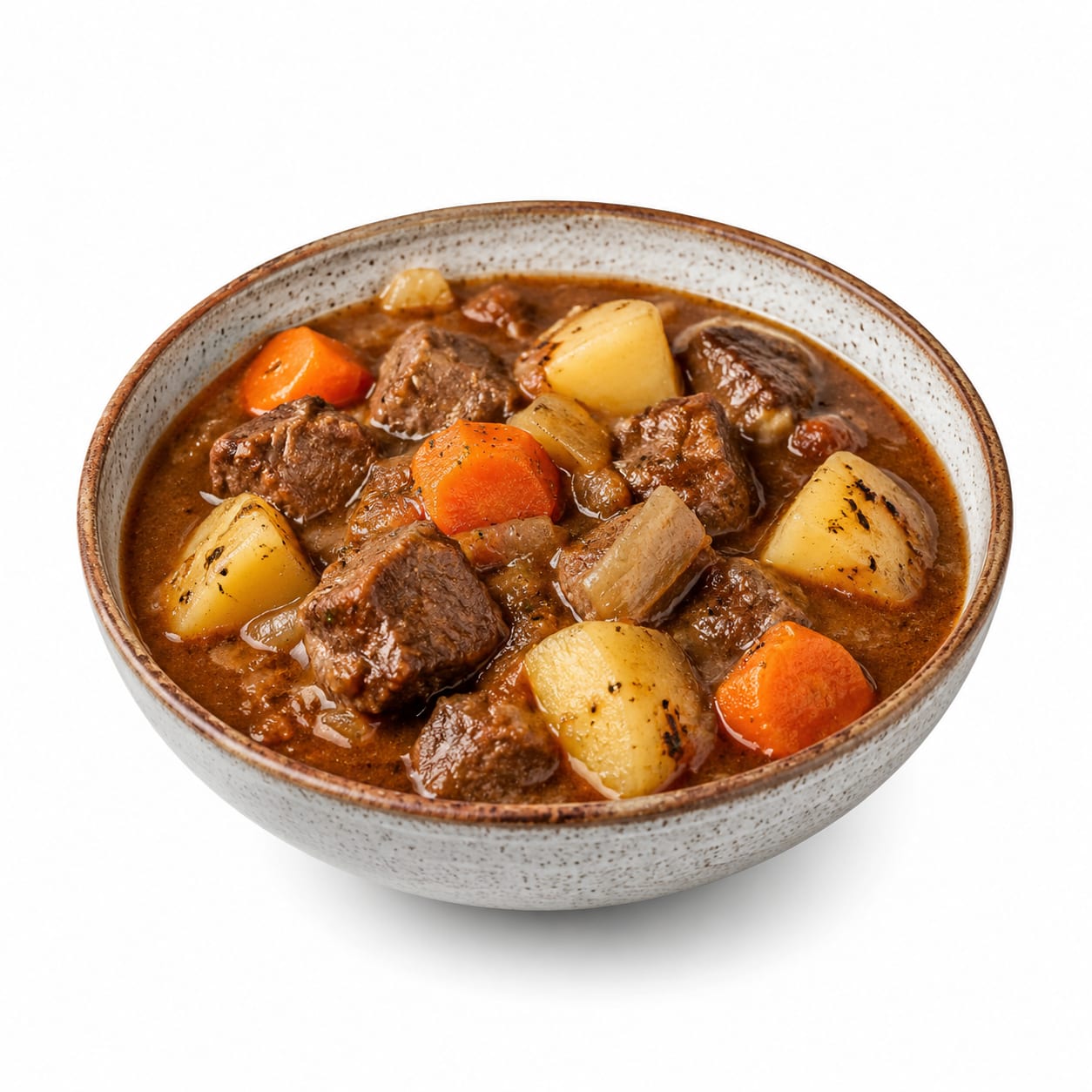
Irish Stew
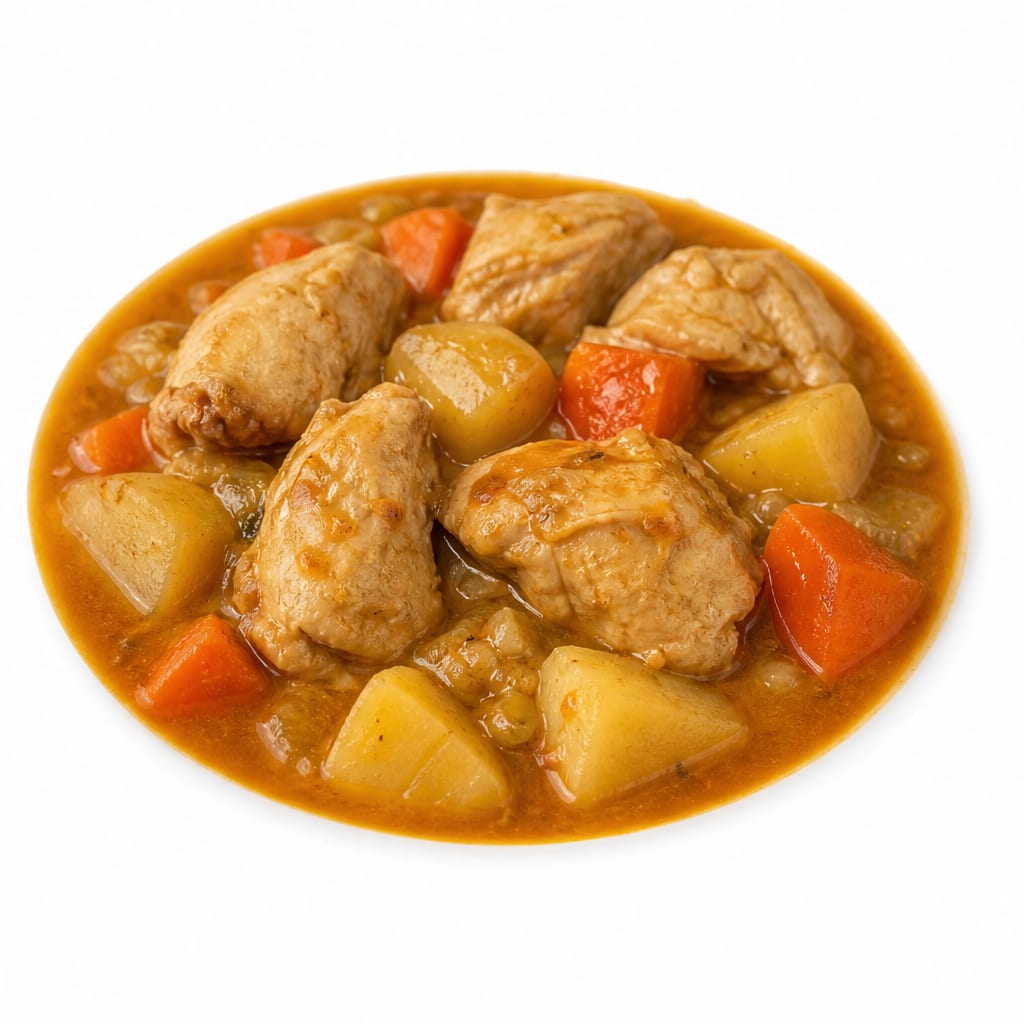
Chicken Stew
Chicken Stew wins for lean protein and heart health; Irish Stew wins for iron, richness, and deeper satisfaction.
Chicken Stew scores higher overall due to its leaner profile and broader suitability for regular consumption. Irish Stew remains valuable for specific nutritional needs like iron and B12, but its higher saturated fat and calorie load limit everyday practicality.
You trade saturated fat and calories for superior micronutrients and fuller satiety when choosing Irish Stew over Chicken Stew.
At a glance
Executive summary
Overall
It depends
Healthier
Chicken Stew
More practical
Chicken Stew
Daily use
Chicken Stew
Key comparison lenses
heart health and fat profile
Lamb-based Irish Stew carries significantly more saturated fat than chicken-based stew, making cardiovascular impact the central tradeoff
protein quality and iron content
Lamb provides superior heme iron and B12, while chicken offers leaner protein with less fat baggage
comfort and satiety
Both are hearty comfort foods, but the fattier Irish Stew delivers heavier satiety while Chicken Stew feels lighter
weight management
Calorie density differs substantially, making this a key decision factor for those watching intake
digestive tolerance
Lamb fat can be harder to digest for some, while chicken is generally easier on the stomach
Best choice for
Irish Stew
- Iron-deficient individuals needing heme iron
- Cold-weather comfort eating with deep satisfaction
- Those seeking B12 and zinc from red meat
- People wanting longer-lasting fullness from fewer portions
Chicken Stew
- Heart-conscious eaters watching saturated fat
- Weight management and calorie control
- Daily meal prep with lean protein
- Those with slower digestion who find lamb heavy
Least suitable for
Irish Stew
- People with high cholesterol or heart disease risk
- Those on strict calorie-restricted diets
- Anyone with gout triggered by red meat
- Frequent daily consumption as a staple meal
Chicken Stew
- Those needing iron supplementation from food
- People seeking the richest, most indulgent comfort food
- Anyone wanting the deepest satiety from a single bowl
Deep comparison
Dimension by dimension
Each lens scores both foods and breaks down who each option suits.
- Dimension 1 · Priority 92Chicken Stew
Heart Health and Fat Profile
Irish Stew · 42Chicken Stew · 82Chicken Stew carries far less saturated fat, making it significantly kinder to cardiovascular health.
Tradeoff
Irish Stew's lamb fat delivers richer flavor and mouthfeel but comes with substantially more saturated fat per serving.
Why it matters
Regular high saturated fat intake raises LDL cholesterol over time, increasing heart disease risk.
Real-world impact
Eating Irish Stew several times a week could meaningfully shift your cholesterol numbers upward within months.
Irish Stew
- Occ indulgent meals where satisfaction matters more than macros
Better for
- Daily lunch option for sedentary office workers
Worse for
Chicken Stew
- Anyone with family history of heart disease
- Regular weekly meal rotation
Better for
- Situations where you need maximum calorie density per bite
Worse for
- Dimension 2 · Priority 85Irish Stew
Protein Quality and Micronutrients
Irish Stew · 84Chicken Stew · 72Irish Stew delivers superior heme iron, zinc, and B12 thanks to lamb, while Chicken Stew provides leaner but less micronutrient-dense protein.
Tradeoff
You get more essential minerals from Irish Stew but carry the fat cost; Chicken Stew gives cleaner protein with fewer accompanying nutrients.
Why it matters
Heme iron from lamb is far more bioavailable than plant iron, making Irish Stew genuinely useful for preventing deficiency.
Real-world impact
One bowl of Irish Stew can provide over 30% of daily iron needs, while Chicken Stew covers closer to 15%.
Irish Stew
- Women with heavy menstrual cycles needing iron
- Older adults at risk for B12 deficiency
Better for
- People with hemochromatosis who must limit iron
Worse for
Chicken Stew
- Athletes wanting clean protein without excess fat
Better for
- Vegetarians transitioning back to meat who need maximum nutrient density
Worse for
- Dimension 3 · Priority 80Irish Stew
Satiety and Fullness
Irish Stew · 88Chicken Stew · 72Irish Stew keeps you fuller for longer due to higher fat content and denser calorie load per serving.
Tradeoff
That fullness comes with a calorie price tag — you may feel satisfied but have consumed significantly more energy.
Why it matters
If you struggle with snacking between meals, the heavier satiety from Irish Stew could reduce overall daily intake despite higher per-meal calories.
Real-world impact
After Irish Stew, you likely will not think about food for 5-6 hours. Chicken Stew might leave you hunting for a snack in 3-4 hours.
Irish Stew
- Long work shifts with no meal breaks
- Outdoor workers burning high calories
Better for
- Late dinners close to bedtime
Worse for
Chicken Stew
- People who prefer eating smaller meals more frequently
Better for
- Situations where you cannot eat again for 6+ hours
Worse for
- Dimension 4 · Priority 78Chicken Stew
Calorie Density and Weight Management
Irish Stew · 45Chicken Stew · 80Chicken Stew is significantly lower in calories per bowl, making portion control far easier.
Tradeoff
Irish Stew can easily deliver 150-250 more calories per serving than an equivalent bowl of Chicken Stew.
Why it matters
For anyone tracking calories or trying to lose weight, this difference compounds quickly over weekly consumption.
Real-world impact
Swapping Irish Stew for Chicken Stew three times a week could save you 450-750 calories without changing portion sizes.
Irish Stew
- Underweight individuals needing to gain healthfully
Better for
- Mindless eating while watching TV
Worse for
Chicken Stew
- Anyone actively losing weight
- People who eat large portions by habit
Better for
- Athletes in bulking phases who need calorie surplus
Worse for
- Dimension 5 · Priority 65Chicken Stew
Digestive Comfort
Irish Stew · 55Chicken Stew · 80Chicken Stew is easier on digestion for most people, while lamb fat can sit heavy and cause sluggishness.
Tradeoff
Irish Stew's richness can trigger bloating or reflux in sensitive individuals, especially at larger portions.
Why it matters
If you have GERD, IBS, or simply a sensitive stomach, lamb-based stews are more likely to cause discomfort.
Real-world impact
A lunchtime Chicken Stew leaves you comfortable returning to work. Irish Stew might leave you wanting a nap.
Irish Stew
- Robust digestions with no fat sensitivity
Better for
- Evening meals for GERD sufferers
Worse for
Chicken Stew
- People prone to acid reflux
- Midday meals before physical activity
Better for
- No significant digestive downside
Worse for
Timeline
Health impact over time
Short-term
Hours to days
Irish Stew
- Deep, lasting fullness that reduces between-meal snacking
- Potential sluggishness or food coma after large portions
- Warming, comforting sensation especially in cold weather
Chicken Stew
- Lighter post-meal energy with less drowsiness
- Satisfied without feeling overly full
- Easier to remain active after eating
Long-term
Months to years
Irish Stew
- Higher saturated fat intake may elevate LDL cholesterol with frequent consumption
- Superior iron and B12 status supports energy and prevents anemia
- Increased calorie load could contribute to gradual weight gain if not managed
Chicken Stew
- Leaner protein supports heart health and healthier cholesterol levels
- Lower calorie density aids sustainable weight management
- Less heme iron means potential deficiency risk for those with high needs
Risk profile
Safety & processing
Both Irish Stew and Chicken Stew are traditionally whole-food dishes made from scratch with minimal processing. The main difference is the meat choice, not additive exposure. Canned or packaged versions of either may contain added sodium and preservatives, so homemade is always the cleaner option.
Irish Stew
Undercooked lamb bacterial contamination
mediumLamb must reach 145°F internal temperature. Slow-cooked stews generally achieve this, but improper browning can leave surface bacteria.
Higher purine load
mediumLamb contains more purines than chicken, which can trigger gout flares in susceptible individuals.
Chicken Stew
Campylobacter and Salmonella from chicken
highChicken carries a higher risk of bacterial contamination than lamb. Proper cooking to 165°F and avoiding cross-contamination is essential.
Antibiotic residue in conventionally raised chicken
mediumNon-organic chicken may contain antibiotic residues. Choosing organic or verified antibiotic-free chicken reduces this concern.
Who wins for whom
Audience fit
Same foods, different winners depending on your goal.
children
Chicken StewChicken is generally easier for kids to digest and more palatable. The lower fat load is also more appropriate for children's smaller calorie needs.
daily consumption
Chicken StewChicken Stew's leaner profile makes it sustainable as a near-daily meal without cardiovascular concerns. Irish Stew is better reserved for a few times per month.
diabetes
Chicken StewLower saturated fat intake improves insulin sensitivity over time. Both stews are moderate in carbs, but Chicken Stew's leaner profile is metabolically friendlier.
elderly
It dependsChicken Stew is easier to digest and better for heart health, but Irish Stew's superior B12 and iron content can address common elderly deficiencies. Choose based on individual health priorities.
muscle gain
Chicken StewChicken Stew delivers high-quality lean protein without the saturated fat overhead, supporting muscle repair without adding unnecessary body fat.
weight loss
Chicken StewChicken Stew provides satisfying protein with significantly fewer calories and less fat per serving, making it far easier to maintain a calorie deficit.
Your move
Decision guide
Choose Irish Stew
- You need more iron and B12 in your diet
- It is a cold day and you want maximum comfort and satisfaction
- You are at a healthy weight and eat red meat only occasionally
- You are very active and burn through calories easily
Choose Chicken Stew
- You eat stew multiple times per week
- Heart health or cholesterol is a concern
- You are managing your weight actively
- You want a lighter meal that will not slow you down afterward
Either works if
- You are making a one-time dinner choice and have no specific health concerns
- You rotate between both as part of a varied diet
Avoid both if
- You have severe sodium restrictions and are eating canned or restaurant versions
- You are following a strict plant-based diet
Final recommendation
Make Chicken Stew your default weekly stew and treat Irish Stew as a satisfying occasional meal. This gives you the lean-protein benefits most days while still enjoying the iron richness and deep comfort of lamb when it truly hits the spot.
Practical
Consumer tips
- 1
Trim visible fat from lamb before cooking Irish Stew to reduce saturated fat by up to 30%
- 2
Use bone-in chicken thighs for Chicken Stew — they stay juicier and more flavorful than breast meat
- 3
Load both stews with extra root vegetables to increase fiber and reduce the meat-to-veggie ratio
- 4
Make a large batch and freeze portions — both stews reheat beautifully and taste even better the next day
- 5
If watching sodium, use low-sodium broth and skip added salt until serving
- 6
Skim the fat layer from cooled Irish Stew before reheating for an easy calorie reduction