
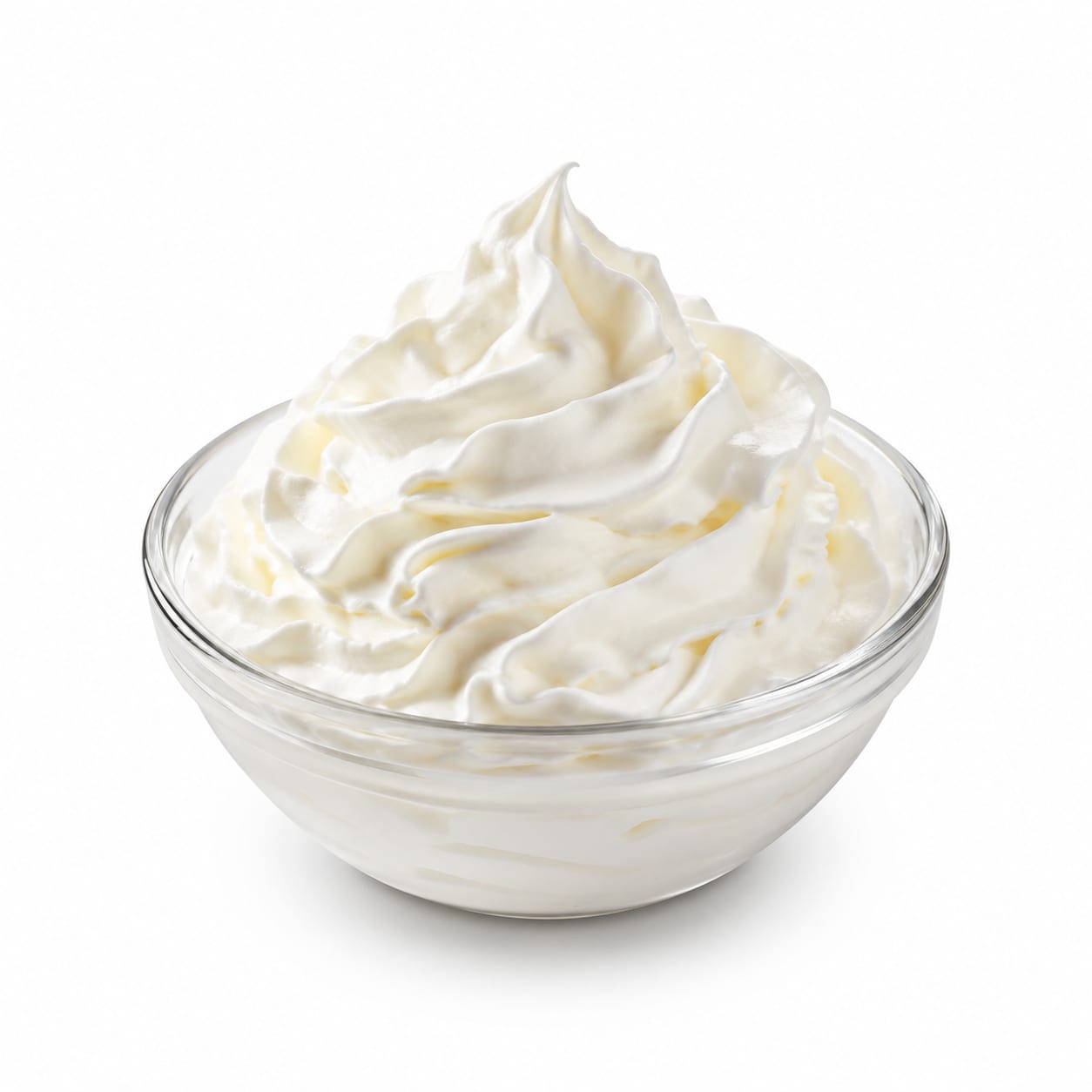
Dairy
Heavy Cream
A high-fat dairy product made from the top layer of milk, containing 36% or more milkfat.
The rich, high-fat portion of fresh milk that rises to the top during processing, containing at least 36% milkfat. It is widely used in cooking, baking, and coffee for its thick texture and rich flavor.
high-fat low-carb dairy emulsion
Typical serving · 30g
Common varieties · heavy whipping cream, whipping cream, ultra-pasteurized heavy cream, raw heavy cream, double cream
Overall context score across nutrition, safety, and diet fit
At a glance
Quick facts
Simple indicators based on nutrition, processing, and diet fit.
The story
What makes it unique
Composed primarily of saturated and monounsaturated fats with trace amounts of protein and lactose. Digestion is slow due to high fat content, which delays gastric emptying and blunts glycemic responses. Lacks fiber and micronutrient density, serving primarily as an energy-dense lipid source.
Varieties: heavy whipping cream · whipping cream · ultra-pasteurized heavy cream · raw heavy cream · double cream
Per 100g
Nutrition breakdown
Macro balance and key metrics at a glance.
Energy
Density 3.40 kcal/g
Protein
Carbs
Fat
Fiber
Sugar
2.8 g
Sodium
32 mg
Potassium
75 mg
Glycemic index
0
Glycemic load
0
Water content
57%
Standout compounds
Nutrient highlights
Saturated Fat
highProvides dense, slow-burning energy for low-carb diets
Vitamin A
moderateSupports vision, immune function, and skin health
Vitamin D
lowAids calcium absorption and bone health
Choline
lowImportant for brain health and cell membrane structure
Wellness map
Health scores & processing
NOVA processing scale
minimally processed · Whole food
Typically separated from milk, pasteurized, and packaged without added sugars or industrial additives, though some brands may include stabilizers like carrageenan or guar gum.
Diet compatibility
- Weight loss
- Muscle gain
- Diabetes
- Gut health
- Low carb
- High protein
- Heart health
Relative standing
Food rankings
Qualitative ranks compared to similar whole foods.
- Satietymoderate
- Blood sugarexcellent
- Nutrient densitypoor
- Fitness fuelmoderate
- Processing qualityexcellent
Eat with confidence
Food safety profile
Pasteurized heavy cream is safe from pathogenic bacteria. Conventional dairy carries standard risks of trace hormones and antibiotics, which organic or grass-fed options mitigate.
Evidence confidence 90%
- Pesticideslow
- Antibioticsmoderate
- Heavy metalslow
- Contaminationlow
Watch for
- trace antibiotics
- dairy hormones
- lactose
Safer choices
Organic, grass-fed, or ultra-pasteurized heavy cream
Prep tips
Keep refrigerated and use before expiration; do not leave at room temperature for extended periods.
Residual antibiotic and hormone presence in conventional dairy farming.
Deep dive
Health analysis
How this food may fit different goals and preparation choices.
Weight loss
High energy density makes it easy to overconsume calories, though small amounts can increase meal satisfaction on low-carb diets.
Blood sugar
Virtually zero impact on blood sugar due to extremely low carbohydrate content, making it safe for glycemic control.
Fitness & energy
Provides sustained energy for low-intensity or ketogenic endurance activities, but lacks fast-acting carbs for high-intensity glycolytic training.
Gut health
Lacks fiber and beneficial prebiotics. High saturated fat intake may negatively alter gut microbiome composition in some individuals.
Processing quality
Usually a whole food product requiring only separation and pasteurization, though some brands add thickeners like carrageenan or guar gum.
Food safety
Pasteurization eliminates most pathogenic risks. Conventional dairy farming practices introduce moderate concerns regarding trace antibiotics and hormones.
Common mistakes
Assuming all coffee creamers are equivalent to heavy cream; many commercial creamers are ultra-processed with added sugars and inflammatory oils.
Best preparation
Whipped as a dessert topping, blended into coffee or tea, or used as a base for low-carb sauces and soups.
Practical guide
Best use cases
When and how this food fits real eating patterns.
Keto coffee creamer
Adds richness and fat to morning coffee without adding carbs or breaking ketosis.
Low-carb dessert base
Whips into a fluffy topping for berries or keto-friendly desserts without adding sugar.
Thickening agent
Stirred into soups and sauces to add velvety texture without using flour or cornstarch.
Balance sheet
Pros & cons
Upsides
- Virtually zero carbohydrates
- Does not spike blood sugar
- Adds rich texture and flavor to dishes
- Minimal processing in pure forms
- Contains fat-soluble vitamins like Vitamin A
Trade-offs
- Very high in calories
- High in saturated fat
- Low in protein and essential micronutrients
- Easy to overconsume in liquid form
- Contains trace amounts of lactose
Fit check
Who is it for?
Great match
- ketogenic diets
- diabetic meal planning
- low-carb baking
- intermittent fasting
Consider alternatives
- low-fat diets
- calorie-restricted weight loss
- high-protein diets
- severe lactose intolerance
Side by side
How it compares
Open the full head-to-head analysis for nutrition, safety, and practical tradeoffs.
This food
Heavy Cream
VS90% alike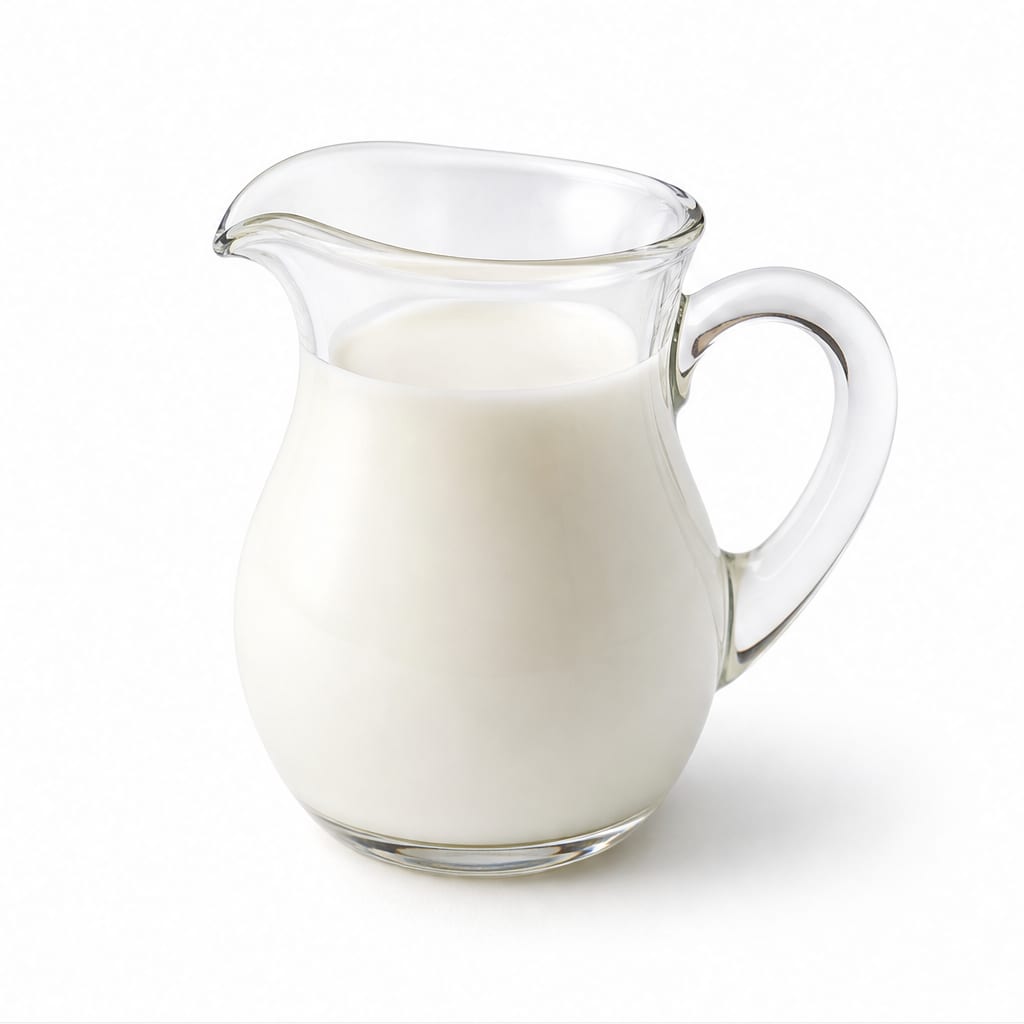
Compare with
Half-and-Half
Heavy cream has twice the fat and calories of half-and-half, but fewer carbs.
Heavy cream is higher in fat and lower in carbs, making it better for keto, while half-and-half is lower in calories for weight loss.
This food
Heavy Cream
VS75% alike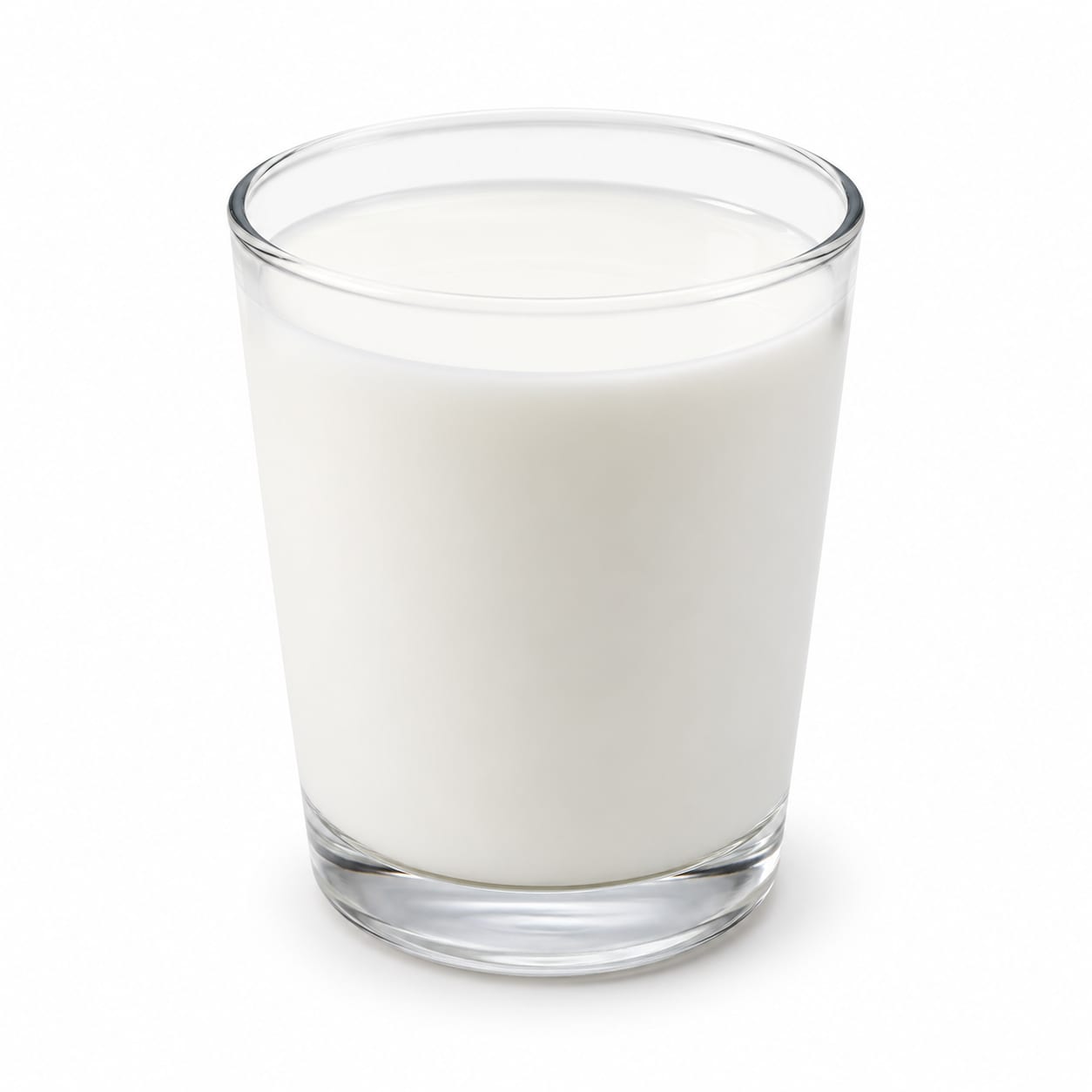
Compare with
Whole Milk
Heavy cream is much higher in fat and lower in sugar compared to whole milk.
Heavy cream provides more fat and less sugar than whole milk, making it better for blood sugar control, but whole milk offers more protein.
This food
Heavy Cream
VS70% alike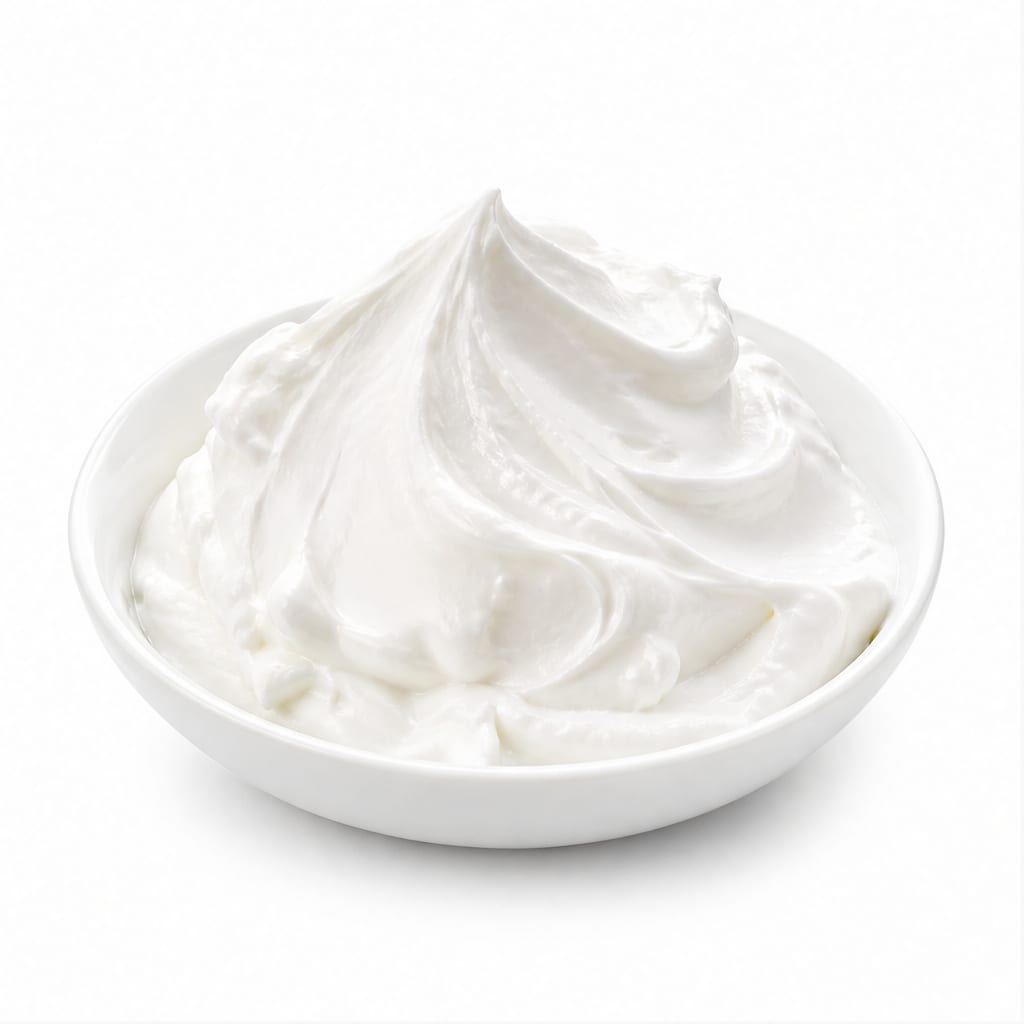
Compare with
Coconut Cream
Coconut cream is plant-based with MCTs, while heavy cream is an animal-based saturated fat.
Coconut cream is a dairy-free alternative to heavy cream with similar fat content and zero carbs, ideal for vegans.
This food
Heavy Cream
VS65% alike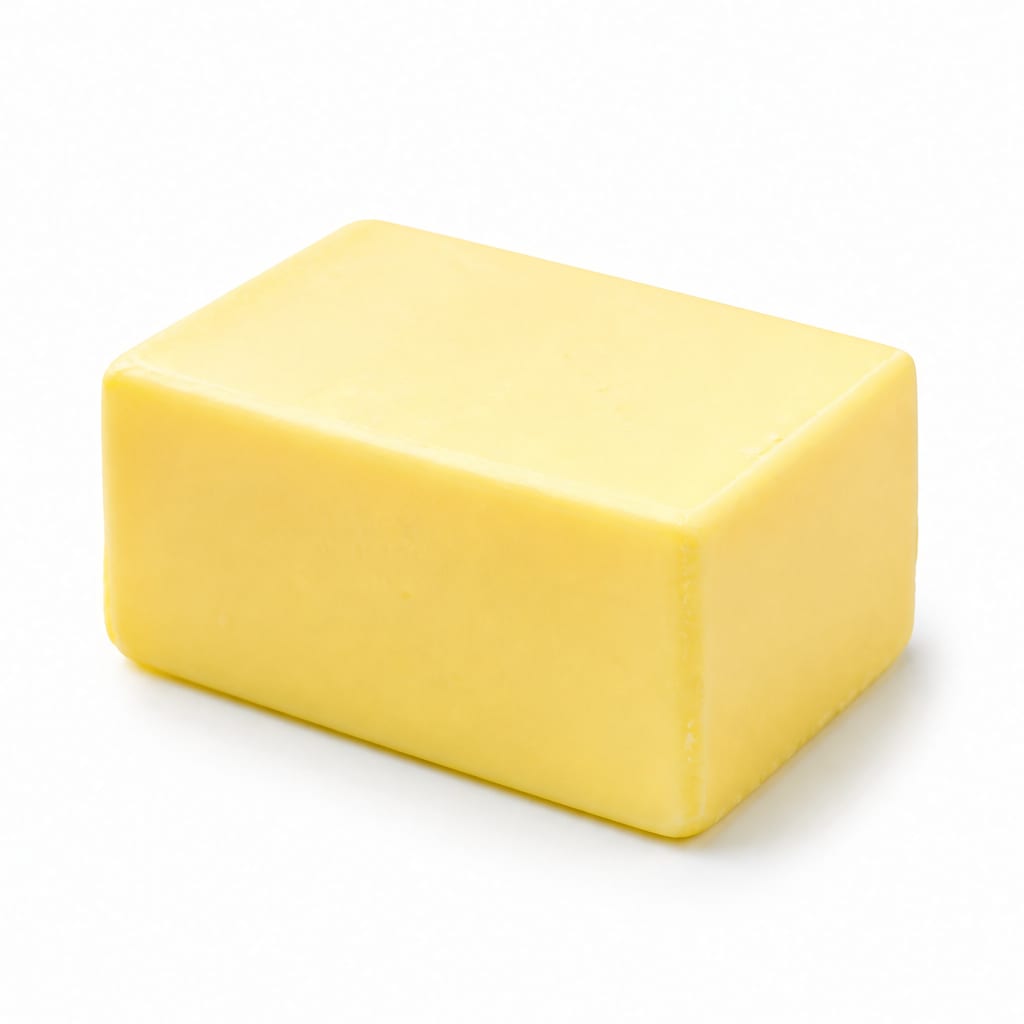
Compare with
Butter
Butter is concentrated milk fat with minimal water, while heavy cream retains water and trace carbs.
Butter is pure fat with zero carbs, while heavy cream has a tiny amount of lactose and more volume for coffee creaming.
This food
Heavy Cream
VS60% alike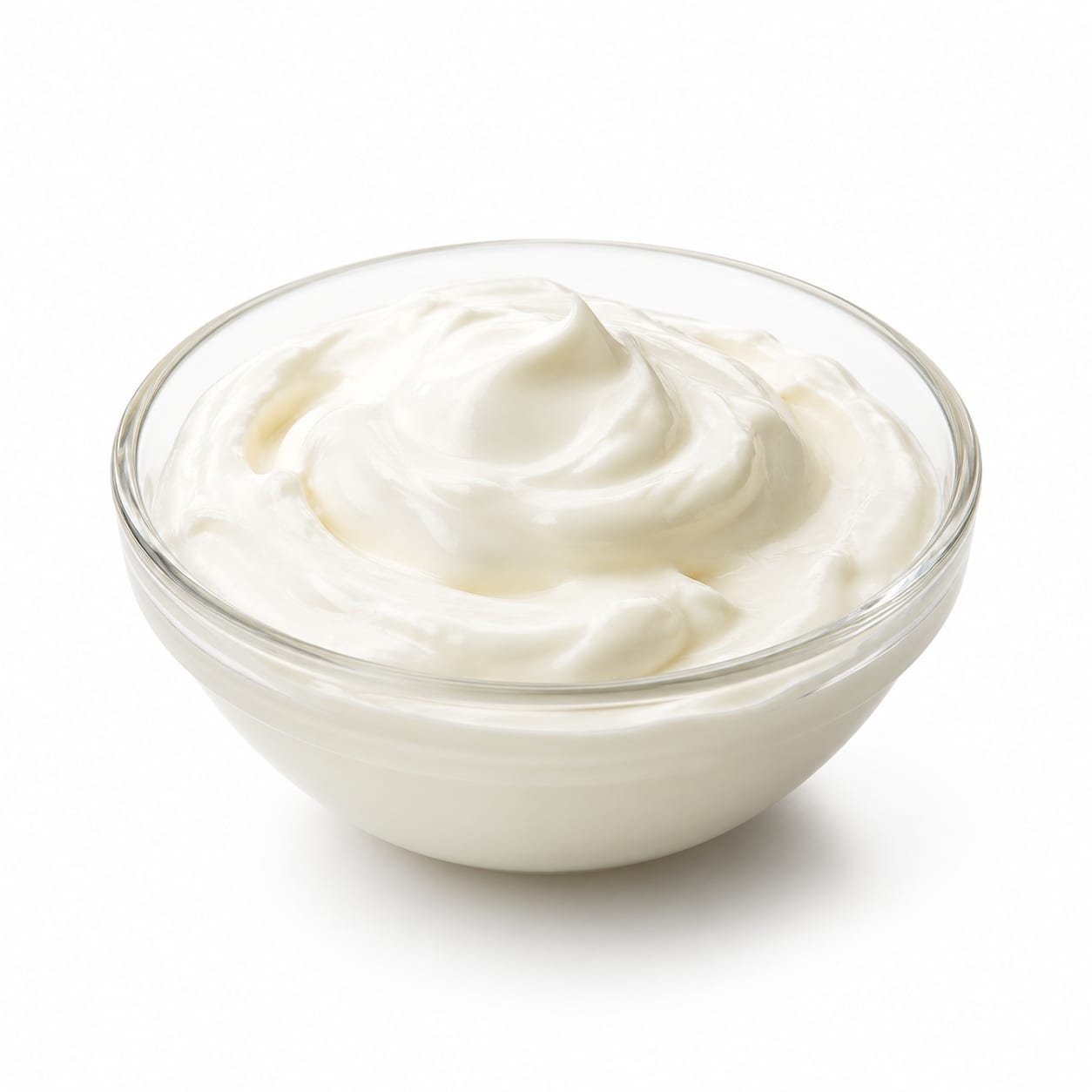
Compare with
Sour Cream
Sour cream is fermented and lower in fat, while heavy cream is unfermented and richer.
Sour cream offers probiotic benefits and fewer calories, while heavy cream is richer and lower in carbs.
This food
Heavy Cream
VS50% alike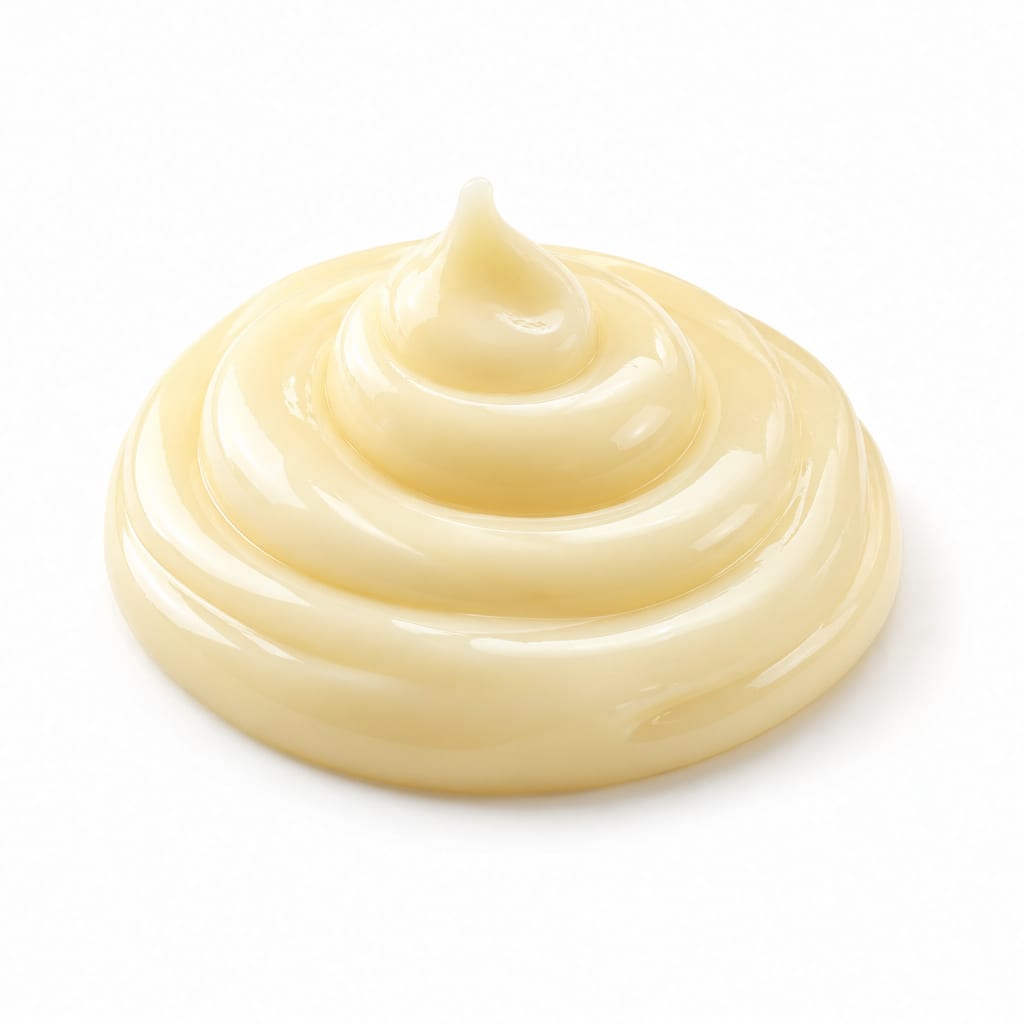
Compare with
Sweetened Condensed Milk
Condensed milk is packed with added sugar, whereas heavy cream has almost none.
Heavy cream is sugar-free and keto-friendly, while sweetened condensed milk is a high-sugar baking ingredient.
This food
Heavy Cream
VS45% alike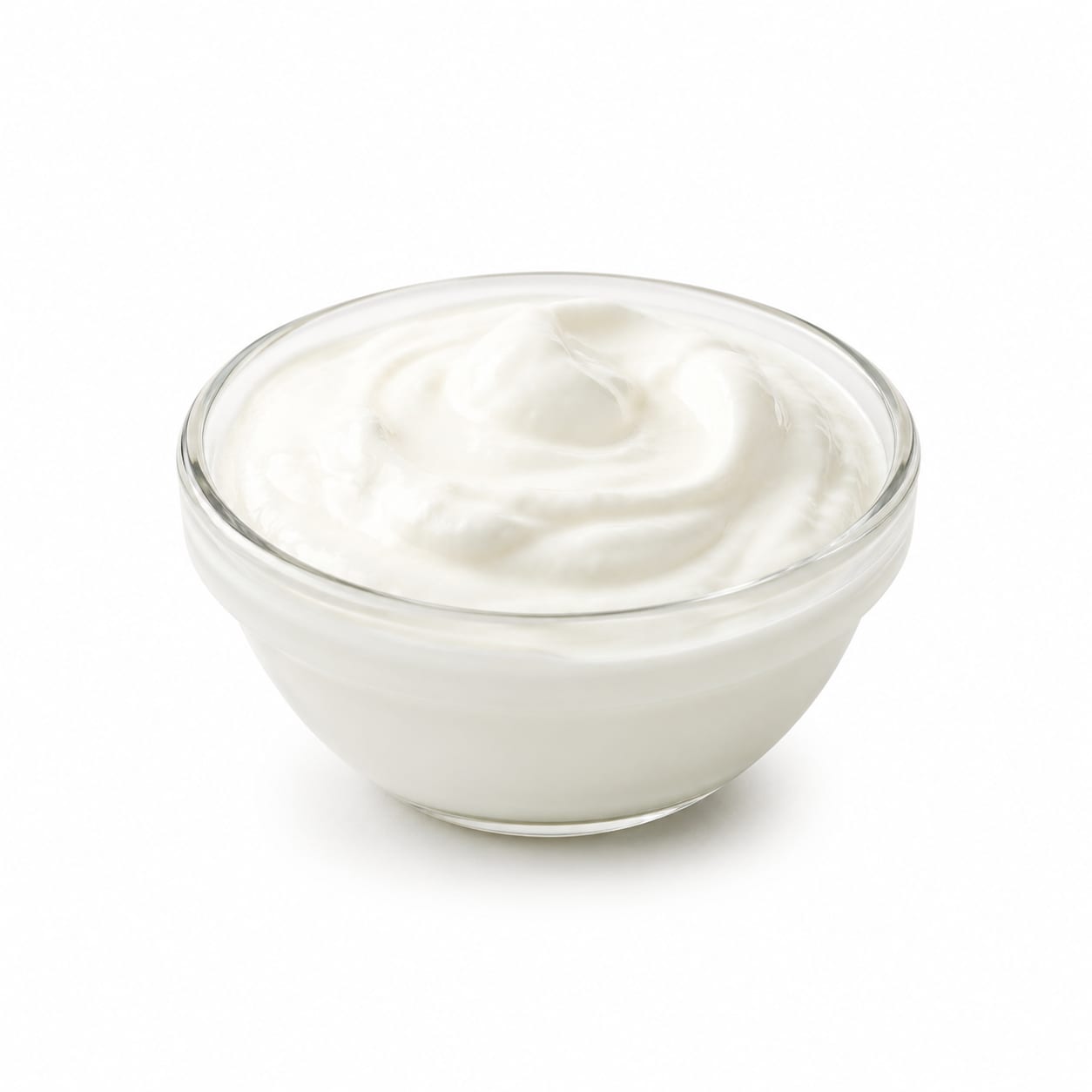
Compare with
Greek Yogurt
Greek yogurt is high in protein and probiotics, while heavy cream is high in fat.
Greek yogurt provides protein and gut-friendly probiotics, whereas heavy cream provides pure fat and zero carbs.
This food
Heavy Cream
VS40% alike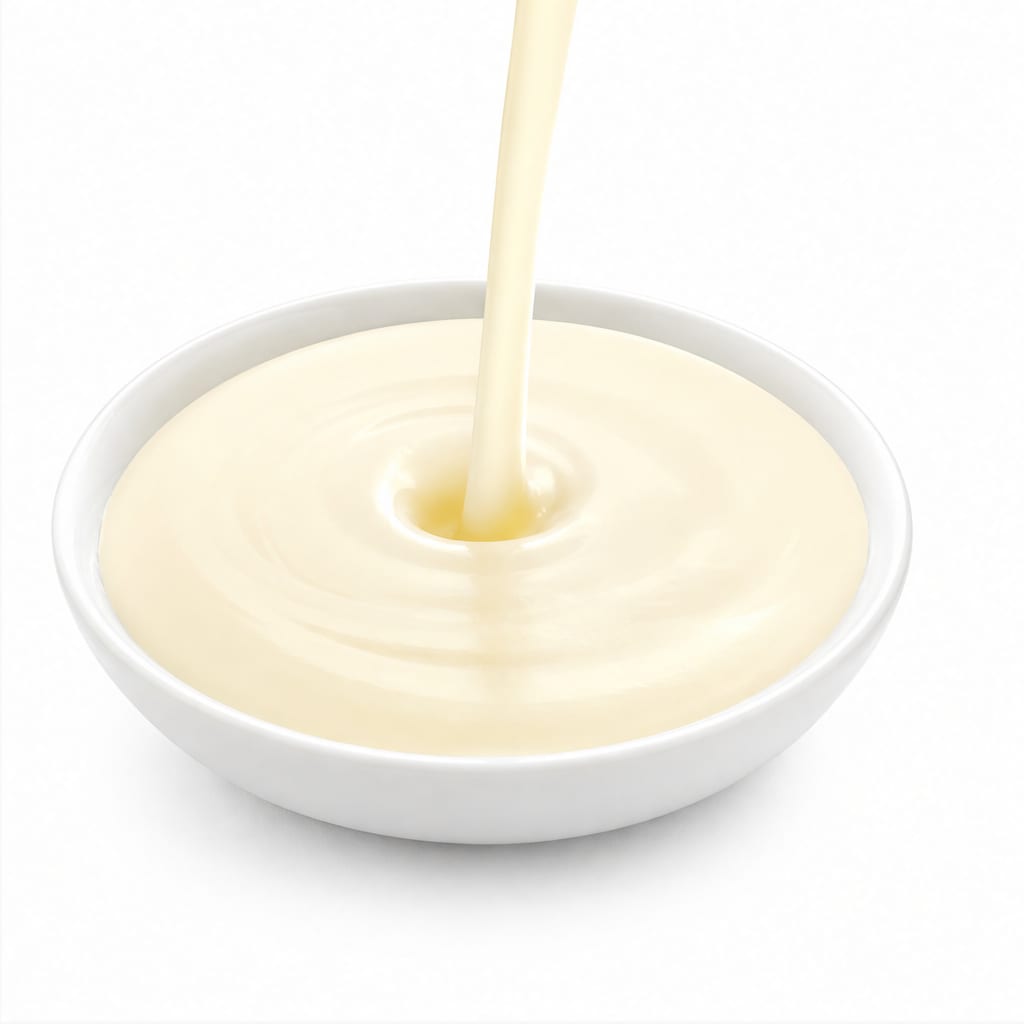
Compare with
Non-Dairy Creamer
Non-dairy creamers are often ultra-processed with trans fats and sugar, while heavy cream is a whole food.
Heavy cream is a natural, minimally processed option compared to non-dairy creamers, which often contain added sugars and industrial oils.
This food
Heavy Cream
VS55% alike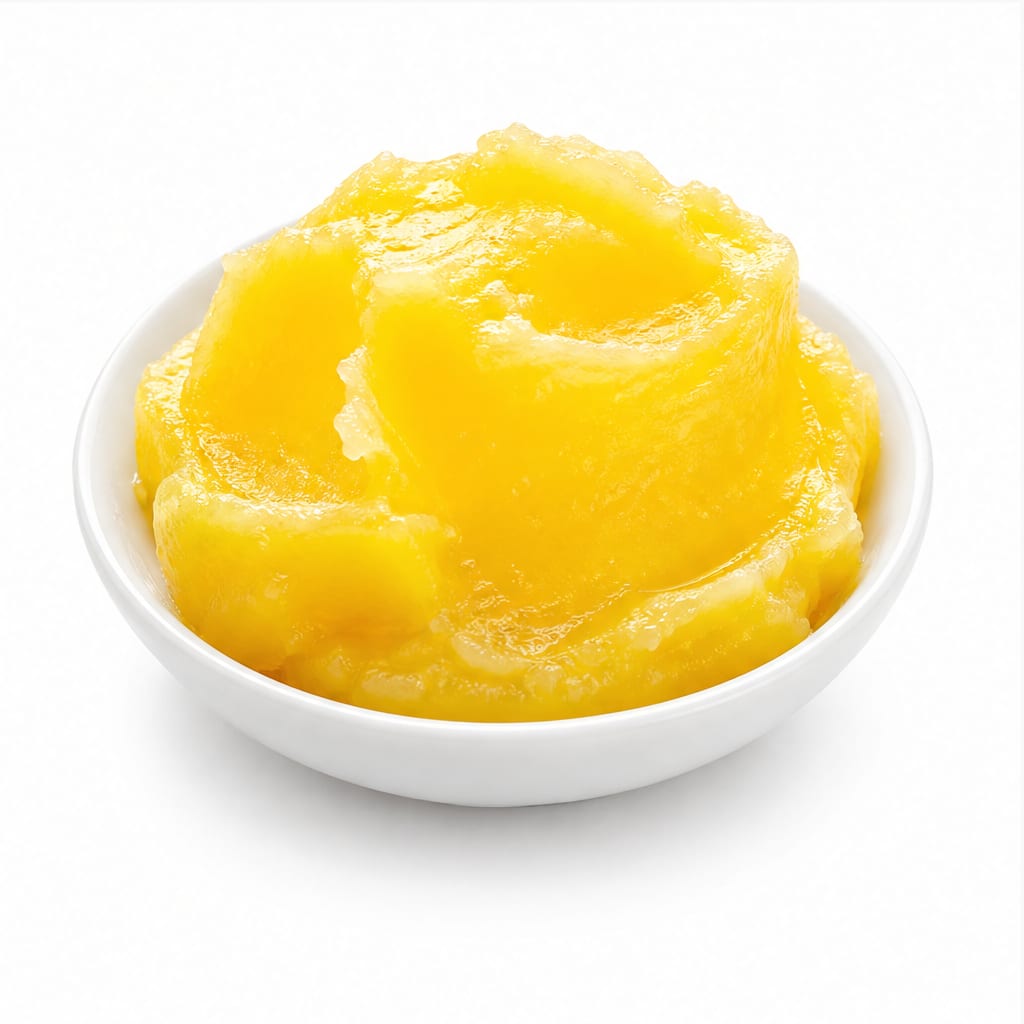
Compare with
Ghee
Ghee is clarified butter with milk solids removed, while heavy cream contains water and milk proteins.
Ghee is completely lactose-free and better for high-heat cooking, while heavy cream is better for whipping and liquid recipes.
This food
Heavy Cream
VS85% alike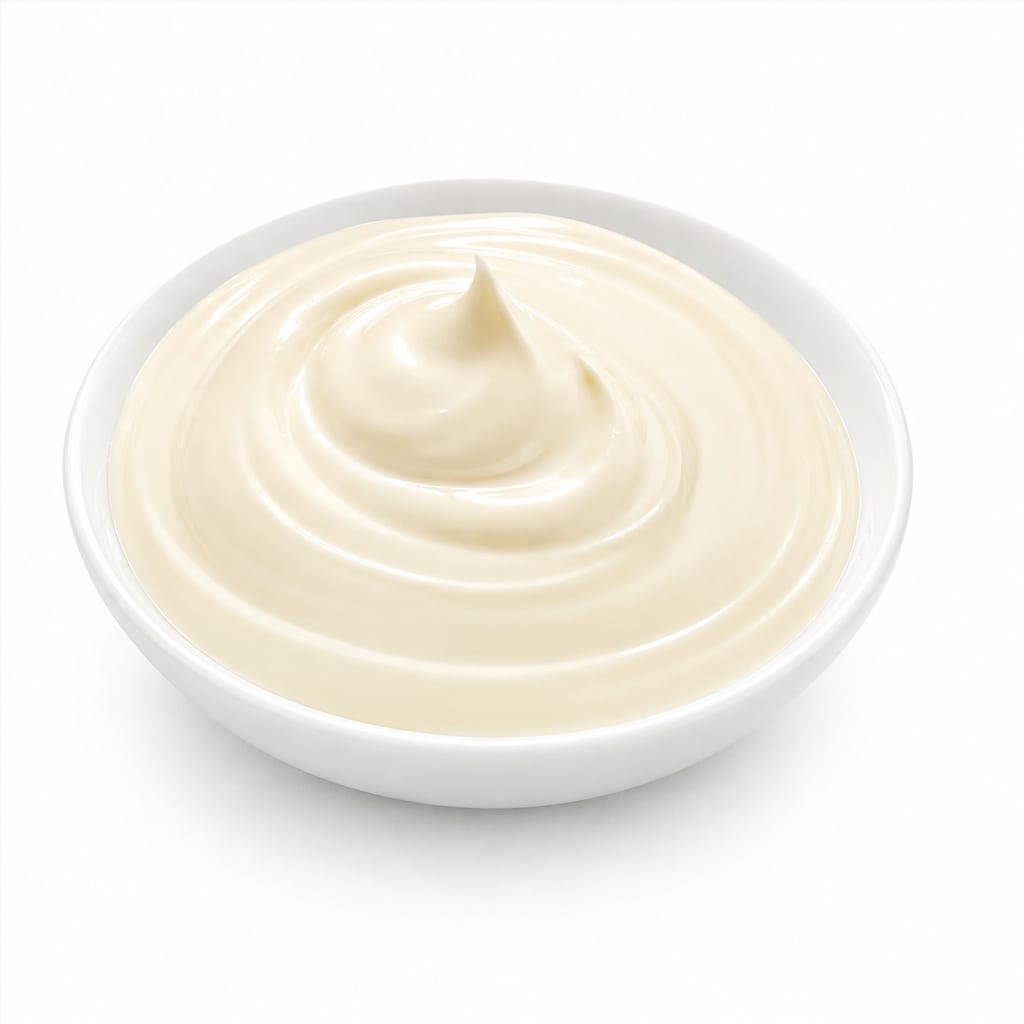
Compare with
Light Cream
Light cream has less fat (20%) and slightly more carbs than heavy cream (36%).
Heavy cream has double the fat of light cream, making it better for whipping and keto diets, while light cream saves calories.
Common questions
FAQ
Answers aligned with how people search for this food.
Is heavy cream keto?
Yes, heavy cream is very low in carbs and high in fat, making it an ideal choice for ketogenic diets.
Does heavy cream spike blood sugar?
No, heavy cream contains almost no carbohydrates and has a negligible impact on blood sugar or insulin levels.
How many calories are in a tablespoon of heavy cream?
One tablespoon (15ml) of heavy cream contains about 50 calories, almost entirely from fat.
Is heavy cream the same as heavy whipping cream?
Yes, they are the same product. Both must contain at least 36% milkfat according to US standards.
Can diabetics have heavy cream?
Yes, it is a safe option for diabetics because it does not raise blood sugar, though portion control is advised due to high calorie content.
Does heavy cream have lactose?
Yes, but in very small amounts (less than 1g per tablespoon), which many lactose-intolerant individuals can tolerate without issues.
Is heavy cream healthier than half-and-half?
It depends on your goals. Heavy cream is lower in sugar and carbs but higher in calories and saturated fat than half-and-half.
Why does heavy cream last so long in the fridge?
Ultra-pasteurized heavy cream is heated to a higher temperature than regular milk, killing more bacteria and extending its shelf life significantly.
Transparency
Data confidence
Estimated confidence for nutrition data, interpretation, safety notes, and comparisons.
Nutrition data
Health analysis
Food safety
Comparisons