
Nutrition comparison
Heavy Cream vs Coconut Cream: Nutrition, Digestion & Best Uses
Comparing Heavy Cream and Coconut Cream? Discover the differences in MCTs, lactose, digestion, and cooking to find which cream is right for your diet.
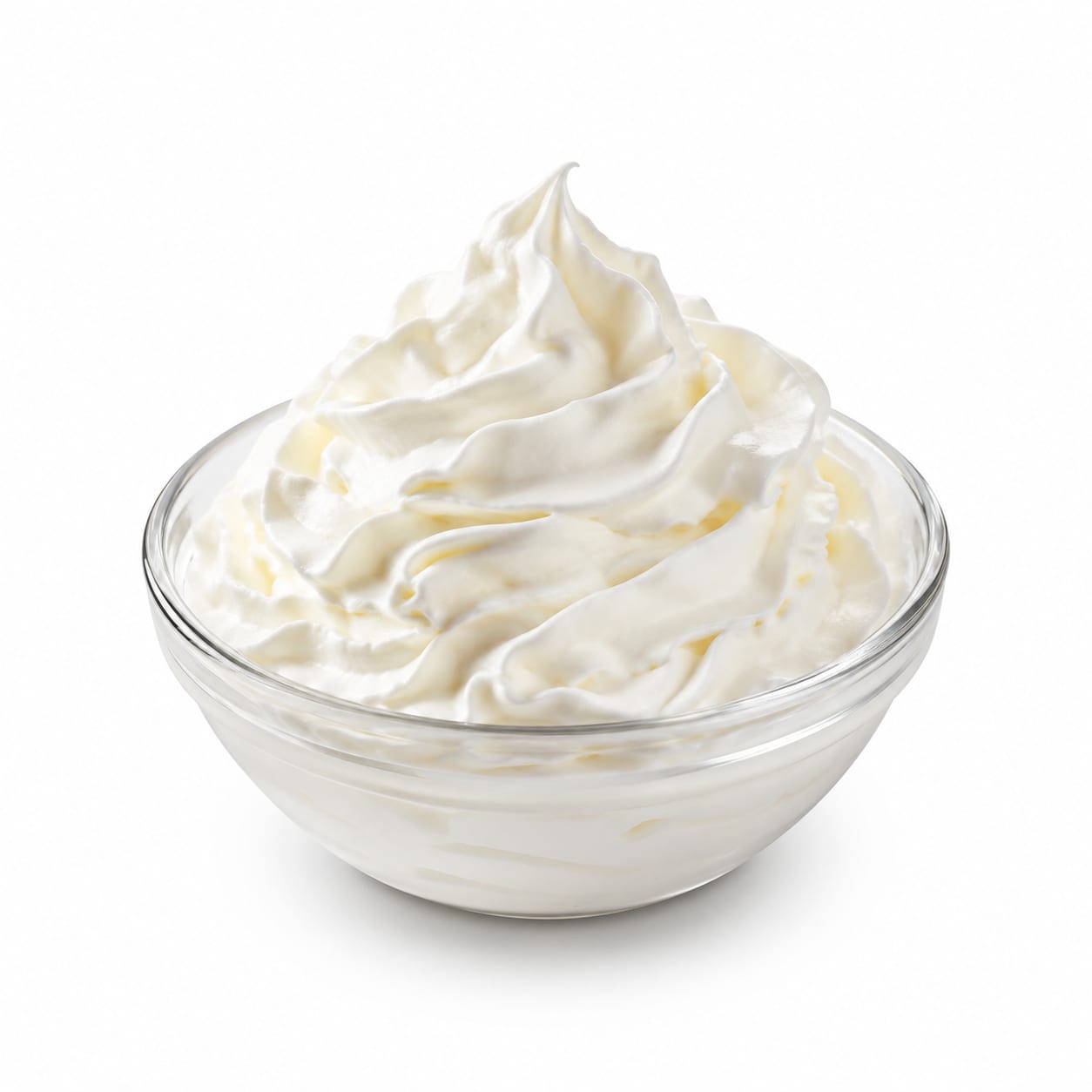
Heavy Cream
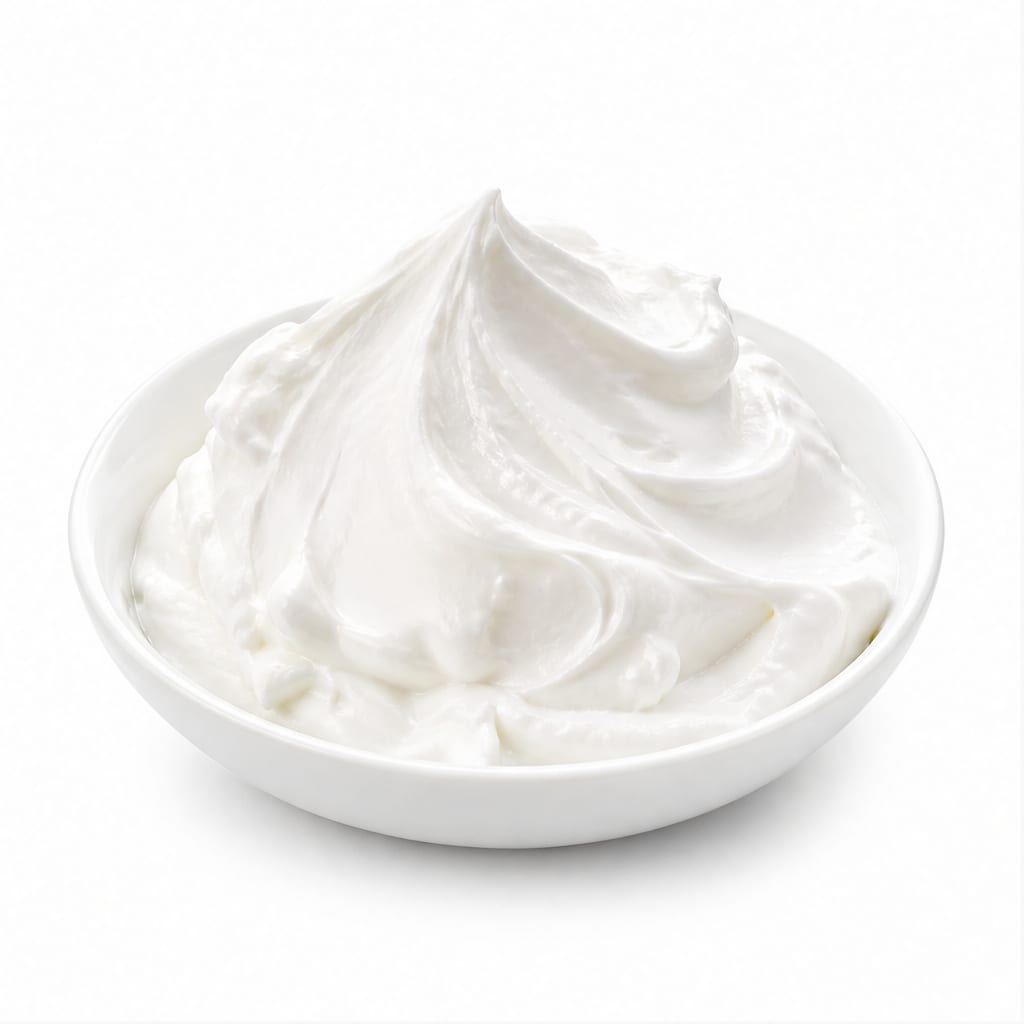
Coconut Cream
Heavy Cream delivers classic richness and fat-soluble vitamins, while Coconut Cream offers dairy-free digestion and quick-energy MCTs.
Coconut Cream slightly edges out due to MCT benefits and broader digestive tolerance, but Heavy Cream wins on nutrient density and culinary versatility for dairy-tolerant individuals.
Dairy fat with cholesterol and lactose versus plant-based saturated fat with MCTs and zero cholesterol.
At a glance
Executive summary
Overall
It depends
Healthier
It depends
More practical
It depends
Daily use
It depends
Key comparison lenses
Dairy vs Plant-Based Fat Sources
Fundamental difference in origin driving digestive, allergic, and ethical choices
Saturated Fat Type: MCTs vs Long-Chain Triglycerides
Coconut provides quick-energy MCTs while dairy offers slower-burning long-chain fats
Lactose Intolerance and Digestive Comfort
Heavy Cream contains trace lactose, whereas Coconut Cream is naturally lactose-free
Heart Health and Cholesterol Impact
Both are high in saturated fat but affect blood lipids differently
Culinary Performance and Flavor
Heavy Cream whips and blends neutrally, while Coconut Cream adds tropical flavor and texture variations
Best choice for
Heavy Cream
- Keto dieters wanting classic dairy fat
- Those needing fat-soluble vitamins A and D
- Baking traditional desserts and sauces
Coconut Cream
- Lactose-intolerant individuals
- Vegans and plant-based eaters
- Those seeking quick MCT energy for smoothies or coffee
Least suitable for
Heavy Cream
- People with dairy allergies or lactose intolerance
- Strict vegans
- Those strictly avoiding dietary cholesterol
Coconut Cream
- People with tree nut or coconut allergies
- Those avoiding tropical oils for heart health
- Traditional recipes requiring a neutral flavor
Deep comparison
Dimension by dimension
Each lens scores both foods and breaks down who each option suits.
- Dimension 1 · Priority 95Coconut Cream
Fat Profile & Energy
Heavy Cream · 70Coconut Cream · 85Coconut Cream contains MCTs, which are rapidly absorbed for quick energy rather than stored as fat. Heavy Cream has long-chain saturated fats.
Tradeoff
You trade the slow-burning, comforting richness of dairy fat for the quick, clean energy of coconut MCTs.
Why it matters
MCTs bypass normal fat digestion and go straight to the liver for energy, offering a faster boost and less likelihood of fat storage.
Real-world impact
Coconut Cream feels lighter and more energizing after eating, while Heavy Cream feels heavier and more sedating.
Heavy Cream
- Sustained satiety
- Traditional recipe texture
Better for
- Slower fat metabolism
- Higher cholesterol impact
Worse for
Coconut Cream
- Pre-workout energy
- Ketogenic fat burning
- Lighter digestive feel
Better for
- Less prolonged fullness
- Can feel less rich in coffee
Worse for
- Dimension 2 · Priority 90Coconut Cream
Digestive Tolerance
Heavy Cream · 55Coconut Cream · 95Coconut Cream is naturally lactose-free and plant-based, making it universally easier on the stomach for those with dairy issues.
Tradeoff
You avoid bloating and gas from lactose, but Coconut Cream might cause slight digestive upset if you are sensitive to high fat or plant fibers.
Why it matters
Over 65% of the global population has some degree of lactose malabsorption, making dairy a common digestive trigger.
Real-world impact
Heavy Cream can cause bloating or stomach cramps for sensitive individuals, while Coconut Cream is generally safe and soothing.
Heavy Cream
- Those with full dairy tolerance who want whey and casein benefits
Better for
- Bloating
- Gas
- Stomach cramps for sensitive people
Worse for
Coconut Cream
- Lactose-intolerant individuals
- Vegans
- People with IBS triggered by dairy
Better for
- Rare coconut allergies
Worse for
- Dimension 3 · Priority 85It depends
Heart Health Impact
Heavy Cream · 65Coconut Cream · 65Both are high in saturated fat, but Heavy Cream contains dietary cholesterol, while Coconut Cream does not. Both can raise LDL if overconsumed.
Tradeoff
Heavy Cream raises both LDL and HDL, while Coconut Cream primarily raises HDL but can also raise LDL depending on the person.
Why it matters
Managing saturated fat intake is crucial for cardiovascular health, and neither is a heart-health hero.
Real-world impact
Using either in moderation is fine, but heavy daily use of either could impact blood lipids over time.
Heavy Cream
- Grass-fed versions offer more omega-3s
Better for
- Contains dietary cholesterol
- Long-chain sat fat raises LDL
Worse for
Coconut Cream
- No dietary cholesterol
- MCTs have a neutral or positive effect on heart markers
Better for
- High lauric acid can still raise LDL in some people
Worse for
- Dimension 4 · Priority 80Heavy Cream
Nutrient Density
Heavy Cream · 80Coconut Cream · 70Heavy Cream provides bioavailable fat-soluble vitamins (A, D, E, K) and calcium, while Coconut Cream offers minerals like iron, magnesium, and potassium.
Tradeoff
You choose between animal-based vitamins that absorb easily and plant-based minerals that support different bodily functions.
Why it matters
Fat-soluble vitamins are crucial for immunity and bone health, while electrolytes from coconut support hydration and muscle function.
Real-world impact
Heavy Cream subtly supports vitamin D levels, while Coconut Cream helps replenish electrolytes after sweating.
Heavy Cream
- Vitamin A and D absorption
- Bone health support
Better for
- Lacks significant minerals like iron and potassium
Worse for
Coconut Cream
- Iron intake
- Electrolyte replenishment
- Magnesium for relaxation
Better for
- No fat-soluble vitamins A or D
Worse for
- Dimension 5 · Priority 75Heavy Cream
Culinary Versatility
Heavy Cream · 90Coconut Cream · 75Heavy Cream whips beautifully, blends smoothly into coffee, and is essential for classic sauces. Coconut Cream can separate and has a distinct flavor.
Tradeoff
You get neutral flavor and perfect texture with dairy, versus a tropical flavor and slightly grainy texture with coconut.
Why it matters
If a recipe relies on cream for structure, Coconut Cream might fail or alter the taste profile entirely.
Real-world impact
Heavy Cream makes flawless whipped cream and Alfredo sauce; Coconut Cream is best for curries, vegan desserts, and smoothies.
Heavy Cream
- Whipping
- Neutral flavor
- Smooth sauces
- Coffee creamer
Better for
- Curries taste flat without coconut flavor
Worse for
Coconut Cream
- Thai and Indian curries
- Piña coladas
- Vegan baking
Better for
- Fails to whip as stiffly
- Coconut flavor clashes with some dishes
Worse for
Timeline
Health impact over time
Short-term
Hours to days
Heavy Cream
- Quick satiety from fat
- Potential bloating if lactose intolerant
- Rich, heavy mouthfeel
Coconut Cream
- Quick energy from MCTs
- Easy digestion
- Slight coconut aftertaste
Long-term
Months to years
Heavy Cream
- Potential increase in LDL cholesterol with heavy use
- Supports fat-soluble vitamin levels
- Possible dairy-related inflammation for sensitive individuals
Coconut Cream
- May improve HDL cholesterol
- Consistent MCT intake supports fat adaptation
- Risk of LDL increase if overconsumed
Risk profile
Safety & processing
Both are relatively whole foods. Heavy Cream is separated from milk, while Coconut Cream is pressed from coconut meat. Watch out for added emulsifiers or sugars in canned versions of either.
Heavy Cream
Dairy allergies
highCasein and whey proteins can trigger severe allergic reactions in sensitive individuals.
Spoilage
mediumHeavy Cream spoils quickly once opened and requires strict refrigeration.
Coconut Cream
Tree nut allergy cross-reactivity
mediumThough a fruit, coconut can trigger allergies in some tree-nut allergic individuals.
BPA in cans
mediumCanned Coconut Cream often contains BPA in the lining; look for BPA-free cartons or cans.
Who wins for whom
Audience fit
Same foods, different winners depending on your goal.
children
Heavy CreamHeavy Cream provides essential fat-soluble vitamins and cholesterol crucial for brain development in growing kids, assuming no dairy allergy.
daily consumption
It dependsDepends entirely on dairy tolerance and heart health status. Both should be used in moderation due to high saturated fat.
diabetes
It dependsBoth are very low in carbs and will not spike blood sugar, but portion control is vital due to high calorie density.
elderly
Coconut CreamDigestive efficiency declines with age; Coconut Cream is easier to tolerate and offers MCTs for cognitive support.
muscle gain
Heavy CreamHeavy Cream contains trace amounts of casein and whey, and its calories are highly effective for bulking.
weight loss
Coconut CreamMCTs in Coconut Cream are more likely to be burned for energy than stored as fat, offering a slight metabolic edge.
Your move
Decision guide
Choose Heavy Cream
- You tolerate dairy well and want classic culinary performance
- You need fat-soluble vitamins like A and D in your diet
- You are baking traditional pastries or making whipped cream
Choose Coconut Cream
- You are vegan, lactose-intolerant, or avoiding dairy
- You want quick energy from MCTs for a low-carb lifestyle
- You are cooking Asian curries or tropical desserts
Either works if
- You just need a rich, low-carb fat source for coffee or smoothies
- You are on a ketogenic diet and tracking saturated fat intake
Avoid both if
- You have severe cardiovascular issues requiring a strict low-saturated-fat diet
- You are trying to reduce overall calorie density in your meals
Final recommendation
Choose Heavy Cream for traditional cooking and vitamin benefits if you digest dairy well. Opt for Coconut Cream if you need a dairy-free, MCT-rich alternative that is gentler on the stomach.
Practical
Consumer tips
- 1
Refrigerate a can of Coconut Cream overnight to easily scoop out the thick cream for whipping.
- 2
Look for Heavy Cream with only one ingredient: cream. Avoid brands with carrageenan or added sugars.
- 3
If using Coconut Cream in coffee, blend it briefly to prevent an oily film on top.
- 4
Grass-fed Heavy Cream offers a better omega-3 to omega-6 ratio than conventional versions.