
Nutrition comparison
Heavy Cream vs Whole Milk: Which Is Better for Daily Use?
Compare Heavy Cream and Whole Milk on calories, fat, lactose, and daily usability. Find out which dairy choice fits your diet, coffee habit, and health goals.
Overall winner · Whole Milk
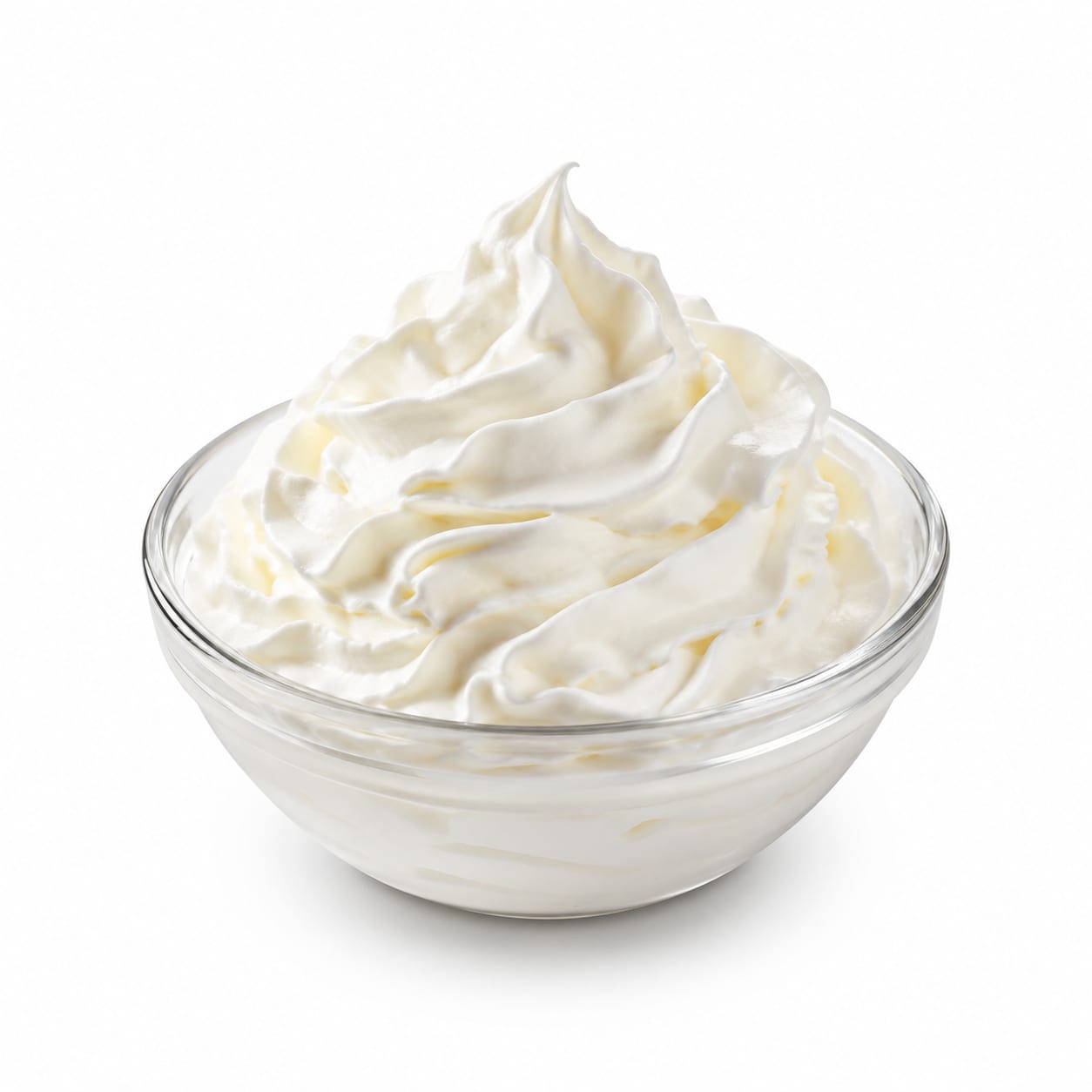
Heavy Cream
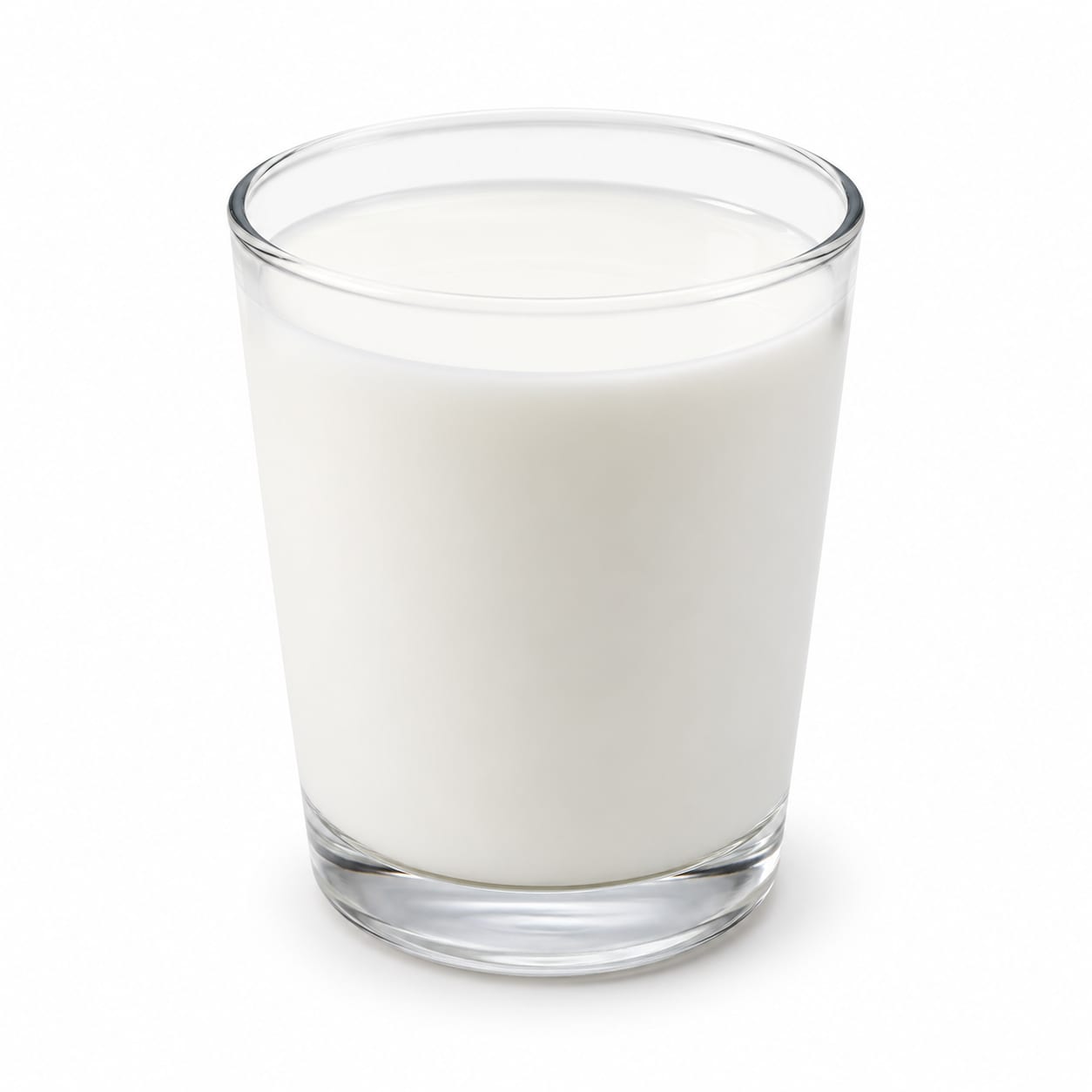
Whole Milk
Whole Milk wins for everyday use thanks to balanced nutrition and reasonable calories. Heavy Cream is a specialty ingredient best used in small amounts for richness and flavor.
Whole Milk scores significantly higher because it offers balanced nutrition, reasonable calories, and daily versatility. Heavy Cream is excellent at its specific job but too calorie-dense and nutritionally narrow for regular consumption.
Heavy Cream delivers luxurious texture and almost no lactose but at massive calorie cost. Whole Milk gives you protein, vitamins, and drinkability at a fraction of the calories.
At a glance
Executive summary
Overall
Whole Milk
Healthier
Whole Milk
More practical
Whole Milk
Daily use
Whole Milk
Key comparison lenses
daily dairy choice for beverages and cooking
Most users deciding between these two are choosing what to pour in coffee, use in recipes, or drink daily
calorie and fat awareness for weight management
Heavy Cream has roughly 10x the fat density of Whole Milk, making this the dominant tradeoff
heart health and saturated fat intake
Both carry saturated fat, but Heavy Cream delivers it in much higher concentration per serving
lactose sensitivity and digestive comfort
Heavy Cream contains significantly less lactose, which matters for sensitive individuals
cooking and recipe functionality
Heavy Cream is irreplaceable in many recipes, while Whole Milk is more of an all-purpose ingredient
Best choice for
Heavy Cream
- Keto and very low-carb diets
- Lactose-sensitive coffee drinkers who want dairy richness
- Recipes requiring thick texture like soups, sauces, and desserts
- Small indulgent additions where a little goes a long way
Whole Milk
- Daily drinking and cereal pairing
- Families needing affordable, balanced nutrition
- Anyone watching calories or saturated fat intake
- Post-workout recovery with protein and carbs
Least suitable for
Heavy Cream
- Anyone tracking calories or trying to lose weight
- Daily drinking by the glass
- People managing high cholesterol or heart disease risk
- Budget-conscious households using large quantities
Whole Milk
- Strict keto dieters who need high fat and minimal carbs
- Those with significant lactose intolerance
- Recipes that specifically require thick consistency
Deep comparison
Dimension by dimension
Each lens scores both foods and breaks down who each option suits.
- Dimension 1 · Priority 95Whole Milk
Calorie Density and Weight Management
Heavy Cream · 15Whole Milk · 70Heavy Cream packs about 340 calories per 100ml compared to Whole Milk's 61. A single tablespoon of Heavy Cream costs you roughly 50 calories, and it is very easy to over-pour.
Tradeoff
You get unmatched richness from Heavy Cream but at a calorie price that adds up fast, especially in coffee or recipes where you might use several tablespoons.
Why it matters
For anyone watching weight, the calorie difference is the single most important factor. Two coffees with Heavy Cream can easily add 150+ calories before you eat anything.
Real-world impact
Switching from Heavy Cream to Whole Milk in your daily coffee could save you 100-200 calories per day, which translates to roughly 10-20 pounds over a year if nothing else changes.
Heavy Cream
- Keto dieters who want calories from fat
- Underweight individuals needing calorie density
Better for
- Portion control is very difficult
- Calories accumulate invisibly in coffee and recipes
Worse for
Whole Milk
- Weight loss or maintenance goals
- Calorie-conscious coffee drinkers
- Anyone who drinks milk by the glass
Better for
- Not calorie-free, still needs moderation
- Lower fat means less satiety per tablespoon
Worse for
- Dimension 2 · Priority 85Whole Milk
Nutrient Balance Per Calorie
Heavy Cream · 25Whole Milk · 75Whole Milk delivers protein, calcium, B vitamins, and potassium spread across modest calories. Heavy Cream is mostly fat with minimal protein or other nutrients per calorie consumed.
Tradeoff
Heavy Cream gives you concentrated fat energy but very little else nutritionally. Whole Milk is a more complete food per calorie.
Why it matters
If you are spending calories on dairy, Whole Milk gives you more nutritional return. Heavy Cream is essentially a fat source with trace protein.
Real-world impact
A cup of Whole Milk provides about 8g protein and 30% of your daily calcium for 149 calories. A cup of Heavy Cream gives only 5g protein for over 800 calories.
Heavy Cream
- Those who already get adequate protein and nutrients elsewhere
- Fat-focused diets like keto
Better for
- Very poor protein-to-calorie ratio
- Not a meaningful calcium source per serving due to small typical portions
Worse for
Whole Milk
- Kids and teens who need balanced nutrition for growth
- Older adults who need protein and calcium efficiently
- Anyone trying to get more nutrition per calorie
Better for
- Less concentrated energy for those who need it
Worse for
- Dimension 3 · Priority 75Heavy Cream
Lactose Tolerance and Digestive Comfort
Heavy Cream · 80Whole Milk · 35Heavy Cream contains significantly less lactose than Whole Milk, making it surprisingly more tolerable for people with mild lactose sensitivity.
Tradeoff
You get better digestive tolerance with Heavy Cream, but you pay for it in calories and saturated fat.
Why it matters
Many people who feel bloated or gassy after milk can handle Heavy Cream in coffee because the lactose content is so much lower per typical serving.
Real-world impact
A tablespoon of Heavy Cream in coffee has roughly 0.5g lactose versus about 12g in a cup of Whole Milk. For mildly lactose-intolerant coffee drinkers, this difference is life-changing.
Heavy Cream
- Mildly lactose-intolerant coffee drinkers
- Those who want dairy flavor without digestive discomfort
Better for
- Not lactose-free, still problematic for severely intolerant individuals
Worse for
Whole Milk
- People with no lactose issues who want to drink a full glass
Better for
- Full glass servings deliver a significant lactose load
- More likely to cause bloating or gas in sensitive people
Worse for
- Dimension 4 · Priority 80Whole Milk
Heart Health and Saturated Fat Load
Heavy Cream · 25Whole Milk · 55Both contain saturated fat, but Heavy Cream delivers it in much higher concentration. Even a modest serving pushes you toward daily saturated fat limits quickly.
Tradeoff
Whole Milk still has saturated fat, but at a level most people can fit into a heart-healthy diet. Heavy Cream makes that much harder.
Why it matters
The American Heart Association recommends limiting saturated fat to about 13g per day. Two tablespoons of Heavy Cream already deliver about 7g.
Real-world impact
If you have elevated cholesterol or a family history of heart disease, Heavy Cream in your daily coffee is a hidden contributor. Whole Milk is not risk-free but is far easier to manage.
Heavy Cream
- Those on keto who view saturated fat as neutral or beneficial
Better for
- Very easy to exceed saturated fat limits
- Regular use could impact lipid profiles over time
Worse for
Whole Milk
- People managing cholesterol or cardiovascular risk
- Anyone following standard heart-healthy dietary guidelines
Better for
- Still a source of saturated fat, not a free pass
- Multiple glasses per day can add up
Worse for
- Dimension 5 · Priority 70Heavy Cream
Cooking and Recipe Versatility
Heavy Cream · 85Whole Milk · 60Heavy Cream is irreplaceable in many recipes. It whips, thickens sauces, and creates textures that Whole Milk simply cannot achieve.
Tradeoff
Heavy Cream wins for cooking functionality but is overkill for everyday drinking or cereal. Whole Milk is the more versatile all-purpose option across both cooking and drinking.
Why it matters
If a recipe calls for Heavy Cream, substituting Whole Milk usually fails. But Whole Milk works in most recipes that call for milk, plus you can drink it straight.
Real-world impact
Alfredo sauce, whipped cream, and creamy soups need Heavy Cream. But for pancakes, smoothies, oatmeal, and mashed potatoes, Whole Milk works great.
Heavy Cream
- Rich sauces and soups that need body
- Desserts requiring whipped cream or custard texture
- Any recipe where thick, velvety mouthfeel is essential
Better for
- Too heavy for recipes needing a lighter touch
- Cannot be used as a direct drinking substitute
Worse for
Whole Milk
- Everyday cooking like pancakes and baking
- Smoothies and oatmeal where lighter texture is preferred
- Drinking straight or with cereal
Better for
- Cannot whip or thicken like cream
- Dilutes flavor in recipes designed for cream
Worse for
- Dimension 6 · Priority 65It depends
Satiety and Satisfaction
Heavy Cream · 70Whole Milk · 65Heavy Cream is more satisfying per tablespoon due to high fat content, but Whole Milk is more satisfying per calorie because you can consume a meaningful volume.
Tradeoff
A splash of Heavy Cream in coffee feels richer and more indulgent. A glass of Whole Milk feels more filling as a snack or meal component.
Why it matters
Satiety depends on context. In coffee, Heavy Cream wins. As a standalone drink or with food, Whole Milk wins because you can actually consume enough to feel full.
Real-world impact
A tablespoon of Heavy Cream in coffee feels luxurious but will not fill you up. A cup of Whole Milk with breakfast actually contributes to feeling satisfied until lunch.
Heavy Cream
- Coffee enhancement where small amounts create big satisfaction
- Adding richness to a dish without bulk
Better for
- Small servings do not provide physical fullness
- High calorie without volume means less satiety per calorie
Worse for
Whole Milk
- Actual hunger between meals when you need something filling
- Post-workout when you need protein and volume
Better for
- Less indulgent mouthfeel in coffee or recipes
Worse for
Timeline
Health impact over time
Short-term
Hours to days
Heavy Cream
- Quick feeling of richness and satisfaction in small amounts
- Very unlikely to cause lactose symptoms in typical serving sizes
- Can feel heavy or greasy if you accidentally over-pour
Whole Milk
- Provides immediate hydration along with calories
- Can cause bloating or gas in lactose-sensitive individuals
- More filling as a between-meal snack due to volume
Long-term
Months to years
Heavy Cream
- Regular use in coffee can contribute hundreds of extra calories daily, leading to gradual weight gain
- High saturated fat intake may raise LDL cholesterol over time
- Low lactose means less digestive wear-and-tear for sensitive people
Whole Milk
- Consistent calcium and protein intake supports bone density and muscle maintenance
- Moderate saturated fat is manageable within balanced diets
- Daily consumption supports stable vitamin D and B12 levels
Risk profile
Safety & processing
Both Heavy Cream and Whole Milk are minimally processed dairy products. Heavy Cream is simply the fat-rich layer skimmed from milk, and Whole Milk is pasteurized milk with its natural fat content retained. Neither typically contains additives, though some brands add stabilizers to cream. Both are about as natural as dairy gets.
Heavy Cream
Spoilage and bacterial growth
mediumHeavy Cream spoils faster than Whole Milk once opened. The high fat content can turn rancid, and bacteria thrive in cream left at room temperature. Use within 5-7 days of opening.
Dairy allergy reaction
highContains milk proteins that trigger allergic reactions in dairy-allergic individuals. Not safe for anyone with a true milk protein allergy.
Whole Milk
Spoilage and bacterial growth
mediumWhole Milk spoils within 5-7 days of opening but generally lasts slightly longer than Heavy Cream. Sour smell and curdling are clear signs it has gone bad.
Dairy allergy reaction
highContains milk proteins that trigger allergic reactions in dairy-allergic individuals. Same allergy risk as Heavy Cream.
Who wins for whom
Audience fit
Same foods, different winners depending on your goal.
children
Whole MilkGrowing kids need balanced nutrition including protein, calcium, and reasonable calories. Whole Milk is pediatrician-recommended for children over 1. Heavy Cream is too calorie-dense and nutritionally narrow.
daily consumption
Whole MilkWhole Milk is designed for daily drinking and provides balanced nutrition. Heavy Cream is a condiment, not a daily beverage.
diabetes
Heavy CreamHeavy Cream has almost no carbs and will not spike blood sugar. Whole Milk contains lactose sugar that causes a modest glucose response. For strict blood sugar control, Heavy Cream in coffee is safer.
elderly
Whole MilkOlder adults benefit from Whole Milk's protein for muscle preservation and calcium for bone health, all at manageable calorie levels. Heavy Cream may worsen cholesterol concerns common in this age group.
muscle gain
Whole MilkWhole Milk offers a better protein-to-calorie ratio and is a classic muscle-building food. Heavy Cream provides mostly fat with minimal protein.
weight loss
Whole MilkWhole Milk provides more nutrition and protein per calorie, and you can actually measure and manage portions easily. Heavy Cream's calorie density makes weight loss harder.
Your move
Decision guide
Choose Heavy Cream
- You are on a keto or very low-carb diet
- You have mild lactose intolerance but still want dairy in your coffee
- You are making a recipe that specifically requires cream for texture
- You need calorie density for weight gain or medical nutrition
Choose Whole Milk
- You want a daily drinking milk for meals, cereal, or smoothies
- You are watching your weight or saturated fat intake
- You want the most nutrition per calorie from your dairy
- You have kids who need balanced dairy nutrition
Either works if
- You have no lactose issues and no calorie concerns
- You are using small amounts in cooking where either could work
- You tolerate dairy well and just want variety
Avoid both if
- You have a true dairy protein allergy
- You are strictly vegan
- You have severe lactose intolerance and need plant-based alternatives
Final recommendation
Keep Whole Milk as your daily dairy and treat Heavy Cream as a special-occasion ingredient. A splash of Heavy Cream in your morning coffee is fine, but if you are going through a carton weekly, you are likely consuming hundreds of hidden calories. Whole Milk gives you the dairy nutrition you need without the calorie trap.
Practical
Consumer tips
- 1
Measure Heavy Cream rather than pouring freely. A heavy hand can add 100+ calories to a single coffee.
- 2
If you love cream in coffee but want fewer calories, try half-and-half as a middle ground with roughly half the fat.
- 3
Whole Milk freezes well if you cannot finish it before the expiry date. Heavy Cream does not freeze well for whipping later.
- 4
Check labels for added stabilizers or gums in Heavy Cream, especially store brands. The cleanest cream has one ingredient: cream.
- 5
For lactose-sensitive coffee drinkers, Heavy Cream or lactose-free Whole Milk are your two best options depending on your calorie preferences.
- 6
Organic versions of both reduce antibiotic and hormone exposure, which matters more with dairy than many other food categories.