
Nutrition comparison
Heavy Cream vs Non-Dairy Creamer: Which Is Healthier for Daily Coffee?
Compare Heavy Cream and Non-Dairy Creamer for health, ingredients, and daily use. Learn which creamer is the smarter choice for your morning coffee and why processing matters more than you think.
Overall winner · Heavy Cream
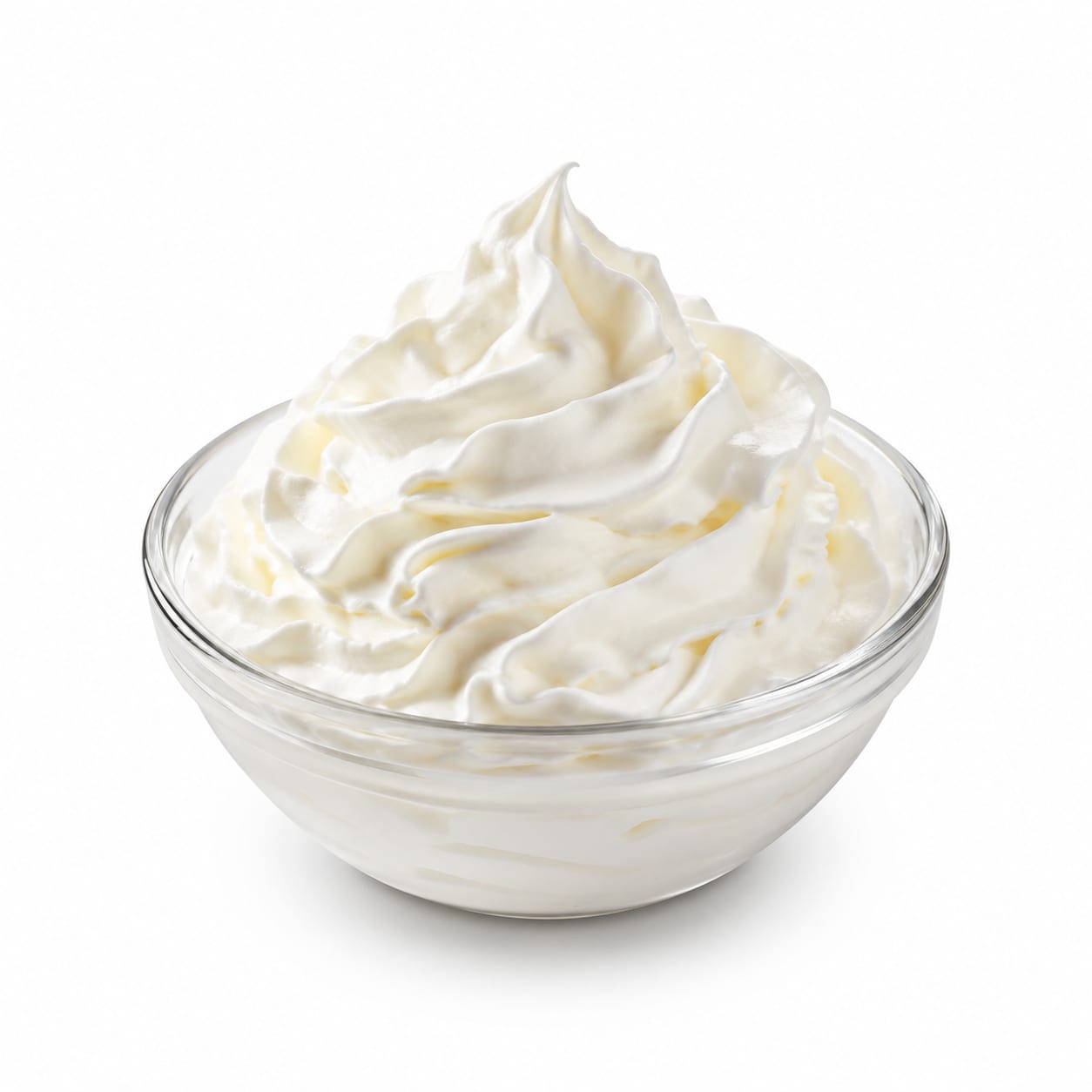
Heavy Cream
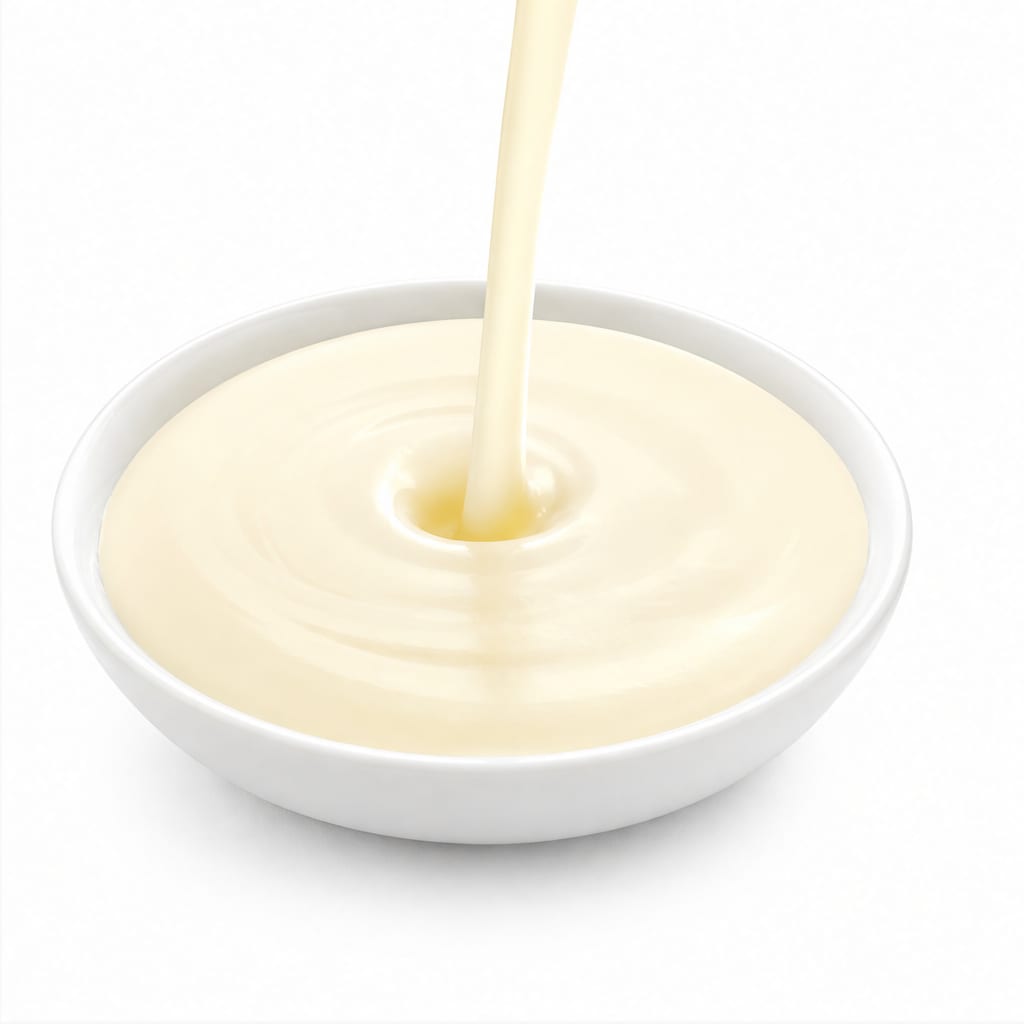
Non-Dairy Creamer
Heavy Cream is the cleaner, more honest choice for daily use despite its high saturated fat content, while Non-Dairy Creamer trades natural fat for a cocktail of processed ingredients that carry hidden risks.
Heavy Cream scores moderately because while its ingredient list is clean, its high saturated fat and calorie density are real concerns. Non-Dairy Creamer scores much lower because its processing level, additive load, and hidden sugars outweigh the convenience benefits for most people.
Real saturated fat you can see and measure versus industrial oils and additives you cannot easily track or research.
At a glance
Executive summary
Overall
Heavy Cream
Healthier
Heavy Cream
More practical
Non-Dairy Creamer
Daily use
Heavy Cream
Key comparison lenses
ingredient transparency
Heavy Cream has one ingredient while Non-Dairy Creamer often contains a long list of additives, emulsifiers, and preservatives
heart health tradeoffs
Both products raise cardiovascular concerns but through entirely different mechanisms: saturated fat versus hydrogenated oils and synthetic emulsifiers
daily coffee use
Most users are choosing between these for their morning coffee, making long-term daily exposure the real decision factor
blood sugar impact
Non-Dairy Creamer often contains corn syrup solids and added sugars while Heavy Cream is virtually carb-free
digestive tolerance
Lactose sensitivity pushes some users toward Non-Dairy Creamer despite its other drawbacks
Best choice for
Heavy Cream
- People who want simple, recognizable ingredients
- Those following keto or low-carb diets
- Anyone avoiding added sugars and corn syrup
- Coffee drinkers who use small amounts and want real flavor
Non-Dairy Creamer
- People with severe lactose intolerance or dairy allergy
- Those who need shelf-stable creamer for travel or office
- Vegans avoiding all animal-derived ingredients
Least suitable for
Heavy Cream
- People with dairy allergies or severe lactose intolerance
- Anyone strictly limiting saturated fat on doctor's orders
- Those tracking calories closely since it is very calorie-dense
Non-Dairy Creamer
- People avoiding ultra-processed foods
- Anyone concerned about hydrogenated oils or trans fat traces
- Those monitoring blood sugar since many brands add corn syrup solids
Deep comparison
Dimension by dimension
Each lens scores both foods and breaks down who each option suits.
- Dimension 1 · Priority 95Heavy Cream
Ingredient Simplicity & Transparency
Heavy Cream · 95Non-Dairy Creamer · 15Heavy Cream is just cream. Non-Dairy Creamer typically contains hydrogenated oils, corn syrup solids, sodium caseinate, dipotassium phosphate, and artificial flavors.
Tradeoff
You know exactly what is in Heavy Cream. Non-Dairy Creamer requires label decoding and still hides processing details.
Why it matters
When you consume something daily, ingredient transparency determines whether you can make an informed health decision at all.
Real-world impact
Reading a Heavy Cream label takes two seconds. Decoding a Non-Dairy Creamer label requires research on multiple chemical names.
Heavy Cream
- Clean-label eaters
- People with chemical sensitivities
- Anyone who wants to control exactly what enters their body
Better for
- No real downside on ingredient transparency
Worse for
Non-Dairy Creamer
- People who prioritize convenience over ingredient scrutiny
Better for
- Anyone trying to avoid ultra-processed food
- People sensitive to emulsifiers or preservatives
Worse for
- Dimension 2 · Priority 90It depends
Heart Health Impact
Heavy Cream · 40Non-Dairy Creamer · 30Heavy Cream delivers high saturated fat that can raise LDL cholesterol. Non-Dairy Creamer often contains hydrogenated oils that may include trans fats, which are even more harmful to cardiovascular health.
Tradeoff
Saturated fat versus potentially worse industrial trans fat. Neither is heart-healthy, but the mechanism of harm differs significantly.
Why it matters
Daily coffee creamer means daily cardiovascular exposure. Small amounts add up over years of habitual use.
Real-world impact
A tablespoon of Heavy Cream daily is unlikely to move the needle much. Multiple cups with Non-Dairy Creamer could expose you to concerning levels of industrial fats.
Heavy Cream
- People using small amounts who have normal cholesterol
- Those whose doctors are mainly concerned about trans fat avoidance
Better for
- People with existing high LDL cholesterol
- Anyone with a family history of heart disease
Worse for
Non-Dairy Creamer
- People on strict saturated fat restriction who have verified their brand contains zero trans fat
Better for
- People concerned about trans fat exposure
- Anyone with inflammatory cardiovascular risk
Worse for
- Dimension 3 · Priority 75Heavy Cream
Blood Sugar Stability
Heavy Cream · 90Non-Dairy Creamer · 35Heavy Cream has essentially zero carbs and will not spike blood sugar. Many Non-Dairy Creamers contain corn syrup solids and added sugars that cause small but real glucose spikes.
Tradeoff
No sugar at all versus hidden sugars disguised as corn syrup solids, maltodextrin, or other refined carbohydrates.
Why it matters
Blood sugar stability affects energy, cravings, and long-term metabolic health. Even small amounts of hidden sugar in a daily habit matter.
Real-world impact
Heavy Cream in your morning coffee will not trigger a crash. Non-Dairy Creamer might contribute to mid-morning hunger pangs you would not expect from coffee.
Heavy Cream
- People with diabetes or insulin resistance
- Keto and low-carb dieters
- Anyone trying to eliminate hidden sugar sources
Better for
- No blood sugar downside
Worse for
Non-Dairy Creamer
- No meaningful blood sugar advantage
Better for
- Diabetics who assume all creamers are sugar-free
- People tracking glycemic load who overlook coffee additions
Worse for
- Dimension 4 · Priority 70Non-Dairy Creamer
Calorie Density & Portion Control
Heavy Cream · 25Non-Dairy Creamer · 55Heavy Cream packs about 50 calories per tablespoon, almost entirely from fat. Non-Dairy Creamer typically runs 20-35 calories per tablespoon but often tempts larger portions due to its lighter mouthfeel.
Tradeoff
Heavy Cream is so rich you naturally stop at a tablespoon. Non-Dairy Creamer feels lighter so you may pour more, negating the calorie savings.
Why it matters
Calories from coffee add-ons are invisible and rarely tracked. Over years, they can contribute to gradual weight gain.
Real-world impact
Two tablespoons of Heavy Cream is 100 calories you will feel. Four tablespoons of Non-Dairy Creamer is also 100-140 calories you might not notice pouring.
Heavy Cream
- People who naturally self-limit with rich foods
- Those who prefer one satisfying splash over multiple lighter pours
Better for
- Calorie counters who do not measure portions
- People who use cream liberally
Worse for
Non-Dairy Creamer
- Careful portion trackers who measure exactly
- People who prefer a lighter coffee mouthfeel with fewer calories per tablespoon
Better for
- People who pour freely and assume it is low-calorie
Worse for
- Dimension 5 · Priority 88Heavy Cream
Processing & Additive Exposure
Heavy Cream · 90Non-Dairy Creamer · 10Heavy Cream undergoes minimal processing, essentially just separation from milk. Non-Dairy Creamer is ultra-processed with emulsifiers, stabilizers, and preservatives that are increasingly linked to gut health disruption.
Tradeoff
A whole food with one ingredient versus an industrial product designed to mimic cream without containing any.
Why it matters
Emerging research connects emulsifiers like polysorbates and carrageenan to gut inflammation and microbiome disruption. Daily exposure amplifies these concerns.
Real-world impact
Your gut bacteria interact with everything you consume daily. Heavy Cream feeds them fat. Non-Dairy Creamer feeds them chemicals your body does not recognize as food.
Heavy Cream
- People with gut health concerns
- Anyone following a whole-food or clean-eating approach
- Those with sensitivities to emulsifiers or stabilizers
Better for
- No processing downside
Worse for
Non-Dairy Creamer
- No meaningful advantage on processing
Better for
- People with IBS or gut inflammation
- Anyone concerned about long-term effects of daily emulsifier consumption
Worse for
- Dimension 6 · Priority 60Non-Dairy Creamer
Shelf Stability & Convenience
Heavy Cream · 30Non-Dairy Creamer · 85Non-Dairy Creamer can sit in a pantry for months without refrigeration. Heavy Cream spoils within days of opening and requires constant refrigeration.
Tradeoff
Convenience and longevity versus freshness and ingredient quality.
Why it matters
For office coffee stations, travel, or occasional use, shelf stability matters. For daily home use, refrigeration is rarely a real obstacle.
Real-world impact
Non-Dairy Creamer is always ready when you are. Heavy Cream demands a fridge and planning, and wasting spoiled cream is frustrating.
Heavy Cream
- Daily home users who go through cream quickly
- People who prioritize freshness over convenience
Better for
- People who travel frequently
- Anyone without reliable refrigeration
Worse for
Non-Dairy Creamer
- Office workers with shared coffee stations
- Travelers and campers
- Occasional coffee drinkers who would waste fresh cream
Better for
- No convenience downside
Worse for
Timeline
Health impact over time
Short-term
Hours to days
Heavy Cream
- Rich, satisfying mouthfeel that makes coffee feel indulgent
- No blood sugar spike or crash
- High calorie load that can suppress hunger but contribute to overconsumption if not measured
Non-Dairy Creamer
- Possible mild blood sugar bump from hidden sugars depending on brand
- Some people report digestive discomfort from emulsifiers
- Lighter mouthfeel that may leave coffee feeling less satisfying
Long-term
Months to years
Heavy Cream
- Regular saturated fat intake may raise LDL cholesterol in susceptible individuals
- Zero additive exposure means no unknown long-term risks from preservatives
- Calorie density can contribute to gradual weight gain if portions are not managed
Non-Dairy Creamer
- Daily emulsifier exposure may disrupt gut microbiome over time
- Potential trans fat exposure even in trace amounts accumulates with daily use
- Hidden sugars contribute to metabolic burden that builds silently over years
- Sodium caseinate means it is not truly dairy-free for those with milk protein allergies
Risk profile
Safety & processing
Heavy Cream is separated from milk and nothing more. Non-Dairy Creamer is an industrial formulation built from hydrogenated vegetable oils, corn syrup solids, sodium caseinate, dipotassium phosphate, mono- and diglycerides, and artificial flavors. The processing gap between these two products is enormous.
Heavy Cream
Dairy spoilage and foodborne illness
mediumHeavy Cream spoils quickly and can harbor bacteria if left unrefrigerated. Always smell and check before use.
Saturated fat and cardiovascular risk
mediumRegular high saturated fat intake raises LDL cholesterol in many people, though moderate use in coffee is unlikely to be the primary driver of heart disease.
Non-Dairy Creamer
Trans fat exposure from partially hydrogenated oils
highEven though labels may claim zero trans fat, small amounts per serving can accumulate with multiple daily servings. Some brands still use partially hydrogenated oils.
Emulsifier-related gut inflammation
mediumPolysorbates, carrageenan, and similar emulsifiers have been linked to gut barrier disruption and inflammatory responses in emerging research.
Hidden added sugars
mediumCorn syrup solids and maltodextrin add sugar that many consumers do not expect in a creamer, contributing to metabolic load.
Phosphate additives and kidney stress
lowDipotassium phosphate is used as a stabilizer. In large amounts, inorganic phosphates can stress kidney function, especially in those with existing kidney issues.
Who wins for whom
Audience fit
Same foods, different winners depending on your goal.
children
Heavy CreamChildren should avoid the artificial additives, emulsifiers, and hydrogenated oils in Non-Dairy Creamer. Small amounts of Heavy Cream are a more natural choice if dairy is tolerated.
daily consumption
Heavy CreamDaily exposure amplifies the risks of additives and hidden sugars. Heavy Cream is the cleaner daily habit despite its saturated fat content.
diabetes
Heavy CreamHeavy Cream has essentially zero carbs and will not affect blood sugar. Non-Dairy Creamer often contains corn syrup solids that can cause glucose spikes.
elderly
Heavy CreamOlder adults are more vulnerable to cardiovascular risks from trans fats and metabolic disruption from hidden sugars. Heavy Cream in moderation is the safer daily choice.
muscle gain
Heavy CreamHeavy Cream provides some natural dairy fat with fat-soluble vitamins. Neither product is relevant for muscle building, but Heavy Cream at least delivers real nutrition alongside its calories.
weight loss
It dependsHeavy Cream is more filling per calorie but so calorie-dense that overpouring is easy. Non-Dairy Creamer has fewer calories per tablespoon but hidden sugars may increase cravings. Neither is ideal for weight loss.
Your move
Decision guide
Choose Heavy Cream
- You want simple, recognizable ingredients in your daily coffee
- You are watching blood sugar or following a low-carb diet
- You use creamer at home with reliable refrigeration
- You are concerned about emulsifiers, preservatives, or hydrogenated oils
- You prefer a rich, satisfying coffee experience that naturally limits portion size
Choose Non-Dairy Creamer
- You have a dairy allergy or severe lactose intolerance
- You need a shelf-stable option for office, travel, or occasional use
- You are vegan and avoiding all animal products
- You carefully read labels and have found a brand without hydrogenated oils or added sugars
Either works if
- You only use creamer a few times per week in small amounts
- Neither product makes up a significant portion of your diet
Avoid both if
- You are trying to reduce saturated fat and processed food simultaneously
- You have cardiovascular disease and your doctor has recommended cutting both dairy fat and hydrogenated oils
- You want to eliminate all calorie-dense coffee additions for weight management
Final recommendation
For daily coffee drinkers, Heavy Cream is the clearly better choice. Its ingredient list is honest and short, it will not spike your blood sugar, and it avoids the emulsifier and hydrogenated oil concerns that come with Non-Dairy Creamer. The saturated fat in a tablespoon or two per day is manageable for most people. If you cannot tolerate dairy, seek out a clean-label plant-based creamer with minimal ingredients rather than a conventional Non-Dairy Creamer.
Practical
Consumer tips
- 1
Check Non-Dairy Creamer labels for partially hydrogenated oils. If you see them, put it back.
- 2
Heavy Cream goes bad fast. Buy the smallest container that matches your usage rate.
- 3
A single tablespoon of Heavy Cream transforms coffee. You rarely need more.
- 4
If you choose Non-Dairy Creamer, measure it. The light taste makes it easy to overpour.
- 5
Some premium Non-Dairy Creamers now use simpler ingredients. Look for brands with fewer than five ingredients and no corn syrup solids.
- 6
Freezing Heavy Cream in ice cube trays gives you portion-controlled servings that last longer.
- 7
Sodium caseinate in many Non-Dairy Creamers is a milk protein. If you have a dairy allergy, these are not truly safe for you.